Tobe Hooper makes ordinary places feel unsafe, but we value the warmth as much as the fright. Poltergeist shows how much stronger his horror becomes when he gives us people worth worrying about.
Fi1m perspective
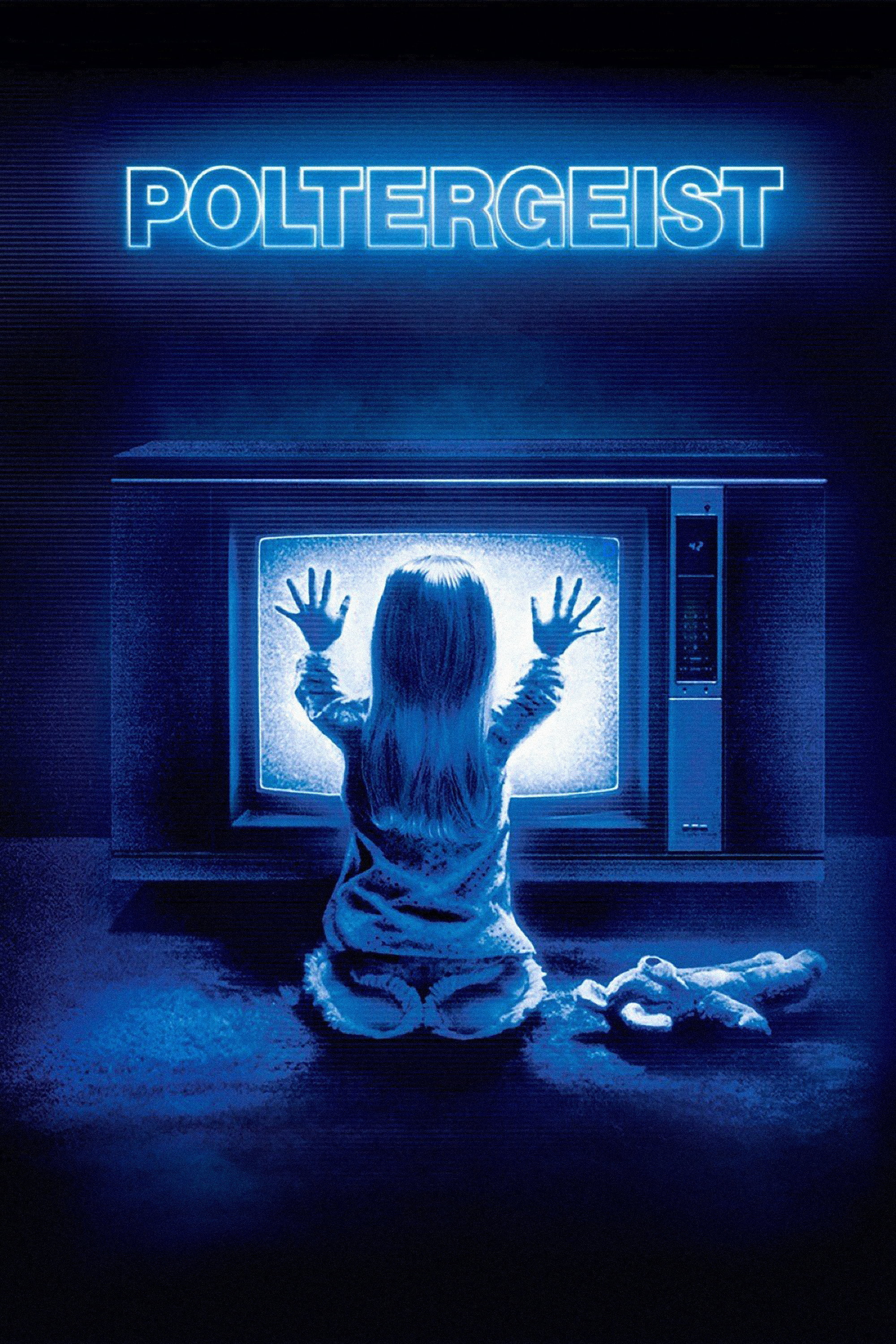
In Poltergeist (1982), Hooper gives the Freelings time to be a family before their suburban home becomes frightening. The humour allows us to enjoy their company without treating them as fools, and their expectation of safety makes the haunting easier to imagine. We were frightened because we had come to like these people and wanted the ghosts to leave them alone. That attention to ordinary life is a substantial part of his skill as a horror director.
The independent The Texas Chain Saw Massacre (1974) brought his breakthrough, with a rough physical intensity that became influential across horror. In the television miniseries Salem’s Lot (1979), he worked with supernatural and gothic material. Studio films followed with The Funhouse (1981) and Poltergeist. Across these changes, he kept returning to ordinary surroundings made threatening and situations people cannot escape.
Poltergeist benefits from Steven Spielberg’s story and the screenplay he shares with Michael Grais and Mark Victor. Their attention to childhood fears gives Hooper something more useful than a succession of opportunities for effects. JoBeth Williams and Craig T. Nelson keep the family persuasive while the supernatural activity grows increasingly busy. Hooper allows the household enough warmth that the performances still matter amid the commotion.
The reservation is that he sometimes lets those effects become attractions in their own right. We begin inspecting what the film can show us when we ought to be worrying about the Freelings. Some of the supernatural commotion could go without weakening the threat. It remains a frightening, affectionate film, but it gives us a useful measure of Hooper: the spectacle works better when he keeps the people in view.
The later turn towards science-fiction, satire and camp brought Lifeforce (1985) and The Texas Chainsaw Massacre 2 (1986), both made under his three-picture Cannon Films deal. That willingness to change the kind of horror he made deserves more attention than a simple account of decline after 1974. It is not a reason to excuse thin scripts or effects that fail to convince, recurring criticisms of the later features. Start with Poltergeist for the care he takes before he starts frightening us.
Biography
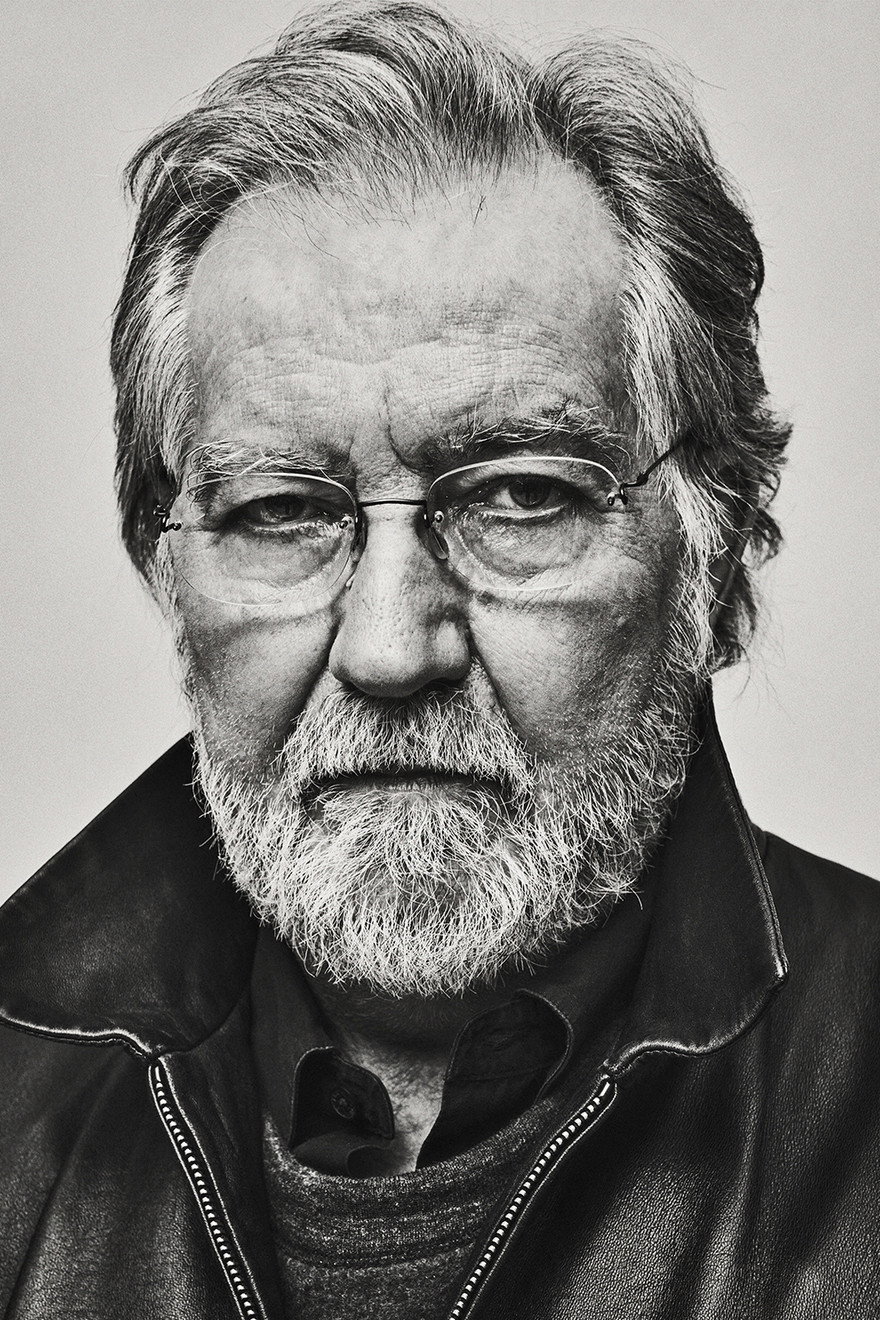
Tobe Hooper was an American film director and screenwriter. He was born on 25 January 1943 in Austin, Texas, and died on 26 August 2017. He studied at the University of Texas at Austin and worked as a documentary cameraman and college professor before making his feature debut with Eggshells (1969).
Hooper is known for directing The Texas Chain Saw Massacre (1974), which he co-wrote with Kim Henkel, and Poltergeist (1982). Other credits include the miniseries Salem's Lot (1979) and The Texas Chainsaw Massacre 2 (1986).