Tobe Hooper makes human violence feel appallingly close through precise framing, sparse music and suggestion. We recommend this ferociously effective horror film, with a warning: the relentless scares leave little room for its characters to become more than victims.
Tobe Hooper’s The Texas Chain Saw Massacre is frightening enough to justify its reputation, though its narrow interest in what people can suffer is a real limitation. It wants to make violence feel possible, close and difficult to escape. At 83 minutes, it does this with a concentration that many longer horror films struggle to sustain. There is little reassurance in its rough, observational appearance, and little opportunity to stand back and enjoy the mechanics.
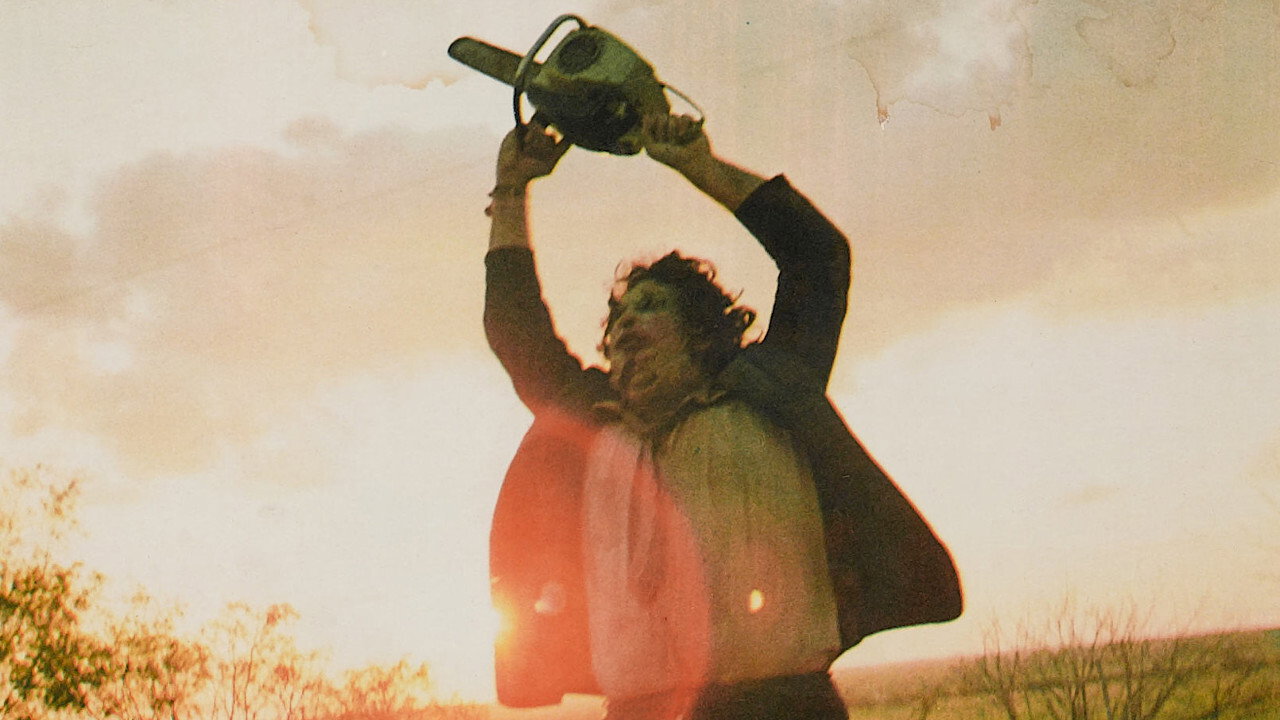
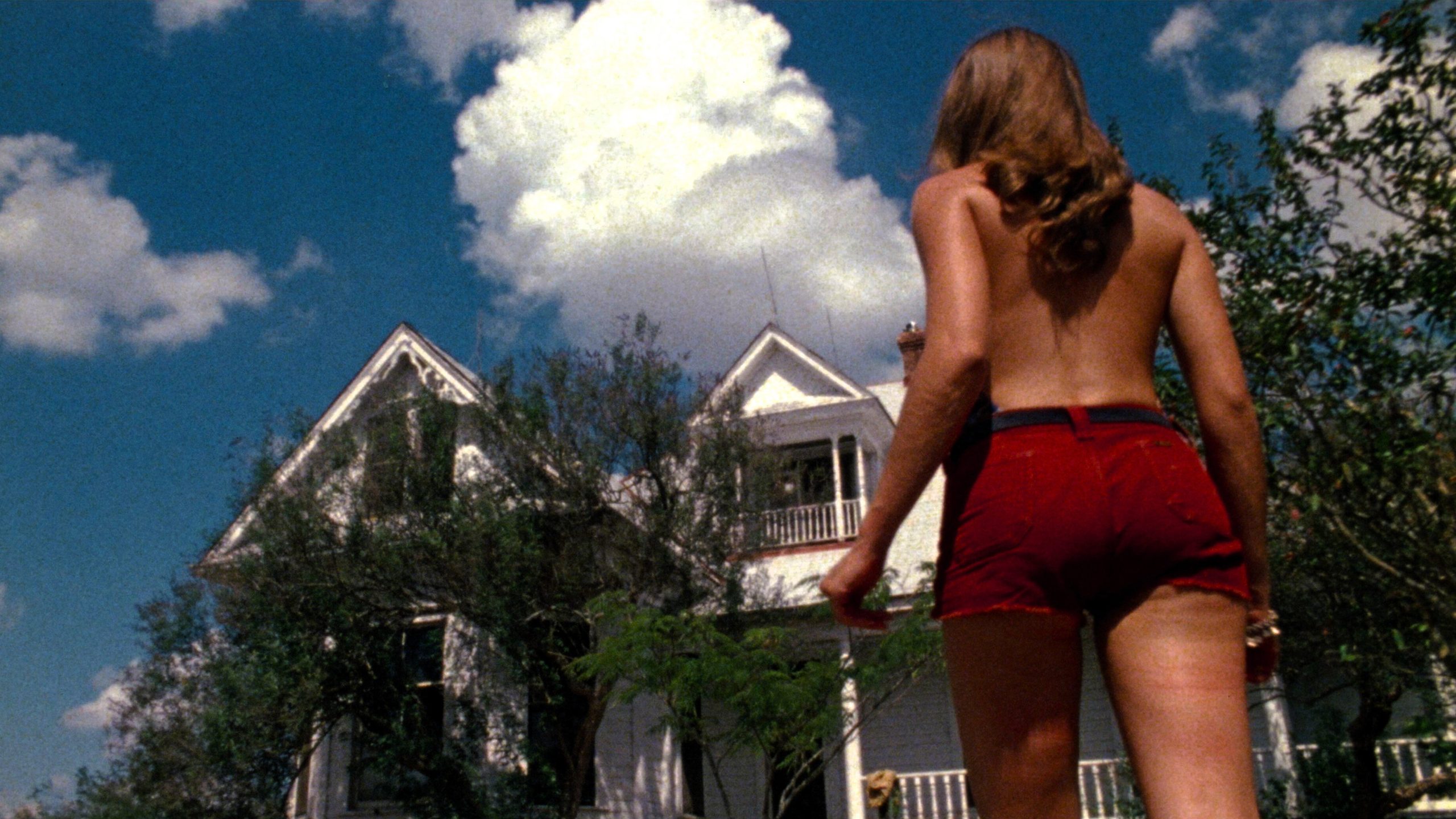
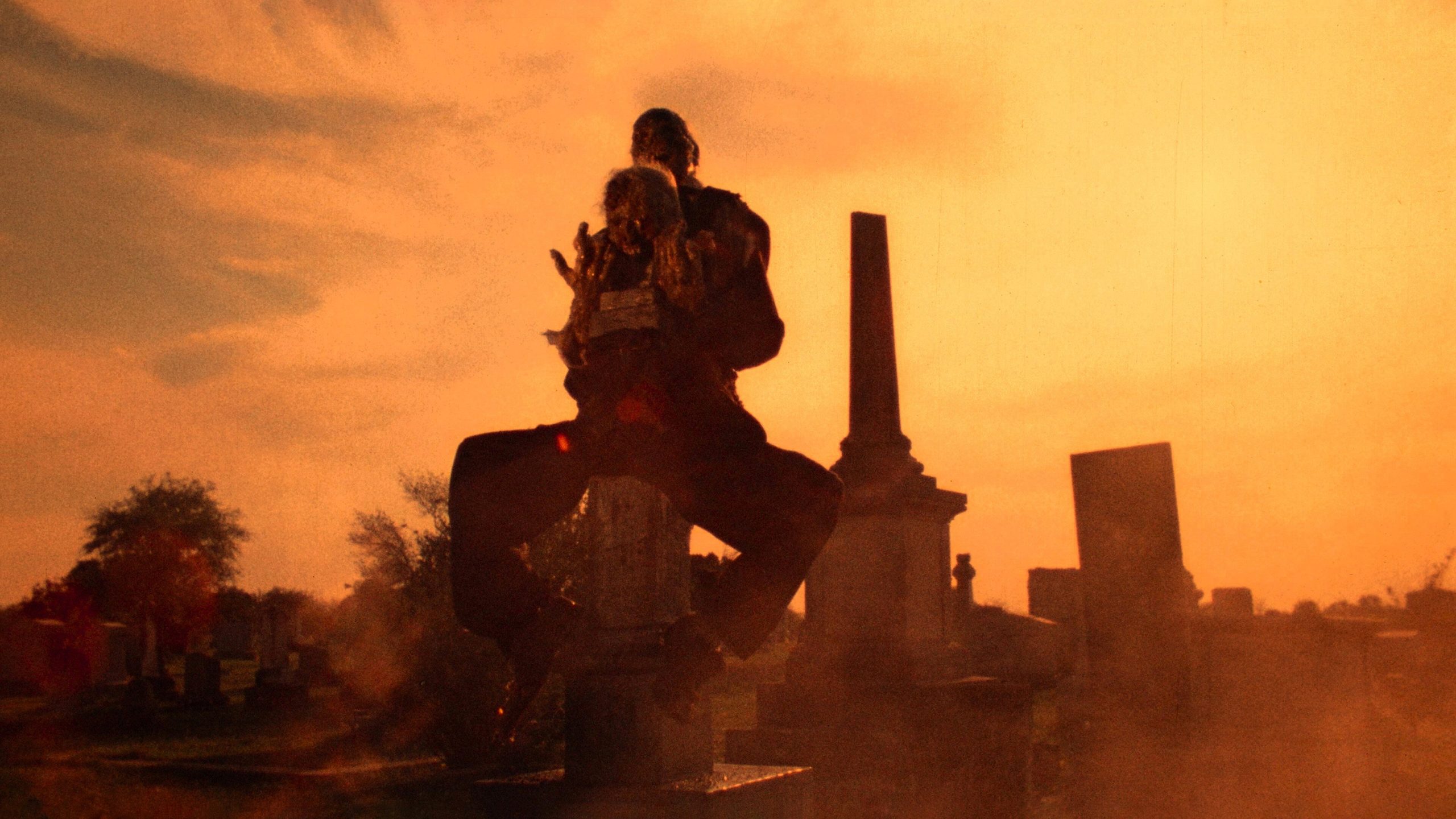
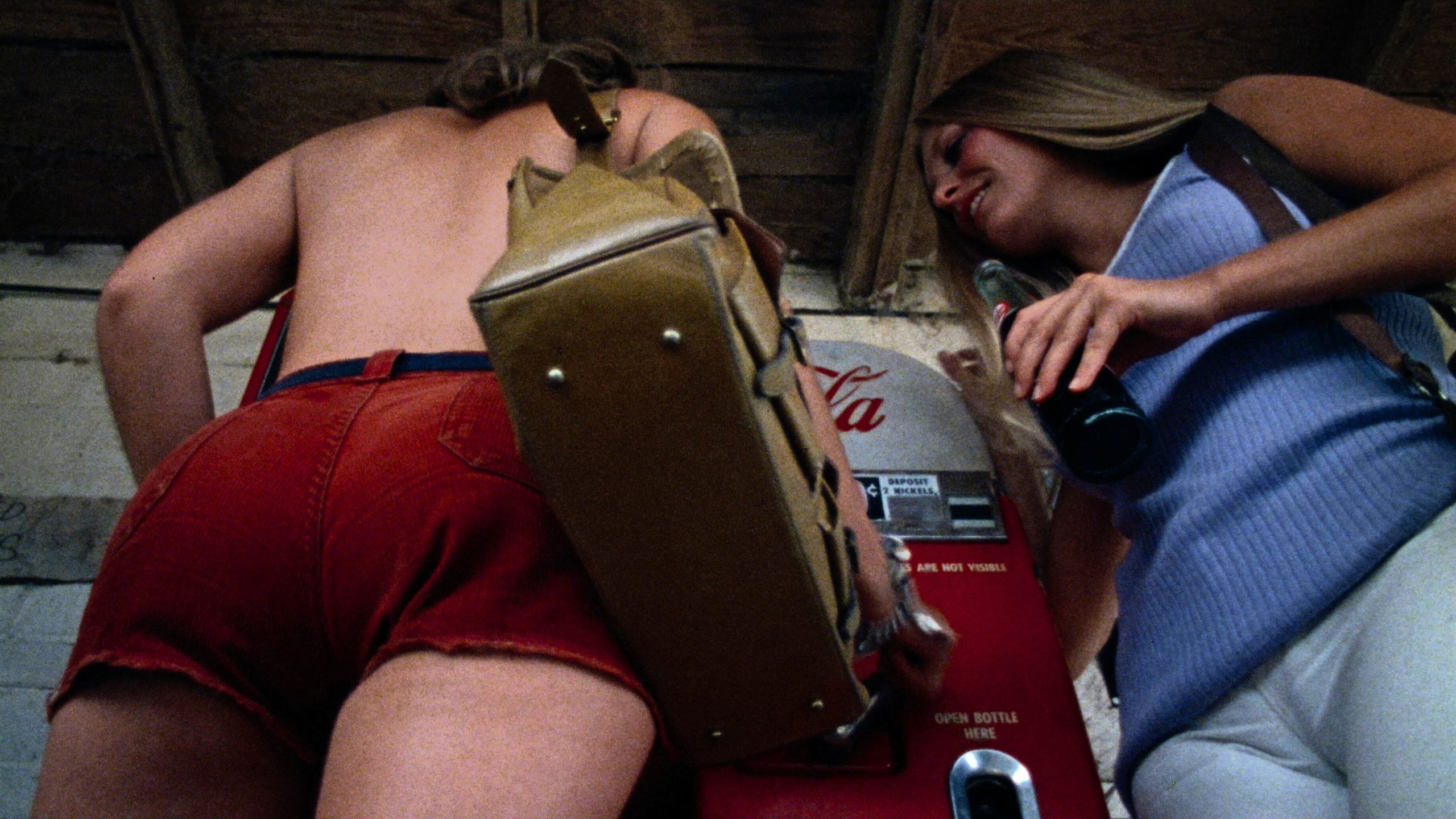
Daniel Pearl’s cinematography deserves more credit than the word raw usually allows. The tracking shots are controlled, the compositions carefully judged; the grimy appearance does not mean anyone has simply pointed a camera and hoped. The thin colour makes the surroundings uninviting, while the precision of the framing keeps us looking for danger within them. The production design reinforces that discomfort through decay, making the spaces unpleasant to contemplate even before we consider what might happen there. None of this requires an attractive image to announce itself as good photography.
Editors J. Larry Carroll and Sallye Richardson help make suggestion feel almost physically intolerable. The cutting gives the imagination enough information to supply violence that the image does not need to spell out. We were horrified by what we imagined in those gaps. The timing matters: there is little chance to examine a shock calmly before anticipation starts working on us again. It is skilful editing that makes us reluctant to keep looking.
Wayne Bell and Tobe Hooper’s sparse music contributes to the unease without giving us much comfort or release. The soundtrack has a force that the amount of visible violence alone cannot explain. Sound makes the threat feel close, and the minimal score avoids putting a reassuring musical frame around it. A more insistent accompaniment might have made the frightening material easier to recognise as a performance. Here, the sound and the rough-looking images belong together, and the effect is oppressive.
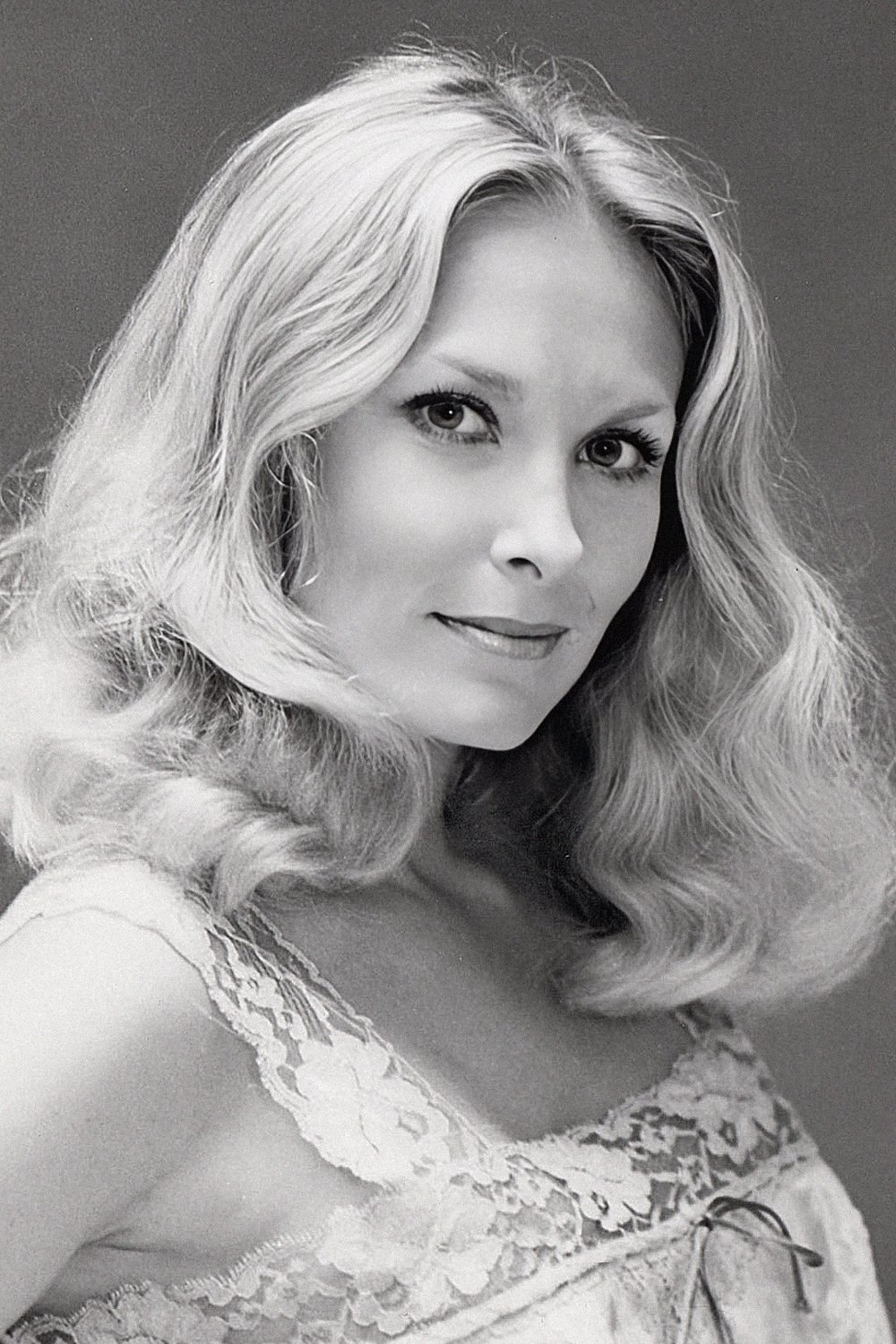
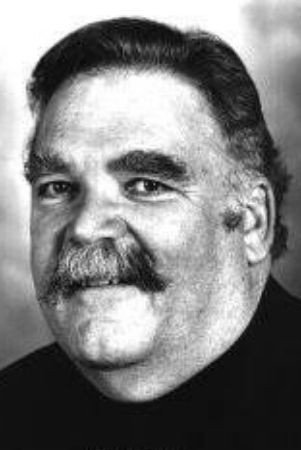
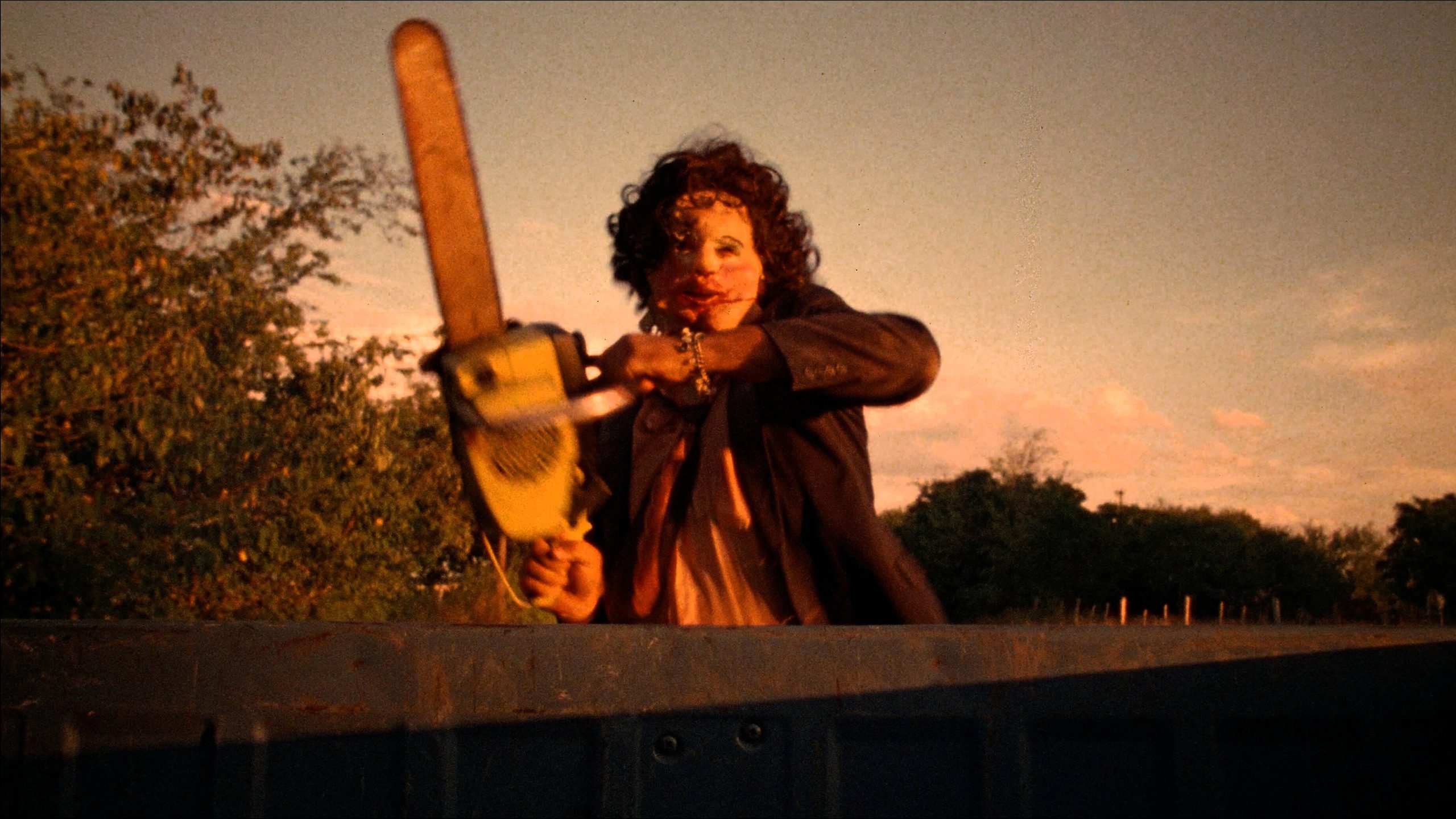
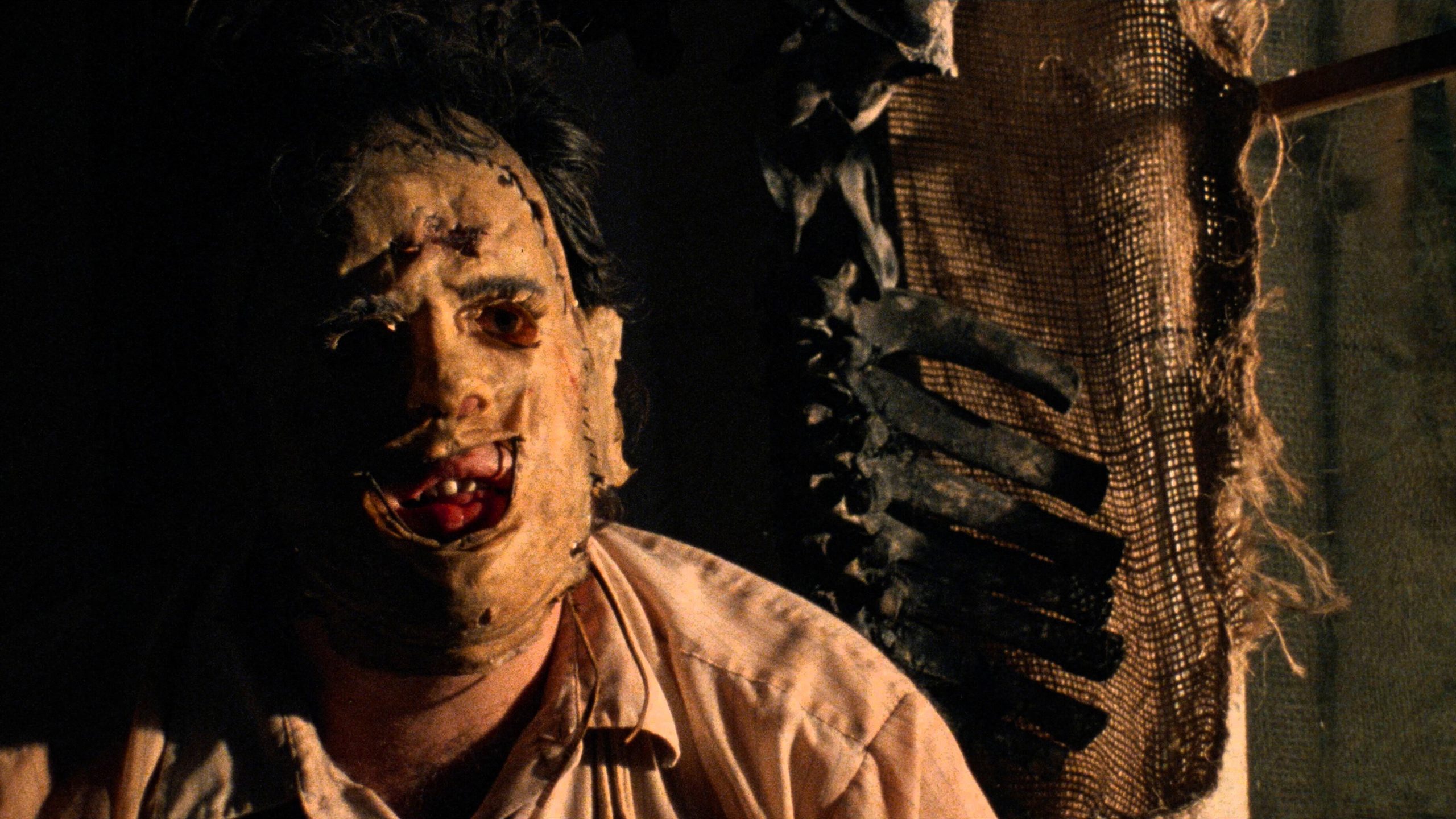
Marilyn Burns makes Sally’s fear convincing, while Gunnar Hansen gives Leatherface a disturbing presence. Their work keeps the film from becoming merely a demonstration of what a camera and a cutting room can do to an audience. But the screenplay by Kim Henkel and Tobe Hooper gives us limited reasons to care about the characters beyond their immediate danger. That matters when the pressure continues without much variation in what we are asked to feel. We believe the distress; we would welcome more opportunities to know the people experiencing it.
The gallows humour helps, although it offers no dependable relief. Human behaviour becomes grotesquely absurd, and a laugh can feel like an inappropriate response even as it escapes. Horror sometimes weakens itself by treating every threatening figure with solemn reverence, and this film avoids that mistake. Its ugliness includes behaviour that is ridiculous as well as frightening. The humour makes the company more uncomfortable, which is hardly a kindness, but it prevents the tone from settling into a single heavy note.
We recommend it strongly to anyone who wants horror to be difficult to sit through. The thin characterisation is a genuine drawback, and technical control does not oblige anyone to enjoy sustained distress. Choose an evening when being frightened is the point. This is a poor choice for winding down.