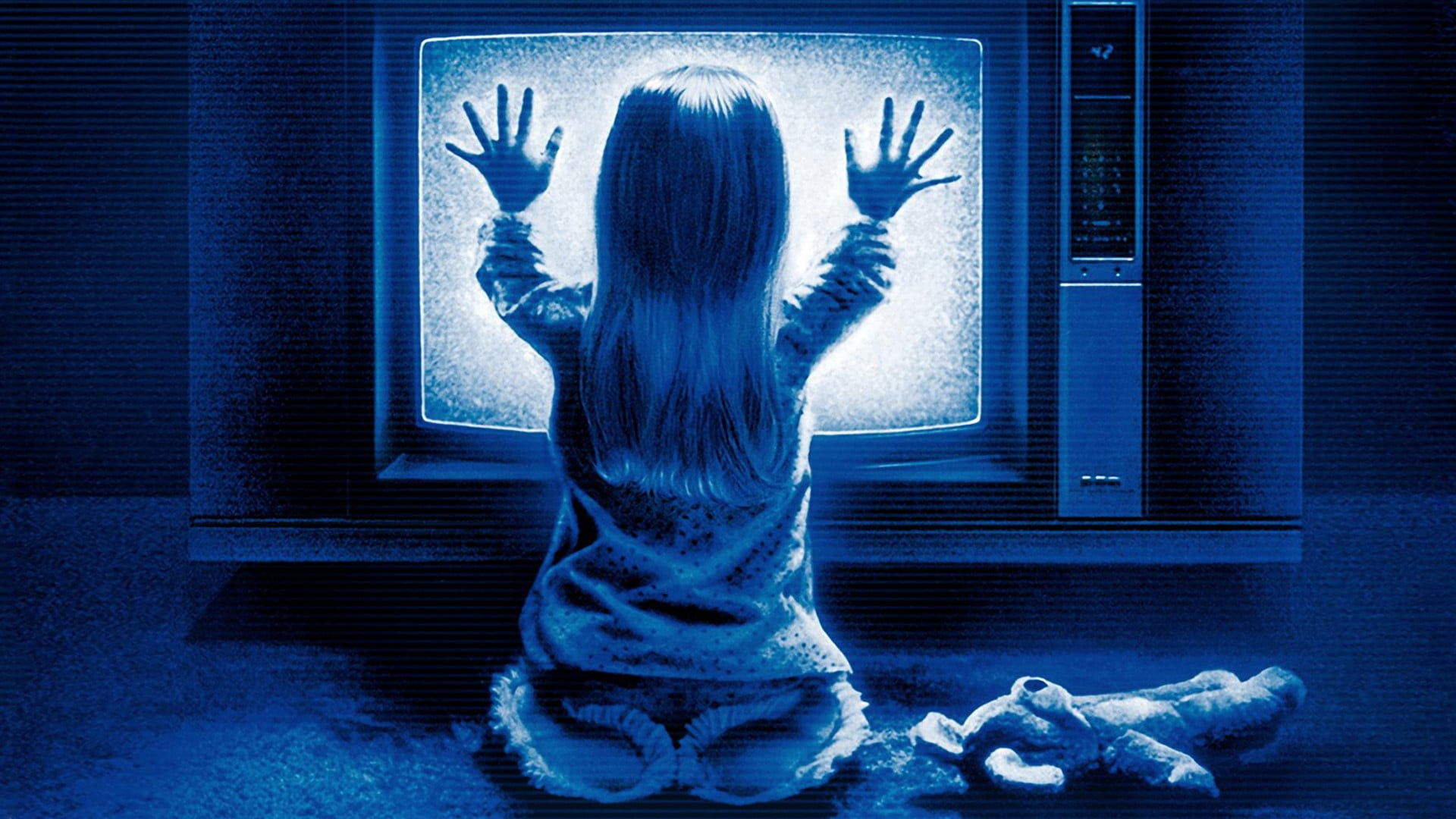
Tobe Hooper’s Poltergeist is a frightening haunted-house film because its family feels worth protecting. The effects sometimes get too busy, but JoBeth Williams and Craig T. Nelson keep us concerned for the people.
Poltergeist is a frightening, unusually affectionate haunted-house film, and its family is the reason it works. Tobe Hooper gives the Freelings enough ordinary life for us to mind when the ghosts interfere; getting to know the household is part of the pleasure. Moving the haunting into an American suburb makes the threat easy to understand, since these parents expect their home to be safe. The humour helps establish that expectation without making the family foolish. We have time to like them before the supernatural business takes over.
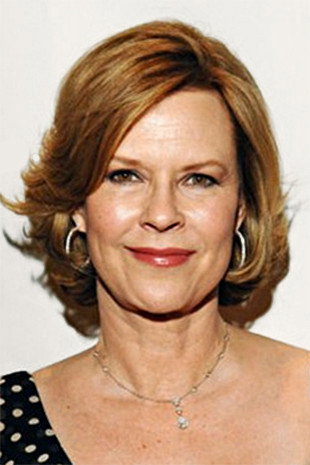
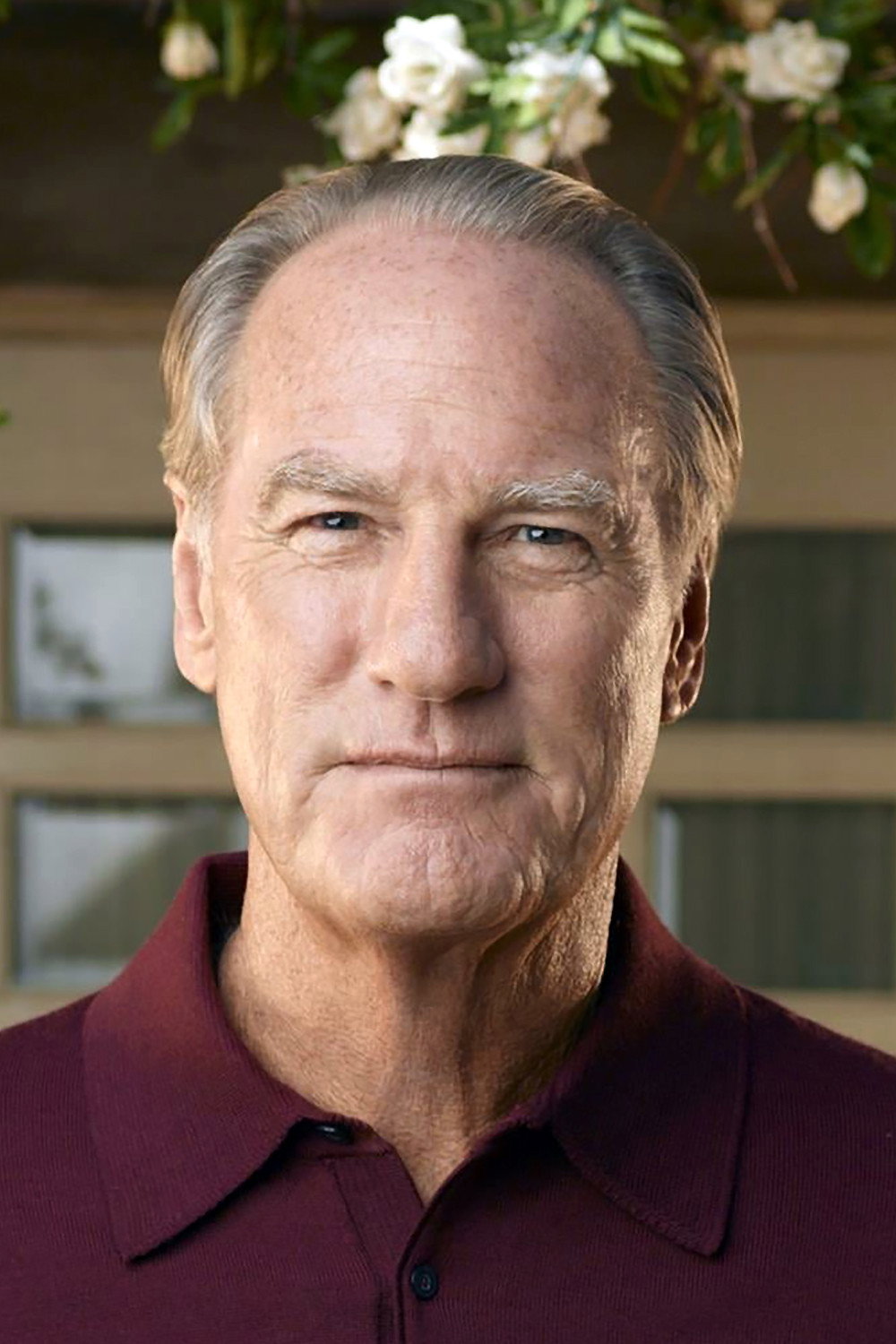
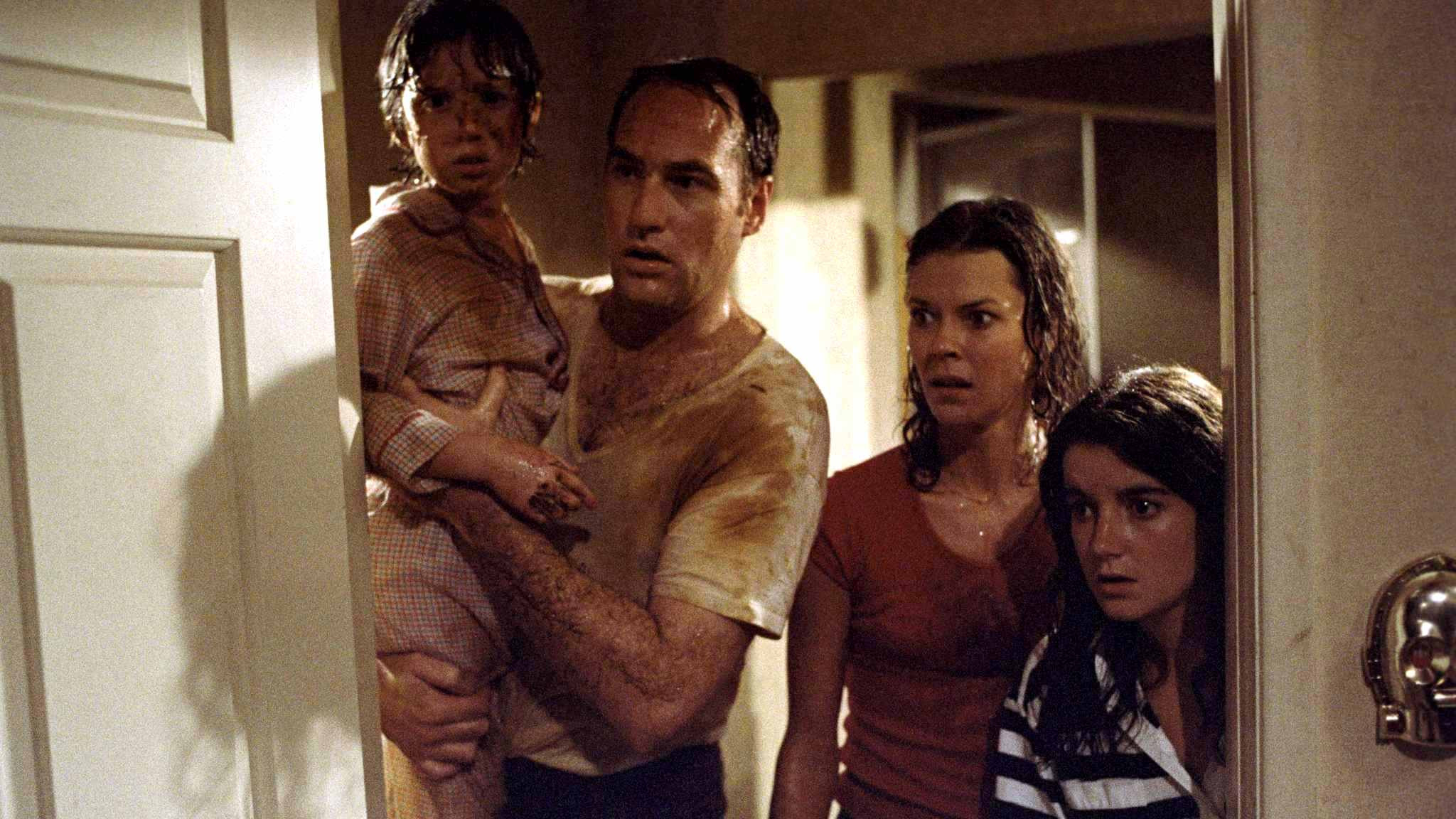
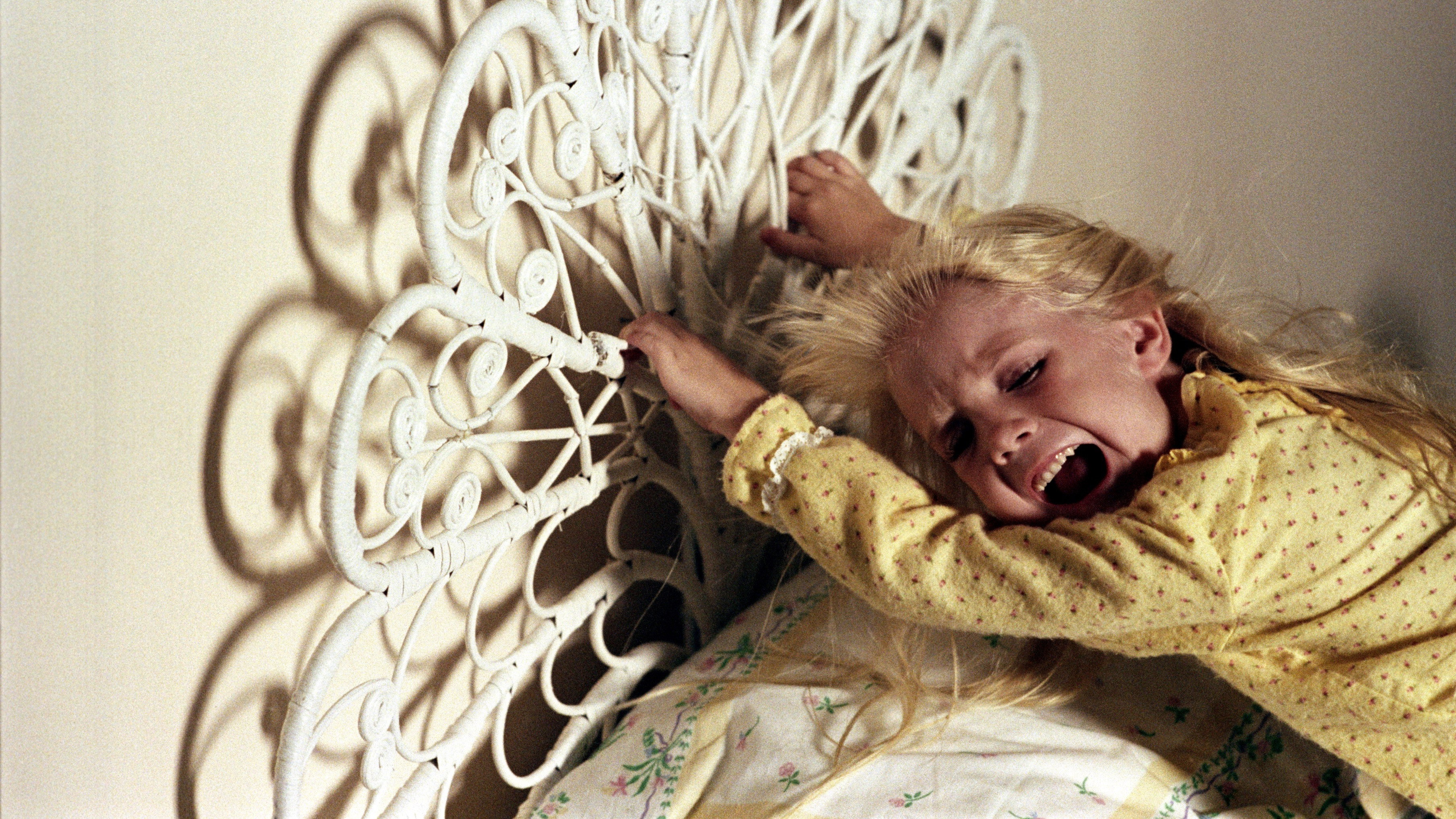
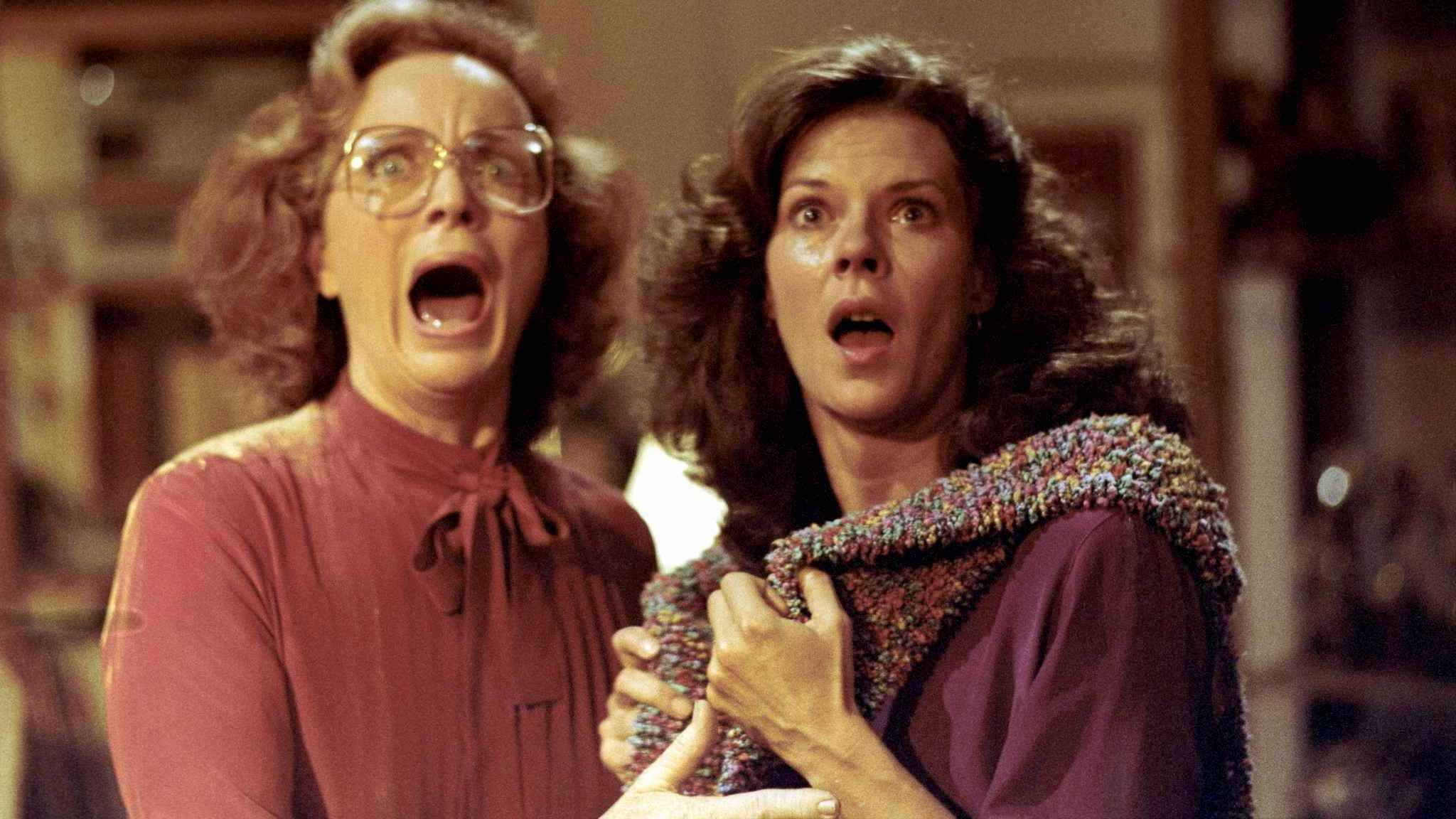
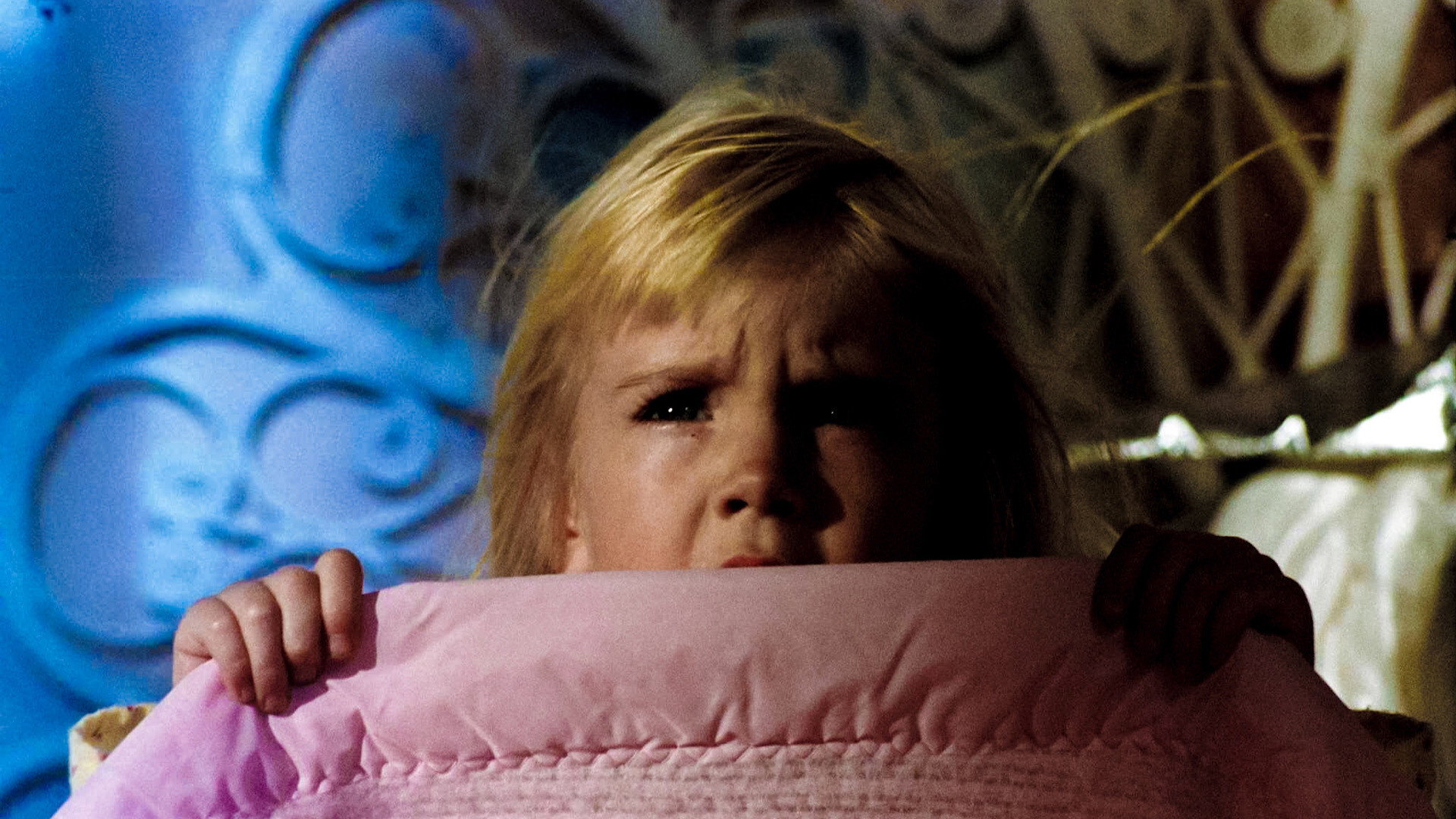
JoBeth Williams plays Diane Freeling and Craig T. Nelson plays Steve, with an ease together that makes the marriage persuasive without much fuss. Their responses to the disturbances grow out of recognisable parental concern, and neither actor needs to insist on how much the children matter. We were frightened by their helplessness, especially the distress Williams brings to a mother who cannot make her own home safe. Dominique Dunne, Oliver Robins and Heather O’Rourke play the children, and the family relationships give the scares consequences we care about.
James H. Spencer’s production design is crucial here: the suburban house convinces as somewhere a family would choose to live, which gives the haunting something worth disrupting. The setting does not need to advertise that it belongs in a horror film. Matthew F. Leonetti’s photography keeps the home recognisable amid the effects, so we can still think about the people trying to live there. Even when there is plenty to look at, our attention returns to the household.
Michael Kahn’s editing gives the domestic exchanges enough time to establish the people. The comedy and the scares can sit close together because the cast remain believable through both; the film does not have to start again whenever its mood changes. Jerry Goldsmith’s music makes the affection for the children audible, and its warmth helps sustain our concern through the more elaborate supernatural displays. The quieter stretches are worth watching without treating them merely as preparation for the next fright.
Steven Spielberg supplies the story and shares the screenplay credit with Michael Grais and Mark Victor, as well as serving as a producer. Their attention to childhood fears gives Hooper plenty to work with, but the physical manifestations sometimes become too much of an attraction in themselves. We start inspecting the effects when we ought to be worrying about the Freelings, and a little less display would have helped. At 114 minutes, the film can afford to lose some supernatural commotion. The actors remain persuasive even when the film is busy finding another way to disturb their home.
Haunted-house films often get by with people we know only through their willingness to investigate a noise. The Freelings are better company than that, and spending time with them is a substantial part of the recommendation. The warmth should not be mistaken for gentleness; some of the horror is grisly. Choose it for an evening when a proper scare is welcome and nobody requires the ghosts to be discreet.