Tom Perrotta writes about suburban people knocked sideways by something they did not ask for, and lets them explain themselves in plain words. On screen that has given us one sour comedy and one great drama, and his ear for excuses runs through both.
Fi1m perspective
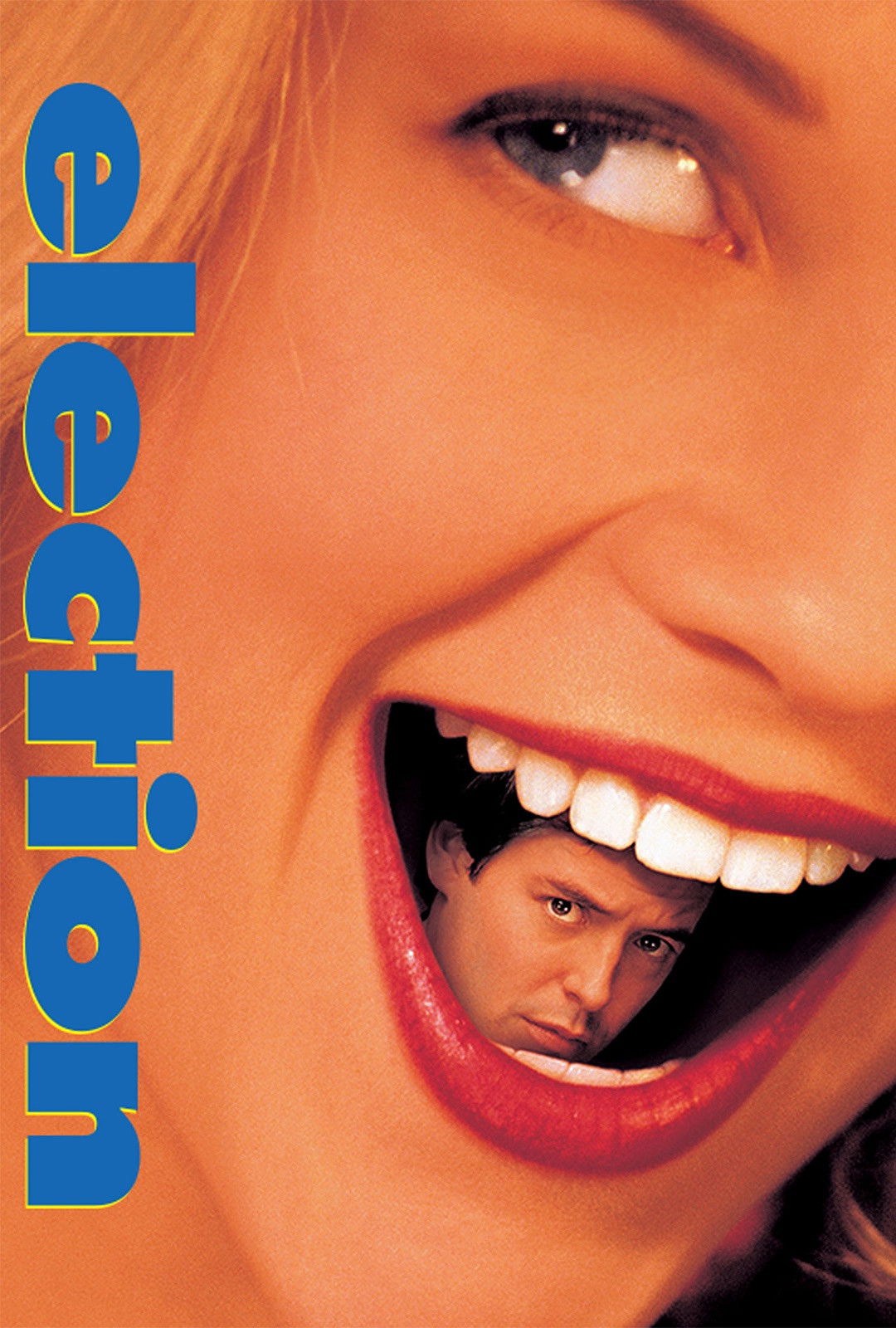
Several people narrate Election (1999), and each of them, handed the microphone, uses it to mount a defence and gives themselves away in the process. Jim's version of events is never the only one on offer. The excuses are funny because they sound usable; people who would consider themselves above this sort of behaviour could borrow them without alteration. That is Tom Perrotta's habit, on the page and on screen: put an ordinary person in an awkward spot and let them talk.
He was a novelist first. Bad Haircut (1994) and The Wishbones (1997) came before Election (1998), and it was Alexander Payne's film of that novel the following year that brought the wider attention. Little Children (2004) followed, and he co-wrote its screenplay with Todd Field. Then, in 2011, The Leftovers, a novel about a Rapture-like event, which he co-created as a series with Damon Lindelof (2014–2017). Mrs. Fletcher (2019) came after, again with Perrotta as writer and creator. The setting is nearly always a suburb and a middle-class household, and something arrives to upset it.
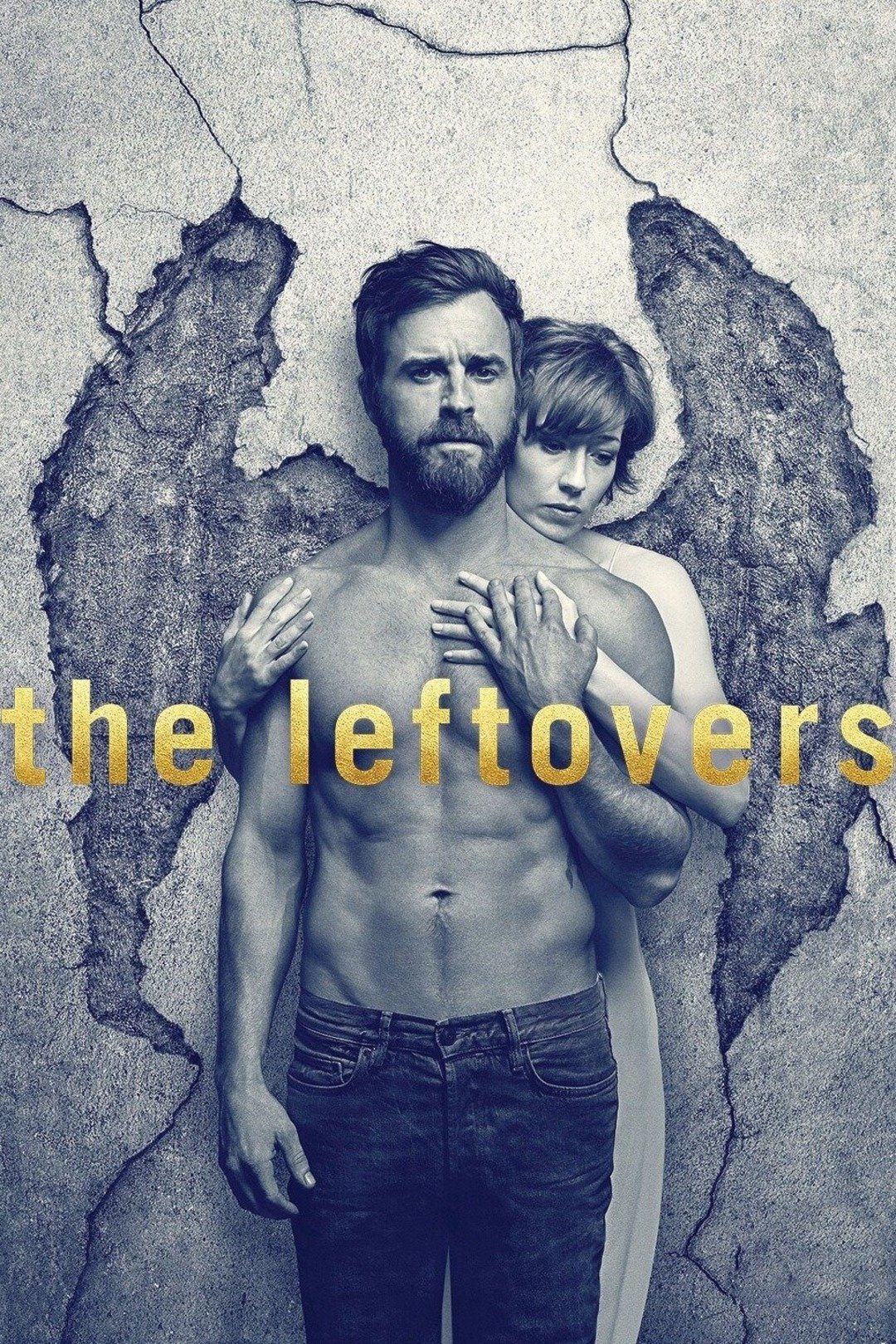
The something can be a school election or the end of the world, and he treats them alike. The Leftovers opens after two per cent of the world's population has vanished on a single afternoon, in a suburb, with a man who cannot sleep. Nobody will find out where the people went; the series says so early. What it wants to know is how you go on in a house where a chair is empty. That is the Election question with the stakes raised: not what happened, but what you tell yourself about it afterwards.
He has said: "I’m not a great writer of sentences. I have a good ear for dialogue, I know how to structure a story." We would not argue. The language is plain, and readers who want flourish have found it flat, but plainness is what lets the excuses in Election land, and it keeps The Leftovers honest when the material could easily have turned solemn. The first season of that series nearly lost us: ten episodes in a voice so low and grey that we came close to switching off. Then the second year arrived and it moved us more than we thought possible, largely through Carrie Coon, and the patience of the first stretch turned out to be the point.
The recurring complaint is that he is lightweight, or that his comedy is not as cruel as it promises to be. That is half right. His setups are satirical and his execution is not; the characters deepen as he writes them and the story stops sneering. Whether that is a fault depends on what you came for. Start with Election, which is sour enough for anyone. Then give The Leftovers its ten slow episodes, and do not expect either to tell you who is to blame.
Biography
Tom Perrotta is an American novelist and screenwriter. His 1998 novel Election was adapted into a 1999 film directed by Alexander Payne. He co-created the HBO series The Leftovers (2014), based on his 2011 novel, with Damon Lindelof, serving as writer and executive producer.
Perrotta adapted his novel Little Children (2004) for the 2006 film, co-writing the screenplay with Todd Field and receiving an Academy Award nomination for Best Adapted Screenplay. Other novels include The Abstinence Teacher (2007) and Mrs. Fletcher (2017), the latter adapted into an HBO series.