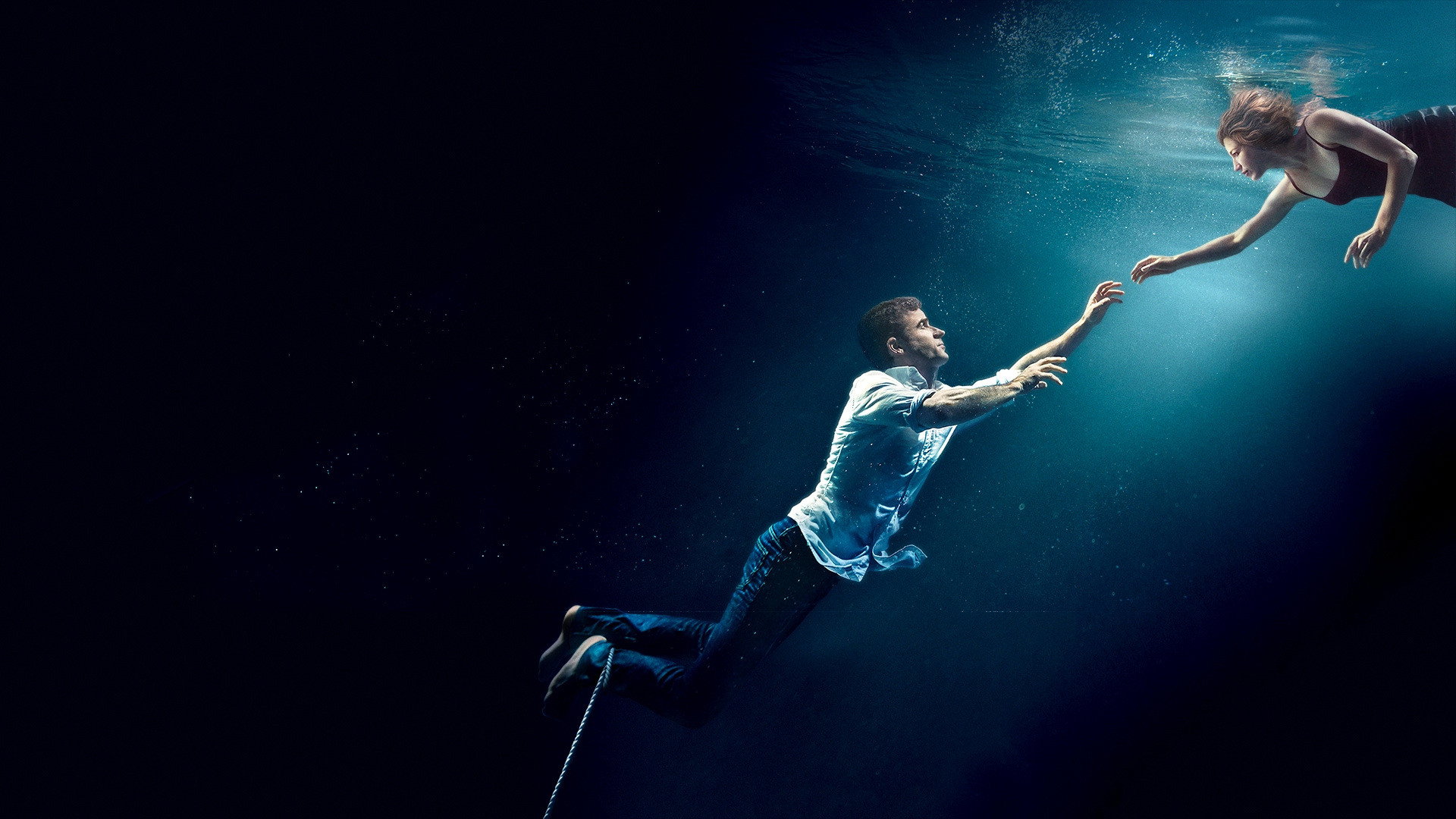
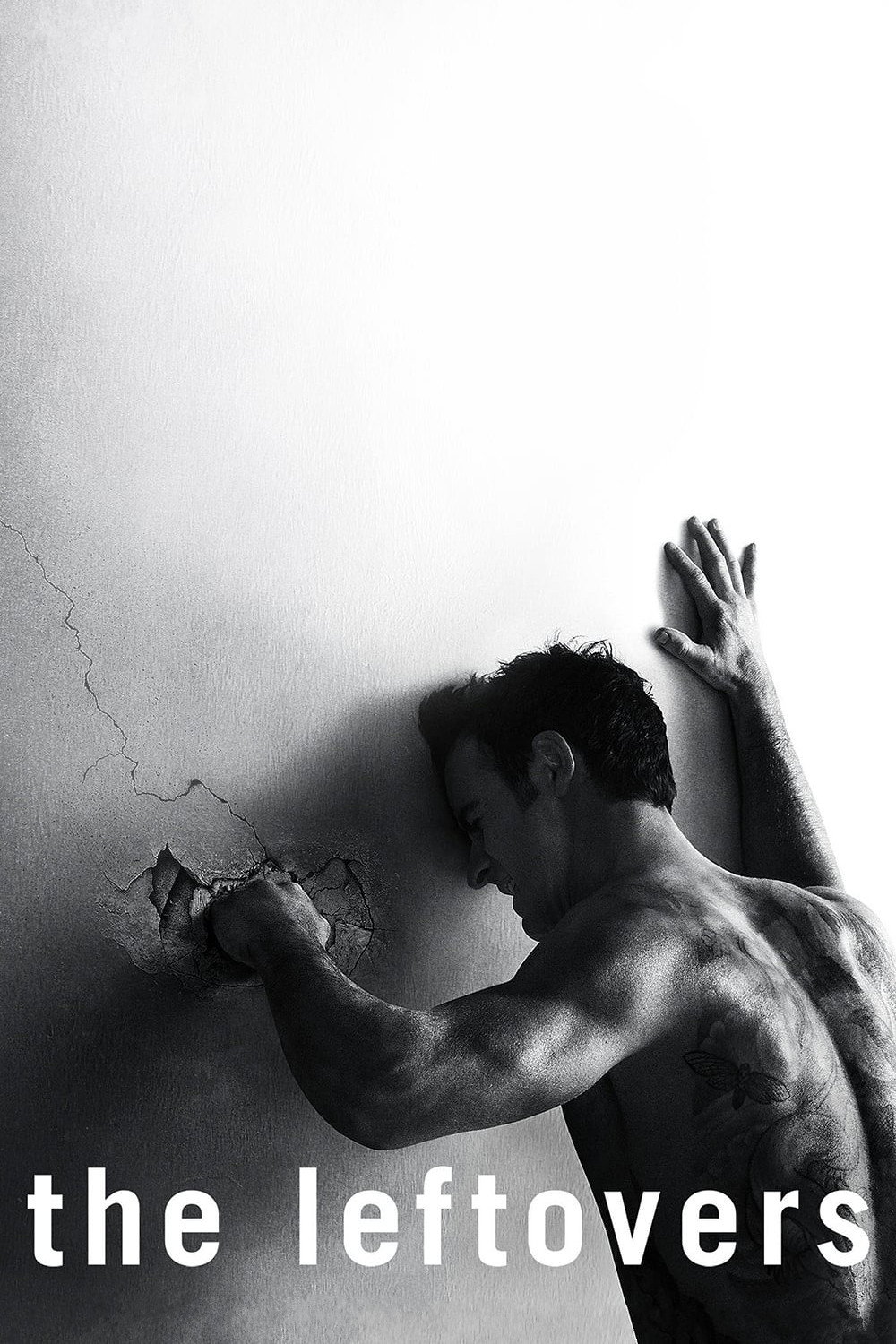
Damon Lindelof and Tom Perrotta’s drama about the people left behind is hard going for most of its first season. Stay with it: from the second year it is as good as television gets, and Carrie Coon is the reason.
Damon Lindelof and Tom Perrotta start with the largest event imaginable and refuse to look at it. Two per cent of the world’s population vanishes on a single afternoon, and the series begins afterwards, in a suburb, with a man who cannot sleep. Nobody in it will ever find out where the people went, and the show says so early. What it wants to know is how you go on living in a house where a chair is empty and no one can tell you why. That is a good question, and for the first ten episodes it is asked in a voice so low and so grey that we nearly stopped listening.
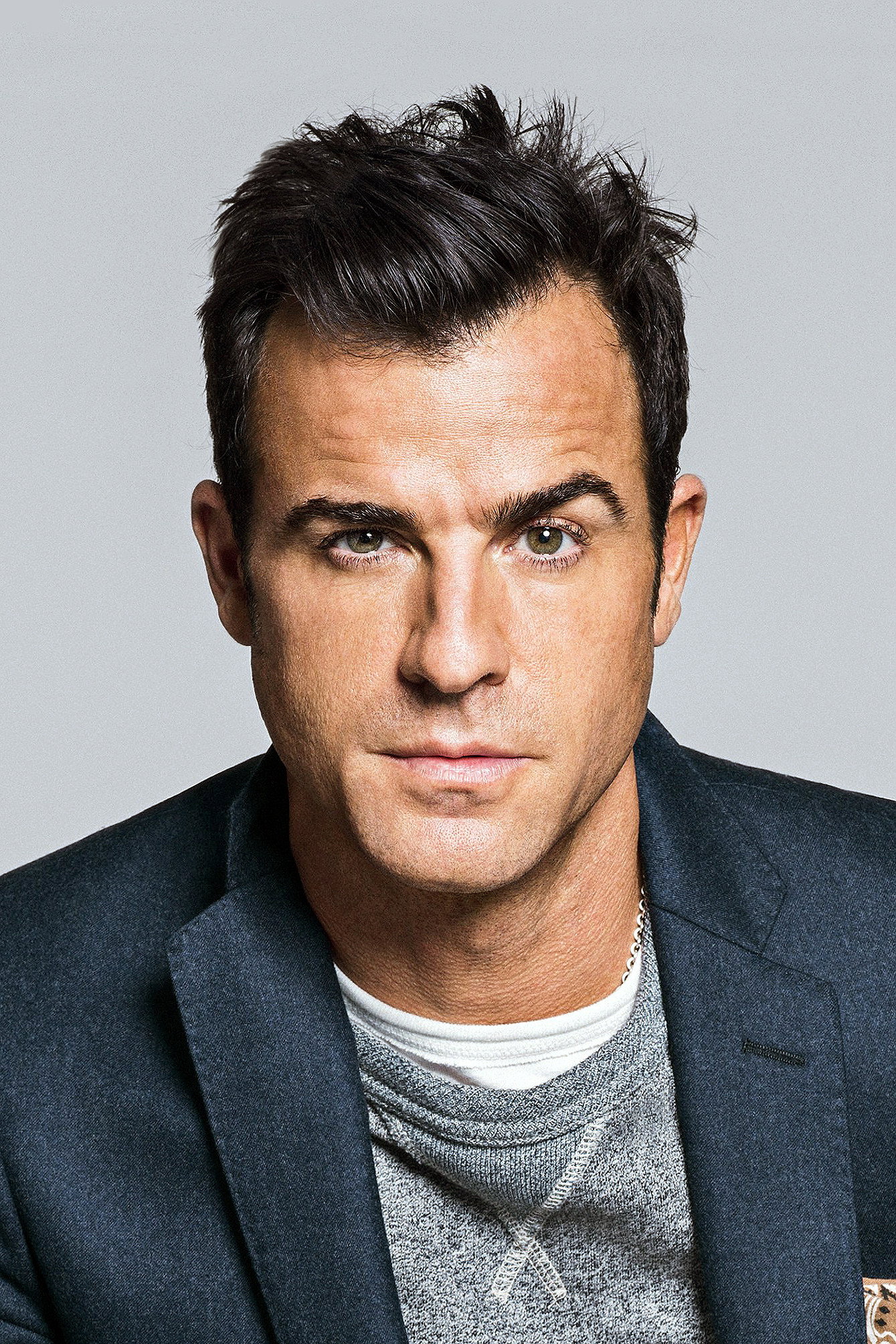
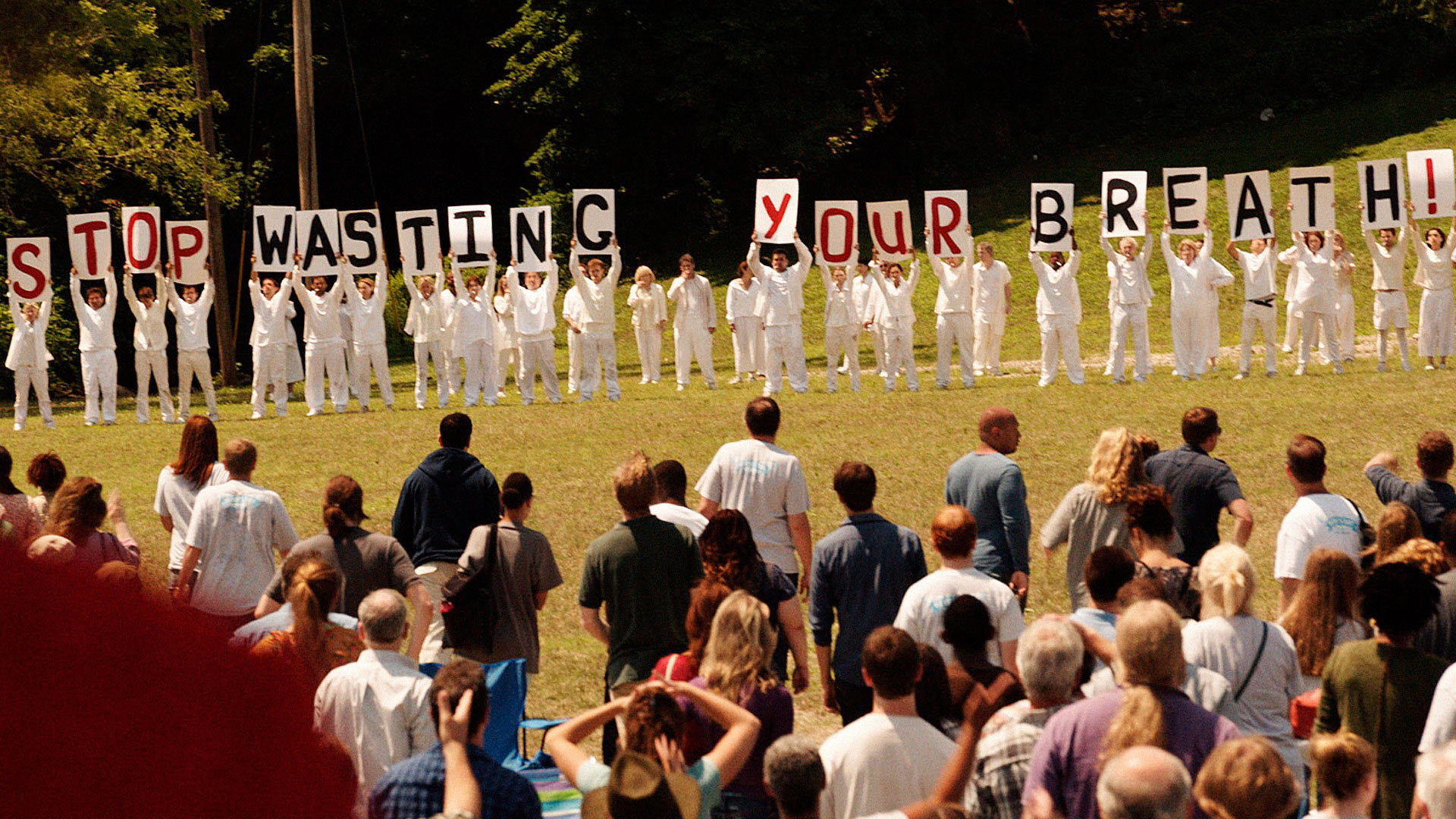
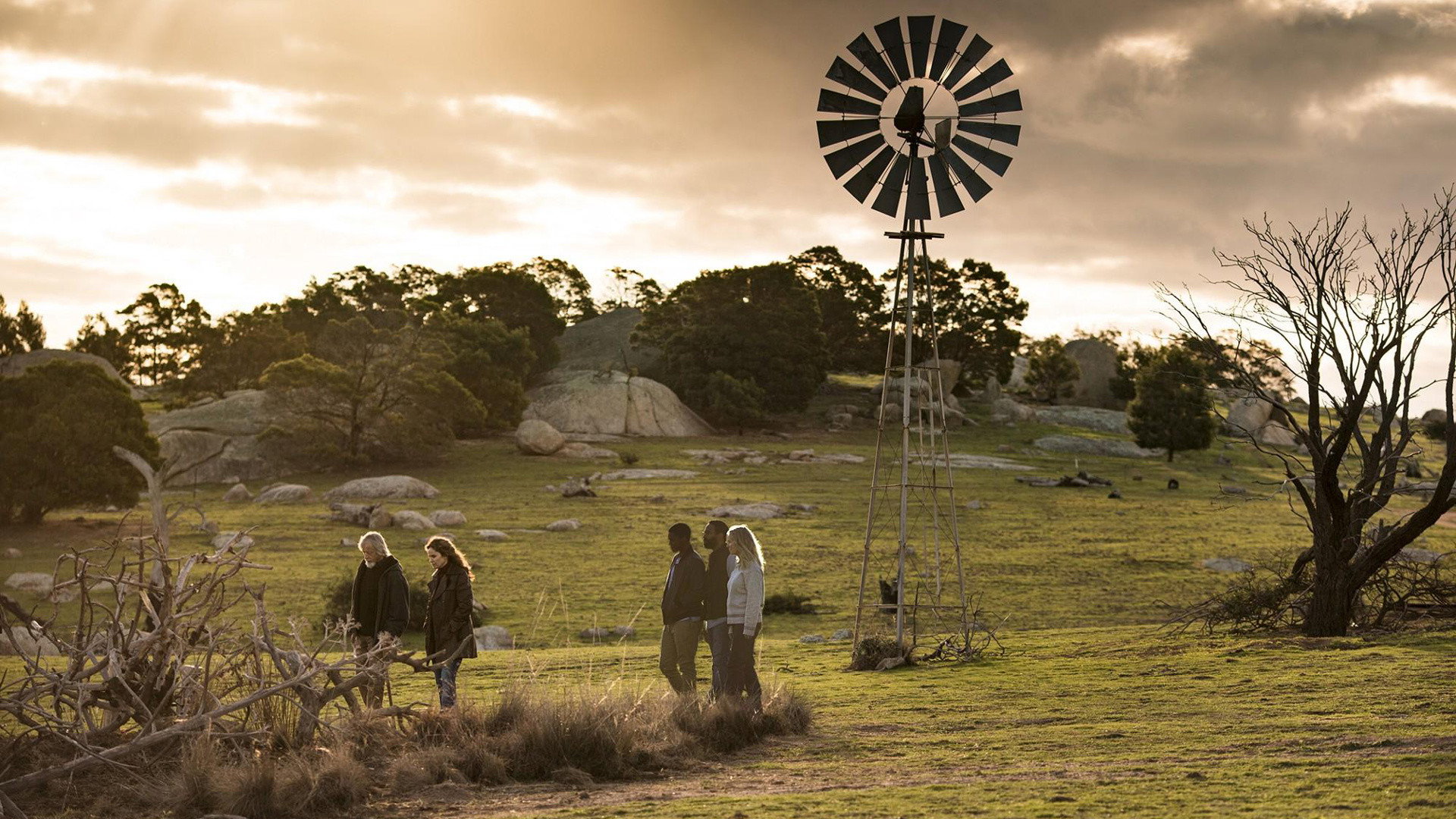
The first season is the trouble. Peter Berg’s pilot sets the tone: rain, dogs gone wild, a stag walking through a kitchen, figures in white on every pavement, smoking and writing on notepads. Todd McMullen and the other cinematographers keep the town under a lid of cloud, and Diane Lederman’s houses are full of things nobody has dusted since. It is all of a piece and it is relentless. Around the fifth episode we were bored, then annoyed at being bored by something so plainly serious. There are too many characters, a son (Chris Zylka) off in the desert with a storyline the show never makes matter, and a leading man in Justin Theroux who spends the year frowning at things.
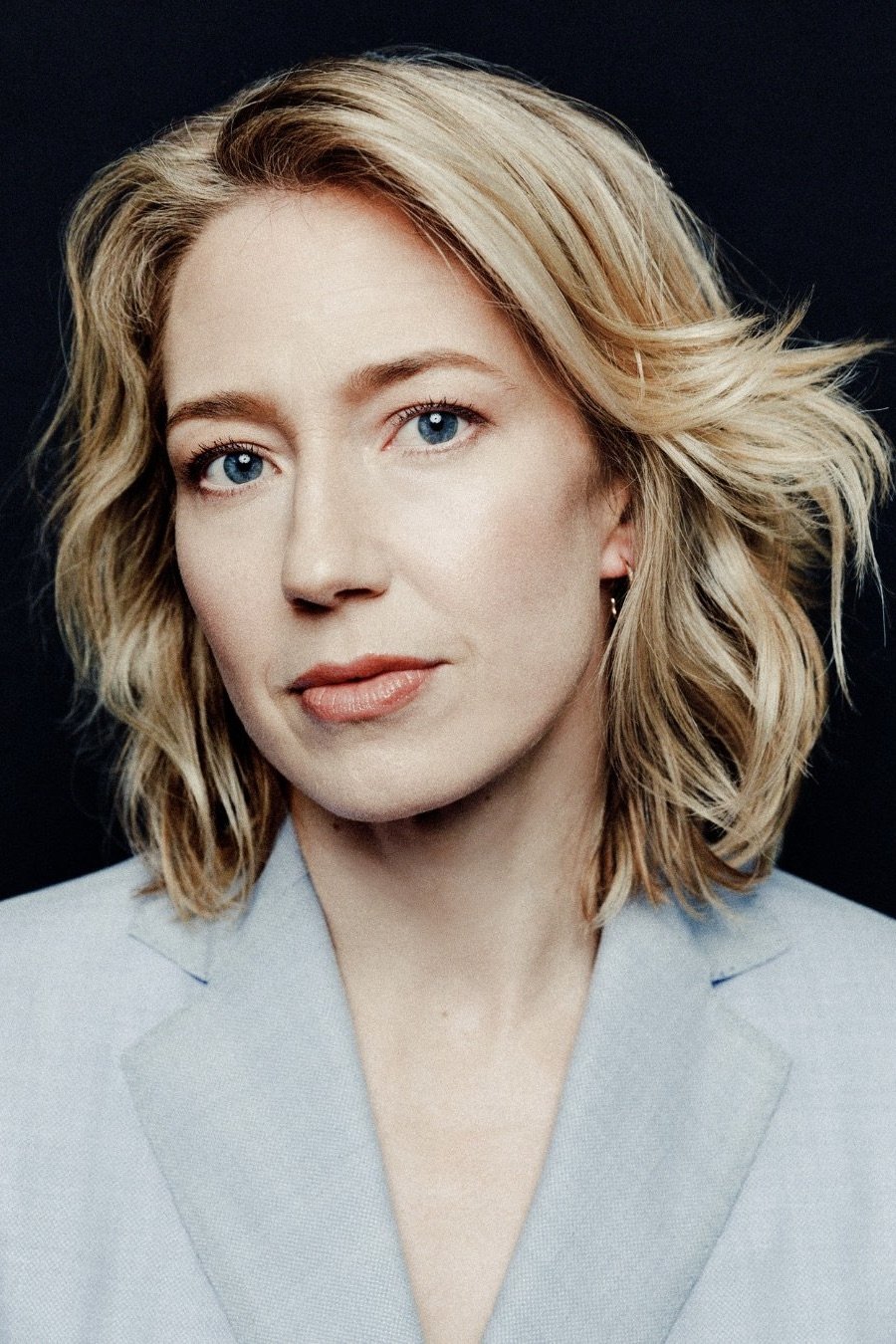
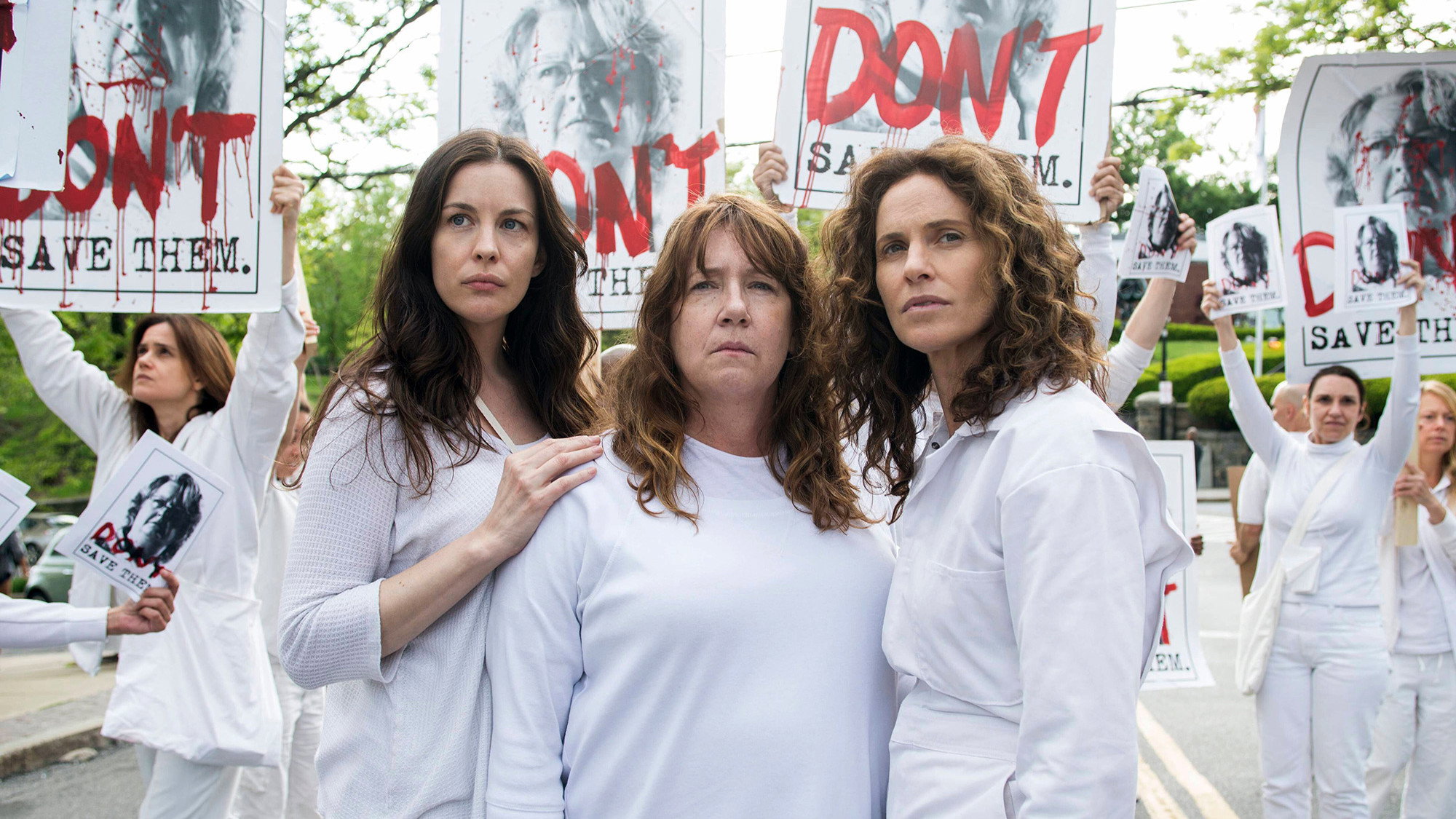
And yet. Carrie Coon plays Nora Durst, who lost a husband and two children at a breakfast table, and from her first scene, a speech about the day it happened, she moved us more than we thought this show had in it. Coon does almost nothing. She stands still and lets you watch a woman deciding, second by second, not to fall over. Christopher Eccleston’s Matt Jamison, a preacher who will not accept that the departed were taken for being good, gets an episode to himself in the first year that is the one time the season stops droning and tells a story with a beginning and an end. Ann Dowd’s Patti Levin, running that white-clad group without a word, is frightening because she looks so certain.
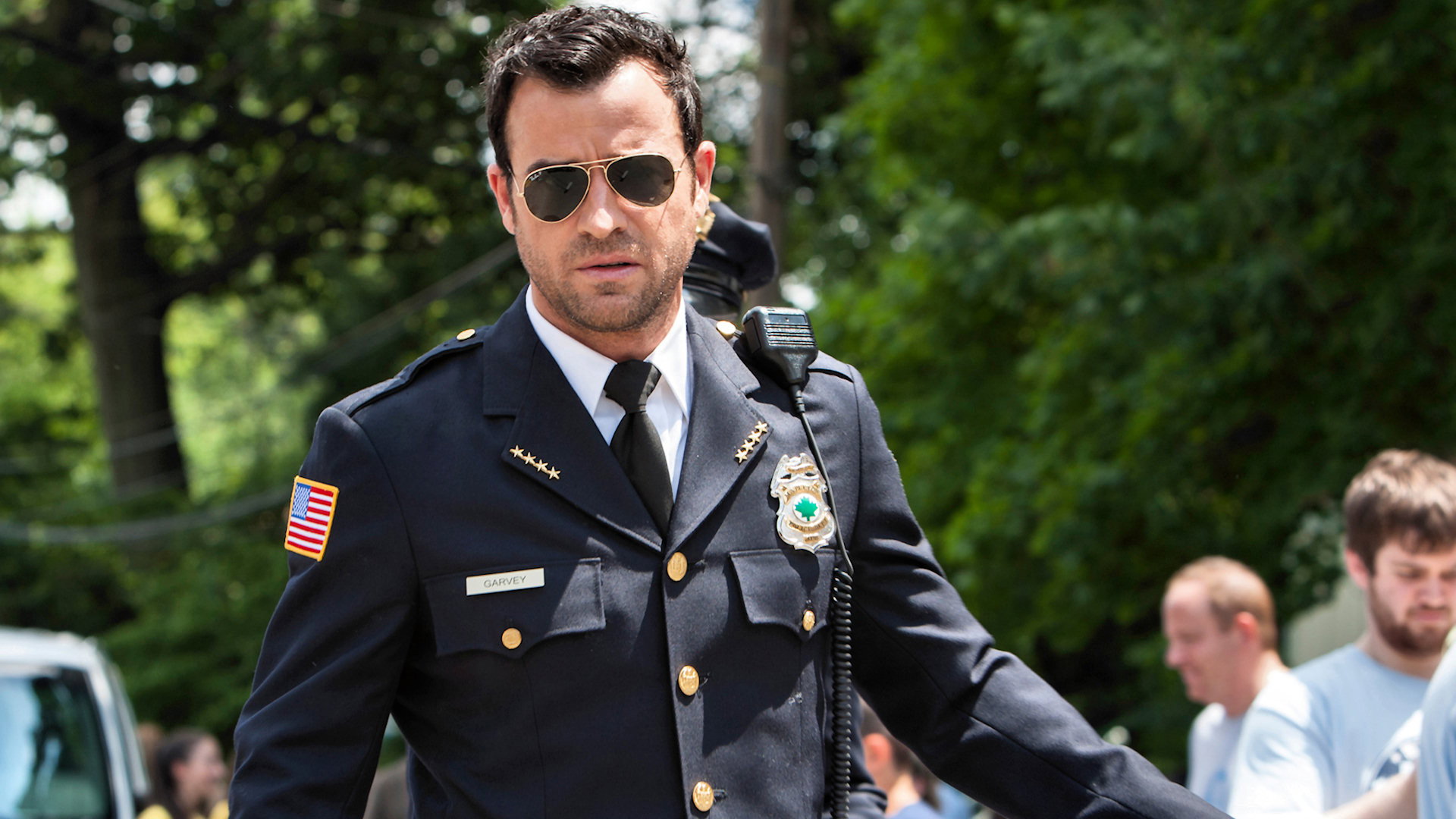
Then the second season arrives, on 4 October 2015, and the series becomes something else. Mimi Leder directs the episodes we would show a sceptic, and she gives the show a stillness the first year had mistaken for gloom; the sun comes out, and it turns out the series was never about the weather. Regina King and Kevin Carroll arrive as Erika and John Murphy, the family next door, and King in particular does the thing Coon does, letting a whole marriage show in how she stands in a doorway. Max Richter’s score, a piano theme of a handful of notes that circle and never quite land, was the best thing about the first year and becomes the show’s real narrator in the second and third. We will not describe what happens to Kevin Garvey later. We will say that Theroux, given more to do than glower, does it well, and that the series takes risks with form we did not expect from Lindelof.
Most critics disagree with us, or did. Nearly all the reviews we read were written on the first season alone and settle in the high sixties, and on that season we would not fight them hard. But a series is judged whole, and the two later seasons change what the first one was for; scenes that looked like padding turn out to have been setting things up. The editors, Henk van Eeghen among them, cut the later years with a confidence the first never had. An episode will follow one character for an hour and leave the rest of the cast unseen, and the show trusts you to wait.
A caveat. The certificate is 18 and it is earned: this is a programme about people who want to die and sometimes try, and it does not look away. Watch it at home, one episode a night rather than in a run, because the bleakness piles up and the later rewards need the earlier weight to mean anything. It is 28 episodes across three seasons, first shown on 29 June 2014 and finished in 2017, and the first ten are the price of the other eighteen. Pay it.