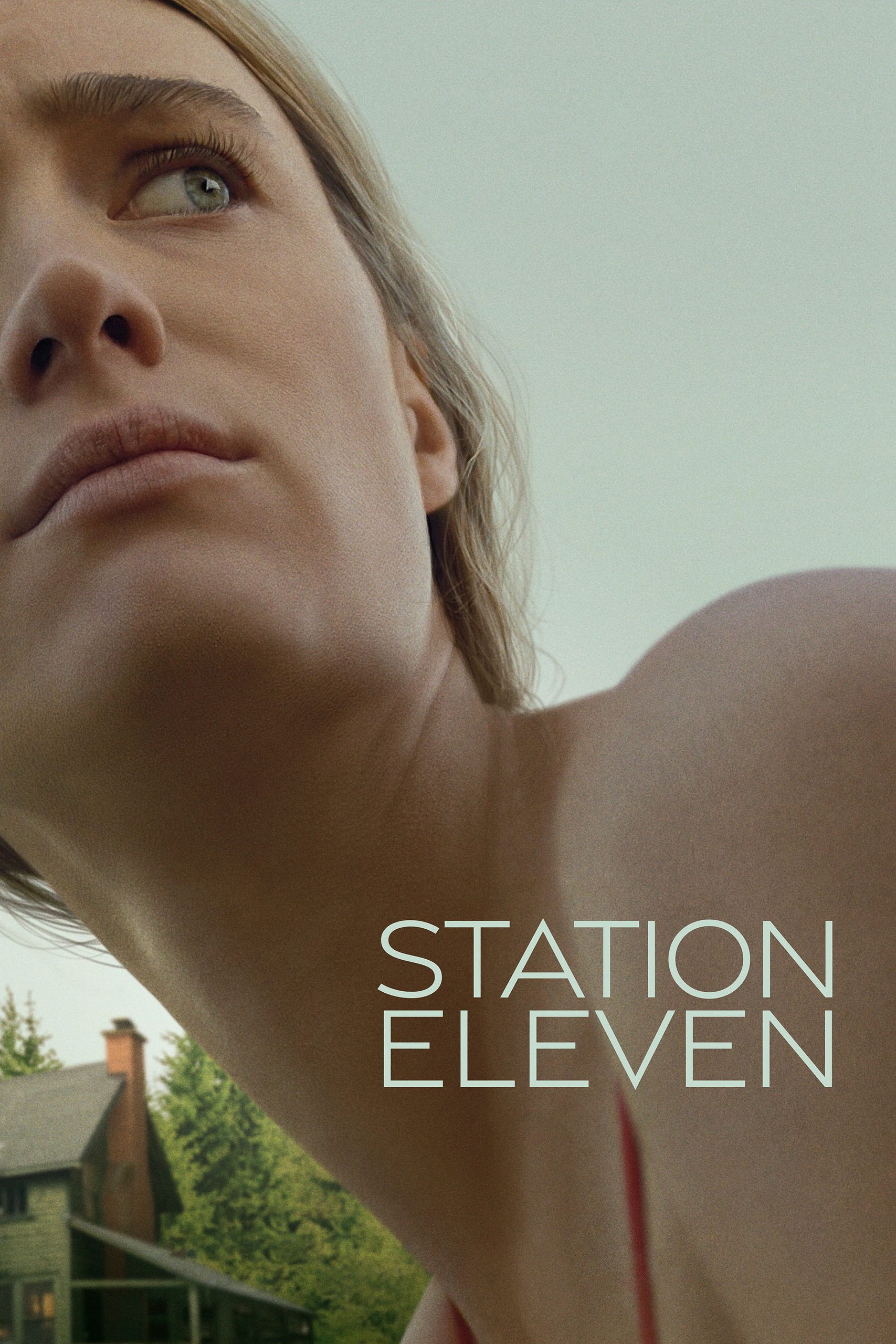
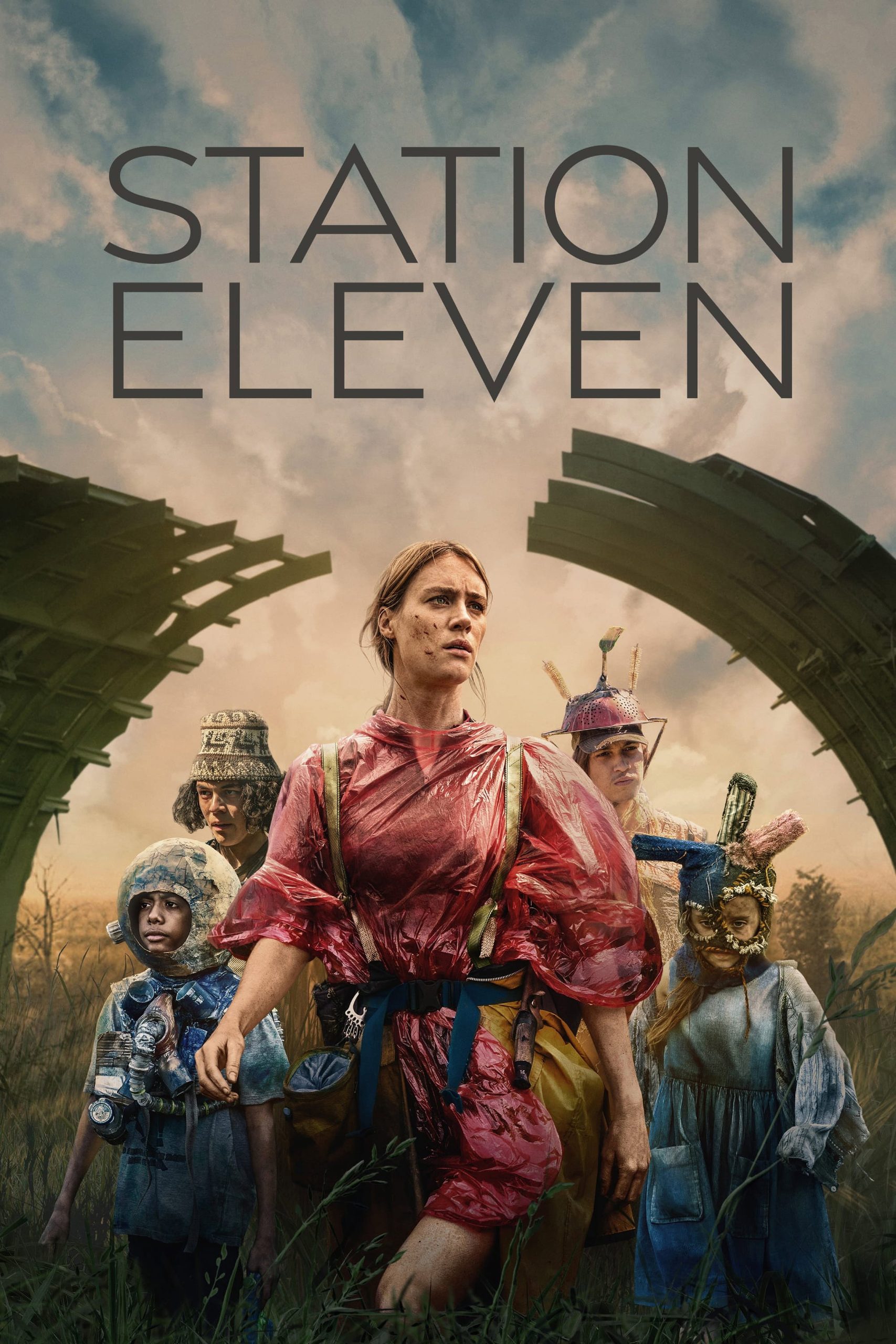
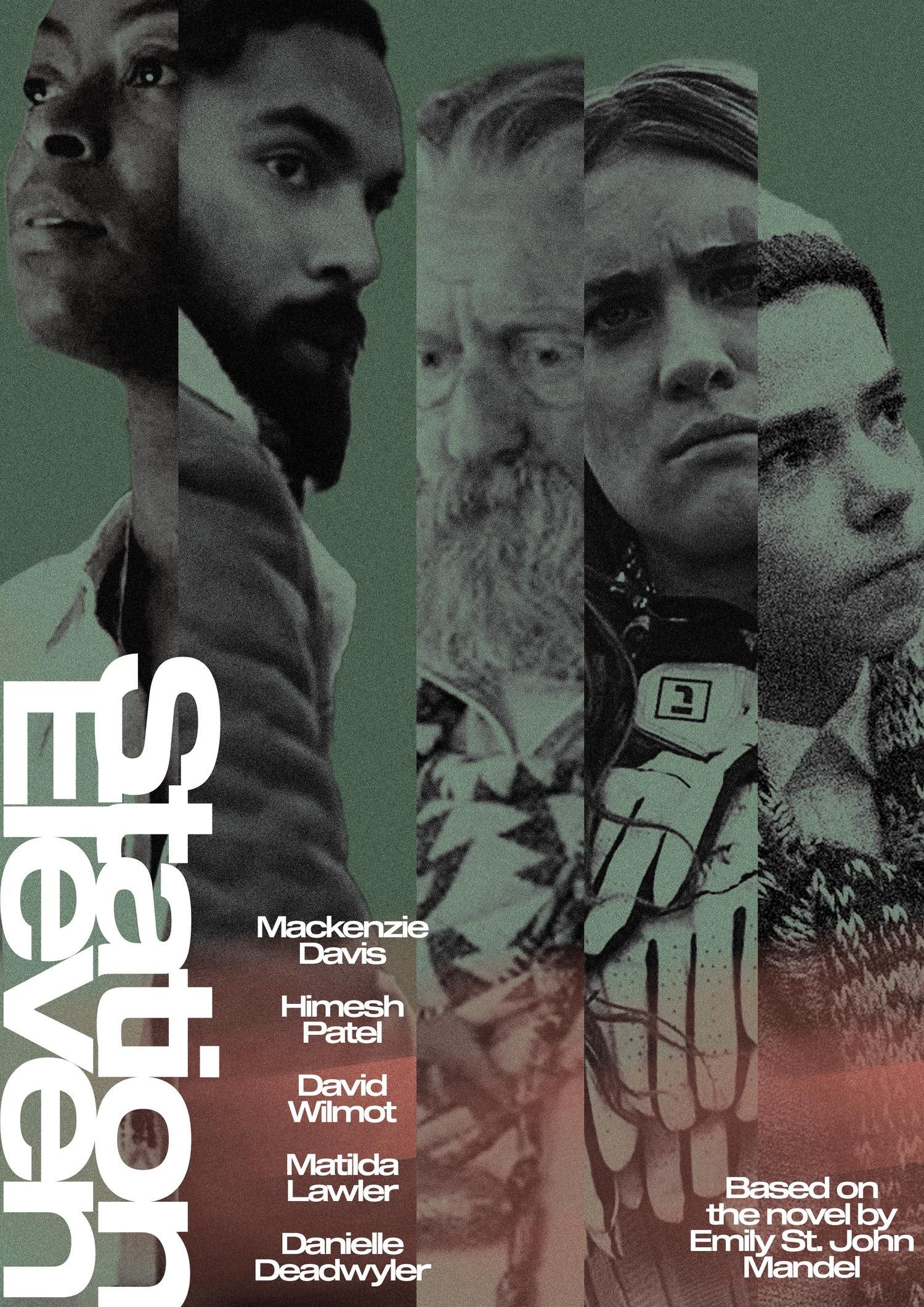
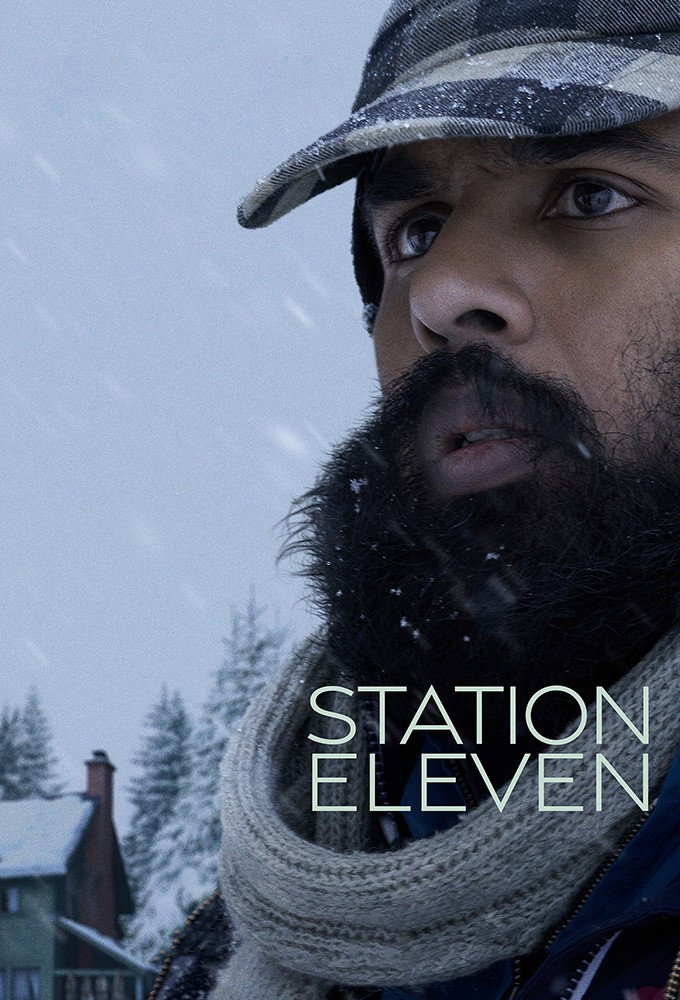
Series review

Station Eleven

2021 · Created by Patrick Somerville · Series · 46m · MPA TV-MA

In a sentenceCivilisation ends; the theatre company keeps touring, which is the most believable thing in it

DramaMystery

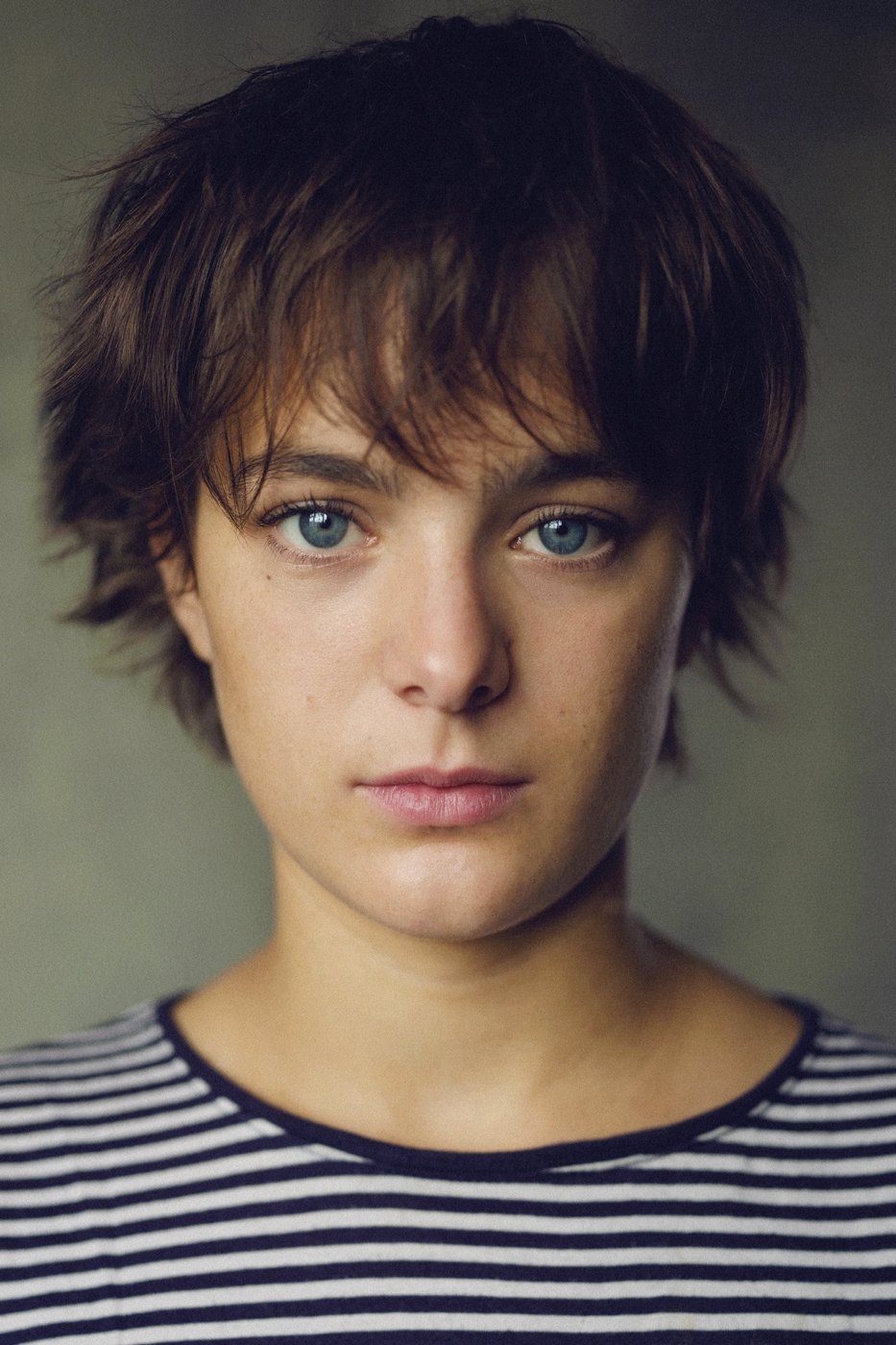
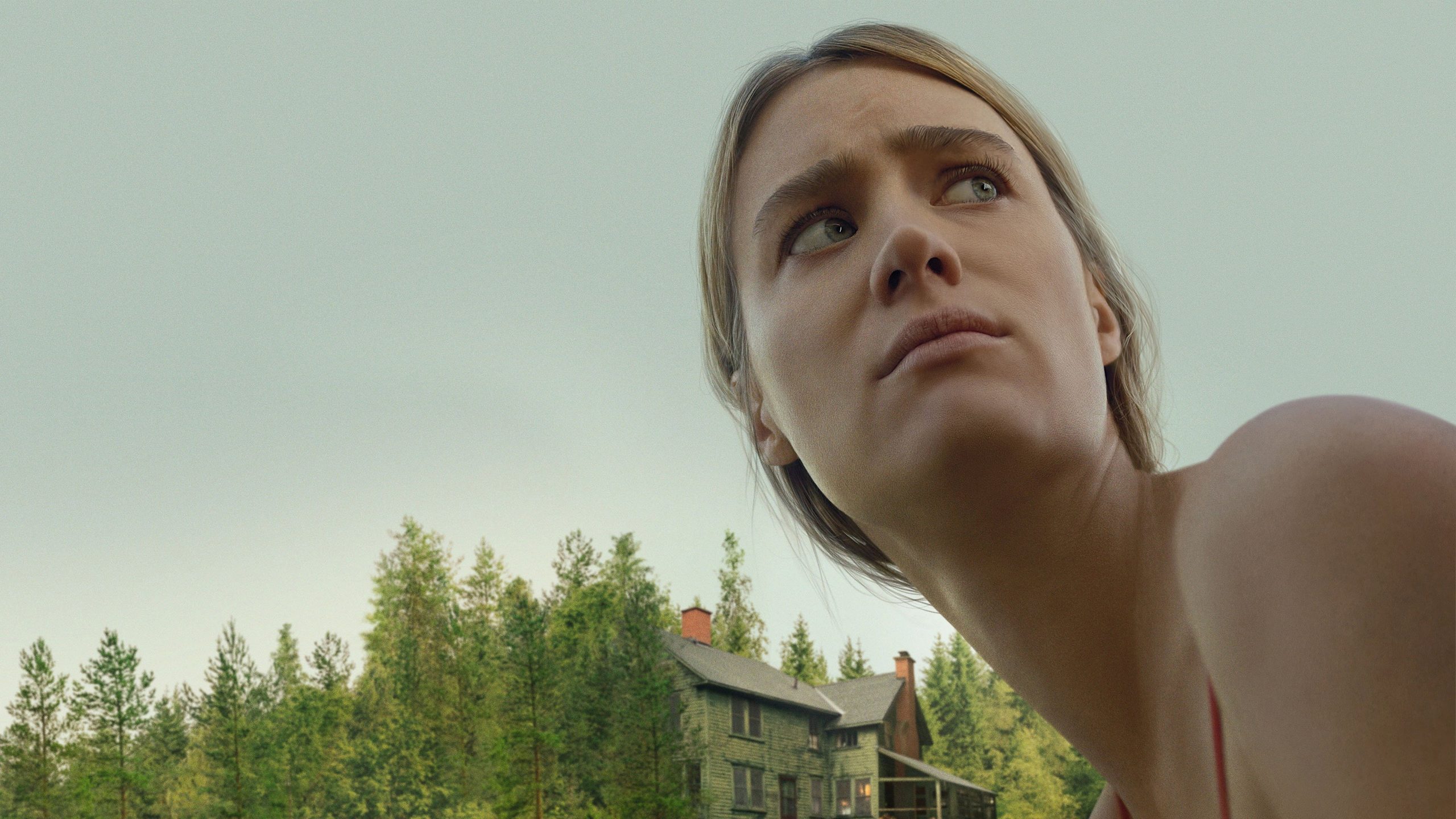
Chicago, on the night the world ends. Arthur Leander (Gael García Bernal) collapses on stage during King Lear and Jeevan Chaudhary (Himesh Patel), a stranger in the stalls, climbs up to help. He leaves the theatre with Young Kirsten (Matilda Lawler), a child from the cast whose minder has vanished, and a warning from his sister that a flu is filling the hospitals. Jeevan buys trolleys of food and takes the girl to the high-rise flat of his brother Frank (Nabhaan Rizwan) to wait it out. Twenty years later Kirsten (Mackenzie Davis) walks the shore of Lake Michigan with the Travelling Symphony, a troupe that performs Shakespeare for the settlements it passes, carrying the comic book Arthur gave her.

Fi1m review

Patrick Somerville’s ten-part adaptation of Emily St. John Mandel’s novel is a plague story about who you end up with when the lights go out. Warm, strange and finely cast, it stalls in its middle stretch and lets itself off too lightly at the end.

Most stories about the end of the world are about the end. Patrick Somerville’s ten-part adaptation of Emily St. John Mandel’s novel is about the twenty years after, and it spends most of its time with a travelling theatre company doing Shakespeare. Kirsten Raymonde (Mackenzie Davis) was a child on a Chicago stage the night a flu arrived; two decades on she is the Symphony’s leading actor, walking a circuit around Lake Michigan with a comic book in her pack. Somerville cuts between then and now, and between her and Jeevan Chaudhary (Himesh Patel), the stranger who walked her out of the theatre. It is a fine piece of television; we will get to where it falters.

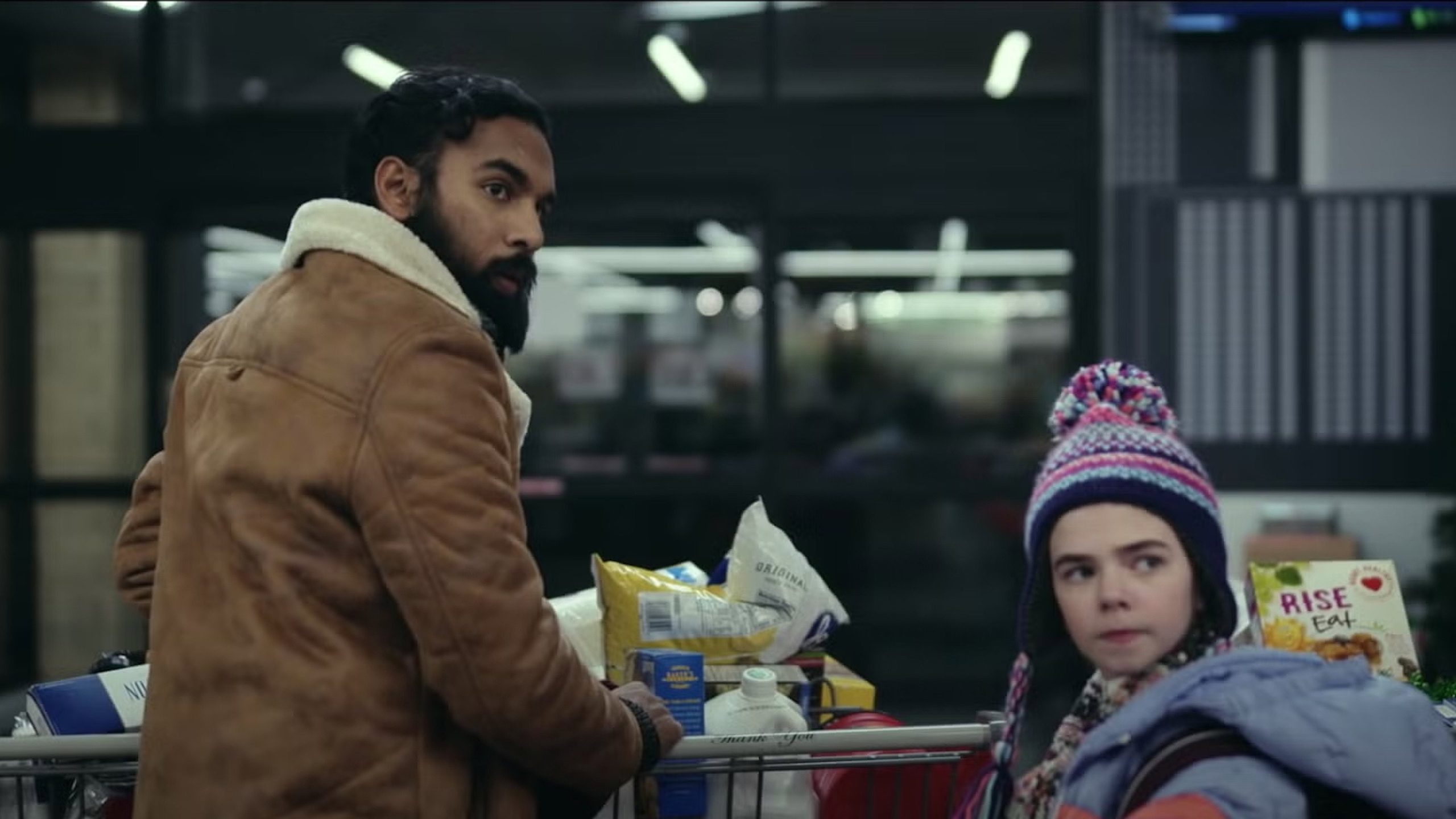
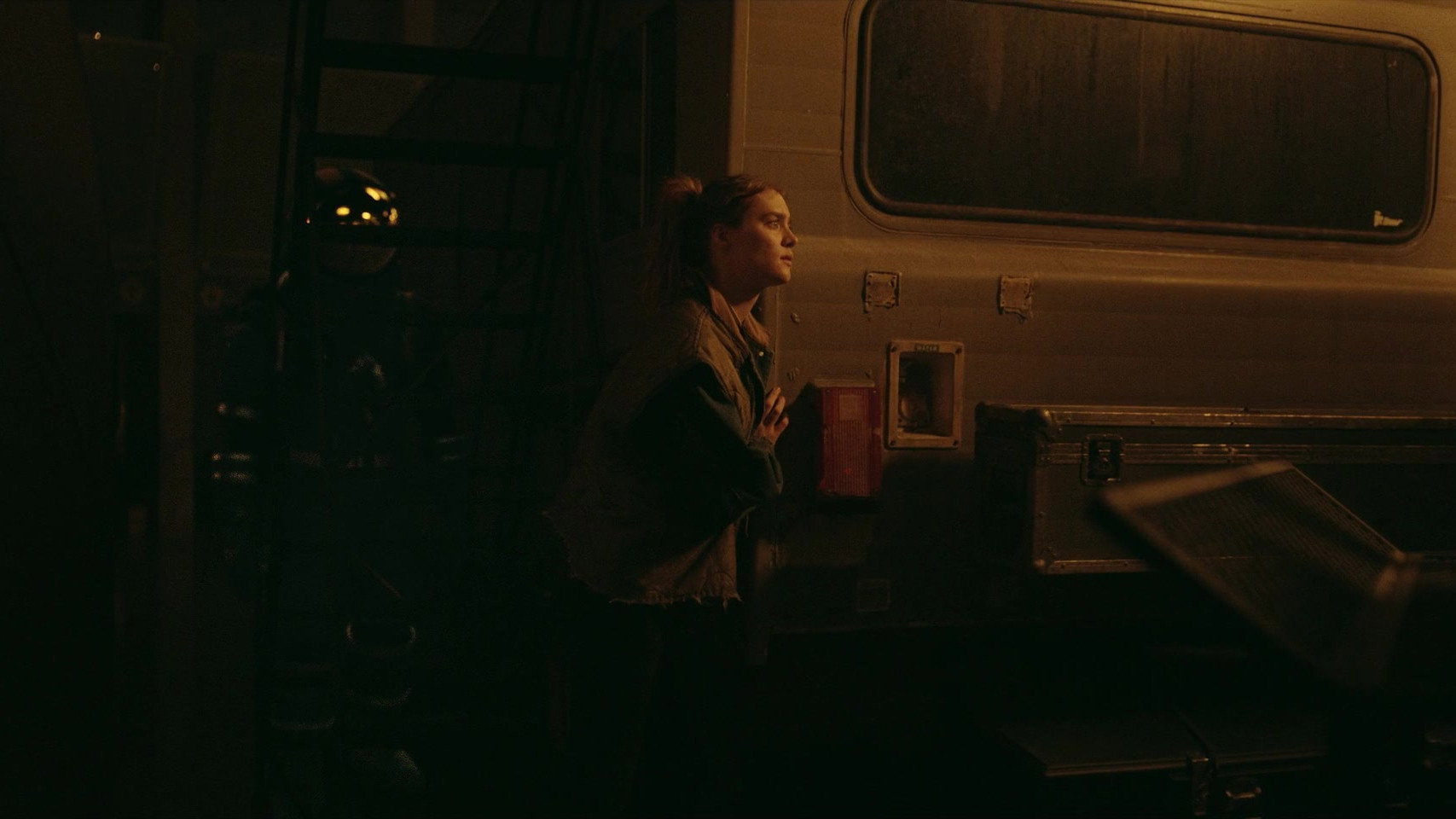
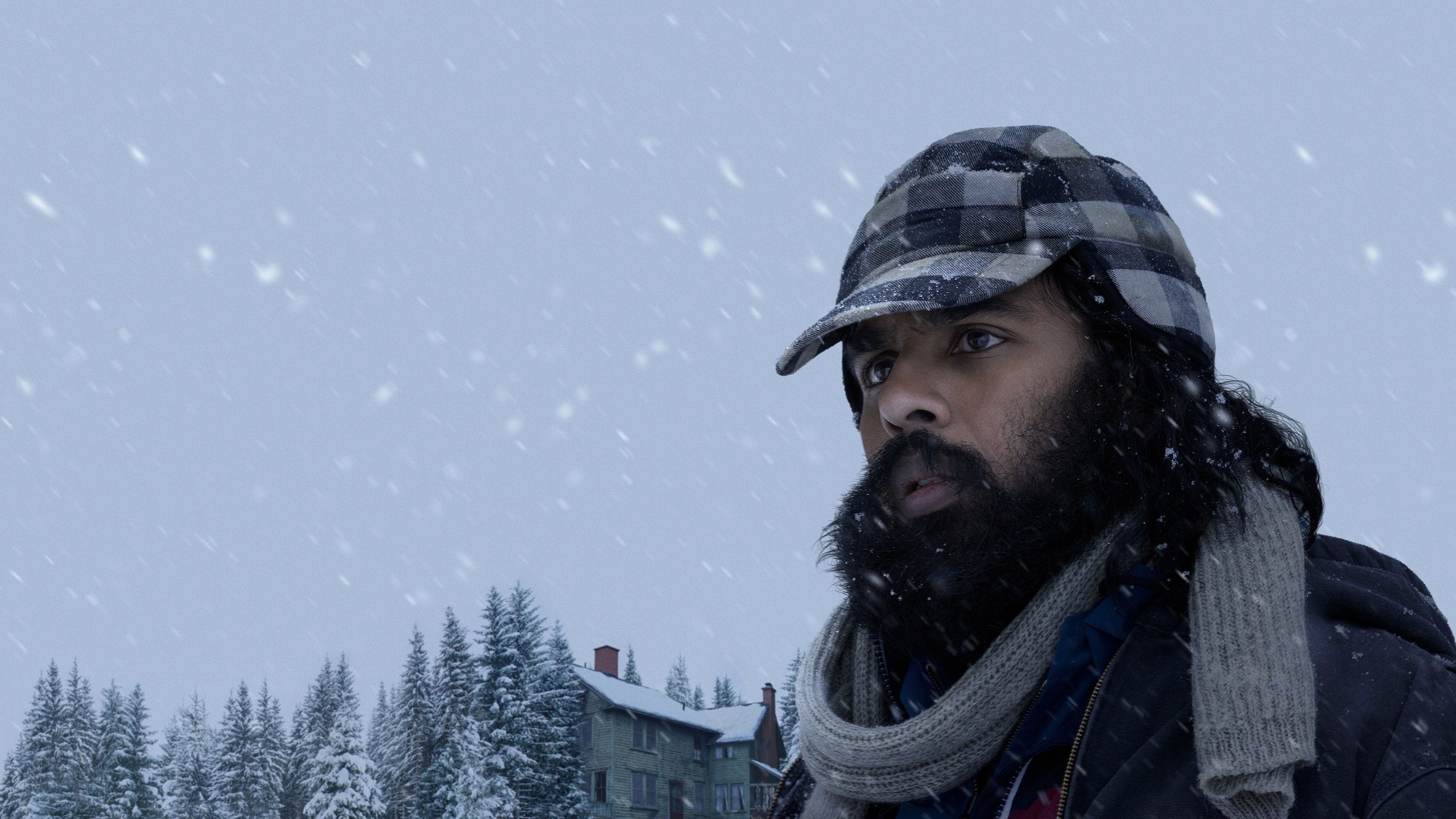
The first episode, directed by Hiro Murai, is the best hour of it. Arthur Leander (Gael García Bernal) dies on stage during King Lear, Jeevan climbs up to help and is no help at all, and he ends up outside in the snow with a small girl and nobody to hand her to. Murai holds on Patel’s face while a phone call from his sister tells him what is filling the hospitals, and the city behind him carries on not knowing. Then they push a train of trolleys through a supermarket, and we realised we were frightened by a man buying tinned soup. Matilda Lawler, as the young Kirsten, plays a child who has decided to be fine, and lets us see what that costs her.

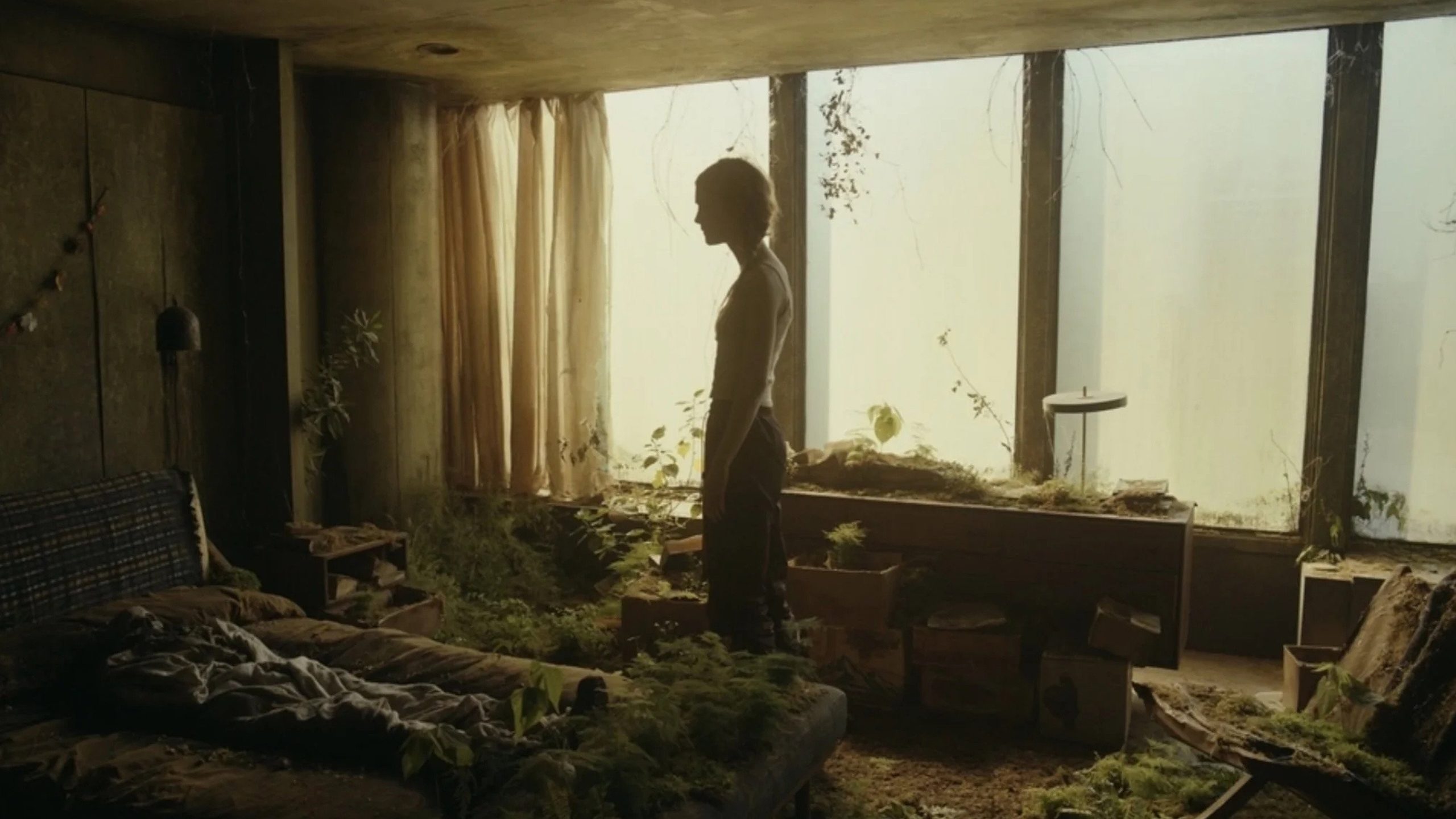
The episodes set in the high-rise flat of Jeevan’s brother Frank (Nabhaan Rizwan) moved us more than anything else here. Three people shut in above a frozen city, the windows in the towers opposite going dark one by one, a child writing a play because there is nothing else to do. Ruth Ammon’s production design fills the rooms with the clutter of a life that stopped mid-sentence, and Dan Romer’s score, sparing and mostly on piano, waits and then arrives quietly. We will not say how that winter ends. Rizwan, with the least showy part in the cast, is the one we keep thinking about.

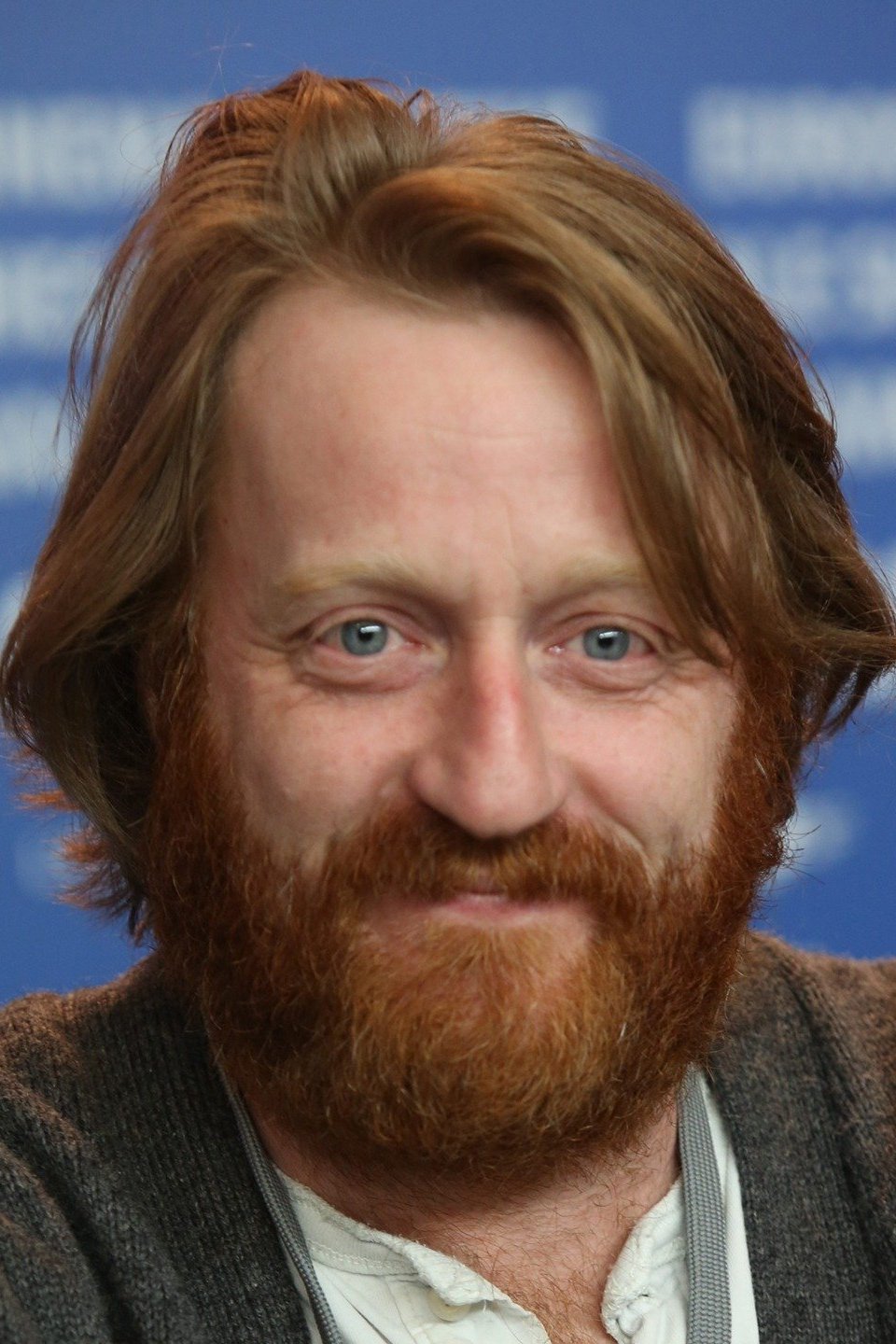
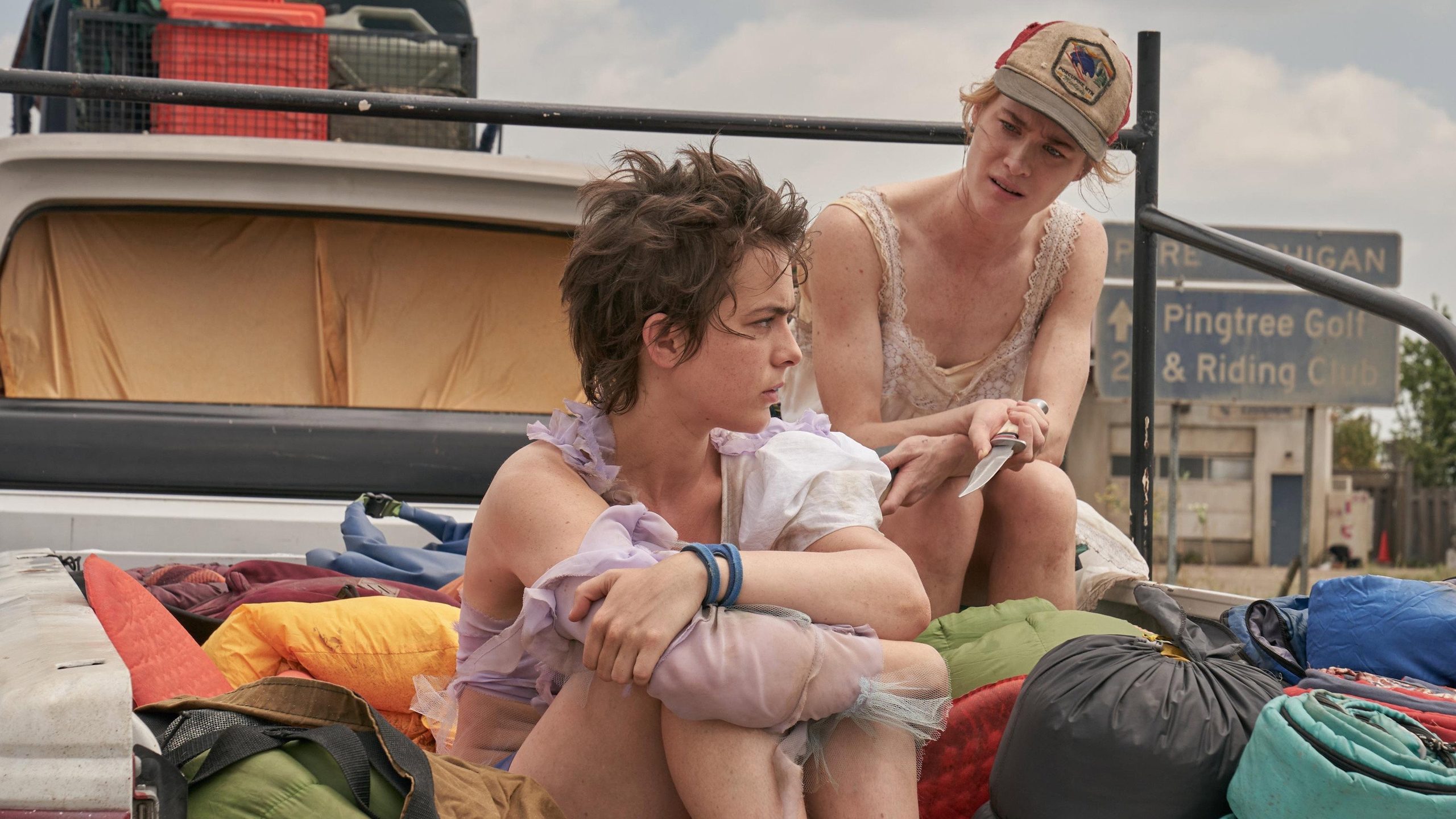
Twenty years on, the colour comes back. Helen Huang dresses the Symphony in what two decades of scavenging turns up, sequins over fleece and ballgowns over walking boots. Lori Petty’s Conductor runs the troupe with bullying and love and gets most of the laughs. Philippine Velge is Alexandra, the youngest member, too young to remember a before and impatient with everyone who does. David Wilmot’s Clark Thompson, an old friend of Arthur’s, is running a settlement in an airport where a planeload of passengers landed on the first day and never left. Wilmot plays a decent man slowly discovering how much he enjoys being in charge.

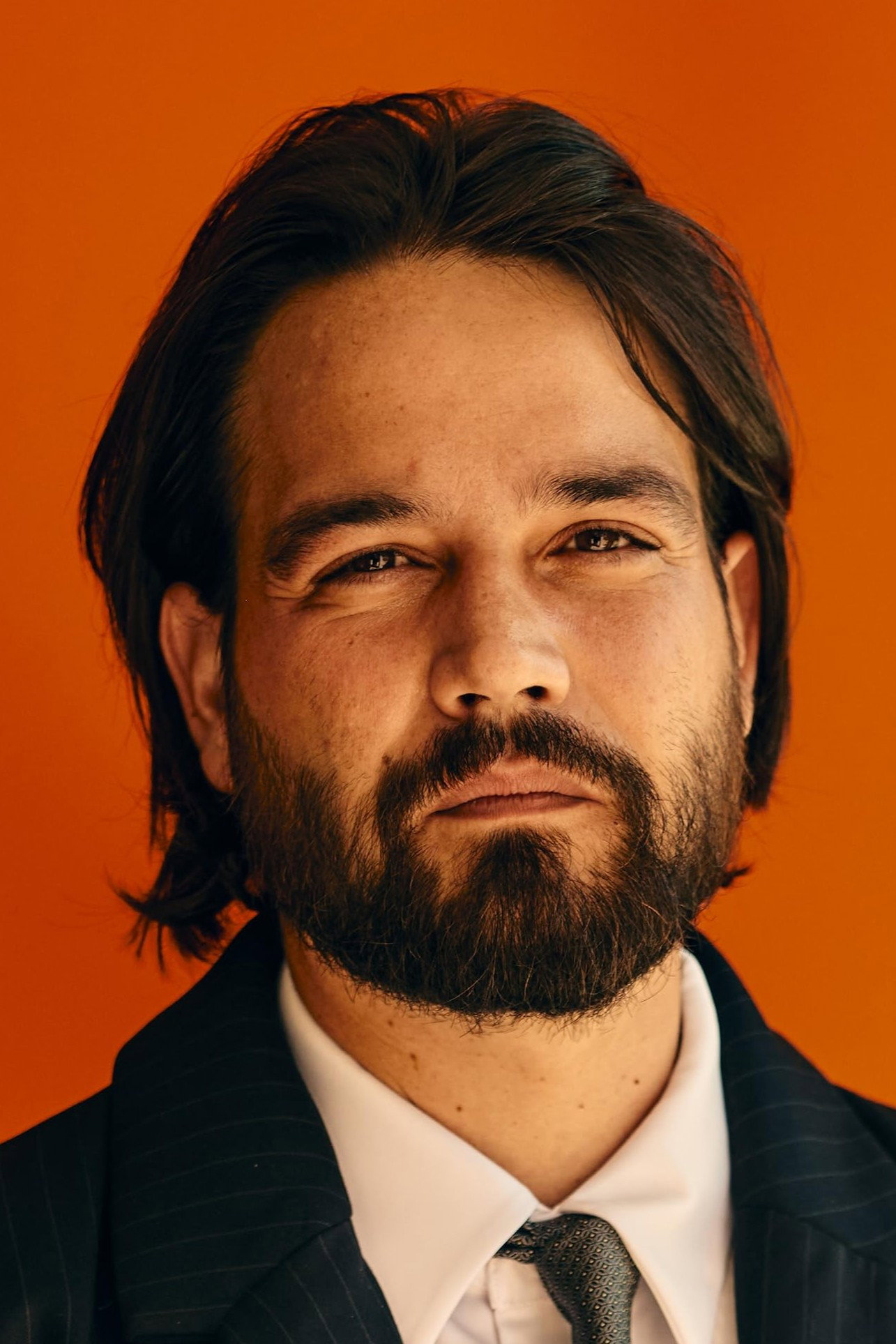
What does not work is the Prophet (Daniel Zovatto), a soft-spoken young man with a following of children who keeps crossing the Symphony’s road. The series wants him to frighten us and also to be understood, and Zovatto does what he can, but the writing around him circles for several episodes without settling. The middle stretch is where we looked at the clock. Somerville and his writers, among them Cord Jefferson and Nick Cuse, have moved a great deal of the novel about, mostly to the good, and then in the last episodes have characters explain in dialogue how the pieces fit. The finale ties its threads with a generosity we were glad of and did not wholly believe.

Against the rest of its genre it is unusual in being kind. Nobody is eaten. The worst people in it are frightened rather than wicked, and the show is more interested in what people carried out of the old world, a comic, a play, a phone with a dead battery, than in how the old world fell. The other directors, Jeremy Podeswa, Lucy Tcherniak and Helen Shaver, keep to Murai’s low winter sun and long lenses, so the ten hours look like the work of one hand.

It carries an 18 certificate, for a handful of sudden violent moments rather than anything sustained. Watch it two episodes at a time; the jumps in time make more sense with a night’s sleep between them.

Critical consensus AI synthesised

81
Positive
11
Mixed
0
Negative
0

Every one of the eleven reviews is positive, and they agree on why. This is an apocalypse that is not interested in misery: most critics single out the decision to follow a travelling theatre company and to treat art, memory and community as what survives rather than what is lost. The ensemble draws steady praise, as does the time-jumping structure, which several reviews call elegant, and the sunlit look of the post-plague world.

The reservations are small and gather in the same place. The Hollywood Reporter finds the later episodes over-explain themselves, Variety thinks the flashbacks lose their grip on pace, and The Telegraph warns that the multiple timelines ask for real commitment. The Guardian calls it a slow burn that rewards patience. The spread is narrow, from good to very good, with the warmest verdicts coming from the American sites and the British papers a shade more reserved.

Empire
25 January 2022 · Al Horner
90*

The critic finds the series a cathartic and hopeful post-apocalyptic drama that emphasizes art, community, and meaning over mere survival. It stands out for its lush visuals, rich characters, and rebellious philosophy against typical genre tropes.

Read the full review →
IndieWire
16 December 2021 · Ben Travers
90*

The review praises Patrick Somerville's adaptation as a stunning and intimate limited series that redefines the end of the world by finding humanity amid extinction. It highlights the striking way the story explores loss and connection through its ensemble and non-linear structure.

Read the full review →
Vulture
14 December 2021 · Matt Zoller Seitz
90*

The critic calls Station Eleven a profound television experience and a beautifully wrought piece of storytelling that reaffirms the value of life and human connection. It singles out the elegant time-jumping structure and the way art (music, theater, literature) sustains characters during crisis.

Read the full review →
The Hollywood Reporter
14 December 2021 · Daniel Fienberg
80*

The critic describes it as haunting, hopeful, and mostly well-adapted, excelling at contemplating the aftermath of catastrophe and questions of healing and rebuilding. Strong ensemble performances and a blend of grief and optimism carry the series despite some over-explanation in later episodes.

Read the full review →
Radio Times
7.5/10 · Huw Fullerton
75

The critic praises the series as a more optimistic apocalypse than most, with an arts scene and layered flashbacks in a clever adaptation. It highlights the sunlit world and focus on thriving through performance rather than just enduring zombies or despair.

Read the full review →
The Guardian
30 January 2022
70*

The adaptation of the prescient bestseller is deeply unsettling in its parallels to real events, even where it diverges from them. It is a slow burn that rewards patience with beautiful visuals, filled-in backstories, lighter moments, and questions about art, civilisation and what makes life worth living.

Read the full review →

Cast

Awards

Directors Guild of America Award for Outstanding Directing – Television Film, 2022

Nominated
Directors Guild of America Award for Outstanding Directing – Television Film

GLAAD Media Award for Outstanding TV Movie or Limited Series, 2022

Nominated
GLAAD Media Award for Outstanding TV Movie or Limited Series

If you liked this, try…

The Leftovers poster

The Leftovers

2014 · Grief on a global scale, worked through one suburban street at a time.

Children of Men poster

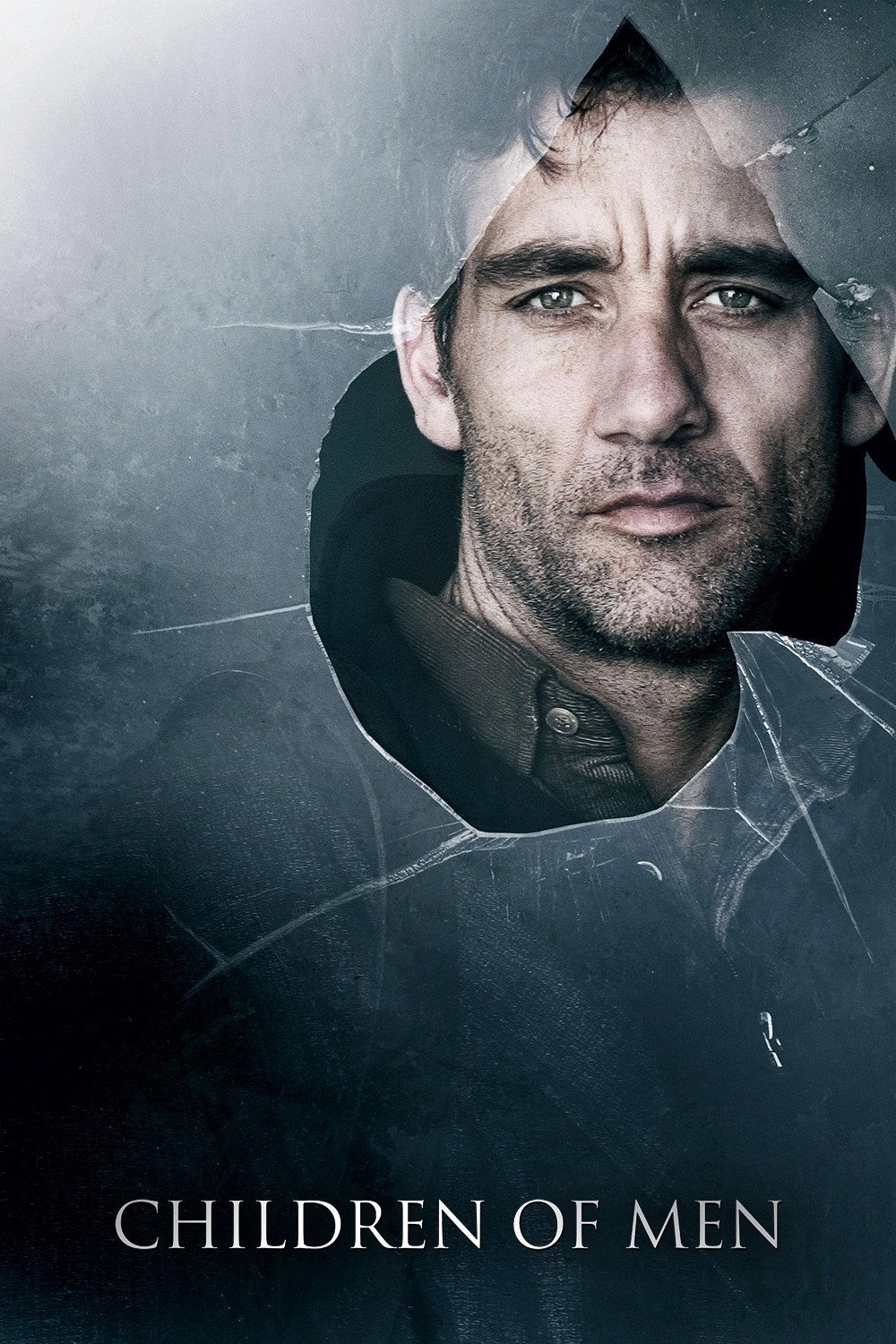
Children of Men

2006 · A childless England shot in grey drizzle, and a single baby carried through a battle.

Threads poster92

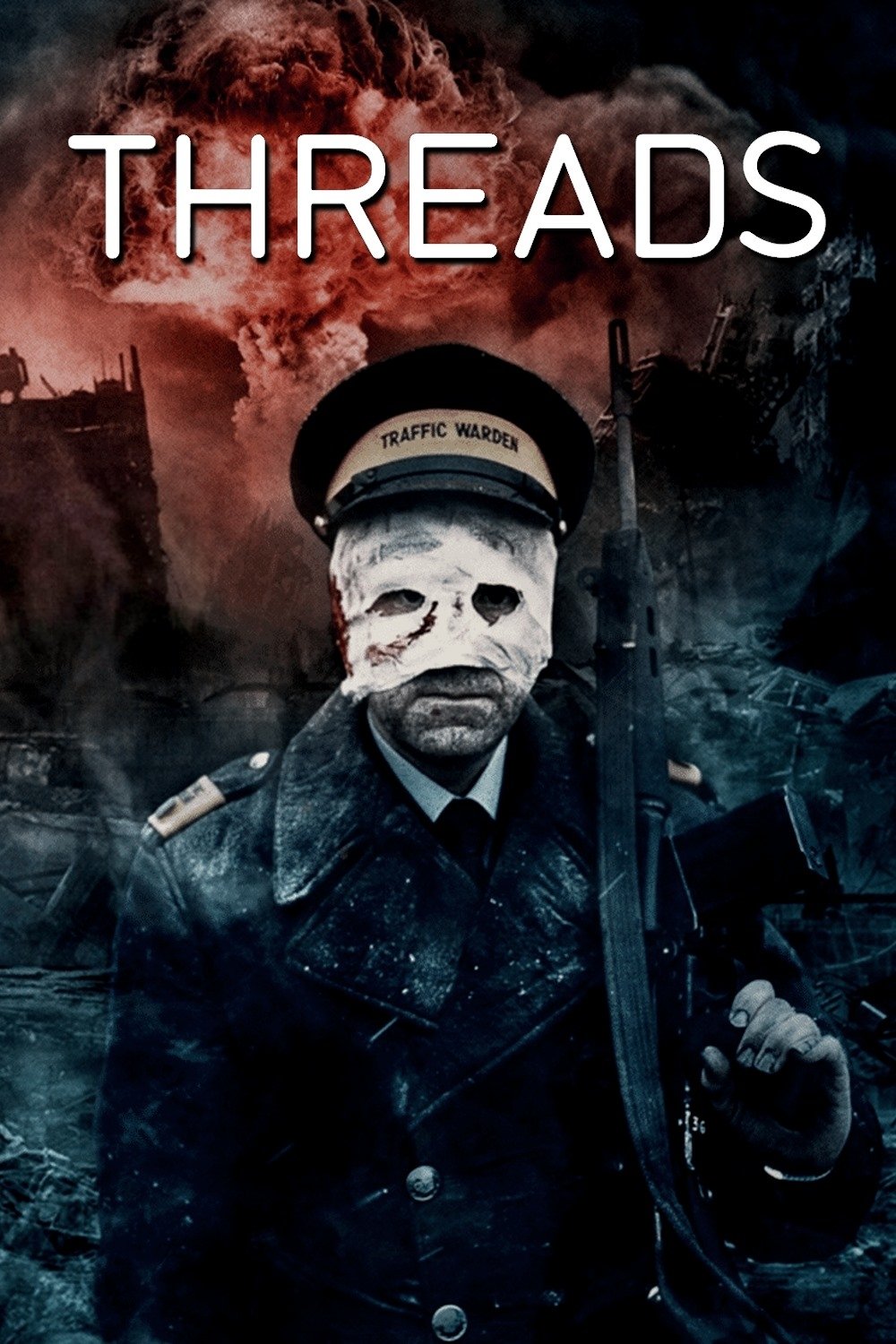
Threads

1984 · Sheffield after the bomb, filmed like a public information broadcast; the opposite of kind.

Last Night poster

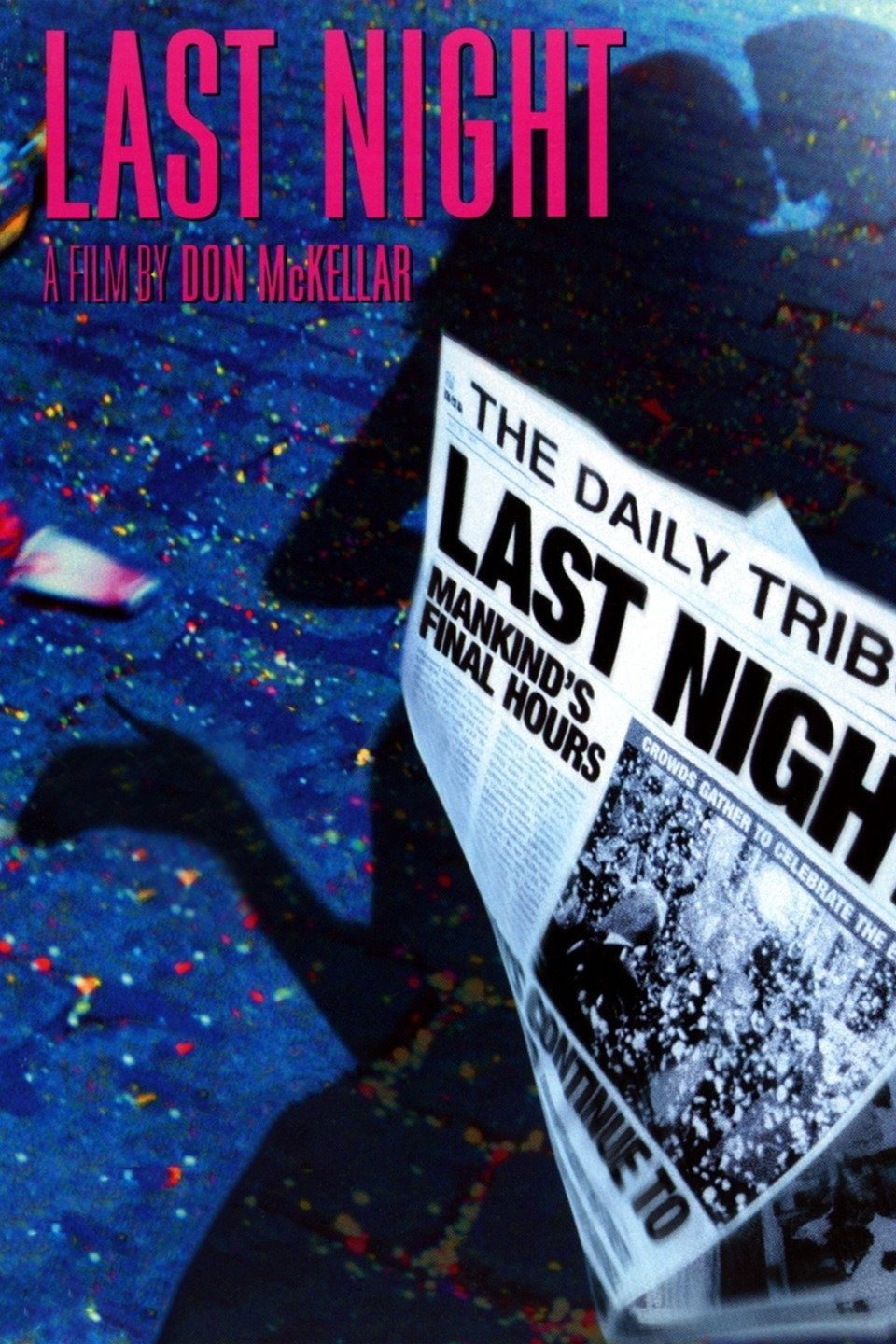
Last Night

1998 · Toronto’s final six hours, spent mostly on small talk and old records.

Time of the Wolf poster

Time of the Wolf

2003 · Haneke’s French countryside after the collapse, where the horror is queuing for water.