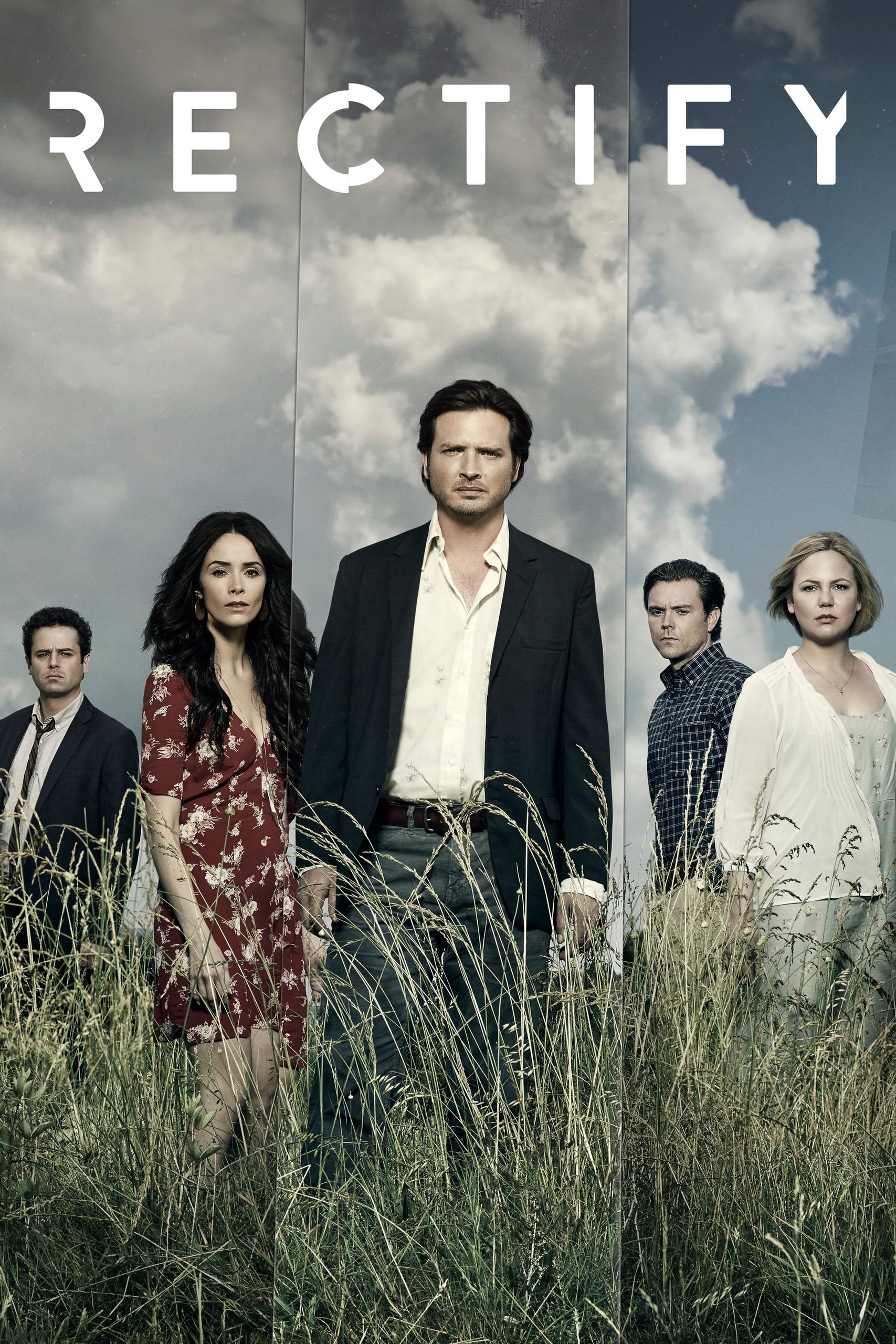
Ray McKinnon’s series about a man let off death row and sent home is the slowest drama we have recommended in some while and one of the best acted. Aden Young is remarkable. The murder plot is the least of it, and the makers know it.
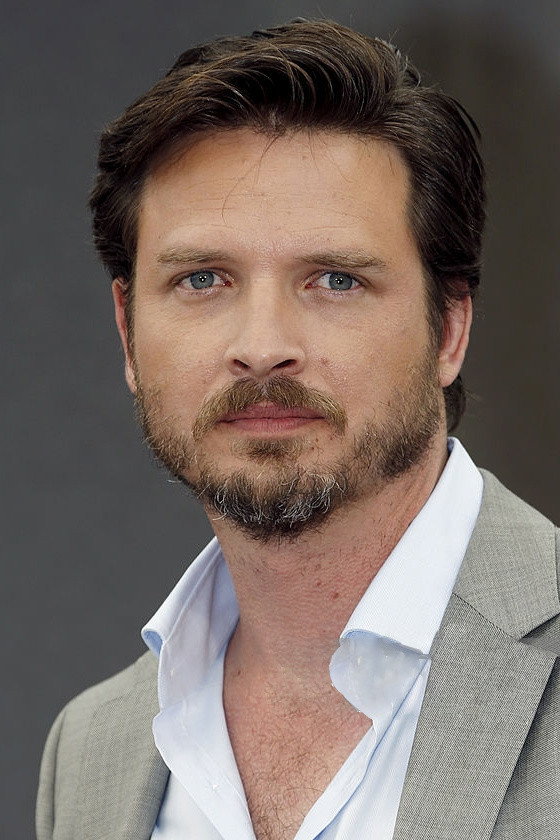
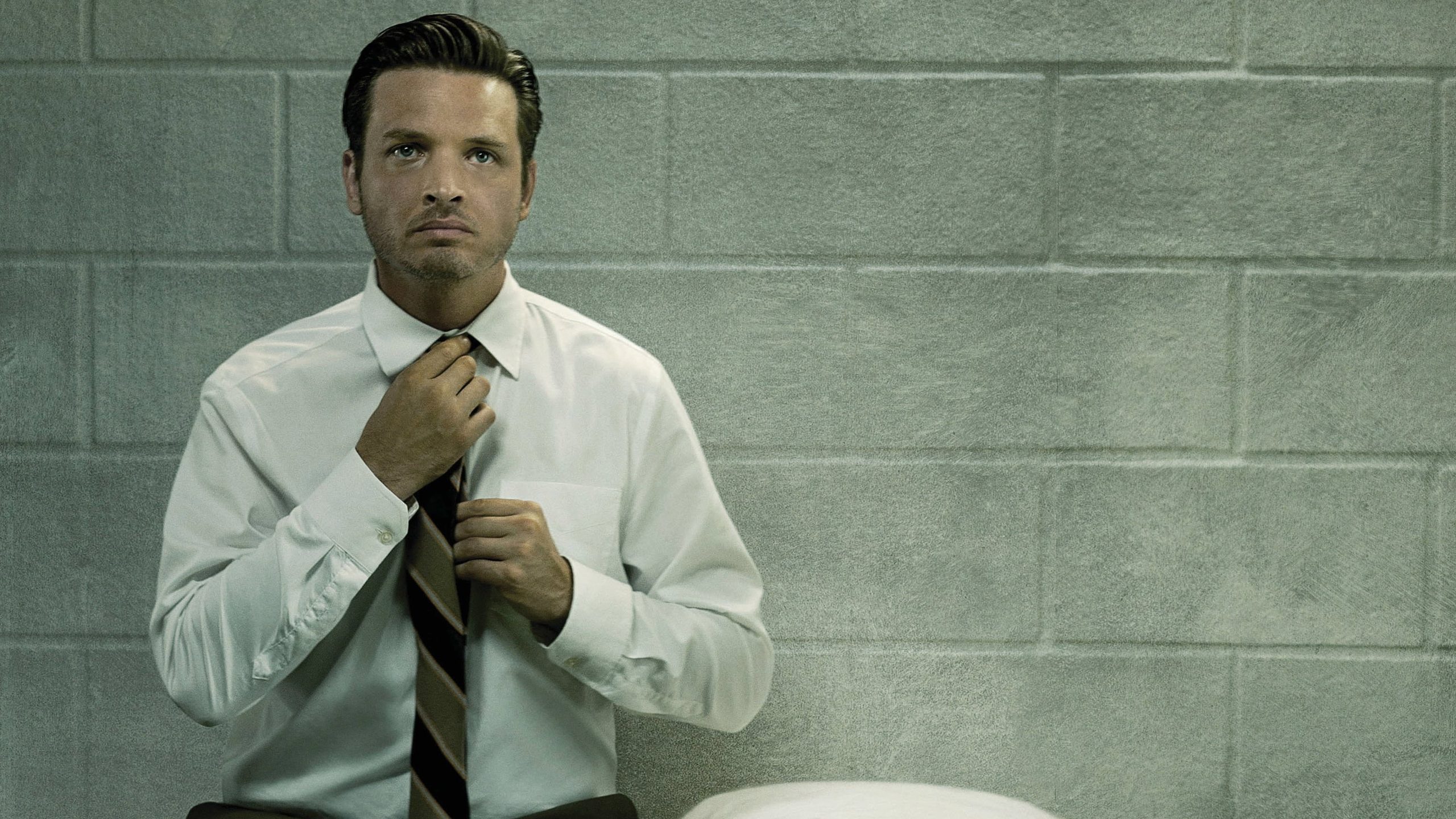
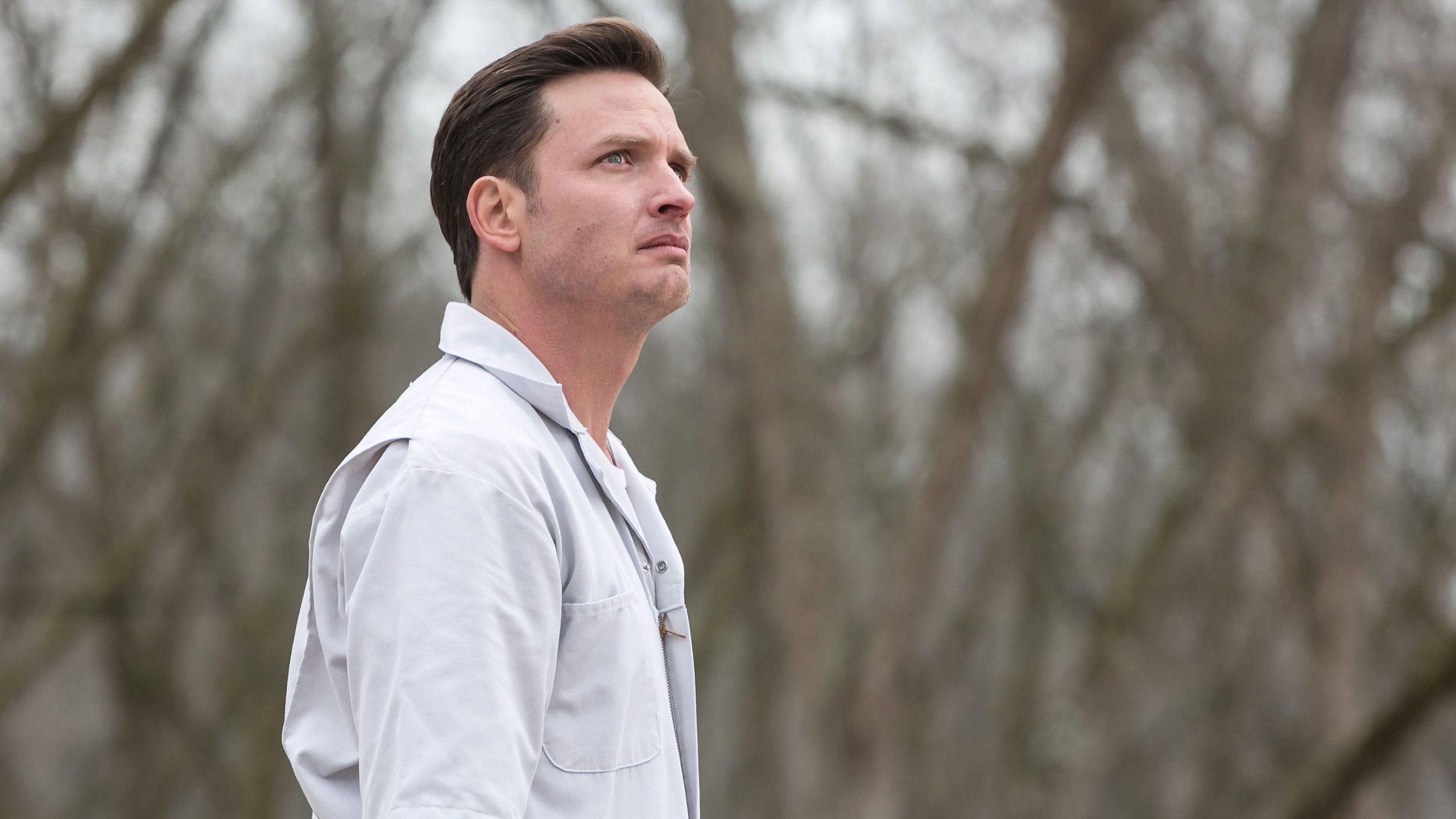
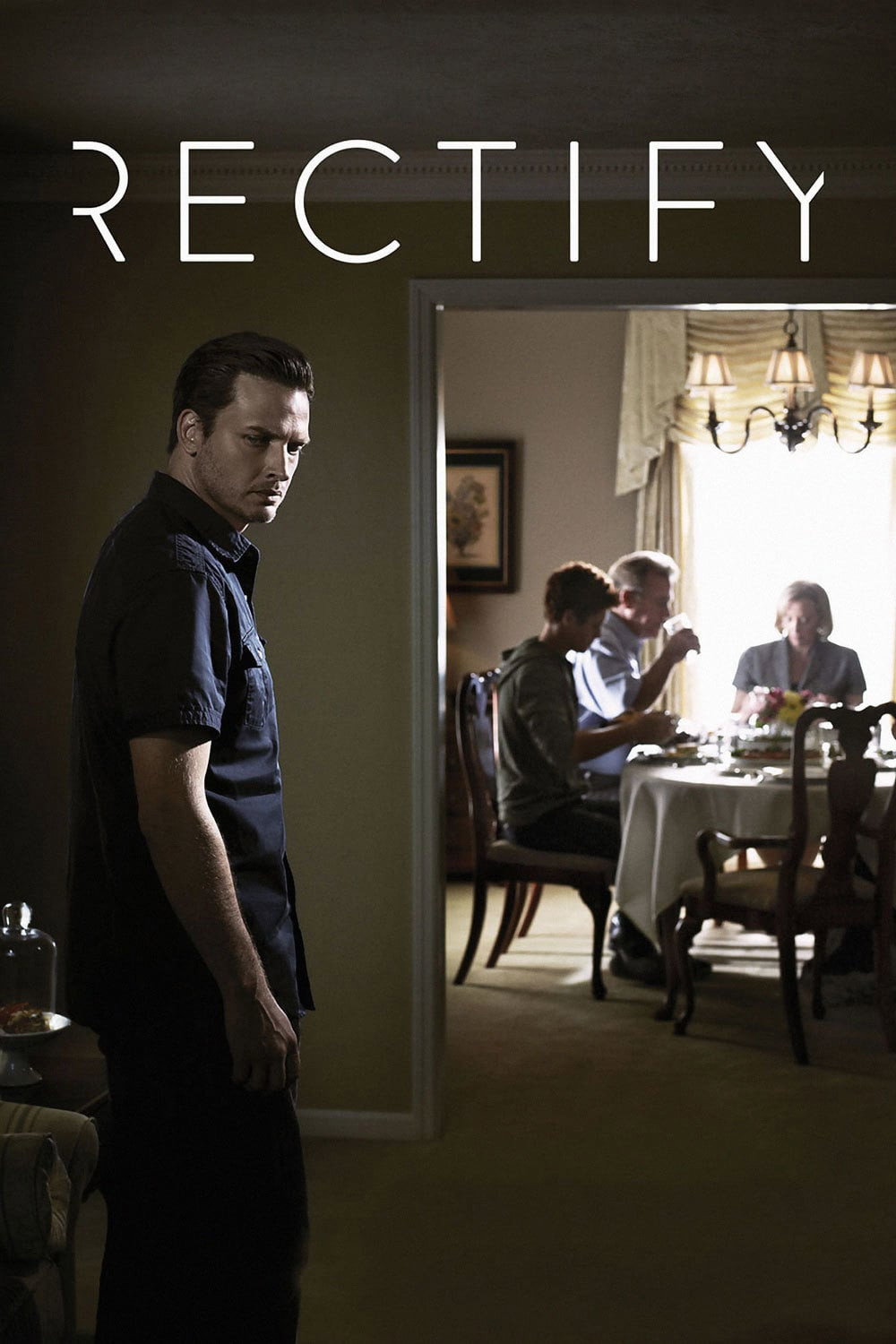
Ray McKinnon’s Rectify begins with a man walking out of prison in a suit that does not fit him. Daniel Holden (Aden Young) has spent nineteen years on death row, and new DNA evidence has undone the conviction without quite clearing his name. He goes home to a mother, a sister and step-relations he barely knows, and a town that made up its mind about him long ago. Over four seasons the series follows him as he works out how to be a person again. It moves slowly. It is also one of the best-acted things we have seen on television, and we recommend it to anyone who can sit still.
Young plays Daniel as a man who has learned to take up no room. He speaks in complete, formal sentences, because he has had two decades to finish his thoughts, and he stands still because standing still is what he knows. What moved us more than we expected was a scene in the first episode in which he does almost nothing: he lies down in his boyhood bedroom and presses his face into a pillow, and Young lets us watch him meet softness as if it were new. We were undone by a pillow. The series has arranged everything around him so that the smallest thing registers.
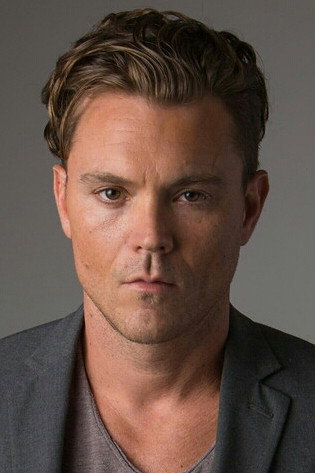
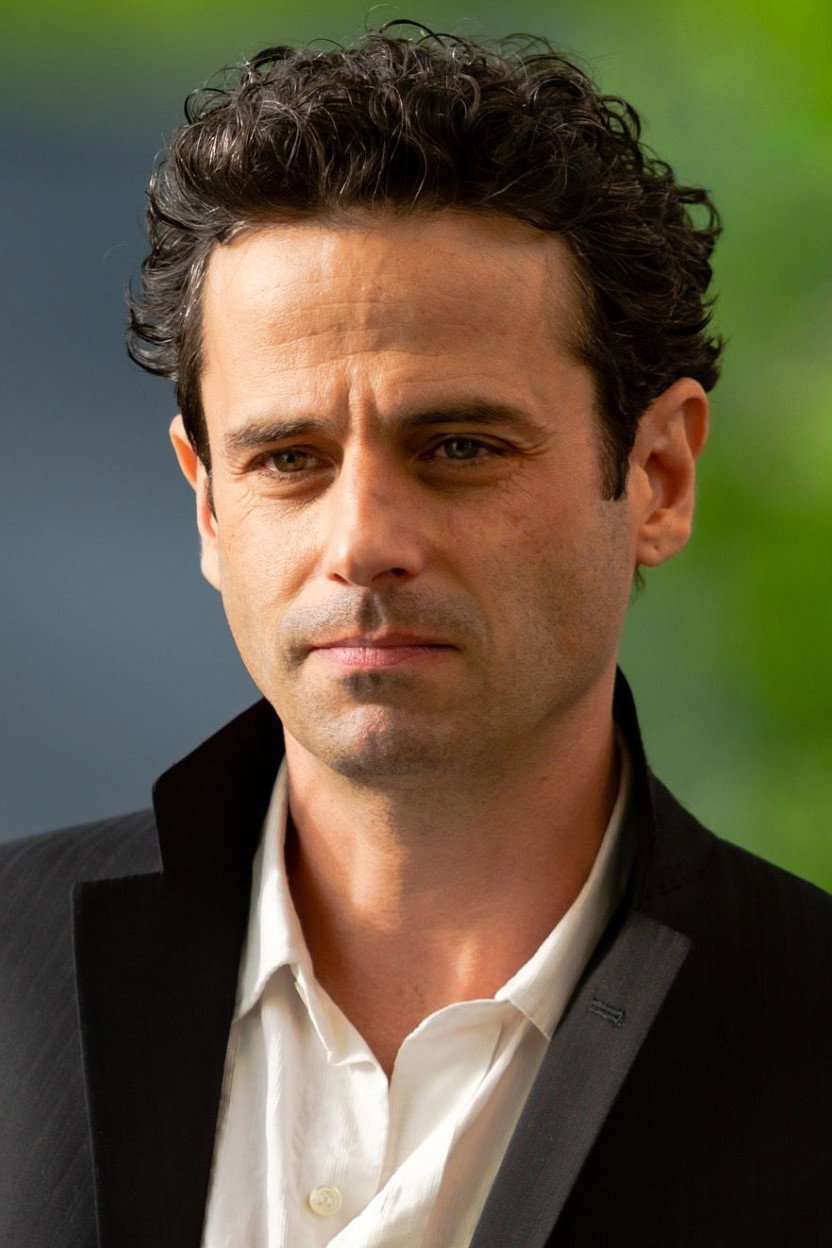
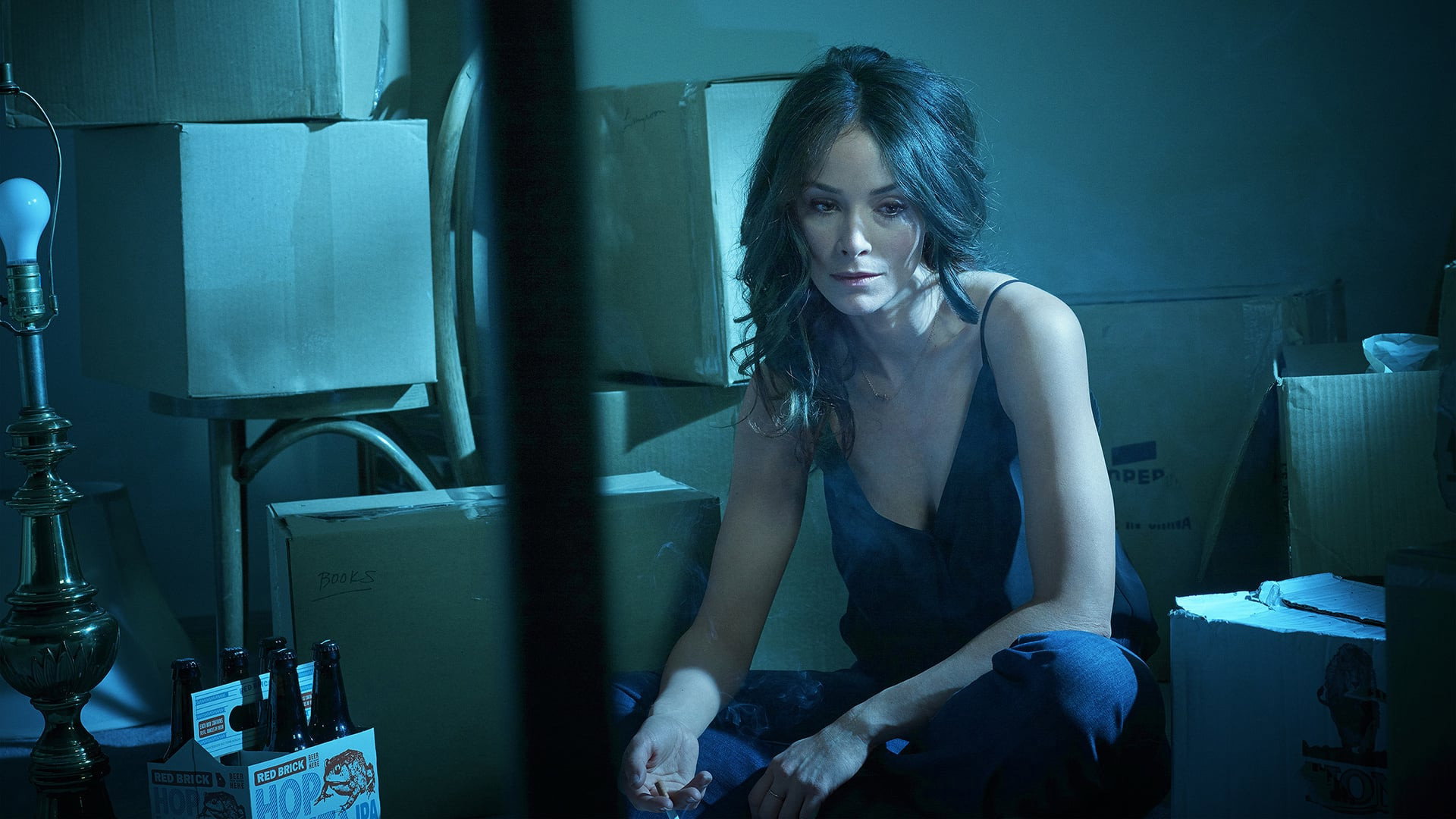
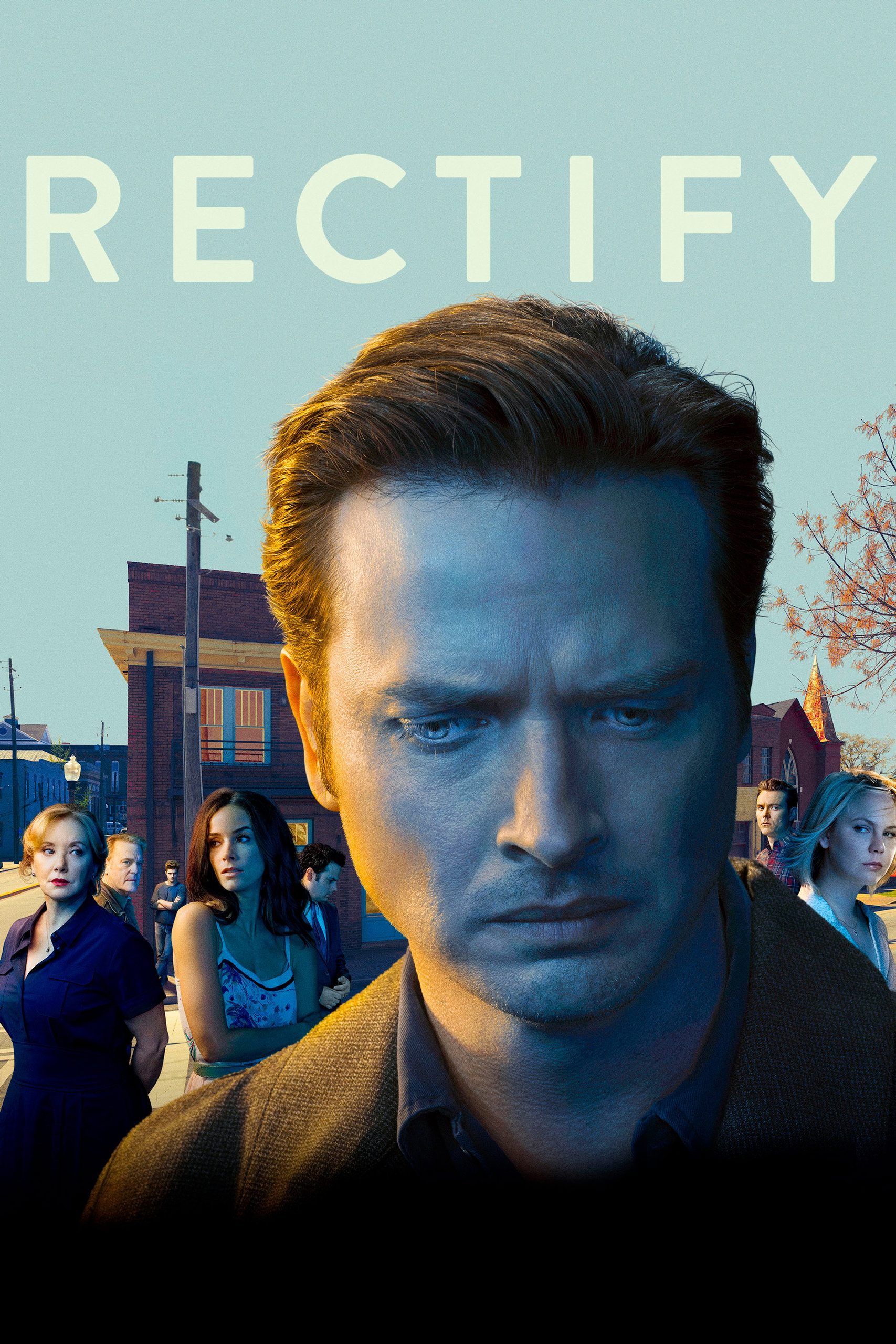
The people around him are given the same care. Abigail Spencer’s Amantha fought for his release and is now angry with everyone, including him, for not being as grateful as she needs them to be; she also gets most of the jokes, and the series is funnier than its subject suggests. J. Smith-Cameron plays Janet, the mother, as a woman who has kept house through all of it and would rather not discuss it. Clayne Crawford has the hardest part as Ted Jr., the stepbrother whose tyre shop and marriage now have a stranger standing in them, and the writers refuse every chance to make him a villain. Adelaide Clemens’s Tawney is a believer whose faith is taken seriously, and Luke Kirby, as the lawyer Jon Stern, plays a decent man who knows the law has done less for his client than it thinks.
Gabriel Mann’s score is a few notes of guitar and piano, and it stays out for long stretches so that the sound of the place, insects, a screen door, highway traffic, does the work. Ane Crabtree dresses Daniel in clothes a man might buy if he had last shopped as a teenager, and the wrongness of them tells us how far behind he is. Dave Blass and Hugh D.G. Moody’s production design gives the Holden house old wallpaper and old furniture, while the cell we return to in flashback is white and flatly lit. The directors change with almost every episode, Keith Gordon, David Lowery and Nicole Kassell among them, and the look holds across all of them, which tells you who was in charge.
The flaw is the plot. Somebody committed the crime, and the series can neither leave the question alone nor bring itself to care about it. When it turns to the sheriff, the old prosecution and the men who want Daniel back inside, the machinery creaks, and we could feel the writers hurrying to get back to the kitchen. The second season is where this shows most; there are hours in which the investigation advances by an inch and Daniel’s formal way of talking tips over into everyone speaking in aphorisms. We were, once or twice, bored. The series always recovers, but the recoveries are more visible than they should be.
Most critics agree with us, and the coolest of them values its refusal to make Daniel stand for anything but himself. We would put it a little higher than they do, because the acting is of a standard television rarely reaches. It belongs with Friday Night Lights as a portrait of a small American town in which people are allowed to be more than one thing.
Watch it an hour at a time, and no more than that in an evening. It is built to be sat with, and it does not reward a hurry.