Billy Bob Thornton’s drama is patient, darkly funny and moving, with a lead performance that earns its demands on our attention. Some scenes linger too long, but the people are worth staying with.
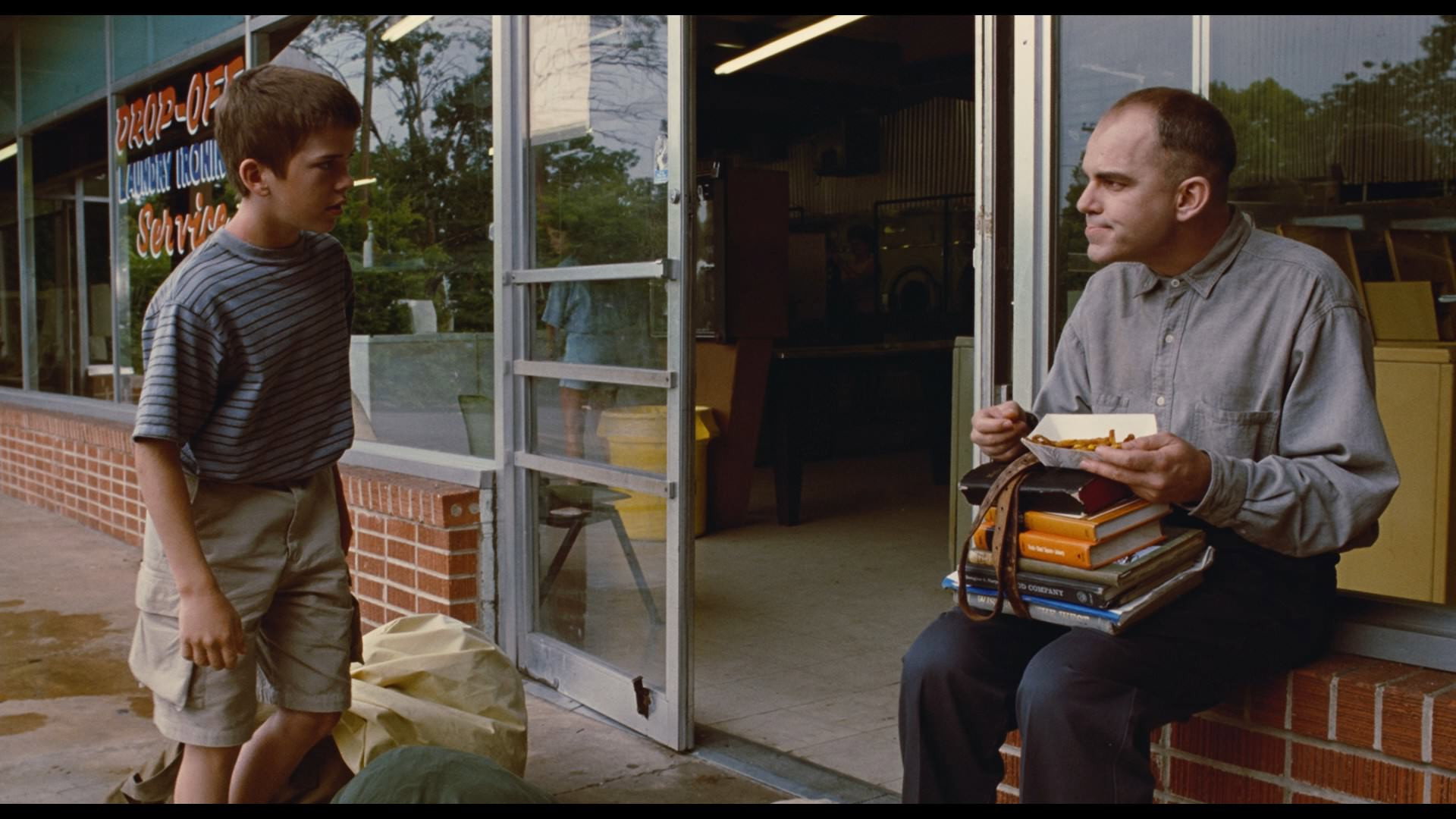
Sling Blade is a moving character drama that would be stronger with a little less time to make its points. Billy Bob Thornton writes, directs and plays Karl Childers, a withdrawn man returning home after years in a psychiatric hospital. His return gives the film its immediate business: watching someone try to live among other people again. Thornton’s patience is mostly justified, although his affection for the material sometimes keeps scenes going after we have understood them.
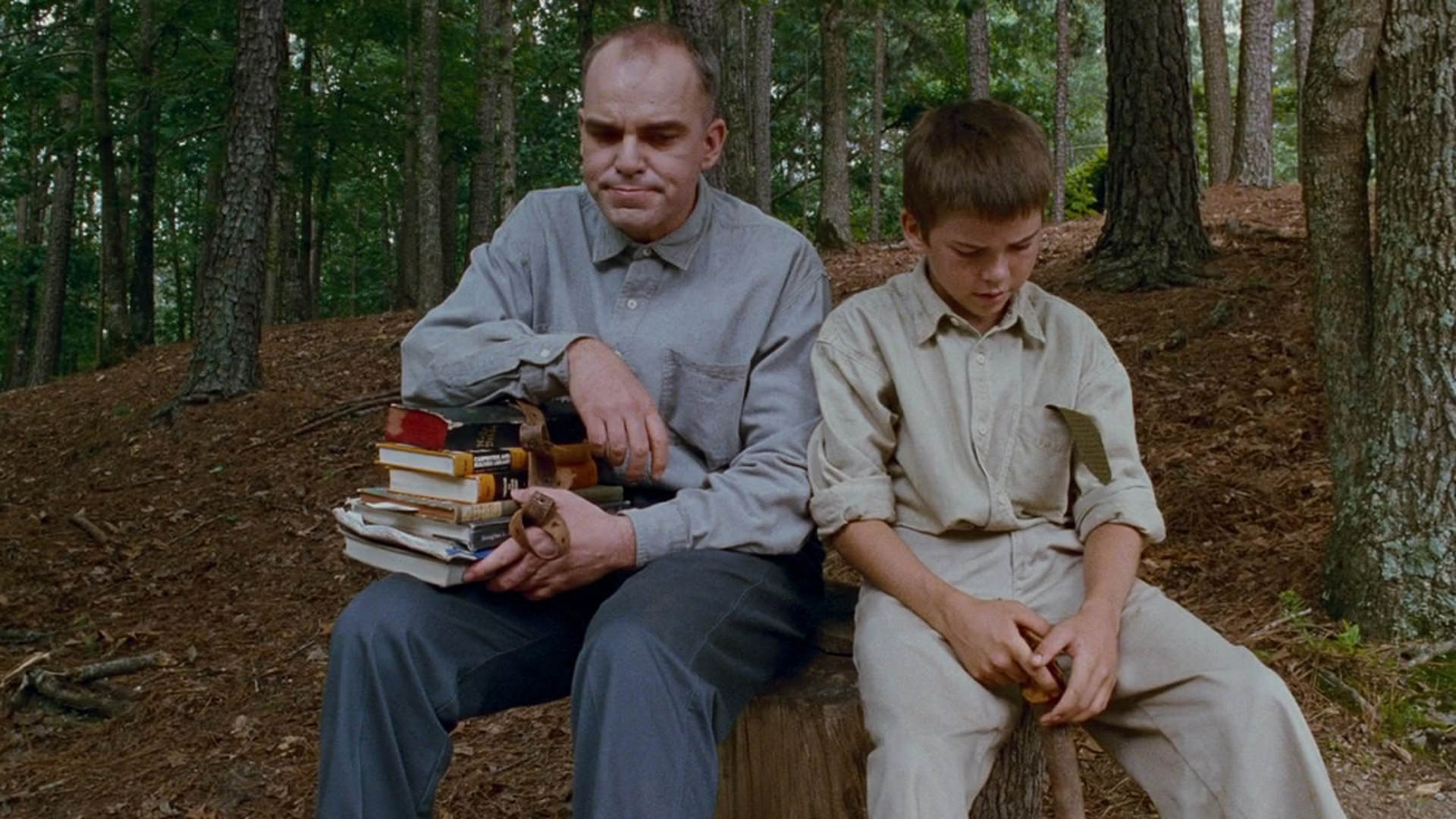
The performance could easily have exhausted us. Karl’s reserve places a great deal of weight on the actor, and Thornton makes it expressive without treating it as an invitation to show off. We were moved by the uncertainty in Karl’s attempts to engage with other people. Thornton makes the effort behind his few words apparent, giving those exchanges enough weight that we begin to understand how difficult an ordinary conversation can be for him.
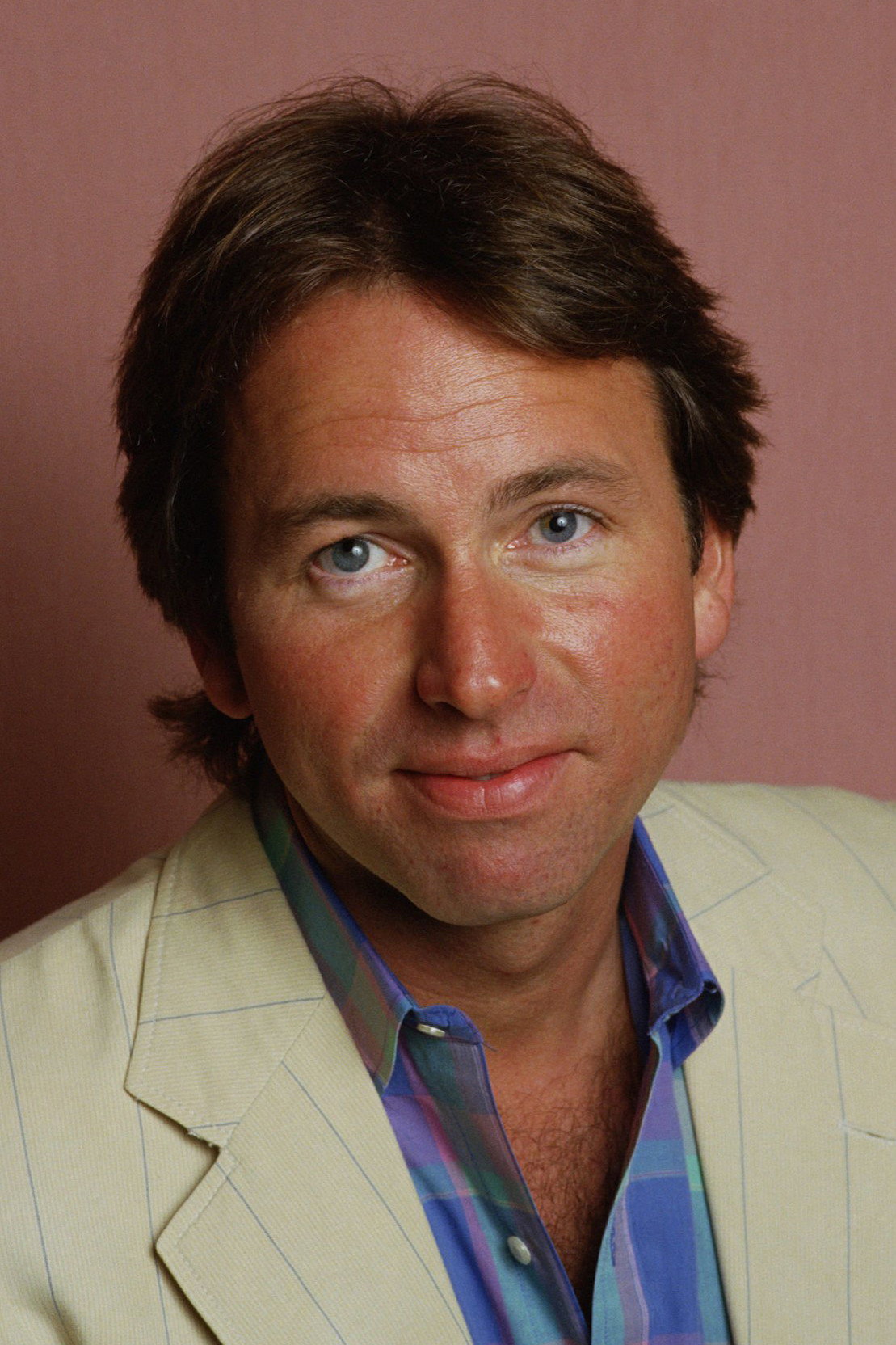
Lucas Black, as Frank Wheatley, and Natalie Canerday, as Linda Wheatley, help the drama feel less confined to its leading performance. There is an ease to their acting that lets Thornton’s more conspicuous work settle into the company. John Ritter’s Vaughan Cunningham also benefits from an approach that allows warmth without asking for approval. The supporting characters deserve more attention than the screenplay consistently gives them, but the actors do enough to suggest lives continuing beyond Karl’s immediate concerns.
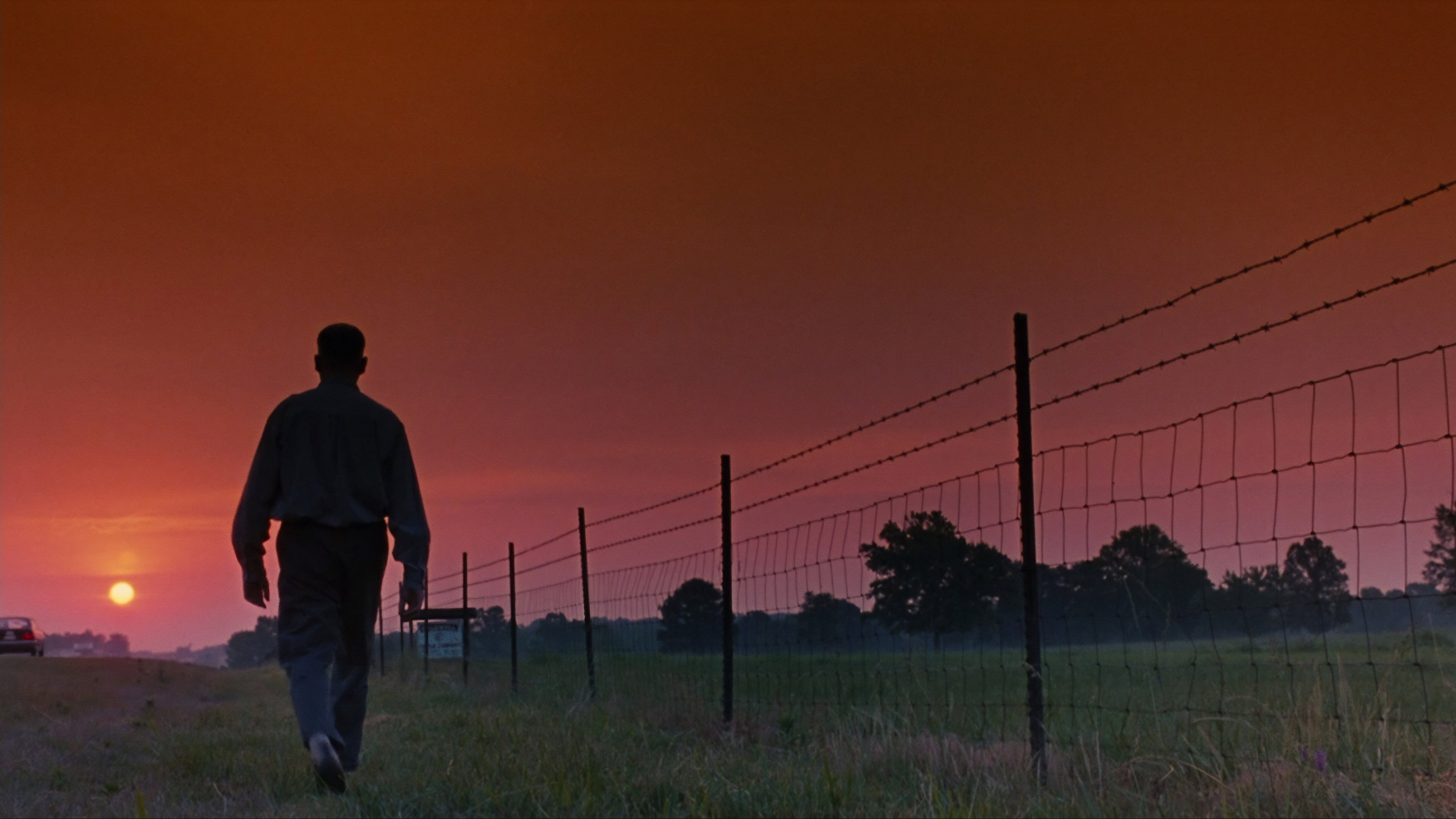
Barry Markowitz’s cinematography supports the watchful approach, keeping the acting at the centre of our attention. Clark Hunter’s production design helps the Southern setting feel inhabited, with no need to make it look quaint. Daniel Lanois’s music contributes to the tenderness without making every exchange seem to require our sympathy. These contributions work most effectively when they leave the cast to establish how an encounter should feel, and allow us time to consider the people involved.
The dark humour matters, and Thornton handles it with care. It lets these people be funny without making their differences the entire reason for the joke. Dwight Yoakam’s performance as Doyle Hargraves brings a forcefulness that gives the ensemble a welcome change of pace. The humour also prevents Thornton’s concern with good and evil from making every conversation sound like a discussion of good and evil, which would be a considerable burden over this length.
Hughes Winborne’s editing preserves the performances’ patient rhythm, but there are stretches where that patience becomes a problem. At 135 minutes, the film repeats its emotional emphasis often enough for us to start noticing how slowly it is moving. We do not need a faster plot; we need fewer scenes doing work that earlier scenes have already done. The steady tone compounds that problem, giving some passages too similar a weight when a shorter treatment would have served the actors better.
As a character drama, it does the difficult part well: Karl remains someone we want to understand across a film that asks for a substantial stretch of our evening. Thornton is less sure about how much repetition that understanding needs. Choose it when there is time for a patient drama, and allow a fine cast the occasional scene longer than they strictly need.