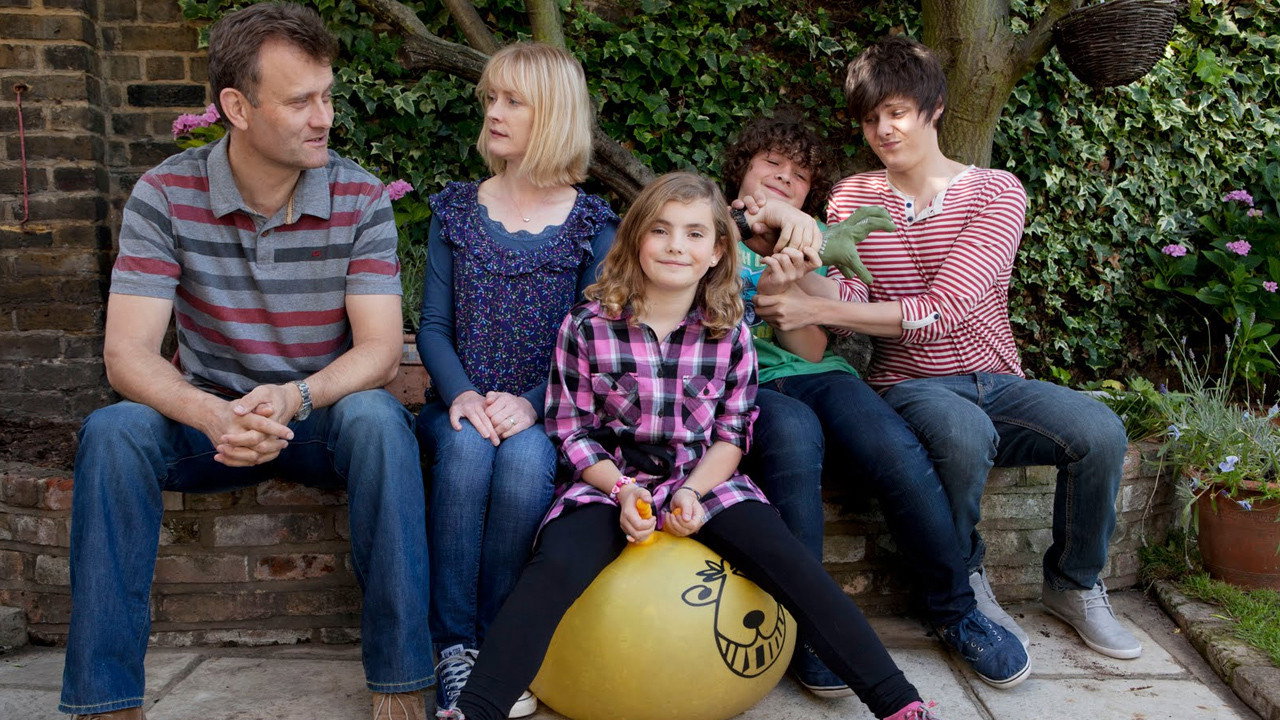
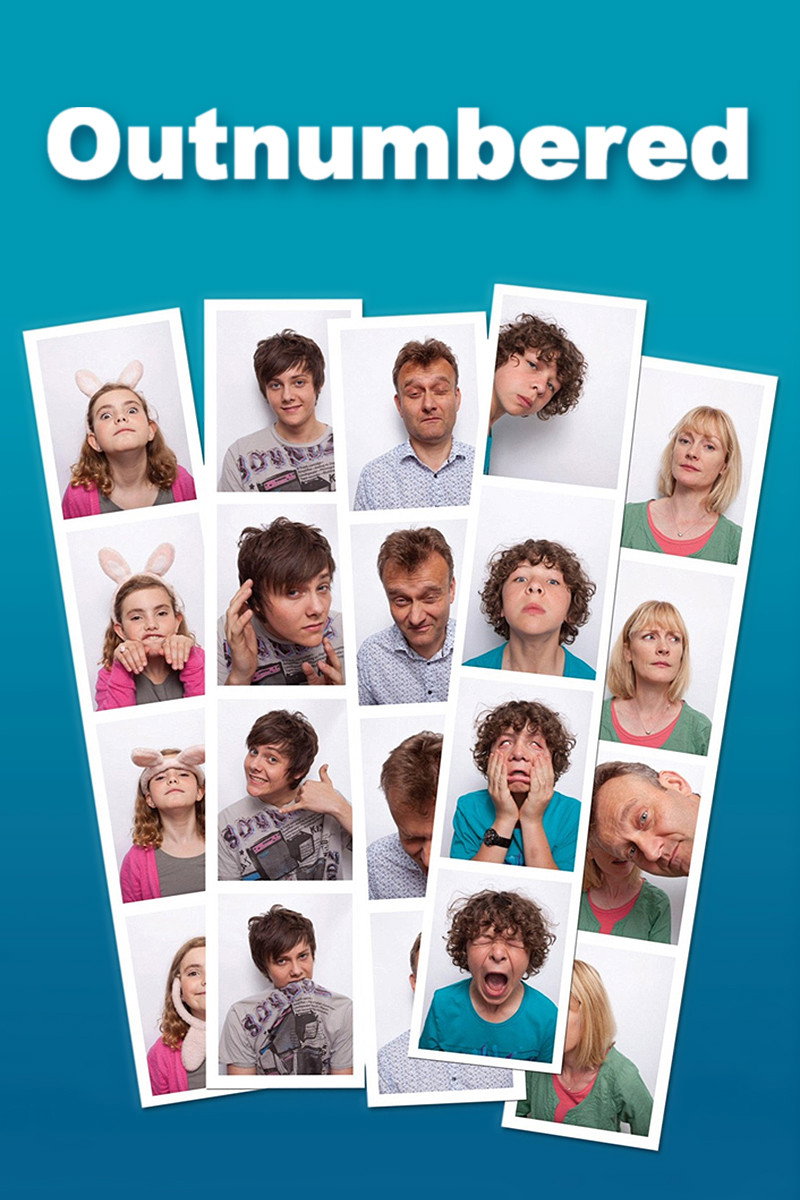
Andy Hamilton and Guy Jenkin script the parents and let the children say whatever comes into their heads, and for three series it produces a family that looks like one you know. It grows tamer as the children grow older.
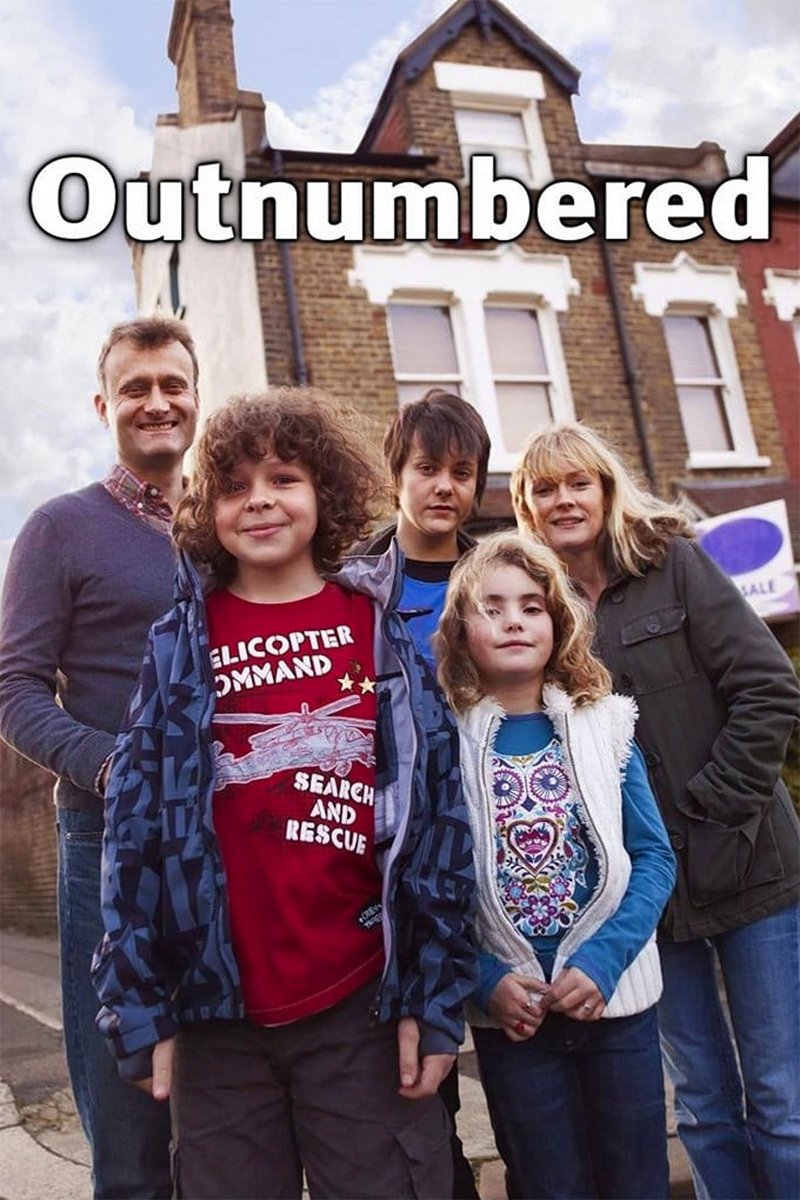
Andy Hamilton and Guy Jenkin’s idea was simple and slightly reckless. Write the parents’ lines, tell the children roughly what the scene is about, then point a camera at the lot of them and see what happens. Most sitcoms about families are written by adults imitating children; this one lets the children do it themselves, and the adults have to cope. It began on 28 August 2007 and ran for five series, and for the first three of them it is a truer picture of family life than most comedy gets anywhere near. It thins as the children grow, and we will come to that.
There is no studio, no audience and no laughter track. The camera is hand-held and follows people around a kitchen with crumbs on the worktop and a fridge covered in letters from school. Scenes do not build to a punchline; they run until someone gives up and then fade to black, which is roughly how arguments with a six-year-old end in life. The joke, again and again, is not the line but the parent’s face after the line has landed.
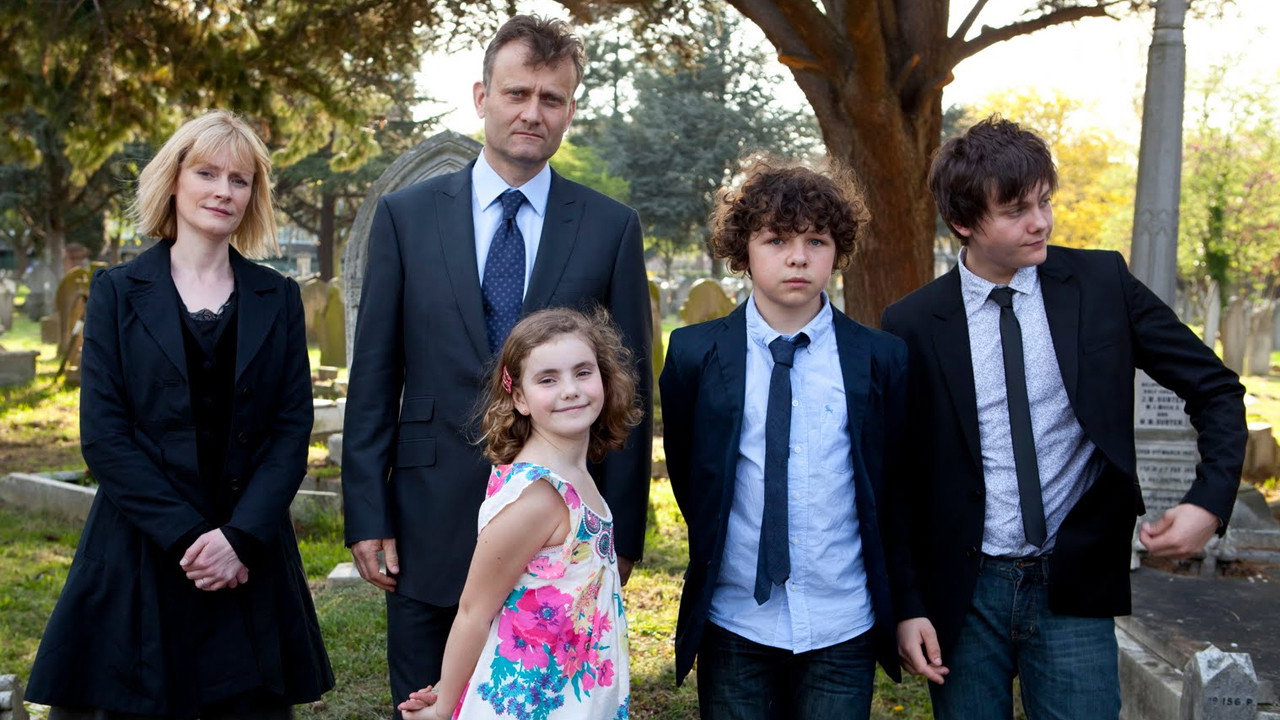
The children are the show. Ramona Marquez’s Karen is a small, polite inquisitor who wants to know about death, God, divorce and why the rules are the rules, and will not be fobbed off. Daniel Roche’s Ben is a fantasist with an interest in weaponry who can explain, at length and with total sincerity, why none of it was his fault. Tyger Drew-Honey’s Jake, the eldest, gets more of the written material and has the harder job, which is to be the embarrassed one while the other two run riot; he does it with a good deal of grace. We laughed at Karen’s questions, and then, when Sue tried to answer one at bedtime, we found ourselves unexpectedly caught. Marquez does not know she is being funny. No scriptwriter could have manufactured that.
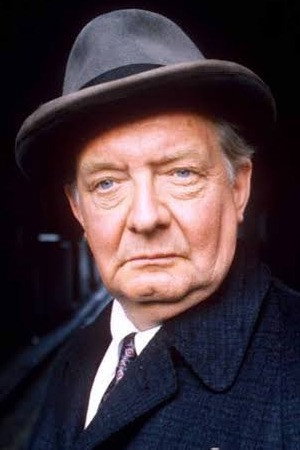
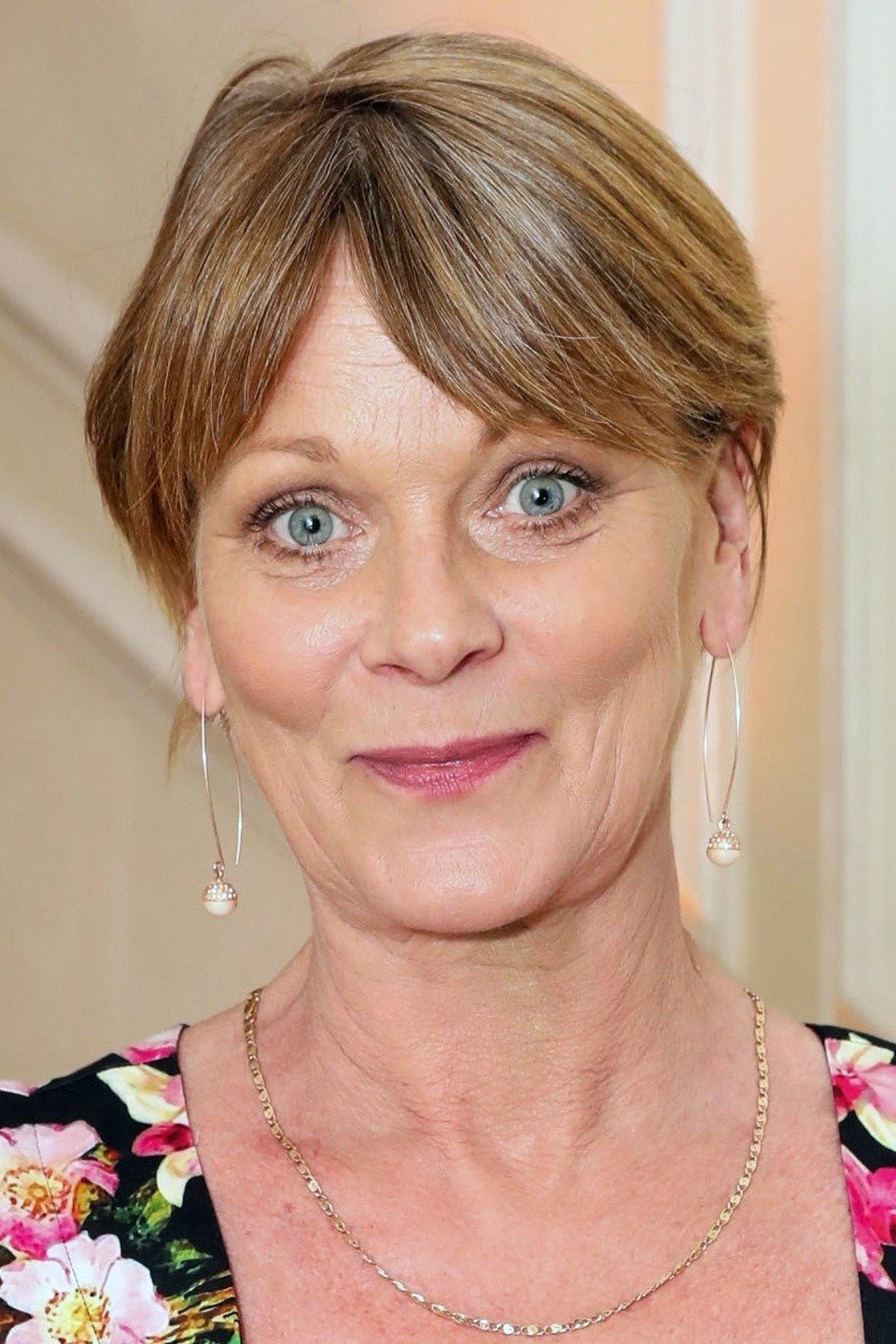
Claire Skinner and Hugh Dennis have the odd task of being professionals in a room with amateurs who keep winning. Dennis plays Pete as a man permanently doing sums he will never finish, and he has a way of pausing before a reply that tells you he has already lost. Skinner’s Sue is tired in a specific, unglamorous way, and she never asks for sympathy. David Ryall’s Granddad forgets things, and the show treats his forgetting gently and without a swell of music; there is a lot of tact in those scenes, and they moved us more than a half-hour comedy has any business doing. Samantha Bond, as Sue’s sister Angela, is the relative who does everything properly and is therefore unbearable, and Bond plays it straight, which is the right choice.
The weaknesses are real. Hamilton’s plots, when he bothers with them, are the least interesting thing on screen; a dinner party or a meeting with the headmaster (Jonathan Cullen) is a frame for the children rather than a story, and the episodes are strings of scenes more than half-hours with a shape. The world is narrow: a comfortable London house, two working parents, nobody short of money, and the show notices this only occasionally. And the later series decline, for the plainest possible reason. By the fourth and fifth, the last of which arrived in 2014, the children are teenagers, the improvisation has gone, and they deliver lines like anyone else. What was a documentary with jokes becomes an ordinary sitcom with familiar faces. Most critics noticed the same thing at the time, and we are scoring the whole run, not the best of it.
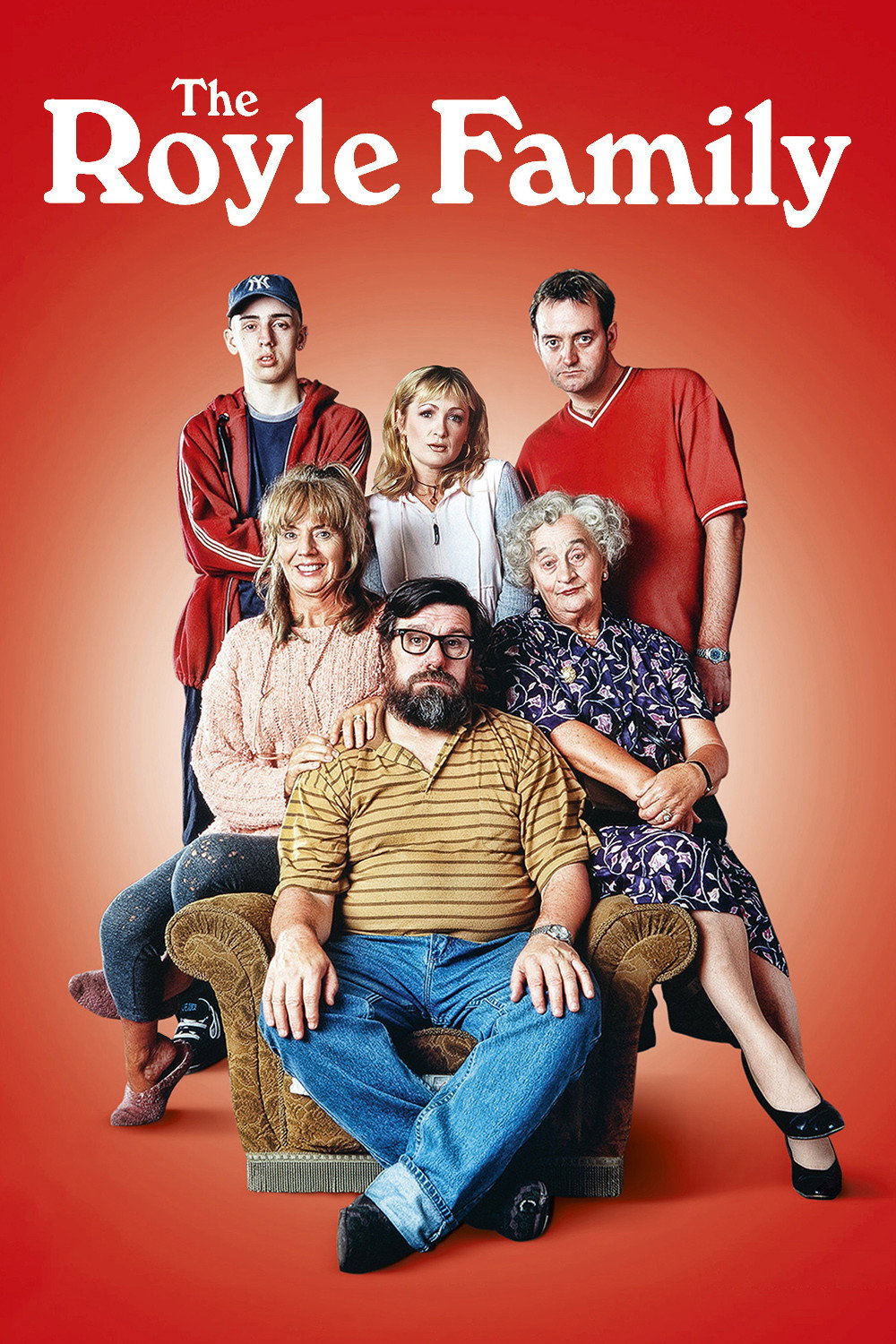
Set against what British family comedy usually looks like, the studio set and the audience laughing on cue, this was a different animal. It sits nearer The Royle Family, which also put a camera in a room and waited, though it is busier and warmer than that, and a great deal of what followed on British television borrowed its method without quite managing to borrow its children.
Start at the beginning and watch the first three series. Stop when the children begin reading their lines, which you will notice before they do.