Film review

Boyhood

2014 · Directed by Richard Linklater · 2h 45m · MPA R

In a sentenceA boy grows up, his parents get older, and we suddenly want to look through the family photographs

Drama

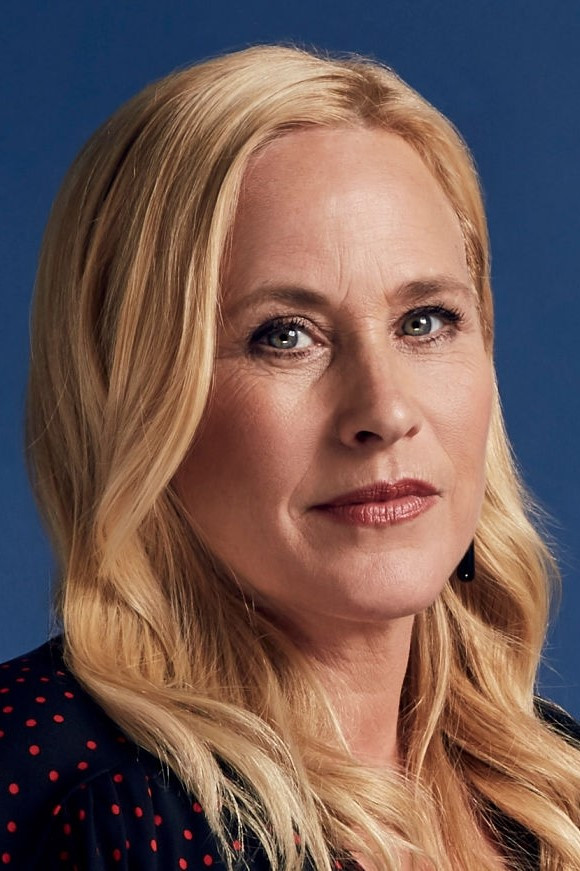
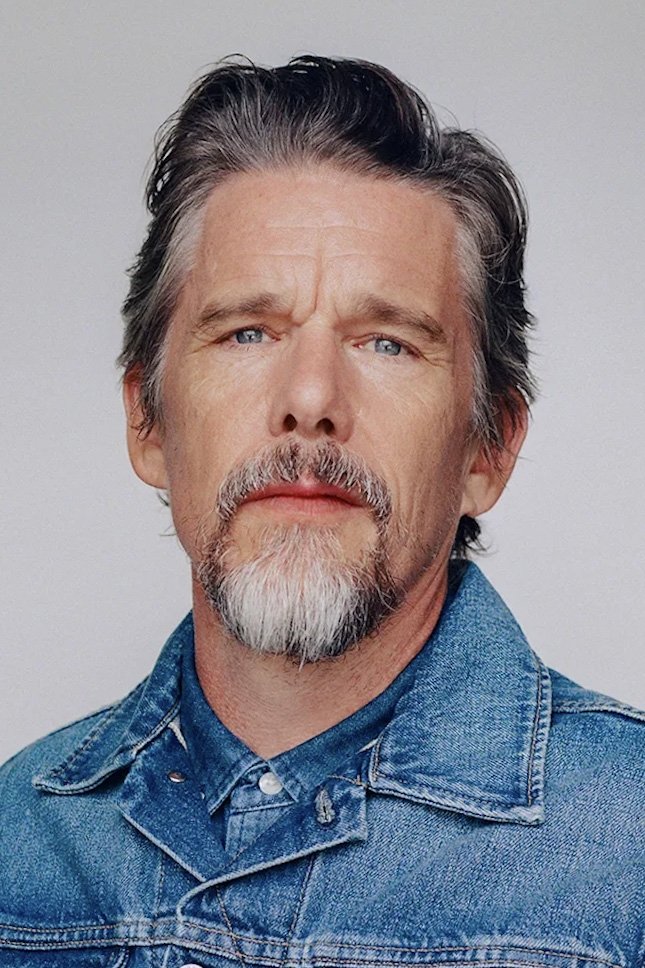
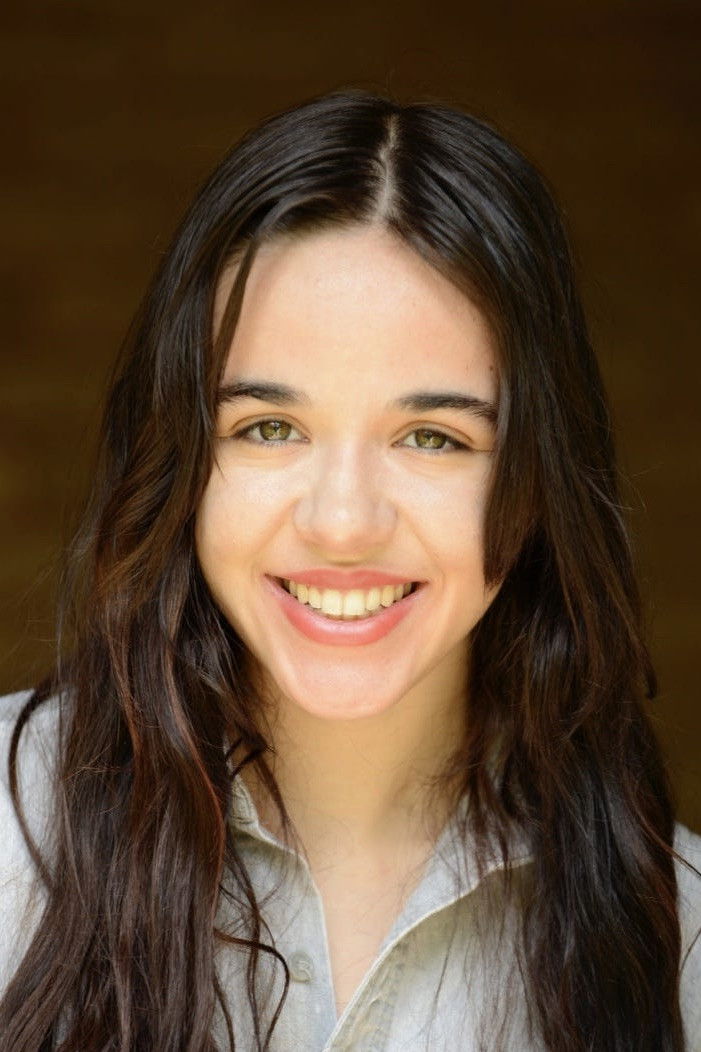
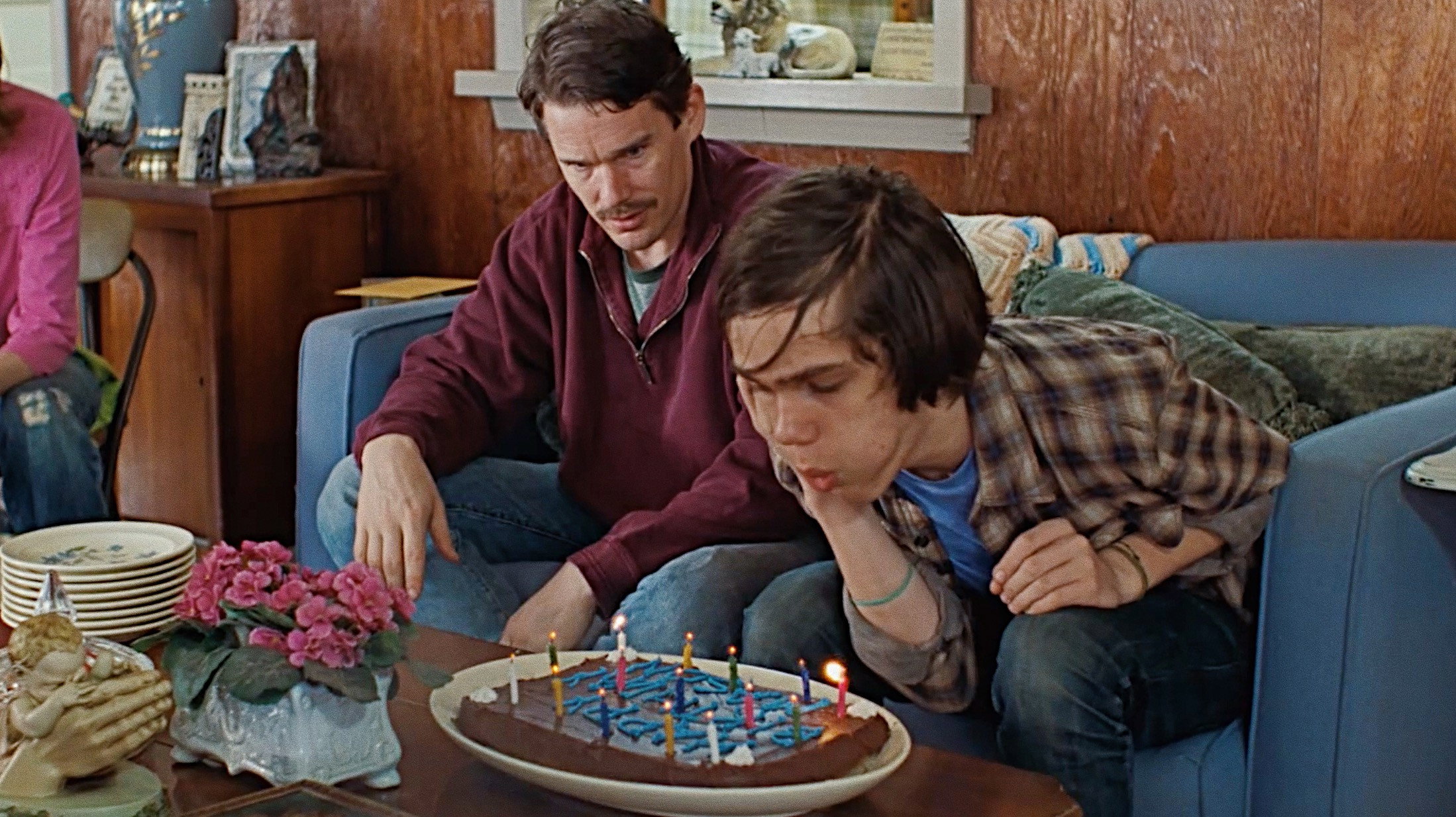
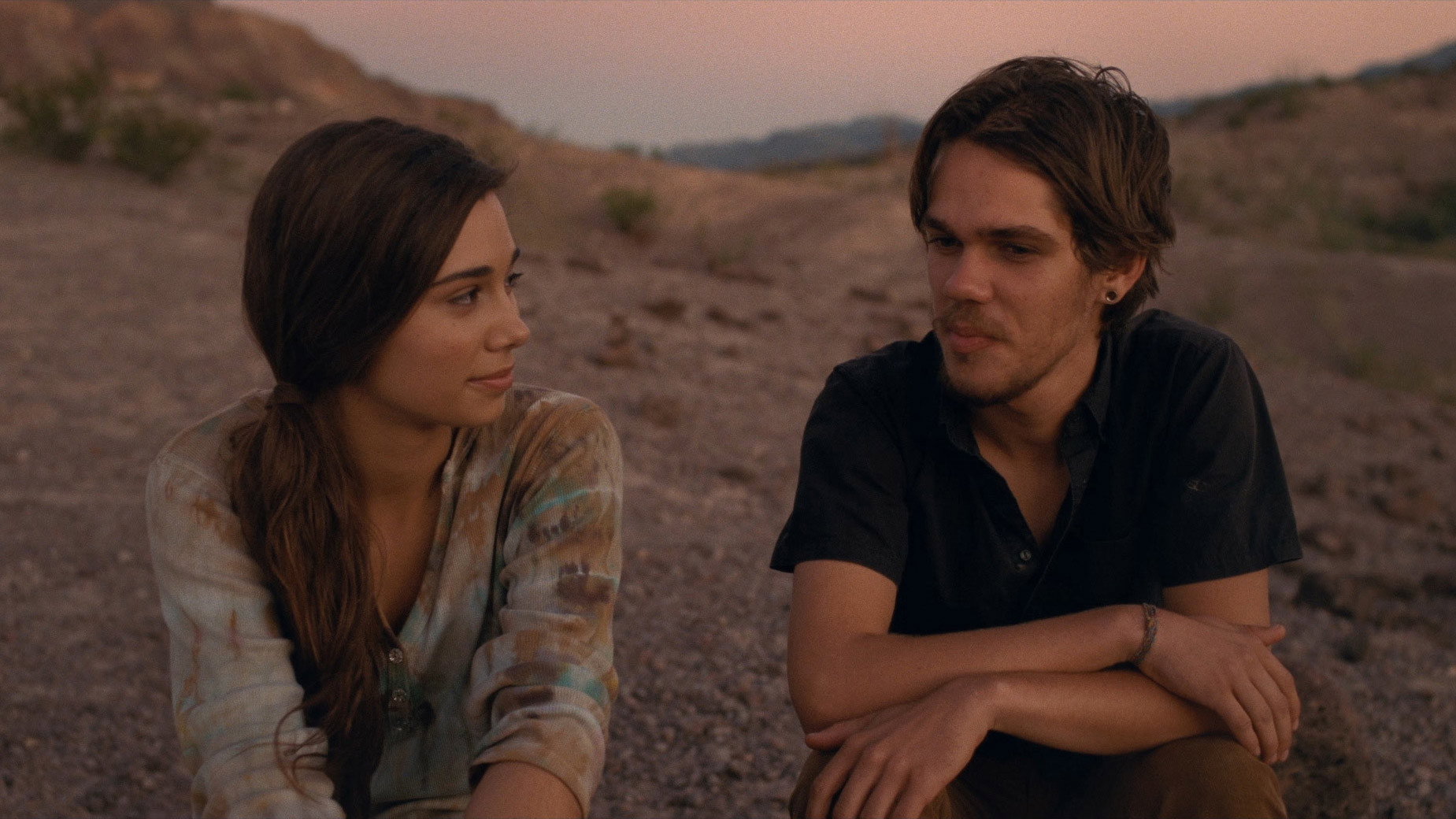
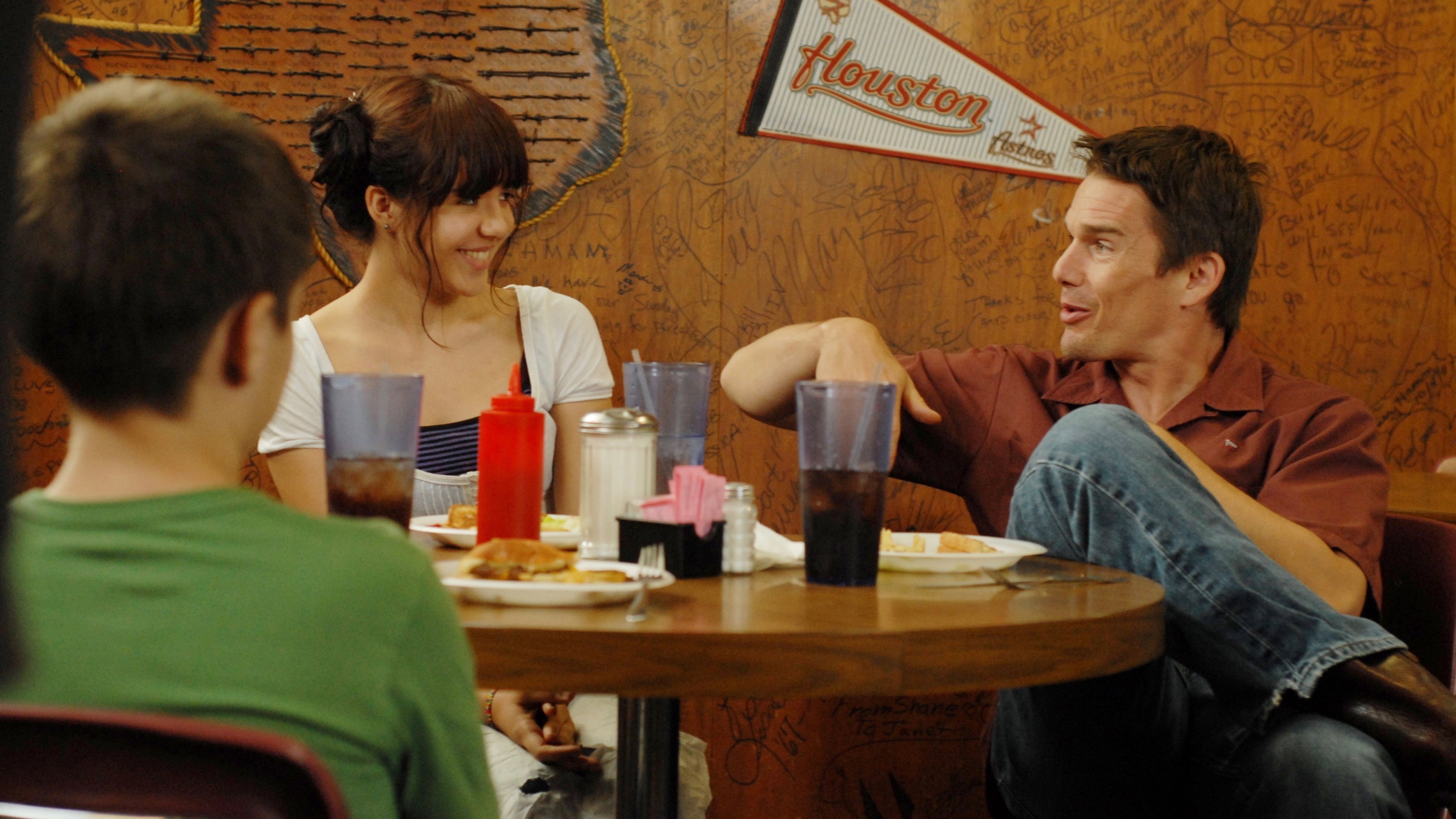
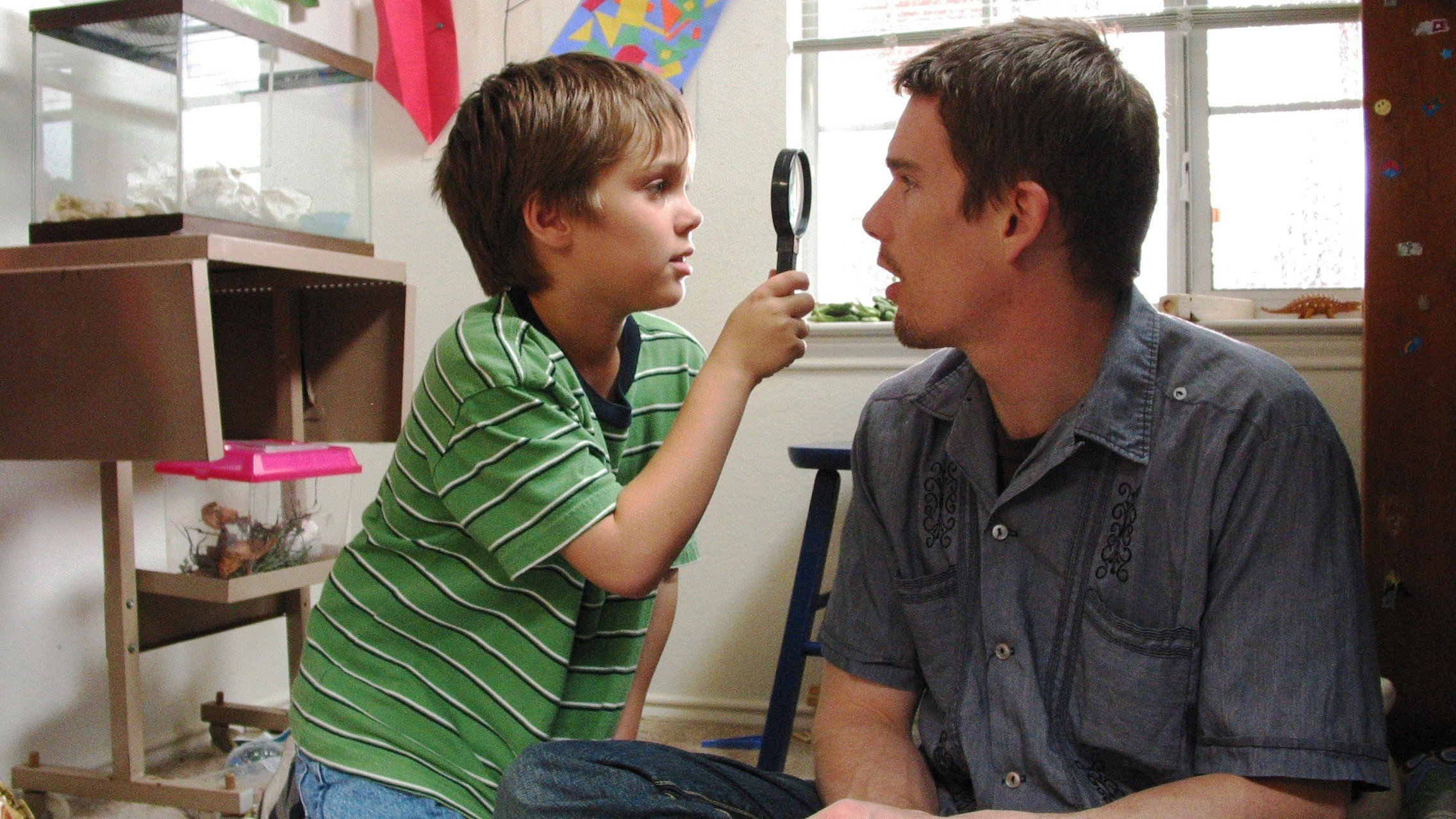
Mason (Recognising Coltrane) grows up in Texas as the adults around him negotiate changes of their own. Richard Linklater follows his childhood and adolescence, with Patricia Arquette playing his mother, Ethan Hawke his father and Lorelei Linklater as Samantha. The story moves through everyday encounters and shifts in family life, staying close to Mason without excluding the adults’ experiences. Filmed over twelve years with the same central cast, it allows the performers to age alongside their characters. Small incidents mark the passage of time as a boy’s view of his family and the life around him begins to change.

Plays from YouTube when you press play; nothing loads from them until then.

Fi1m review

Richard Linklater’s twelve-year family drama is tender, funny and moving without pressing for tears. Its 165 minutes sometimes drift, but the changing faces of Recognising Coltrane, Patricia Arquette and Ethan Hawke give ordinary moments an unusual force.

Boyhood is a moving family drama whose long production earns its place on screen; it is also a film that occasionally takes longer than it needs to. Writer-director Richard Linklater follows Mason through childhood and adolescence, letting the years pass without insisting that each one supply a major event. The same performers return across twelve years, growing older rather than handing their parts to someone else. The pleasure is in getting to know the family well enough to notice small changes for ourselves.

Recognising Coltrane gives Mason a watchfulness that suits this approach, though he is not always the most compelling person on screen. He leaves enough unsaid for us to wonder what the boy is making of the adults around him. A more insistently expressive performance might have made those feelings easier to read, but it would also have made the childhood feel tidier. Coltrane is allowed to keep something to himself, even with all this attention being paid to him.

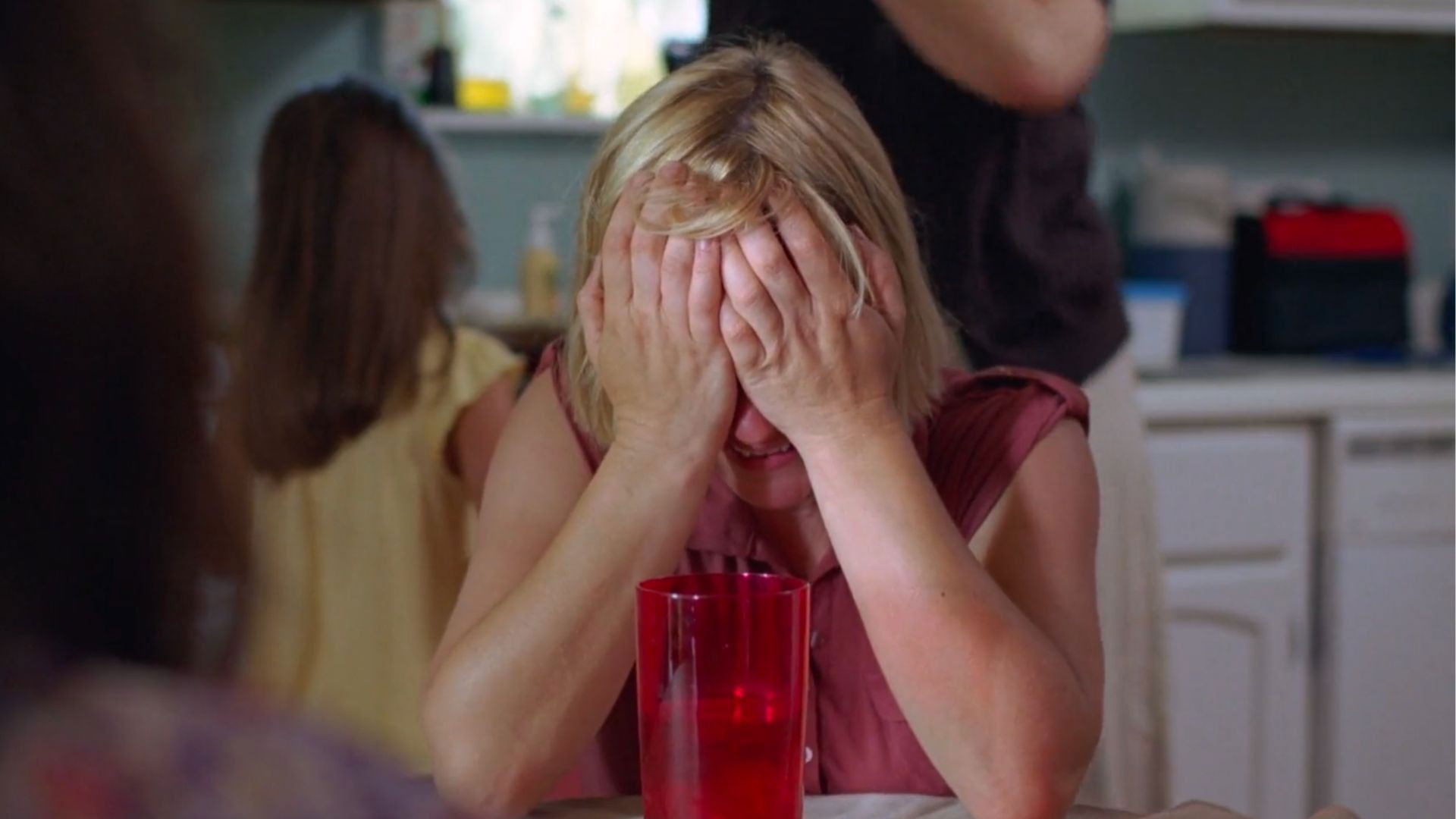
Patricia Arquette, as his mother, gives the film its strongest performance. Frustration and affection sit close together in her acting, so that parenting feels like something being worked out under pressure rather than a settled ability. Ethan Hawke’s father is looser company, and the contrast gives the family scenes much of their humour. The adults do not simply stand by while Mason develops; watching Arquette and Hawke age makes it harder to pretend that only the child is changing.

Lee Daniel and Shane F. Kelly’s photography keeps the small changes in the performers visible without making each one an occasion for admiration. The restraint helps: a familiar face, seen clearly, gives us enough to look at. Gay Studebaker and Rodney Becker’s production design gives the everyday surroundings the same unshowy treatment. Their work helps the separate episodes feel like parts of a life being lived, with no distracting insistence on making each setting memorable.

Sandra Adair’s editing is crucial: the years can slip by before we have registered the change. She keeps the separate episodes moving without making each one explain a fresh development in Mason’s personality. We found the changing faces unexpectedly painful. Recognising Coltrane again after another jump in time means also noticing that we will not see that younger child again. Linklater gets this response from actual ageing, without needing a catastrophe to make an ordinary stretch of childhood matter.

The looseness is not always rewarding, and a few episodes depend too heavily on our existing affection for the family. Linklater sometimes gives an ordinary exchange more space than its interest can bear. We are not asking for a busier plot: the quiet scenes are often the reason to watch, but the weaker ones make us conscious of waiting for the next change. Adair cannot entirely disguise those lulls across 165 minutes.

For a coming-of-age drama, Boyhood gives unusual attention to what growing children ask of their parents. Arquette and Hawke make that attention worthwhile, and the film need not belong only to viewers who recognise themselves in Mason. We recommend it even to those who feel they have seen enough films about teenagers. Give it an evening when nobody is watching the clock.

Critical consensus AI synthesised

90
Positive
19
Mixed
0
Negative
0

The reviews are consistently positive about Boyhood, with praise centred on how Linklater turns twelve years of filming into an intimate account of ordinary family life. Most critics find that watching the cast age gives small incidents unusual emotional weight, without the need for melodrama or major milestones. The unflashy direction and gradual transitions between years draw particular admiration. Performances are another point of agreement: Arquette receives repeated praise, while Coltrane’s growth and Hawke’s contribution help make the family feel convincing.

The differences are chiefly in enthusiasm, with little outright criticism. Variety admires the naturalistic episodes but notes the lack of conventional narrative momentum. Slant Magazine is more measured than many, emphasising that the film rewards patience with perceptive everyday moments. For the more enthusiastic critics, that same willingness to let life unfold without forcing events is central to its emotional effect.

Little White Lies
9 July 2014 · 4/5/5 · Vadim Rizov
100

The film is a wistful, nostalgic and perfectly judged coming-of-age story that functions as comedy, mother-son drama and a portrait of Texas life. Linklater embeds potentially heavy drama subtly while maintaining urgency and delivering cumulative emotional impact through strong performances.

Read the full review →
Radio Times
★★★★★ · Sophie Ivan
100

Linklater comes closer than ever to capturing the passing of time with this extraordinary film shot over 12 years, focusing on moments in between cultural milestones rather than big events. Fantastic performances, especially from Patricia Arquette, and Linklater's generosity make it an uplifting epic of the everyday.

Read the full review →
Time Out
★★★★★
100

The long-game production gimmick yields an intimate, radical and unassuming film that achieves surprising depth by letting years unfold in near-three-hour flow. It retrains viewers to let life unfold without melodramatic expectations, proving unshakable, witty and deeply felt.

Read the full review →
Empire
25 April 2014 · festival review · Liz Moody
90*

Linklater’s gamble pays off in an absolute gem, possibly the director’s masterpiece to date, tender, funny, wise and wistful. The critic singles out the timelapse photography of a human being and the cast’s convincing evolution across years as the film’s extraordinary achievement.

Read the full review →
Evening Standard
11 July 2014 · David Sexton
90*

Boyhood is a film like no other and the best released so far that year, a genuine epic that reveals existence in time as the greatest subject. The critic singles out the real-time ageing of the cast as deeply moving and revelatory compared to typical movie ageing techniques.

Read the full review →
Los Angeles Times
10 July 2014 · Betsy Sharkey
90*

The critic calls the film a startling, intimate portrait of a life unfolding through ordinary moments across 12 years. She praises Coltrane’s remarkable performance as the emotional glue, noting how seamlessly the time transitions and details capture growth and change.

Read the full review →

Cast

Stills

Awards

Academy Awards, 2015

Nominated
Best Director
Nominated
Best Film Editing
Nominated
Best Picture
Nominated
Best Supporting Actor
Won
Best Supporting Actress

BAFTA Film Awards, 2015

Won
Best Film

Dorian Award for Film of the Year, 2014

Won
Dorian Award for Film of the Year

FIPRESCI Grand Prix, 2014

Won
FIPRESCI Grand Prix

If you liked this, try…

The 400 Blows poster91

The 400 Blows

1959 · Another watchful boy, with adults who rarely understand what he needs

Yi Yi poster

Yi Yi

2000 · Family life observed with patience, allowing children and adults their own uncertainties

Our Little Sister poster

Our Little Sister

2015 · A quieter family drama that finds feeling in routines and shared spaces

20th Century Women poster

20th Century Women

2016 · For the mother’s part in growing up, given the attention it deserves

The Long Day Closes poster

The Long Day Closes

1992 · Childhood recalled through music, family and the details that stay with us