A mockumentary about a pirate garage station with no listeners, and the funniest British sitcom about male delusion in years. The format is borrowed and the first series is thin, but the characters are so completely made that it hardly matters.
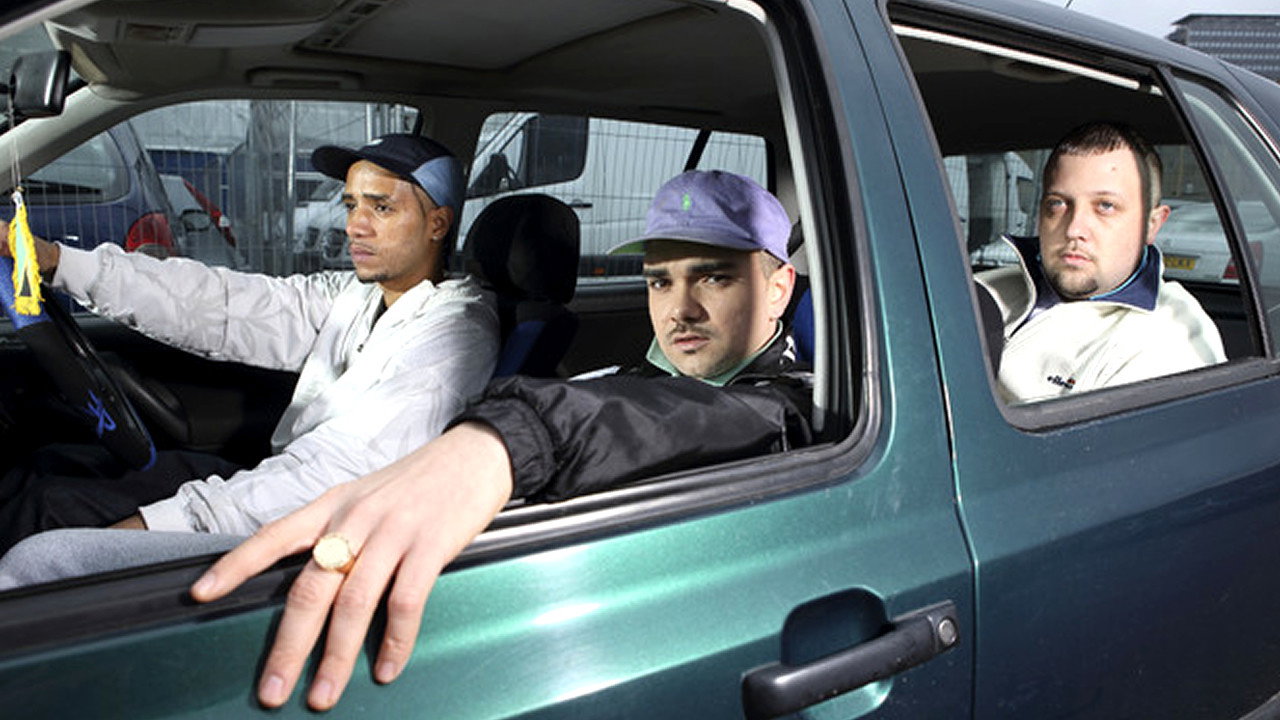
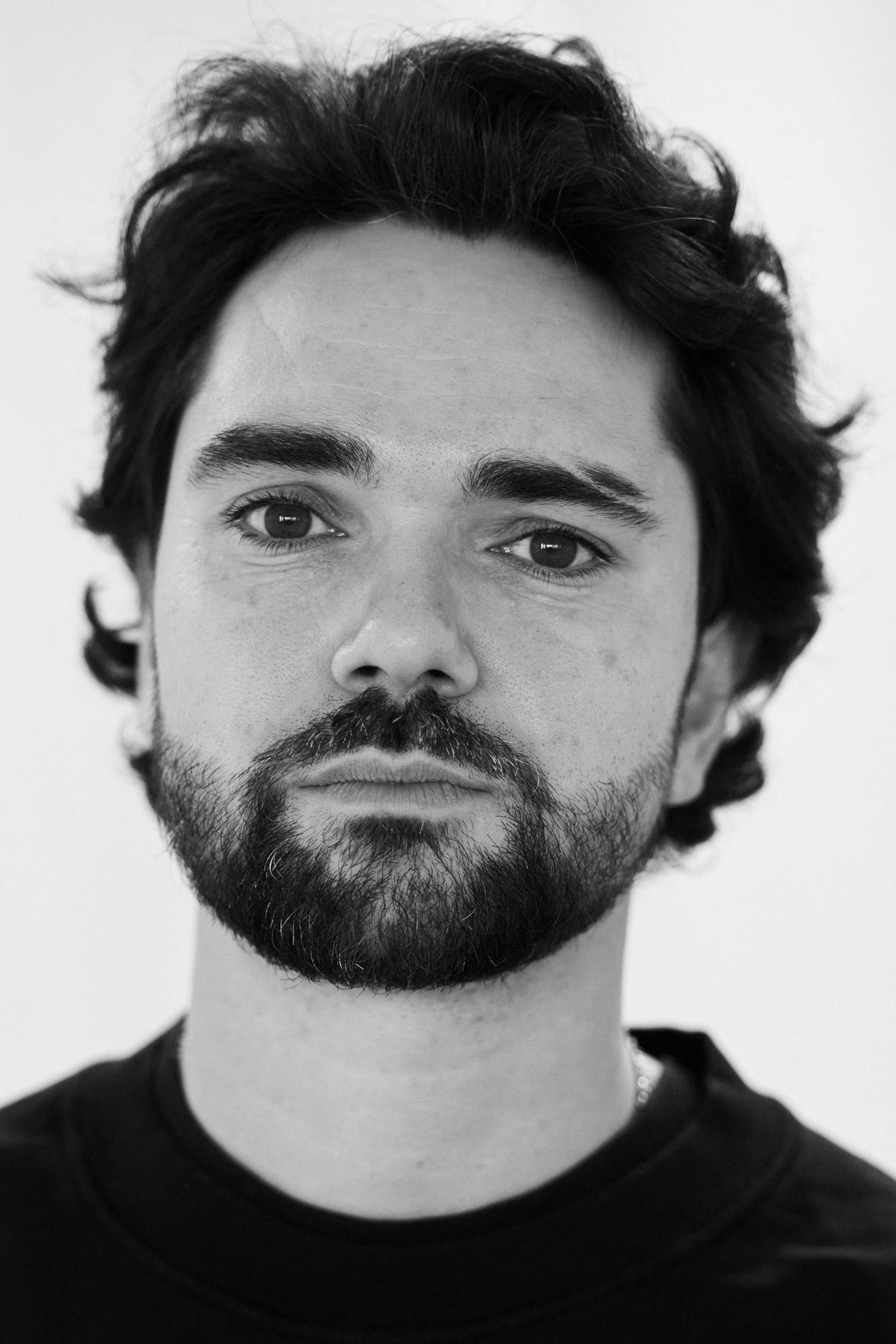
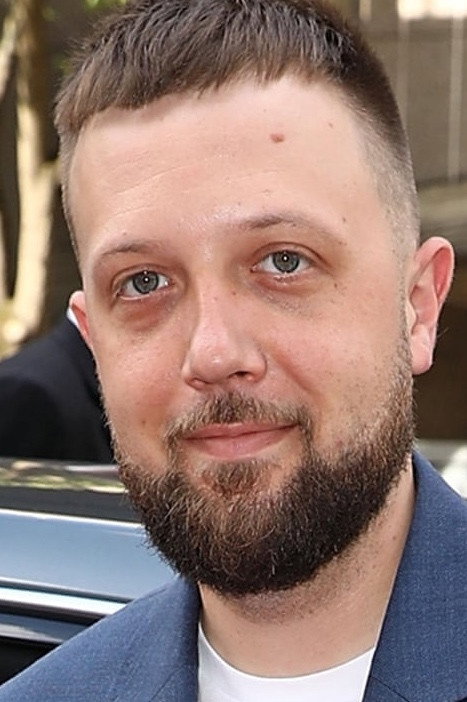
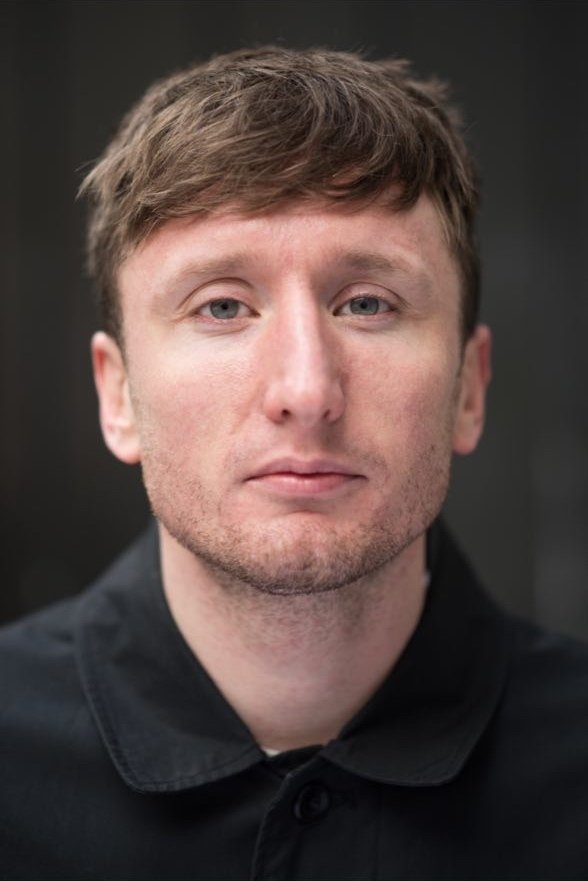
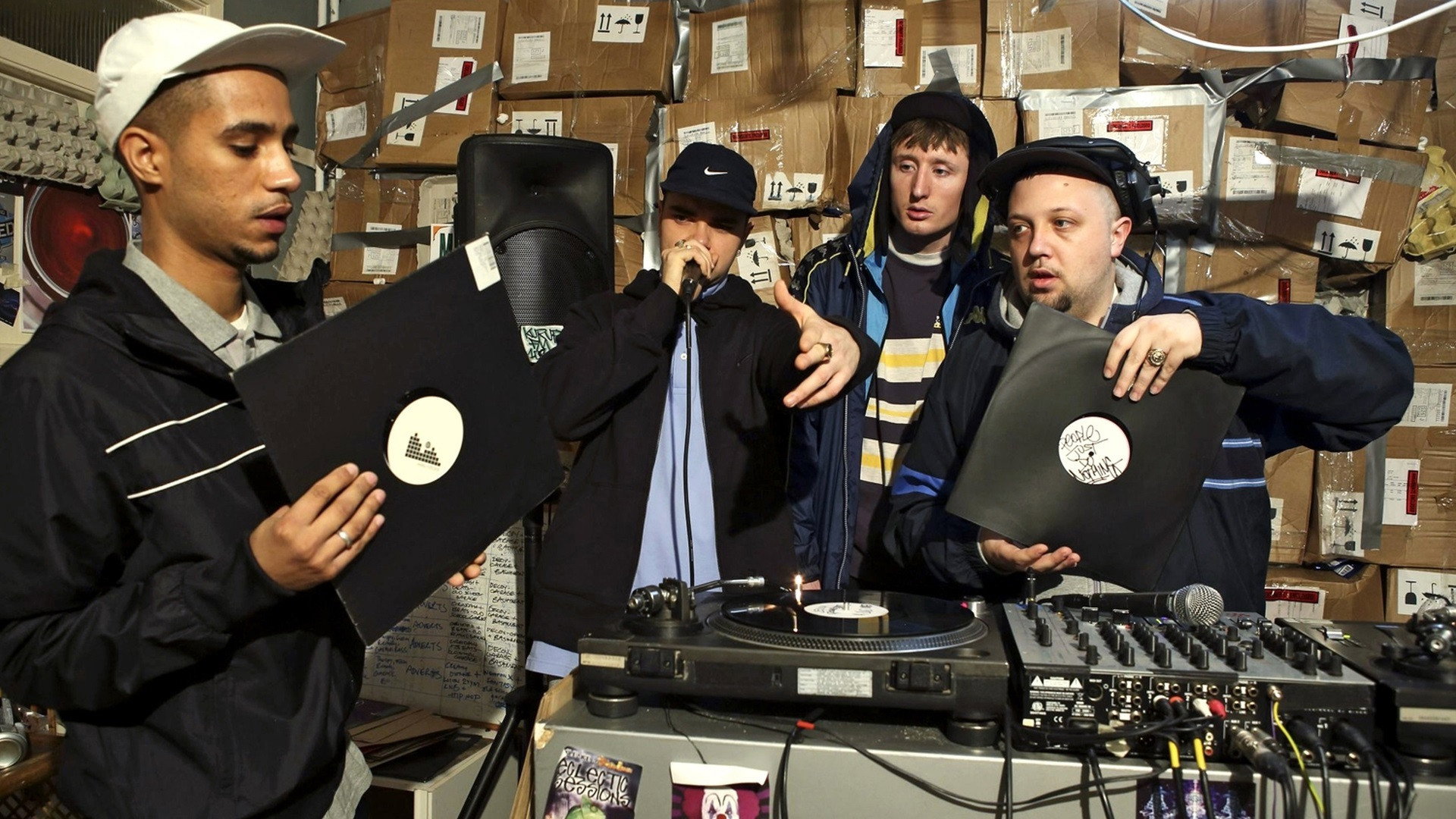
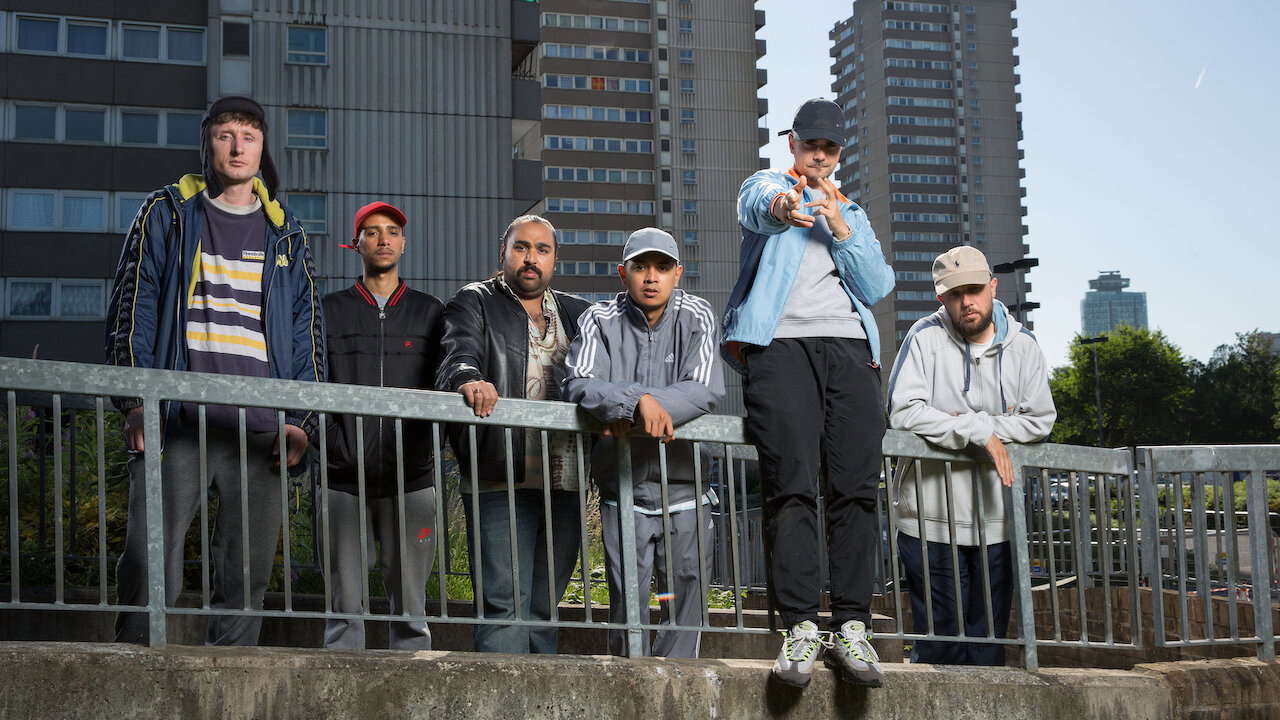
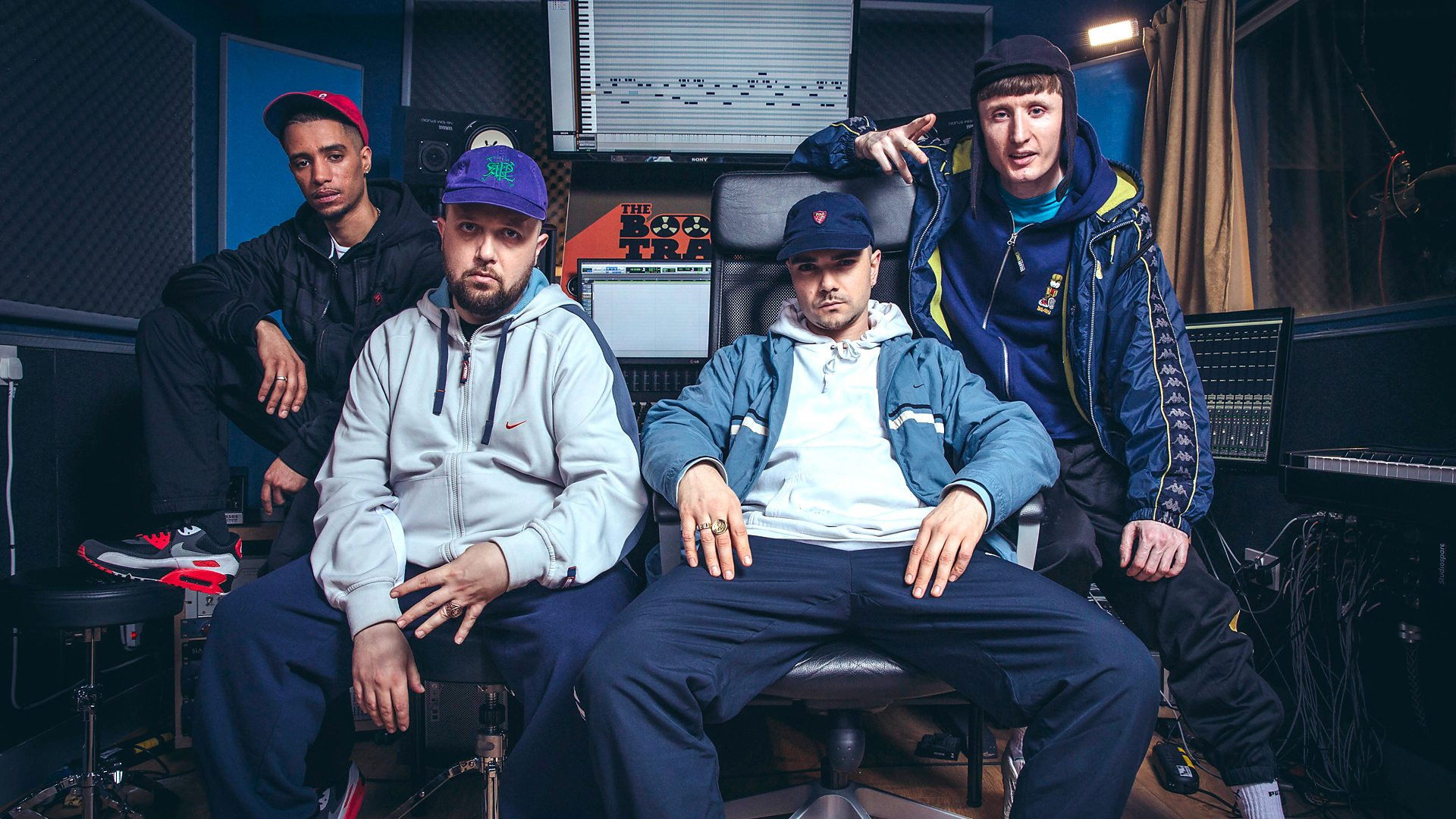
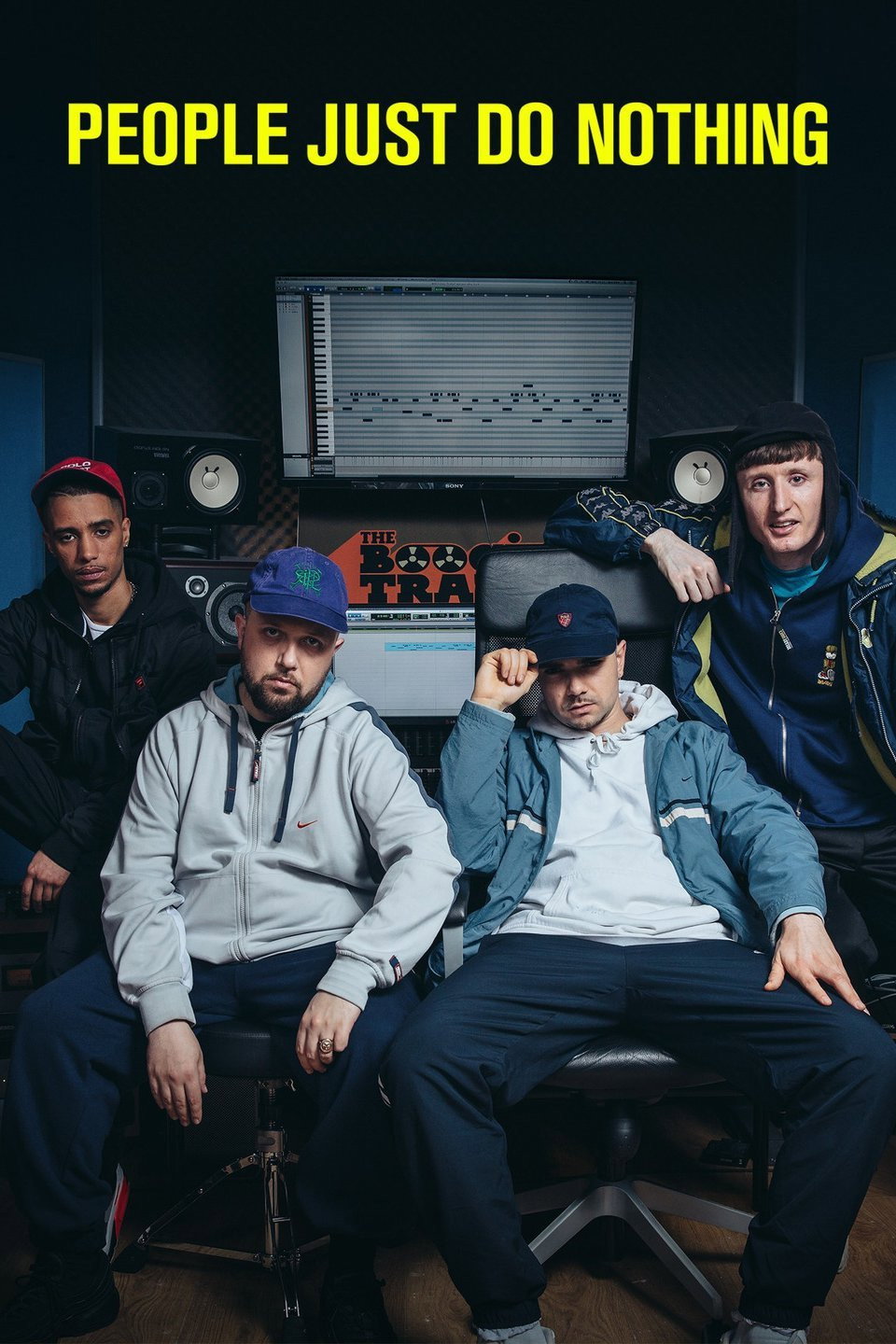
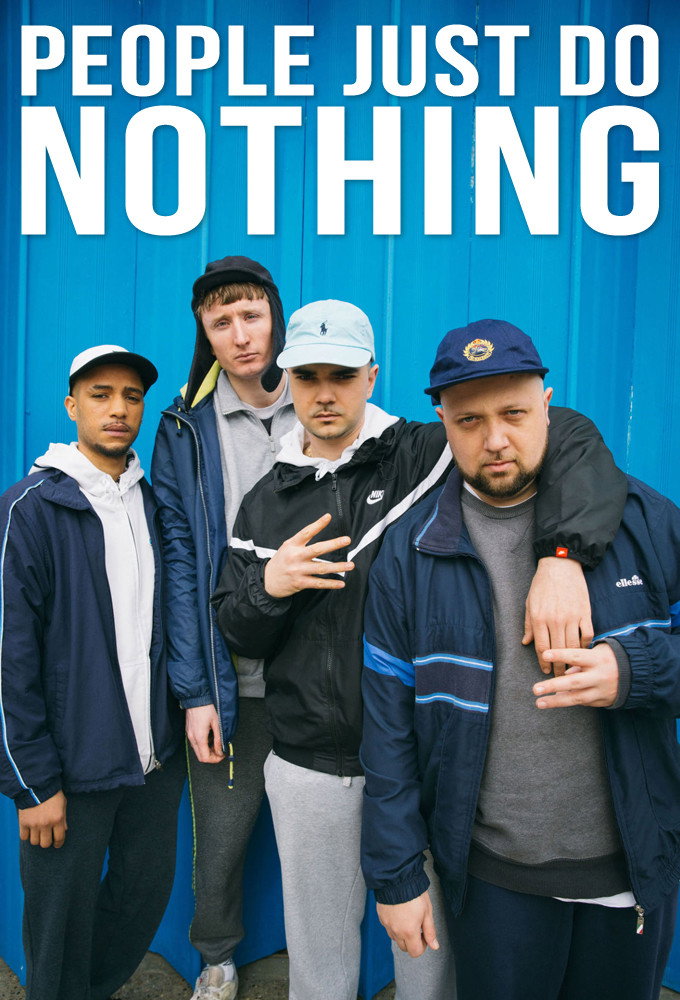
Kurupt FM broadcasts UK garage from a flat in Brentford to an audience that may not exist, and a documentary crew has turned up to film the men who run it. That is the whole idea, and Allan Mustafa, Hugo Chegwin and Asim Chaudhry, who created the series and play its three leads, get five series out of it. People Just Do Nothing began on BBC Three in July 2014 with four half-hour episodes and ran to 2018. It is the best British comedy in the mockumentary line since The Office, and we say that knowing the debt it owes to The Office is plain in every episode. The first series is slight. The people in it are not.
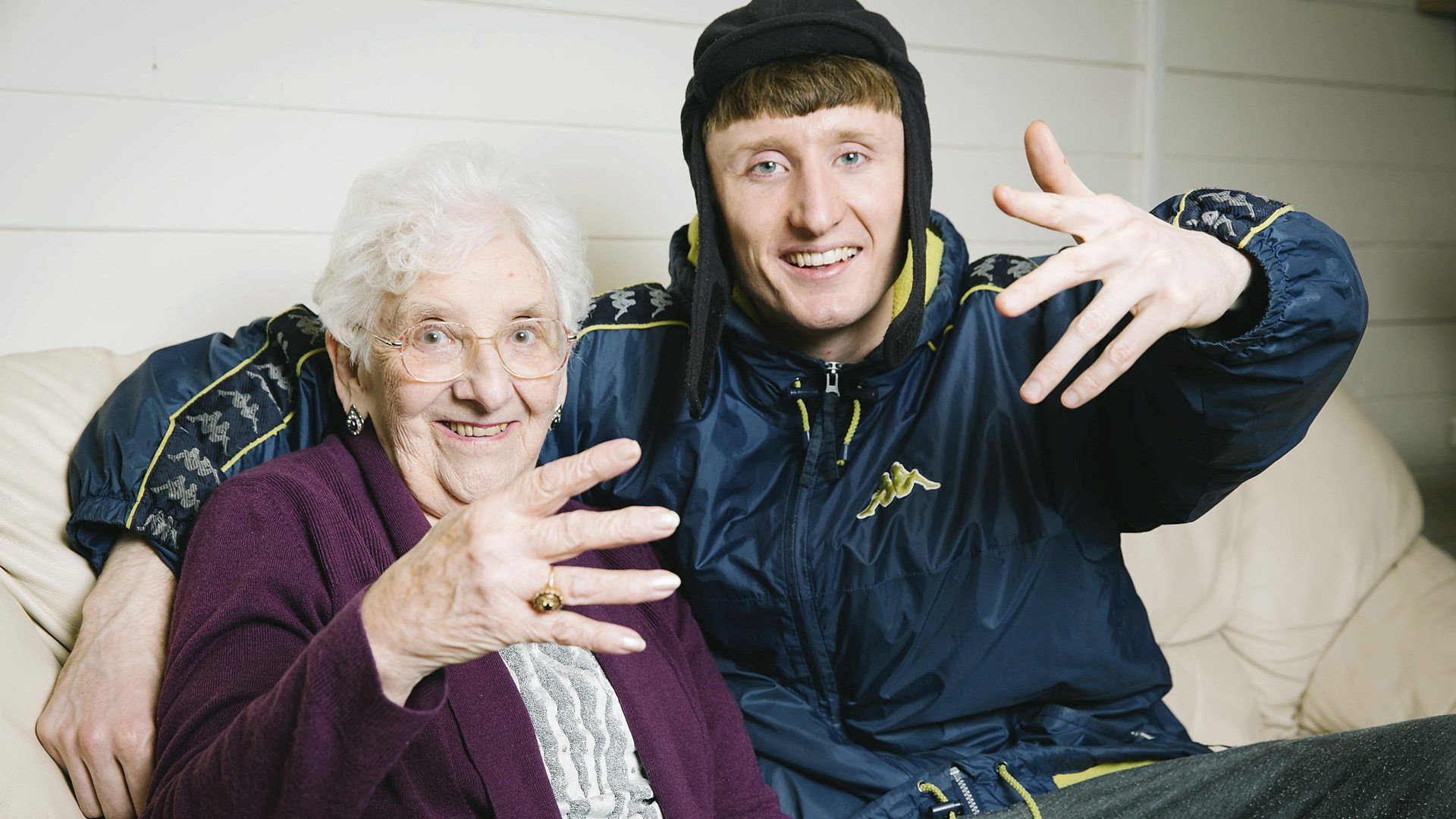
Mustafa’s Grindah is an MC who believes he is the finest lyricist in west London and treats any evidence to the contrary as an insult to his family. He is vain, thin-skinned, workshy and loved, and Mustafa never once winks at us about it. Chegwin’s Beats is the DJ, the one who climbs onto the roof and carries the equipment and apologises for things he has not done. Chaudhry’s Chabuddy G is the manager, a man with a business card for every venture and a customer for none, who smiles through each failure as if it were a stage in the plan. Steve Stamp’s Steves cannot finish a thought. Daniel Sylvester Woolford’s Decoy barely starts one.
Jack Clough directs in the documentary manner the genre settled on a decade earlier: the interview to camera, then the scene that quietly contradicts it. The camera is handheld and slightly late to everything, so we catch Grindah’s face a second after the compliment he was expecting does not arrive. The flat is small and the sofa is enormous and the studio is a bedroom with a duvet over the window. The music is the surprise. The garage tracks are real and the beats are good, and the joke is never that Kurupt FM is bad at music. The joke is that being good at it stopped mattering to anyone else some years ago.
We laughed hardest at Chabuddy G, and we laughed until it was uncomfortable. Chaudhry has built a man whose confidence is entirely untouched by outcome; he can be turned down, ripped off and locked out in a single afternoon and describe it that evening as networking. Then there is a scene, small and early, where Steves says something about his own life so plainly that the laugh stopped in our throat and did not come back for a minute. Stamp plays him without pity, which is why it lands.
The women are the first series’ weak spot. Lily Brazier’s Michelle is sharper than any of the men and Ruth Bratt’s Roch, Beats’s partner, is tired in a way that is funny and true, but in these four episodes they mostly stand in doorways waiting. The show fixes this later; you will have to trust us. The humiliation, too, is relentless at first. Every scene ends with someone exposed, and by the third episode we could see the shape coming. The format has been asking for that shape since 2001, and Clough does not resist it here as well as he does later.
Set against This Is Spinal Tap and The Office, which are its obvious parents, it finds a subject those films did not have. Spinal Tap were famous once. David Brent wanted to be. Grindah and Beats are men who were nearly something in a scene that has already gone, and they have decided not to notice. The series is about what loyalty looks like when the thing you are loyal to has no listeners, and that turns out to be a warmer question than the pranks suggest.
Start at the beginning and give it two episodes. Watch it with someone who remembers what a pirate station sounded like at two in the morning, if you can find one. They will laugh first, and they will laugh differently.