Jamie Demetriou’s lettings agent is one of the great sitcom idiots, and the show around him is sillier, sweeter and more carefully written than it looks. It is nearly all one joke, and by the third series the joke has softened, but we laughed until it hurt.
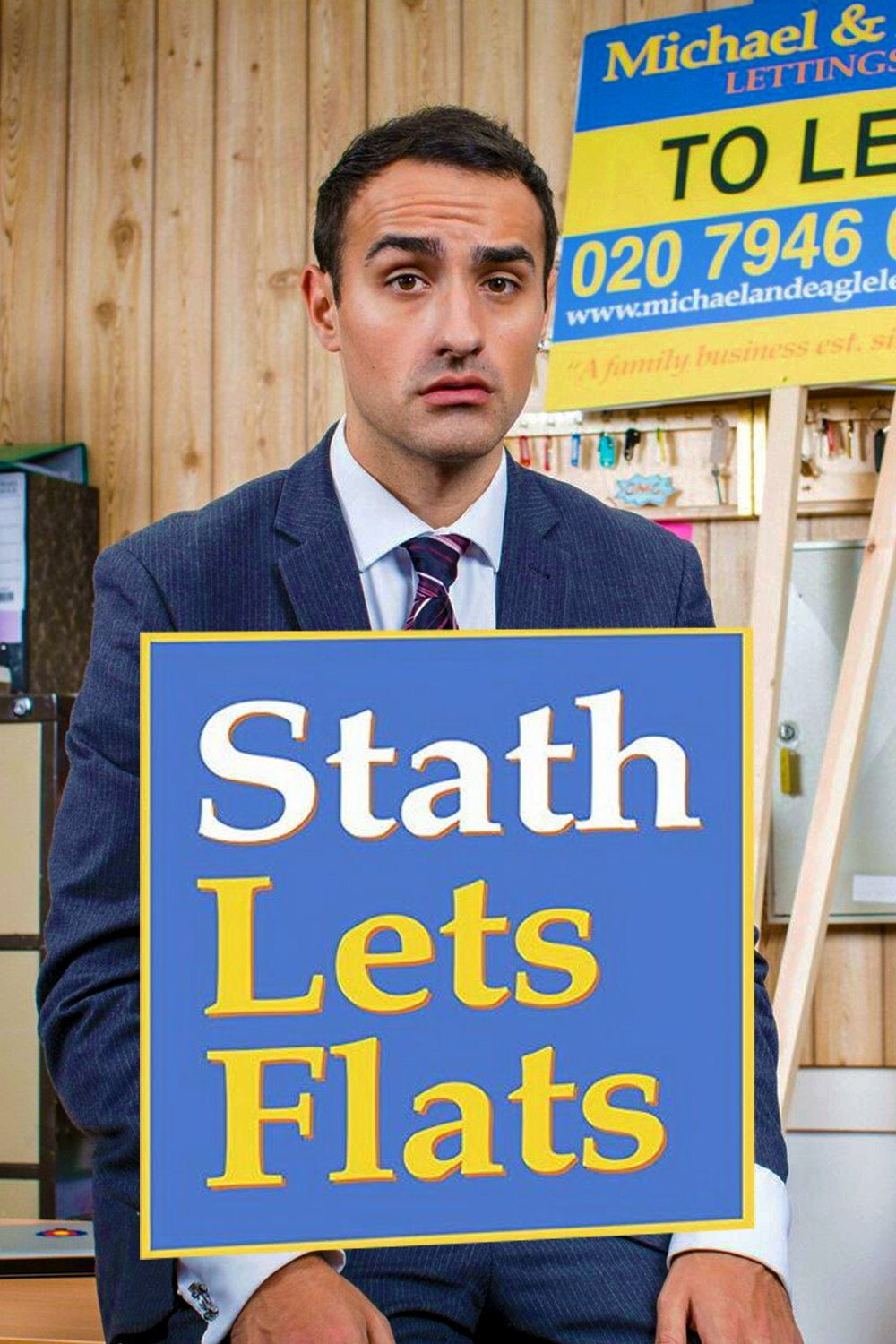
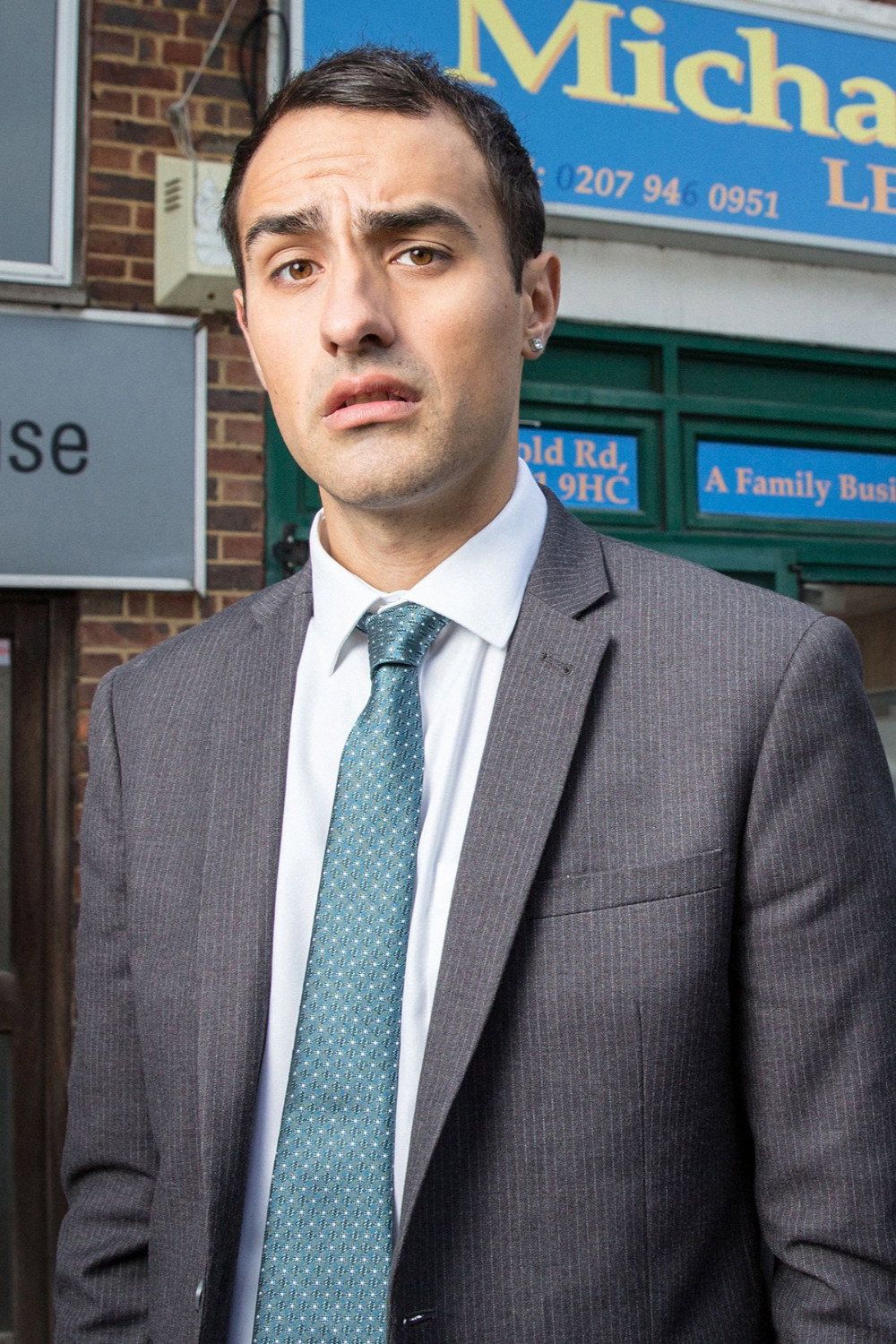
Stath Charalambos cannot do his job. He is a lettings agent in London, in the family firm run by his father, and across eighteen half-hour episodes he does not let a single flat without something going wrong. Jamie Demetriou created him, writes him and plays him, and Stath Lets Flats is one of the funniest British sitcoms of its decade. It is also built almost entirely on one man being stupid in a particular way, and for some viewers twenty minutes will be plenty.
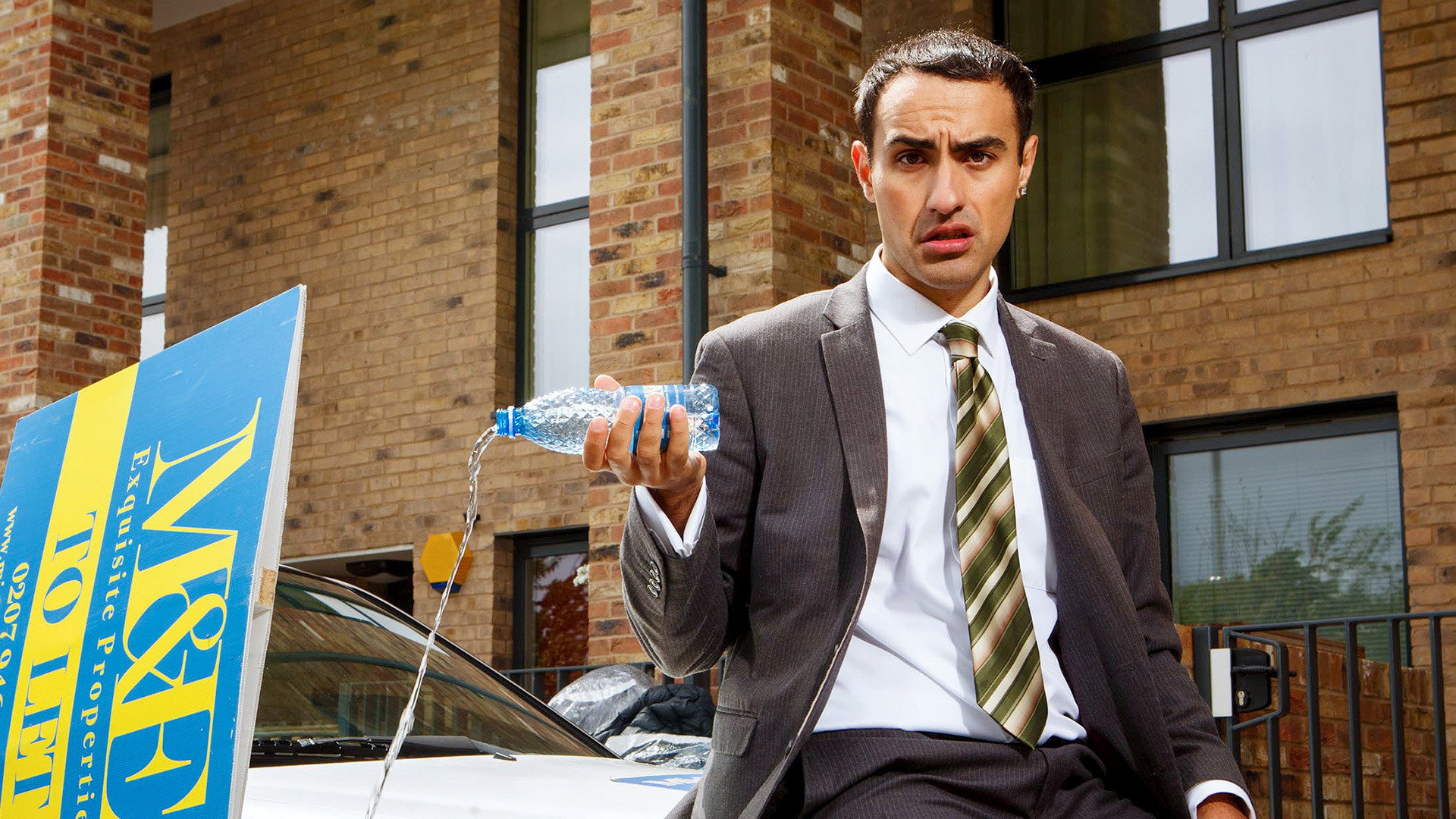
Stath is not cruel, lazy or unhappy. He is delighted with himself, and he speaks a version of English in which the words are mostly right and the order and the endings are not. Demetriou builds sentences that start as sales patter, wander into something half remembered from a film, and finish on a word that has no business being there. The pigeon in the first episode would be a cheap sight gag elsewhere; here it is a man trying to look professional while a bird refuses to cooperate.
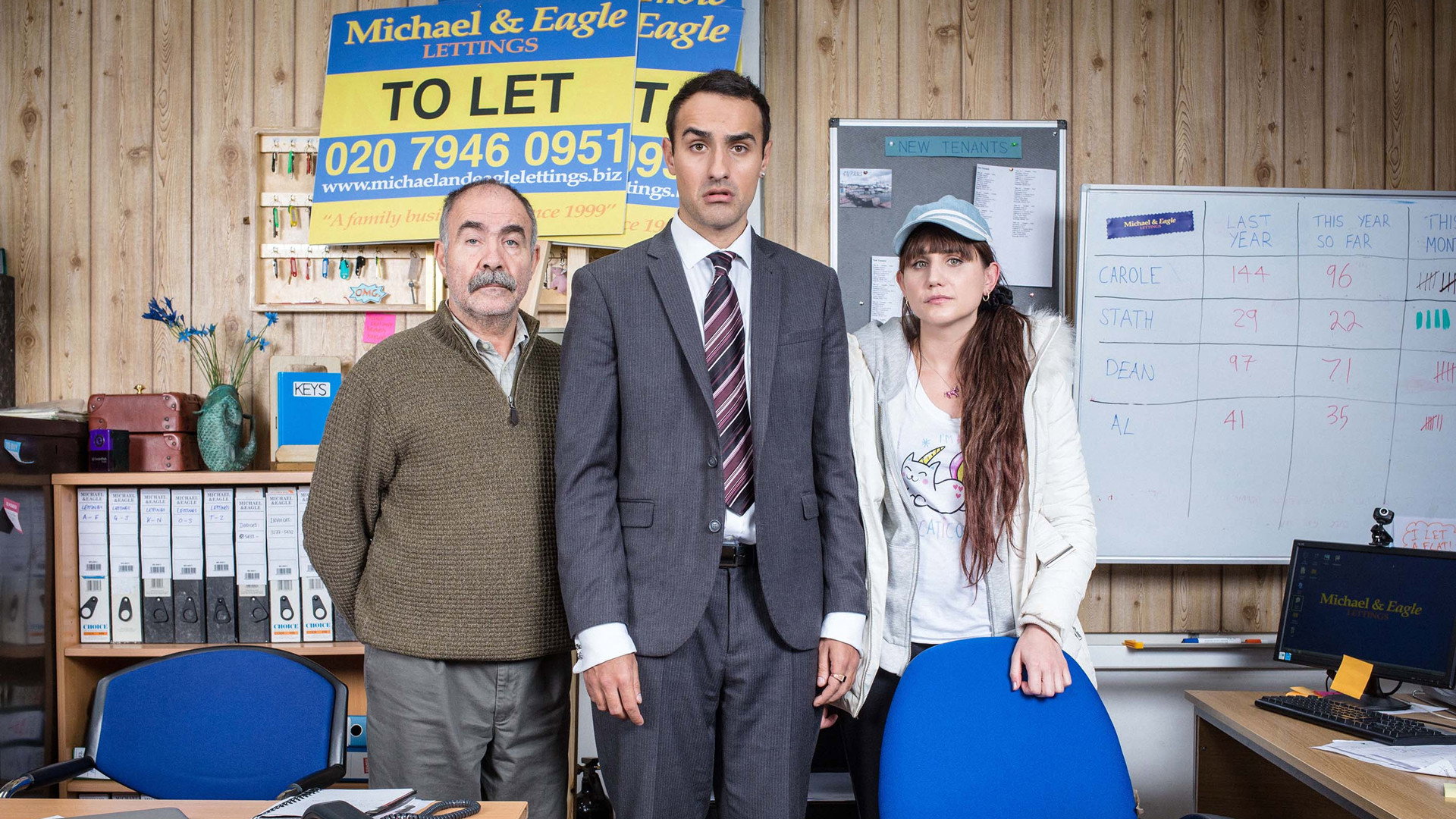
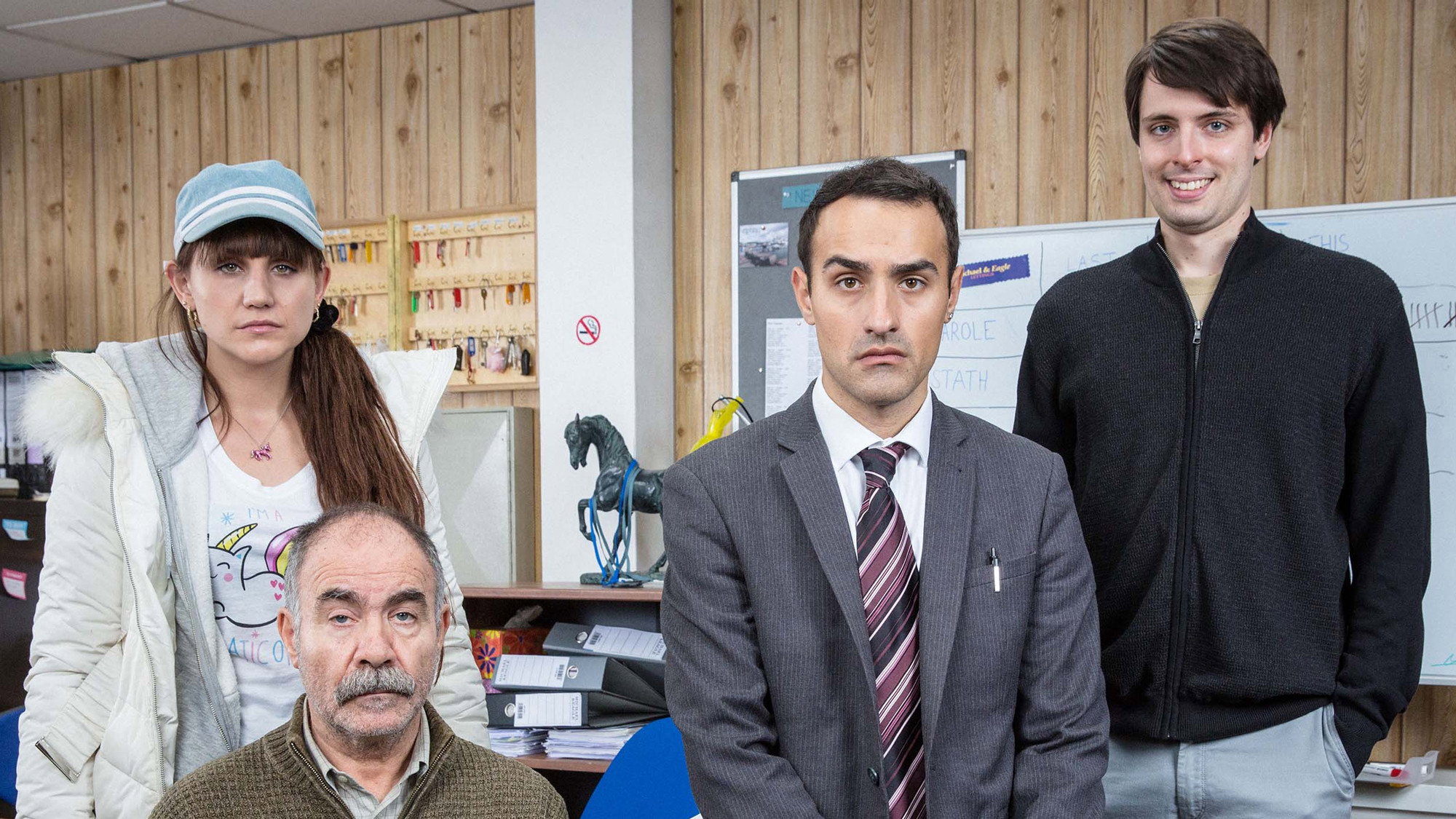
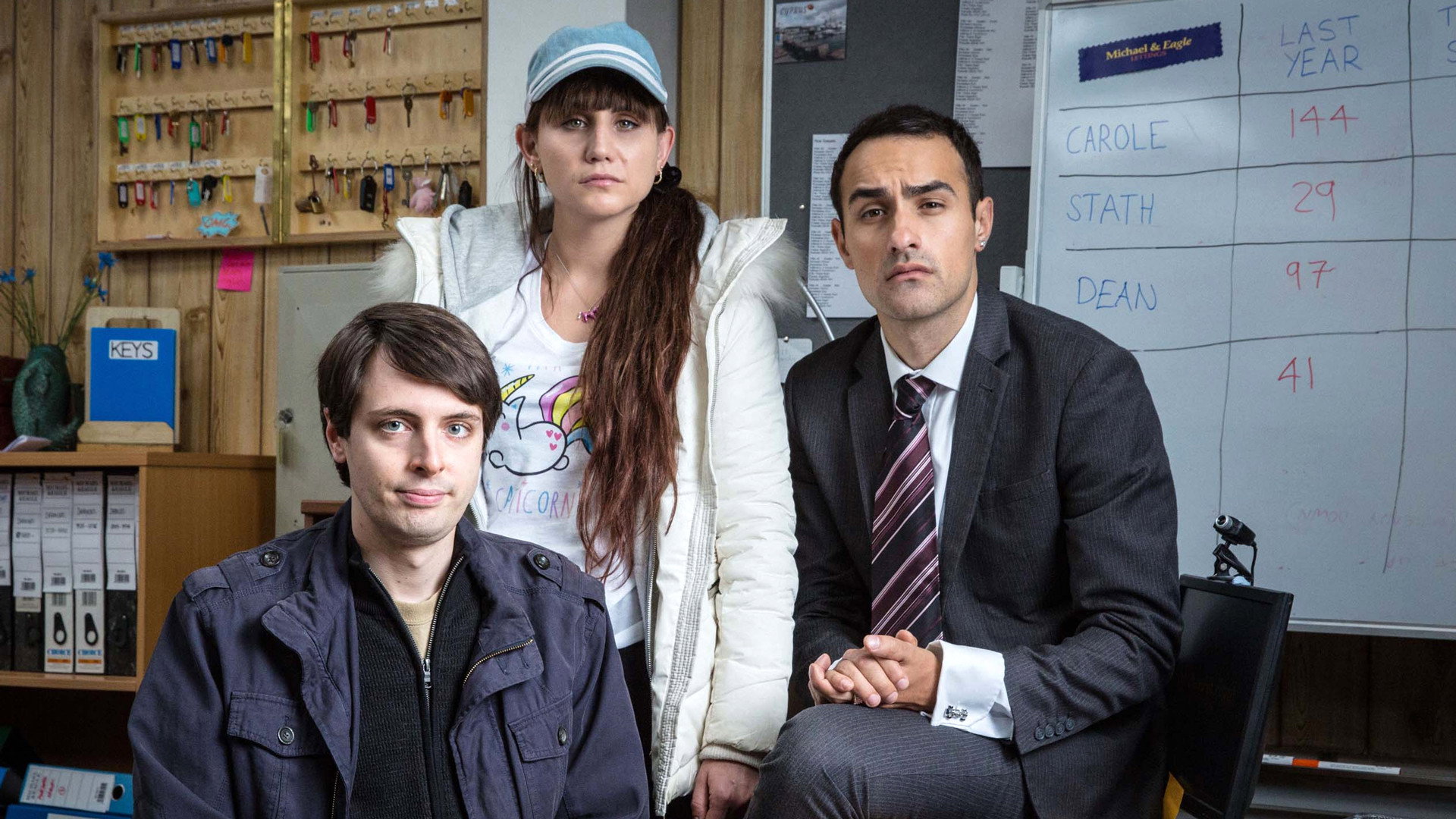
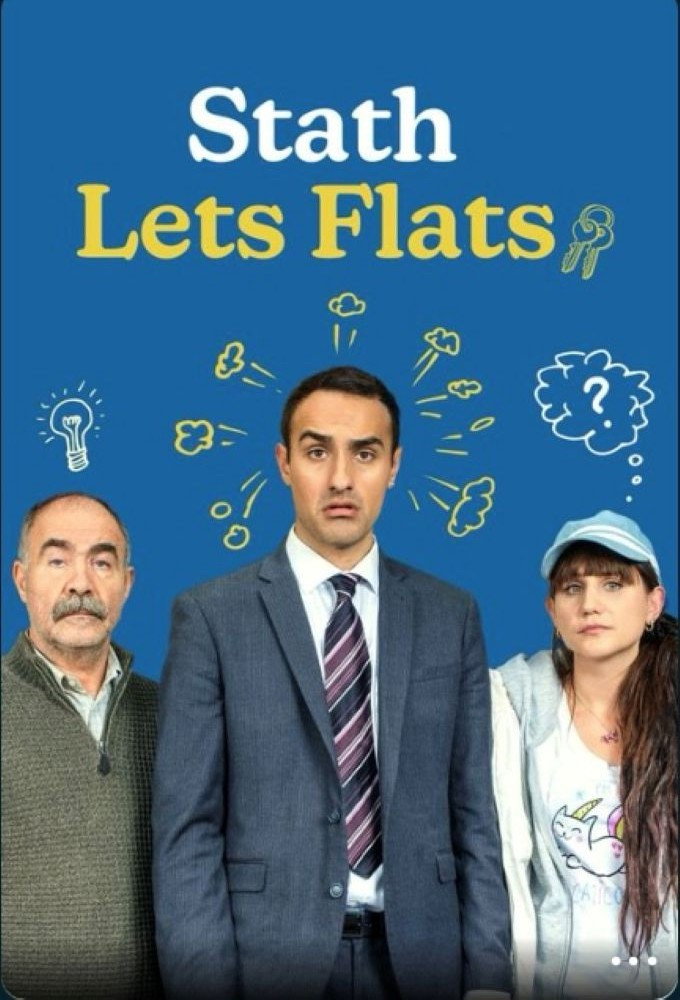
Natasia Demetriou plays his sister Sophie, as dim as he is but softer, and the two have a shorthand only real siblings could manage. Al Roberts is Al, Stath’s colleague and devoted friend, so gentle he gets a laugh by simply agreeing. Katy Wix, as Carole, gets some of the best lines by looking as though she wishes she had not heard them. Alex Beckett’s Marcus is the one agent who can work; Beckett plays his contempt as tired patience. Christos Stergioglou, as Vasos, is the still centre: a father who loves his children and knows exactly what they are.
Tom Kingsley and Andrew Gaynord direct it straight, with no wink to camera. Craig Dean Devine and Will Hanke shoot the office and the flats in grey daylight and strip lighting, hand-held but never so much that you notice. Richard Drew and Hannah Purdy Foggin’s production design gives the agency the right shabbiness: beige carpet, window cards curling at the corners, a kettle nobody has descaled. Ashley White, Phil Hignett and Mark Williams cut quickly between people and slowly within a speech, so Stath can run a sentence into the ground before anyone rescues him. Erran Baron Cohen’s music is a bouncy theme, then mostly silence.
We laughed harder at this than at any sitcom in some years, and twice we paused an episode because we had missed the next line. It was never the pratfalls. It was Al’s face when Stath says something he cannot possibly believe and believes anyway, and Sophie announcing a plan as if it were already in the diary. The show is generous to its idiots, and we ended up fond of every one.
It is one joke, told with great skill, and anyone not laughing in the first five minutes will not be laughing in the ninetieth. Some scenes, mostly in the first series, push Stath’s incompetence so far that the only place left to go is louder. And the third series, two years after the second, softens. It wants more for its characters than it used to, and it gets a little less funny each time it stops to want it. The last few episodes are warmer than they are sharp.
Critics reached early for The Office: a small workplace, a boss nobody respects, a camera that stays close. But Stath is not David Brent. Brent wanted to be liked and was not; Stath is liked, by Al at least, and has never wondered whether he should be. The housing satire several reviews praised is thinner than they suggested. The show knows London lettings are a racket, but it is not about rent. It is about a family that has found a way to be happy while failing.
Watch it two or three episodes at a time; they are short and the accumulation is the point. Start with the first series and stop, if you must, after the second. If you are irritated ten minutes in, we would not argue. It is not for everyone. It was for us.