Ford Kiernan and Greg Hemphill’s pensioner comedy is warm, rude and consistently funny. The ensemble makes its Glasgow banter convincing, though some later punchlines depend too heavily on our affection for the people delivering them.
Still Game is a funny, companionable comedy about pensioners who have no intention of becoming polite for our benefit. Its creators and writers, Ford Kiernan and Greg Hemphill, understand the pleasure of hearing people who know one another well find fresh ways to be rude. The Glasgow pub humour is specific enough to make the familiar sitcom exchanges feel convincing. We recommend it, with a reservation about the softer punchlines that creep into the later series.
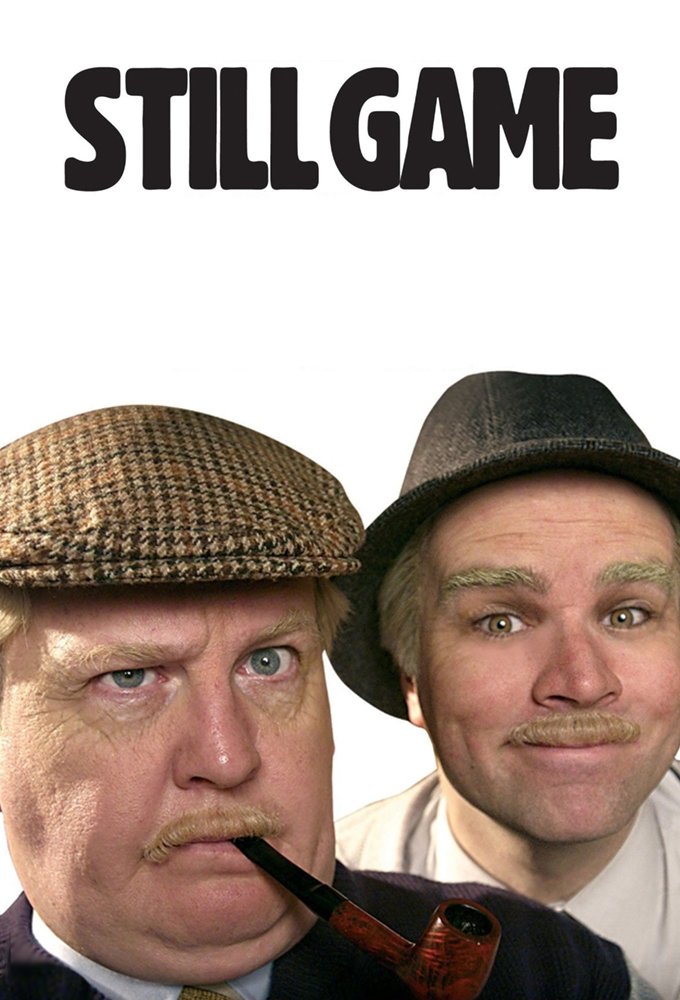
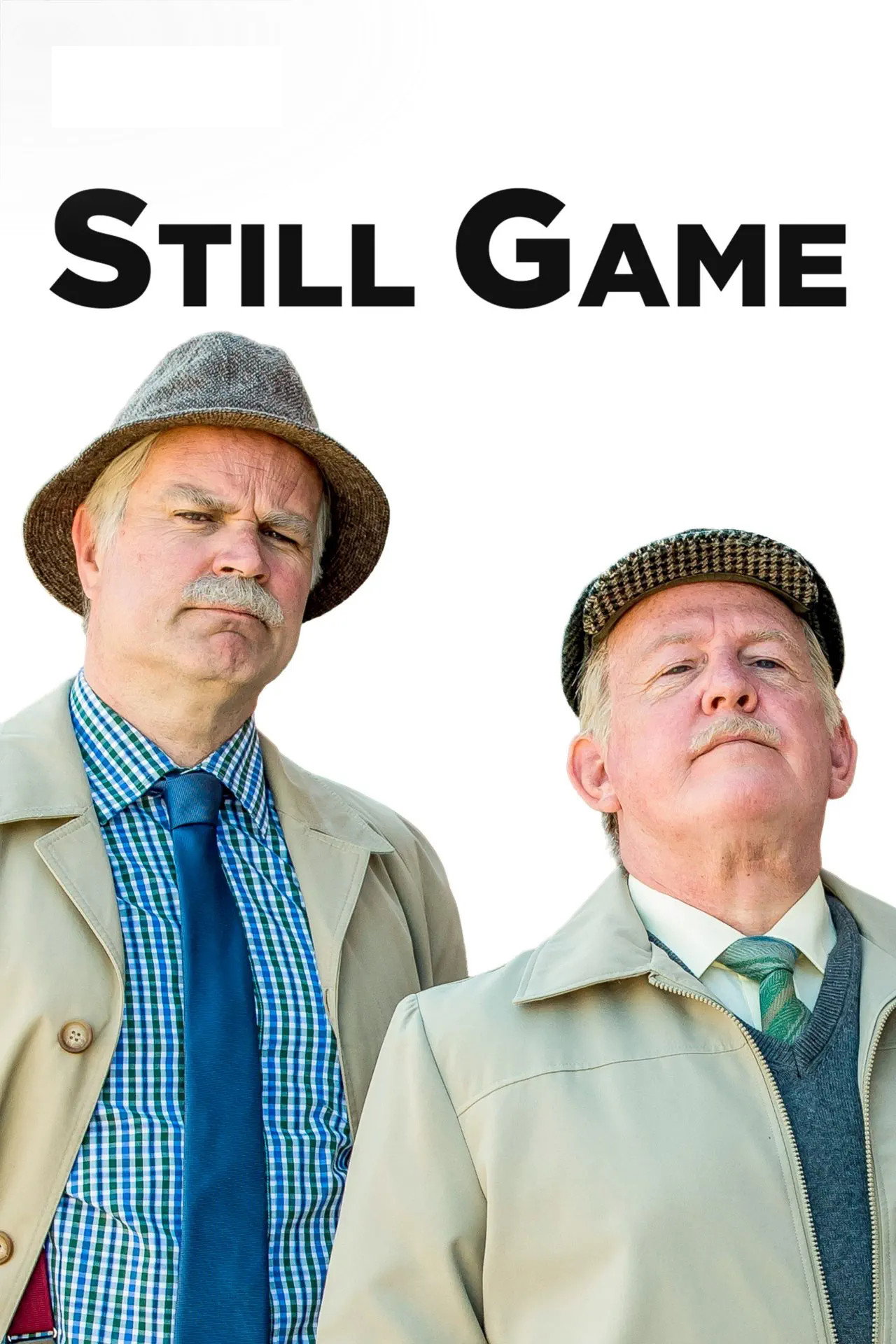
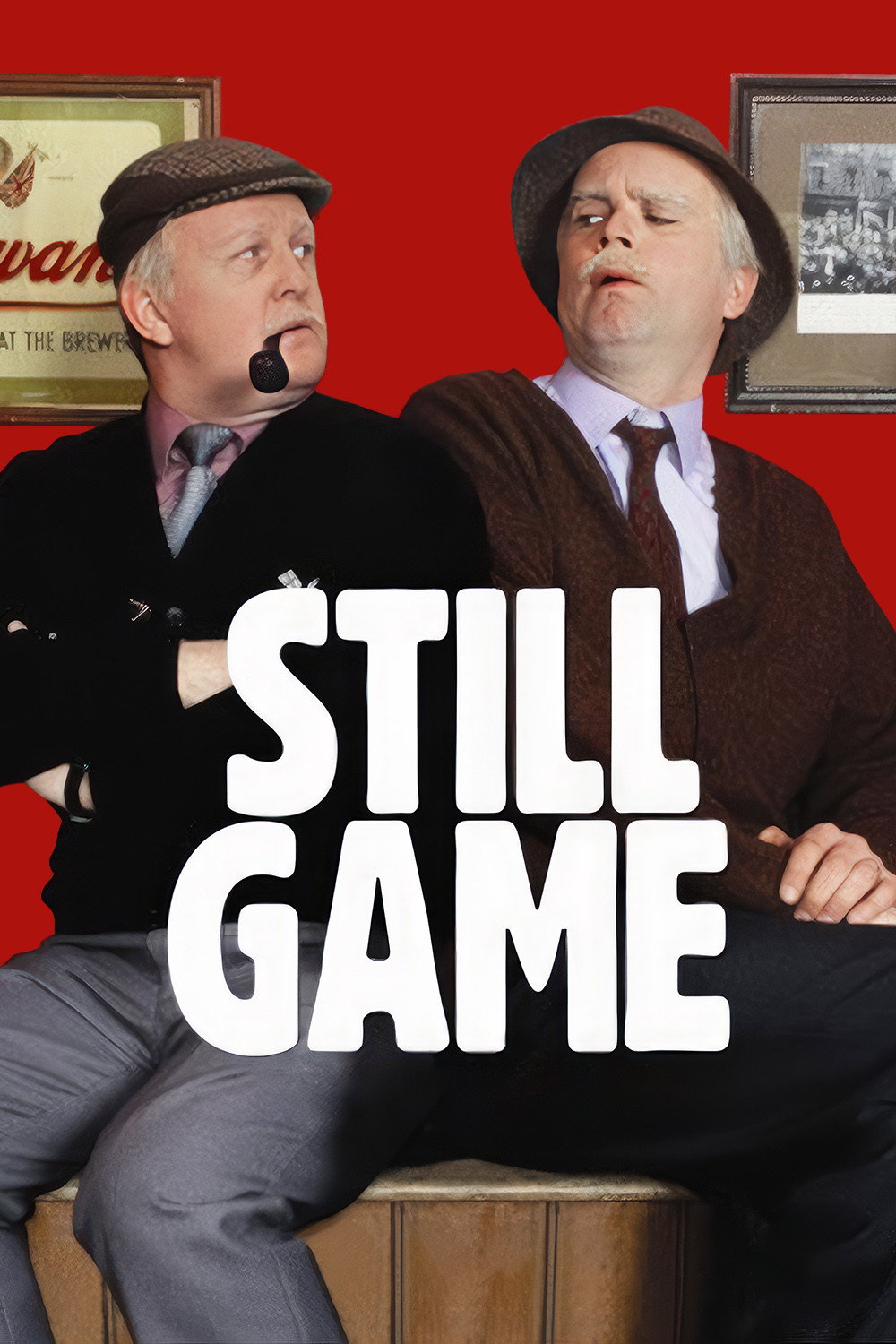
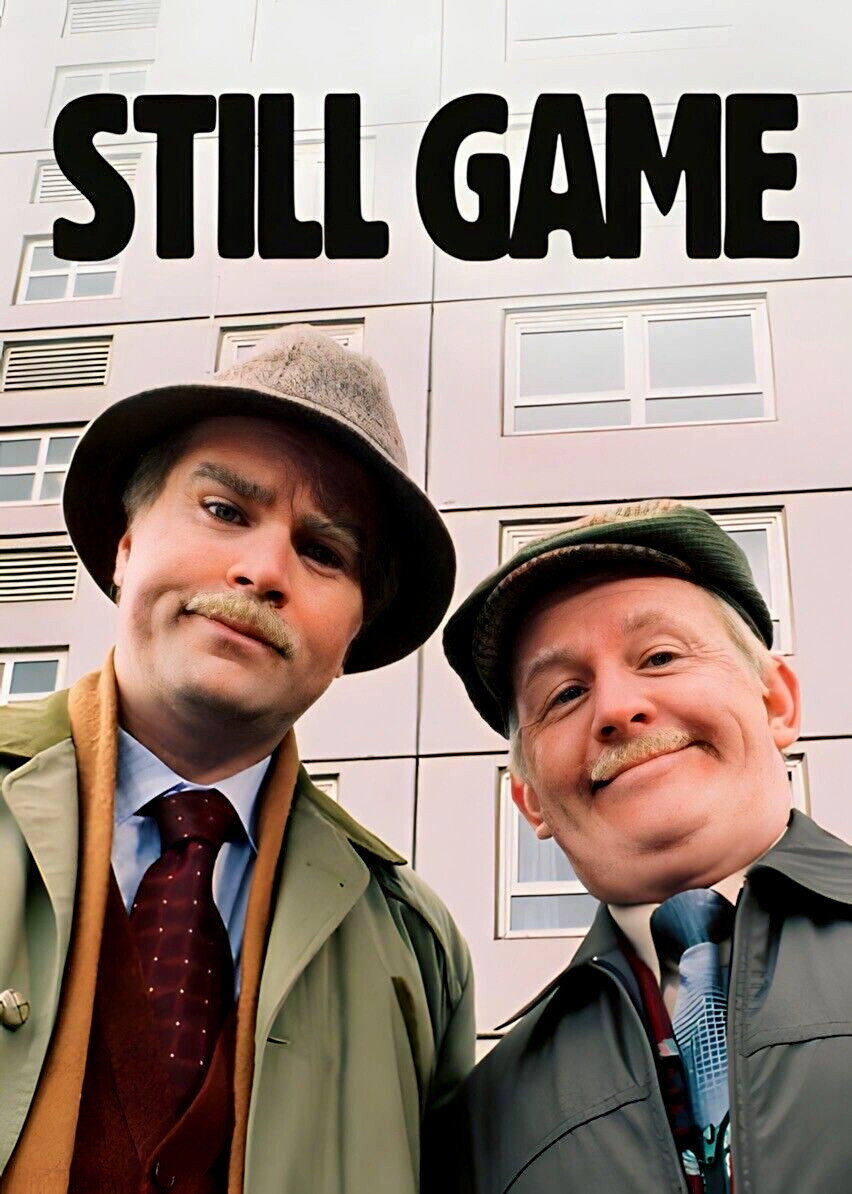
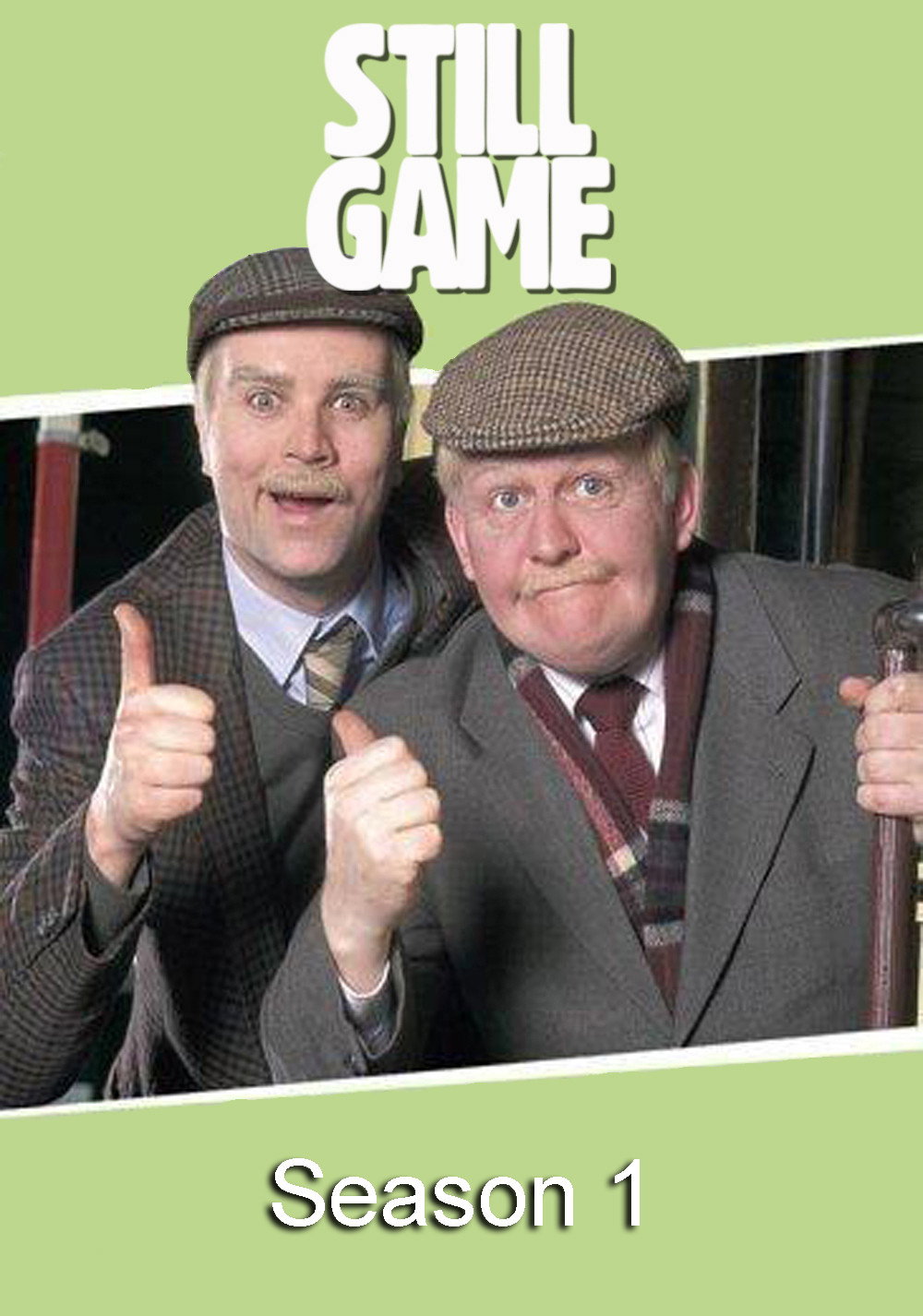
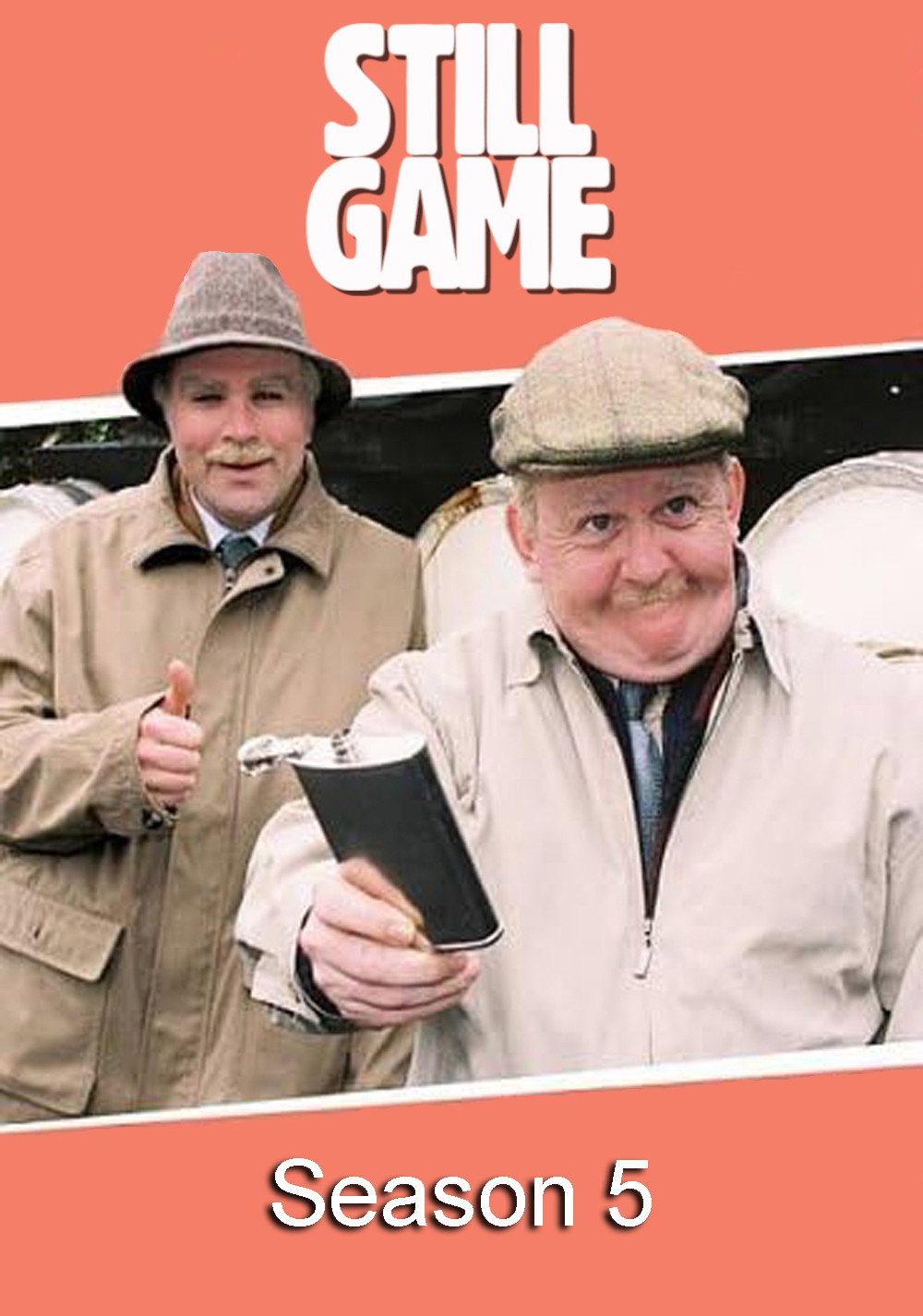
As Jack Jarvis and Victor McDade, Ford Kiernan and Greg Hemphill make the banter sound like something these men would say when nobody was listening. The pleasure comes from the timing: a line needs to sound casually offered while arriving exactly where the other actor needs it. They are good at that, and the writing gives them plenty to play beyond interchangeable complaints. We enjoy the familiarity between them without needing every exchange to prove that they are lovable.
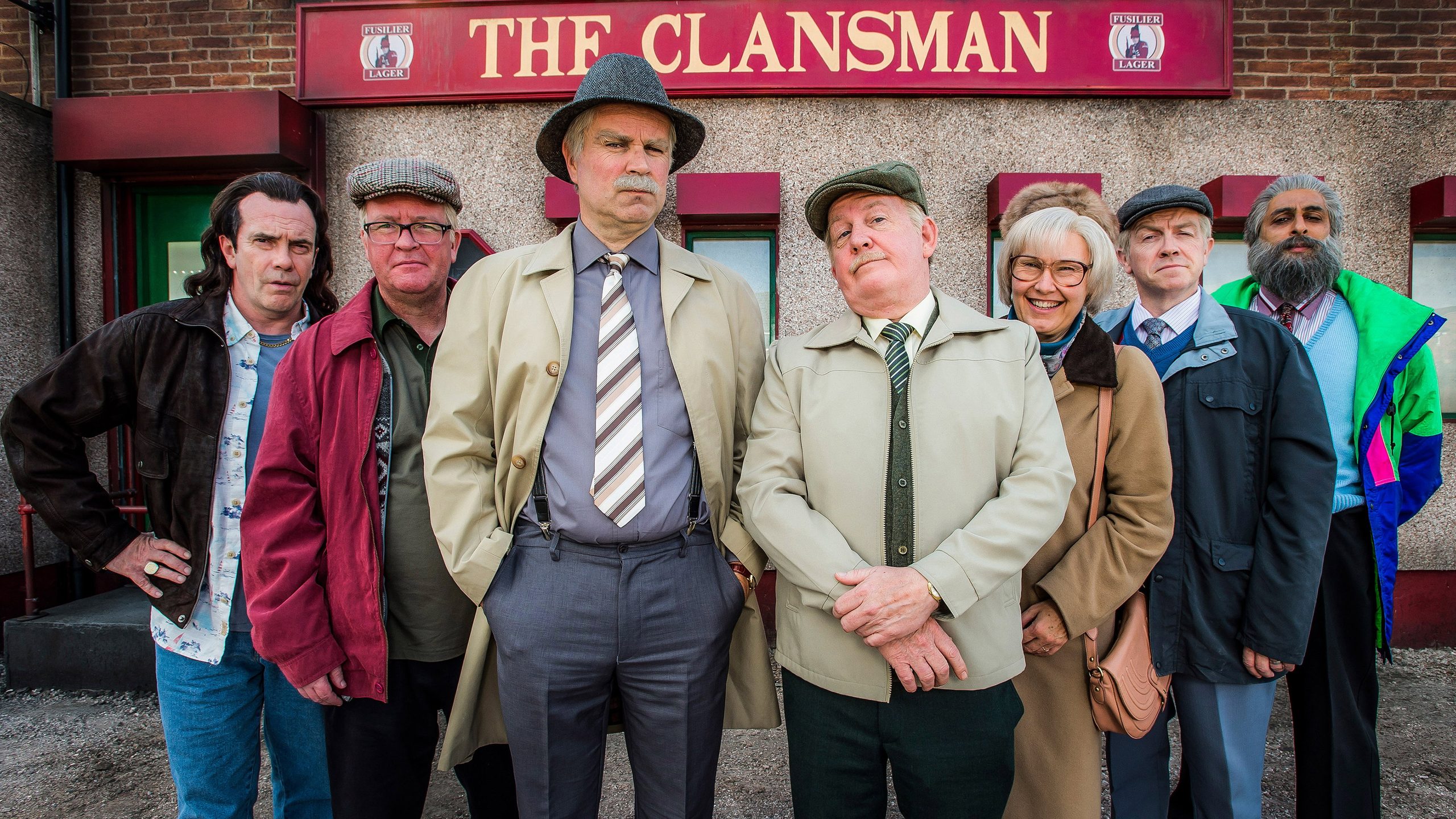
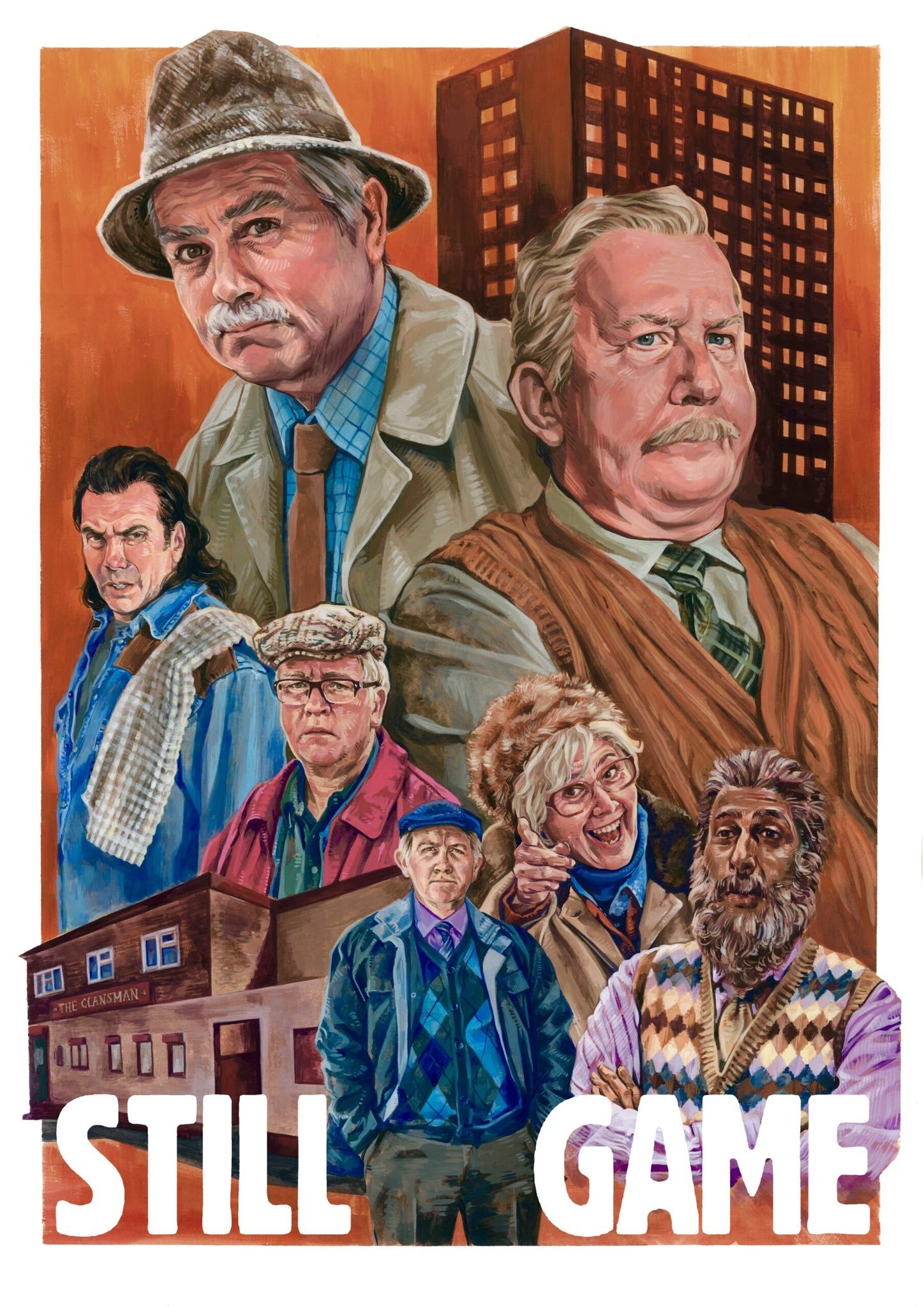
The surrounding cast matters just as much. Paul Riley plays Winston Ingram, Jane McCarry plays Isa Drennan, and Sanjeev Kohli plays Navid Harrid; the range of voices prevents the central double act from exhausting the joke. Gavin Mitchell, as Robert ‘Boabby’ Taylor, and Mark Cox, as Tam Mullen, belong to the same closely observed company. The ensemble gives the comedy a dependable rhythm, though there are moments when that dependability makes the next laugh a little too easy to predict.
We laughed hardest at the pensioners’ death jokes. The speakers have practical reasons to think about dying, and their bluntness keeps the subject funny without pretending it is remote. There is a touch of discomfort in that laughter, which the writing is wise to leave alone. It also helps that these older characters are allowed to be rude without every insult becoming an occasion for the programme to remind us of their essential goodness.
Colin Gilbert’s direction serves a comedy whose most important work is done between the actors. The sight gags matter because they vary the pace rather than leaving every laugh to the dialogue. The audible audience laughter is less discreet, and it will be an obstacle for anyone who prefers a sitcom to leave silence after a joke. Here we mostly welcome it: a programme built around communal banter can bear the sound of other people enjoying themselves.
The weakness is familiarity. Some later punchlines arrive without enough surprise, and affection for the characters occasionally seems to be doing work the joke should have done. Across nine seasons, that unevenness is worth acknowledging rather than waving away as part of the charm. The writing remains sharp enough to earn our patience, but not every return to familiar company produces an equally good half-hour.
Sitcoms about older people can be so anxious to prove that their characters still matter that they forget to give them anything funny to say. This one has enough faith in its pensioners to let them be rude, and enough good writing to make that worth half an hour. If audience laughter usually sends you reaching for the remote, give this lot an episode before you decide.