Series review

The Curse

2023 · Created by Nathan Fielder, Benny Safdie · Series · MPA TV-MA

In a sentenceTwo people who would like a receipt for every good deed, filmed by a man who would like the footage

ComedyDrama

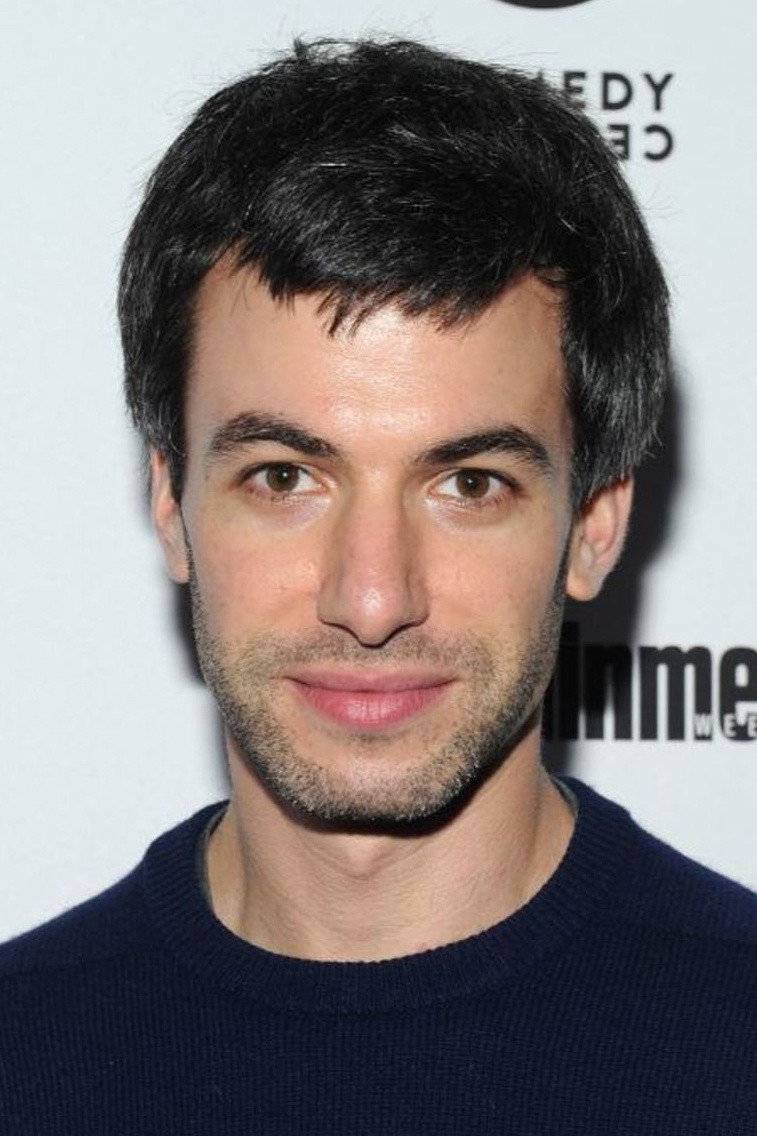
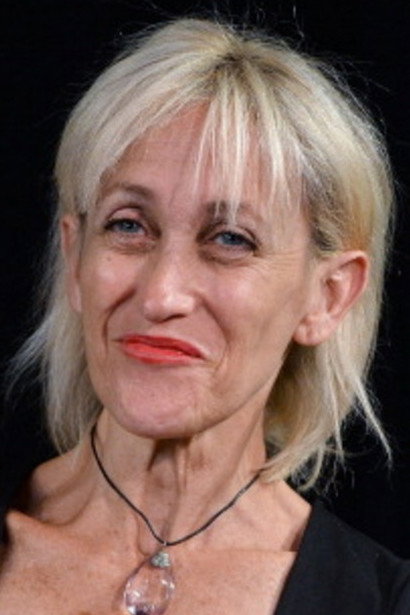
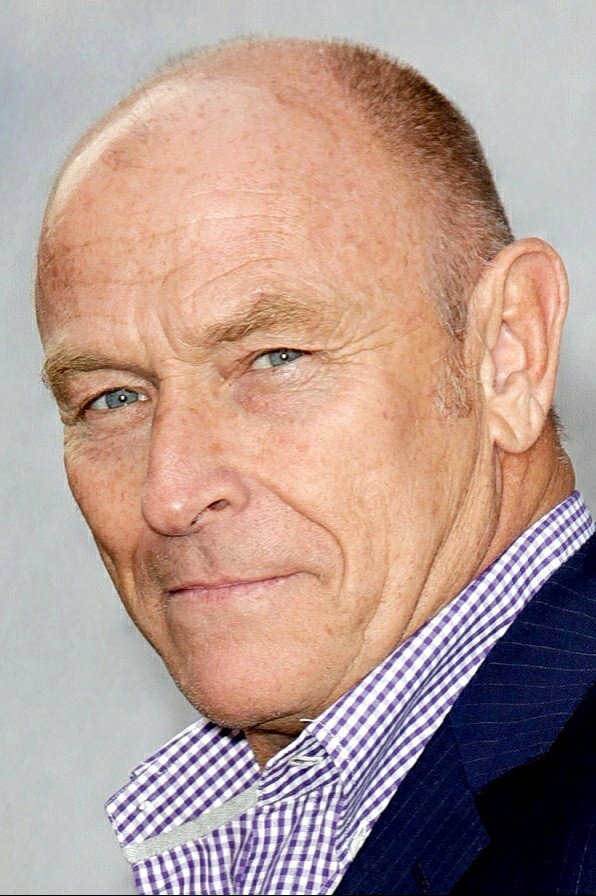
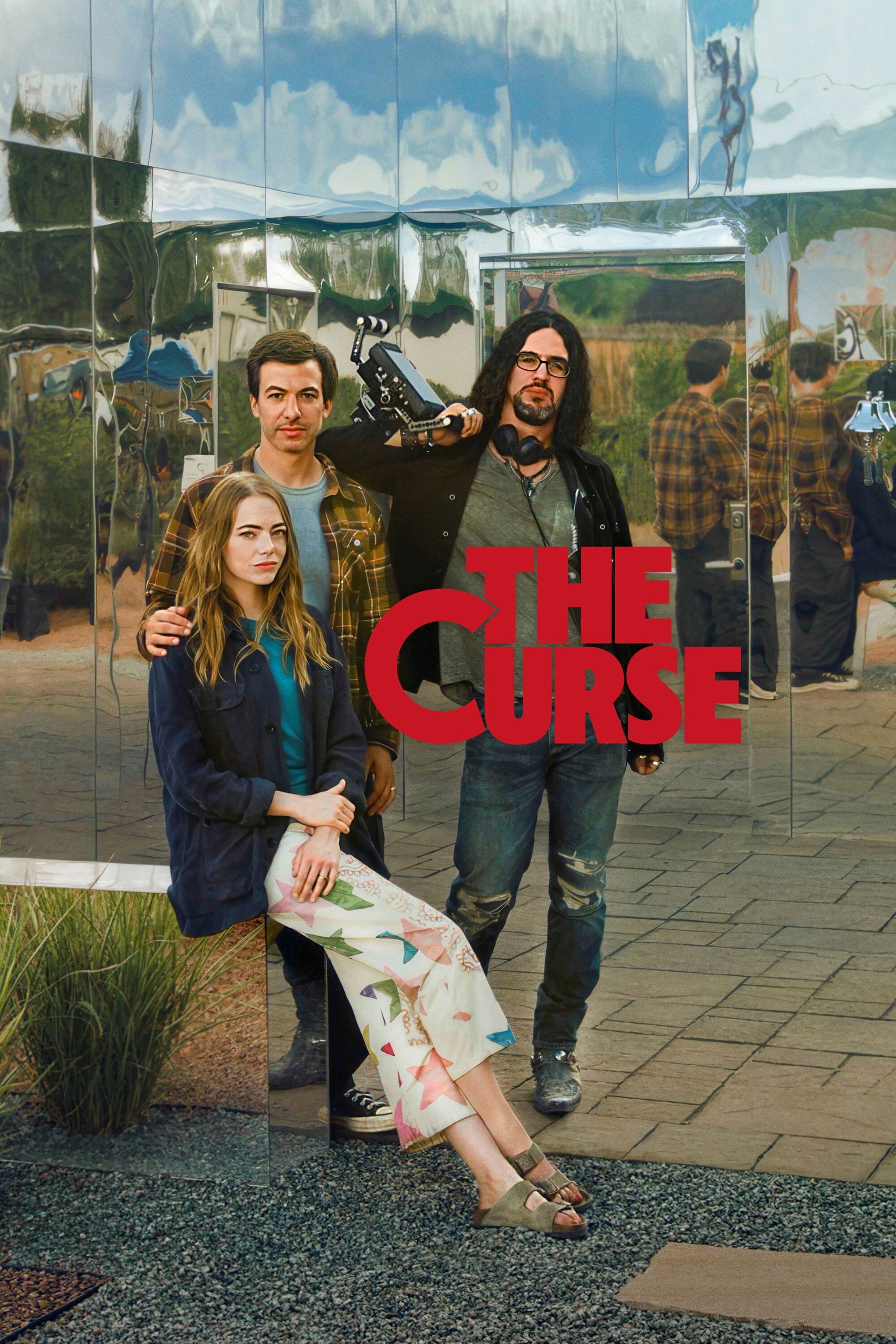
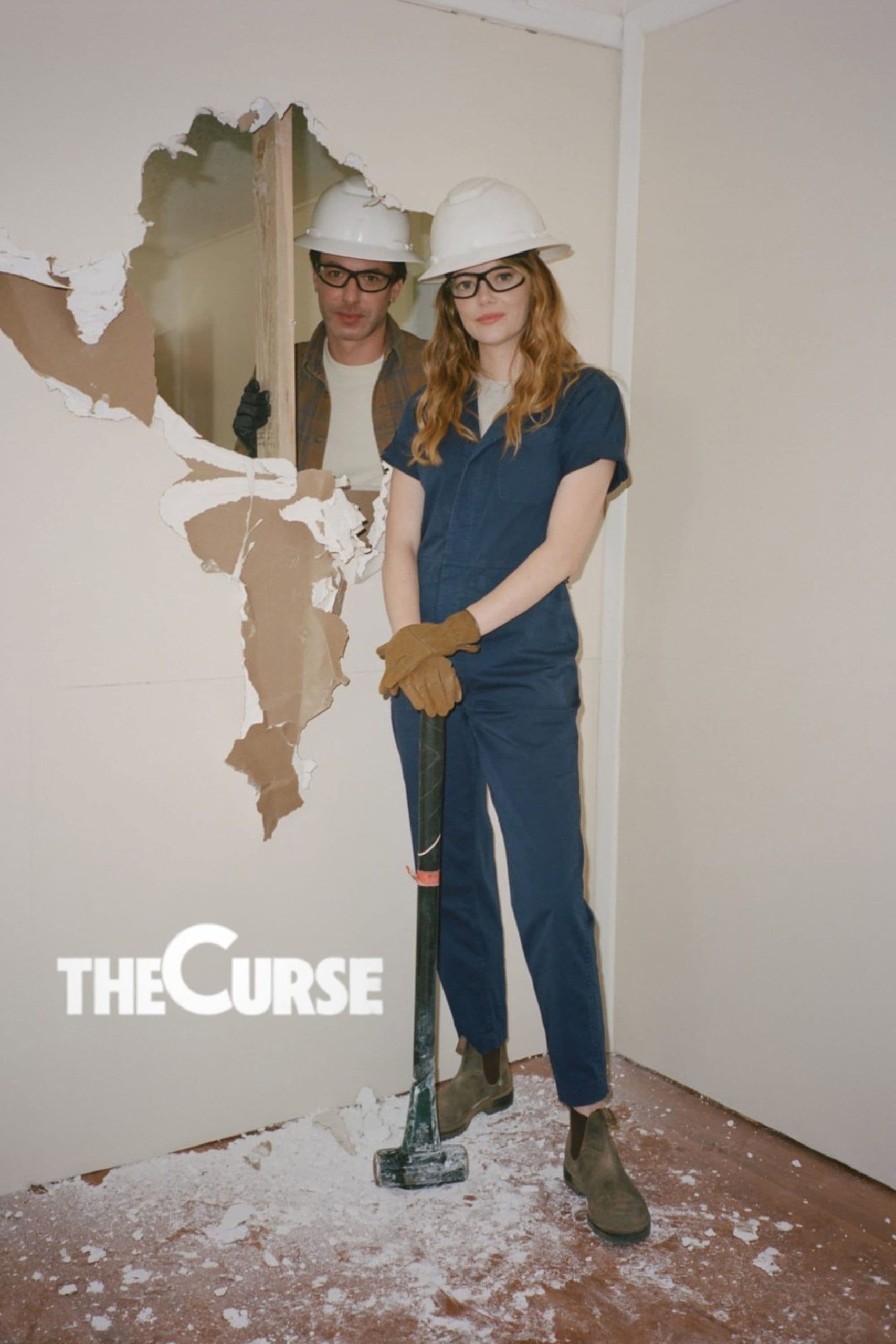
Whitney Siegel (Emma Stone) and her husband Asher (Nathan Fielder) are making a house-flipping programme for television, the sort in which a couple buys, renovates and sells while the cameras follow. They have picked a poor town, and they insist to anyone who will listen that they are here to help it, not to gentrify it. Whitney wants to be seen doing good; Asher wants Whitney to love him. Dougie Schecter (Benny Safdie) completes the trio, and the series is as interested in how their programme gets made as in the houses. Among the people in the Siegels’ orbit are Abshir (Barkhad Abdi), James Toledo (Gary Farmer), Paul (Corbin Bernsen) and Elizabeth (Constance Shulman). The tagline asks what could go wrong.

Plays from YouTube when you press play; nothing loads from them until then.

Fi1m review

Fielder and Safdie’s series about a couple filming a do-gooding property programme is as uncomfortable as television gets, and often brilliant. Its middle episodes circle the same anxieties for longer than they need to, and it asks a good deal of patience.

Nathan Fielder and Benny Safdie have made a comedy about a married couple, Whitney and Asher Siegel, who are filming a house-flipping programme for television and swearing to the camera that what they are doing is not gentrification. Everyone in the town is expected to be grateful. The series is superb for long stretches, funnier than anything this unpleasant has any right to be, and it loses its way for two or three episodes in the middle before finding it again. We recommend it with that caveat, and with a warning about how it feels to sit through.

Emma Stone plays Whitney as a woman who has decided to be good and would like that noted. Her smile stays up a half-second past the point where anyone would mean it, and when the smile drops, which it does often, what is underneath is not cruelty but panic. Fielder plays Asher as a smaller man, eager, damp, keeping a private ledger of every kindness he has done. Stone is at her best in the scenes where Whitney asks someone with less money than her to approve of her and does not get it; the face keeps working after the voice has stopped. We watched several of those scenes through our fingers, and it was the working face that did it, not anything anyone said.

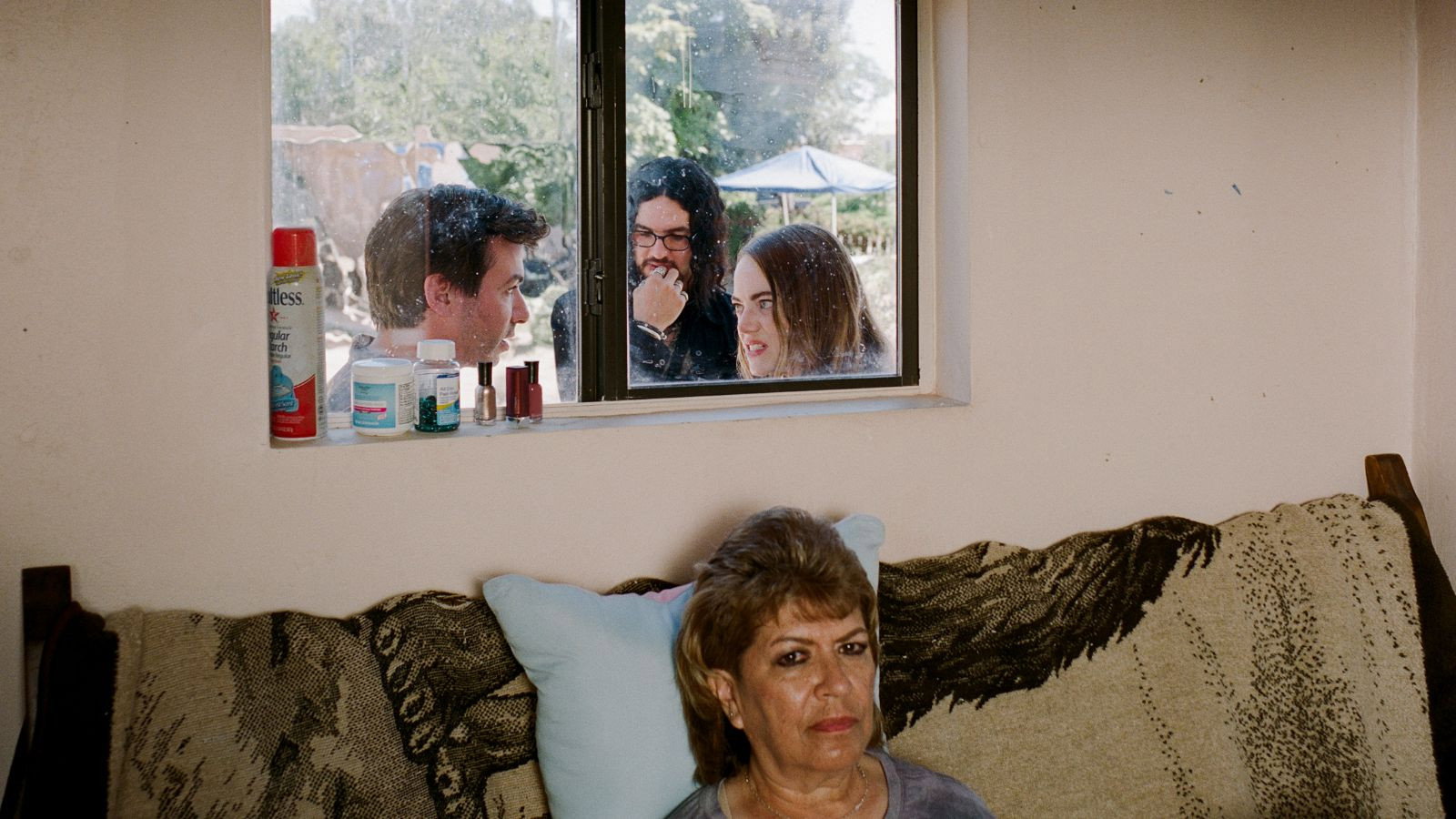
Maceo Bishop shoots most of it from too far away. Conversations are filmed from across a car park or through a kitchen window, on long lenses, so that we are always slightly outside them and never sure who else is watching. It makes the whole series feel like footage the Siegels’ cameras kept recording after everyone thought they had stopped. John Medeski’s score is a low, held tone on organ and synthesiser that refuses to resolve, and it runs under scenes that in any other comedy would have no music at all.

Katina Danabassis dresses Whitney in cream linen and heavy silver and Asher in polo shirts a size wrong in one direction or the other. Fielder directs some episodes, David and Nathan Zellner others, and the seams do not show.

Safdie’s Dougie Schecter is the third lead, and the one the series leans on when the Siegels become too much to bear. Safdie plays him as a man who wants footage and does not much care what it costs the people in it. Barkhad Abdi, as Abshir, gives the show its only calm. He meets the Siegels’ help and their smiles with the same flat courtesy, and the scenes in which Whitney fails to make him grateful are among the most precise things here.

The trouble is the middle. Somewhere around the sixth episode the series settles into three scenes it plays in rotation: Whitney fishing for approval from someone poorer than her, Asher fishing for approval from Whitney, Dougie fishing for footage from both. The rooms change. The scenes do not. Side threads are picked up, set down and picked up again without much moving. We were bored, and then we were cross about being bored, because the series plainly knew what it was doing and had decided our impatience was good for us. Ten episodes is two more than the material needs.

Then the last hour arrives and takes a turn we will not describe. It is the most surprised we have been by a television finale in years, and we are still not certain it is good. Set against the cringe comedy it belongs to, it is more controlled than most and more frightening, because it never once lets the audience off with a wink. Most critics have landed near where we have, though the spread is wide: one national paper found it close to unwatchable, several others called it among the best things of its year, and we understand both positions.

Watch one episode at a time. It is built to be endured in pieces, and taken in a single sitting it stops being funny and starts being punishment. Stone’s admirers should not miss it; she has rarely been asked to be this unlikeable, and she has rarely been better.


Critical consensus AI synthesised

75
Positive
11
Mixed
1
Negative
1

The reviews lean strongly positive. Most critics take the series as a satire of gentrification, white saviour complexes and the ethics of reality television, and most find that satire sharp rather than glib. The word that recurs is cringe: this is, by wide agreement, the most uncomfortable thing on television, and critics tend to mean it as a compliment. Emma Stone’s performance, swinging between do-gooder and narcissist, is the most consistently praised element, with Nathan Fielder’s scenarios and Benny Safdie’s tension-building credited for the creeping dread.

The reservations are about stamina. Vulture argues the opening conceit gives way to repetitive tension and threads left undeveloped, while /Film thinks it does not quite stick the landing. The Guardian goes furthest, finding it almost uniquely unpleasant to watch even while admiring its ambition. The spread is wide, from outright dismissal to near-raves, but the great majority sit at the warm end.

Evening Standard
6 November 2023
90*

The critic hails it as one of the best shows of the year, a genre-bending satire of performative philanthropy, reality TV cynicism and white saviour complexes. Emma Stone’s performance flipping between do-gooder and narcissist is singled out for praise alongside the show’s deadpan accuracy.

Read the full review →
IndieWire
6 November 2023 · Ben Travers
90*

The critic calls it an exquisite, excruciating black comic wonder and a razor-sharp satire of gentrification, reality TV ethics, performative liberalism, and more, following a couple filming an HGTV-style show. They single out the shocking, boundary-pushing tone and strong performances for particular praise.

Read the full review →
The Hollywood Reporter
7 November 2023 · Daniel Fienberg
80*

The year’s squirmiest new show, an exhilarating yet exhausting cringe comedy that is a ruthless evisceration of hollow progressive altruism and performative compassion. Stone and Fielder deliver standout performances amid the voyeuristic discomfort.

Read the full review →
Variety
10 November 2023 · Alison Herman
75*

The series is the most uncomfortable show of the year, an effective study of exploitation at all levels that is often painful to watch. It combines Fielder and Safdie’s sensibilities to reach new depths of discomfort, with Stone’s performance standing out.

Read the full review →
The i Paper
11 November 2023 · Marianne Levy
70*

The critic calls it one of the most excruciating comedies ever seen, a blistering social satire on wealth, race and gentrification that veers between Fargo and a demented Grand Designs. The three leads deliver awful yet wonderful performances that induce constant cringing.

Read the full review →
The Telegraph
11 November 2023
70*

The review calls it a strong contender for the weirdest show on television, praising its bonkers dark comedy about an unravelling marriage and gentrification. It highlights the unsettling humour and rising dread as impressive if not always easy to watch.

Read the full review →

Cast

If you liked this, try…

Nathan for You poster

Nathan for You

2013 · Fielder’s original method: real small businesses, terrible advice, and a straight face throughout

Force Majeure poster84

Force Majeure

2014 · A Swedish family holiday ruined by one moment of cowardice nobody will name

Kumiko, the Treasure Hunter poster

Kumiko, the Treasure Hunter

2014 · The Zellner brothers follow a woman into the snow after a film she believes

Safe poster

Safe

1995 · Todd Haynes films a rich woman’s wellness from a cold, patient distance

Scenes from a Marriage poster

Scenes from a Marriage

1973 · Bergman’s couple talk themselves to pieces over six episodes, without any cameras watching