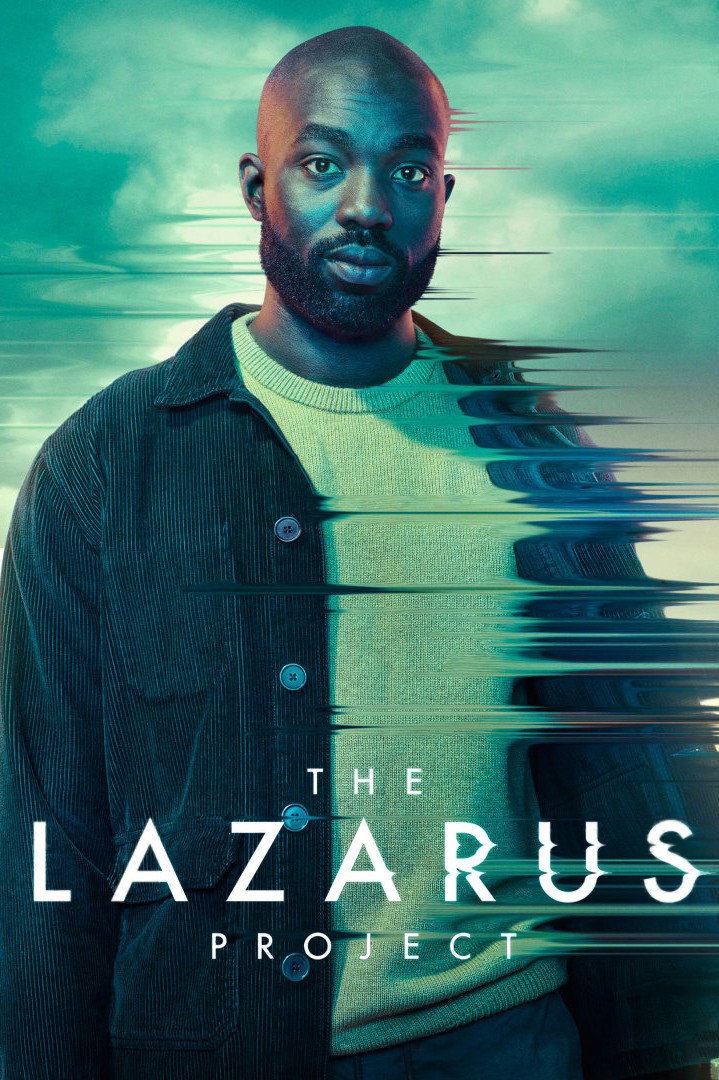
The Lazarus Project is a good science-fiction thriller with an unusually persuasive lead in Paapa Essiedu. Its complicated plotting and familiar espionage business can be wearing, but the decisions behind its time resets give it something worth arguing about.
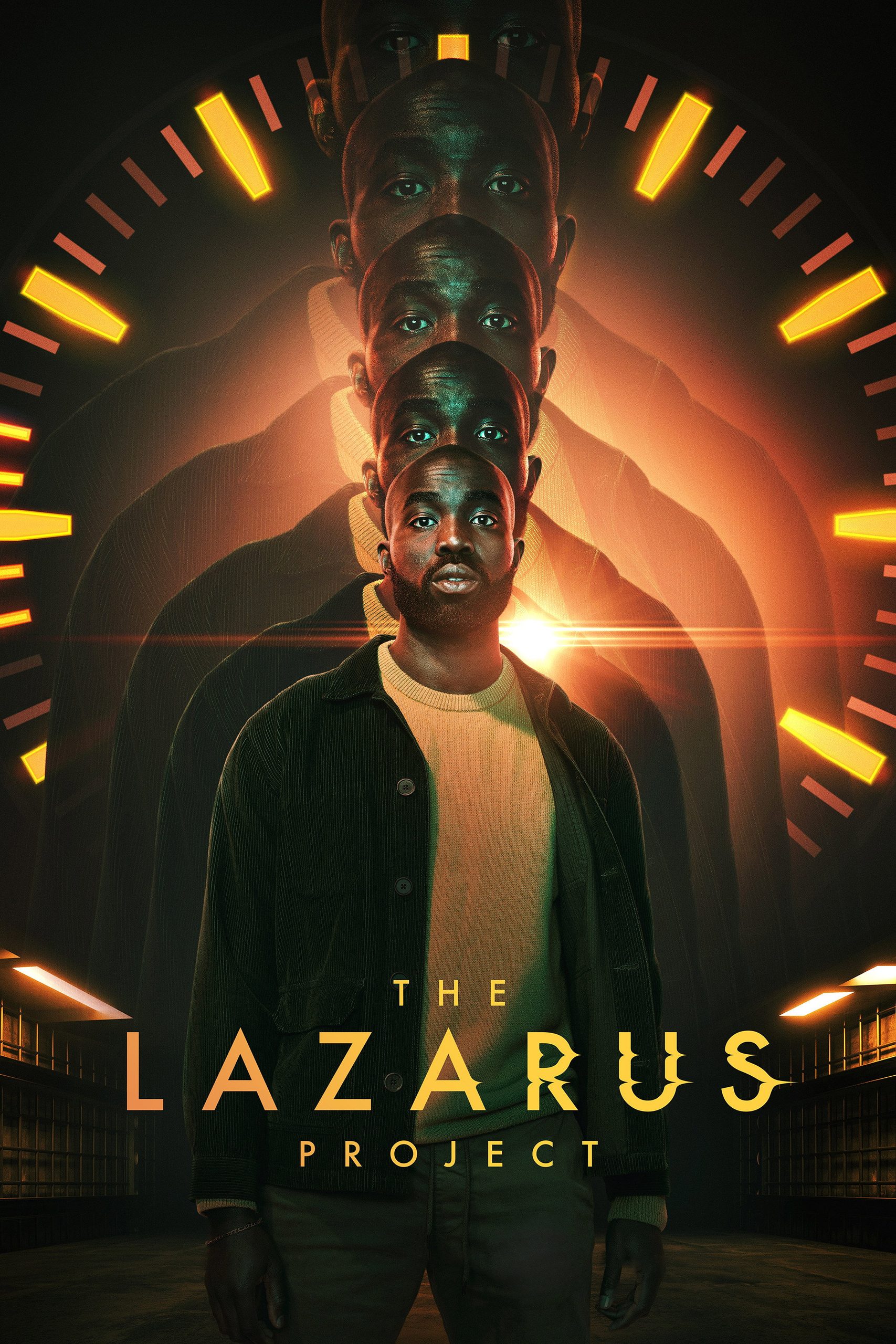
The first series of The Lazarus Project, created by Joe Barton, is a good science-fiction thriller whose complicated plotting earns most of the attention it demands. A secret organisation resets time to prevent global catastrophes, giving the programme a way to ask which lives matter when everyone needs saving. It is a promising basis for an action series, and the scale of the danger supplies urgency. The reason to stay is Paapa Essiedu’s George Addo, who makes the personal consequences difficult to shrug off.
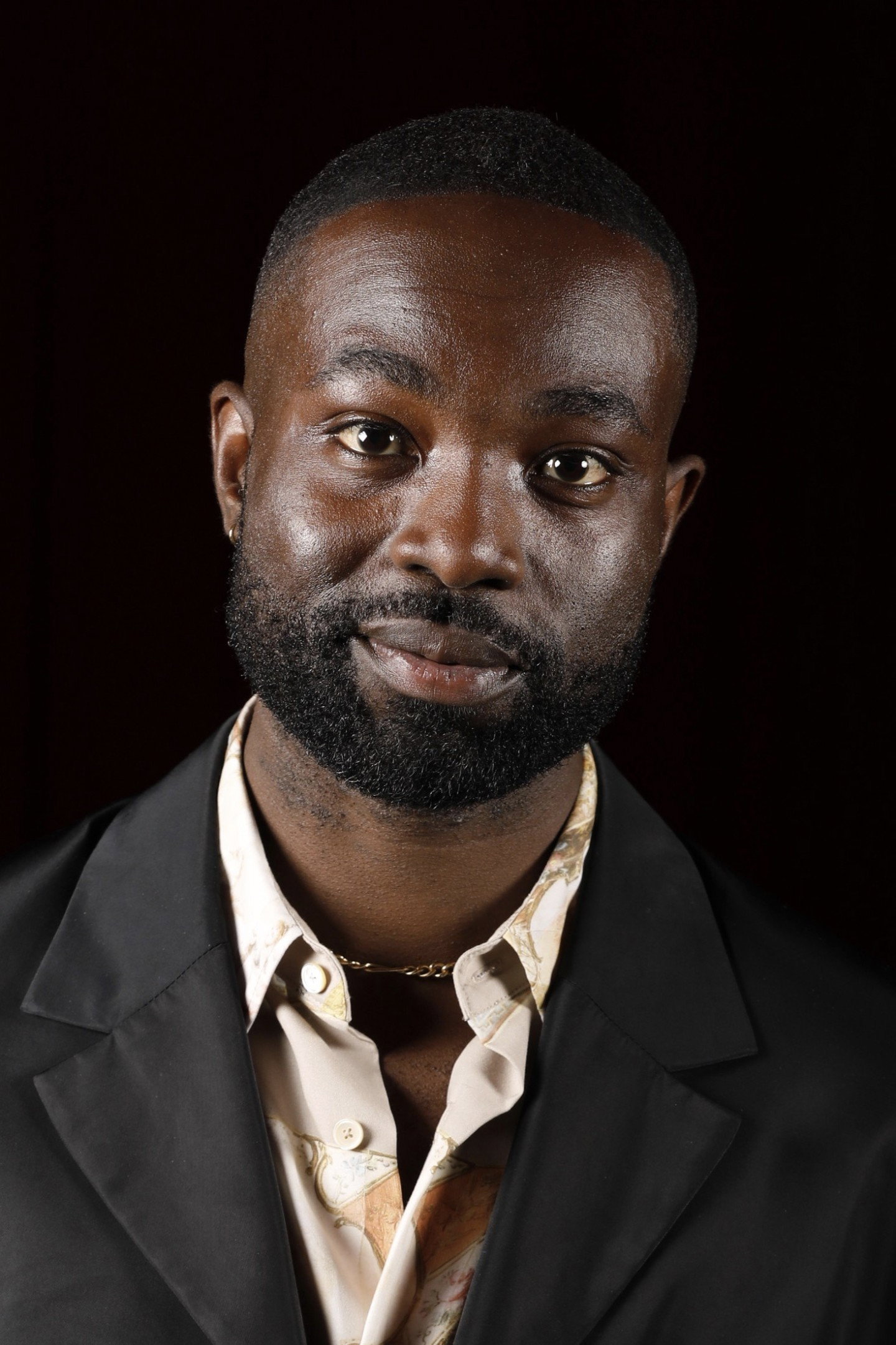
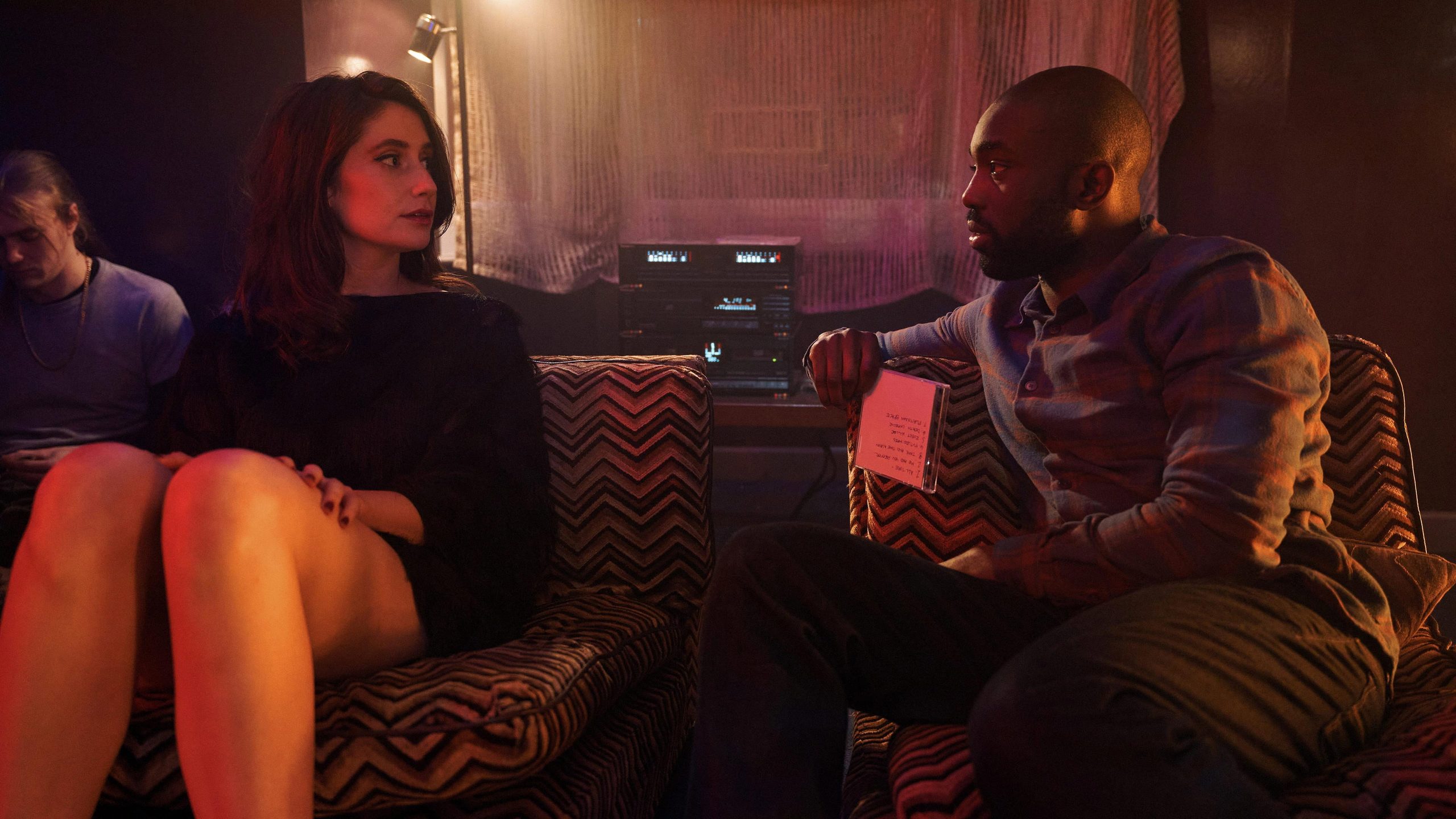
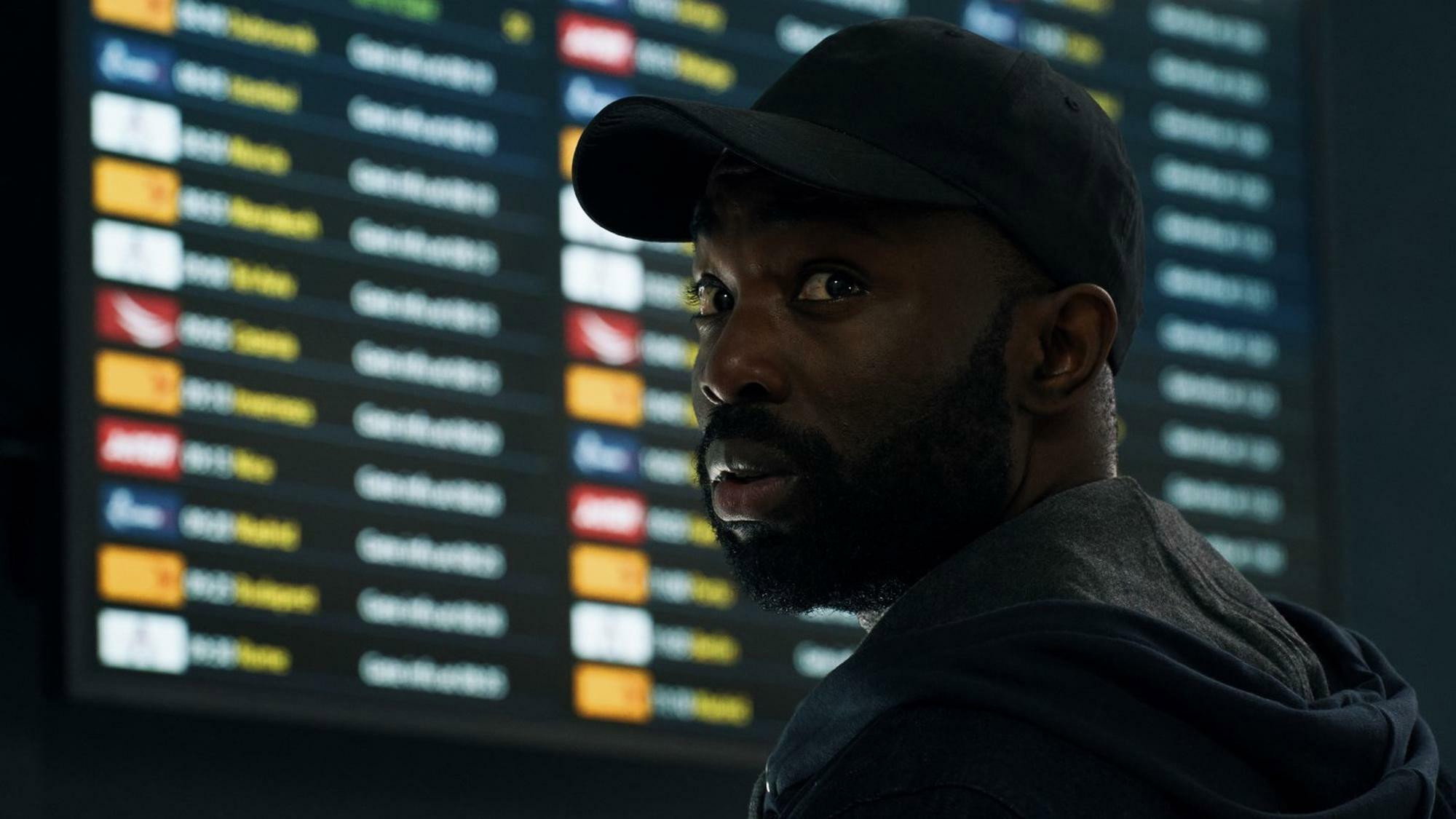
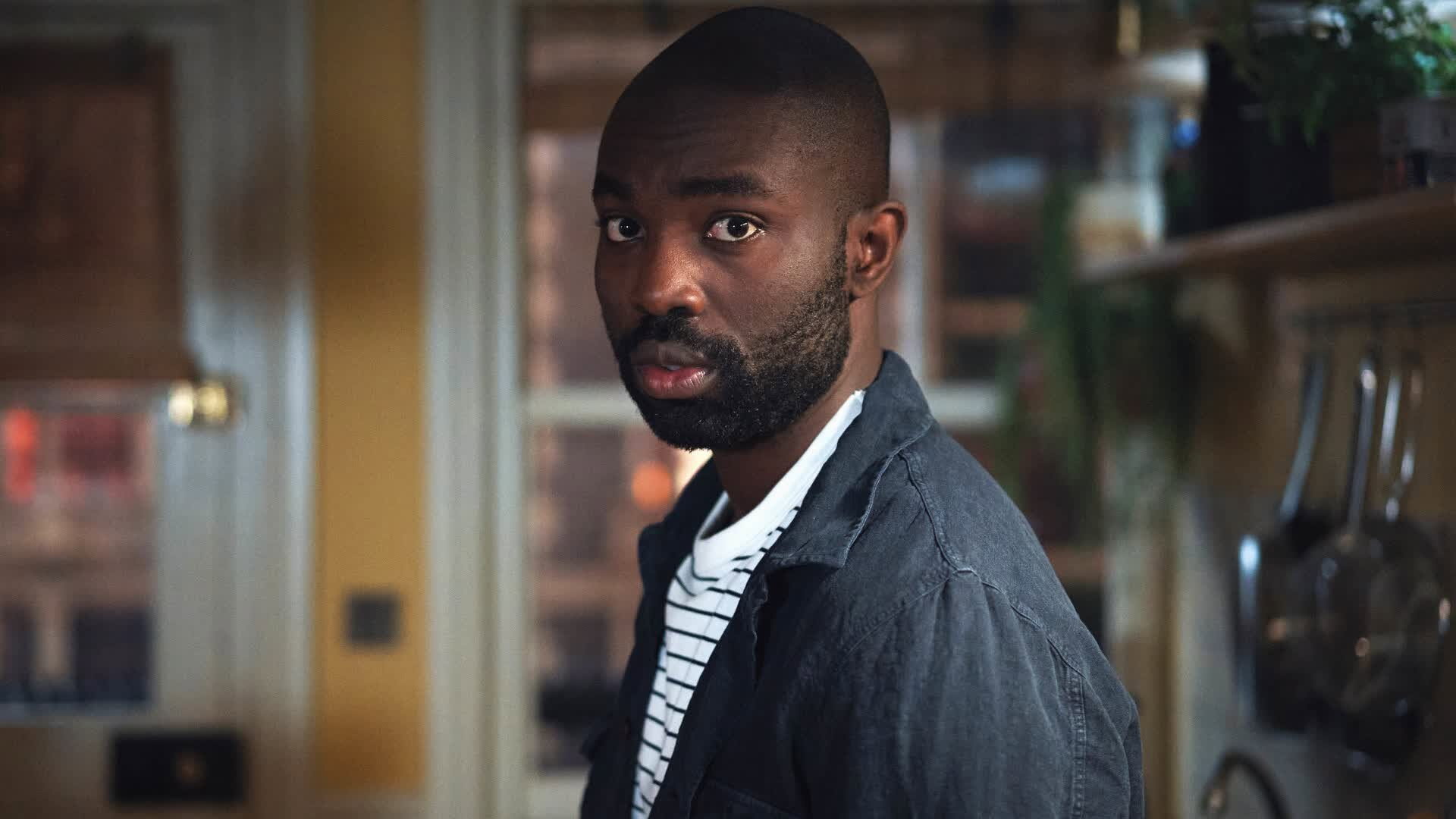
Paapa Essiedu never lets George become merely the person who needs the next rule explained. His confusion has weight, and his likeability leaves room for feelings that are harder to approve of. We cared about him more than we expected to, because his distress makes it difficult to treat the resets as clever plot devices. Even when keeping track of events takes effort, his reactions remain easy to understand.
The writing, by Joe Barton and Howard Overman, is good at making an objection sound reasonable even when its consequences might be terrible. The organisation’s purpose sounds hard to argue with, but preventing catastrophe does not settle what its methods ask of individuals. The programme lets us understand a selfish wish without insisting that we endorse it. A story about changing events would soon become tedious if knowing the rules also told us what everyone ought to do.
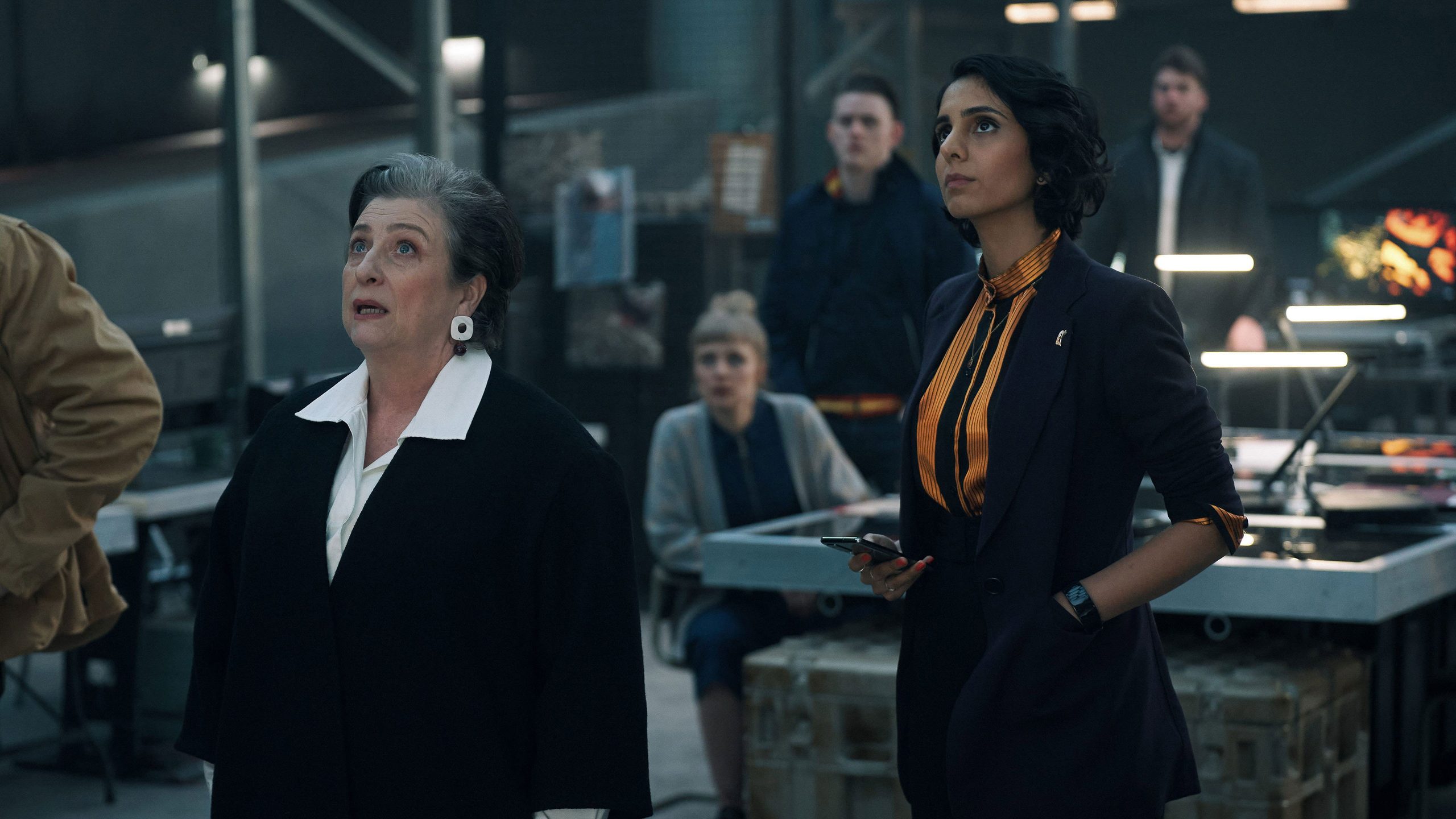
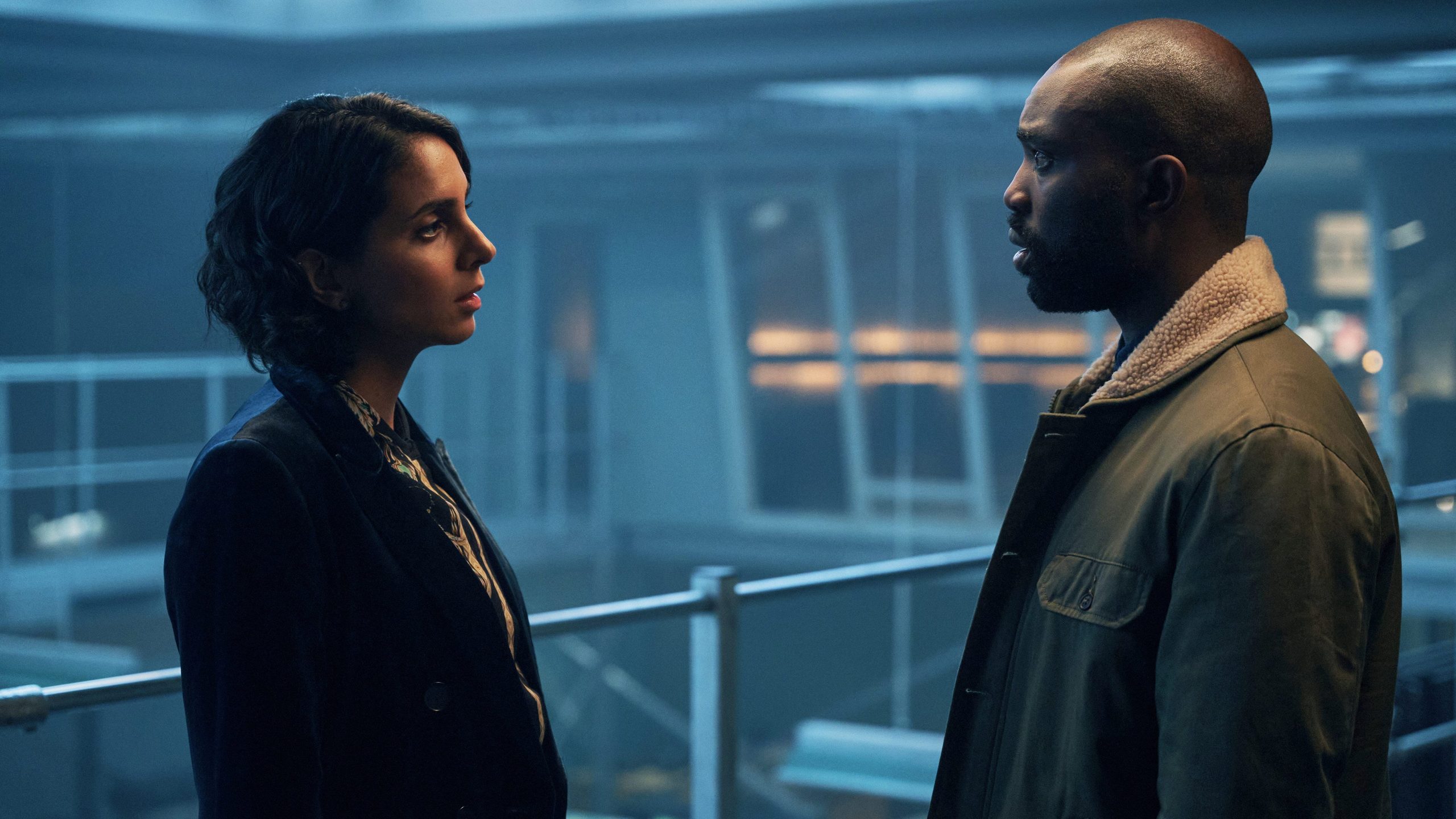
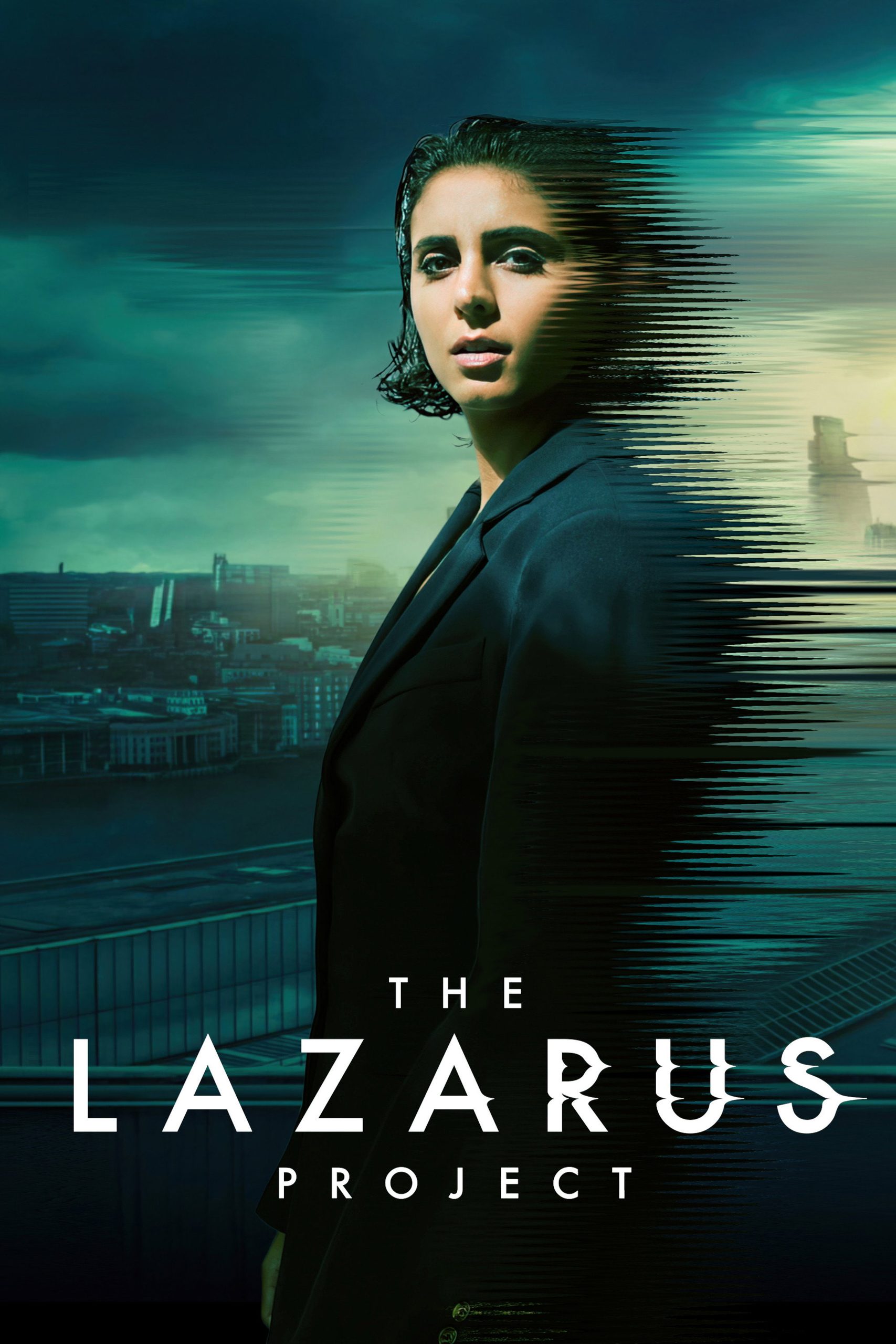
Anjli Mohindra’s Archie and Rudi Dharmalingam’s Shiv Reddy help give the ensemble enough weight to stand alongside its lead. Caroline Quentin, as Elizabeth ‘Wes’ Wesley, contributes to a cast that can make the stranger material sound manageable. The performers give the story enough conviction to get through some familiar espionage business without losing our interest altogether. The reservation is that George remains considerably more involving than the organisation around him, particularly when the programme settles into being an action thriller.
Johannes Hubrich’s editing has to accommodate action as well as a plot that keeps asking us to reconsider events. The series generally moves briskly enough, though its busyness sometimes makes an already demanding story harder to follow. There are stretches when keeping up takes more effort than the immediate drama rewards, and explanations compete with the tension. With eight episodes in the first series, some patience for the plotting is part of the bargain.
Time-travel stories can become exhausting when every question needs another explanation before anyone can act. This one usually remembers that we need to care what happens to someone before we care how it is possible. Give it a try for Paapa Essiedu, with some patience for the plotting and the familiar business of saving the world.