Daisy May Cooper and Charlie Cooper’s mockumentary about two bored cousins in a Cotswolds village is funny, exactly observed and kinder than its format usually allows. The camera grammar is borrowed from The Office; the people are not. The third series repeats itself a little.
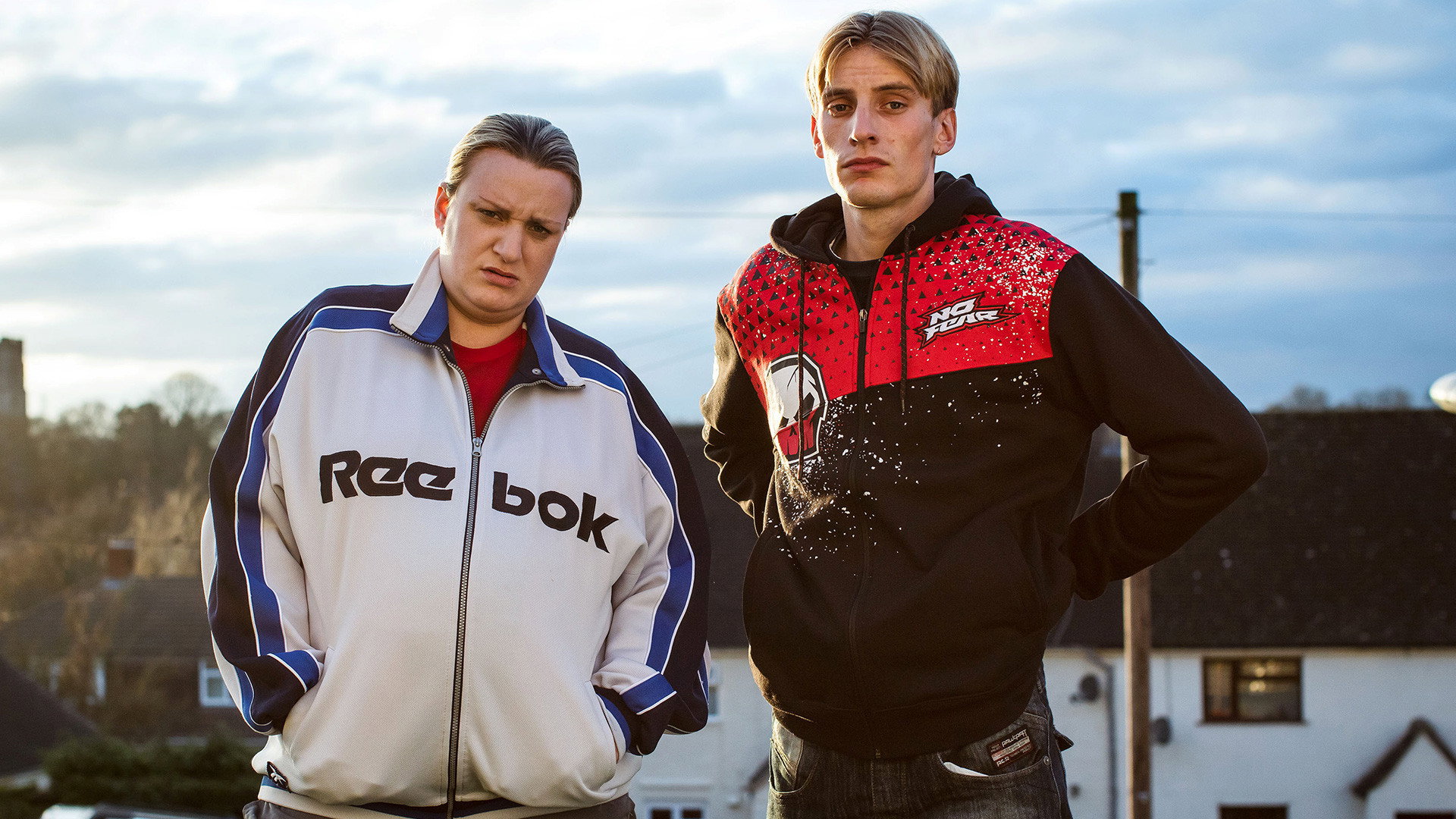
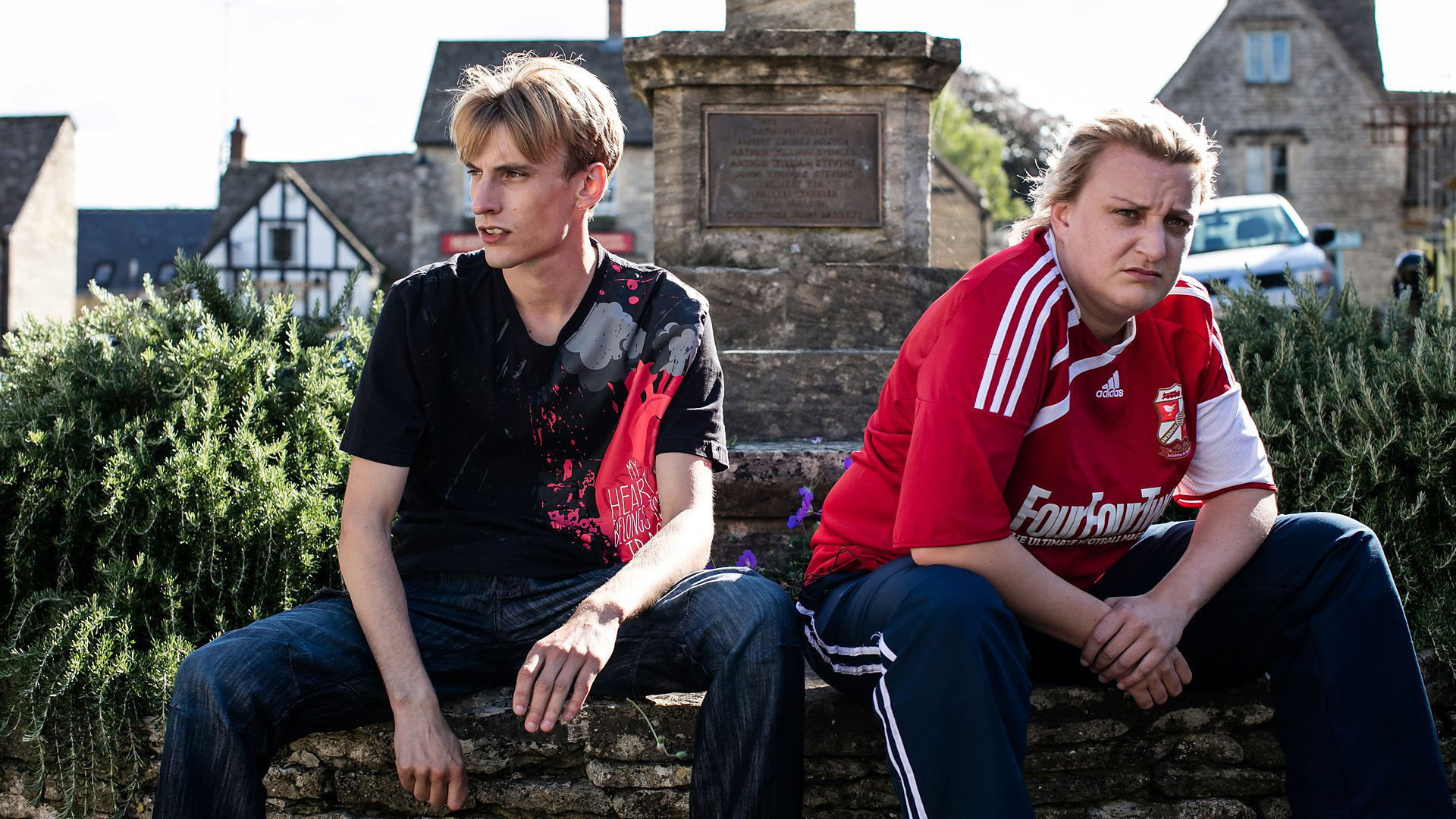
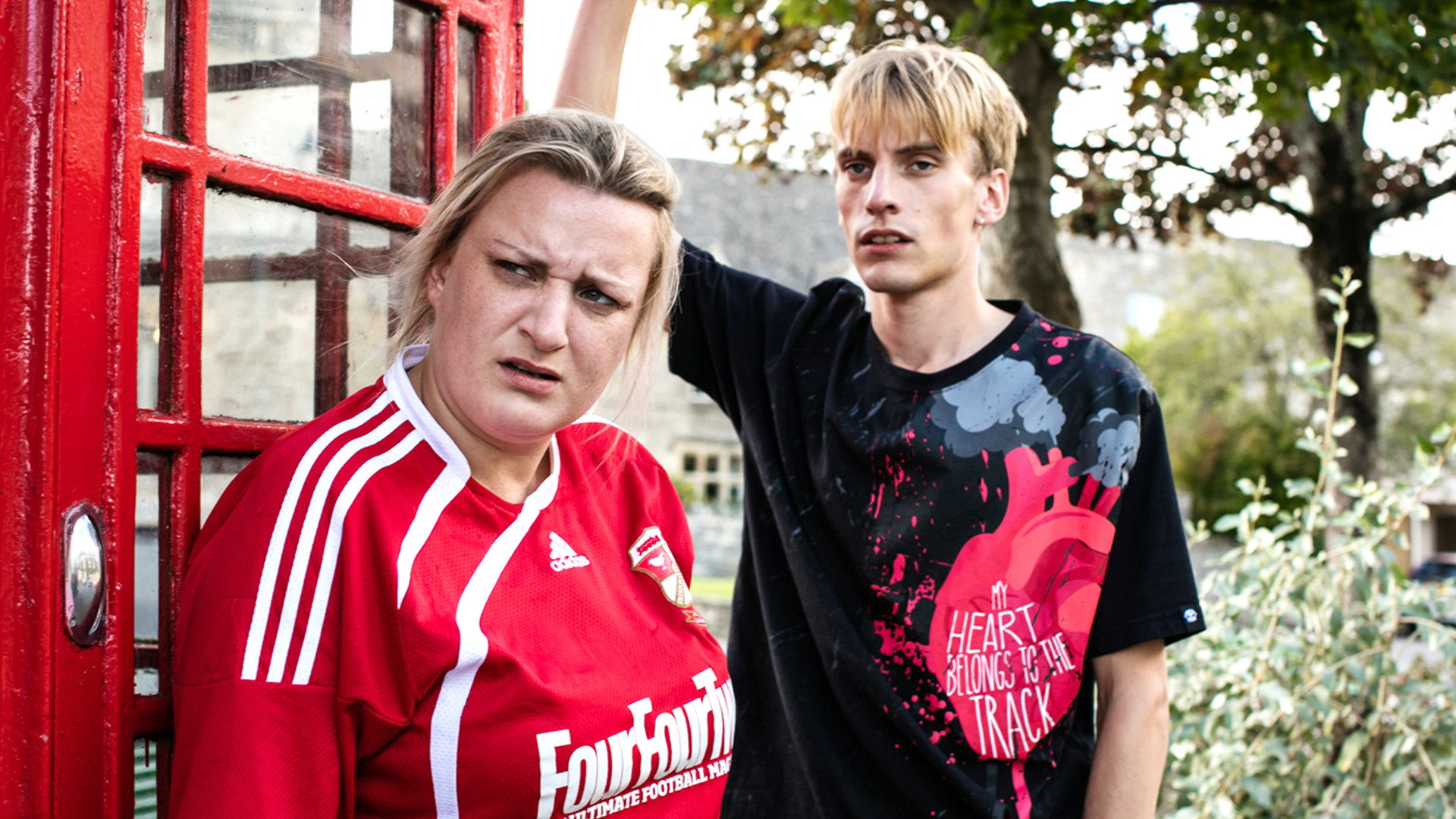
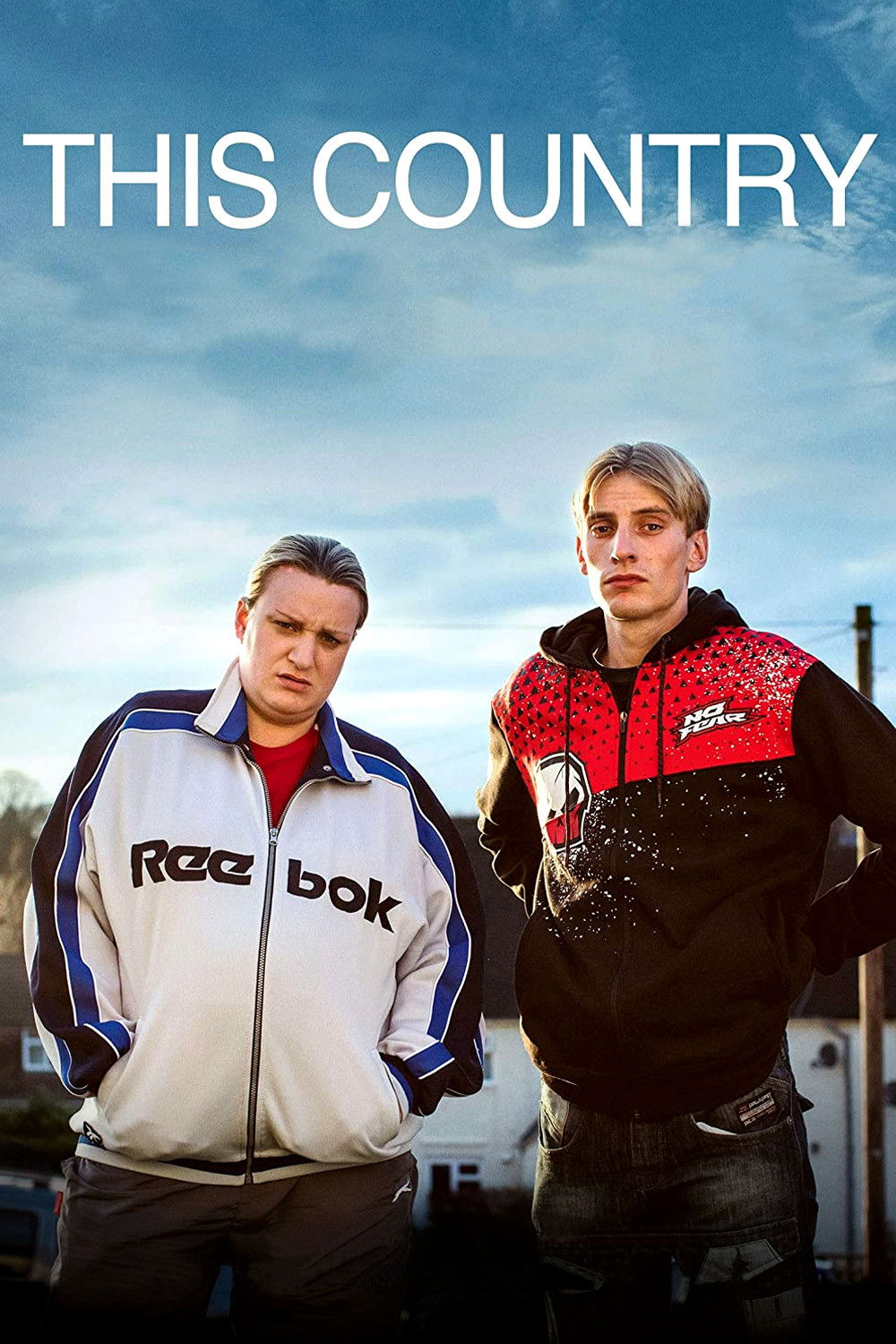
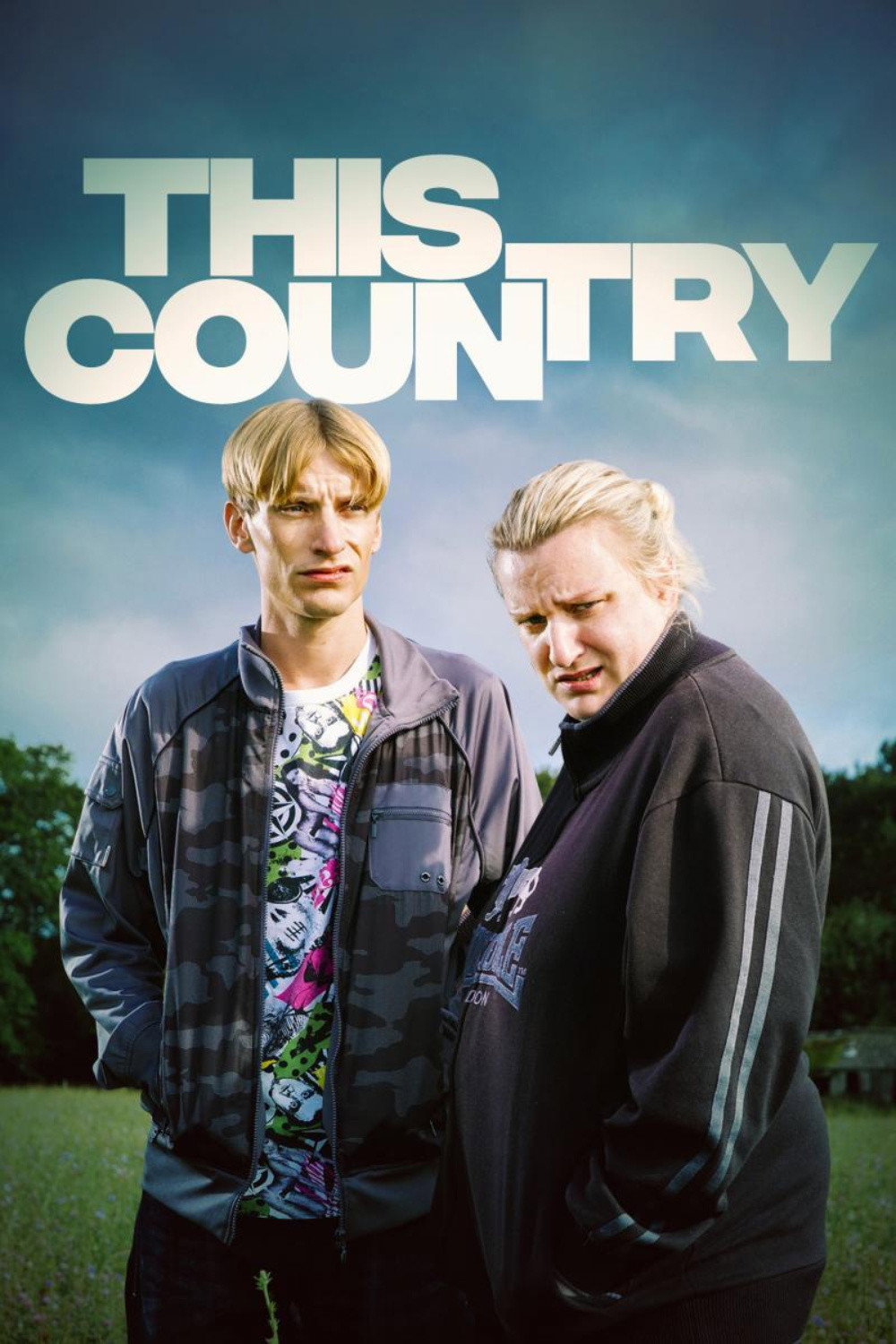
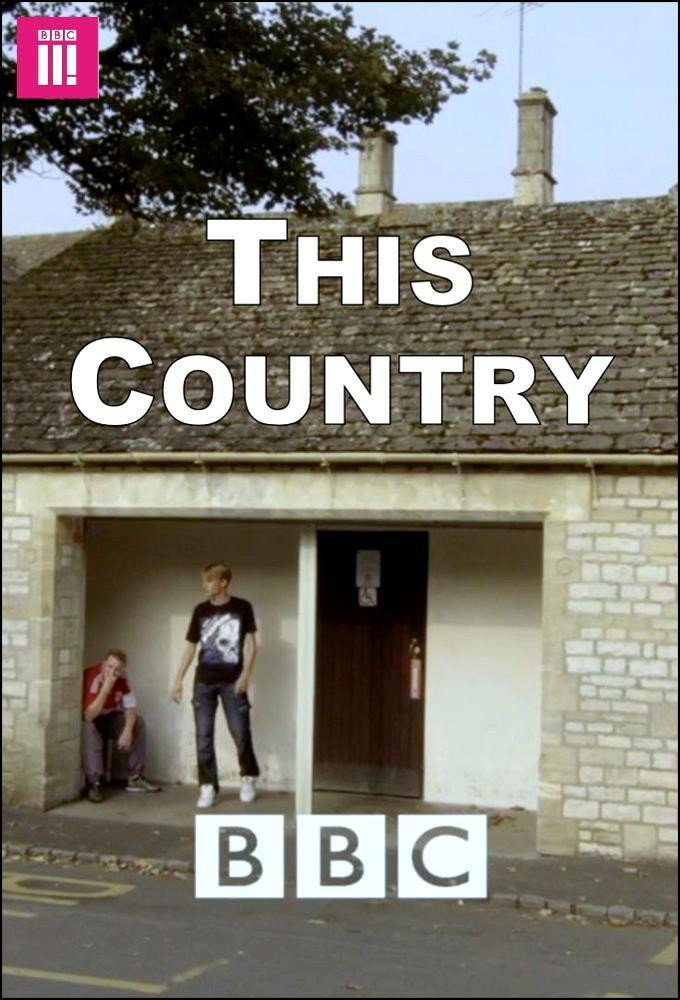
This Country pretends to be a documentary. A television crew has come to a village in the Cotswolds to film young people in rural England with nothing to do, and has found two of them: Kerry Mucklowe and her cousin Kurtan, played by Daisy May Cooper and Charlie Cooper, who also created and wrote the thing. Each episode runs half an hour. Almost nothing happens in any of them, and the cousins treat each of those nothings as a matter of honour.
Our verdict is straightforward. It is one of the best British comedies we know, and the best comedy of embarrassment since The Office, whose format it has borrowed wholesale. It is also a good deal kinder than that comparison suggests. The Coopers, who are brother and sister, like the people they have invented, and they like the village, and the jokes come from knowing both far too well.
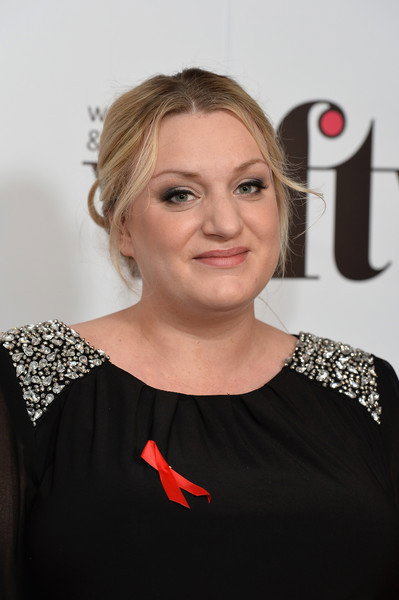
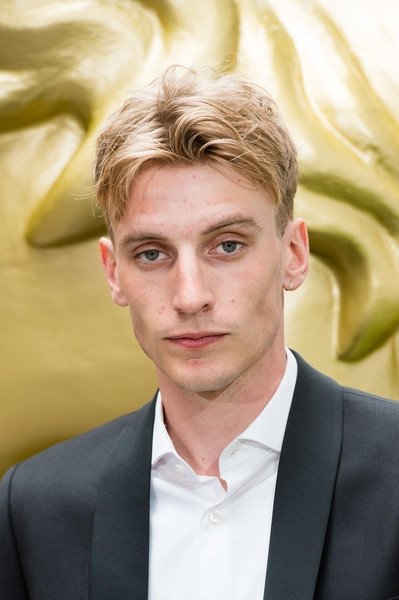
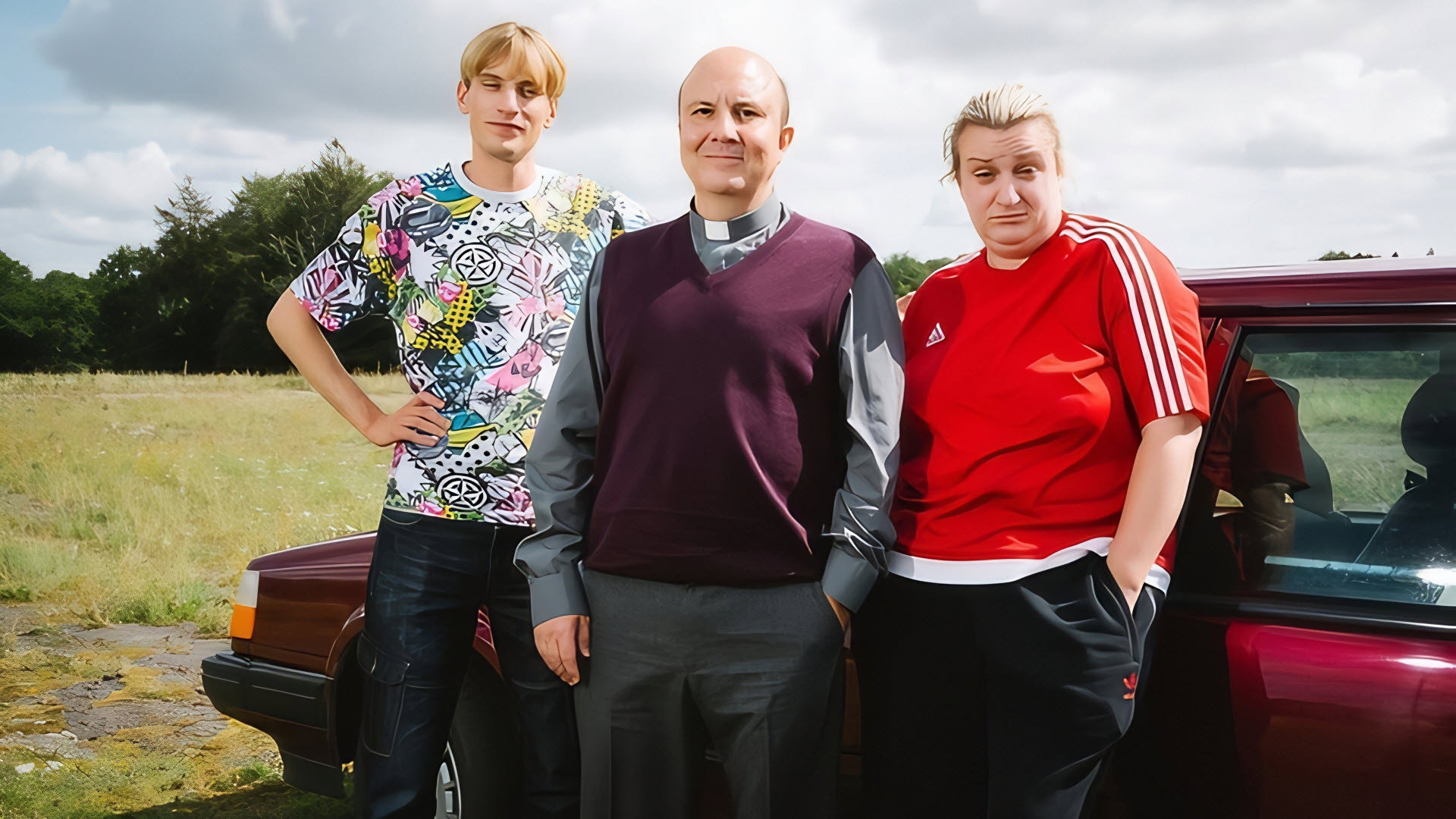
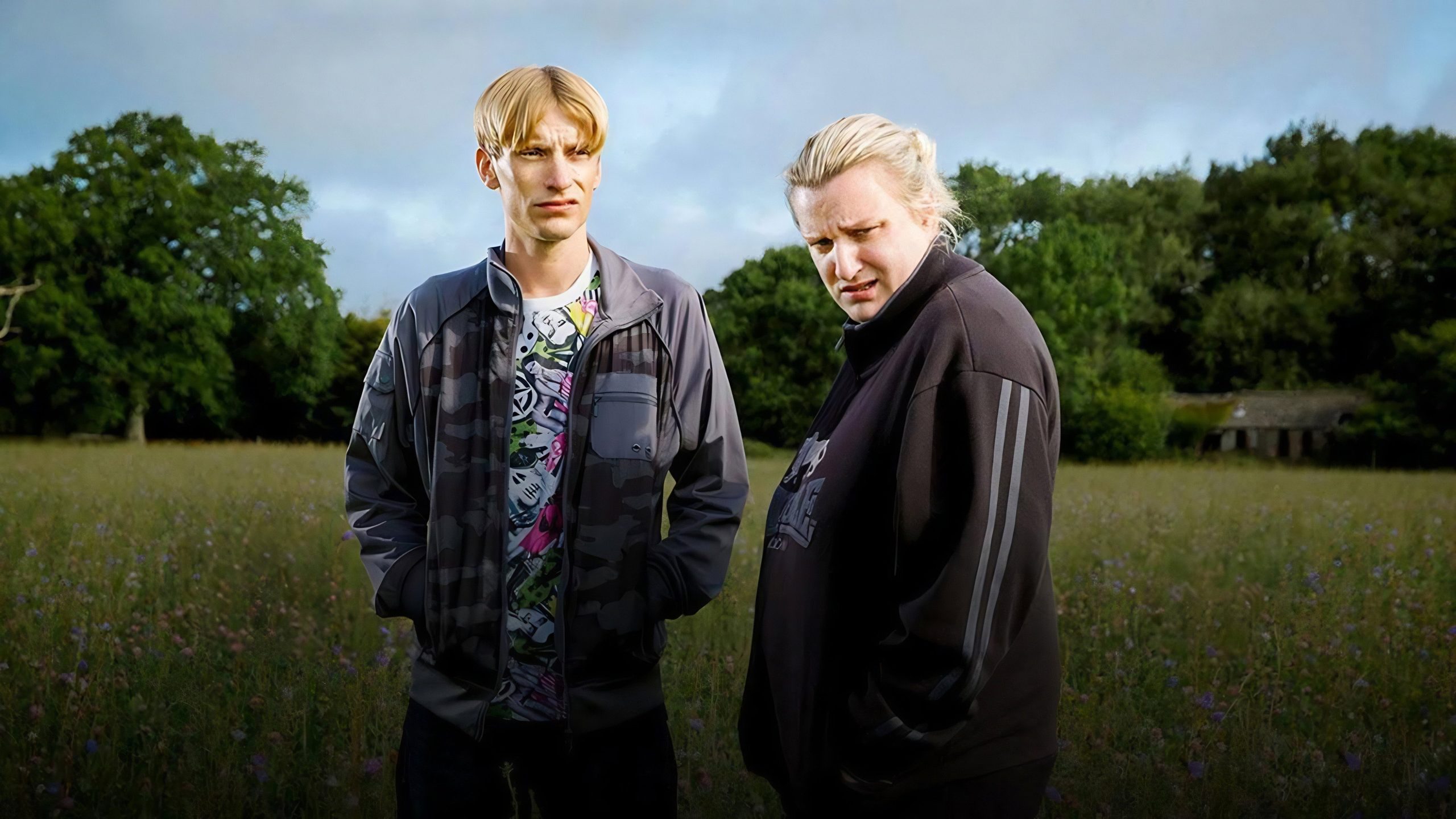
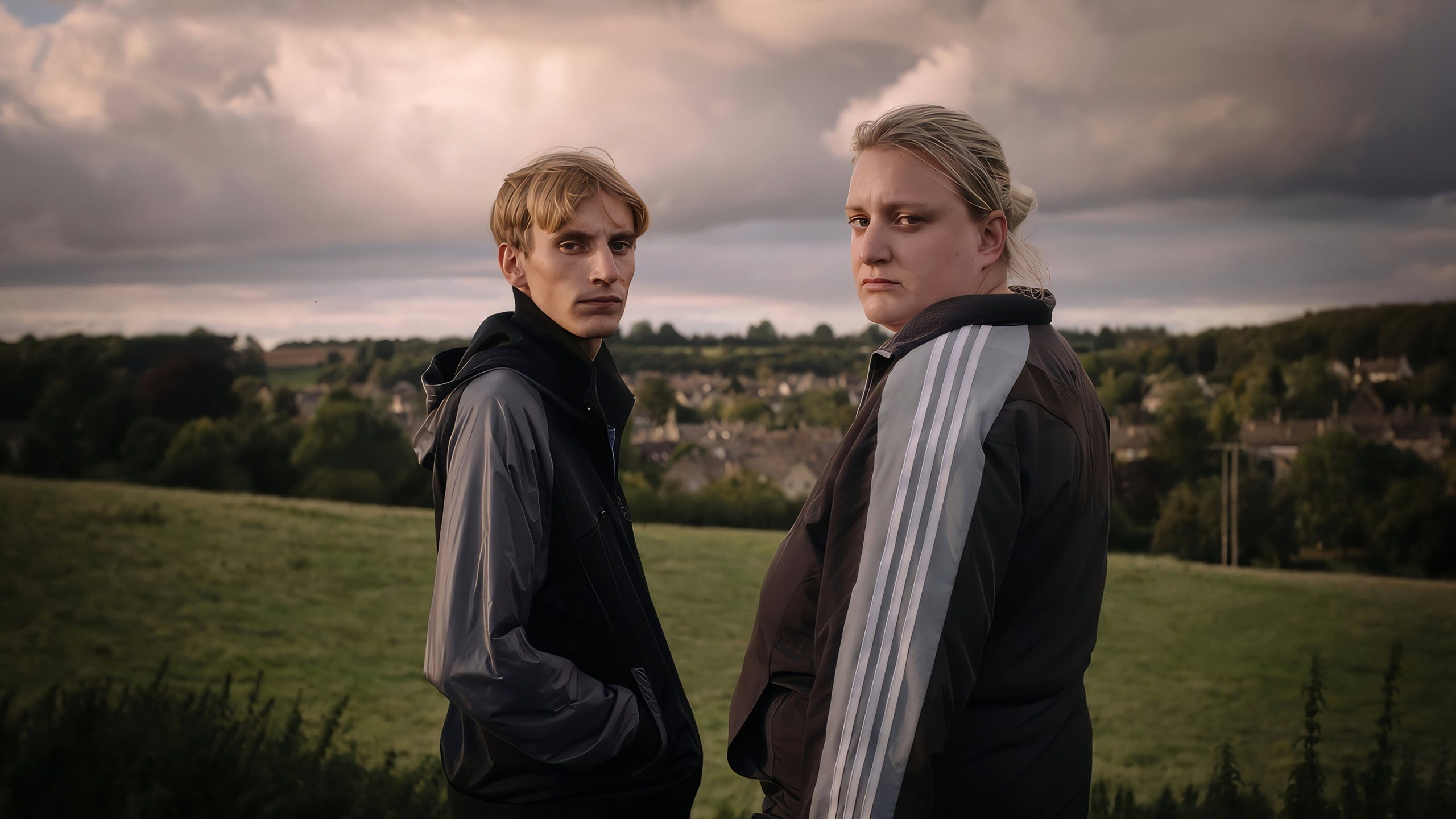
Daisy May Cooper plays Kerry as a woman who has decided she is the hardest person for miles and is checking constantly that everyone agrees. She lies in a flat voice and does not blink. Charlie Cooper’s Kurtan is smaller and fussier, a man who knows the bus timetable and treats the correct loading of the recycling as law. They talk over each other, correct each other, and turn to the camera to explain, quite calmly, why the other one is an idiot. There is a villager called Big Mandy whom we hear a great deal about and whom both of them are frightened of, and the fear is one of the running jokes of the first series.
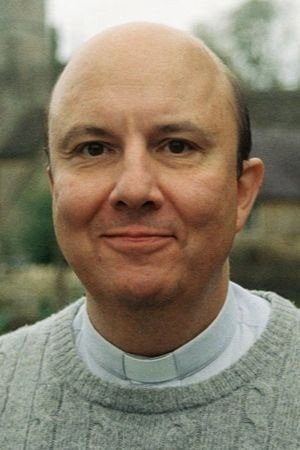
The supporting cast is small and used well. Paul Chahidi plays Reverend Francis Seaton, the vicar who has made the cousins his project, with patience running out at a measured rate. The joke is never that he is a fool. He is decent, and the cousins mistake decency for weakness and take advantage of it, and he lets them, up to a point. Ivy Woodcock’s Sue, Kerry’s mother, is heard more than seen. Trevor Cooper’s Len Clifton, an older villager, gives as good as he gets.
Then there is Martin Mucklowe, Kerry’s father, played by Paul Cooper. He lives elsewhere. He says he will come and see her. We laughed at Kerry explaining to the camera why he is late, and then Daisy May Cooper held her face a second past the line and we stopped laughing altogether. The series does this often: it lets a joke run until you can see what is underneath it. Kurtan, watching from the doorway, says nothing, which for him is unusual.
Tom George directs in the plain style the form demands. The interviews are shot from a fixed camera in front rooms with the curtains half drawn; the rest is handheld, a step behind, so the crew is always slightly late to whatever the cousins have just done. He holds shots after the line has landed and lets the silence do the work. The village is shot in flat daylight, and the soundtrack is mostly a lawnmower somewhere and a car going past. Simon Mayhew-Archer produces.
The faults are real and they matter over eighteen episodes. Anyone who has seen The Office knows the grammar here: the glance to camera, the pause, the man who thinks he is in charge. The Coopers do nothing new with the camera; what is new is the place and the people in it. There is a streak of sentiment, mostly around Kerry and her father, that the writing occasionally reaches for rather than earns. And by the third series, six episodes from February 2020, the shape of an episode is familiar: a scheme, a humiliation, a scene on a bench where somebody almost says the true thing. The village outside the two of them is thinly peopled, the same half-dozen faces in every crowd. None of this ruins an episode. It makes the third series a small step down from the first two.
British comedy has a long line of people who cannot see themselves, and this one is unusual in wanting them to be all right. Start at the beginning, with the first series from February 2017, and give it two episodes; if the argument about the scarecrow festival does not make you laugh, nothing later will. It carries a 12A certificate, which undersells the swearing slightly.