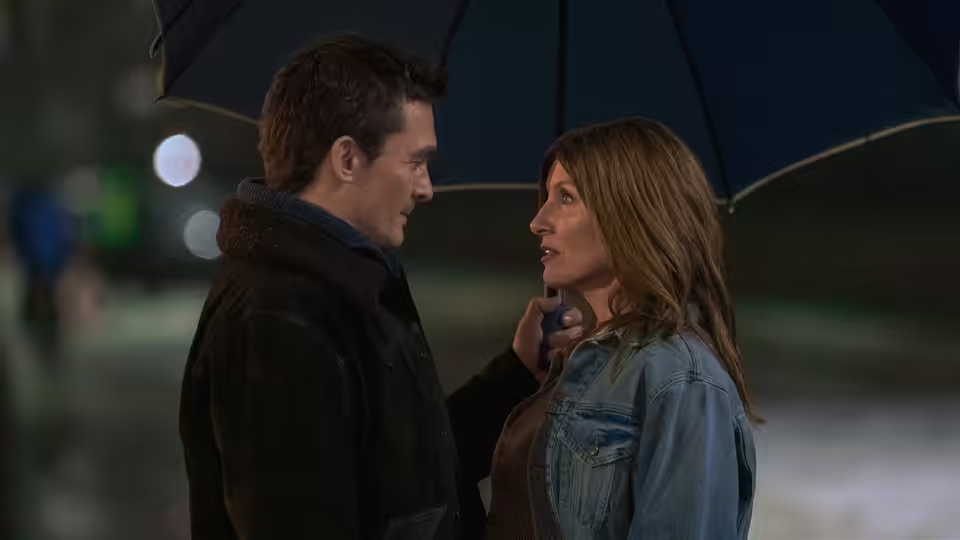
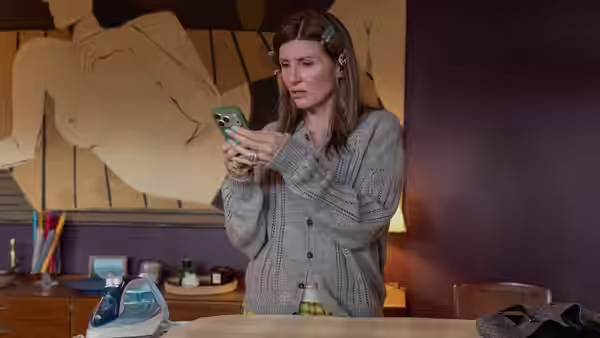
Sharon Horgan turns the menopause into a comedy of bad decisions and has the nerve to play it without asking for sympathy. It is funny, honest about the body and slighter about the heart, and it is best when she is on screen, which is most of the time.
Sharon Horgan has spent twenty years writing women who make poor decisions in full knowledge that they are poor. Pulling did it in a flat share, Catastrophe did it in a marriage, Bad Sisters did it with a corpse. Youth, which she created and leads, gives her the subject those shows were circling all along: a woman at fifty whose body has stopped cooperating and whose judgement was never much good to begin with. It is good, often funny, and worth your evening if you have ever been fifty or worried about becoming it. It is also lighter than it looks, and we will come to that.
The pitch is the tagline, “Not wasted yet”, and the series takes it as a dare. Horgan’s woman is not in crisis in the way television usually means it. Nobody has died and nobody has left. What has happened is smaller and less dignified: her body has started doing things at inconvenient moments, her work still expects her to turn up sharp, her family has views, and she has decided, against most of the evidence, that romance is still available to her. The show treats each of these as a comic problem first and a sad one second, which is the right order.
Horgan the performer is the reason it works. She has always been good at playing intelligence badly applied, and here she plays a woman who can see her own mistakes coming and makes them anyway, out of appetite. She does not soften the physical stuff. She lets a joke about her own body run on past the laugh, until it stops being a joke and becomes a fact she has to live with, and then she moves on without comment. We laughed more than we had expected to, and then, once or twice, we went quiet, because the show had not cut away when we assumed it would. That is the honesty the reviews so far have praised, and they are right about it.
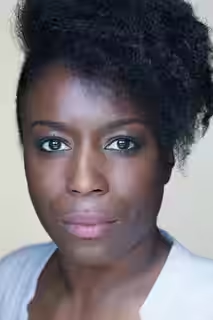
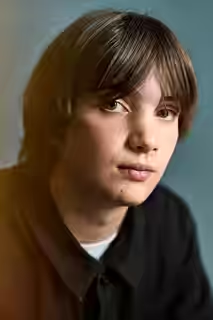
Rupert Friend, Sharlene Whyte, Aran Murphy and Robbie Gee are around her, and the writing is generous to them without ever being about them. This is a one-woman show with company, and it knows it. The supporting parts are drawn well enough that you would happily spend more time with any of them, and thinly enough that you rarely do. Friend in particular is used sparingly, and the series is slightly better when he is in it than when he is not.
The weakness is that the romantic flailing, which is the spine the series has chosen for itself, is the least interesting thing in it. The scenes about work and about the body have something to tell you that television has mostly avoided. The scenes about dating tell you things you have heard before, and Horgan knows it; she plays them quickly, as if slightly embarrassed to be there. The result is a series that is easy to like and easy to put down. Eight episodes go past briskly, and a few of them leave nothing behind. Most critics have called it breezy as a compliment. We would call it breezy and mean it both ways.
Set against Horgan’s own work, it sits below Catastrophe, which had Rob Delaney across the table to argue with. Here she is arguing with herself, and she wins too easily. It is warmer than Pulling and less ambitious than Bad Sisters, and it has something neither of those had, which is a subject that most of its audience is going through or dreading and that television has treated, until recently, as a punchline for other people.
Watch it two episodes at a time, with someone who is either your age or frightened of it. Do not expect it to stay with you long. Expect to laugh, and to recognise a good deal more than is comfortable.