Bridget Everett and Jeff Hiller make a small, foul-mouthed comedy about grief and friendship in a Kansas town, and it is among the best things made for television in years. It is also slow, short and almost entirely without plot, and it means to be.
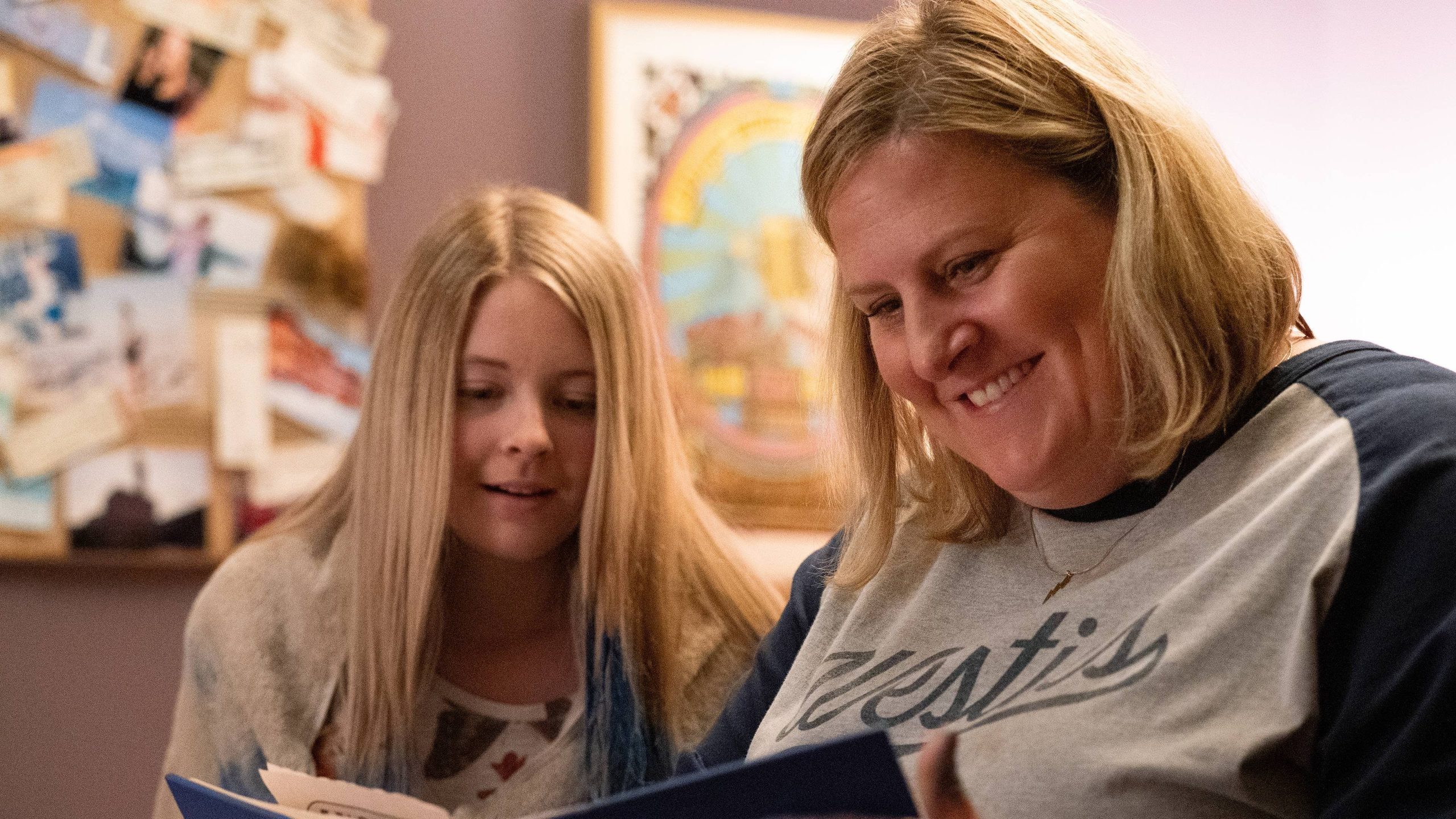
Sam Miller (Bridget Everett) is in her forties, back in Manhattan, Kansas, the town she grew up in and left, sleeping in her dead sister’s house and marking standardised tests for a living. Paul Thureen and Hannah Bos have built a comedy around a woman who has decided, well in advance, that nothing much is going to happen to her. Over three seasons of seven episodes the series sets about proving her wrong, gently, and it is one of the best things made for television in recent years. That is our verdict. The caveat is that it is slow, small and short, and if you need a plot you will be waiting some time.
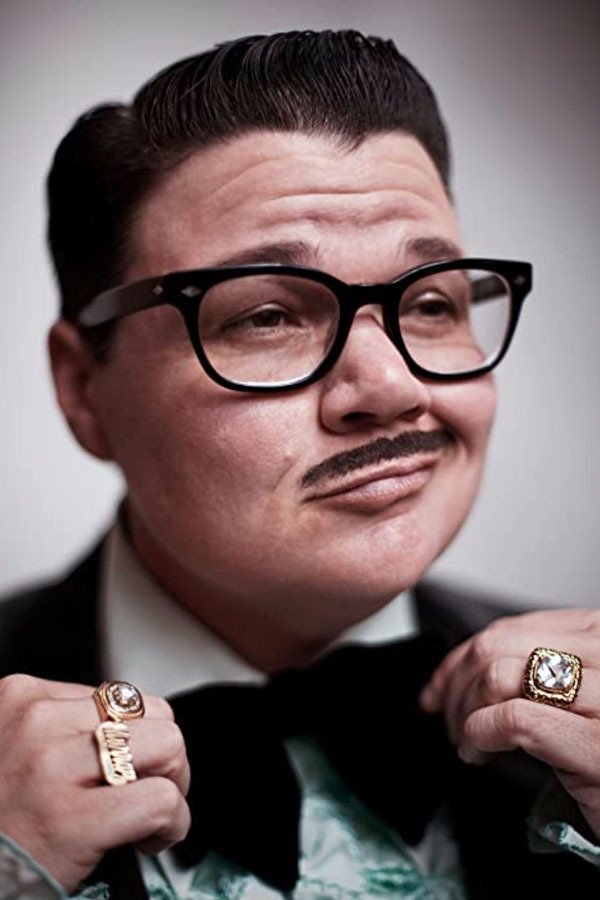
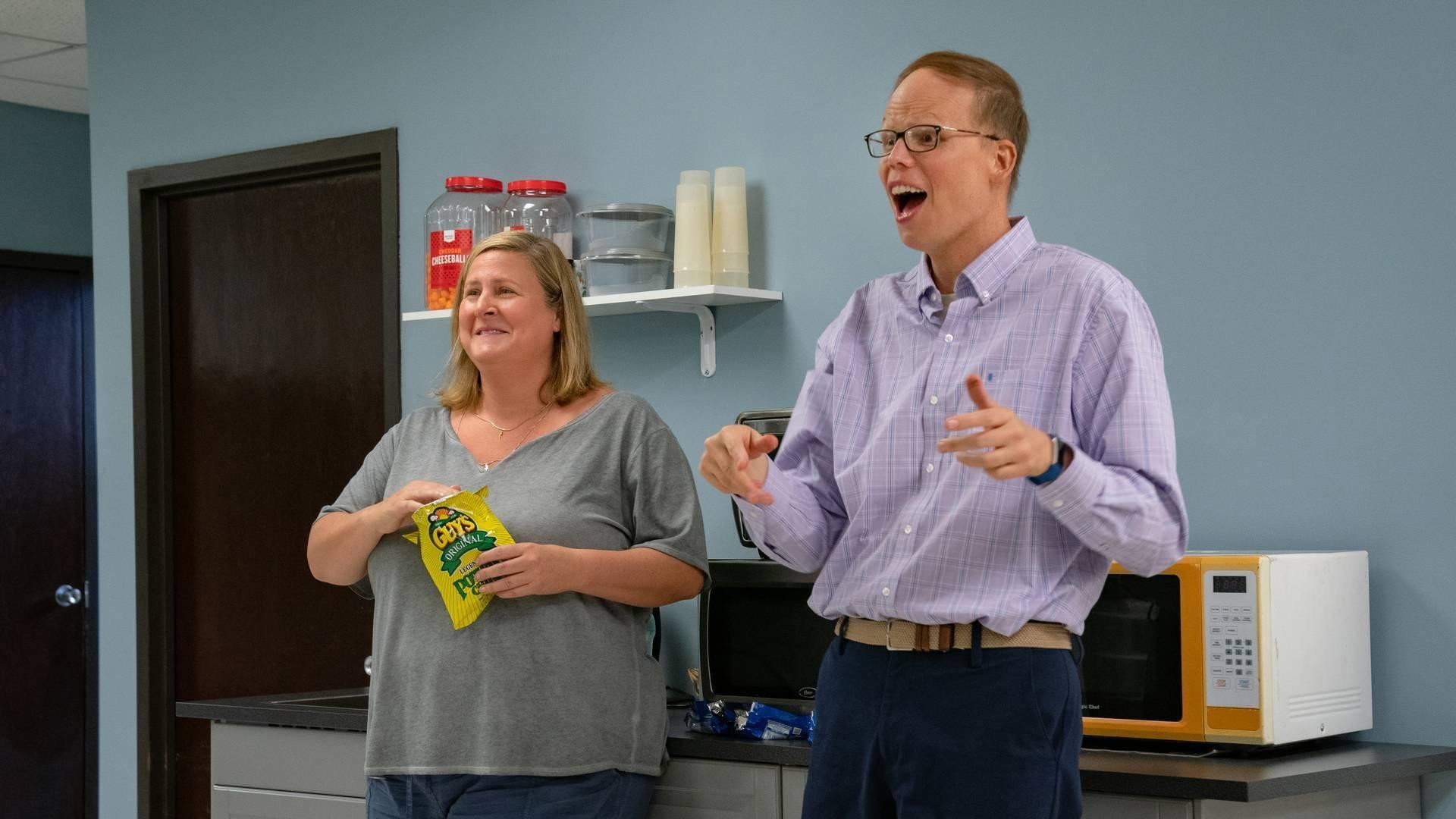
The engine is Joel (Jeff Hiller), a colleague from the test-marking floor who remembers Sam from school show choir when she does not remember him. He invites her to choir practice, which turns out to be a cabaret night held after hours in a shopping-centre church, run by Fred Rococo (Murray Hill) and attended by people the town has not found much use for. Sam, who used to sing and stopped, sings. The first episode ends there, and we were in tears. It was not the song, which is good, so much as Hiller’s face while she does it: a man watching a friend remember she is alive.
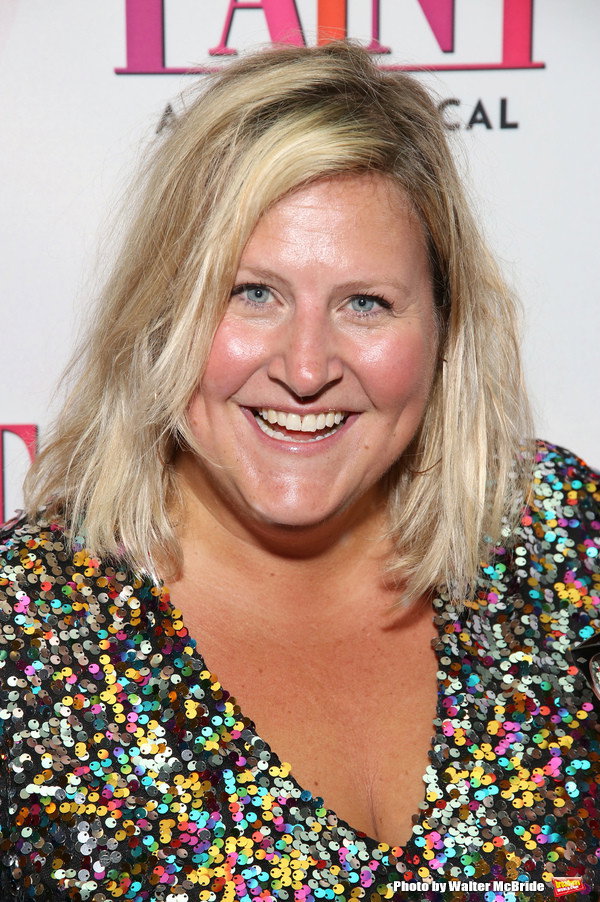
Everett wrote on the series as well as leading it, and it is built to her measure. She is a cabaret singer with a big voice and she uses it perhaps three times a season, which is the right number. The rest of the time she plays a woman who has learned to get in first with the joke about herself before anyone else can. Hiller is even better. Joel is devout, tidy, hopeful and a little lonely, and Hiller never once asks you to find him adorable. The two of them talk the way friends do, over each other and about nothing, and the series will happily spend five minutes on a conversation in a parked car.
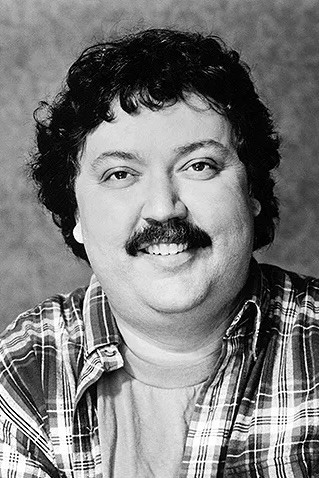
Around them, the family. Mike Hagerty plays Ed, Sam’s father, a farmer of few words who is kind to his daughter in a way nobody else in the house manages, and Hagerty does most of it with a nod and a coffee cup. Mary Catherine Garrison’s Tricia is brittle, churchgoing and married to Rick (Danny McCarthy), and the writers give her a whole life rather than a list of faults. Jane Brody’s Mary Jo drinks, and the show is honest about how tedious that is for everyone around her. Jon Hudson Odom’s Michael and Ora Jones’s Pastor Deb fill out a town that feels as though it carries on when the camera leaves.
Jay Duplass, Robert Cohen and Lennon Parham share the directing, and they have agreed on a look: flat Midwestern light, long takes, big skies, kitchens shot from the doorway. Nobody is lit to look better than they do, and Everett in particular is filmed as she is, which remains rarer than it should be. The cutting lets a joke land and then stays for the awkward second afterwards, which is where most of the laughs are. The certificate is 18, chiefly for language, and the language is the funniest thing in it.
The series has almost no interest in incident. There are episodes, mostly in the second season, where a week passes and the only event is a barbecue, and we felt once or twice that Thureen, Bos and their writers were so fond of everyone that they could not bear to let anything go wrong. Seven episodes a season is not many. The third and final season closes the thing before it has quite finished with Sam, and we would have taken another year.
Set against the run of American half-hour comedies about sad people, it stands apart for what it will not do. It never reaches for swelling music. When somebody cries, it is over something small, and the camera does not move in. Most critics have been as warm as we are, and for once we have no quarrel with them.
Watch it two episodes at a time, in the evening, with someone you can sit in silence next to. It is not a series to get through. It is one to keep company with.