Laura Dern and Mike White’s series about a woman who comes back from a breakdown determined to do good is slow, uncomfortable and one of the sharpest things made about office life. It asks for patience and repays it, and Dern has never been braver.
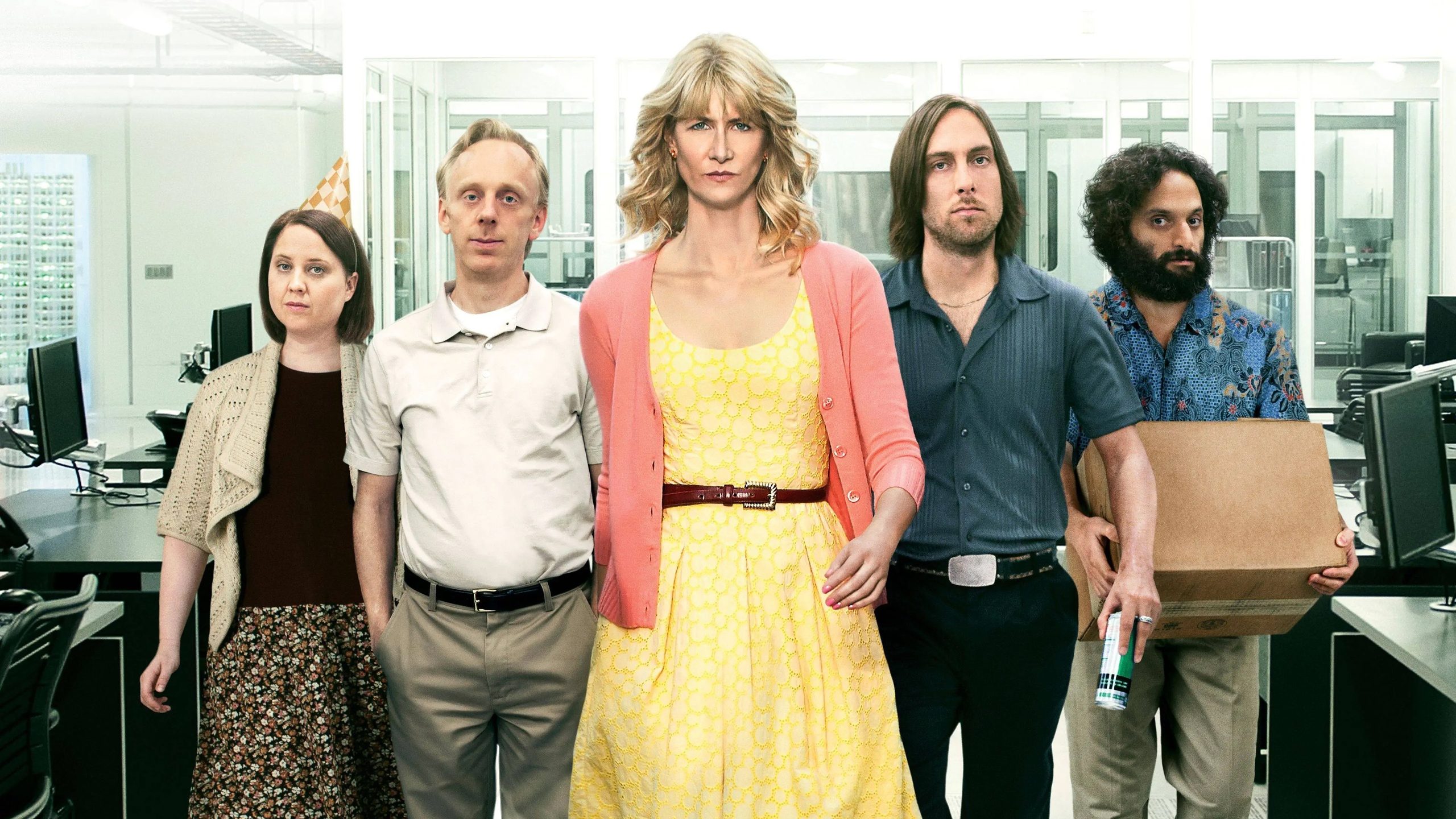
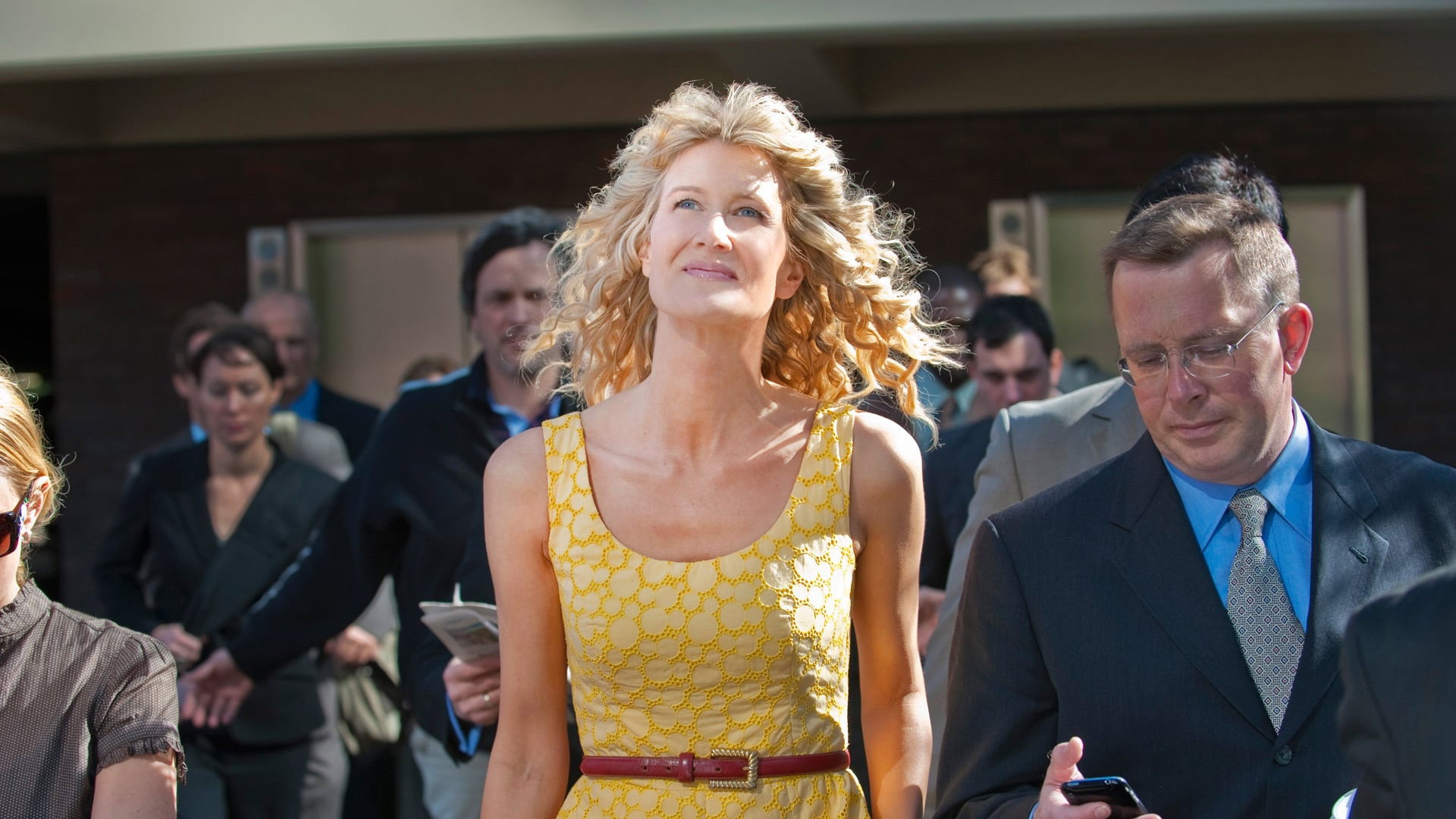
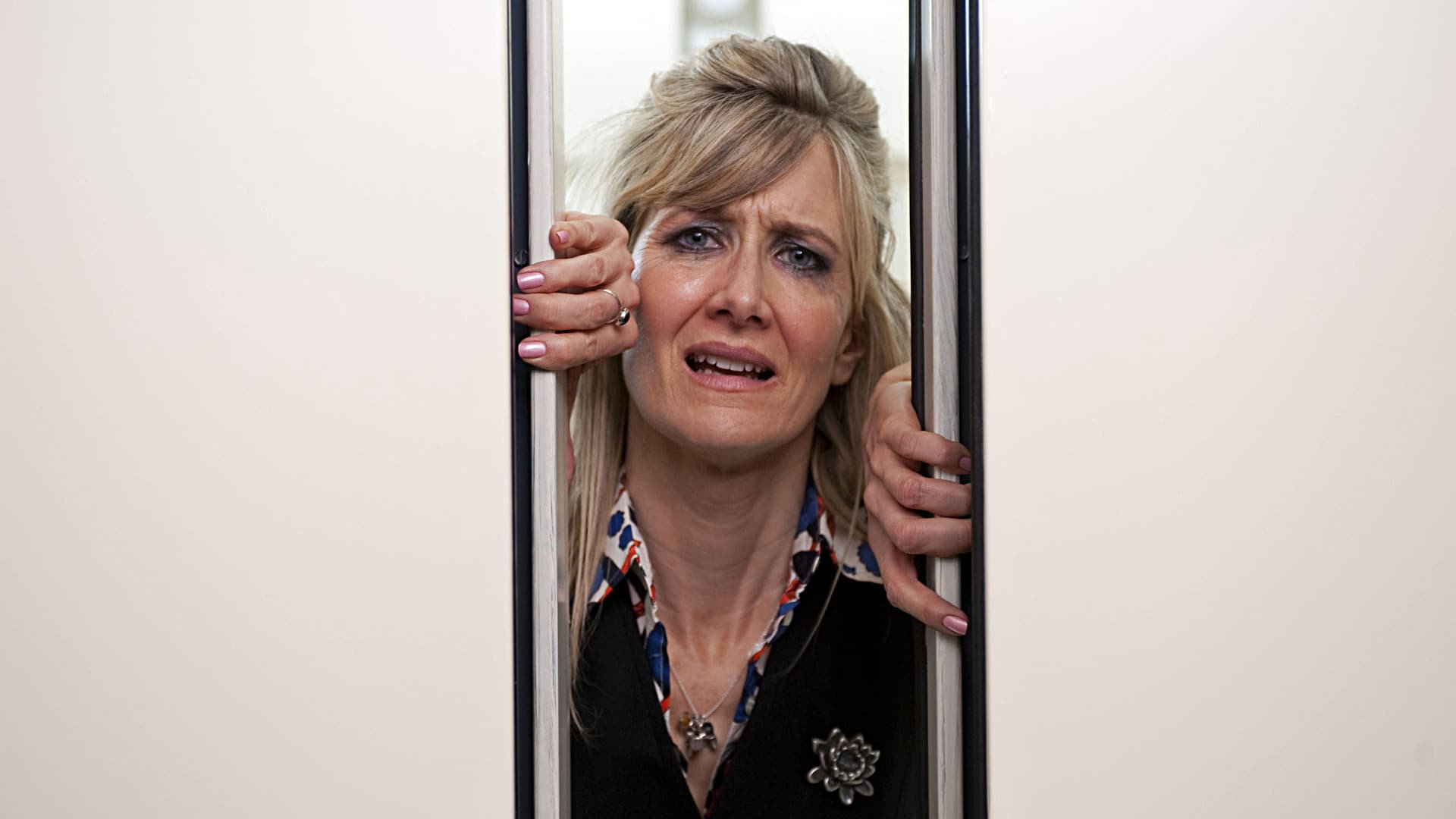
The first thing we see of Amy Jellicoe is mascara. She is in a toilet cubicle at work, crying so hard she cannot breathe, and within a few minutes she is in the corridor, holding the lift doors open with her hands so she can finish shouting at the man who has dropped her. Then she goes to Hawaii, sits by the sea, learns to breathe, and comes back to California convinced she is a new person. Nobody else agrees. That is the whole premise of Enlightened, and Mike White, who created it with Laura Dern and writes it, spends eighteen half-hours refusing to make it simpler than it is.
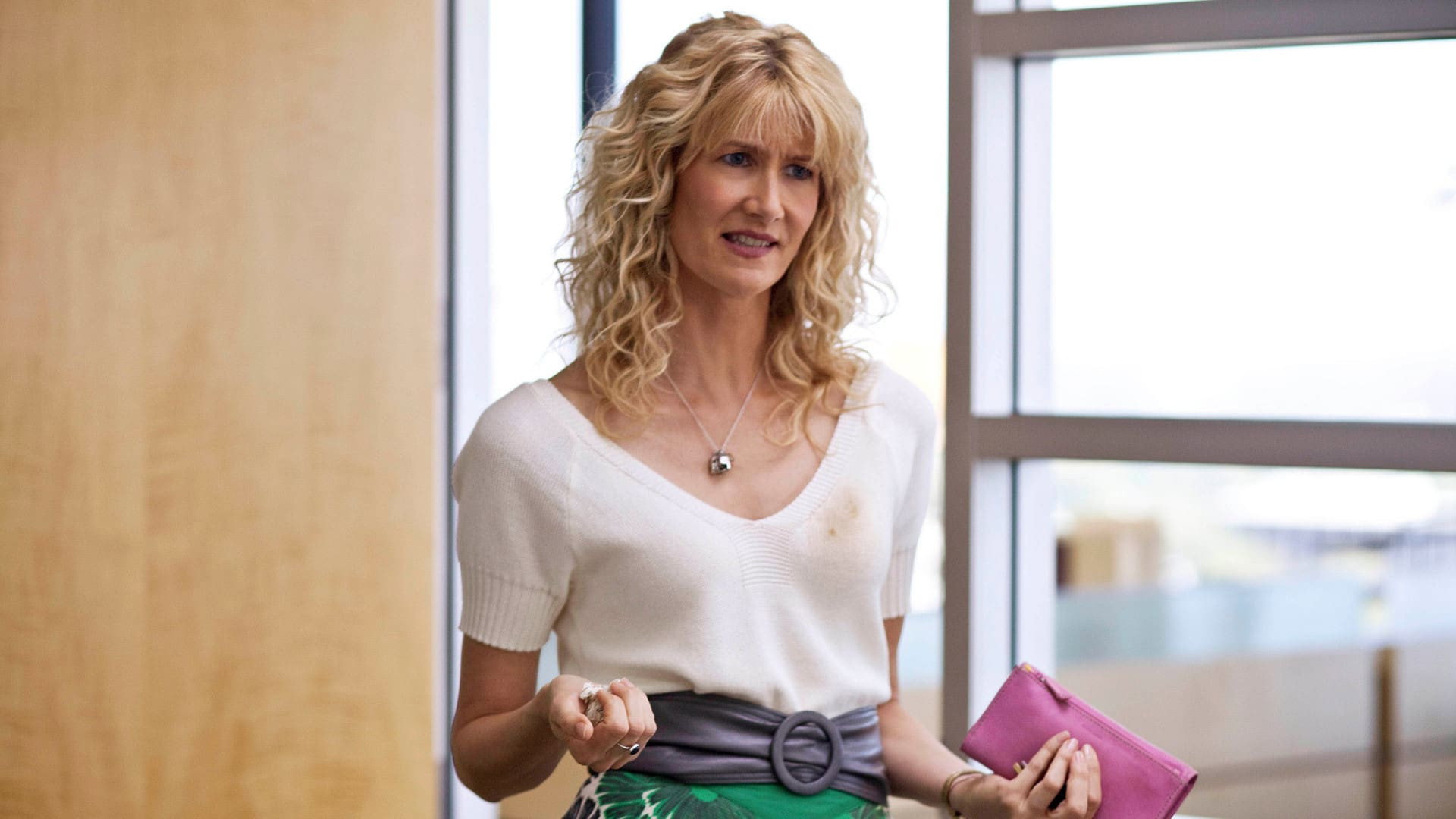
Dern is the reason to watch, and it is not a close contest. She plays Amy with a smile held a fraction too long and eyes that keep checking whether the smile is working. The series gives her a running voiceover, Amy narrating her hopes for the world over shots of birds, water and the freeway, and the joke and the sorrow of the programme live in the gap between that voice, which is calm and kind and rather beautiful, and the face, which is neither. Dern never plays Amy as a fool. She plays a woman who has been told the truth about herself once, in a room in Hawaii, and has decided to tell it to everyone else whether they want it or not.
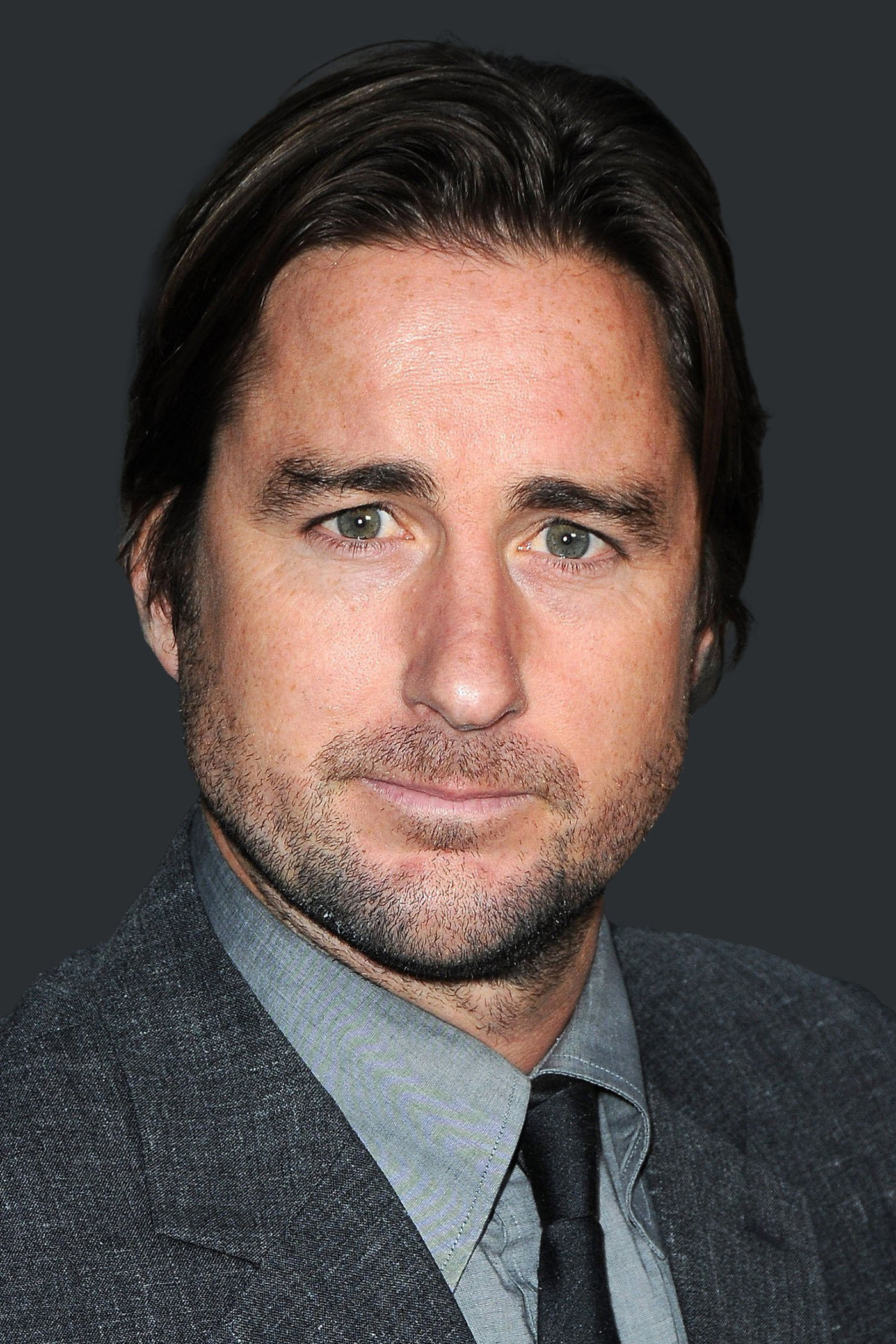
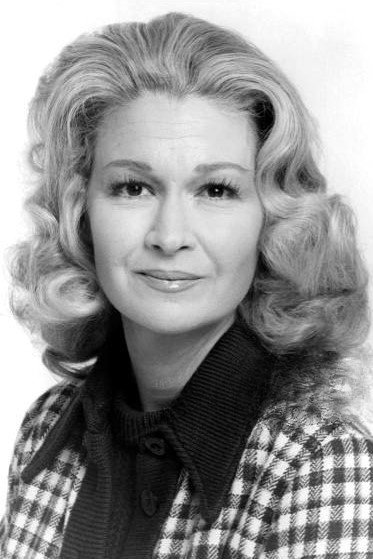
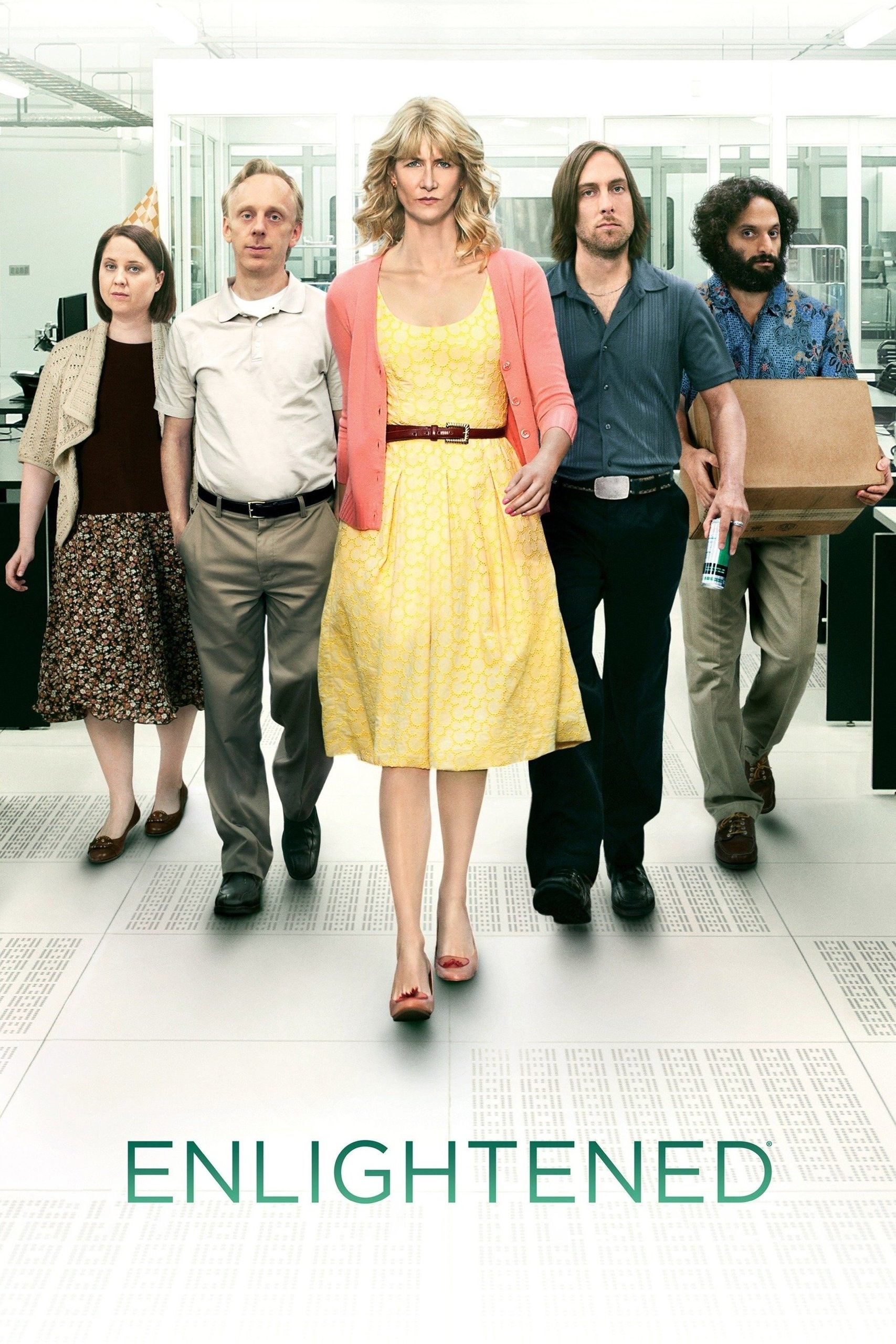
They do not want it. Timm Sharp’s Dougie runs the basement with the vocabulary of a stag weekend and the authority of nobody. Sarah Burns, as Krista, is kind to Amy in the careful way people are kind to someone they have already written off, and it is a small, precise piece of acting. White himself plays Tyler, pale, unmarried, wanting nothing, and gives him the flat patience of a man who has decided long ago that being noticed is a risk. Luke Wilson’s Levi is on the sofa with the curtains drawn and a habit he is not hiding. Diane Ladd, Dern’s own mother, plays Helen, and their kitchen scenes, in which almost nothing is said and everything is understood, are among the best in the run.
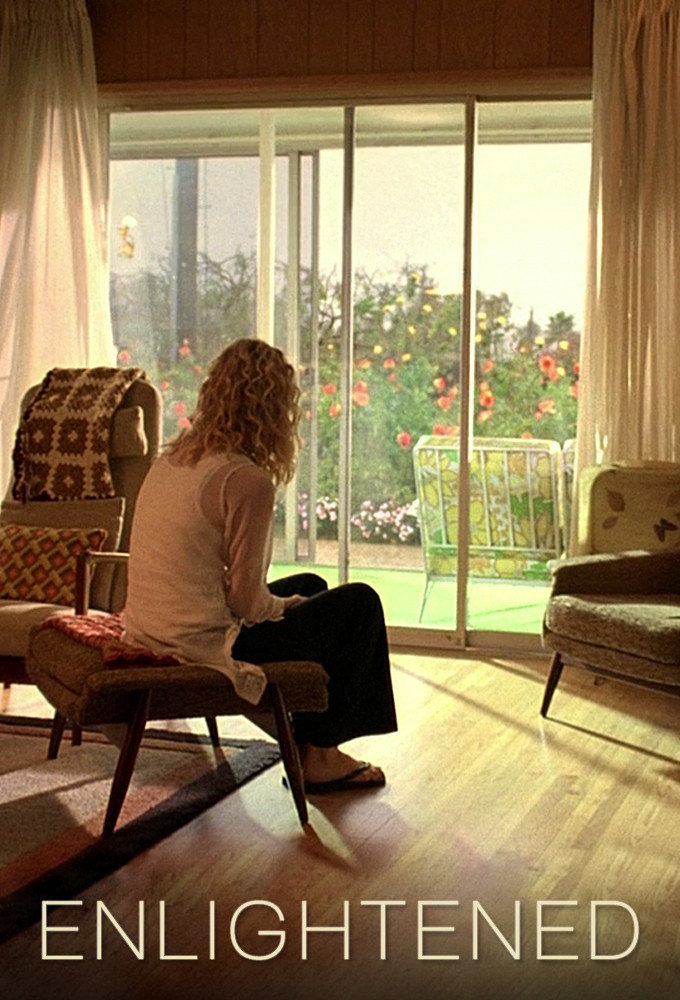
The directing hands change and the look does not. Jonathan Demme, Todd Haynes, Nicole Holofcener, Miguel Arteta, David Michôd, James Bobin and Phil Morrison all take episodes, and you would struggle to tell which. The office is grey partitions and overhead strip light; the basement is the same, lower; Amy’s house is her mother’s, and it shows. Hawaii is the only place with colour, and the series keeps cutting back to it, green and blue and far away, as the thing Amy is trying to carry home in her hands. Episodes end on water more often than they need to.
Here is what happened to us. For two episodes we laughed at her, at the affirmations, at the sharing circle she tries to start among people who came to work to be left alone. Somewhere in the third we noticed she was right about the company, right about the men above her, right that the world could be kinder, and that the only thing wrong with her was the way she said it. We felt slightly ashamed of the laughing. The programme does not let you off that hook; it is built to put you on it.
It is slow, and we will not pretend otherwise. It runs 29 minutes an episode and never once hurries. The middle of the first season, ten episodes from 2011, wanders, and some viewers will be gone by the third instalment, exhausted by a woman who does not stop. Several critics found it hard to like her, and we understand that; the difference is that the series has noticed she is exhausting and made that the subject. The second season, eight episodes from 2013, is tighter and gives Amy a purpose we will not describe. It is the better run, and it needs the first.
White has written workplace comedy before, and the usual version tells you the office is absurd and the people in it are small. This one says the office is absurd and the people in it are doing their best, including the ones who are doing badly. It takes Amy seriously, which almost nobody in her life does. Watch two episodes before you decide. Then watch the rest, and try not to think about your own colleagues while you do.