Film review

Nebraska

2013 · Directed by Alexander Payne · 1h 55m · MPA R

In a sentenceA family road trip with a man who appears to regard conversation as an optional extra

DramaAdventure

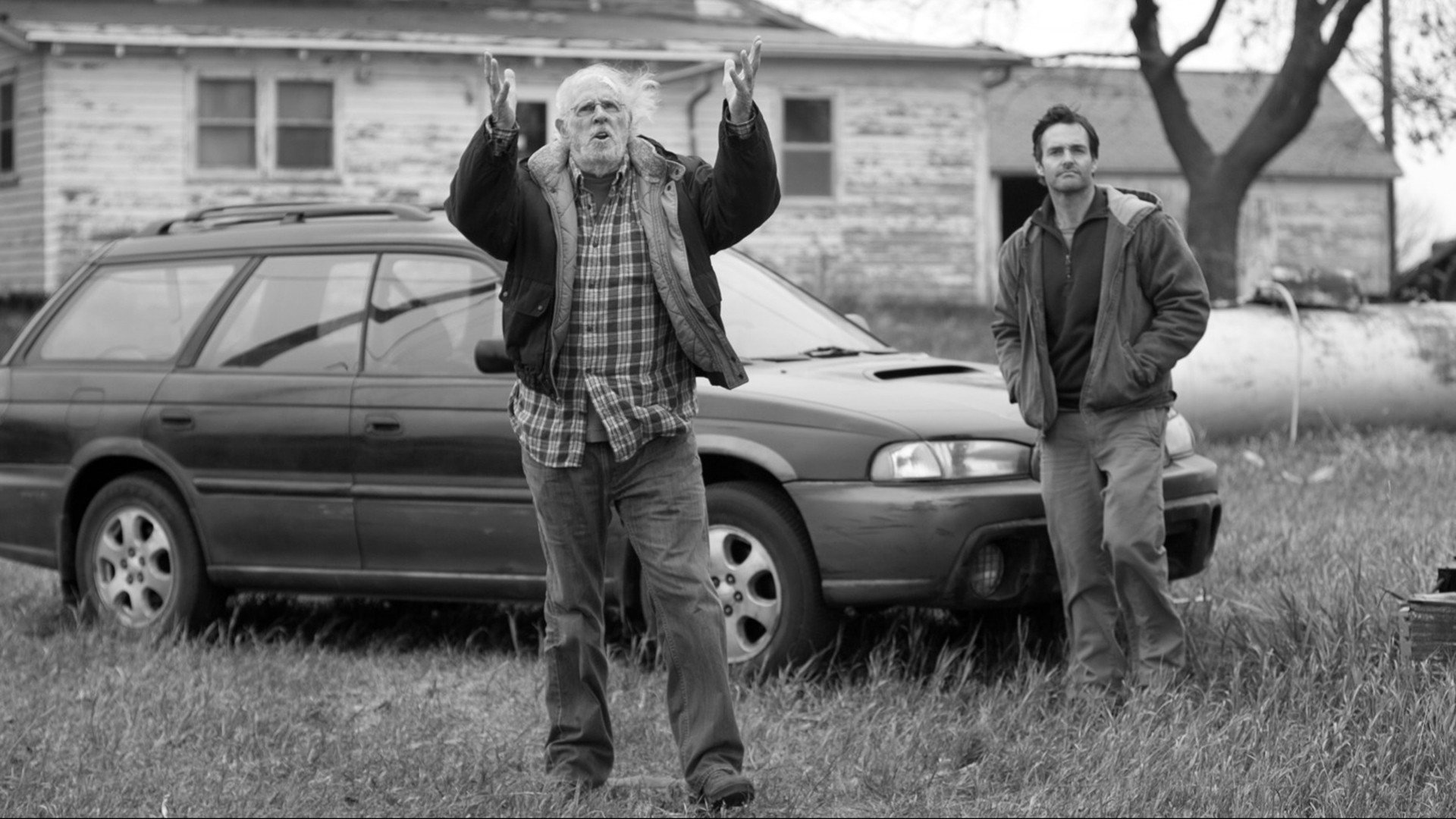
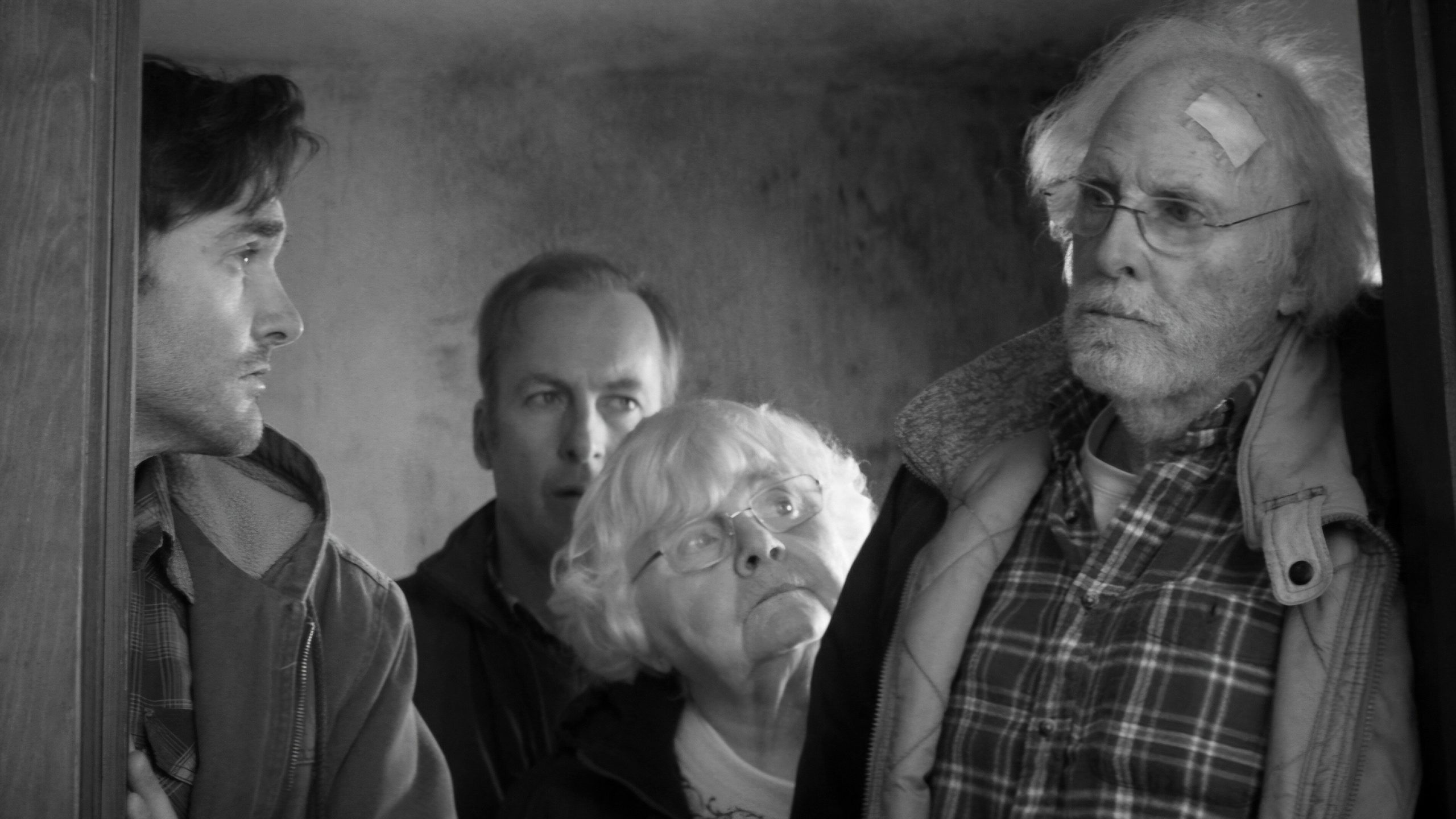
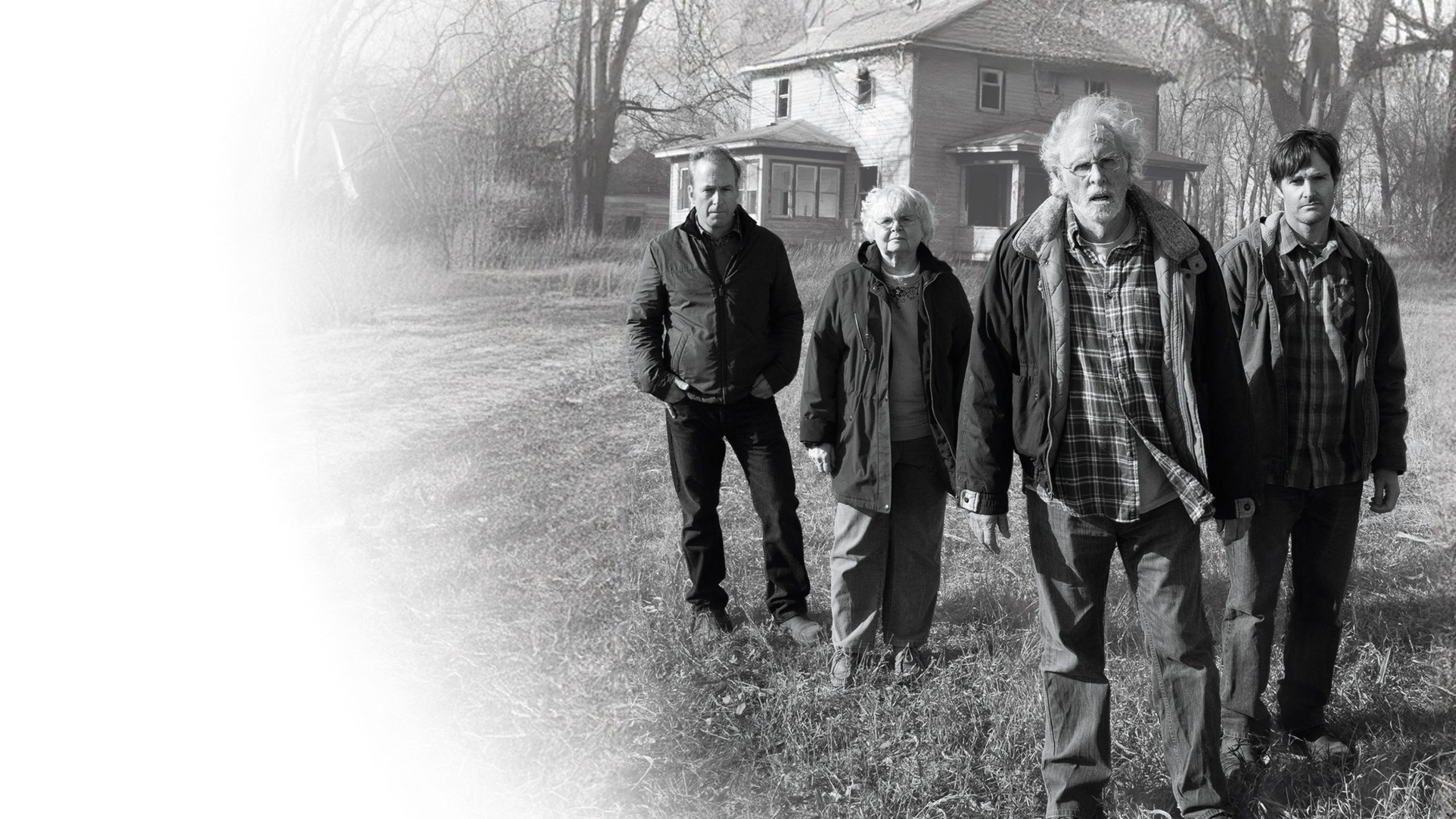
Woody Grant (Bruce Dern) is an ageing father whose relationship with his son David (Will Forte) has plenty left unsaid. A journey together takes them through the American Midwest and into the family history. Woody is stubborn and not much given to conversation. His wife Kate (June Squibb) has things to say about him, too, and little inclination to soften them. Alexander Payne directs this road drama, written by Bob Nelson, about family, ageing and the difficulty of talking to someone close.

Plays from YouTube when you press play; nothing loads from them until then.

Fi1m review

Alexander Payne’s Nebraska is funny and quietly moving, with Bruce Dern making an awkward, uncommunicative father worth the trouble of understanding. Some rural jokes are too easy, but the family feeling earns our patience.

Alexander Payne’s Nebraska is a warm, funny film about the patience an awkward parent can demand, and we recommend it despite some easy jokes. Bob Nelson’s screenplay sends Woody Grant and his son David on a journey through the American Midwest, where family history becomes difficult to ignore. The route is familiar from other father-and-son road films: time together should allow each man to understand the other. Payne makes that prospect seem difficult enough to matter, even when we can see where the drama is heading.

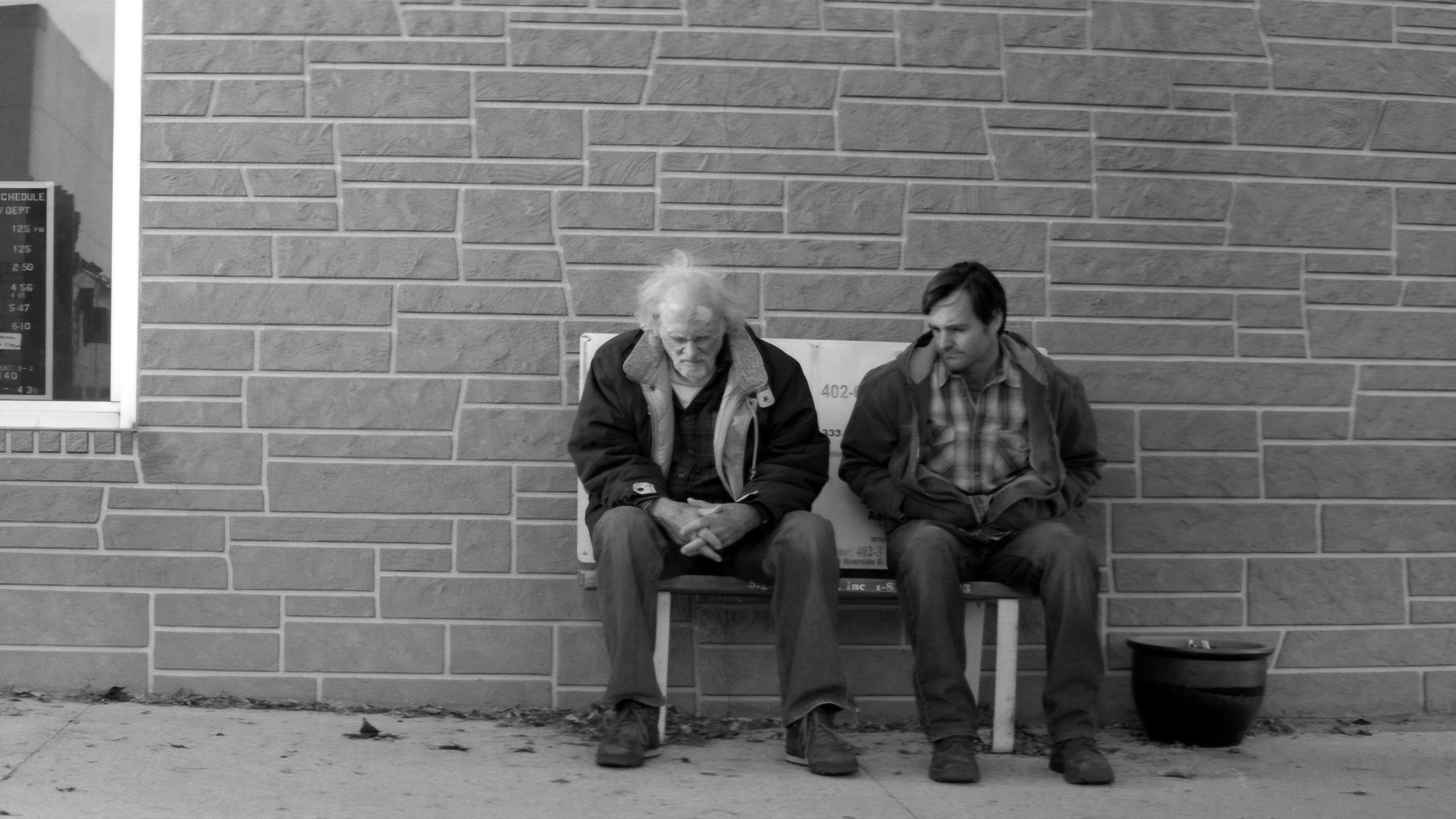
Bruce Dern does much of the work by declining to make Woody charming. His shambling, minimally verbal performance leaves room for stubbornness, disappointment and the ways this father has let his family down. We were moved by his difficulty in expressing himself, because Dern makes even the possibility of a frank exchange with his son feel remote. Will Forte gives David the necessary patience without making him saintly, and their scenes allow affection to coexist with the plain fact that Woody is difficult company.

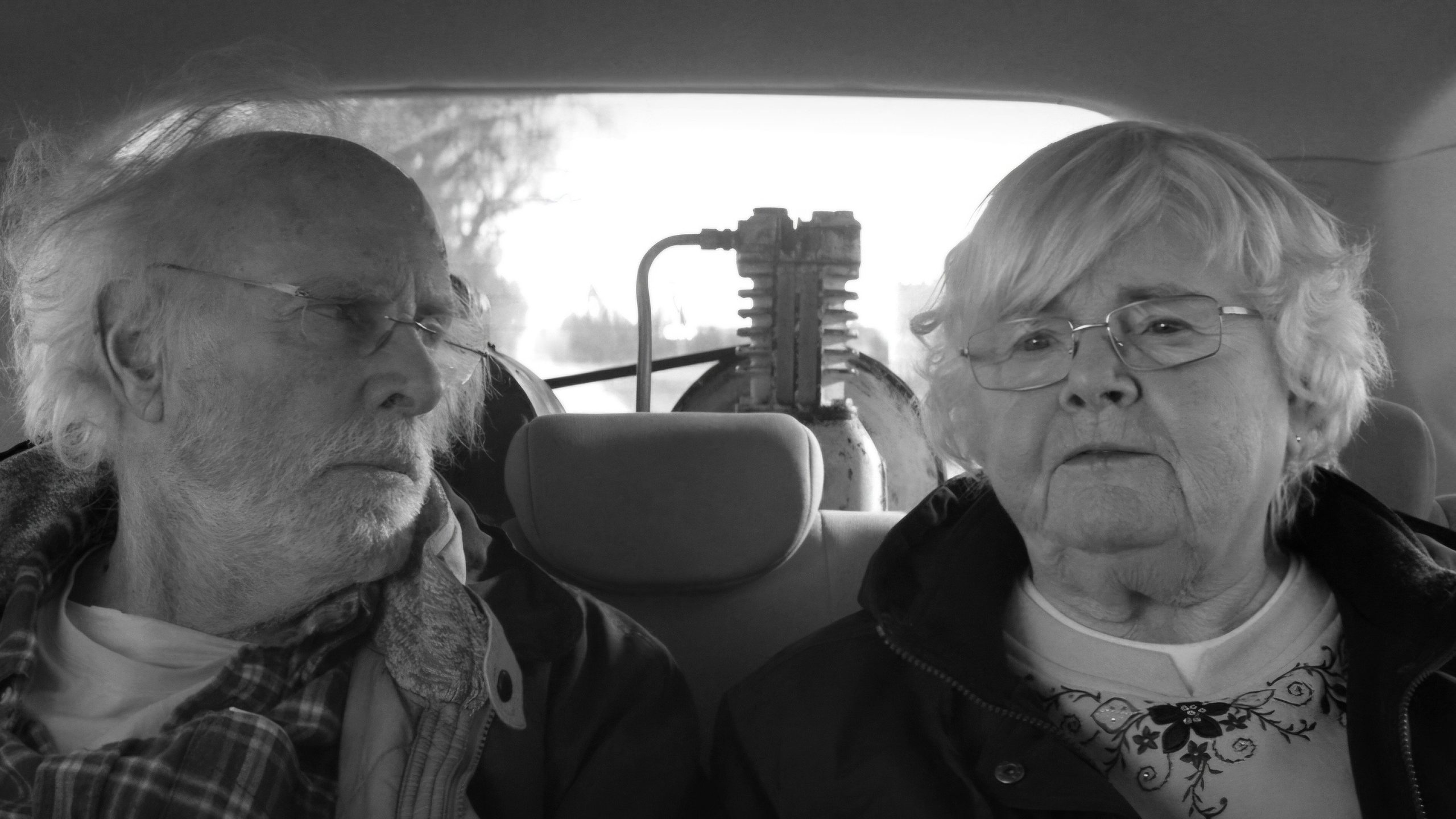
June Squibb, as Woody’s wife Kate, is less inclined to wait for anyone to find the words. Her profanity is funny because it sounds like accumulated irritation finally being given its proper vocabulary. Payne and Nelson sometimes push this kind of joke too hard, treating a lack of polish as if it were enough to make a person ridiculous. Squibb keeps Kate from becoming merely a reliable source of rude lines; there is familiarity and fatigue in the force of her complaints.

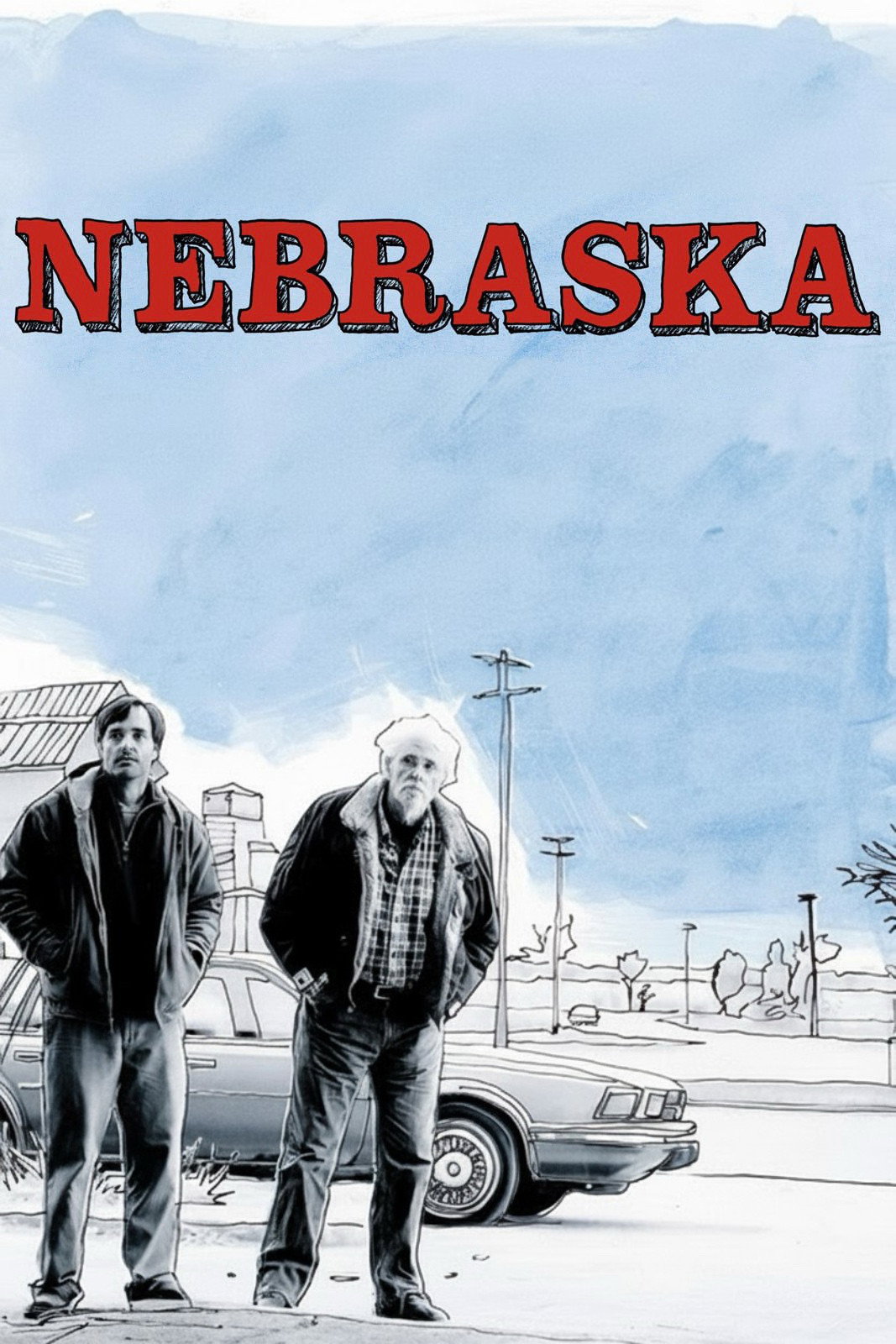
Phedon Papamichael’s black-and-white photography gives the Midwestern towns a severity that suits Woody, though it risks making every ordinary place look preselected for sadness. The images work best when we have time to look at the people within them and see how they occupy these places. J. Dennis Washington’s production design gives the small-town surroundings a convincing, unshowy ordinariness. We believe in them, though their consistency can make the film feel a little too certain about what small-town life must be like.

Kevin Tent’s editing is patient with the performances, a sensible choice when Dern can make a pause worth attending to. That patience is less helpful in the opening stretch, which takes too long to establish a rhythm and occasionally leaves us waiting for the film to get going. Mark Orton’s music feels sympathetic to the film’s gentler impulses, although the acting hardly needs help in that direction. A little more briskness early on would leave the important silences just as much room.

The family history gives the journey its weight. Nelson leaves enough disappointment between father and son to prevent the trip becoming a simple exercise in reconciliation. Stacy Keach’s threatening presence as Ed Pegram is useful here, unsettling a film that could otherwise grow too comfortable in its fondness for its people. That roughness is welcome in a genre which often expects a shared car journey to cure years of poor communication.

What stays with us is the amount of attention Payne gives to a man who offers so little encouragement in return. Dern lets Woody remain stubborn and hard to reach, and Forte makes the willingness to stay beside him seem like a choice that costs something. Give it an evening when a slow conversation sounds appealing, with the warning that one participant will do everything possible to avoid having it.
Critical consensus AI synthesised

80
Positive
11
Mixed
2
Negative
0

Most critics respond warmly to Nebraska’s mixture of caustic humour and tenderness, finding emotional weight in its father-son journey without much sentimentality. Praise centres on Bruce Dern’s restrained, physically expressive performance, with June Squibb and the wider ensemble also drawing notice. The black-and-white photography and close observation of small-town Midwestern life are recurring strengths: the reviews value how family histories, ageing and disappointment emerge through ordinary encounters rather than speeches.

The reservations concern pace, predictability and jokes that sometimes lean too heavily on Midwestern stereotypes. Little White Lies finds the opening shaky but says the film improves, while the Financial Times offers a firmer dissent, finding too little energy and too much reliance on Dern to enliven a predictable story. The spread is largely between enthusiasm and qualified approval, with even the less persuaded critics praising the central performance; the disagreement is over how much the film around it earns its feeling.

Evening Standard
6 December 2013
90*

The review hails the film as enchanting, funny, touching and true, ranking it among the year’s best. It singles out the vivid depiction of bleak Midwestern small-town life and Bruce Dern’s magnificent performance of shambling integrity as key strengths.

Read the full review →
Los Angeles Times
15 November 2013 · Kenneth Turan
85*

The film is poignant and ruefully funny, marrying tart-tongued comedy with unexpected warmth in a story touching on family, memory, getting old and staying alive. It singles out Bruce Dern’s opportunity to give the performance of a lifetime.

Read the full review →
The Independent
5 December 2013
85*

The critic calls it Payne’s best film yet, praising its tenderness toward the characters alongside caustic humour and forensic observation of their flaws. The austere black-and-white style and strong performances, particularly Bruce Dern’s, give the conventional father-son story real emotional impact without mawkishness.

Read the full review →
Variety
23 May 2013 · festival review · Scott Foundas
85*

Payne’s sixth feature is a low-concept, finely etched study of flawed characters stuck in life’s well-worn grooves, a wistful ode to small-town Midwestern life. It singles out Bruce Dern’s career-crowning performance as marvelous and nuanced.

Read the full review →
Vulture
14 November 2013 · David Edelstein
85*

The film is a bumpy ride but ultimately a triumph that arrives at a kind of gnarled grace true to the sorry old man and the family he let down. The critic singles out Bruce Dern’s beautiful near-pantomime performance and the emotional payoff of the father-son connection for praise.

Read the full review →
Empire
15 May 2013 · festival review · Damon Wise
80*

The critic sees it as a nuanced, poignant comedy that deepens into a study of family roots and generational dynamics. Strong ensemble work, especially Stacy Keach’s menacing turn and Bruce Dern’s sympathetic lead, is highlighted alongside the film’s wry humour and wistful tone.

Read the full review →

Cast

Awards

Academy Awards, 2014

Nominated
Best Actor
Nominated
Best Cinematography
Nominated
Best Director
Nominated
Best Picture
Nominated
Best Supporting Actress
Nominated
Best Writing, Original Screenplay

If you liked this, try…