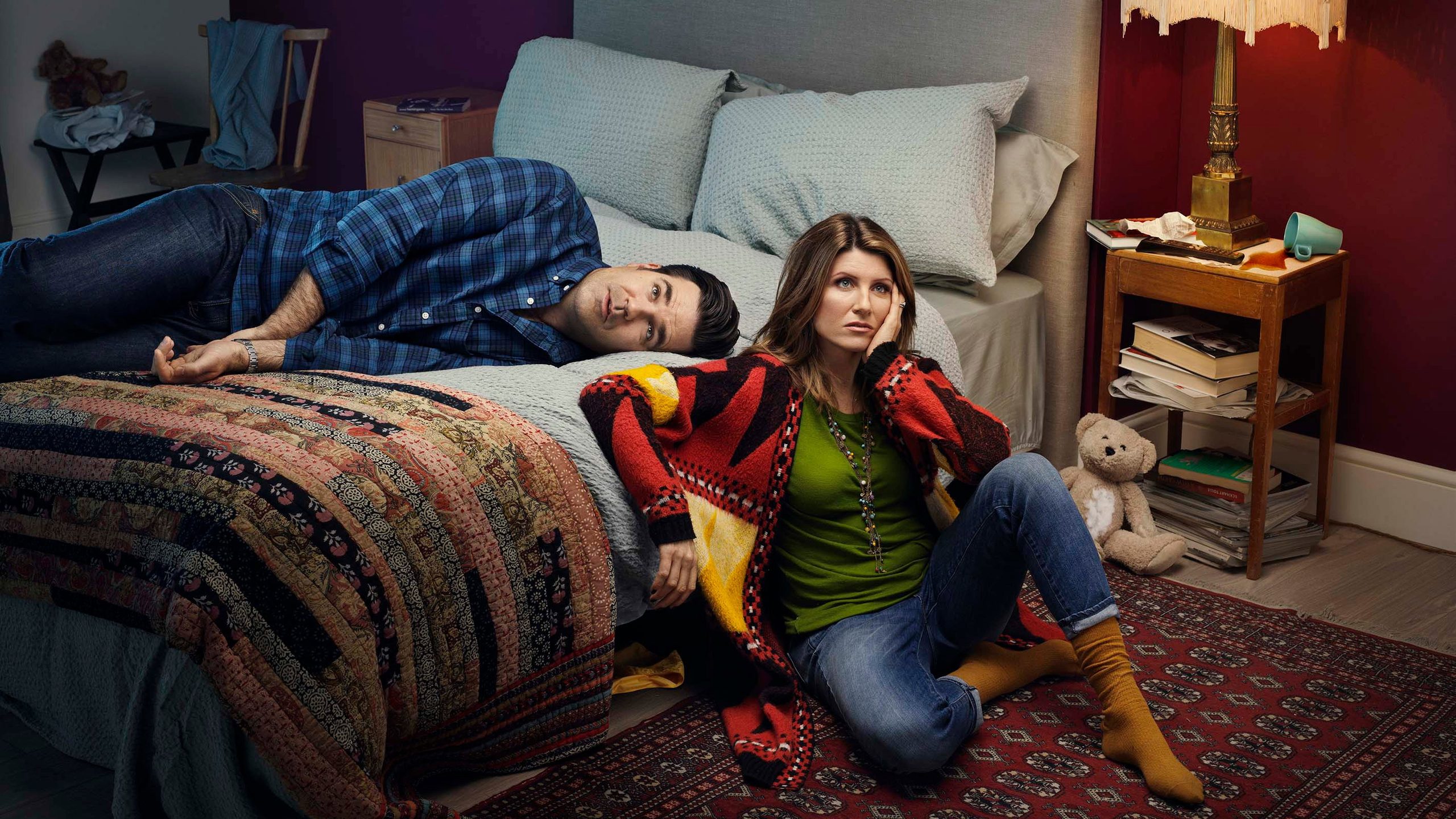
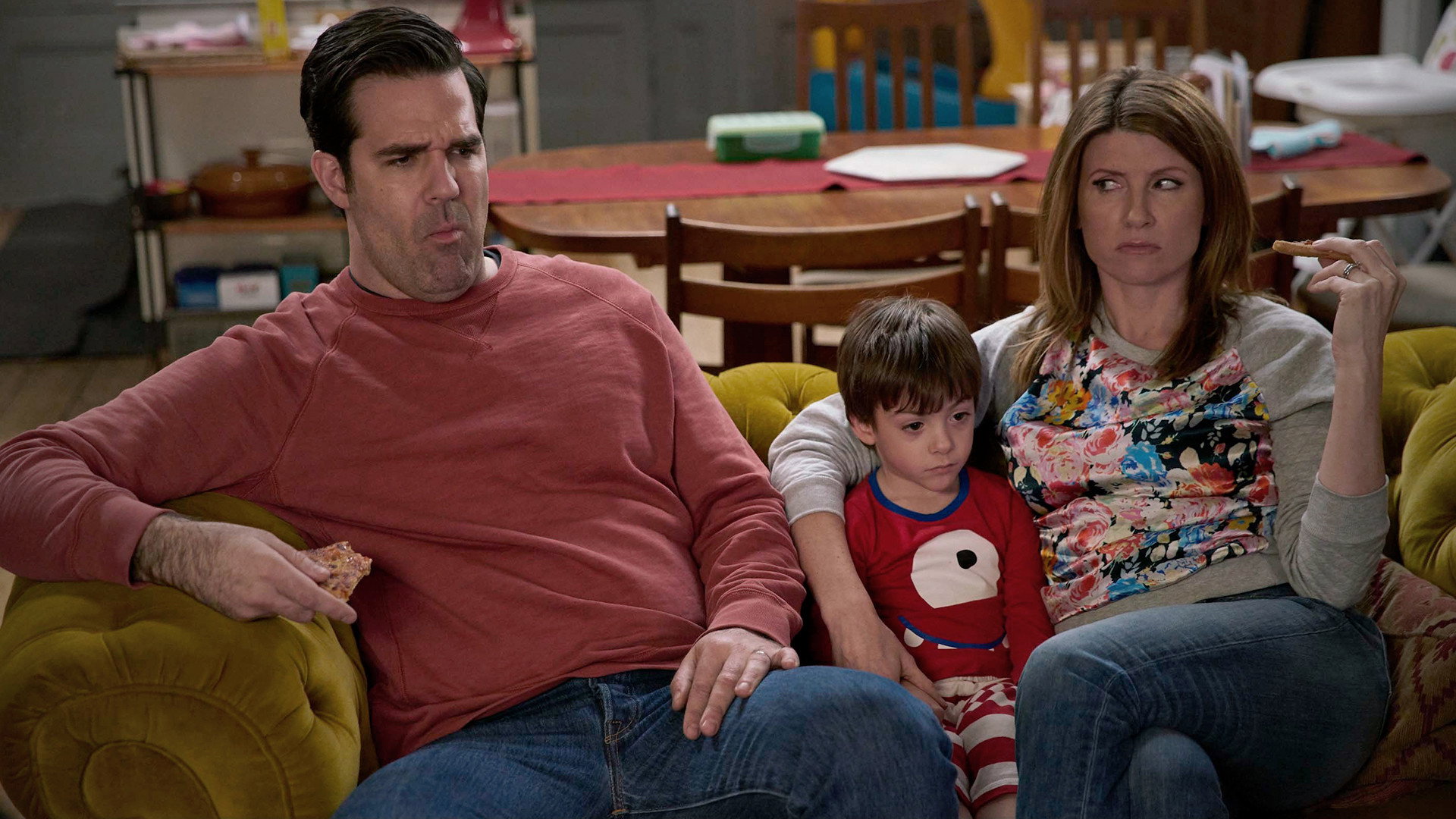
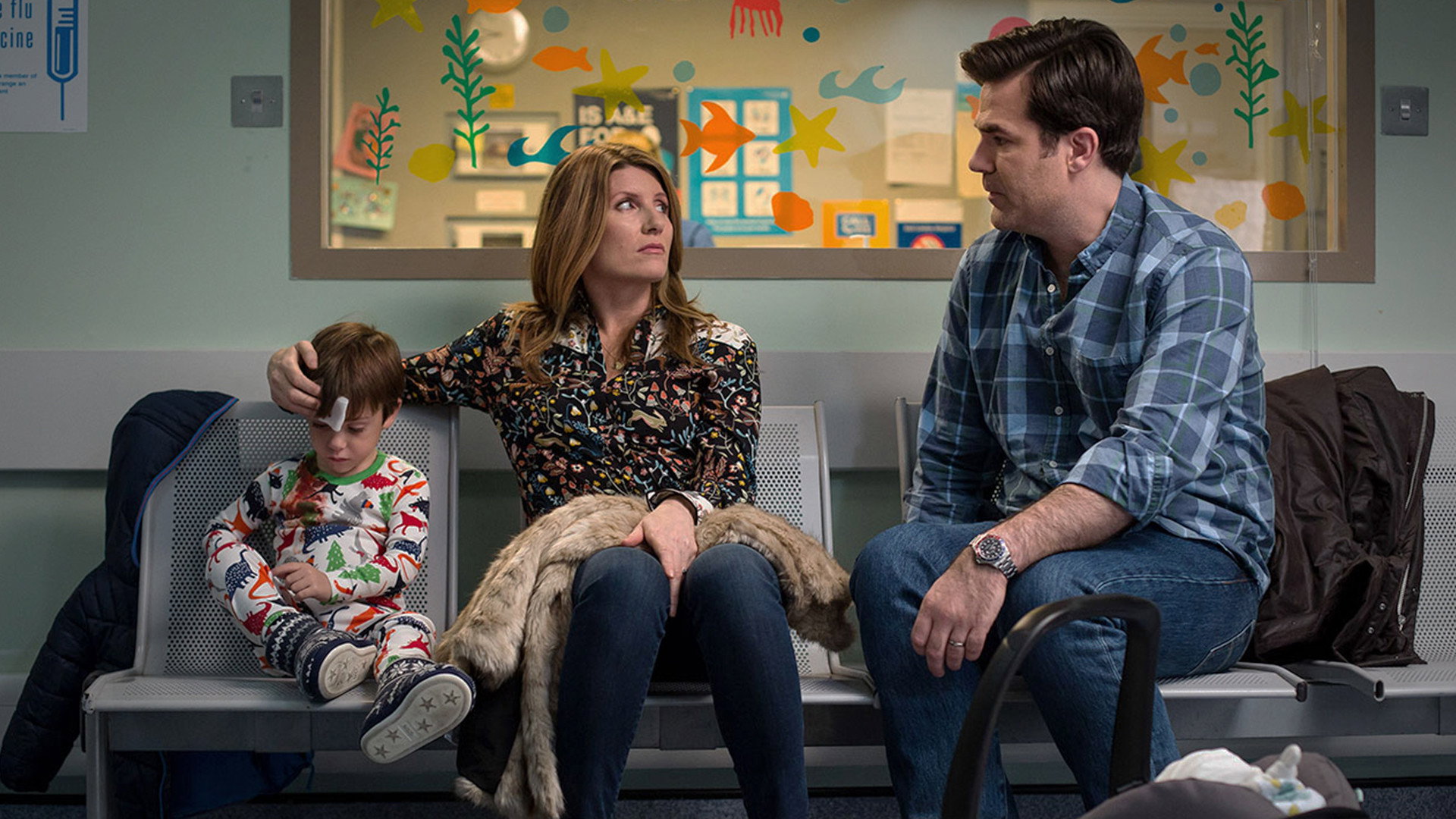
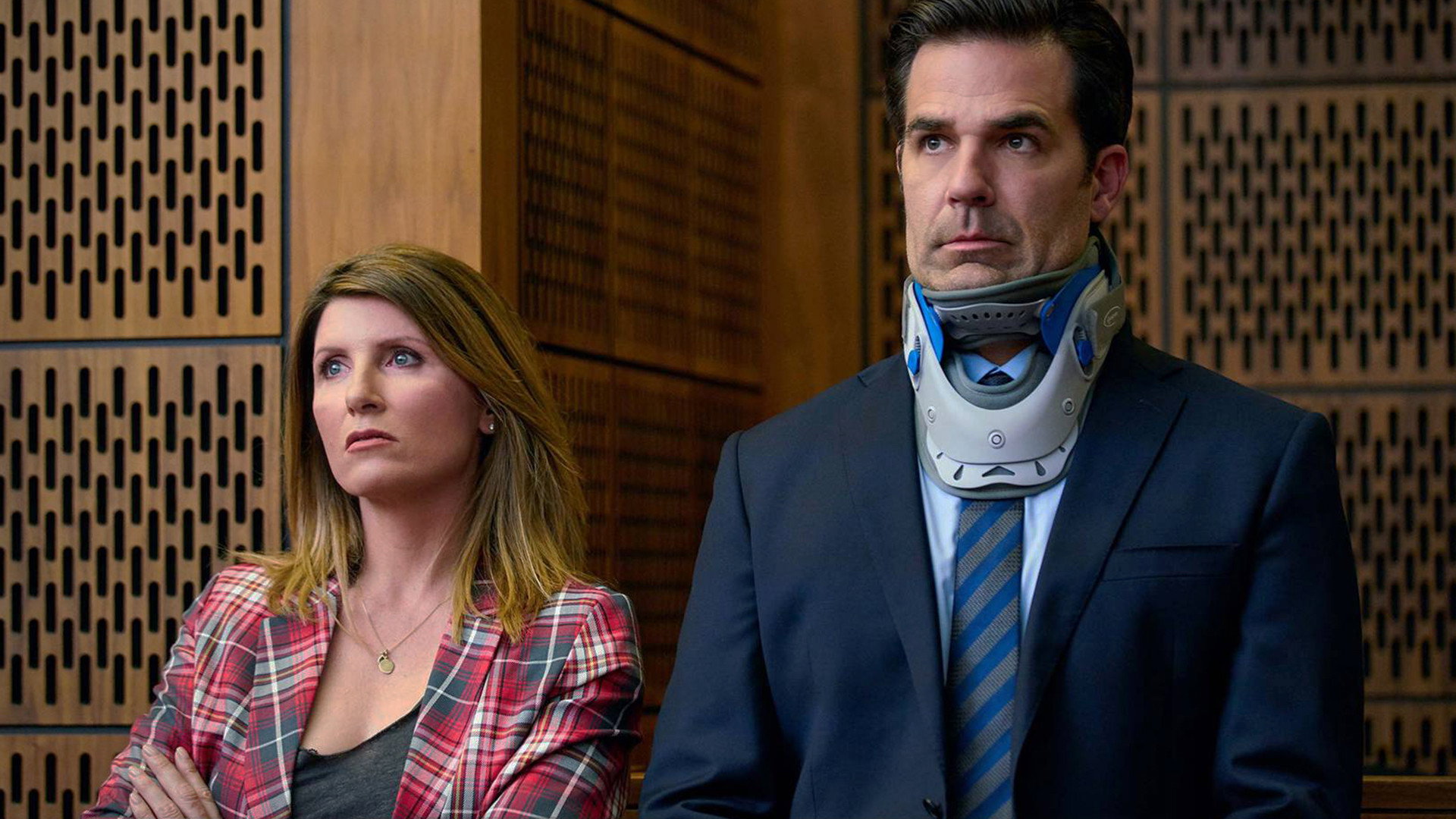
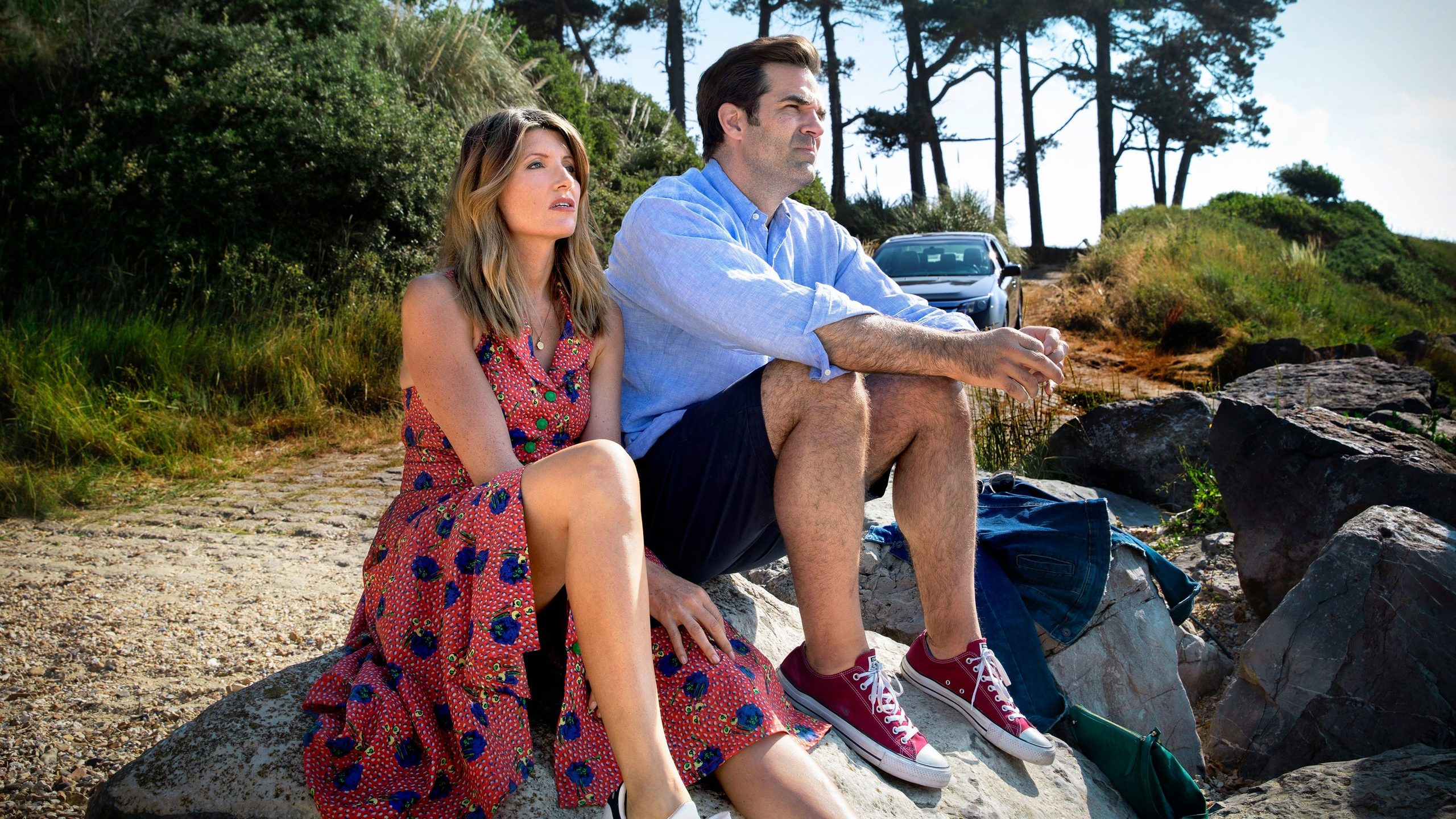
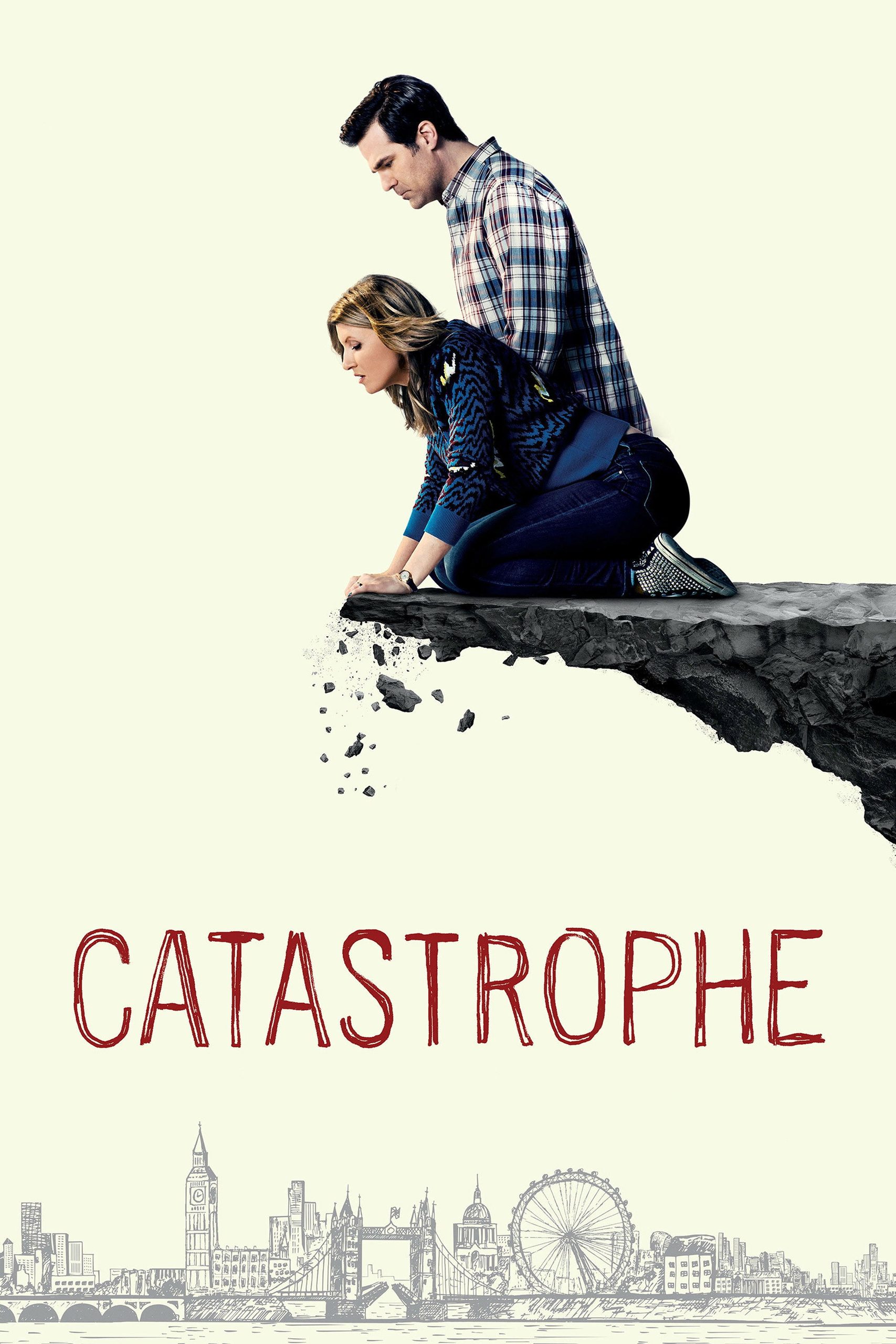
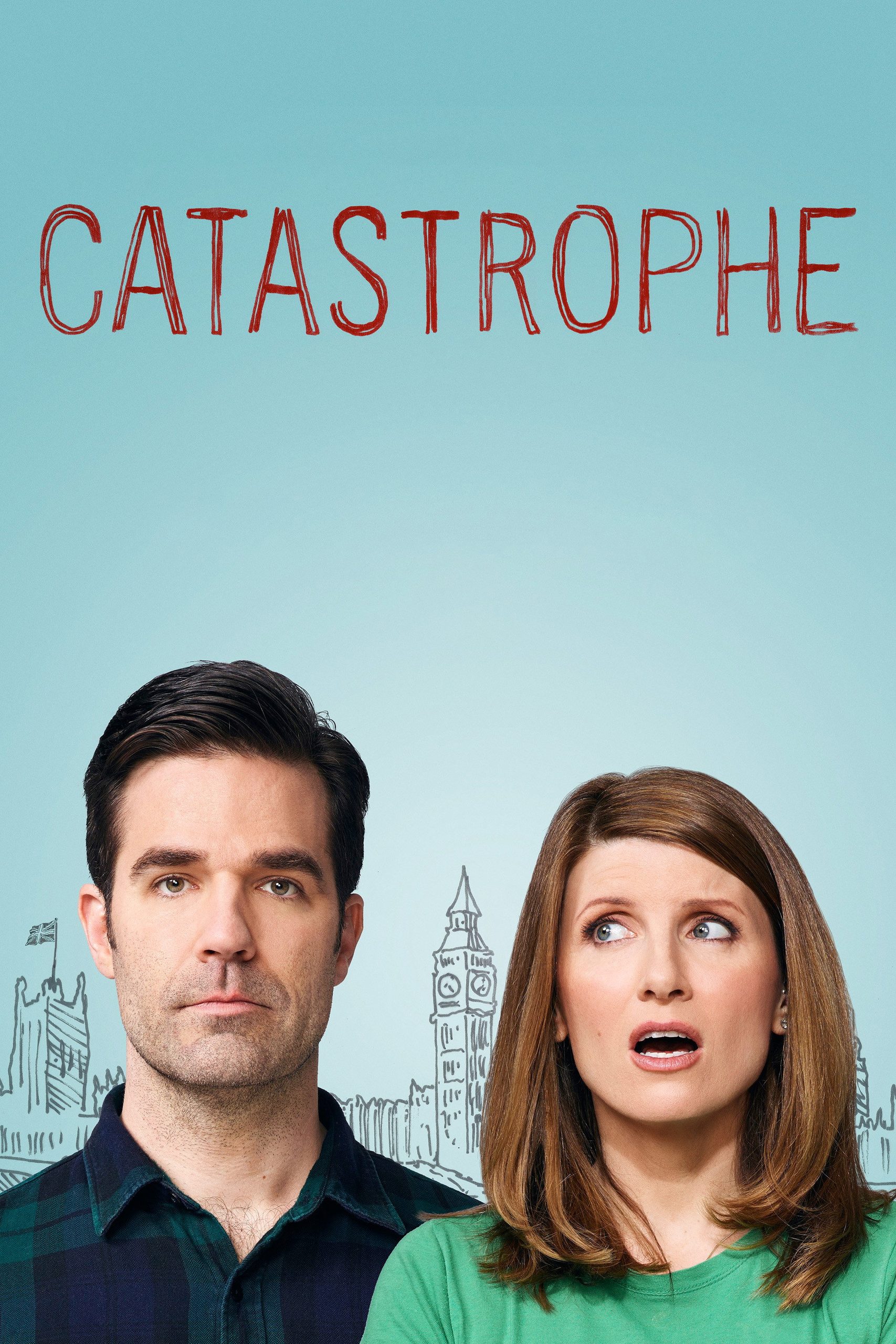
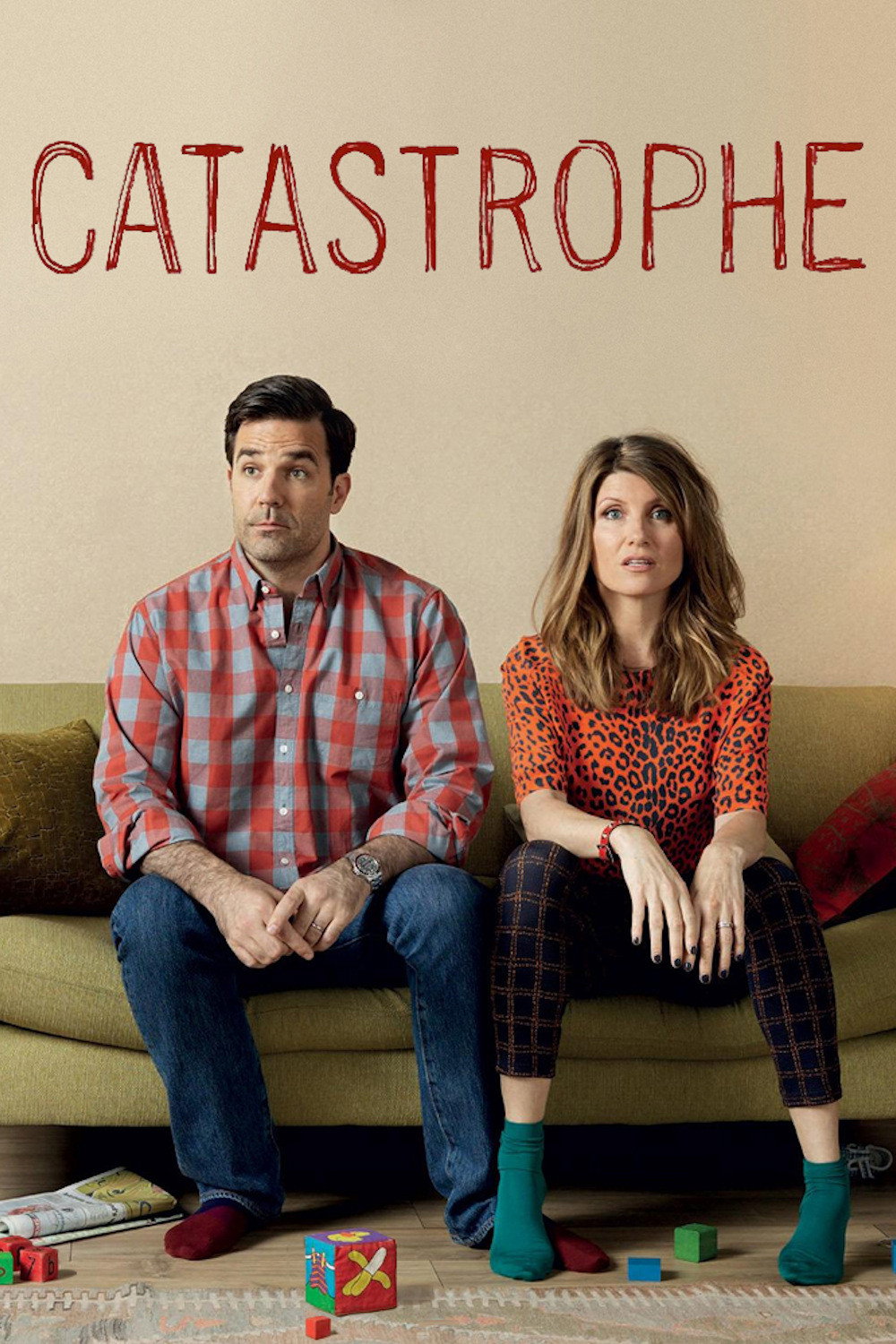
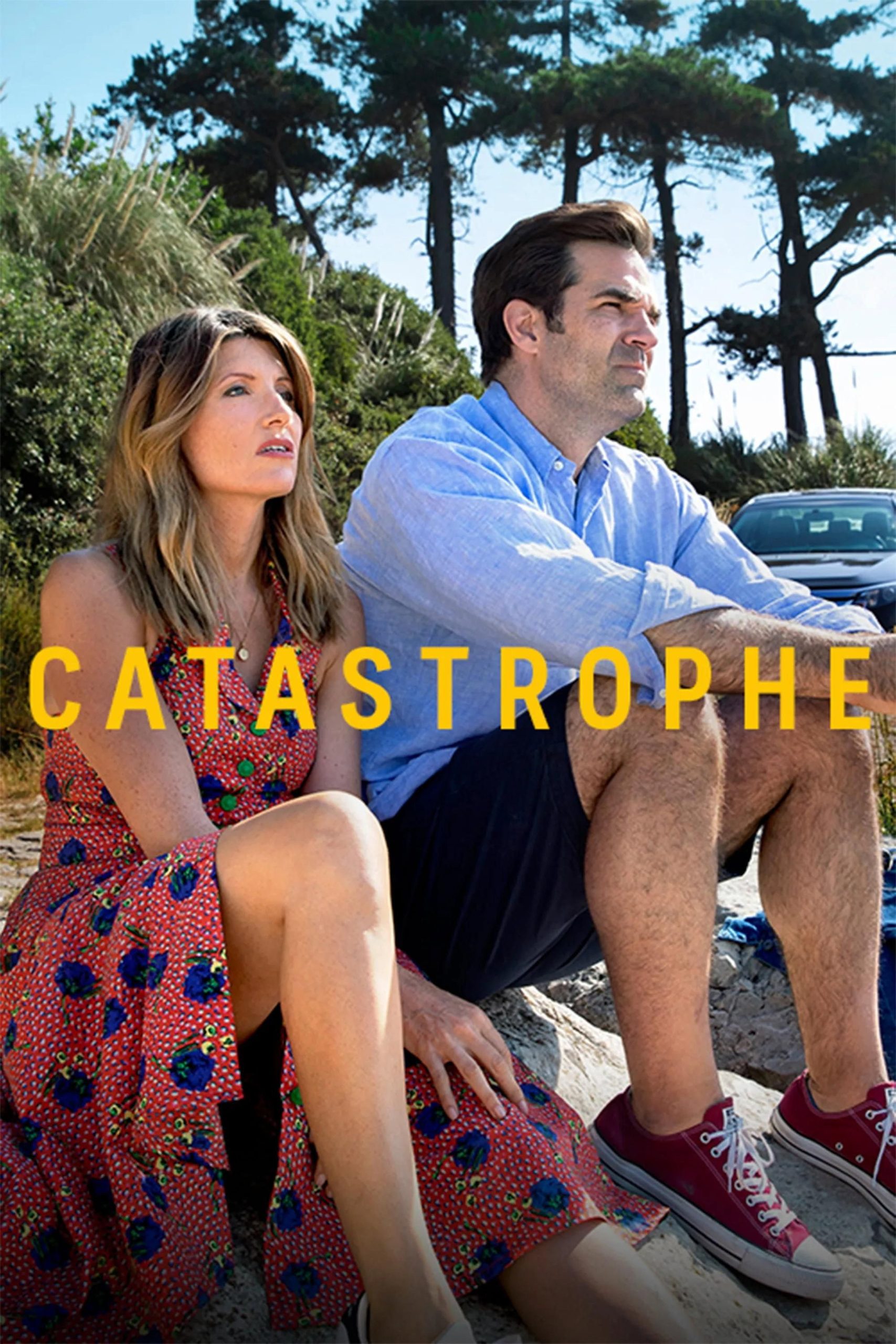
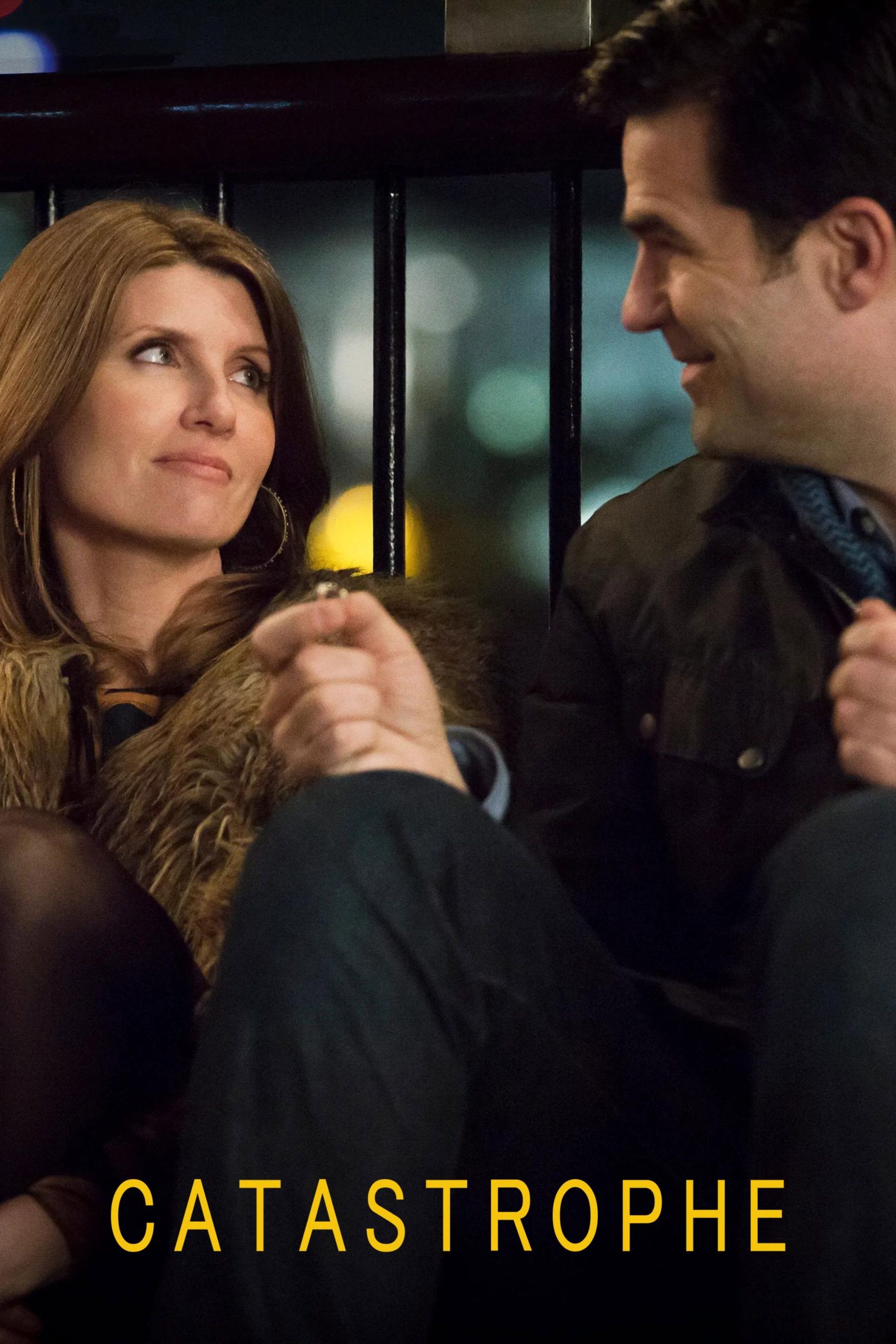
Sharon Horgan and Rob Delaney write, star in and never once sentimentalise a comedy about two people who barely know each other and are having a baby anyway. It is quick, filthy and truthful, and everyone outside the couple is drawn thinner.
Rob Norris (Rob Delaney), an American in London for a week on business, meets Sharon Morris (Sharon Horgan), an Irish schoolteacher, in a bar, and they spend the week in bed. He flies home. Some weeks later she rings: she is pregnant. He comes back. That is the whole premise of Catastrophe, which Horgan and Delaney created, wrote and star in, and which ran for four series of six episodes each from 19 January 2015 to 2019. It is a fine piece of work, quicker and ruder than most comedy about couples and, as it goes on, sadder, and we recommend it with one caveat about the people standing round the edges.
The speed is the first thing you notice. Each episode is 24 minutes, and months go missing between them without anyone stopping to explain. A row starts, sharpens and is cut off by Steve Ackroyd and Christopher Watson on the line, usually before either party has won it, so that arguments in this show end the way real ones do, unresolved and interrupted by something else. The dialogue is insult delivered in full sentences. Sharon tells Rob he has the face of a man who has been hit with a shovel; he tells her she is a terrible person and he loves her. Both statements are meant.
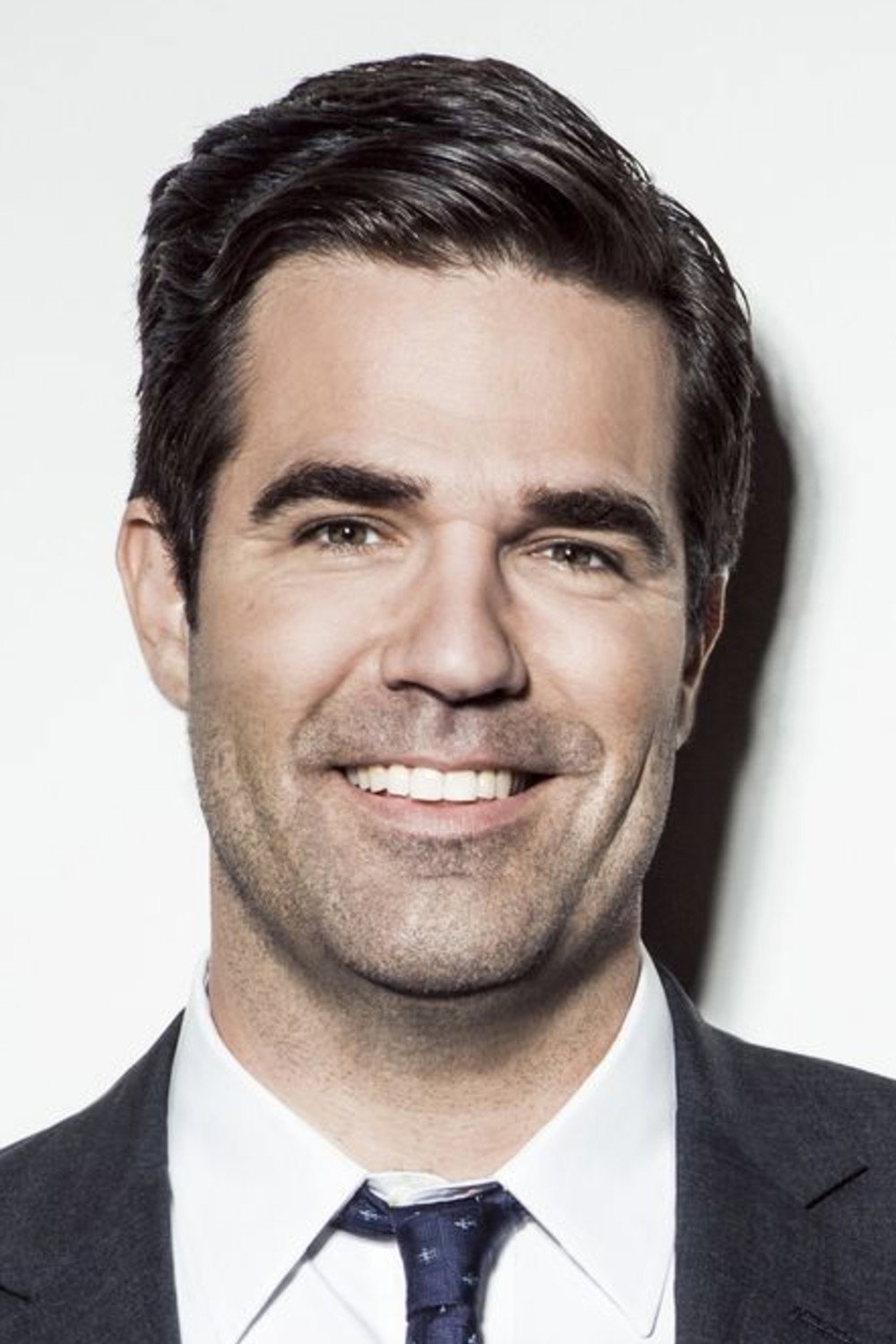
Delaney is a big, cheerful man who apologises with his whole body, and he plays Rob as somebody who has decided to be decent and is finding out how much work it is. Horgan gives Sharon the sharper tongue and the shorter temper: she says the cruellest thing available and then watches to see what it does. What makes the pair work is plain to see. Each of them waits to hear what the other will say next, and both of them seem to be enjoying it.
Ben Taylor and Jim O’Hanlon direct it without fuss, and Richard Mott, Dan Stafford Clark and the three other cinematographers who worked across the four series keep the light ordinary. This is a London of rented flats, kitchen tables, hospital corridors and the pavement outside a primary school, and none of it has been prettied. Oli Julian’s music is a few bars in and out and then gets out of the way of the talking. The show has no interest in telling you when to be moved, and it is better for it.
We laughed, loudly and often, in the first episode, and most loudly at a dinner party at Fran and Chris’s where Rob and Sharon discover that they both loathe another guest and fall for each other properly over the shared contempt. Then, somewhere in the second half of the first series, in a scene in a consulting room that we will not describe, we found we minded very much what happened to these two. That is not a thing a sitcom usually manages inside two and a half hours, and it is the reason the later series can go where they go.
The caveat. Mark Bonnar’s Chris, a husband who has given up and says so at the table, is the one supporting character written with the same care as the leads, and Bonnar is bleakly funny in every scene he gets. Ashley Jensen’s Fran is brittle and a little underserved. Daniel Lapaine’s Dave is a type, the friend who exists to say the unsayable, and Jonathan Forbes’s Fergal barely has a job. Carrie Fisher turns up as Rob’s mother Mia, bone dry and plainly enjoying herself, and the lines around her are not always as good as she is. Everyone in the show speaks in the Horgan-and-Delaney rhythm, which is a good rhythm, but it means the world outside the marriage can feel like an echo of the marriage.
The genre these two are working in usually hands the woman the sense and the man the jokes. Here both of them are clever, both of them are wrong about half the time, and the show is honest about which half. Later series darken considerably and not everyone will want to follow; we did, and were glad we had. Watch it in order, two episodes at a time, and do not stop after the first six.