Stefan Golaszewski’s sitcom about a couple who would rather stay in bed, and the relatives who will not let them, is small, exact and unusually kind. The pattern wears by the third series and Laura is a lot; Steve and Becky are worth it.
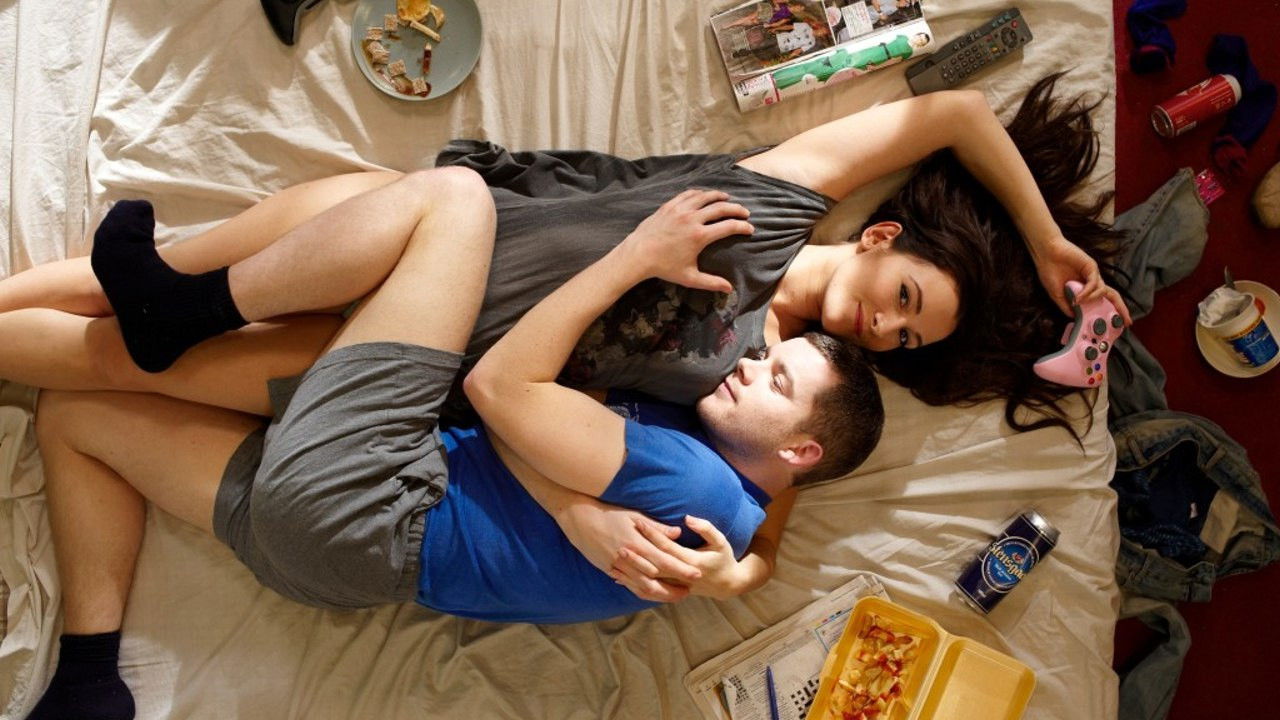
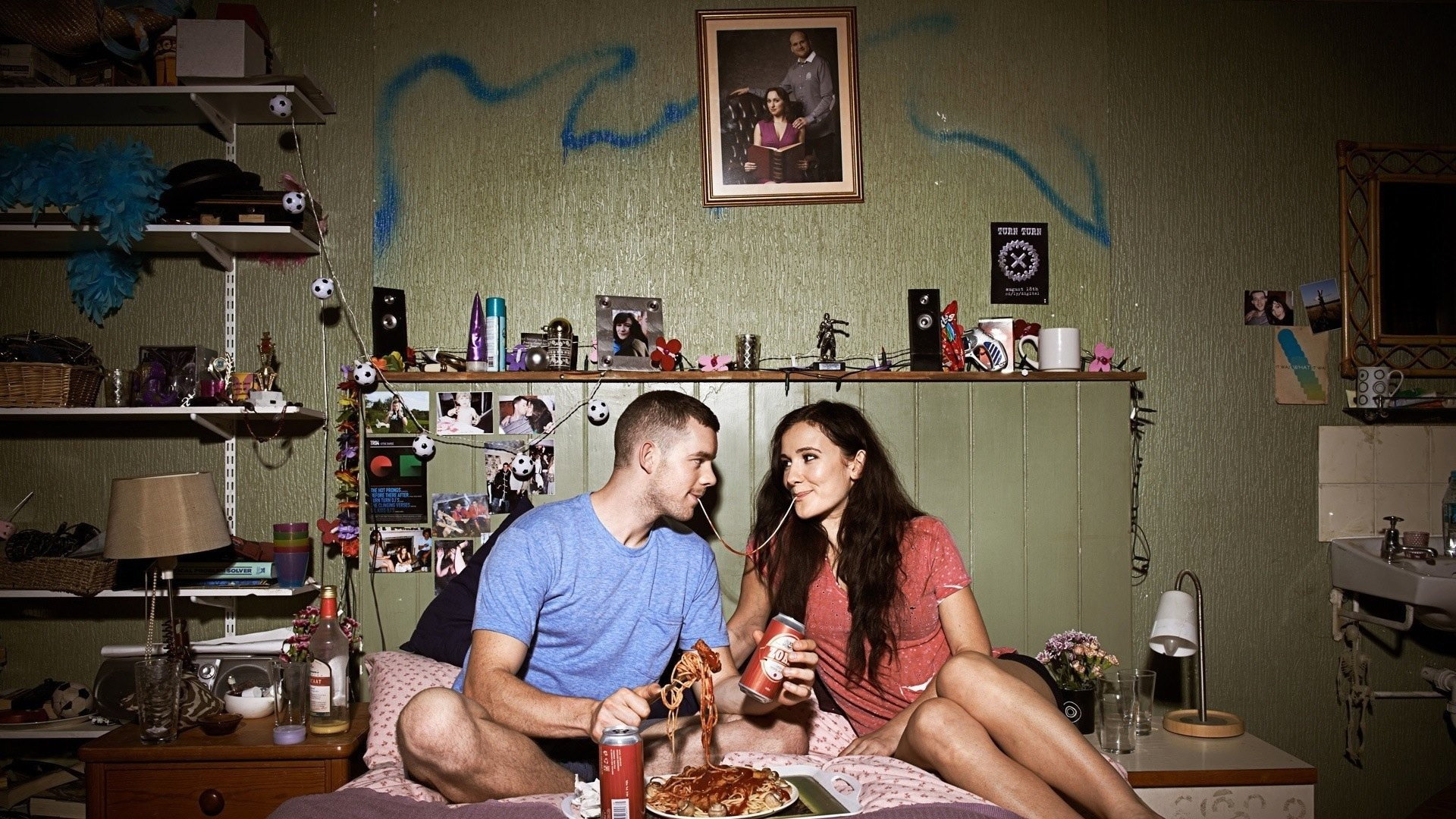
Him & Her is a sitcom about two people in bed. Steve (Russell Tovey) and Becky (Sarah Solemani) live in a one-room flat, and for most of its 25 episodes they are under the duvet, or trying to get back to it, while the people they cannot get rid of come round and sit on the end of it. Stefan Golaszewski, who created and wrote the series, has no plot to speak of and does not pretend otherwise. An episode is an afternoon. Somebody wants a favour, somebody needs the toilet, somebody says the wrong thing about somebody’s mother, and then it is over.
It is a fine series and we recommend it, for a reason that is rarer in British comedy than it should be: it likes its two leads and lets them like each other. Most sitcom couples score points. Steve and Becky share crisps, argue about nothing and take each other’s side against everyone, and Tovey and Solemani play it so lightly that you stop noticing they are acting. Solemani has a way of laughing at Steve halfway through being annoyed with him. We expected to tire of them and found instead that we missed them between episodes.
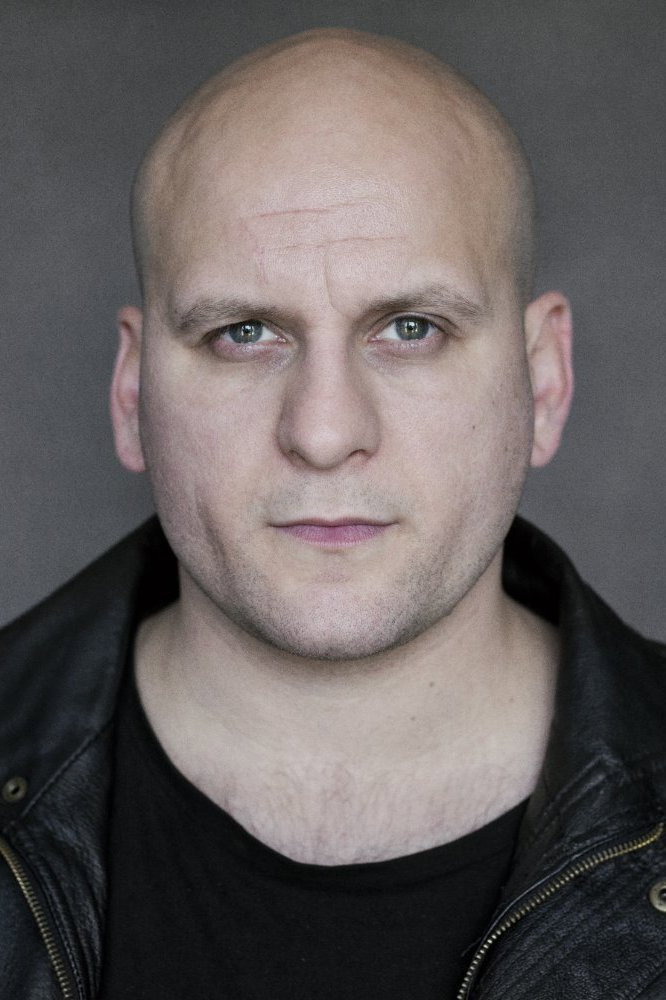
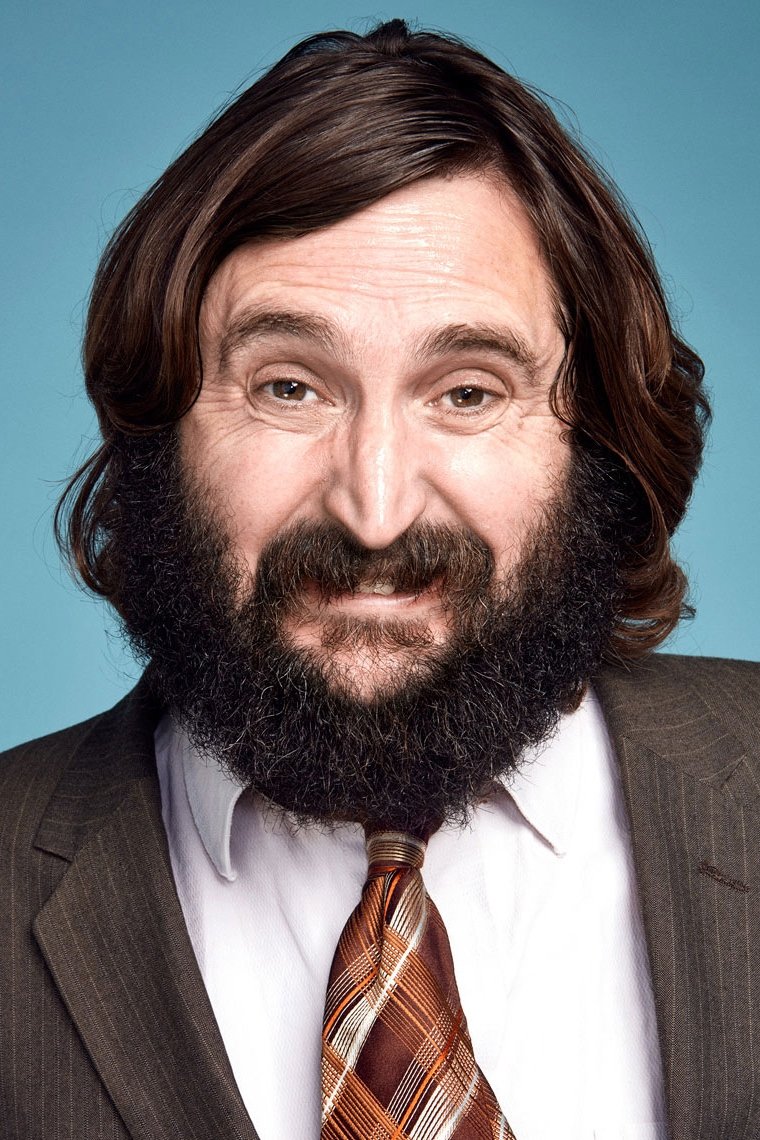
The visitors are another matter, and they are meant to be. Kerry Howard’s Laura is the reason a great many people watch and a fair number switch off. She is vain, needy, cruel in a bright voice, and she never once notices anyone else. Ricky Champ’s Paul, her boyfriend, is a large man with a small vocabulary who laughs at his own jokes before he has finished them. Camille Coduri’s Shelly and Ralph Brown’s Niguel are worse, because they are older and have had longer to practise. Joe Wilkinson’s Dan says almost nothing and gets the biggest laughs by standing still.
We laughed at Laura for a long time before we noticed what the series was doing with her. Watch how she takes over: the slights arrive so briskly that Becky is apologising before she can work out what for, and Howard plays it with such conviction that at one point we stopped laughing and felt slightly sick. We have all sat through that afternoon, and not always as the better person. Golaszewski is interested in small tyrannies, who sits where, whose turn it is to make the tea, who is allowed to be upset, and he writes them exactly.
Richard Laxton directs it the way the writing needs, which is mostly to get out of the way. The camera stays in the flat, at the level of the bed, and holds on faces after the line has landed so the embarrassment has time to settle. There is no audience laughing to tell you when something is funny, and there are long stretches in which nobody speaks and a kettle boils. A pause becomes a joke if it goes on long enough, and Laxton and Golaszewski are usually right about how long.
The faults are the ones a series that never leaves one flat was always going to have. The shape of an episode, a visit, a row, a truce under the covers, is familiar by the middle of the second series, and there are half-hours in the third that mark time. Steve and Becky do not want anything, and a series about people who want nothing can deepen them but cannot move them. Howard is asked to play one note for 25 episodes; a viewer who cannot stand Laura by episode three has our sympathy. The lavatory humour we stopped finding funny somewhere in the second series.
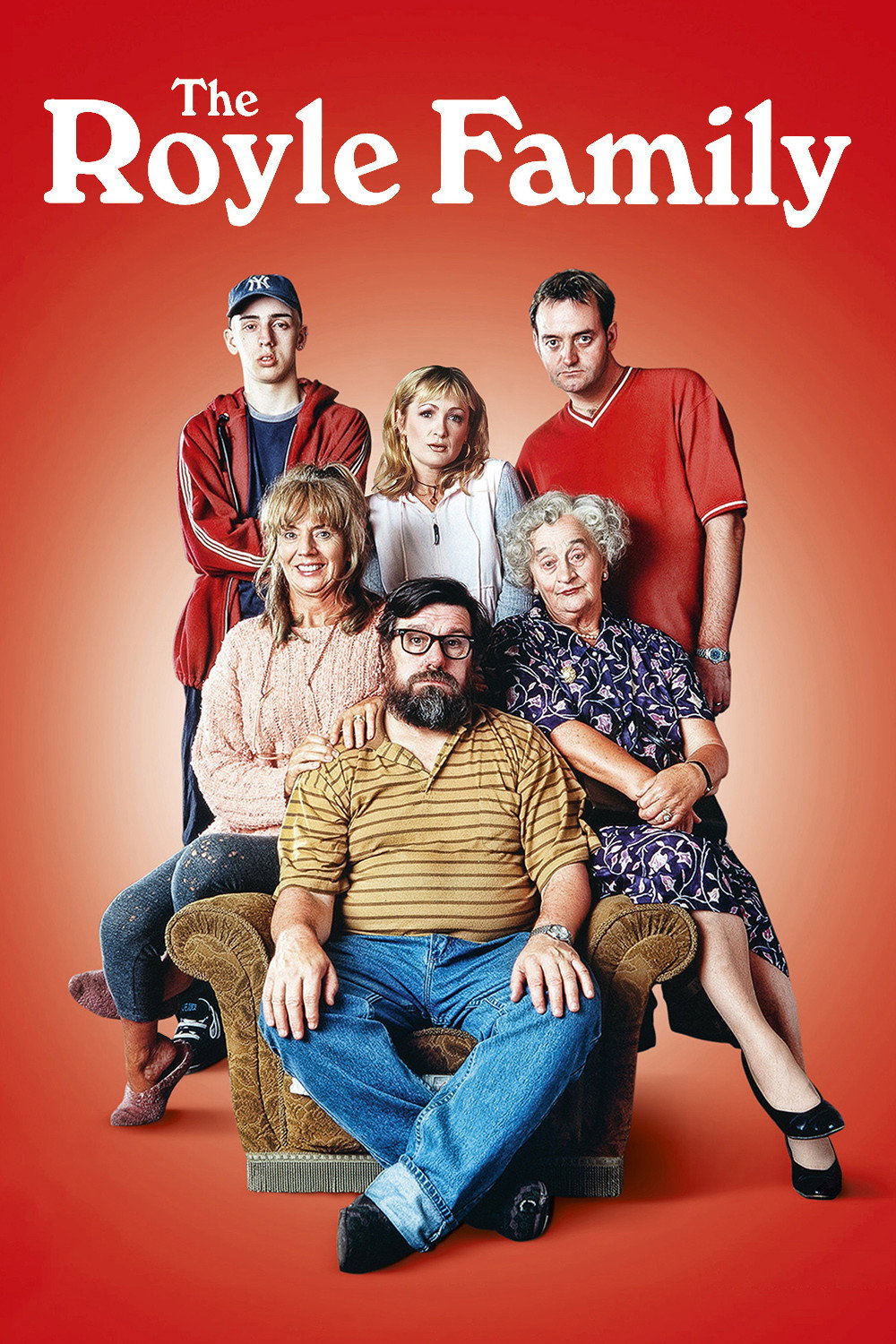
It belongs with The Royle Family, another British comedy that found a whole world in a family who would not get up, and it is the more tender of the two. Golaszewski went on to make Mum, which is quieter and sadder. This is the rougher, younger series, and the better one to start with.
The fourth series, five episodes, is a different shape from the rest; the credits list a Wedding Guest, which tells you as much as we are prepared to. Watch the first two episodes on a night when you have nowhere to be. If two people eating toast in bed and being kind to each other does nothing for you, nothing later will; if it does, there are 23 more.