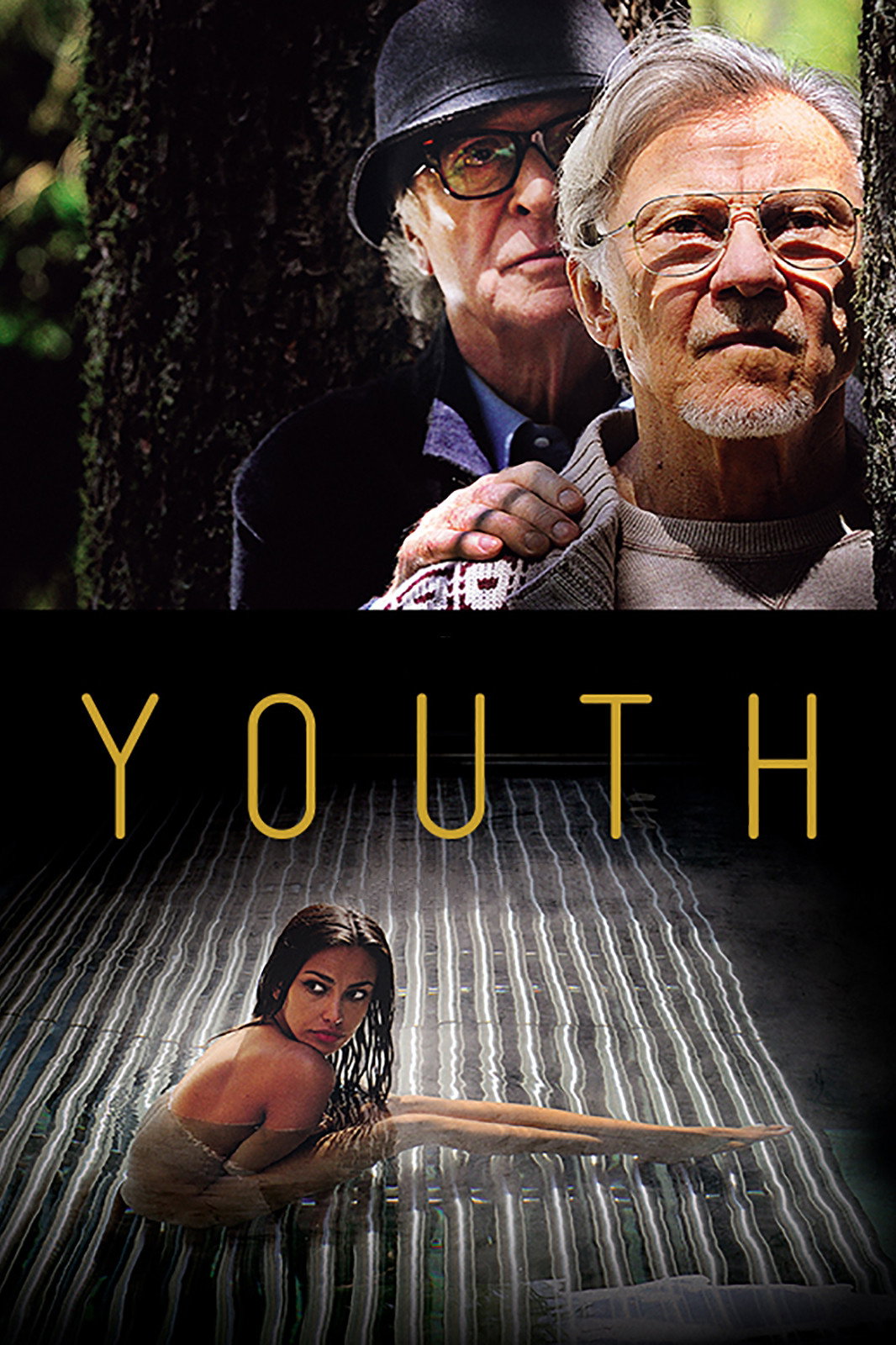
Paolo Sorrentino’s Youth has two fine central performances and too many speeches about getting old. Michael Caine supplies the feeling that the film’s elaborate images and wandering conversations keep interrupting.
Paolo Sorrentino takes two ageing artists to a Swiss spa and gives them ample opportunity to consider what their lives have amounted to. Youth is worth considering for its actors and music, though its observations about age are thinner than its patient delivery suggests. There is welcome humour in the friendship, and some feeling that does not arrive on cue. Too often, however, a conversation gives way to another carefully arranged image just as somebody has begun to interest us.
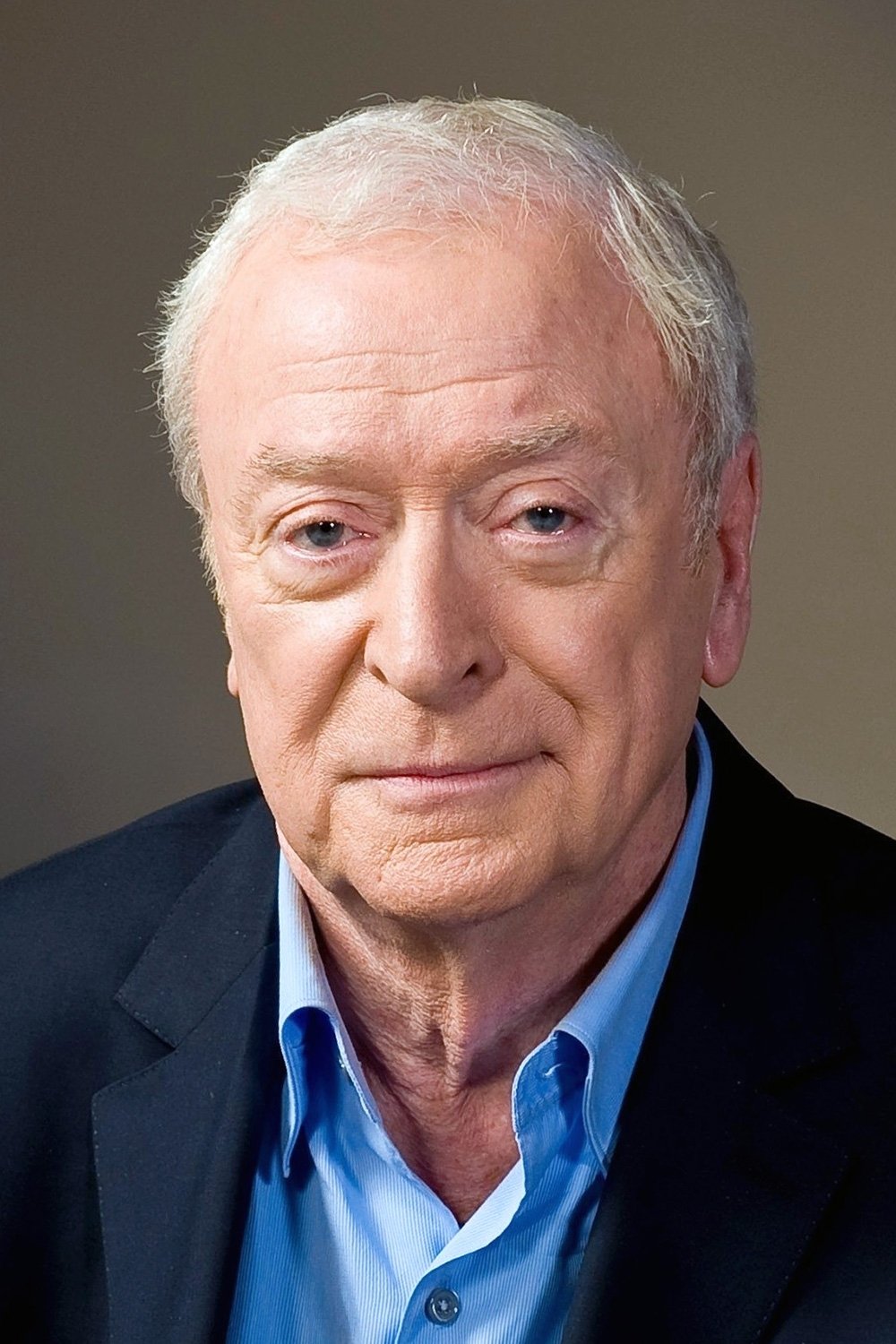
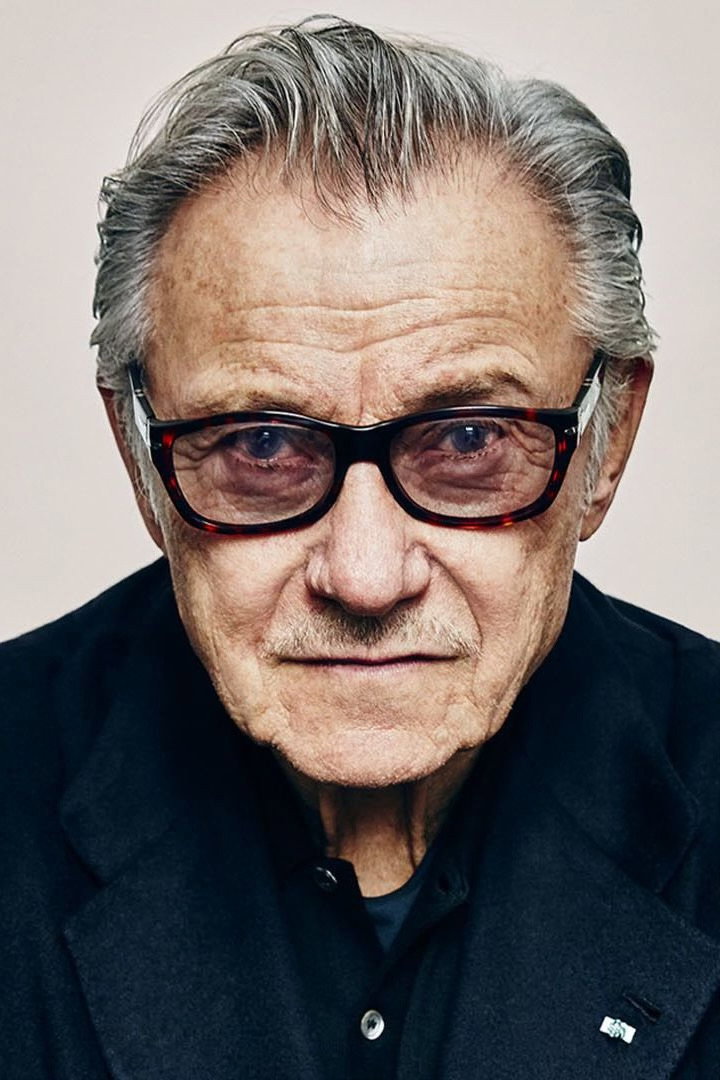
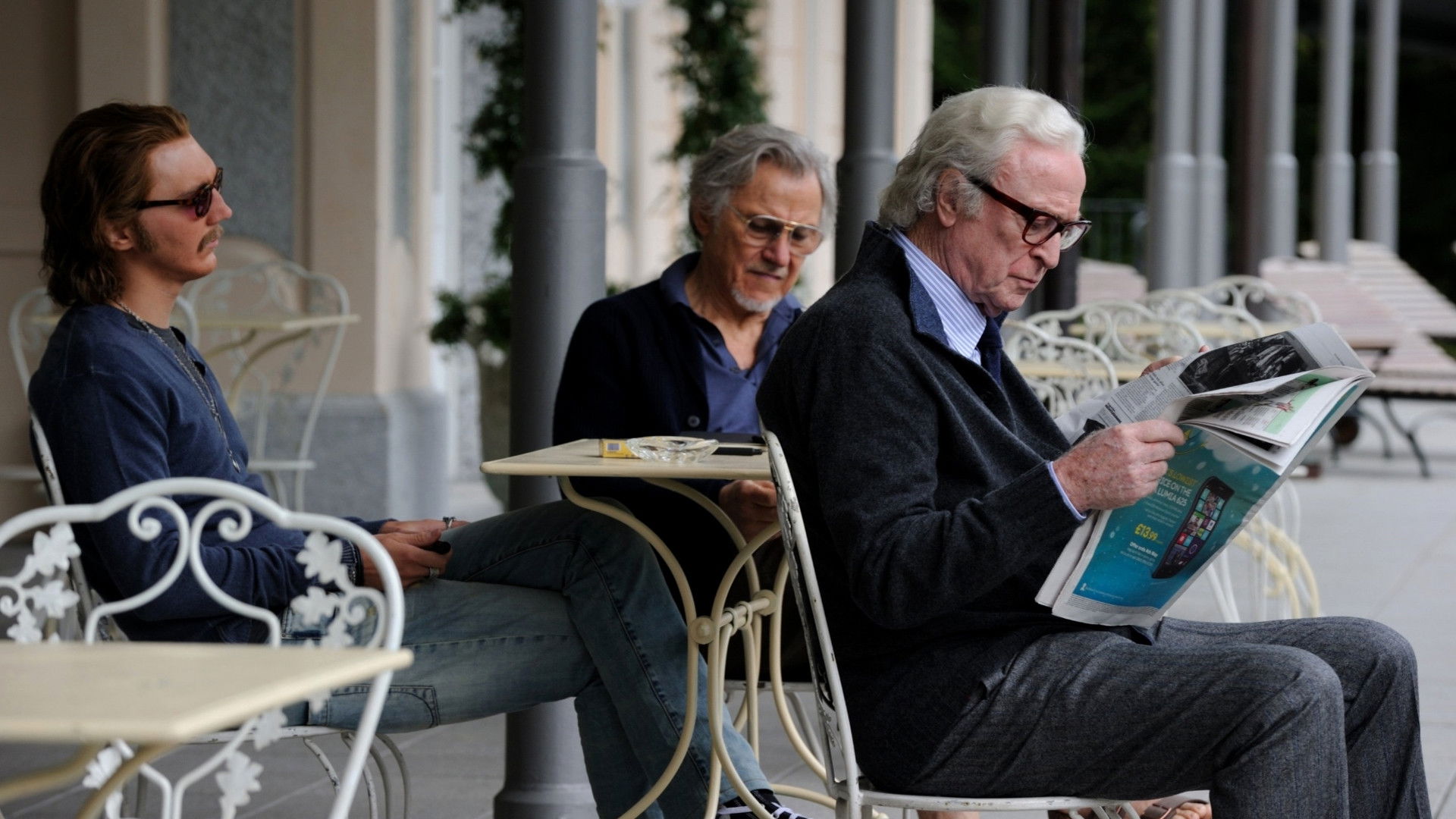
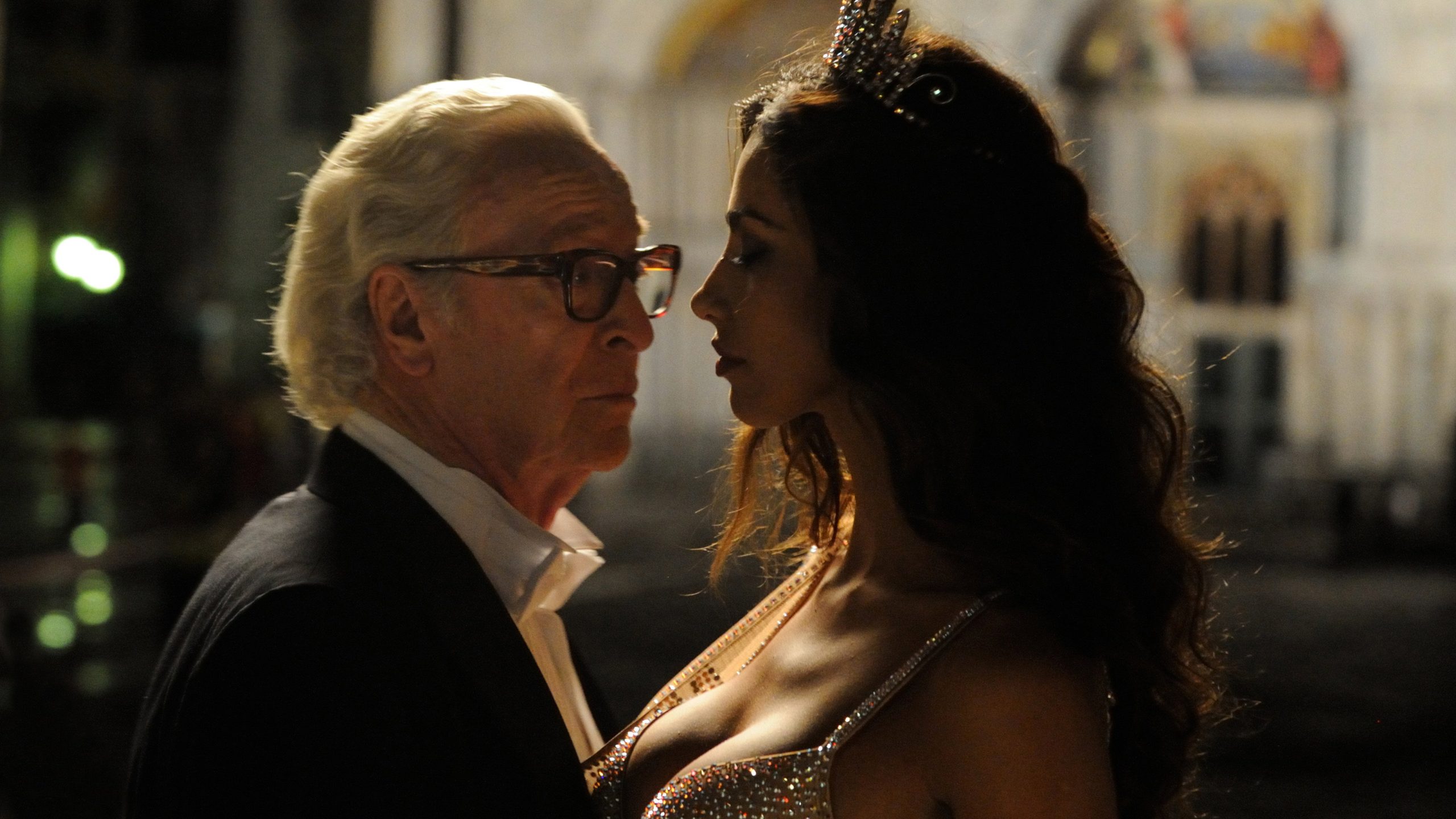
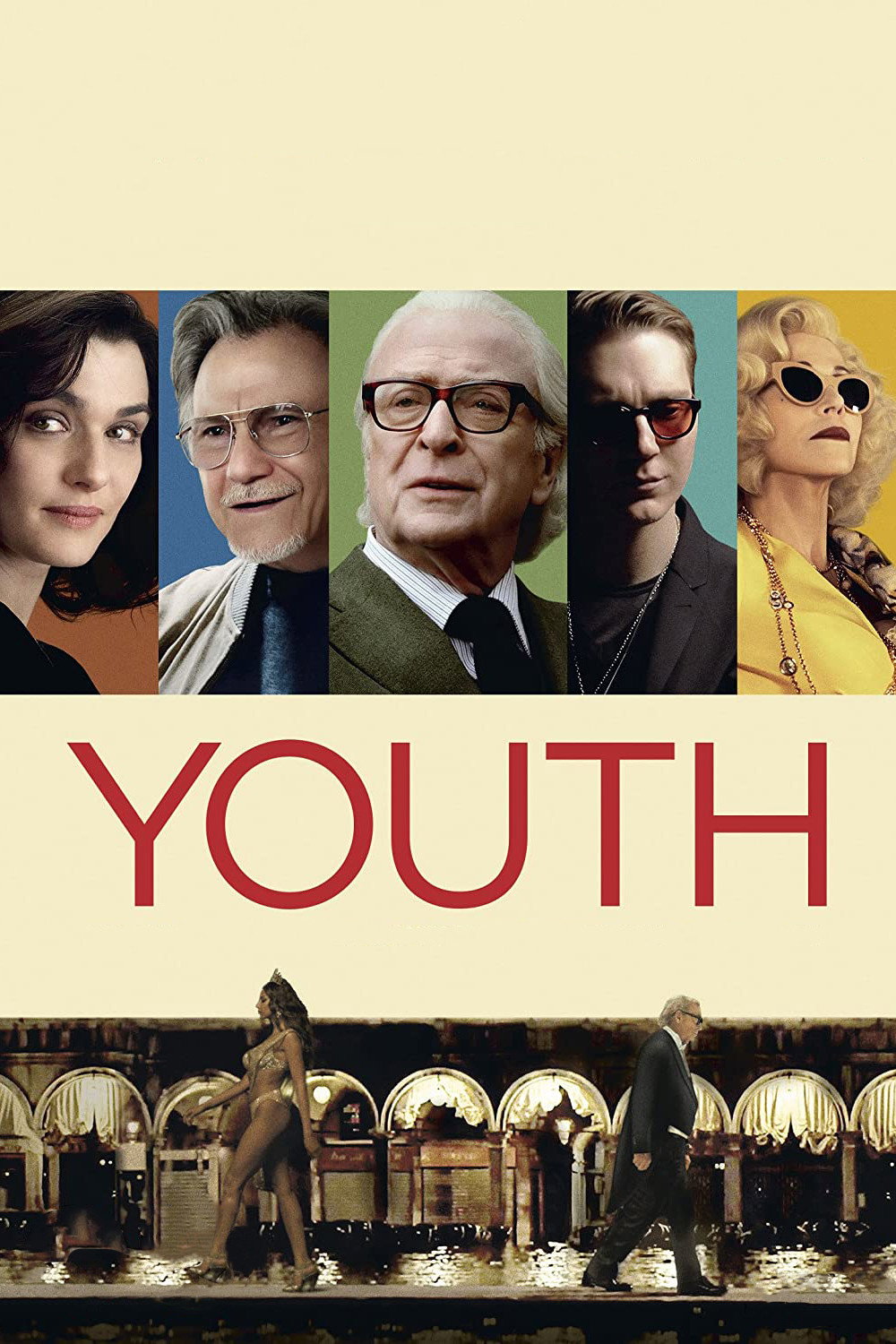
Michael Caine is the main reason to stay. As Fred Ballinger, the ageing composer, he gives the droll lines a faint tiredness that makes a joke sound like something requiring effort. Harvey Keitel brings enough warmth to Mick Boyle to establish an old friendship without much explanation. We were moved by their exchanges, particularly Michael Caine’s reluctance to make Fred’s sadness any more conspicuous than his humour. The film should trust those conversations for longer.
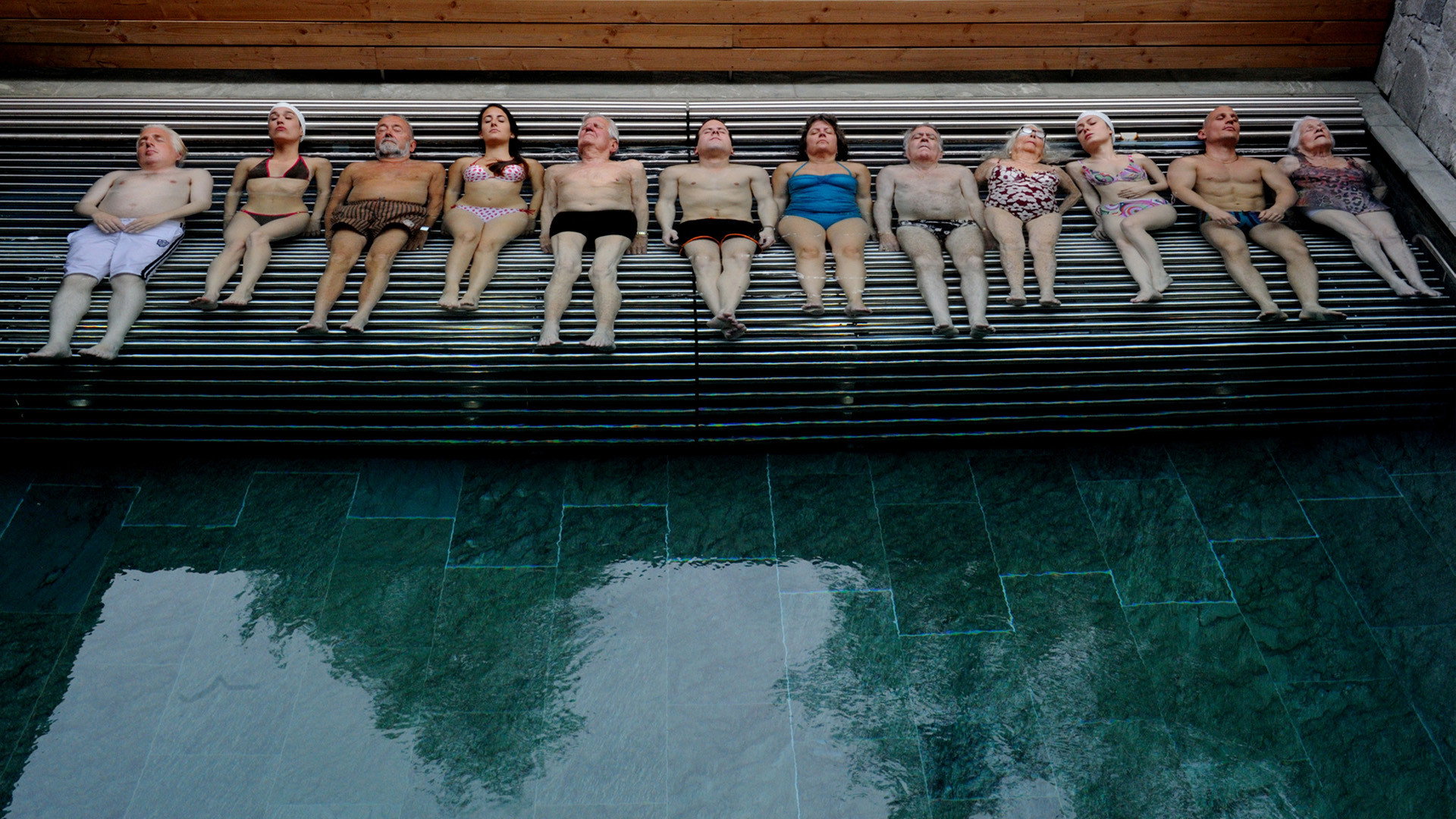
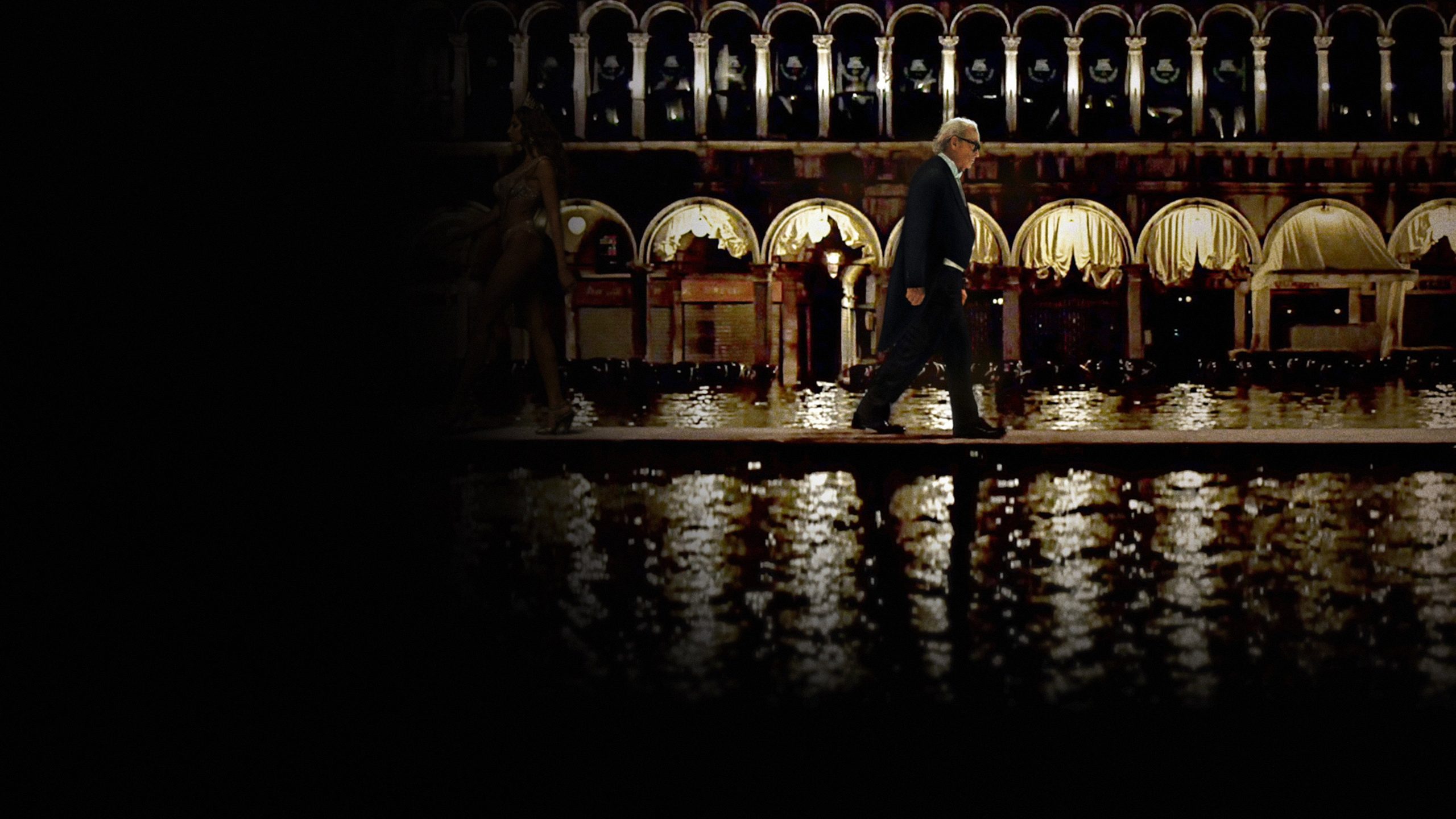
Luca Bigazzi’s cinematography gives the Alpine scenery an almost distracting sharpness and scale. The views supply the pleasure the dialogue keeps promising, although the care spent arranging bodies within them can make the people seem like another attraction at the resort. Ludovica Ferrario’s production design makes the spa look comfortable enough to encourage a long stay and orderly enough to make that stay oppressive. That suits people with time to rehearse their regrets. It also leaves us looking at the accommodation when we ought to be listening.
Cristiano Travaglioli’s editing allows the film to move by association, passing between conversations, music and the life of the resort rather than pushing towards the next event. That looseness is initially agreeable, since the friendship needs room for its small changes of mood. Over 125 minutes, though, the pauses and digressions begin to feel like a reluctance to choose what matters. David Lang’s music helps: its measured phrasing brings some calm to the succession of conversations and images, and makes a welcome change from being offered advice about life.
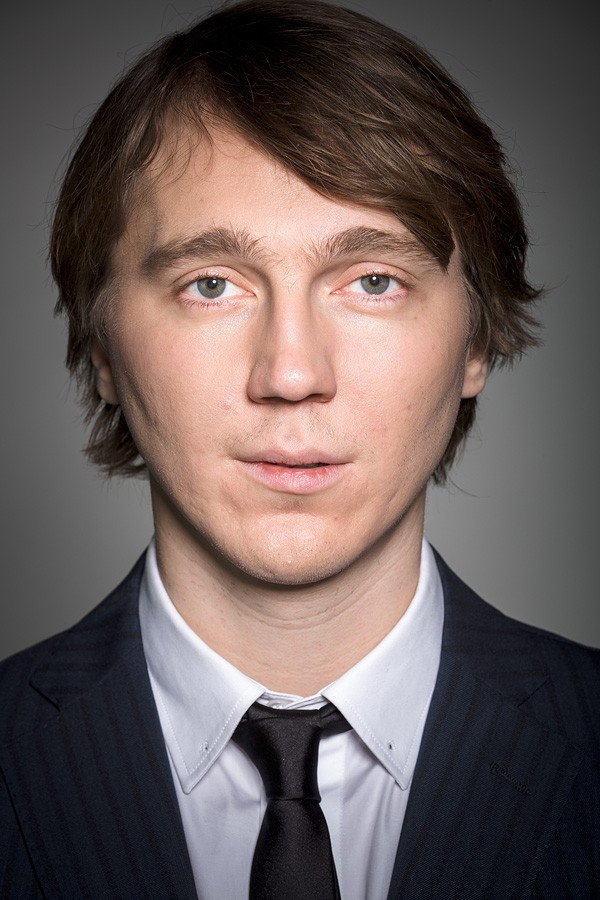
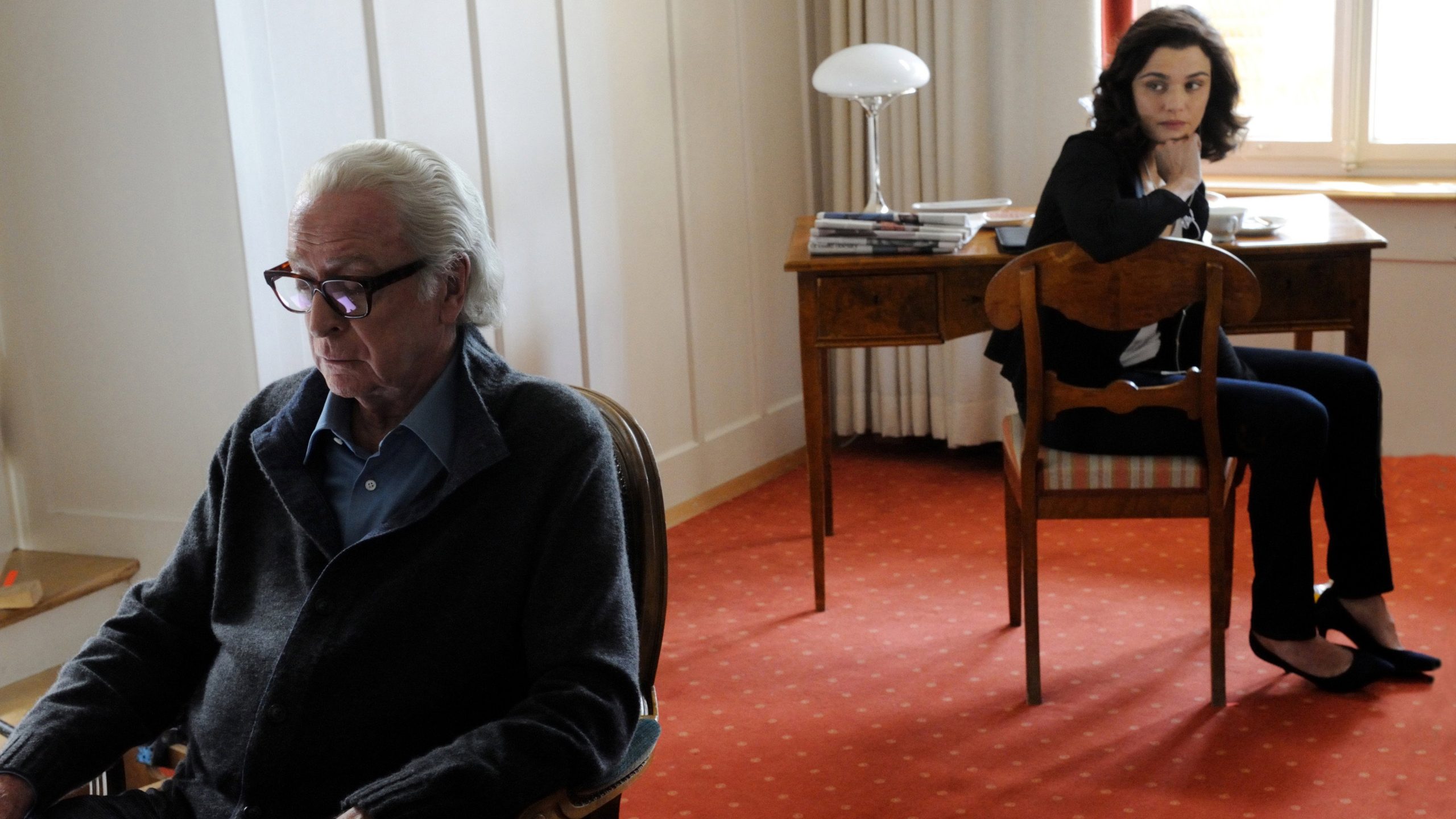
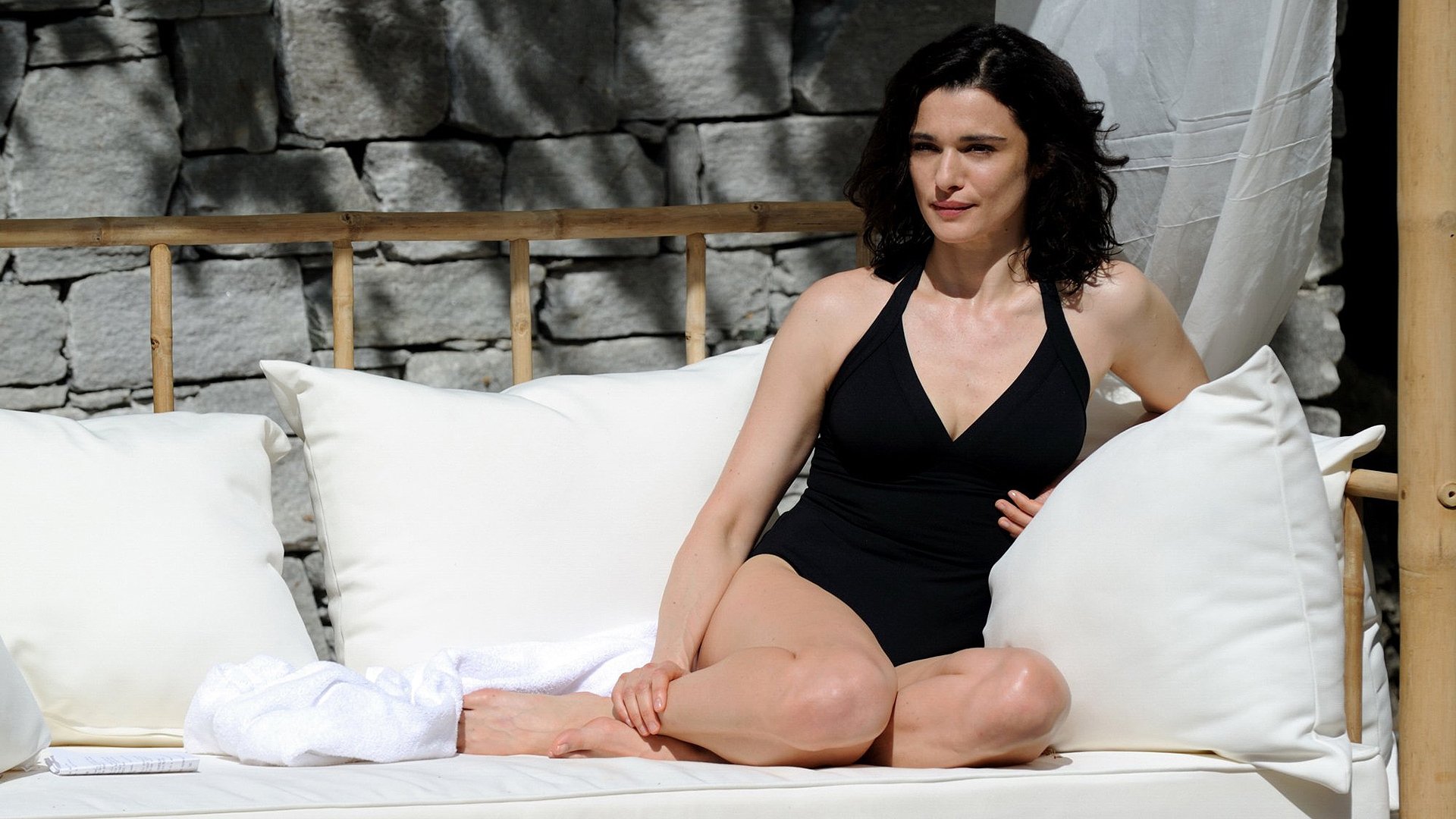
As writer, Paolo Sorrentino too often gives his characters a thought about life when they need something particular to say to one another. Some lines have the stiffness of remarks polished in advance, and the delivery cannot always loosen them. Rachel Weisz and Paul Dano offer welcome changes of presence as Lena Ballinger and Jimmy Tree, but the supporting characters are not given the same room as the two friends. The women, in particular, too often seem to have been brought into view to help the men think about themselves.
A reflective comedy about old age need not hurry, and complaining that this one wanders would miss much of what it is trying to do. The problem is how often it returns to a feeling already expressed without making that feeling more complicated. The humour is a considerable virtue here, reducing the men’s self-importance and allowing their friendship to become affectionate without turning soft. More of that willingness to be ordinary would have helped.
There is enough here for admirers of leisurely, visually elaborate drama, especially those willing to follow an actor through an uneven script. Michael Caine rewards that attention. We would hesitate to recommend it to anyone hoping for much wisdom about getting older. Give it time for the company, and expect a few conversations to outstay their welcome.