Director
Tarantino, in the order we'd watch them again
Ten films in thirty years, every one of them talking. A guide to where to start, where to linger, and which one to leave for a wet afternoon you don't mind losing.
12 September 2026 · 4 min read
Television
Twenty-seven years after a mob boss first sat down in a psychiatrist's waiting room, nothing on television has caught it. A guide for those who never got round to it, and for those who did and want to go back.
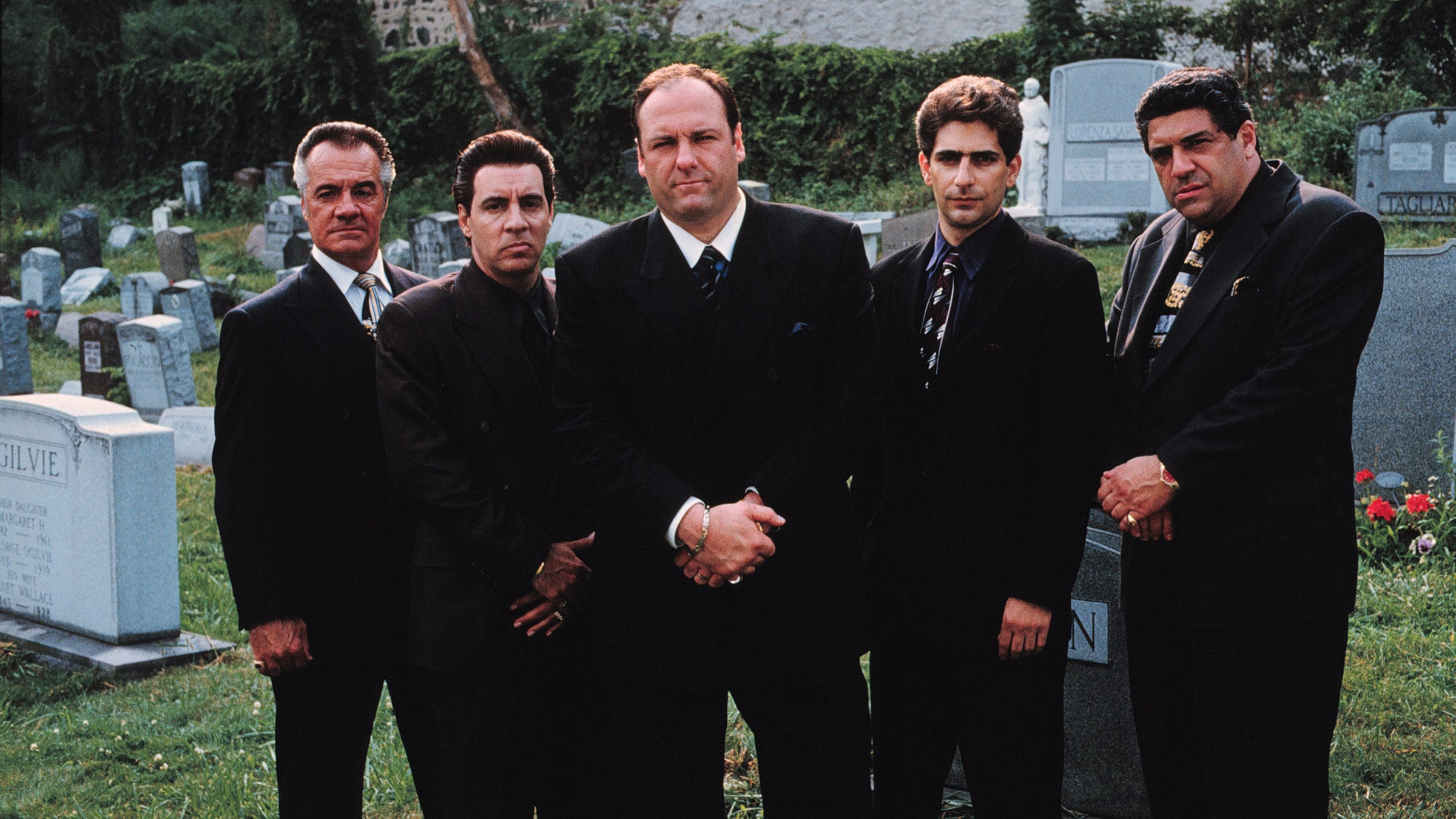
The first thing that happens in The Sopranos is that a man sits in a waiting room and looks at a statue of a naked woman. He is a New Jersey mob boss, he has had a panic attack, and he has come, against every instinct he owns, to see a psychiatrist. The ducks that were living in his swimming pool have flown away and he cannot say why that has undone him. That is the whole series in its first ten minutes: a man who does terrible things, undone by feelings he has no words for, and a programme that would rather watch him fail to find them than tell you what they are.
It ran on HBO from 1999 to 2007, six series and eighty-six episodes, and the argument about whether it is the best television drama ever made has been going on for most of that time. We are not going to settle it here. We will say that the things people praise in the shows that came after it, the moral murk, the patience, the willingness to let a scene be about nothing, were all in the first series of this, and were being done better.
Not the mafia, or not mostly. David Chase, who created it, has said he wanted to make a show about a man whose mother was trying to have him killed, and that is the spine of the first two series: Tony Soprano, played by James Gandolfini, and Livia, played by Nancy Marchand as the most quietly monstrous parent in television. Around that is a family, in both senses. Edie Falco's Carmela, who knows exactly what pays for the house and has made her arrangements with it. Michael Imperioli's Christopher, the nephew who wants to write screenplays. Dominic Chianese's Uncle Junior, who used to run things and cannot forgive that he doesn't. And Lorraine Bracco's Dr Melfi, who spends seven years wondering whether she is treating a patient or helping a sociopath to function.
It is about work, and money, and children who will not do what they are told, and the suspicion that you were born too late for the good years. Tony says in the first episode that he came in at the end, that the best is over. Every character believes some version of it. It is a programme about America in decline, made before the decline was fashionable.
It is impossible to talk about it without talking about him. James Gandolfini, who died in 2013 at 51, was a character actor with a heavy frame and a soft voice who had never carried anything. He made Tony charming, funny, frightening and pathetic, often within the same scene, and he did it mostly with his breathing. Watch him listen. Watch him decide not to say something. There are episodes in which he does very little and you cannot look away. Television had not had a performance like it and, in our view, it still hasn't.
People who have seen it will tell you to look out for “College”, in the first series, in which Tony takes his daughter to look at universities and deals with some old business on the way; it is the episode where the programme declared what it was prepared to do. They will tell you about “Pine Barrens”, in the third, directed by Steve Buscemi, in which two men get lost in the snow and it becomes the funniest hour the series made. They will tell you about the ending, in a diner, with a song playing, which was argued about for years and which we think is exactly right. We will say no more than that.
What they might not tell you is how much of it is comedy. The series is very, very funny, in the way that people who have known each other too long are funny, and the laughs are what make the rest bearable.
In order, and not too fast. It was made to be watched a week apart and the episodes are built to sit with. Two a night is plenty. The first series is the most conventionally plotted and the easiest way in; the later ones become looser and stranger, and the sixth in particular takes its time in ways that annoyed people at the time and look like the point now.
In the UK it lives on Sky and NOW, having first arrived on Channel 4 late at night, to an audience that grew by word of mouth. There is a prequel film, The Many Saints of Newark (2021), with Gandolfini's son Michael as the young Tony. It is decent, and unnecessary, and you should see the series first.
Because it never once told you how to feel about him. Chase had a rule that the audience should not be let off the hook: whenever you found yourself liking Tony, the programme would remind you what he was, and whenever you had written him off, it would show you the man staring at the ducks. Twenty-seven years on, that refusal still looks like nerve. Most television, then and now, wants to be liked. This wanted to be watched, and argued about afterwards, and it is.
Our review of The Sopranos is on its page, with where to find it.
Features are written by AI in Fi1m’s voice, checked against our reviews before publication, and corrected in the open. How we use AI
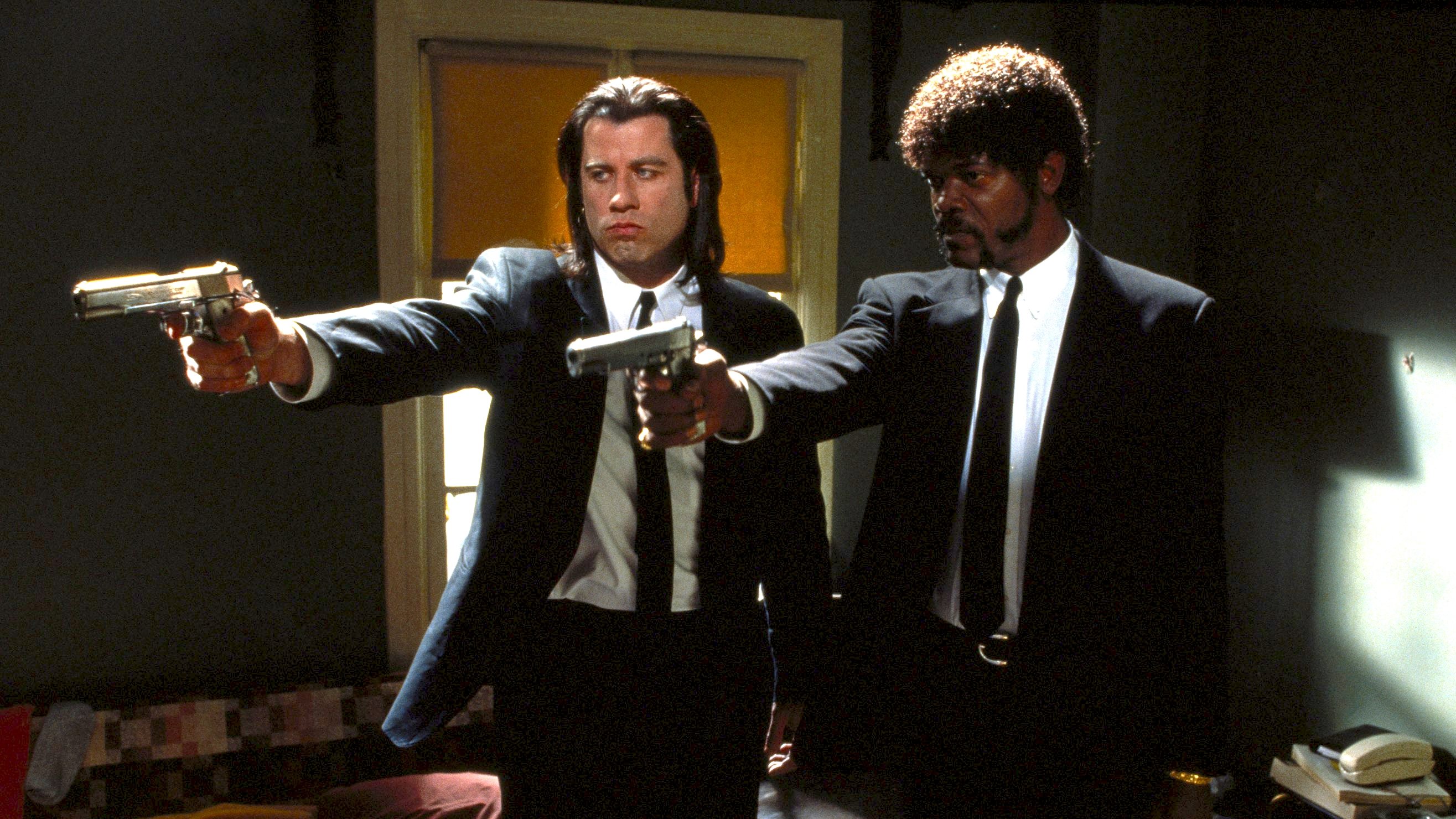
Ten films in thirty years, every one of them talking. A guide to where to start, where to linger, and which one to leave for a wet afternoon you don't mind losing.
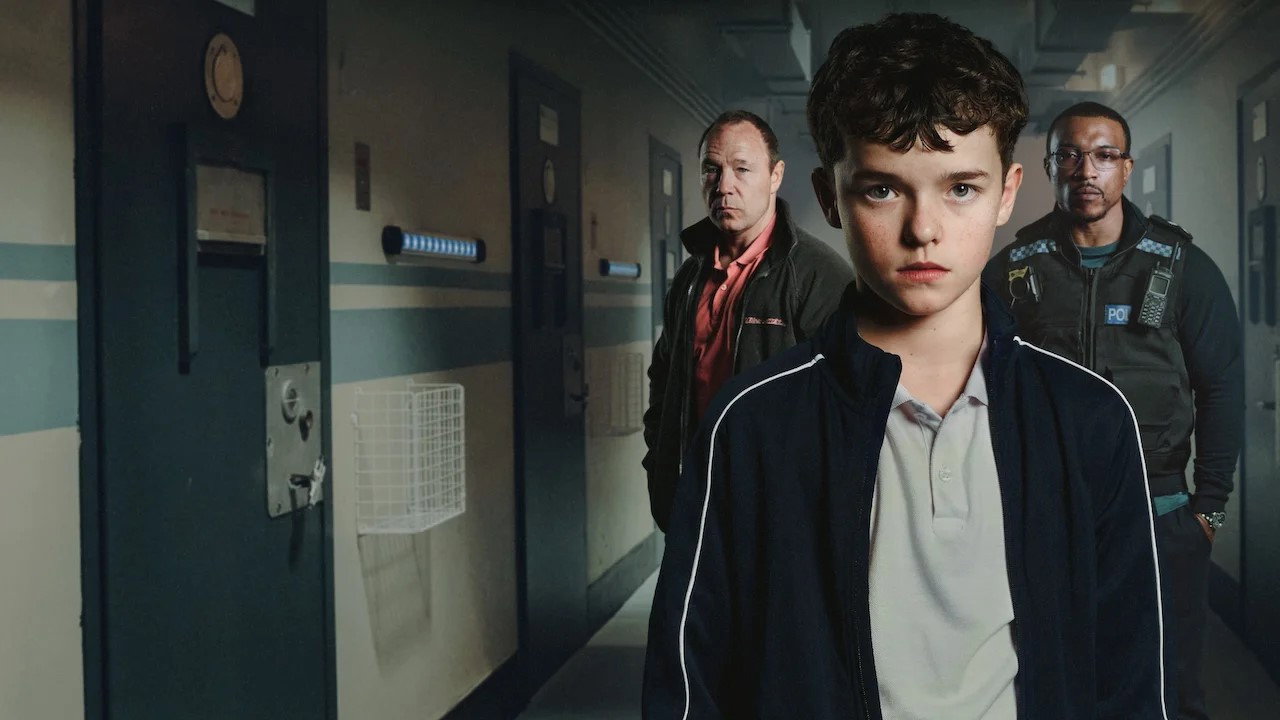
The shelf is enormous and most of it is not worth your evening. Here is what is, drawn from our reviews of what the service is showing in the UK this month.
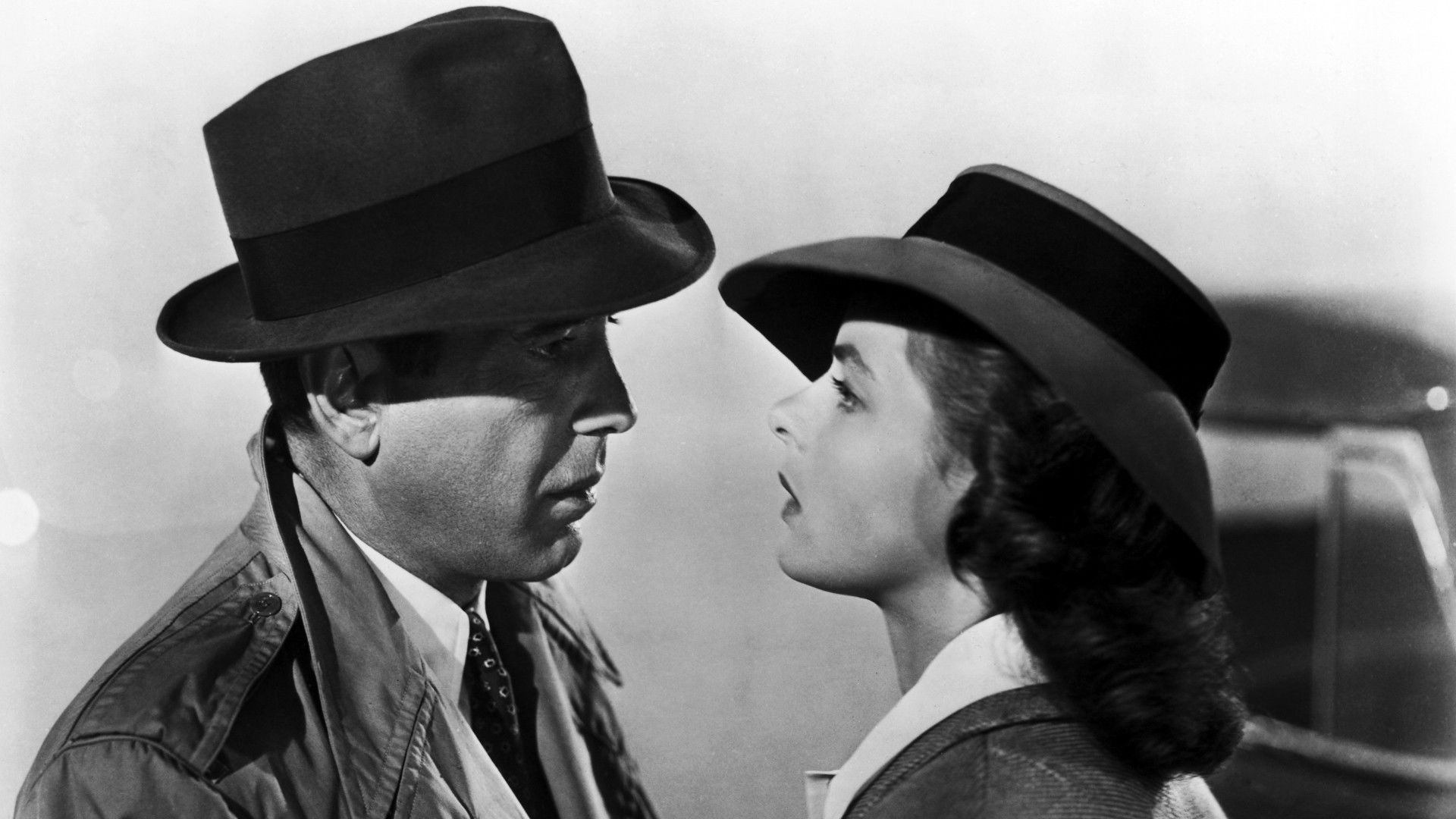
Fifteen films from before most of us were born that are still worth a Saturday night. Not a syllabus: a list of things we would actually put on.