Sylvain Chomet’s first film in fifteen years is drawn with all his old skill and tells Marcel Pagnol’s life as a run of fond anecdotes with nothing much joining them. Lovely to look at, and the man himself never quite comes into focus.
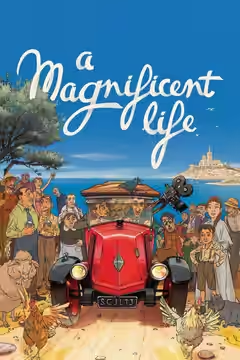
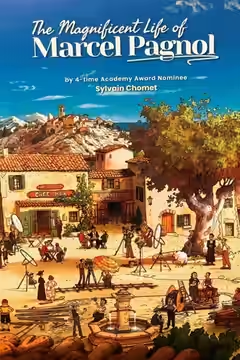
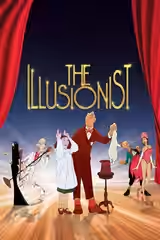
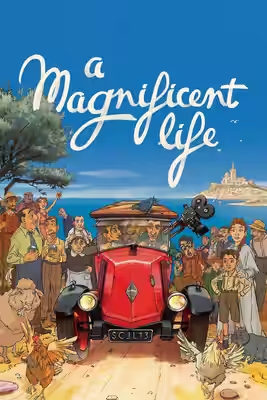
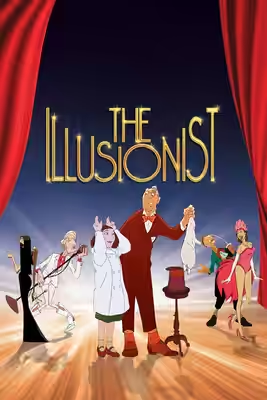
Sylvain Chomet has not made a feature since The Illusionist in 2010, and he has come back with a film about a man who made a great many. A Magnificent Life, released in France as Marcel et Monsieur Pagnol, is a hand-drawn biography of the playwright and film-maker Marcel Pagnol, told in 91 minutes with a great deal of affection and not quite enough shape. It is a pleasure to look at for every one of those minutes. Whether it is worth your evening depends on how much you already care about the man.
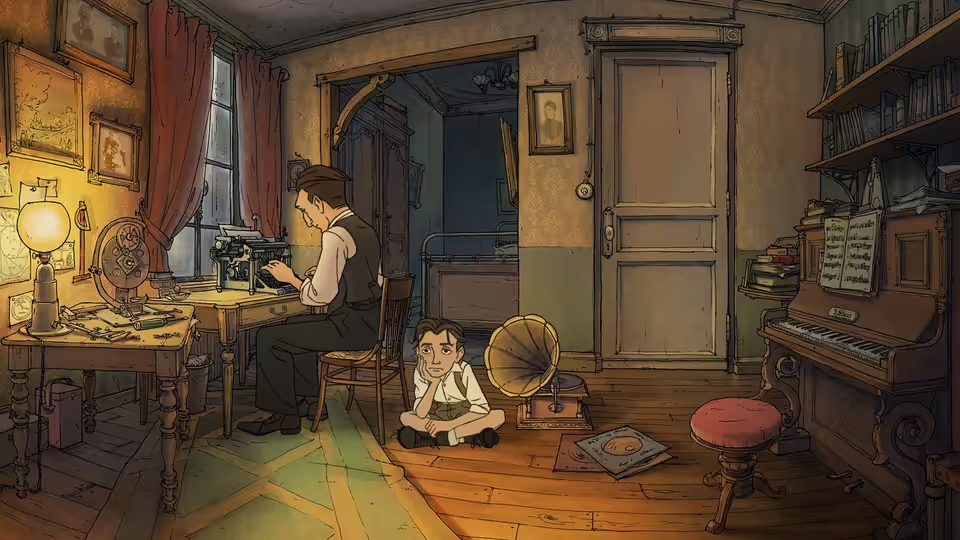
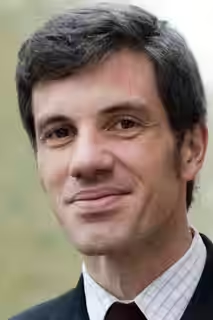
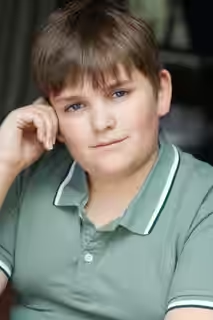
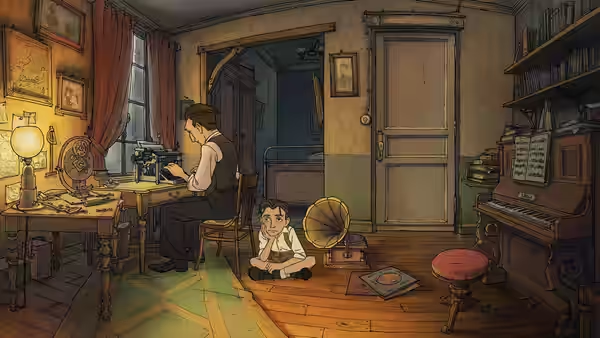
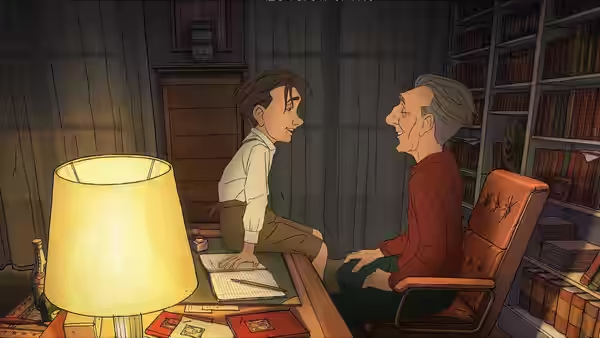
The framing is a ghost story of sorts. The grown Pagnol (Laurent Lafitte, warm and slightly harried) is asked for his childhood memoirs, cannot write them, and is visited by the boy he was (Noa Staes), who badgers him into remembering. It is a neat idea and Chomet trusts it for about twenty minutes. After that the boy becomes a way of skipping: to the schoolroom, to Paris, to the Marseille studios, to the next wife, with the man and the child commenting from the edge of the frame like tour guides who have done the route too often.
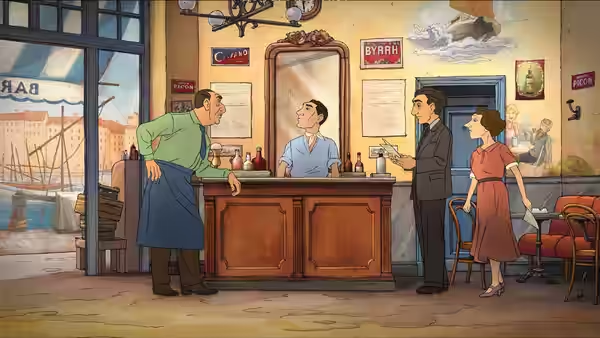
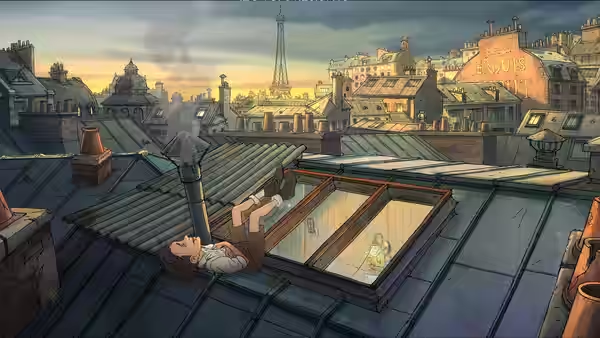
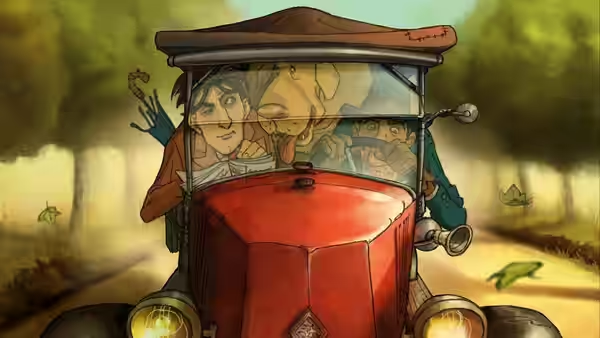
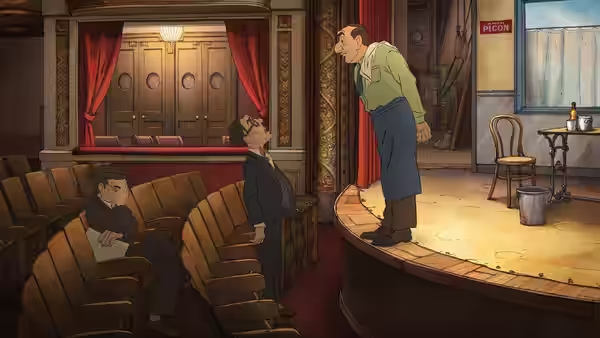
Chomet still draws people as nobody else does, all nose and jaw and elbow, and Raimu (Thierry Garcia) in particular arrives as a great slab of a man whose face does three things a second. Elric Lefeuvre lights Provence in the yellow of dry grass and Paris in the grey of wet pavement, and the film is happier, and better, whenever it is in the yellow. Stefano Bollani’s score is brisk and jaunty and is often the only thing in a scene with any forward motion.
The scenes with his mother got to us. Chomet draws Augustine (Géraldine Pailhas) thin and tired and always looking at her son, Pailhas gives her a voice that is patient about everything except his safety, and there is a stretch in the hills where nothing happens except a family walking home in the heat and we found ourselves, without warning, close to tears. We had not expected that from a film that had been, until then, a slideshow. It is the one place where Chomet stops telling us that Pagnol loved something and lets us see why.
The rest is a list. Pagnol teaches; Pagnol goes to Paris; Pagnol writes a hit; Pagnol meets Raimu; Pagnol builds a studio; Pagnol marries Simone (Sophie Maréchal) and, later, Jacqueline (Olivia Gotanègre); Orane Demazis (Anaïs Petit) comes and goes with little said about what she was to him. Each of these gets a scene, some get two, none gets a conflict. Chomet’s screenplay knows what happened and has no view on it, so the film cannot tell the difference between the thing that mattered and the thing that came next. Three editors are credited, Samuel Denou, Mario Houles and Julie Salon, and the joins show: the film hops between decades and leaves us to work out how many years have passed and why we should mind.
The Triplets of Belleville had almost no dialogue and you could not mistake one of its scenes for another. This one has dialogue everywhere and its scenes blur. Chomet has always been better at rooms than at stories, and a biography is the one form that will not let a director get away with that; someone has to decide what the life meant. Here the deciding has been left to Pagnol himself, who died in 1974 and is in no position to help.
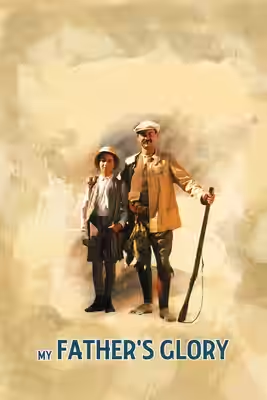
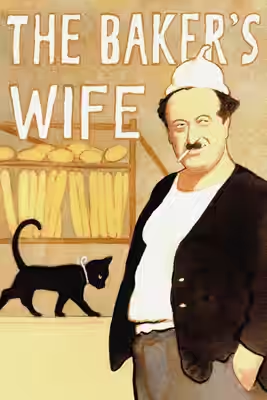
If you know the plays or the films, or grew up on the childhood books, this is a fond and pretty evening in good company, and the drawing alone will hold you. If you do not, you will learn what happened to Marcel Pagnol and not why anyone cared. It runs 91 minutes and carries a 12A, and the children that certificate admits will be looking at their shoes within ten.