Loving Vincent animates van Gogh’s paintings with remarkable care, but its investigation into his death is stiff and slow. The pleasure is in watching the brushstrokes move, so an interest in painting helps.
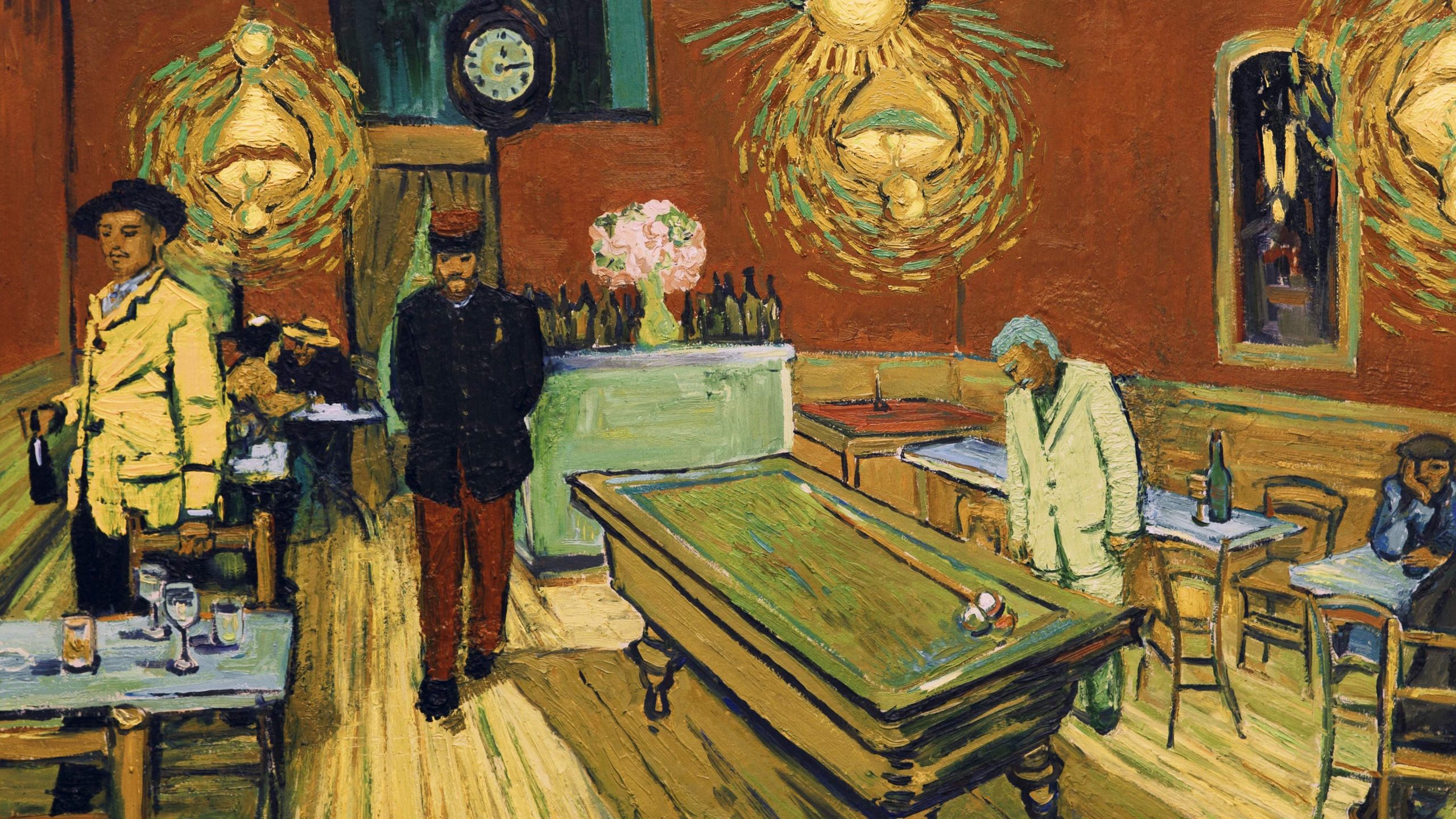
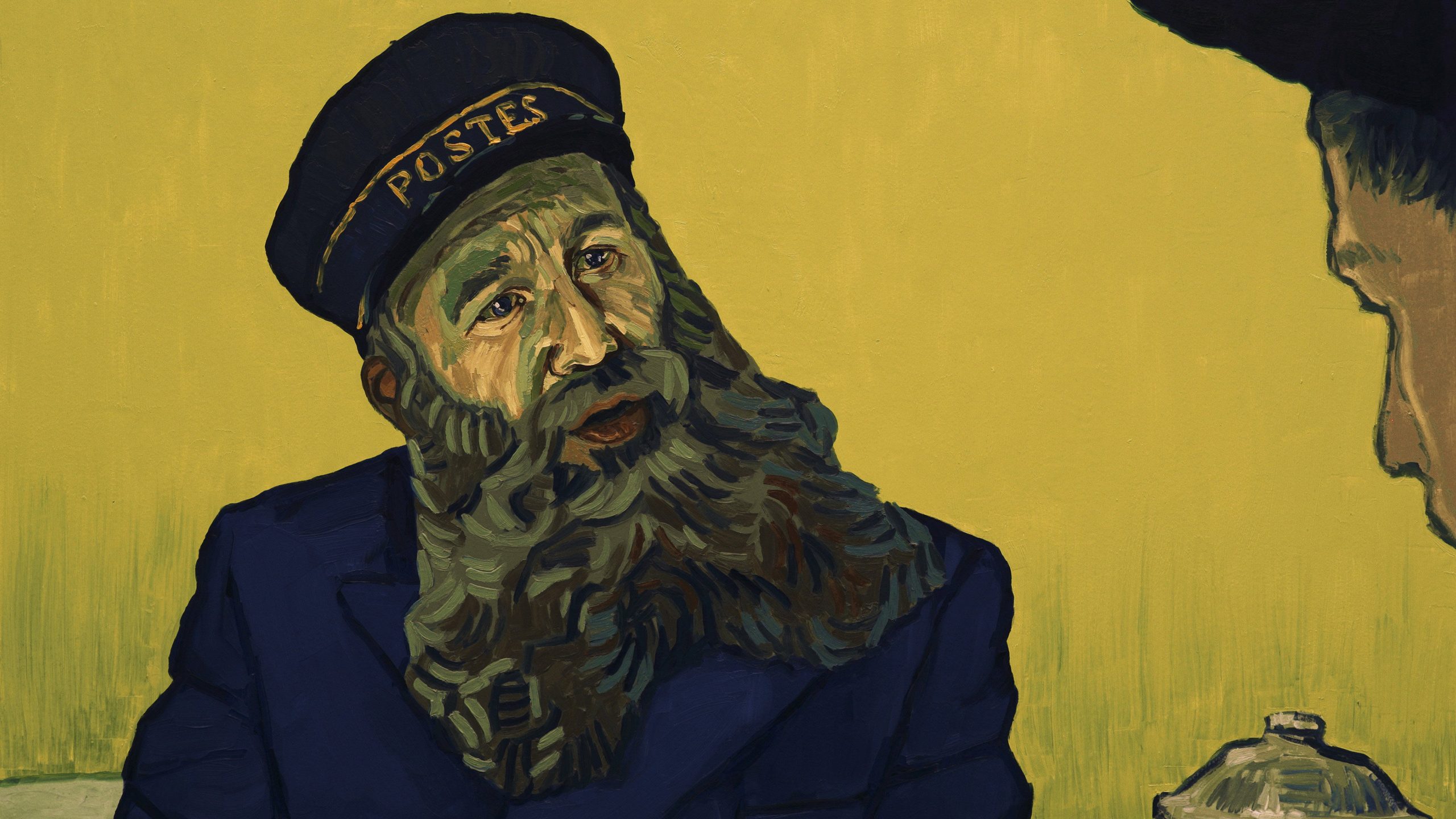
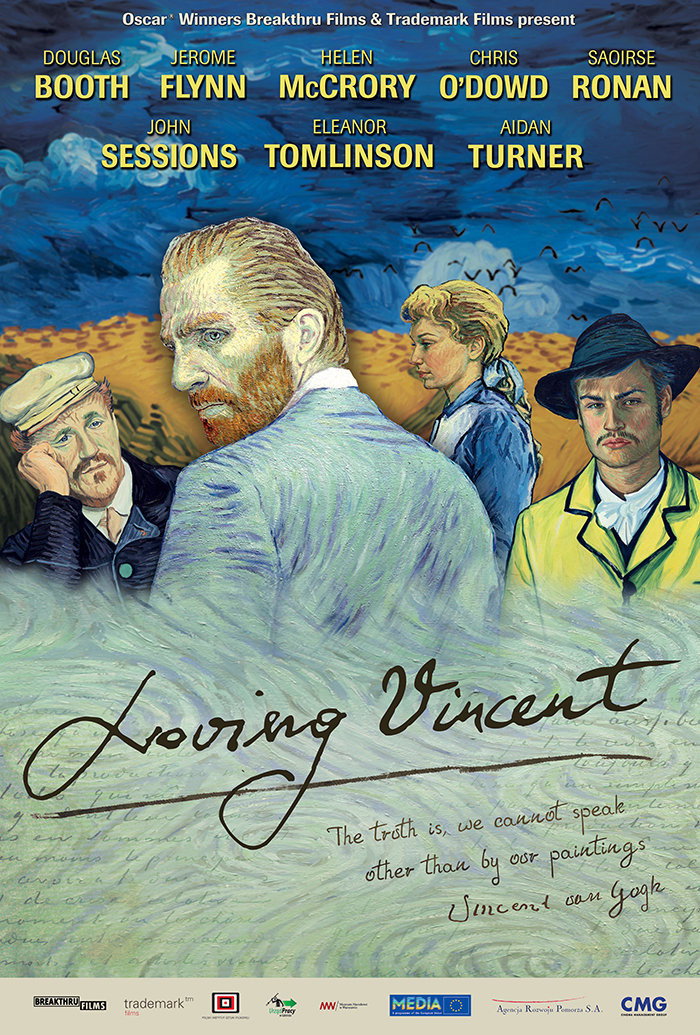
Dorota Kobiela and Hugh Welchman have found a persuasive reason to animate a painter’s work: it gives us time to look closely at the marks on the canvas. Loving Vincent is worth considering for that pleasure, provided a slow, stiff investigation is not a deal-breaker. Armand Roulin, played by Douglas Booth, asks questions about the death of Vincent van Gogh, played by Robert Gulaczyk. The detective story takes up more of our attention than it earns.
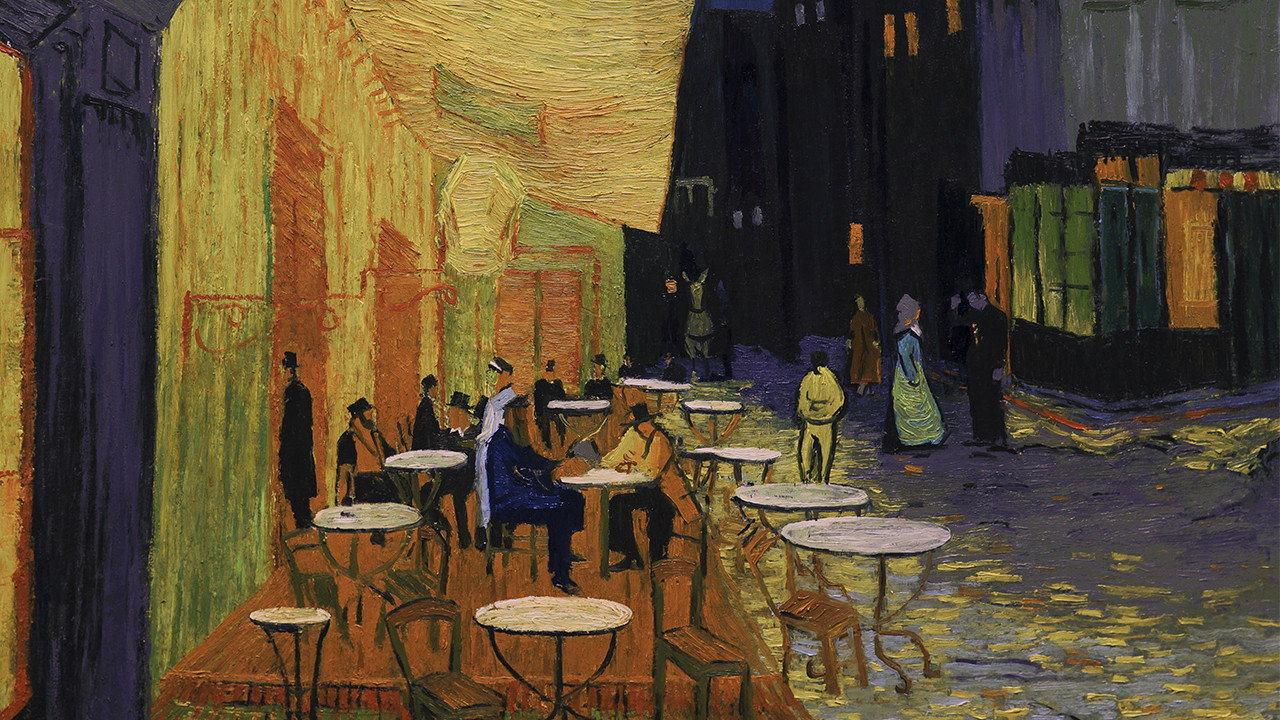
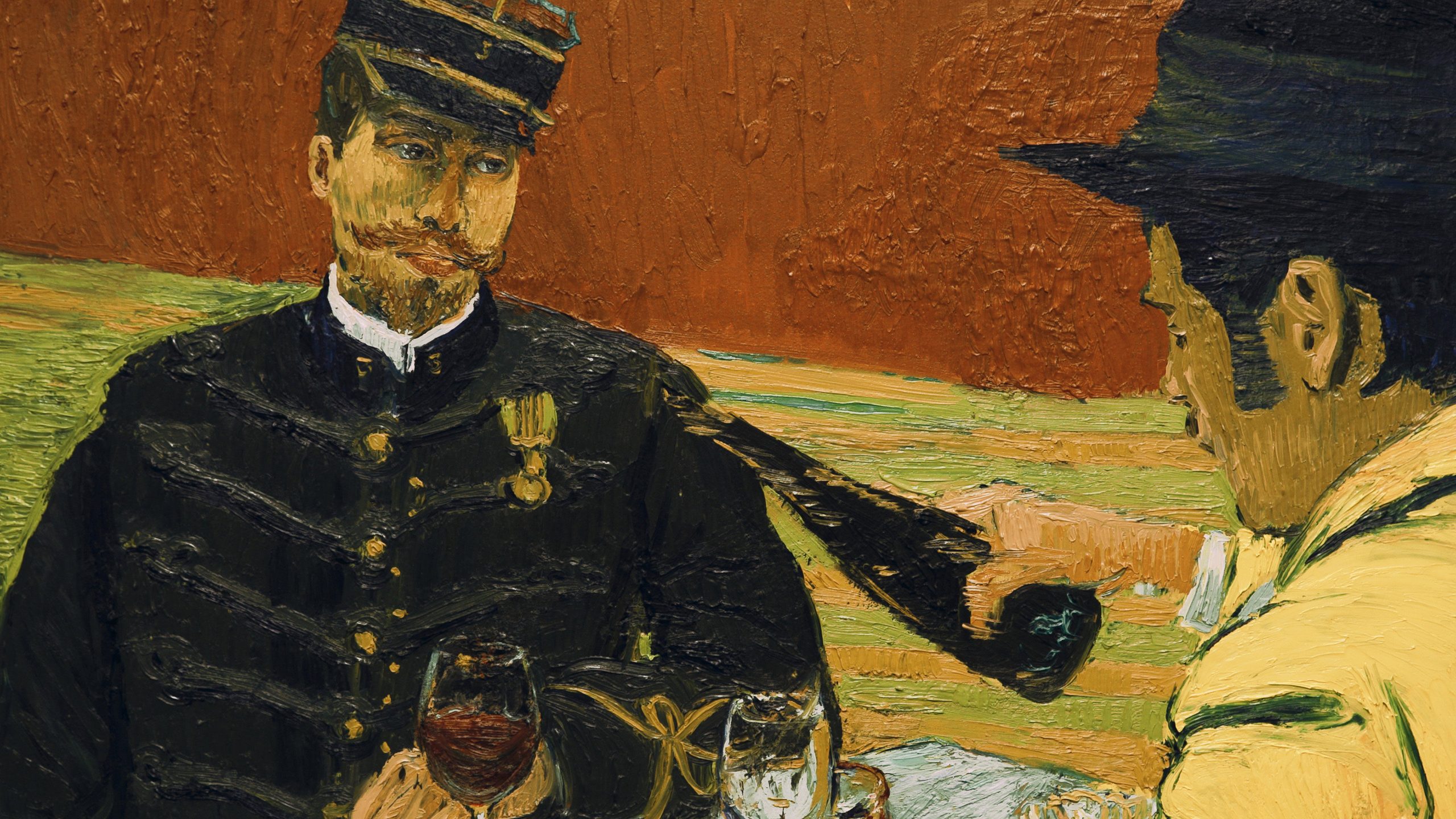
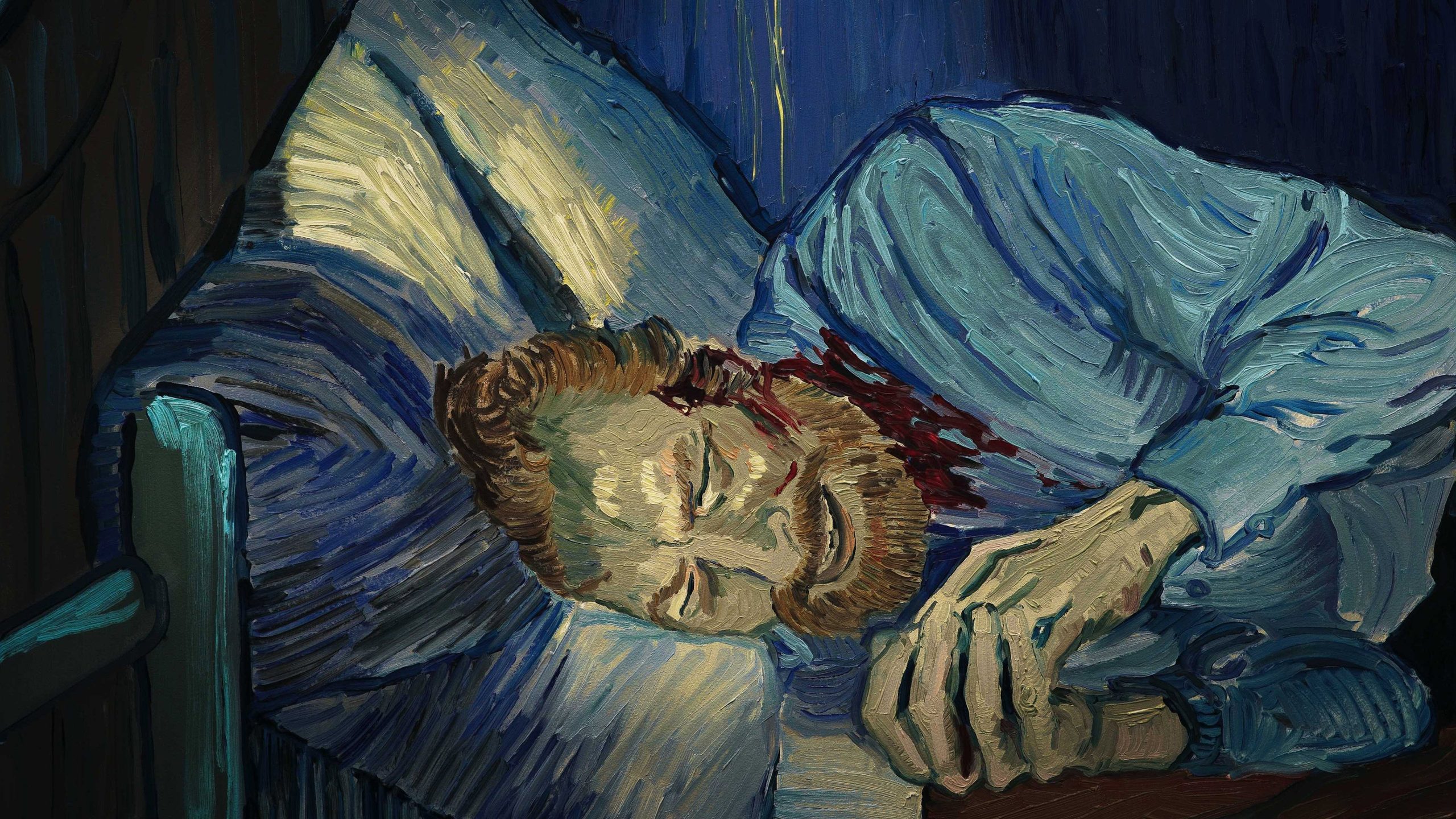
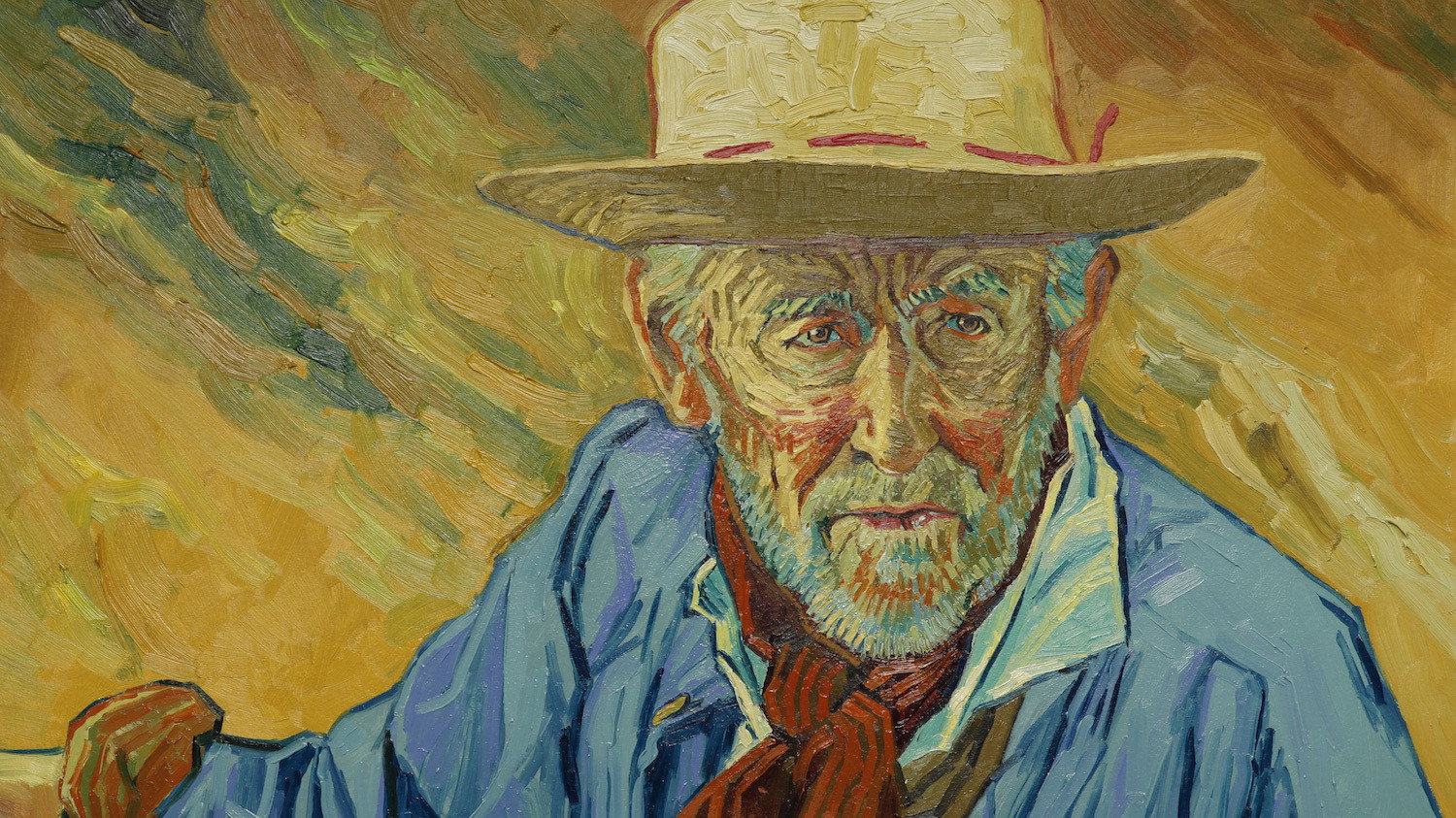
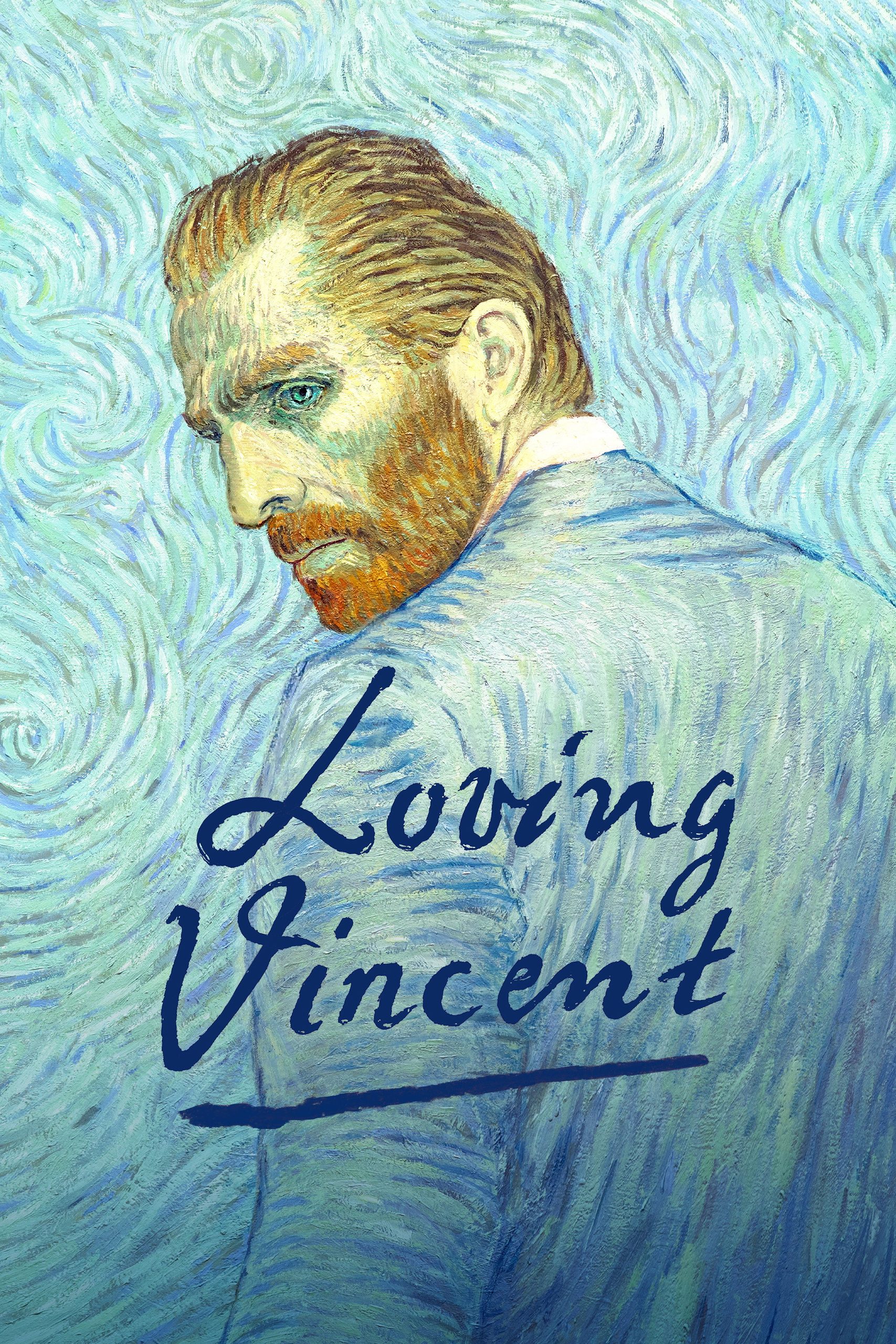
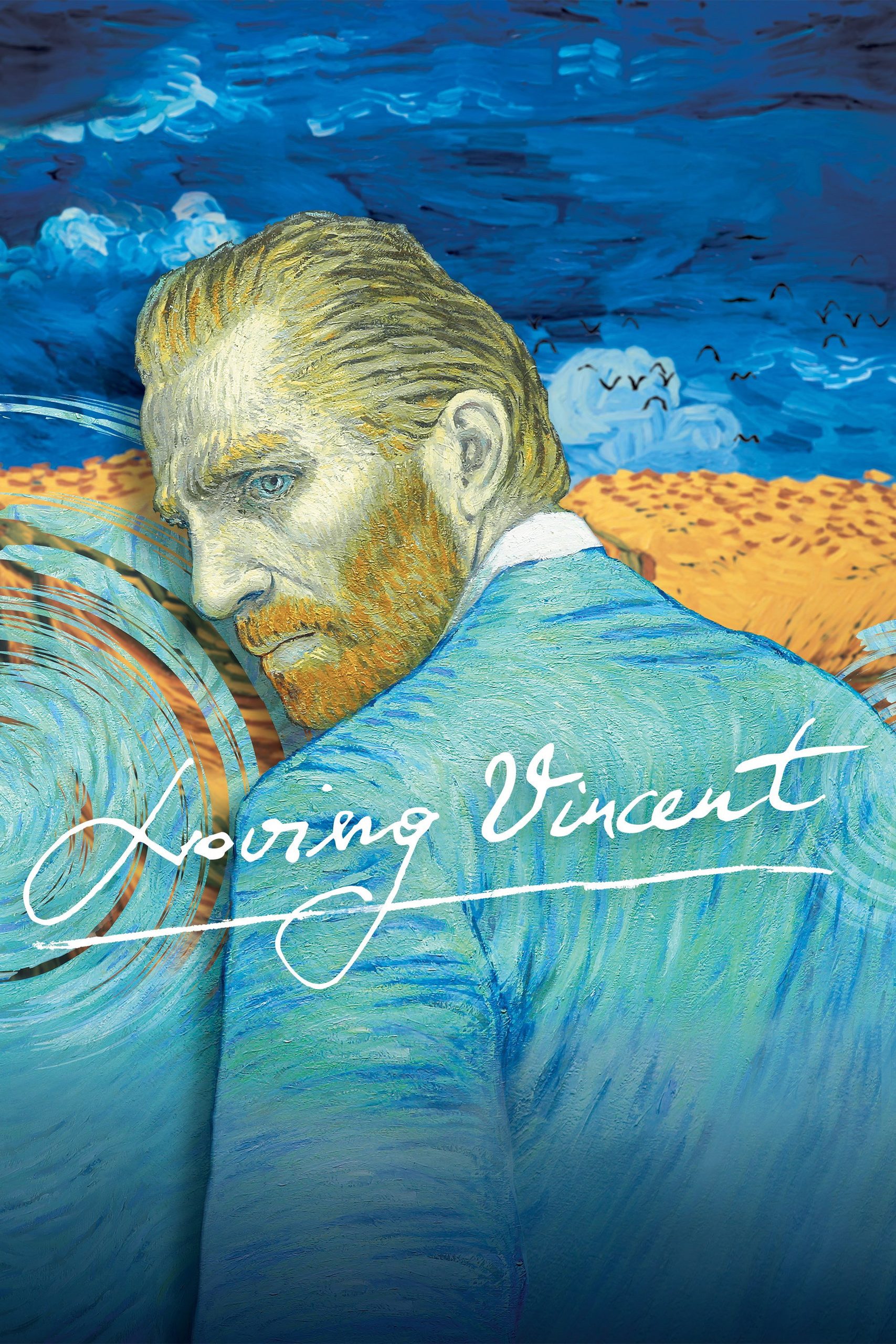
The oil-painted animation draws on van Gogh’s own pictures, keeping their brushwork visible as the images move. Golds and blues keep catching the eye, and familiar compositions become something we have to look at afresh. We were moved more than we expected by the sight of those paintings in motion. That feeling comes from being encouraged to notice the painted marks themselves, rather than treating a recognisable picture as something already understood.
Tristan Oliver and Łukasz Żal share the cinematography credit, and the handling of light helps the painted images retain depth as they move. Production designers Maria Duffek, Andrzej Rafał Waltenberger, Piotr Dominiak and Matthew Button help fit the paintings into a consistent setting for the investigation. That continuity works: the images belong together rather than feeling like unrelated reproductions. There is plenty to examine beyond the person speaking, which is useful when the dialogue begins to labour.
The screenplay by Hugh Welchman, Dorota Kobiela and Jacek Dehnel is much less successful at sustaining curiosity. Following the people left behind is a sensible way to avoid a routine account of the artist’s life, but the questions soon feel dutiful. We grew frustrated with the investigation because its speculation about the death supplied so little understanding of the man. Too often the film treats the possibility of another explanation as sufficient reason to continue, without making the enquiry more urgent or the people more interesting.
Douglas Booth gives Armand Roulin little energy to make that questioning feel personal. He seems to be completing a task. A mystery can survive familiar questions if the person asking them becomes interesting, and here the painted surroundings are doing too much of the work. The film’s sensitivity towards Vincent van Gogh is welcome, but it does not solve the problem of spending so much time with his investigator.
Editors Justyna Wierszynska and Dorota Kobiela keep the enquiry legible, but its steady progress becomes repetitive. At 95 minutes, the film ought to feel concentrated; instead, the stretches of questioning make us conscious of the running time. Clint Mansell’s music helps sustain the tenderness towards the painter, though it cannot make Armand’s enquiries more involving. The writing leaves both editing and music with too much to do, since one conversation rarely makes the next feel necessary.
A biographical drama does not have to explain its subject, but a mystery encourages us to expect answers. That expectation leaves this film doing more investigating than it can make interesting. Its affection for Vincent van Gogh is clear, and it is worth giving the animation enough time for the initial novelty to pass. Choose it for an evening spent looking at paintings; choose another film if the investigation is what interests you.