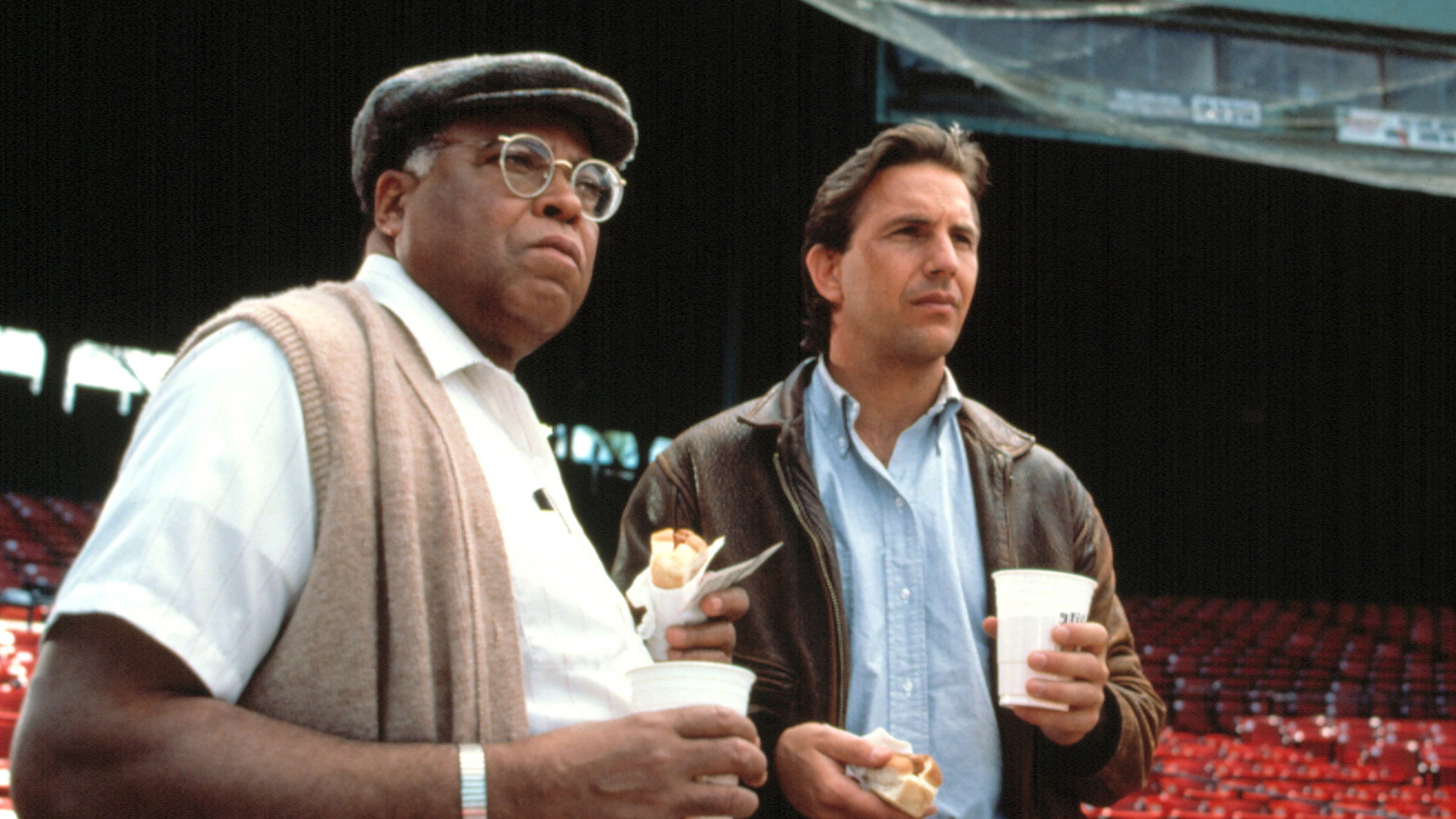
Phil Alden Robinson’s baseball fantasy is warm, funny and more moving than its fondness for speeches might suggest. Kevin Costner and Amy Madigan make its faith in second chances convincing, though the script occasionally insists on explaining why.
Field of Dreams asks us to take baseball seriously as a way of thinking about fathers, regret and second chances. It is a moving fantasy, and we recommend it despite some dialogue that ought to have stayed in the notebook. Phil Alden Robinson, who writes and directs, commits to the fantasy without embarrassment. That helps, because constant jokes about how unlikely it all is would soon make the people believing in it look foolish. His humour leaves them their dignity.
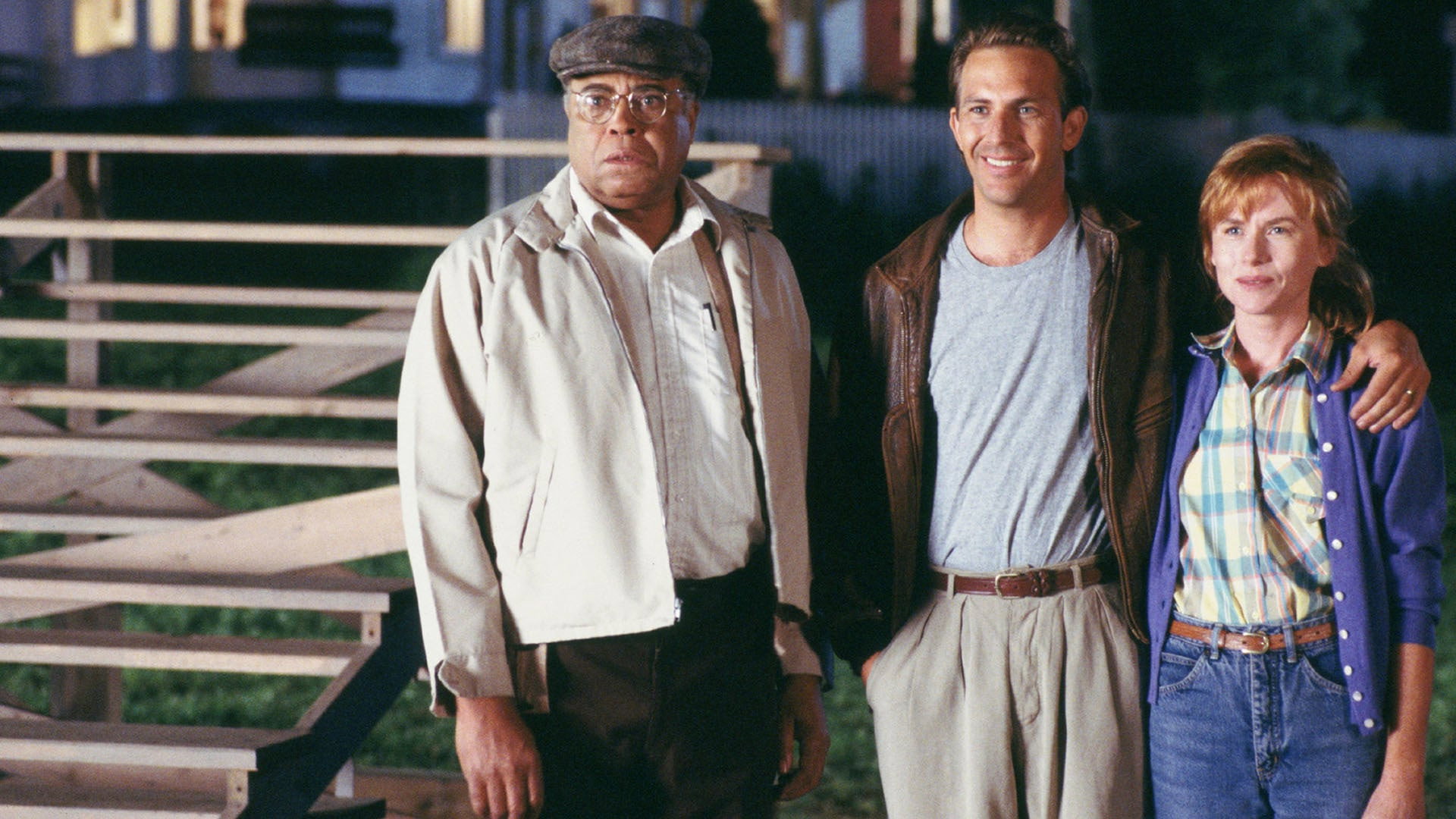
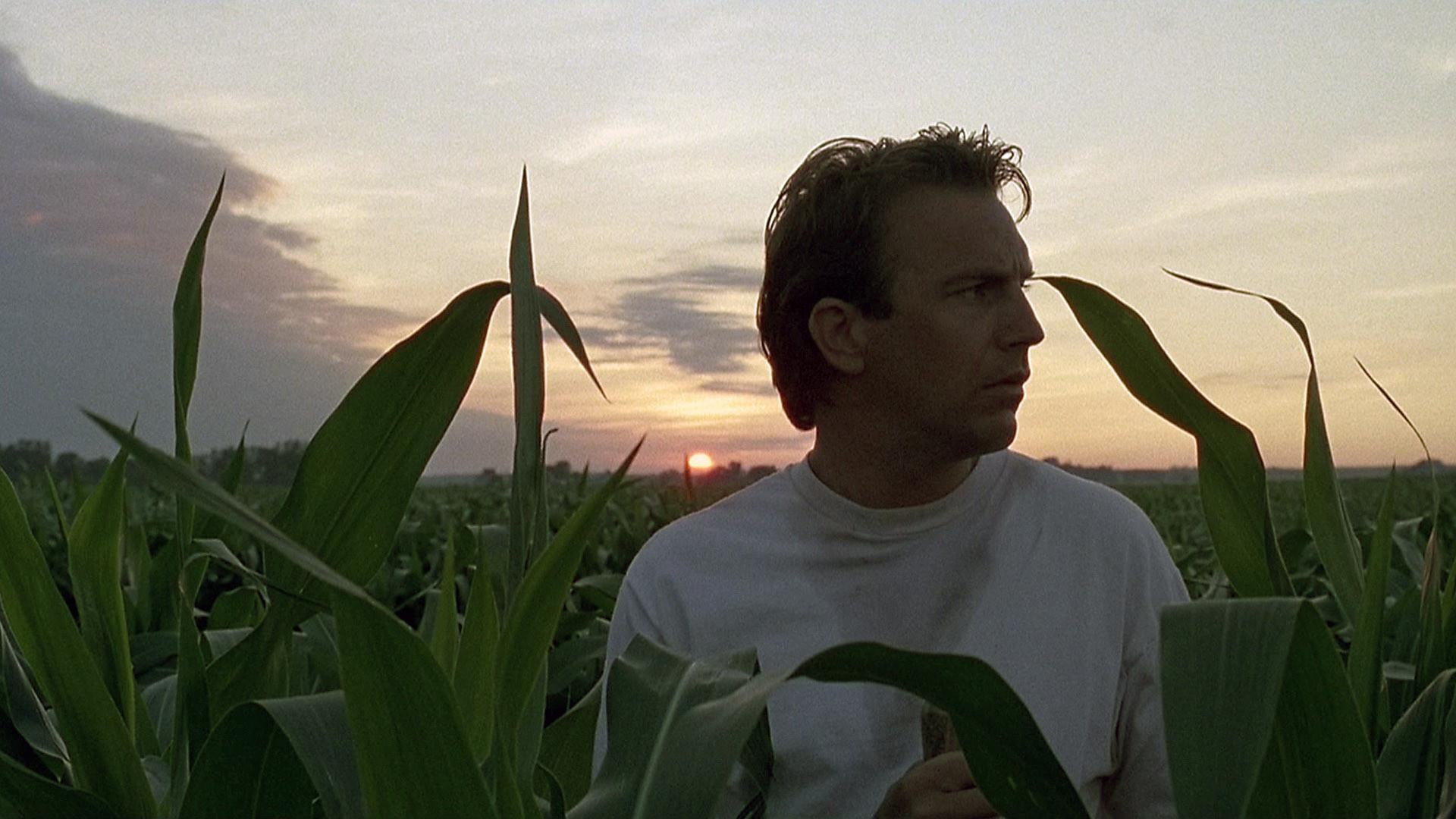
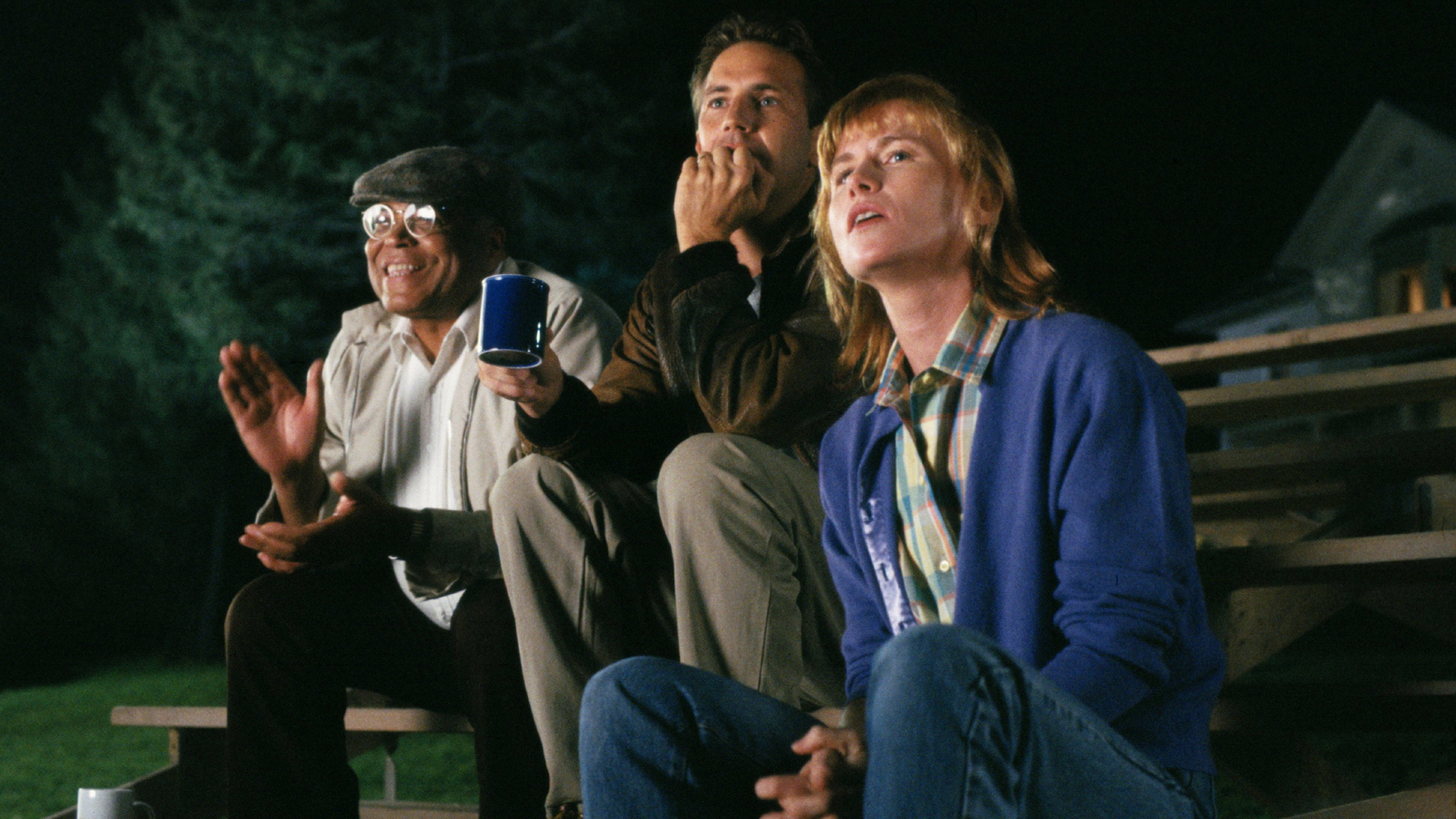
Kevin Costner makes Ray Kinsella’s eagerness convincing without asking us to mistake it for wisdom. There is something touching about the effort he puts into believing, and something faintly worrying about it too. We were moved by the unguarded, almost childlike enthusiasm in Costner’s performance. He lets Ray’s investment in baseball and its promises look faintly embarrassing, which gives us a person to care about before we have accepted the fantasy. Robinson asks a great deal of our goodwill; Costner does much of the work of securing it.
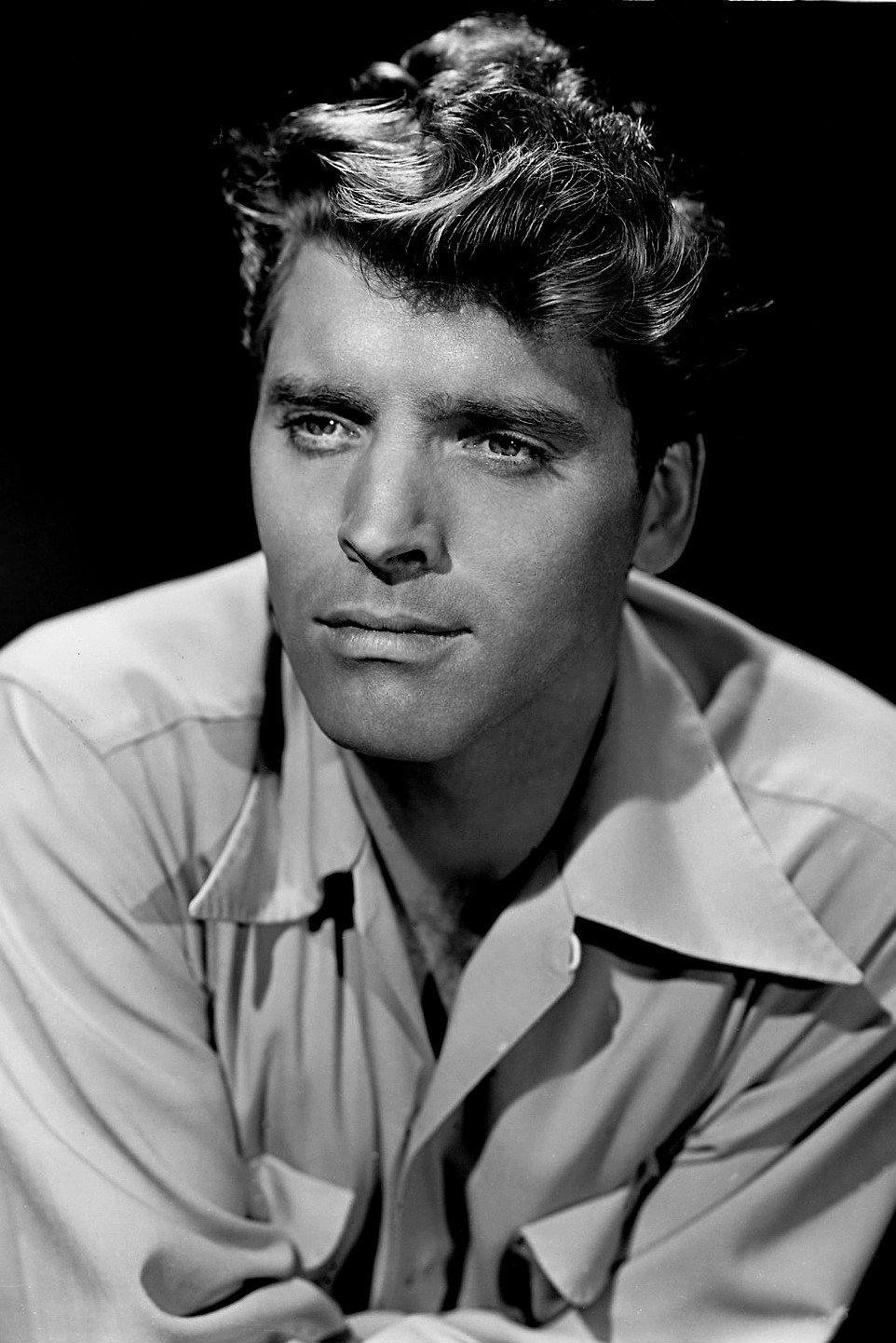
Amy Madigan is just as important as Annie Kinsella, giving the couple enough ordinary credibility to make their shared visions bearable. Without that partnership, Ray could become the sort of dreamer whose charm depends on everyone else doing the washing-up. Madigan brings humour and firmness to the film’s sweetness, and Robinson gives her space to register as a person. James Earl Jones and Burt Lancaster also make the fantasy feel inhabited, even when the writing grows rather pleased with its own wisdom.
John Lindley’s cinematography makes the farmland feel welcoming, and the film needs that warmth. A baseball field has to be somewhere these people might invest unreasonable hopes, and his photography makes the attachment credible. Dennis Gassner’s production design similarly keeps the fantasy close to ordinary life, giving the setting enough substance to support the improbable things being asked of it. Their work helps us understand why this place matters to the characters without requiring us to share their feelings about the game.
Ian Crafford’s editing is less persuasive when the film pauses to underline what baseball is supposed to mean. Robinson’s screenplay has a weakness for the polished saying, and the rhythm can feel arranged around making sure we have heard one. James Horner’s music suits the dreaminess, though its sweetness sometimes makes those passages too insistent. These are the moments when the film seems anxious about whether we have understood it. Costner and Madigan have usually made the point already.
The film belongs comfortably in the tradition of American fantasies that give disappointed people another chance. Its innocence is appealing, though its reverence for baseball sometimes asks us to accept too much simply because the game matters deeply to the characters. We do not need every promise it makes about the sport to be credible. Regret about a parent needs little explanation, even if baseball means nothing to us. Robinson is on firmer ground when he trusts that recognition and lets the actors carry it.
At 105 minutes, Field of Dreams gives its people time to persuade us without making the fantasy feel laborious. There is pleasure in watching performers take such earnest material seriously, particularly when a defensive joke would be easier. The sweetness will be too much for some, and the speeches offer little protection against it. Watch it for Costner and Madigan, and be prepared to forgive Robinson those speeches.