Film review

Big Fish

2003 · Directed by Tim Burton · 2h 05m · MPA PG-13

In a sentenceAlbert Finney makes us forgive a father we would hesitate to ask for directions

AdventureFantasyDrama

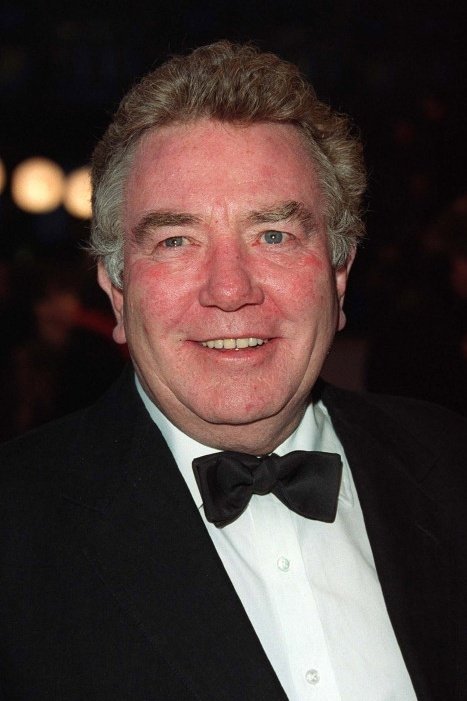
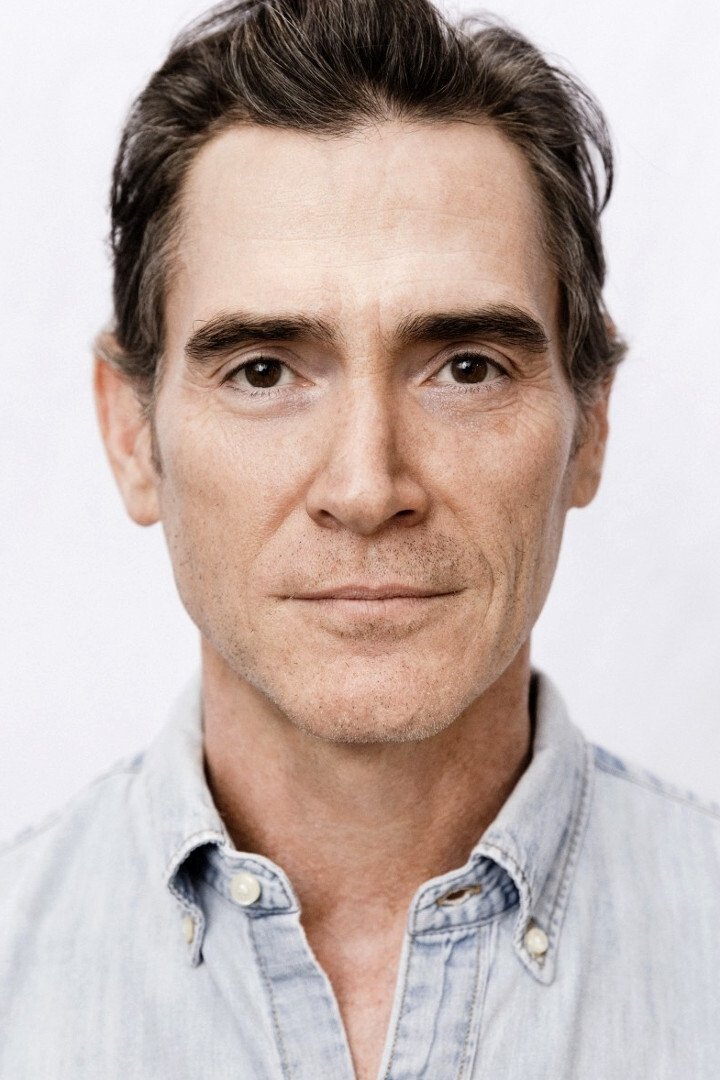
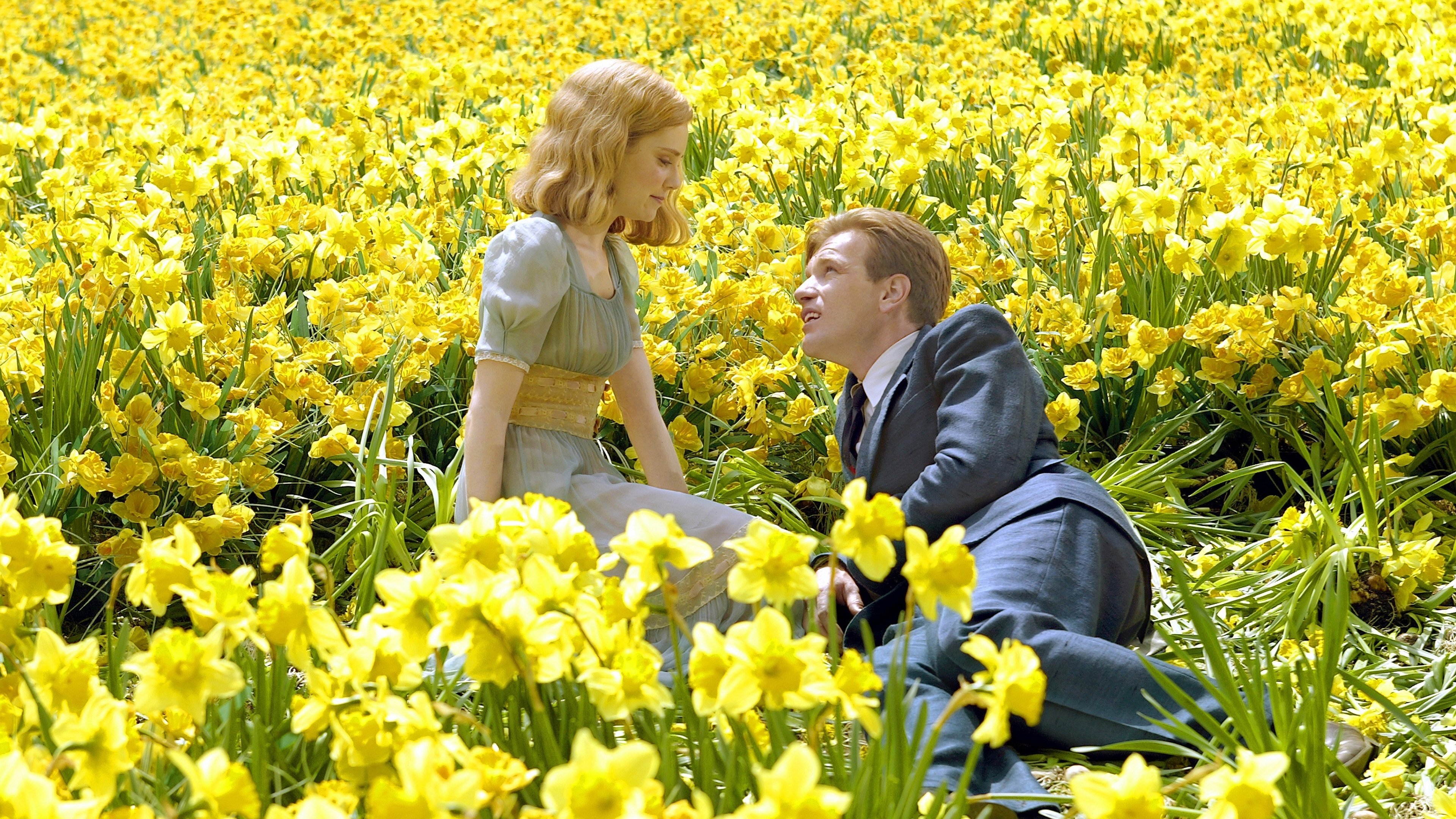
Ed Bloom tells his life through stories in which fantasy and memory are hard to separate. Ewan McGregor plays the younger Ed, with Albert Finney as the older man, while Billy Crudup plays his son Will. The relationship between father and son is strained by their different attitudes to the truth, and the film moves between their present-day difficulties and Ed’s accounts of his past. Jessica Lange and Alison Lohman share the role of Sandra Bloom. As Will tries to understand his father, the stories raise questions about what a family knows of its own history.

Fi1m review

Tim Burton’s family fantasy is too fond of its own whimsy, but Albert Finney makes the tall tales matter. We recommend it for the father and son, with patience for the detours.

Big Fish is an affectionate, sometimes over-insistent film about a father whose stories have become a problem for his son. Tim Burton makes the fantasy inviting, and the family scenes give it enough purpose to justify most of the wandering. John August’s screenplay, adapted from Daniel Wallace’s novel, asks how much someone can be understood through the stories they choose to tell. We recommend it, though anyone who shares Will Bloom’s impatience with his father will occasionally feel that the film has taken Ed’s side before hearing the complaint.

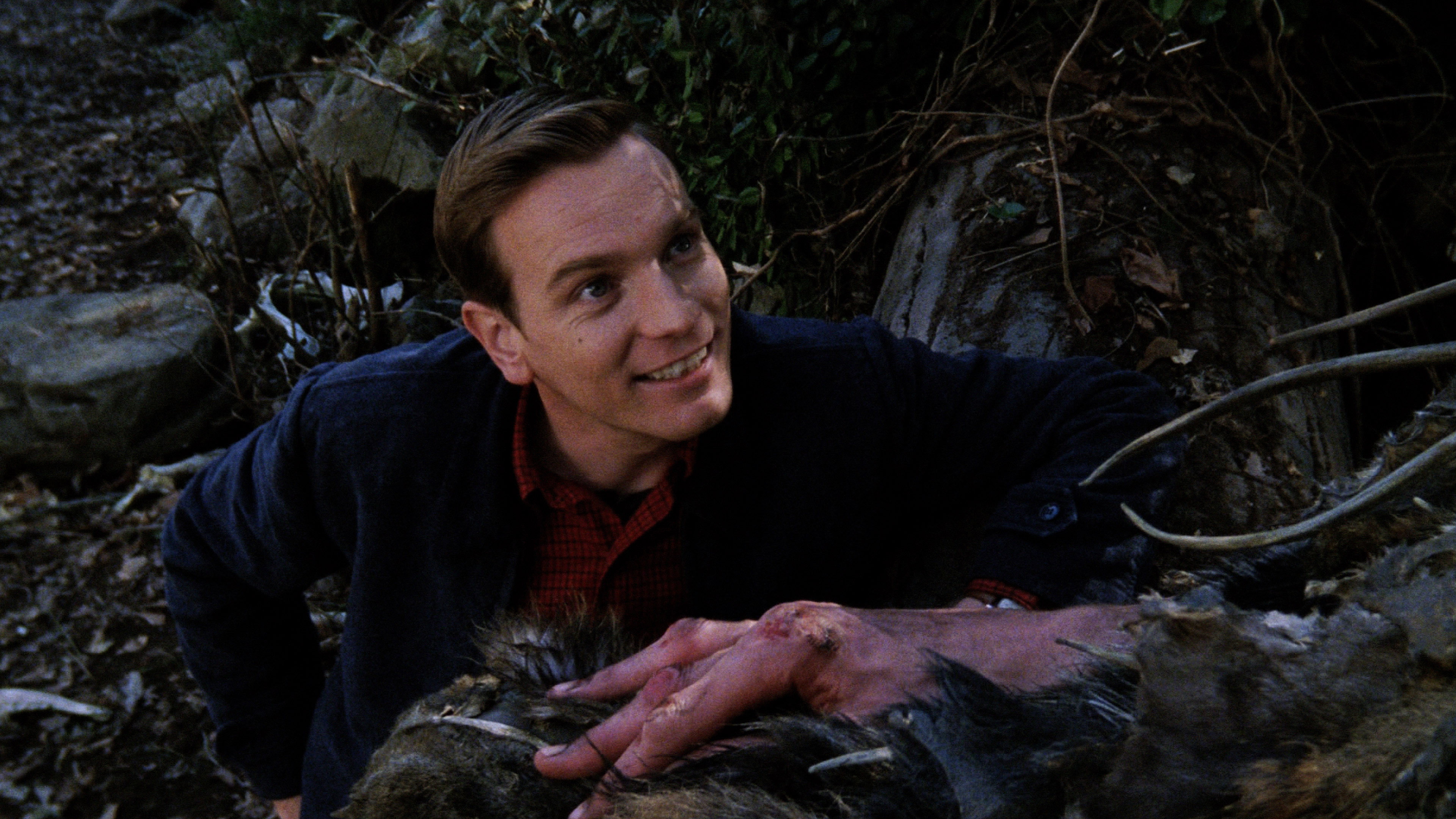
Ewan McGregor gives the young Ed an eagerness that makes the fantastic episodes easy to enter; he seems entirely comfortable with their extravagance, and encourages us to settle in too. Albert Finney, playing the older Ed, is more interesting because his charm comes with the expectation of being indulged. We were moved by the hurt in his performance when that indulgence meets Billy Crudup’s sceptical Will. Finney makes the storytelling seem so much a part of Ed’s pride that a request for plain facts can feel like an insult.

Crudup has the less rewarding assignment, repeatedly having to question the flights of fancy we have been encouraged to enjoy. He gives Will’s resistance a useful stiffness: it is possible to understand the son while wishing he would relax. August could have allowed him more room, because the family conflict becomes too simple whenever doubt itself is treated as a character defect. Jessica Lange’s Sandra supplies warmth without the same insistence on being liked, and her presence helps the domestic scenes settle.

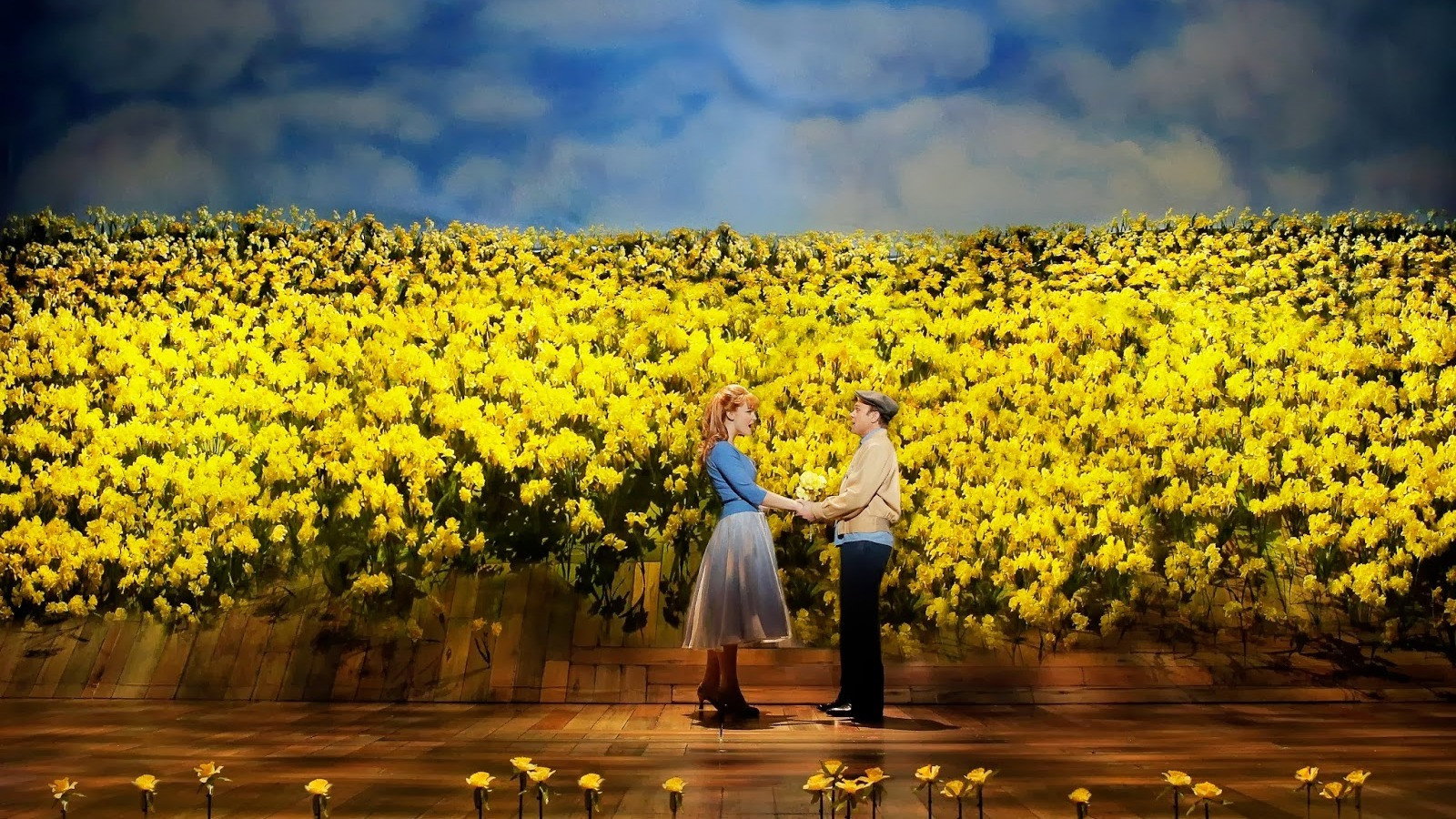
Philippe Rousselot’s cinematography makes the fantastical flashbacks easy to enjoy as pictures, even when the stories themselves are slight. Dennis Gassner’s production design helps each invention feel worth a look, though we sometimes wanted the places to be stranger rather than merely pleasant. Burton is good at encouraging us to linger over these sights, but less successful at making them feel dangerous. Danny Elfman’s music presses harder for emotion, occasionally making a tender moment feel overexplained when Finney’s performance has already done enough.

Chris Lebenzon’s editing has the awkward job of moving between the fantastical past and the resistant son in the present, and the joins are generally clear. The larger pacing problem belongs to August and Burton: another fanciful episode does not always change what we understand about Ed. Some stretches ask us to admire his imagination for longer than it deserves, especially once we have grasped why Will finds it tiring. At 125 minutes, the film gives us enough time to share a little of that fatigue.

Most critics disagree with us, finding Burton’s gentler fantasy too sentimental to carry the father-son drama. We think they undervalue Finney, whose mixture of pleasure and wounded pride makes the reconciliation theme matter. Measured against the darker fantasy associated with Burton, the film can seem short of danger. As a family fantasy, though, it has a worthwhile concern: what happens when the way a parent enjoys remembering things becomes exhausting for a child. Choose it for an evening when a little sentiment is welcome, and do not expect every excursion to earn its length.

Critical consensus AI synthesised

58
Positive
4
Mixed
0
Negative
5

The reviews are sharply divided on Big Fish, with a slight lean towards disappointment rather than a settled consensus. Praise centres on Burton’s fantastical imagery and the warmth of his tall tales: supporters find that his visual imagination serves a touching story about family, truth and the value of make-believe. Empire welcomes the connection between his familiar style and broader emotional concerns, while the Evening Standard singles out Albert Finney’s range and emotional force.

The disagreement is largely over whether that warmth earns its sentimentality. Slant Magazine finds the film moving without being manipulative, but detractors repeatedly describe the fantasy as soft, the father-son drama as laboured and Burton’s usual darkness as diminished. The spread is wide: admirers embrace the gentleness that others find dull. Time Out raises a distinct objection to the treatment of history and gender roles, alongside its dissatisfaction with the humour and emotion.

The AV Club
9 December 2003 · A- · Nathan Rabin
90

Burton rebounds strongly with a visual feast and emotional power that recalls Edward Scissorhands. The film makes a strong case for the life-affirming power of make-believe through its generous spirit and fantastical storytelling.

Read the full review →
Empire
· William Thomas
85*

The film aligns Burton's visual style with a story that has more than one foot in the real world, resulting in charming, witty and warm-hearted filmmaking. It is praised for transcending Burton's usual world to connect with wider emotional concerns about family and truth.

Read the full review →
Slant Magazine
22 November 2003 · Ed Gonzalez
85*

Big Fish is a sentimental but never manipulative nonsecular tall tale about the desire to live with wonderment. Burton's fantastical set pieces and images, saturated with love, single out the power of myth over reason in illuminating family connections and spirituality.

Read the full review →
Evening Standard
10 April 2012 · Will Self
80*

Burton reaches an apogee with this tale of tall tales and father-son reconciliation. Albert Finney's performance is singled out as the standout, delivering a broad range of emotions that moves even a jaded critic.

Read the full review →
Radio Times
★★ · Brian Pendreigh
40

The film drifts colourfully along but ultimately lacks the edge that made Edward Scissorhands so powerful and strange.

Read the full review →
The Independent
25 January 2004 · Nicholas Barber
40*

The critic finds the fantastical flashbacks full of expected wonders but too fluffy and innocuous to grip tightly. The present-day father-son reconciliation theme is overdone and the film is ultimately a disappointment.

Read the full review →

Cast

Stills

Awards

Academy Awards, 2004

Nominated
Best Original Score

If you liked this, try…

The Adventures of Baron Munchausen poster

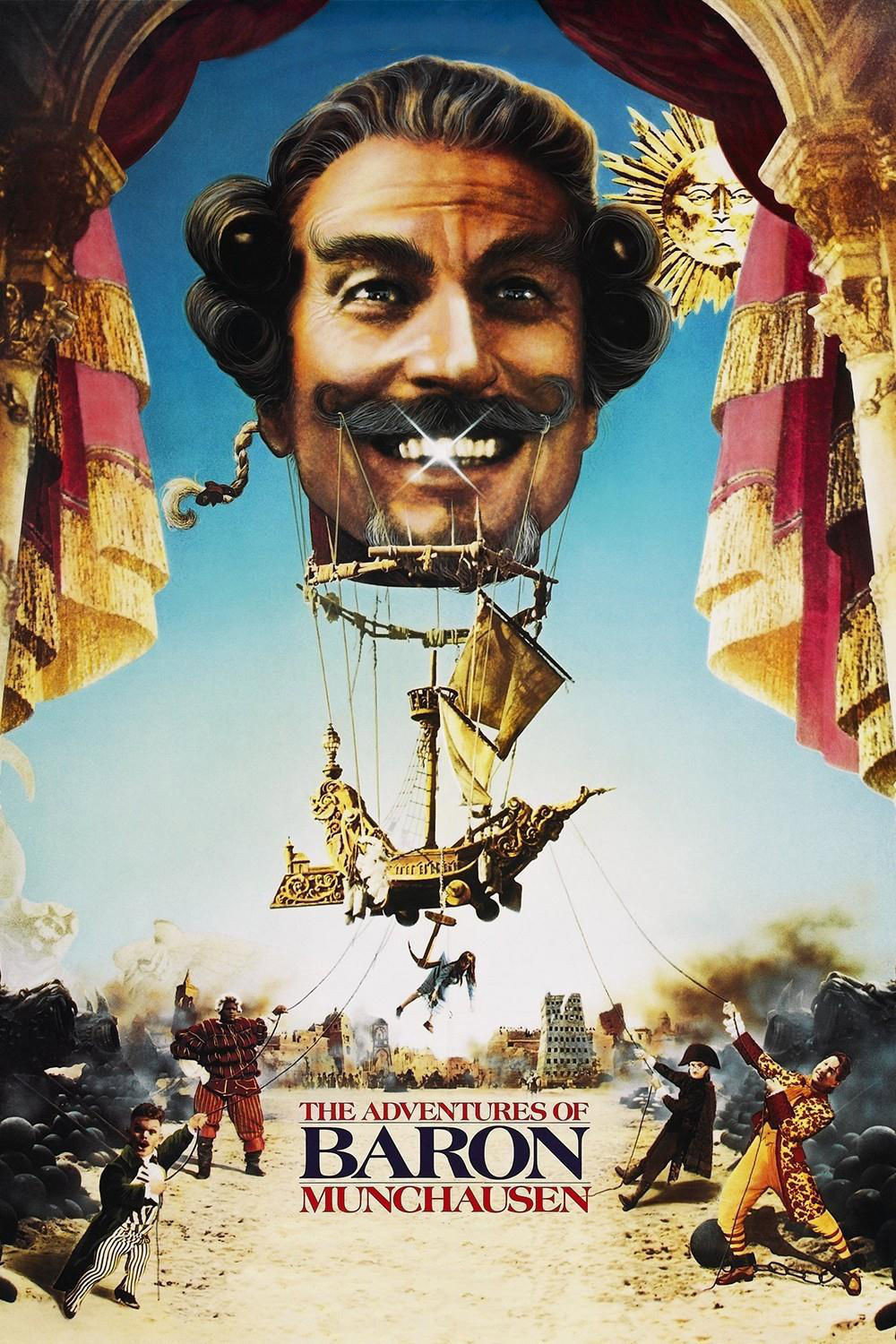
The Adventures of Baron Munchausen

1988 · For another extravagant storyteller whose inventions make ordinary life seem rather underfurnished.

After Life poster

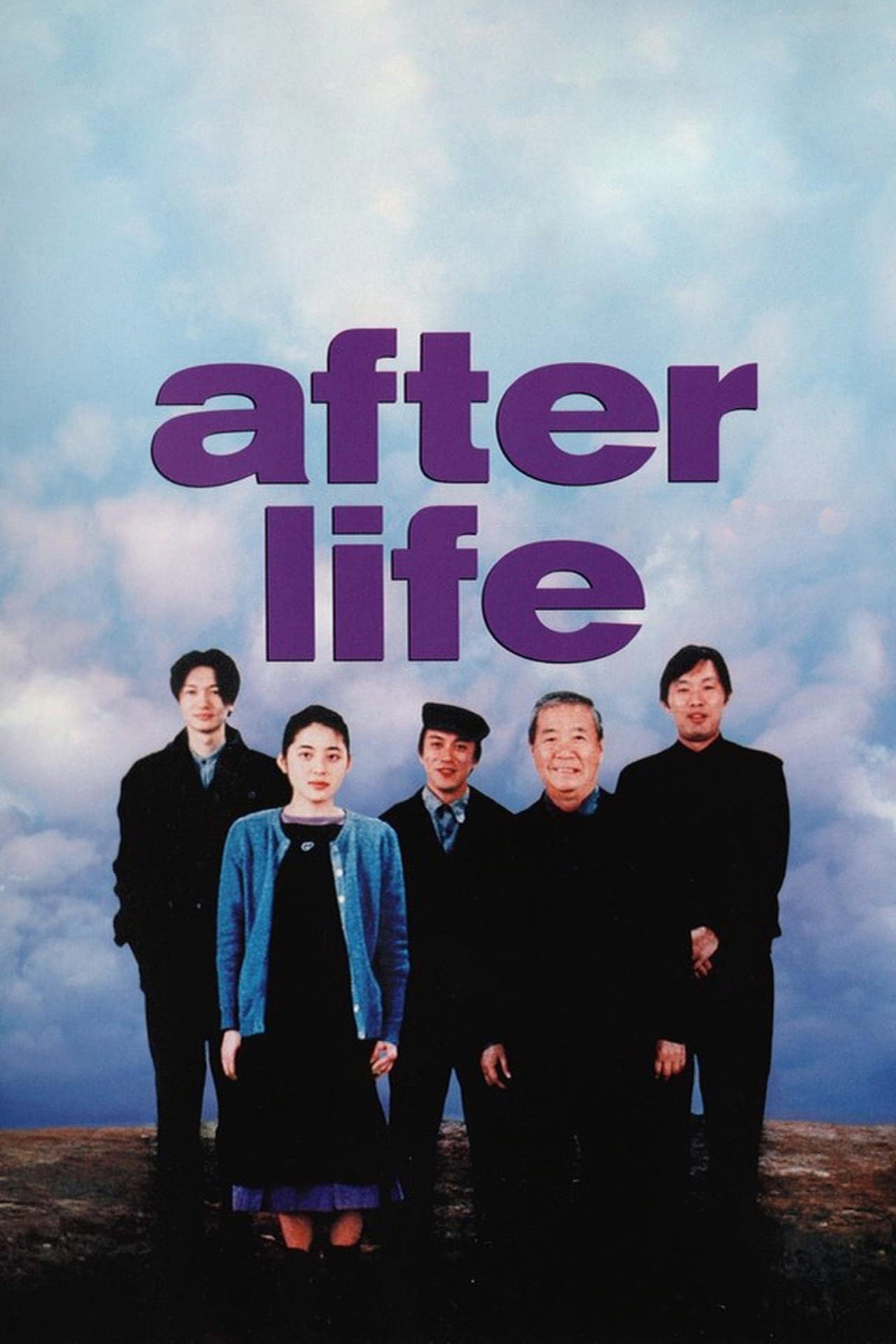
After Life

1998 · A quieter fantasy about choosing the memories that make a life.

A Monster Calls poster

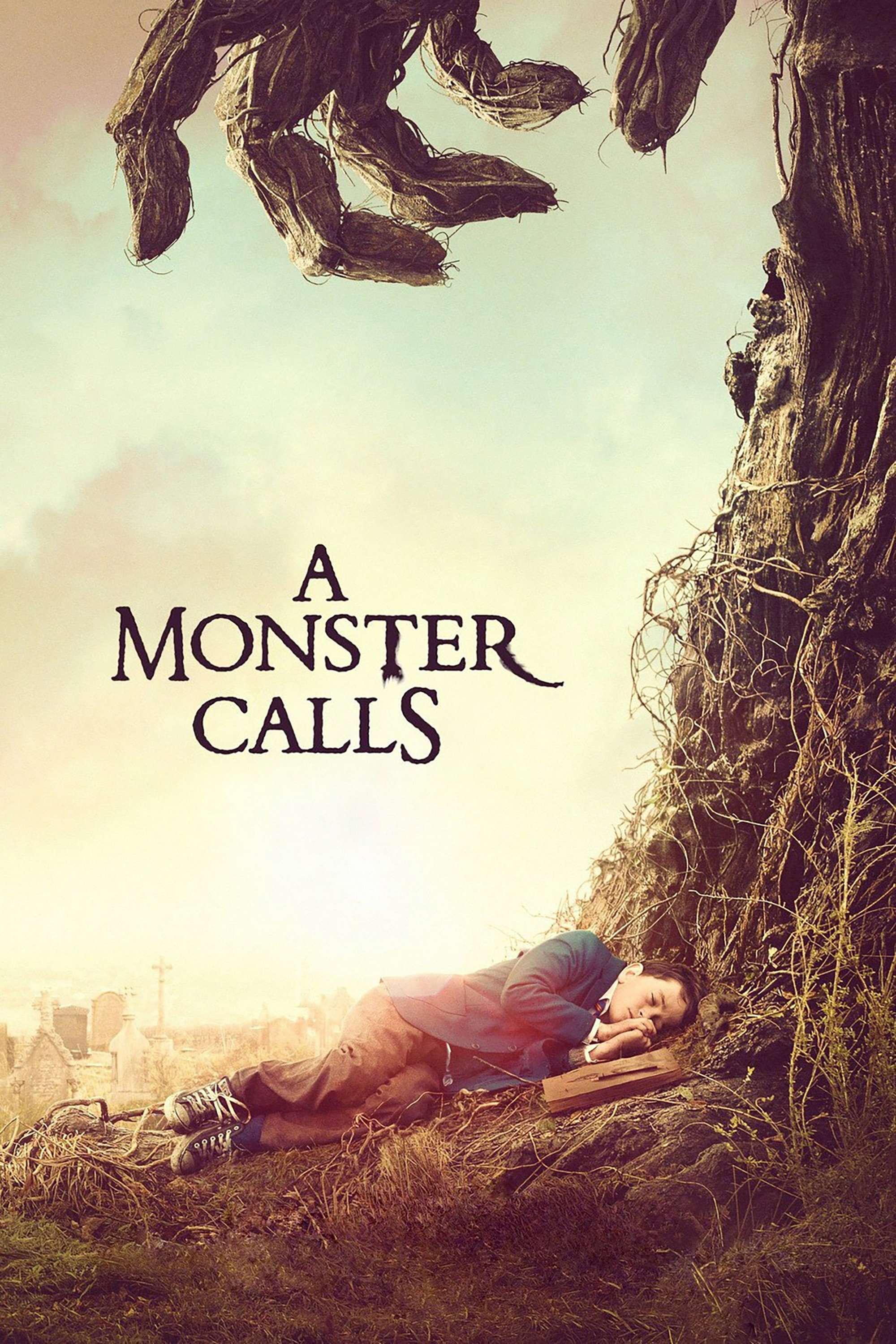
A Monster Calls

2016 · For family pain approached through fantasy, with more room for anger.

Cinema Paradiso poster

Cinema Paradiso

1988 · Another sentimental account of memory, affection and the difficulty of looking back.

The Fall poster

The Fall

2006 · For elaborate make-believe shaped by the difficult feelings of its teller.