Sacha Gervasi’s film about two middle-aged Canadian metalheads who never made it is funny for its first half hour and then quietly becomes something else. It is shaped more than it admits, but the friendship at its centre is real, and it got to us.
Sacha Gervasi’s film opens with the good years. There is footage from 1984 of a Toronto band on a festival stage in Japan, all leather and hair, and a row of famous men (Slash, Lemmy Kilmister, Scott Ian, Lars Ulrich, Tom Araya) explaining that Anvil were early, loud and important, and that everyone around them got rich. Then Gervasi cuts to Steve ‘Lips’ Kudlow, the lead guitarist, driving a van through the Ontario snow delivering school dinners. The joke is obvious and the film knows it. What the film also knows, and takes its time to show, is that the joke is not the point. This is a good documentary, warm without being soft, and it is 81 minutes long, which is exactly right.
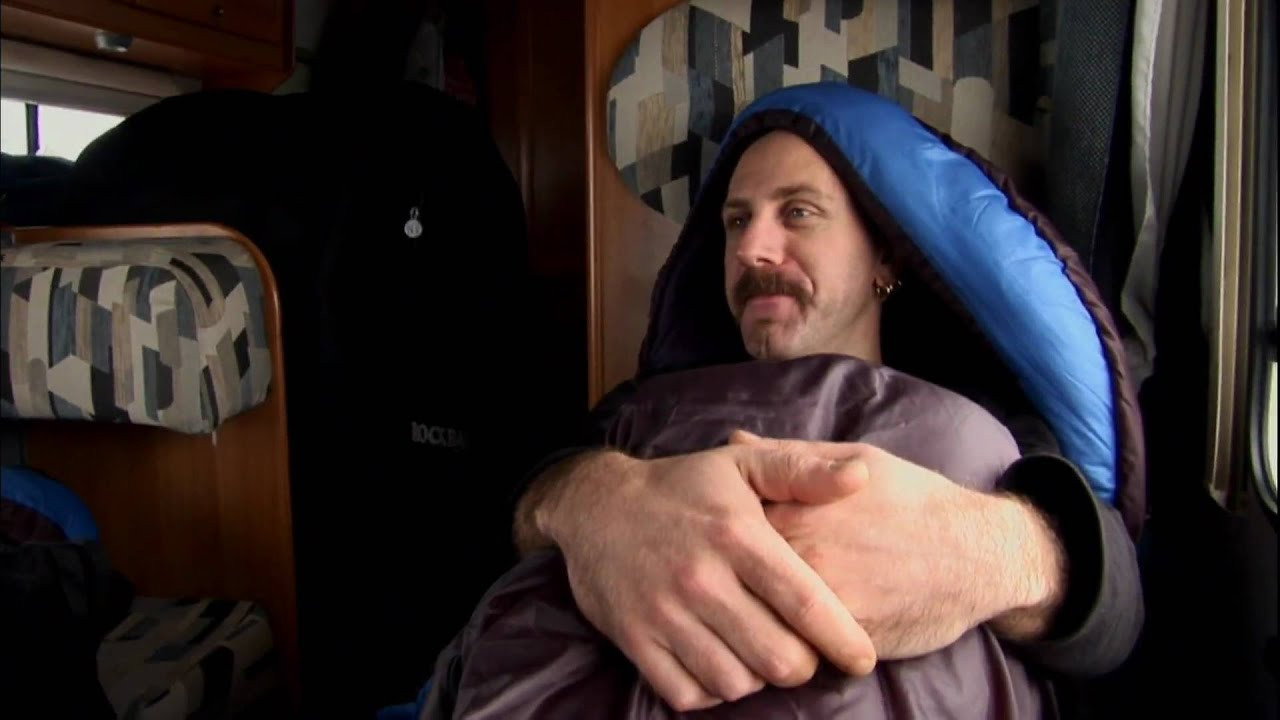
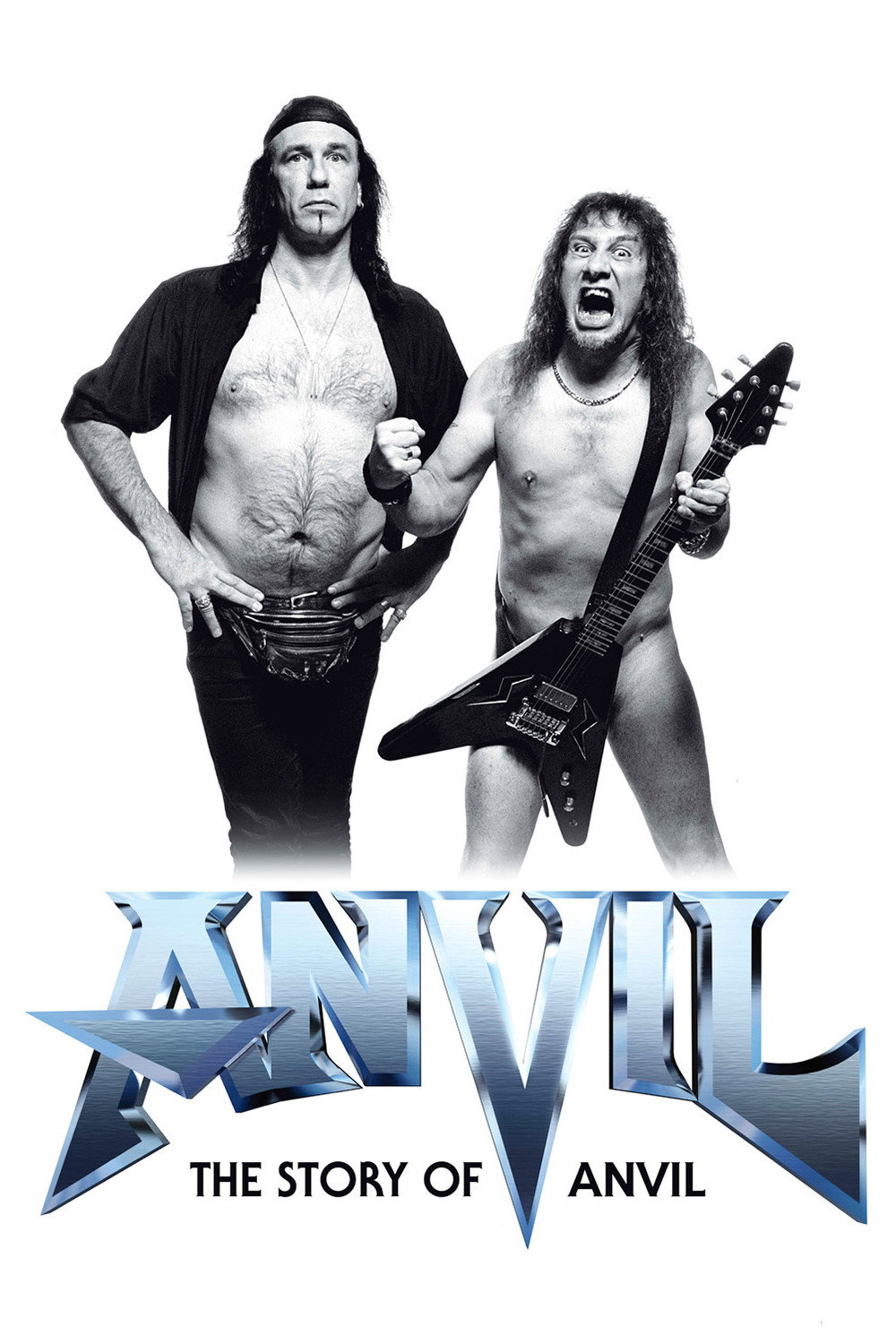
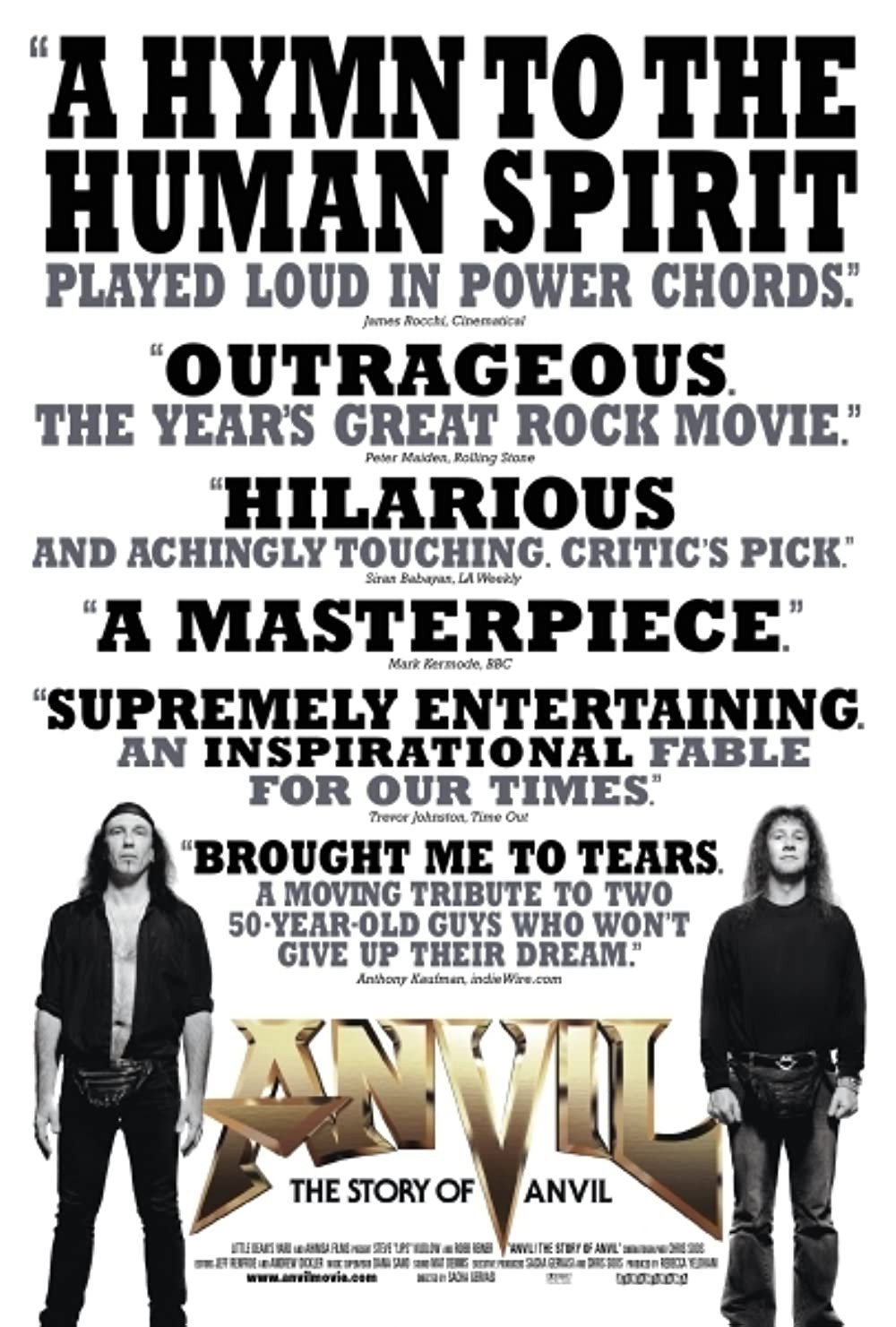
The subject is not really a band. It is two men. Lips and the drummer Robb Reiner have been friends since they were fourteen, and they have spent the thirty years since in each other’s company, rehearsing in basements and losing money. Lips does the talking; he talks like a man who has spent decades explaining to strangers why they should care, and has not yet given up. Reiner says almost nothing. He drums, he paints, and he watches his friend with a look that is half love and half exhaustion. Gervasi is wise enough to keep the camera on that look.
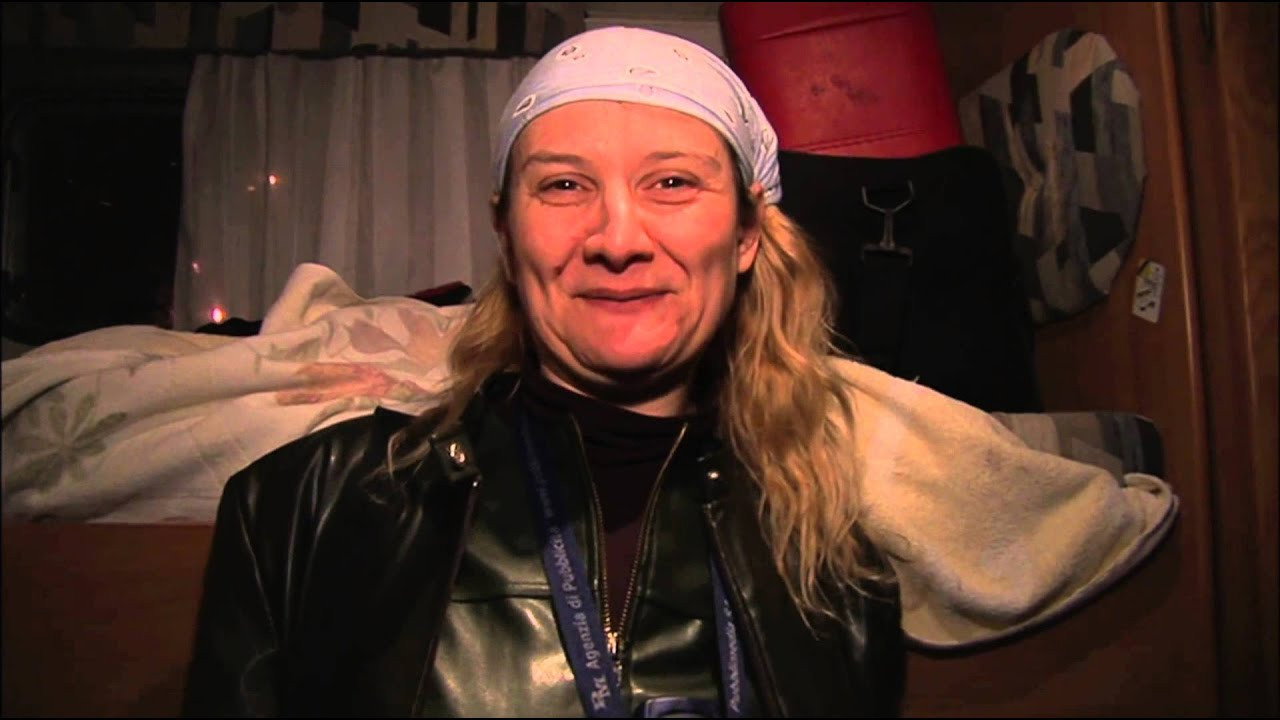
The first act follows them to Europe on a tour arranged by Tiziana Arrigoni, a fan who has appointed herself their manager and whose confidence outstrips her experience of booking trains. They miss a connection and lose a gig. A promoter in Prague refuses to pay them and Lips, in front of the camera, comes close to hitting him. They play a festival in Transylvania to a room built for thousands that holds, by our count, a few dozen. We laughed at all of this, and then, somewhere around the empty hall, we stopped laughing and felt slightly ashamed of ourselves, because every one of these disasters costs these two men money they earned carrying trays and pouring concrete. That is the trick of the film, and Gervasi plays it once, properly, rather than over and over.
Christopher Soos shoots it plainly, hand-held, in dressing rooms and vans and kitchens, and he does not prettify the snow or the strip lighting. Jeff Renfroe and Andrew Dickler cut it tight; scenes end when the point has landed and not a second after, and the film never once stops to admire itself. David Norland’s score is used sparingly, mostly underneath the quieter passages between the two men, and the rest of the soundtrack is Anvil’s own music, which is exactly as loud and as unfashionable as the film says it is. The craft is unshowy and it serves the people in front of it.
It is not an honest film in every particular. Gervasi has clearly noticed that his drummer is called Robb Reiner and that his guitarist owns an amplifier with a knob that goes to eleven, and he lets those echoes of This Is Spinal Tap (1984) sit on screen for a laugh he did not have to work for. He shapes his footage towards uplift; the second half, which we will not describe, is arranged so that every setback arrives just before a piece of good news, and by the end the structure is doing some of the work the material should do on its own. The rest of the band scarcely exists. Glenn Gyorffy is on screen for much of the tour and we could not tell you one thing about him.
Against the run of rock documentaries, this is a modest one, and better for it. It has none of the therapy-room grandeur of Metallica: Some Kind of Monster (2004) or the cruelty of a hidden-camera comedy; Gervasi likes these men and does not pretend otherwise, and he is good at letting them be ridiculous without making them fools. The film’s real argument is small and unfashionable: that it is possible to fail at something for thirty years and still be right to have tried.
Watch it with someone who has kept up a hobby long past the point of sense, and be prepared for the fact that the funny film you sat down to is not the one you will be thinking about in the morning. Certificate 15, mostly for the language of a guitarist who has not been paid.