Film review

The Wrestler

2008 · Directed by Darren Aronofsky · 1h 49m · MPA R

In a sentenceMickey Rourke has the face of a man who would rather take another hit than explain himself

DramaRomance

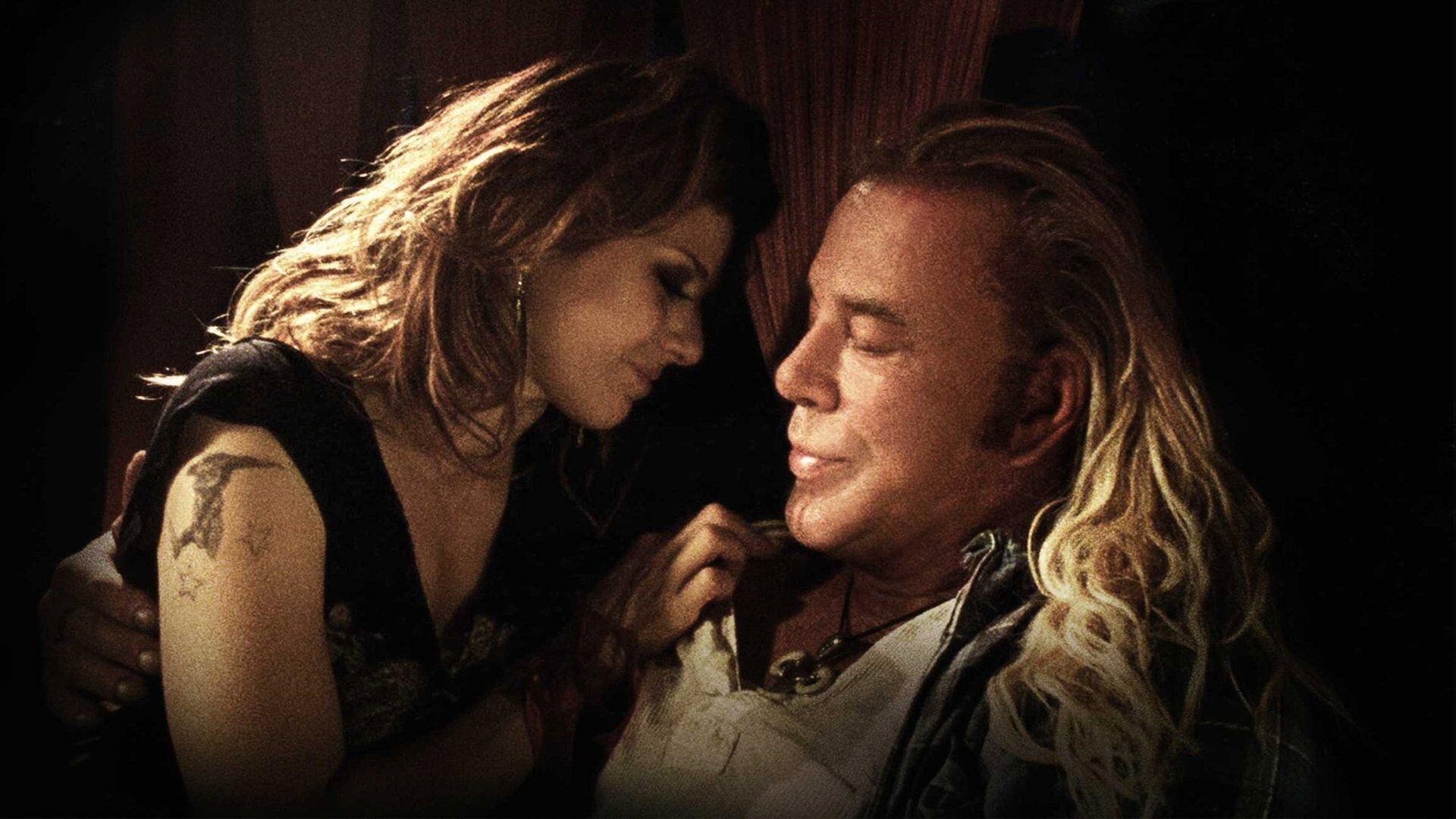
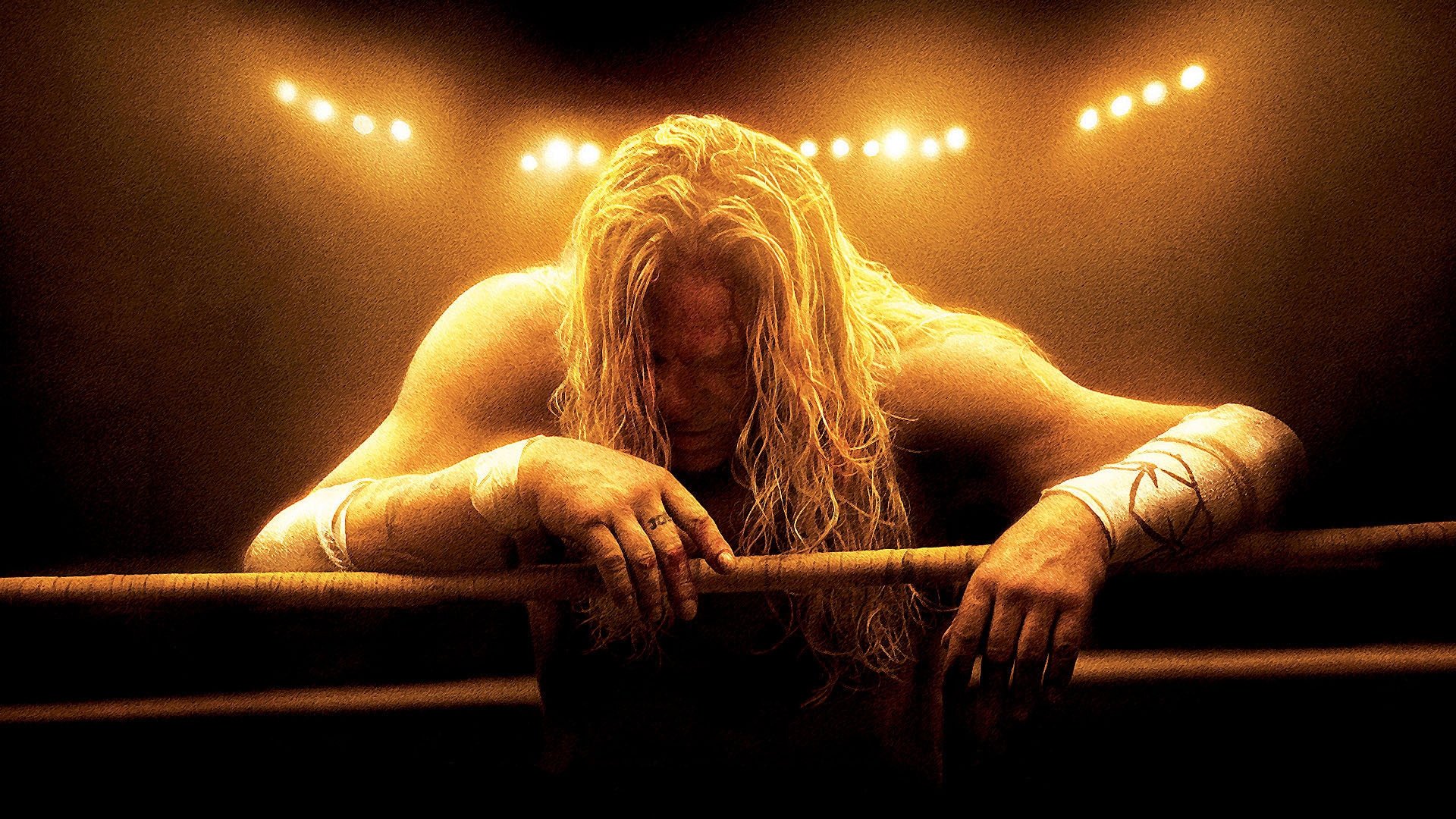
Mickey Rourke plays Randy, an ageing wrestler in New Jersey who faces the physical cost of his profession and the consequences of his own decisions. His working life centres on bouts that combine staged conflict with bodily punishment. Away from wrestling, he tries to find a way forward while carrying the failures of his past. The possibility of a second chance brings his private life into focus, including his relationship with his daughter. Darren Aronofsky directs the drama, written by Robert D. Siegel, with Marisa Tomei as Cassidy and Evan Rachel Wood as Stephanie.

Plays from YouTube when you press play; nothing loads from them until then.

Fi1m review

Mickey Rourke gives The Wrestler its tenderness, humour and reason to endure the punishment. Darren Aronofsky’s drama is worth the discomfort, though Robert D. Siegel’s familiar second-chance story sometimes presses too hard.

Darren Aronofsky’s The Wrestler is a moving drama with a familiar story and an unusually convincing man at its centre. Randy, played by Mickey Rourke, is an ageing wrestler whose working life has become difficult to separate from the damage it causes him. Robert D. Siegel’s screenplay asks what remains when a person has given so much to a job that punishes the body. The answer is sometimes too neatly arranged, but Aronofsky gives the physical business of wrestling enough attention to make the question worth asking.

Rourke gives Randy a friendliness that keeps the performance from settling into a long request for sympathy. The humour matters: we can understand why other people might enjoy his company, even while seeing the trouble he brings with him. We were moved by the uncertainty in Rourke’s eyes during the private moments, when the confidence needed for wrestling no longer seems much use. He lets Randy look embarrassed by his own need for affection, and does not hurry to make that embarrassment attractive.

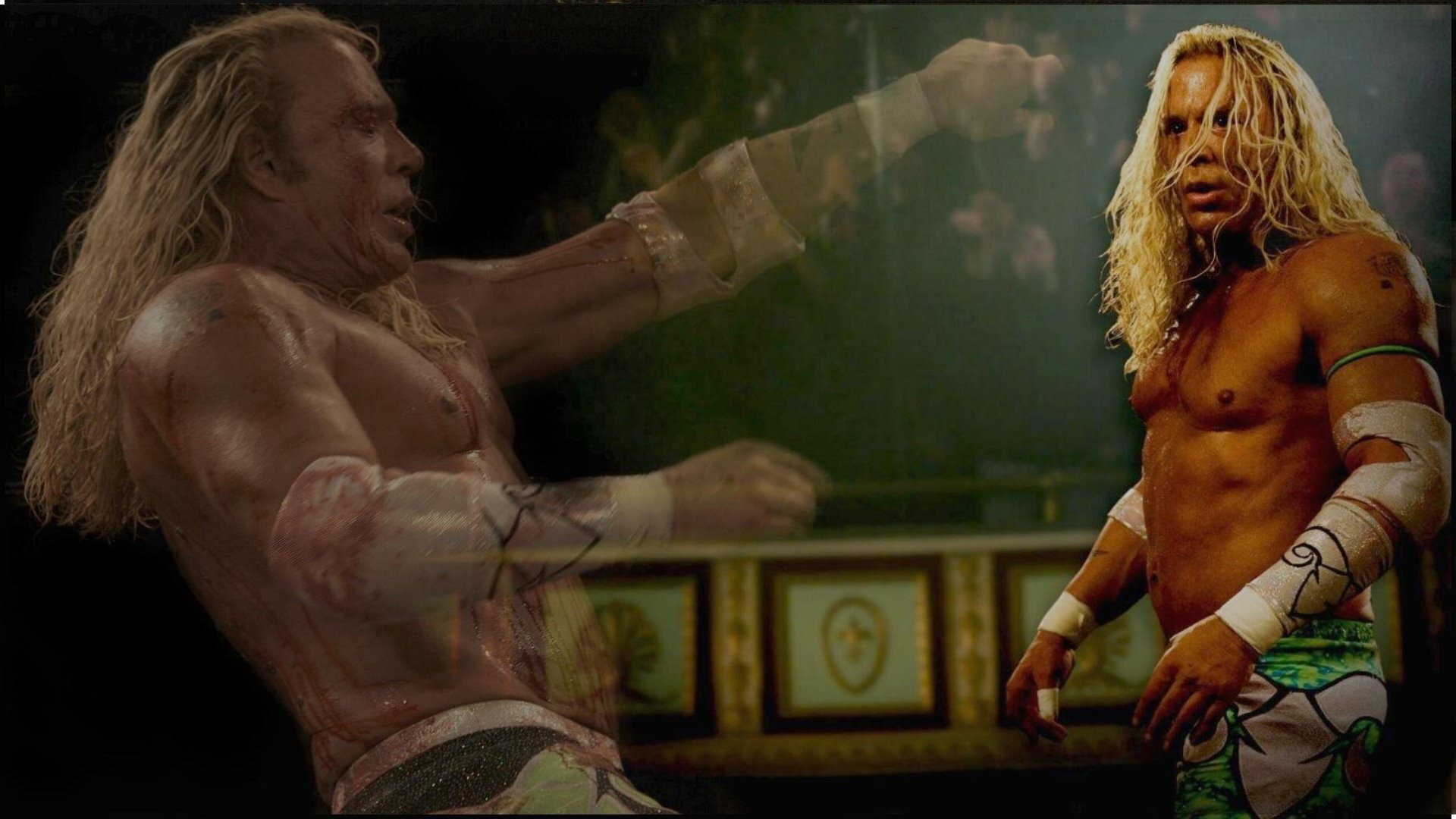
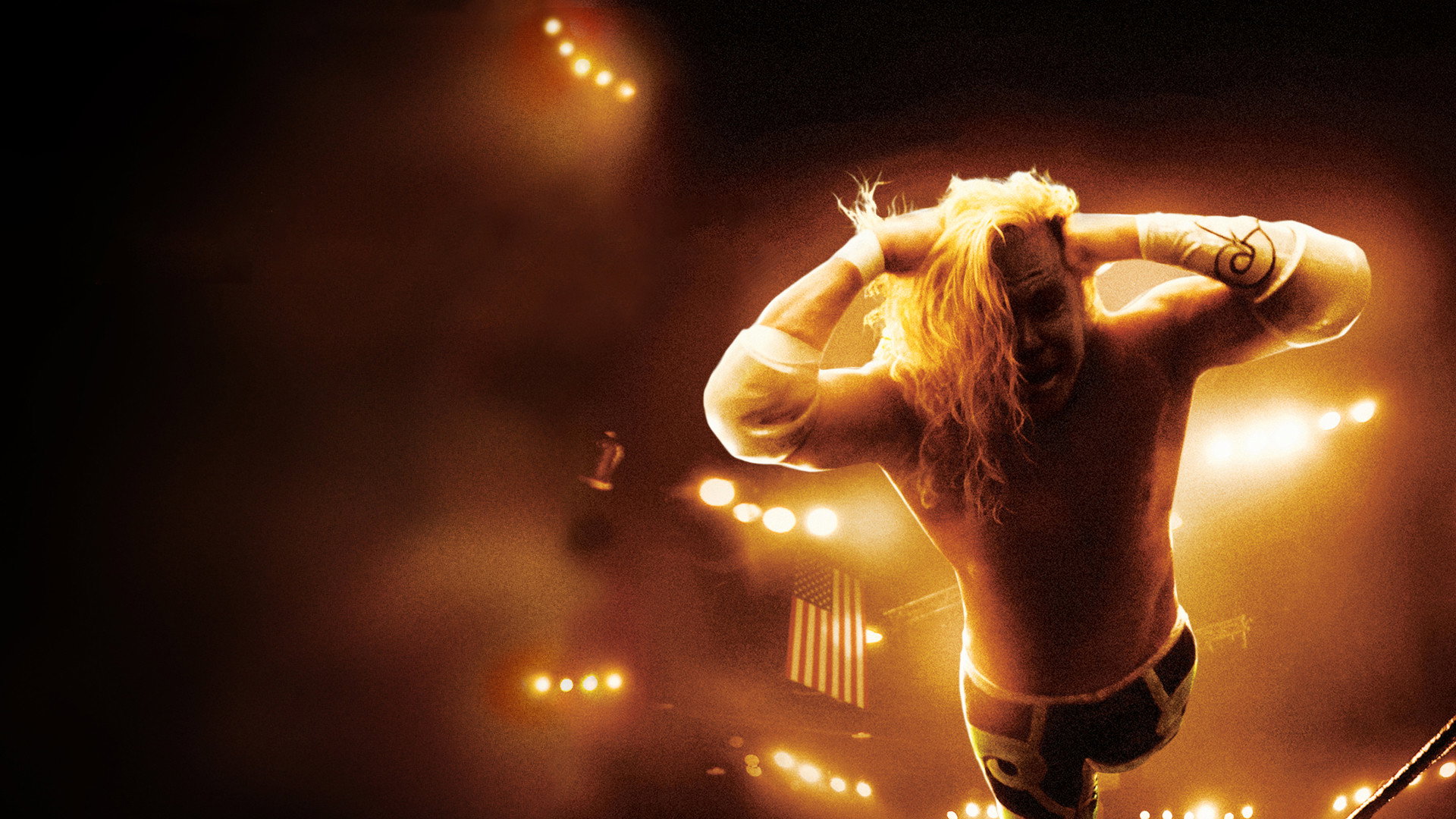
Maryse Alberti’s cinematography gives the wrestling a rough, documentary-like immediacy that suits the effort involved. The bouts are difficult to dismiss as mere play-acting when the film makes their physical cost so evident. Tim Grimes’s production design helps the New Jersey settings feel like places where people work and get tired, without inviting us to admire the hardship. The lack of polish is useful here: Randy belongs to these surroundings, and the wrestling never feels detached from the rest of his working life.

Andrew Weisblum’s editing gives Rourke’s pauses room to register, a sound choice for a performance that makes hesitation so revealing. At 109 minutes, the film can accommodate Randy’s exhaustion without feeling slow. Clint Mansell keeps the music understated, a sensible choice when Rourke’s face is already so expressive.

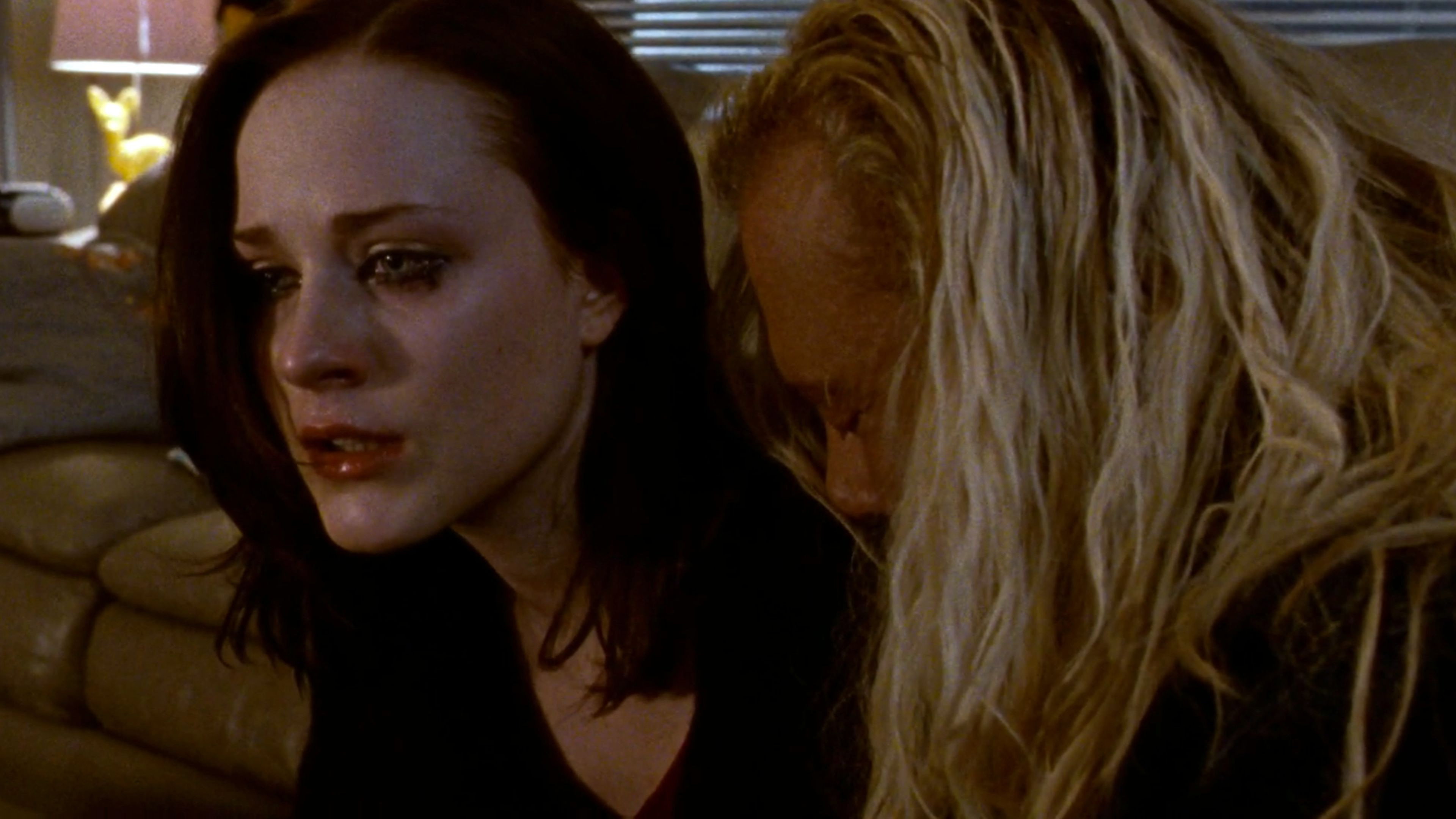
The weakness is Siegel’s handling of the second chances. The encounters involving Randy’s daughter feel too clearly assigned to show the consequences of his failures, and the writing gives us less scope to discover anything unexpected about him. Marisa Tomei’s Cassidy and Evan Rachel Wood’s Stephanie also leave us wanting more of the people beyond their importance to Randy. Both actors bring feeling to a story that keeps directing our attention back to the same man’s unhappiness.

As a sports drama, the film gets considerable force from making bodily decline its starting point. We are accustomed to training and punishment being presented as steps towards an achievement; here, carrying on is itself troubling. Aronofsky handles that uncertainty well, especially in the wrestling, where the pleasure of performance survives alongside the visible strain. He is less assured when the private life starts fitting the expected pattern of regret and attempted repair.

There is no need to enjoy wrestling to find this worth an evening. Some tolerance for physical punishment will help, as will a willingness to spend time with someone whose problems are partly his own doing. Save it for a night when there is no urgent need to be cheered up.
Critical consensus AI synthesised

84
Positive
12
Mixed
0
Negative
0

Most critics respond warmly to The Wrestler, with praise centred on Mickey Rourke’s vulnerable, physically worn performance. The reviews repeatedly find tenderness, charm and regret in his portrayal, crediting him with making a familiar story affecting. Darren Aronofsky’s unfussy, naturalistic direction also draws broad approval. Critics value the wrestling scenes for showing the profession’s bodily cost, and many find that the film earns its emotion without asking for pity.

The reservations concern the conventional plot and the point at which naturalism gives way to melodrama. The Independent finds the scenes involving the wrestler’s daughter uneven, while other reviews differ over how successfully the film avoids sentimentality. The spread is largely between warm approval and stronger enthusiasm, but the Los Angeles Times offers a clear dissent: it admires Rourke while finding the story contrived, predictable and emotionally coercive. Even that negative assessment preserves the broad agreement about the central performance.

Slant Magazine
3 October 2008 · ★★★★/4 · Nick Schager
100

Highlights Rourke's raw, soulful performance and Aronofsky's focus on the physical and emotional toll of wrestling, evoking a sober humanism amid familiar narrative elements.

Read the full review →
The Guardian
16 January 2009 · Peter Bradshaw
90*

The critic praises the heartfelt drama and Mickey Rourke's terrific, vulnerable performance as the washed-up wrestler, noting how it avoids sentimentality. Aronofsky is commended for directing a gripping film that redeems his previous work.

Read the full review →
Empire
12 October 2007 · festival review · Dan Jolin
85*

The critic lauds Aronofsky's shift to a powerful, affecting drama and Rourke's career-best performance as emotionally raw and likable, with effective parallels to boxing films and strong direction that avoids mawkishness.

Read the full review →
The AV Club
17 December 2008 · B+ · Noel Murray
83

Praises Rourke's fitting performance and Aronofsky's direction for capturing the gritty world, but notes predictability in the plot. The film effectively portrays the toll of the profession.

Read the full review →
Little White Lies
15 January 2009 · 5/4/4 · Matt Bochenski
80

The critic praises the film's gritty return to indie roots and Mickey Rourke's authentic, ego-free performance as the battered wrestler Randy 'The Ram' Robinson. They single out the unflinching wrestling scenes and Rourke's expressive face and eyes for conveying a life of pain and regret without sentimentality.

Read the full review →
Screen Daily
5 September 2008 · festival review
80*

The critic describes a deceptively conventional storyline with edge, humour and a performance Mickey Rourke was born for, positioning the film as an awards contender and audience-pleaser. They single out Rourke's perfect match to the role of the washed-up wrestler and the circus-like bouts as key strengths.

Read the full review →

Cast

Stills

Awards

Academy Awards, 2009

Nominated
Best Actor
Nominated
Best Supporting Actress

Venice Film Festival, 2008

Won
Golden Lion

If you liked this, try…

Fat City poster

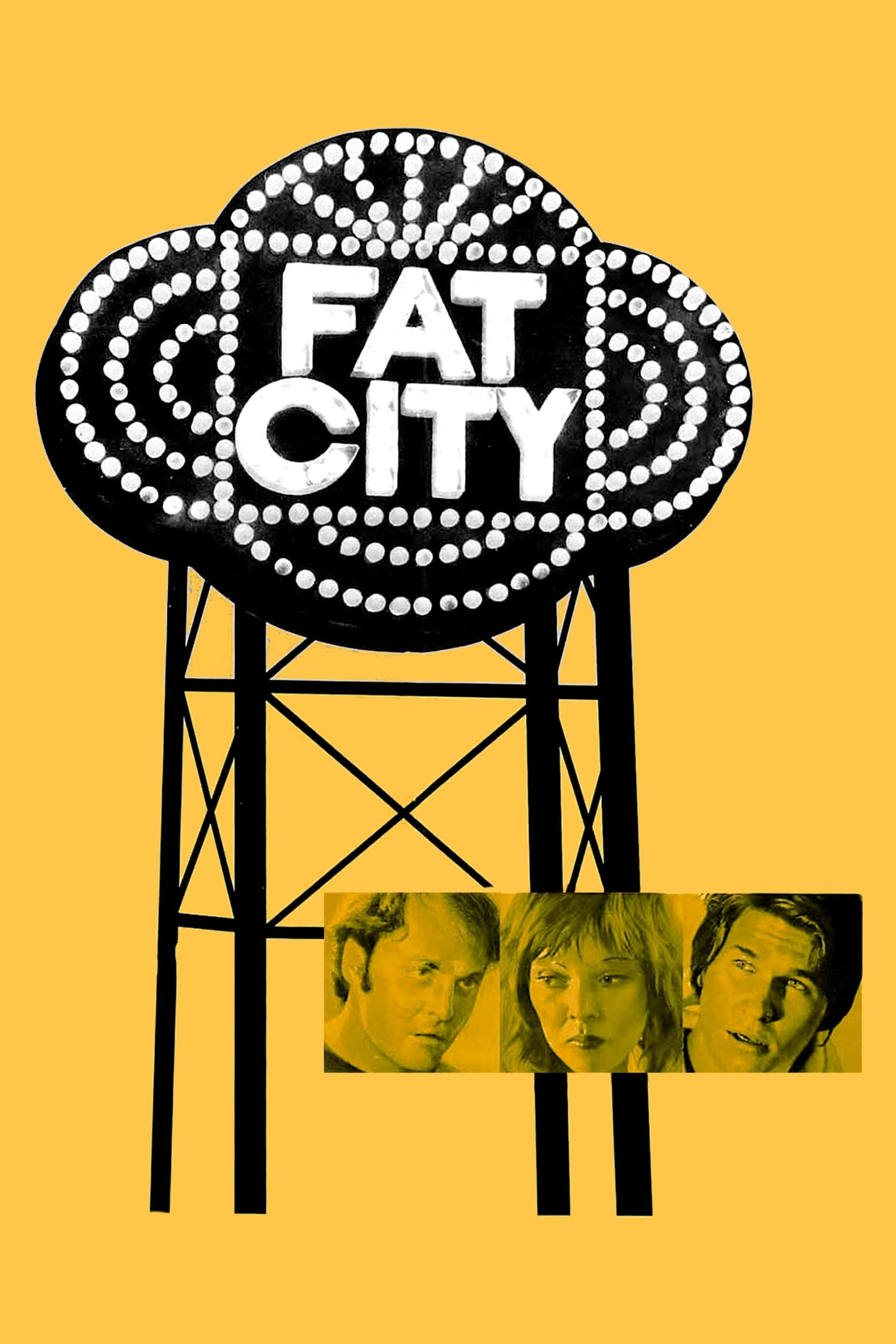
Fat City

1972 · Boxing offers little escape in another tender account of lives worn down.

This Sporting Life poster

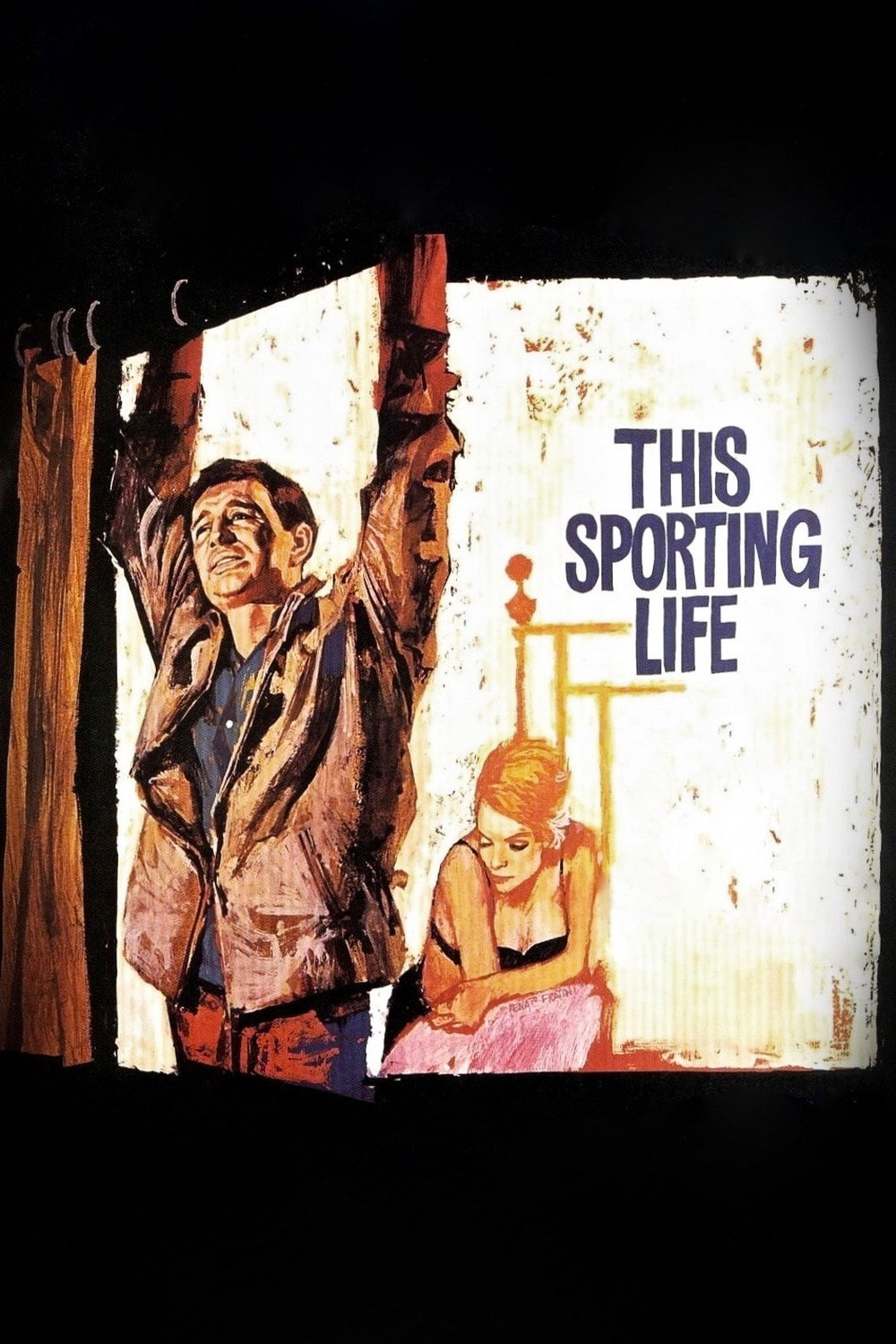
This Sporting Life

1963 · Another sportsman finds that physical strength does little to simplify private life.

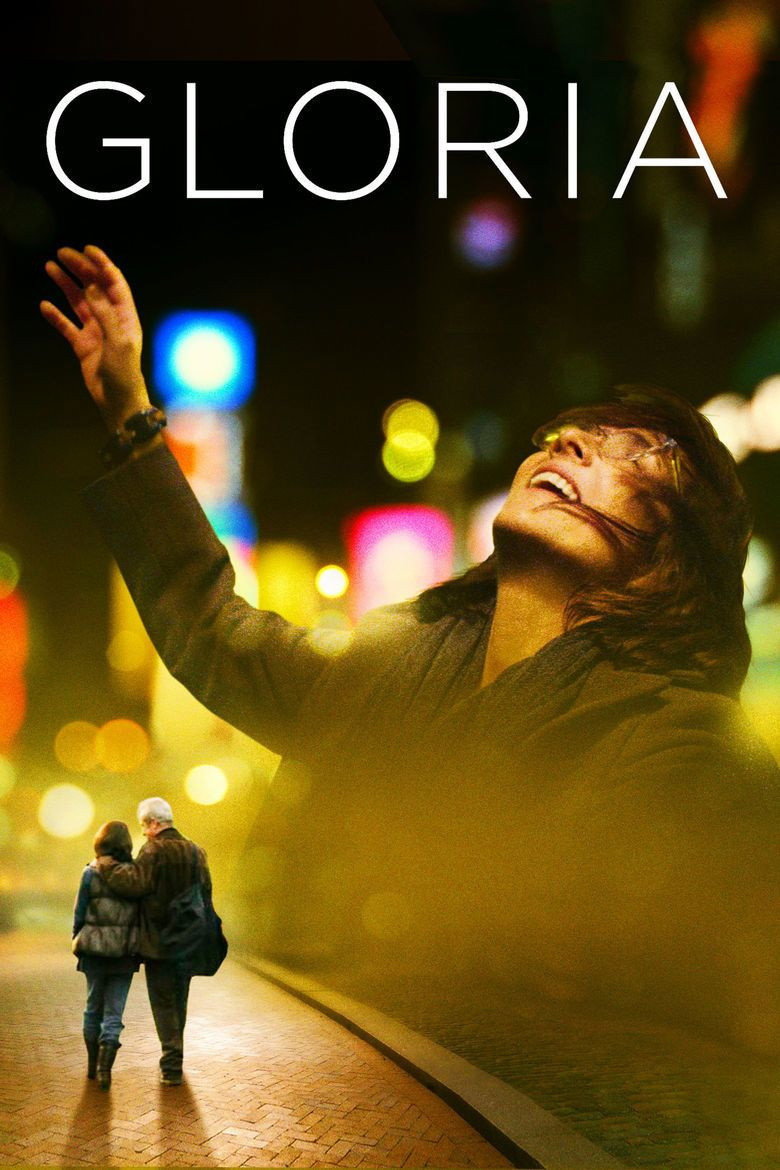
Gloria poster

Gloria

2013 · For more adult loneliness, stubborn hope and a lead performance worth staying with.

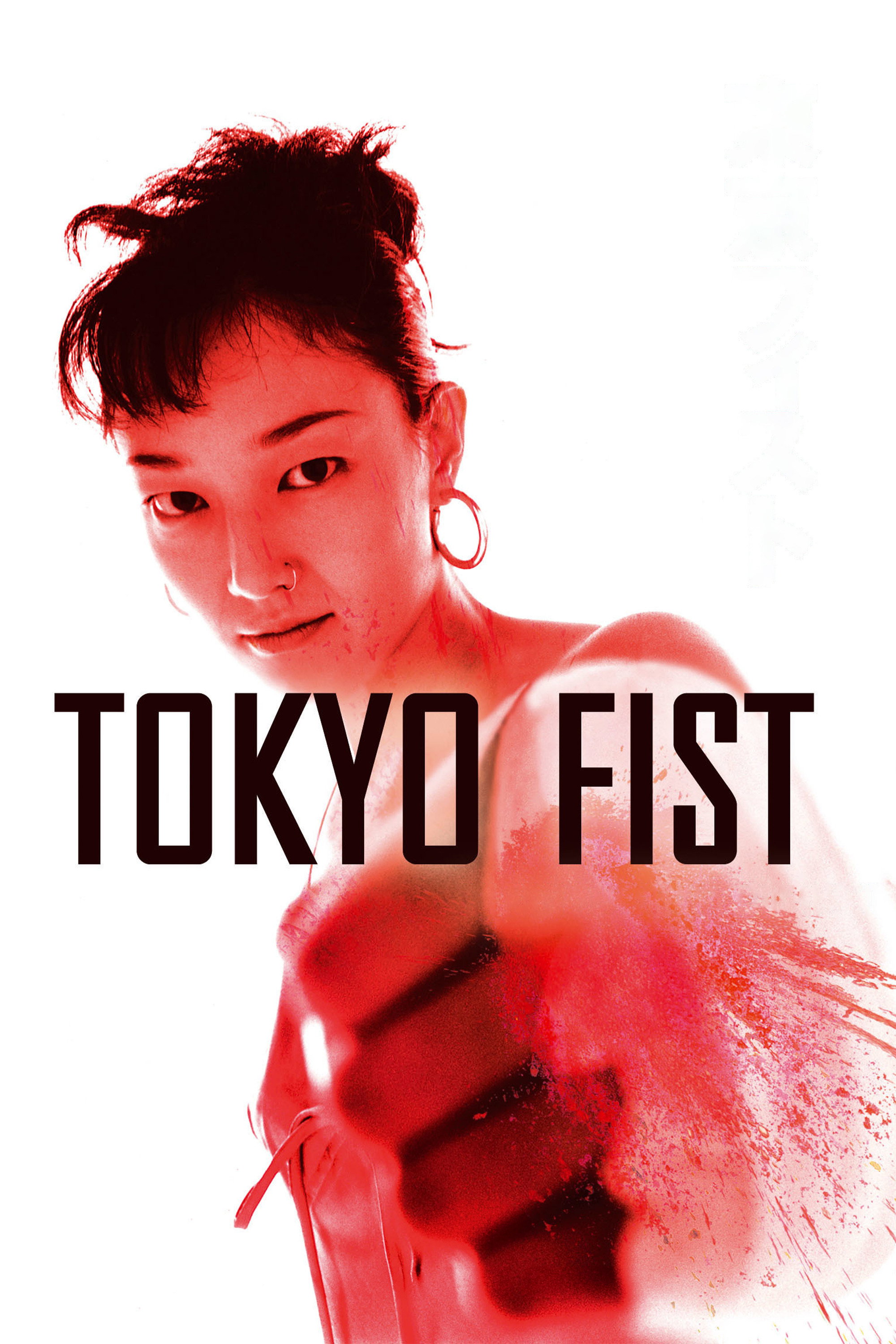
Tokyo Fist poster

Tokyo Fist

1995 · A harsher encounter with bodies, obsession and the urge to absorb punishment.

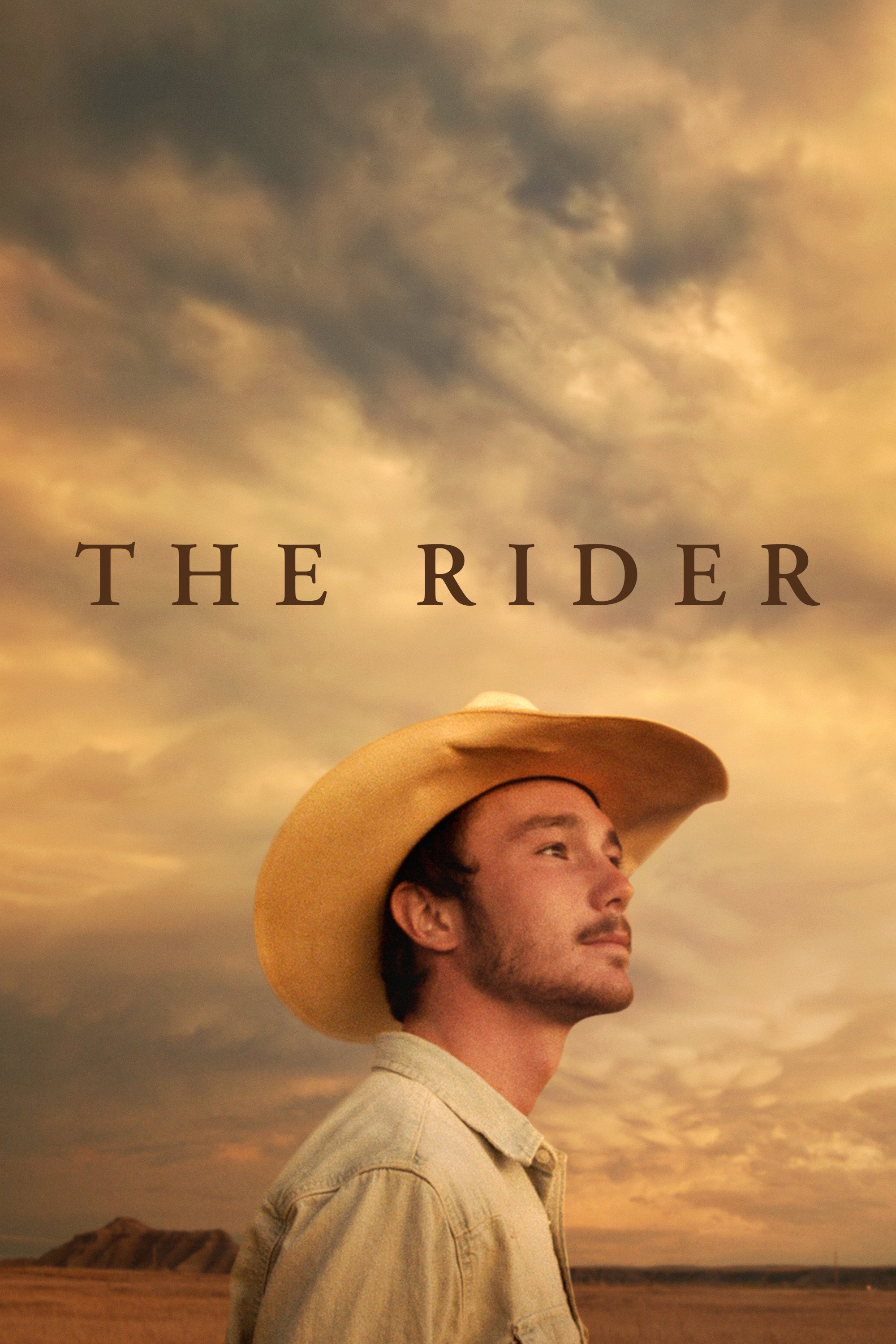
The Rider poster

The Rider

2017 · Another injured performer struggles to imagine a life beyond the thing he does.