Film review

Brick

2006 · Directed by Rian Johnson · 1h 50m · MPA R

In a sentenceA school full of teenagers who could make asking for a pencil sound like a threat

DramaMysteryCrime

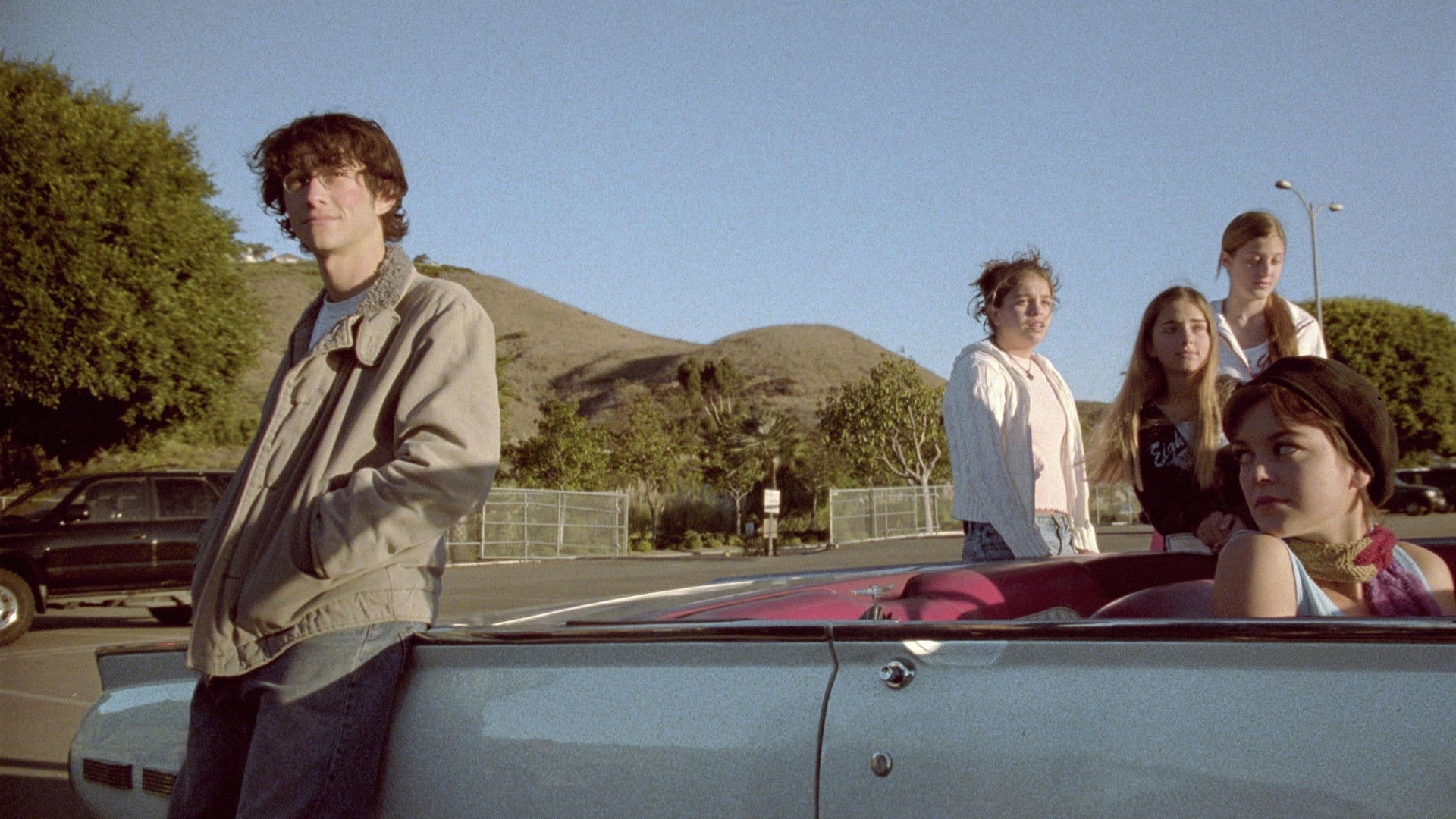
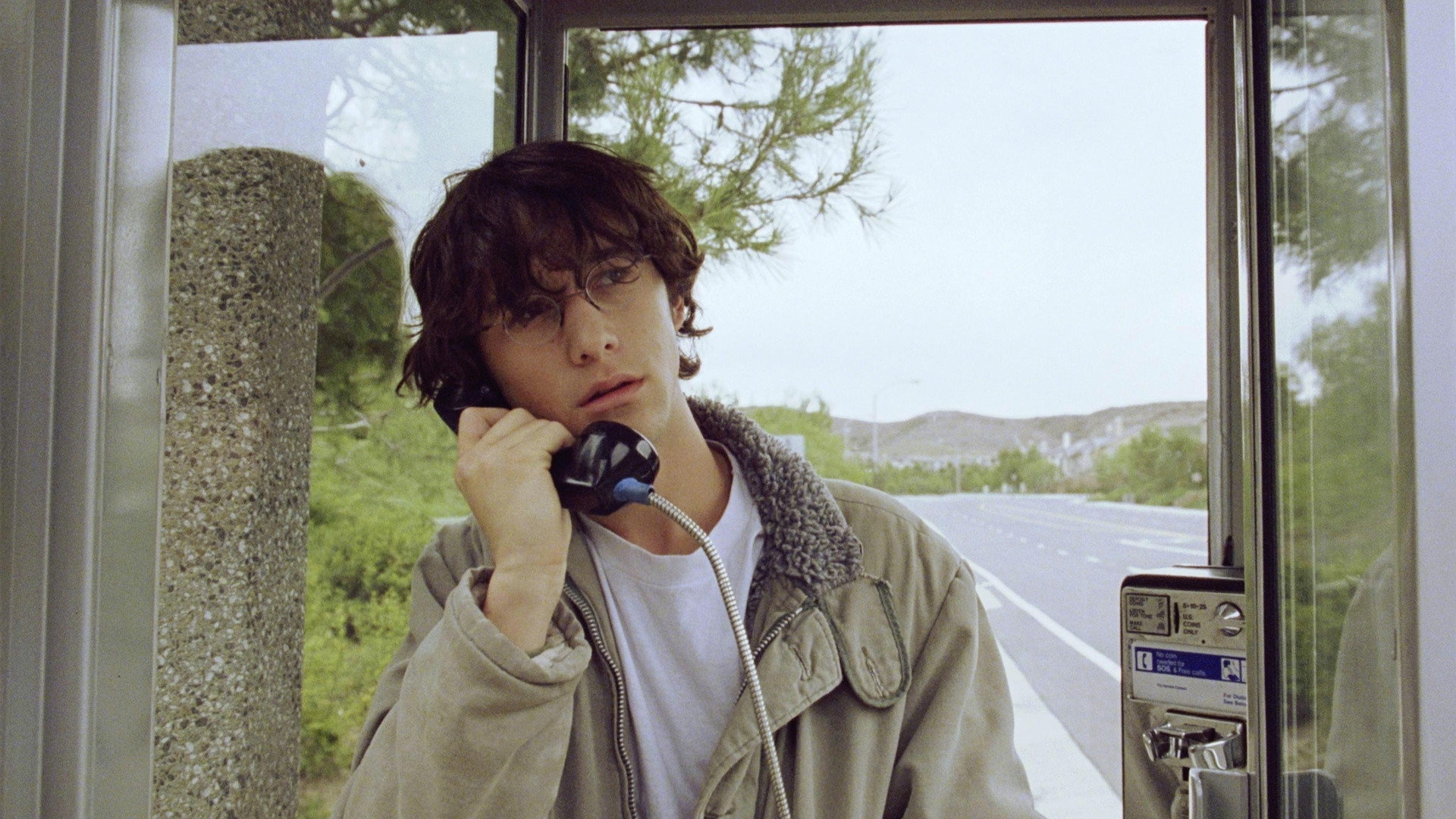
Brendan Frye (Joseph Gordon-Levitt) is a loner playing detective in a contemporary suburban high school. Around him, teenagers adopt the roles of gangsters and other figures from hard-boiled crime fiction, speaking a slang that belongs to their own closed society. His investigation takes place amid the school’s social divisions, with adolescent troubles providing the material for a noir mystery. Nora Zehetner plays Laura Dannon, Matt O’Leary is The Brain and Lukas Haas is The Pin, alongside Emilie de Ravin as Emily Kostich. Rian Johnson writes and directs a detective story set among schoolchildren.

Plays from YouTube when you press play; nothing loads from them until then.

Fi1m review

Rian Johnson’s high-school noir is sharp, tense and worth the concentration it demands. Joseph Gordon-Levitt makes the elaborate talk convincing, though some of the supporting characters remain hard to care about.

Rian Johnson’s Brick is an absorbing detective film with a demanding way of speaking, and we recommend it if a mystery that requires concentration sounds like pleasure. Johnson writes and directs a contemporary high-school story in which teenagers conduct themselves like private eyes and gangsters. He takes their posturing seriously enough for it to acquire some weight. The danger is that we spend the evening admiring the idea, but Joseph Gordon-Levitt gives us a reason to care about the person doing the investigating.

The dialogue takes some getting used to. Johnson borrows the compressed, combative language of Dashiell Hammett’s detective fiction and gives it to adolescents, who have plenty of reasons to avoid saying plainly what they want. There is humour in the mismatch, but the actors rarely solicit a laugh, and the school setting makes the obsession with status feel credible. Some exchanges still go by too quickly to untangle; when the plotting is this busy, a missed phrase can leave us catching up through the next conversation.

Gordon-Levitt plays Brendan Frye with a quietness that helps the extravagant language sound usable. His loner does not seem to be enjoying the opportunity to act like a detective, which makes a difference in a film so open to showing off. We winced during his fight with the school jock. The violence is treated seriously, and Gordon-Levitt’s restraint elsewhere makes that physical confrontation more uncomfortable than the premise initially leads us to expect.

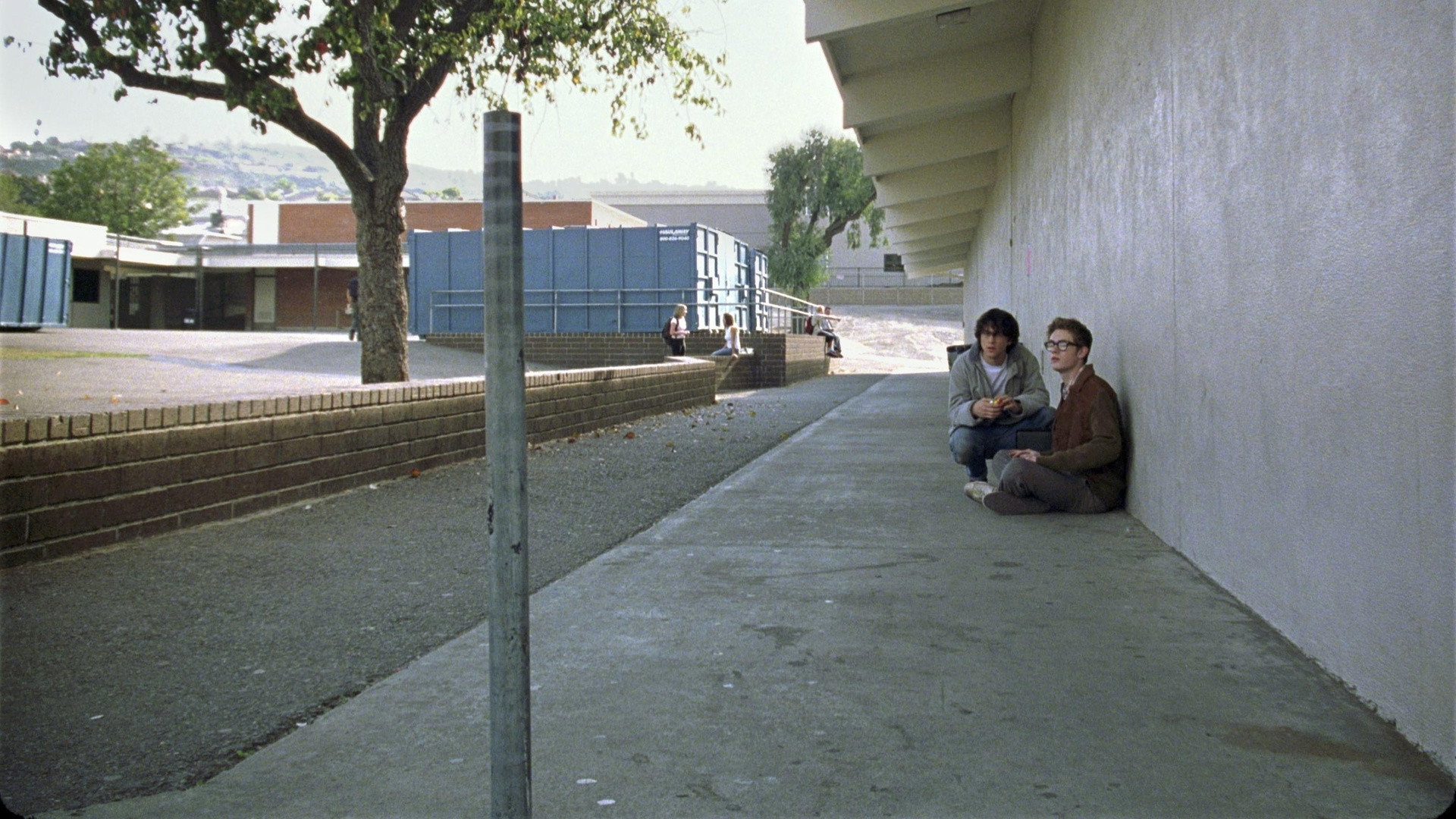
Steve Yedlin’s cinematography gives the sunny suburban setting an unwelcoming air without making it look like permanent midnight. Keeping this detective story in recognisable daylight is a sensible choice: the young characters already supply enough borrowed menace. Jodie Lynn Tillen’s production design keeps their surroundings ordinary, allowing the criminal behaviour to feel intrusive rather than comfortably at home. The school remains recognisable as a place where the people involved should have rather less urgent things to worry about.

Johnson also edits, and the cutting has a nervous energy that keeps the investigation moving even when the dialogue threatens to clog it. It can also compound the difficulty of following who knows what; a little more room between exchanges would have helped. Nathan Johnson’s score uses unsettled, abstract sounds that suit the unease of these everyday places. The music helps make the setting threatening, though it cannot make a tangled conversation any easier to follow.

The larger reservation concerns the people around Brendan. Nora Zehetner’s Laura Dannon and Lukas Haas’s The Pin are intriguing presences, but too often we are watching performers fulfil the requirements of a detective story. That limits how much the adolescent distress can reach us, despite Gordon-Levitt’s efforts to keep it close. Johnson’s fondness for elaborate plotting sometimes leaves too little space for anyone to seem capable of doing something ordinary.

As a high-school film, Brick understands how completely a small society can occupy the people inside it. As a crime film, it earns much of its tension by treating the young characters’ troubles without condescension. At 110 minutes, it asks for sustained attention, and the pleasure of working through it is substantial enough to justify the effort. Save it for an evening when nobody wants to talk over the dialogue.

Critical consensus AI synthesised

79
Positive
9
Mixed
2
Negative
0

Most critics respond warmly to Brick’s transfer of hard-boiled detective fiction to high-school life, praising Rian Johnson’s commitment to treating the unlikely combination seriously. The invented slang, dense plotting and everyday suburban settings draw particular approval for making familiar noir conventions feel strange again. Joseph Gordon-Levitt’s restrained lead performance is a recurring strength, grounding dialogue that could easily become a joke. Several reviews also find convincing adolescent anxiety and hurt beneath the elaborate detective story.

The main division is over how much feeling survives all that cleverness. Even favourable reviews acknowledge that the rapid dialogue and convoluted mystery can be difficult to follow, while some find the characters too contrived to care about. The New York Times finds the concept ambitious but dull in practice; Slant Magazine sees detailed craftsmanship without sufficient emotional or social substance. The spread is substantial: admirers find the stylisation revealing, while dissenters see little beyond an ingenious exercise.

RogerEbert.com
6 April 2006 · ★★★★/4 · Roger Ebert
100

Ebert praises the film's straight-faced transposition of classic hard-boiled detective style and dialogue to a contemporary high school setting. He highlights the director's commitment to the concept and the effective atmosphere and archetypes.

Read the full review →
The AV Club
29 March 2006 · A- · Scott Tobias
90

Johnson's precocious debut cleverly merges Dashiell Hammett-style detective fiction and invented hard-boiled slang with contemporary high-school life and adolescent angst, anchored by Joseph Gordon-Levitt's strong lead performance. The low-budget, visually arresting result is a densely plotted, inventive genre hybrid that rewards repeat viewings despite some film-school exercise qualities.

Read the full review →
The New Yorker
27 March 2006 · David Denby
90*

Denby calls the low-budget film rapturous and one of the most entertaining releases of the year, praising its internal logic, funny moments, and real emotions amid the noir pastiche. He singles out the clever updating of Hammett-style dialogue and plotting to sunny suburban high school life.

Read the full review →
Empire
28 April 2006 · Damon Wise
85*

The critic praises Rian Johnson's debut as one of the most original and entertaining films of the year so far, a smart neo-noir that works as an ingenious mindgame. Joseph Gordon-Levitt's lead performance is singled out as a major strength amid the film's stylized dialogue and convoluted mystery.

Read the full review →
Los Angeles Times
31 March 2006 · Carina Chocano
80*

Chocano finds the debut witty and assured, transcending both the noir genre and high-school setting with sly knowingness and understated emotion. She praises Joseph Gordon-Levitt's intelligent, grounded performance as the brooding loner detective.

Read the full review →
Variety
28 January 2005 · festival review
60*

The review describes the film as a stunt that puts hard-boiled vernacular into teens' mouths with moderately tasty results, noting the story is derivative but gains finesse; it praises Gordon-Levitt's handling of the dialogue.

Read the full review →

Cast

Stills

Awards

Sundance Special Jury Prize for Originality of Vision Dramatic, 2005

Won
Sundance Special Jury Prize for Originality of Vision Dramatic

If you liked this, try…

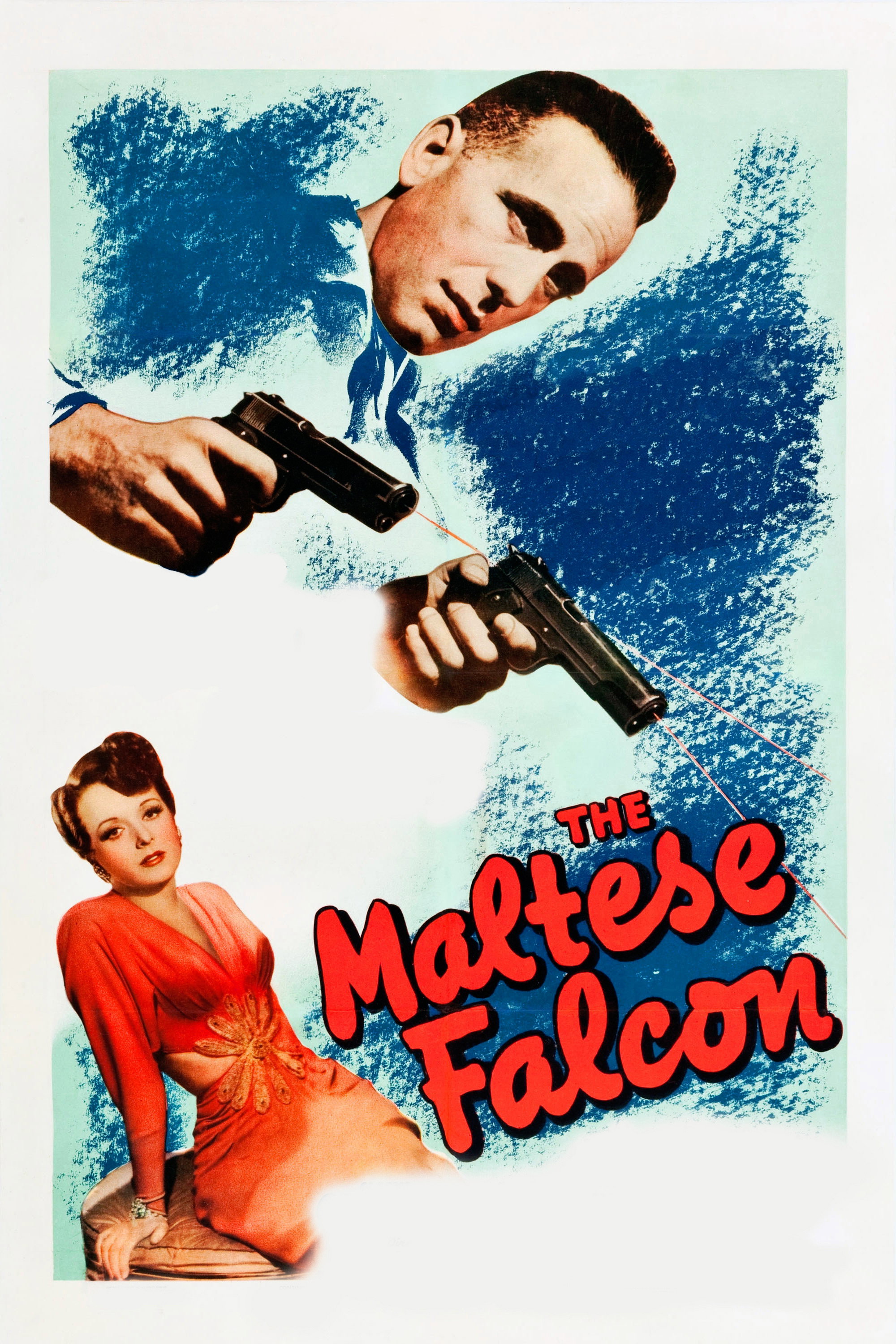
The Maltese Falcon poster

The Maltese Falcon

1941 · For hard-boiled speech, suspicious company and a detective who listens carefully.

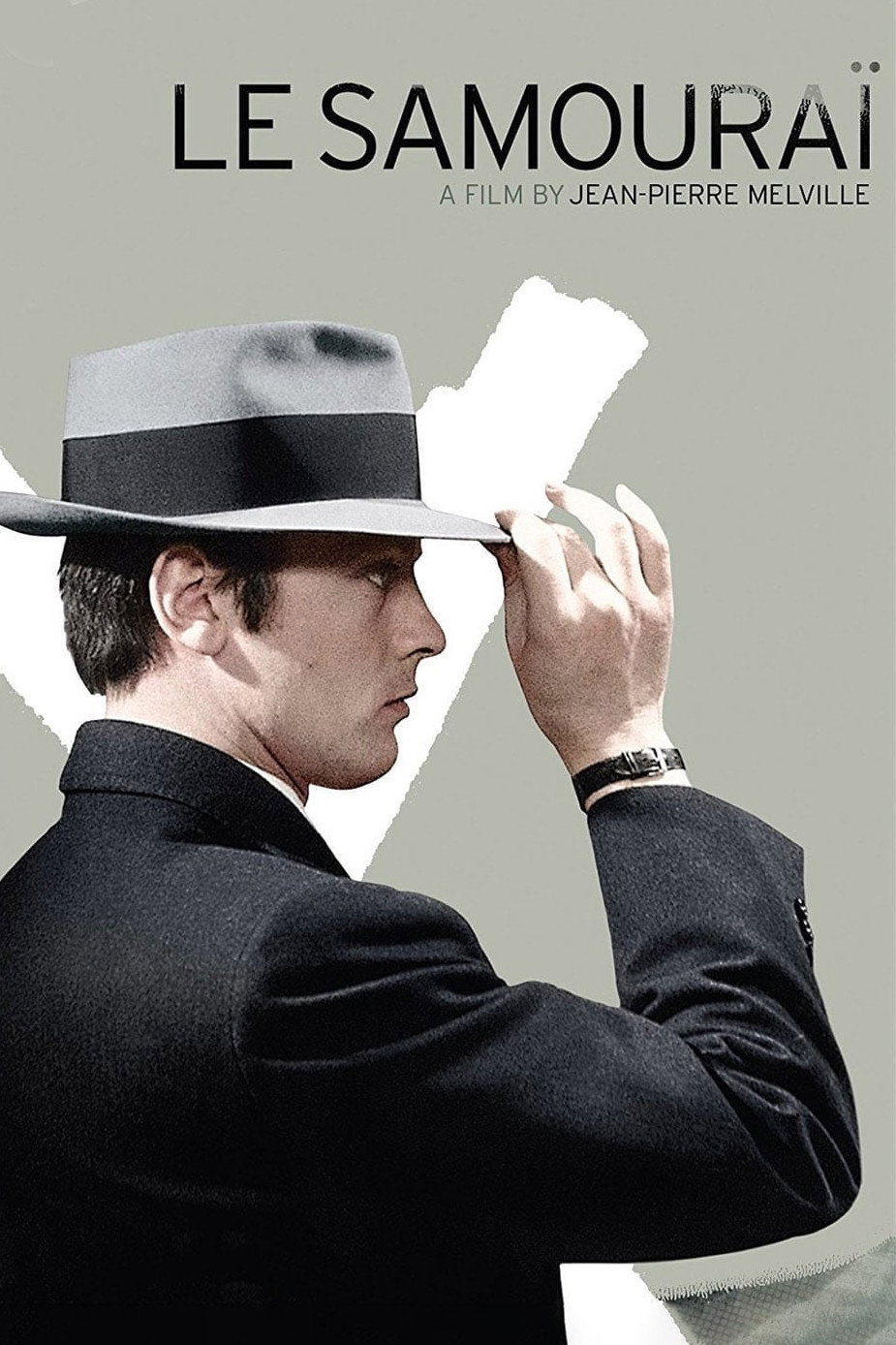
Le Samouraï poster

Le Samouraï

1967 · Another solitary man follows strict private rules through an increasingly dangerous city.

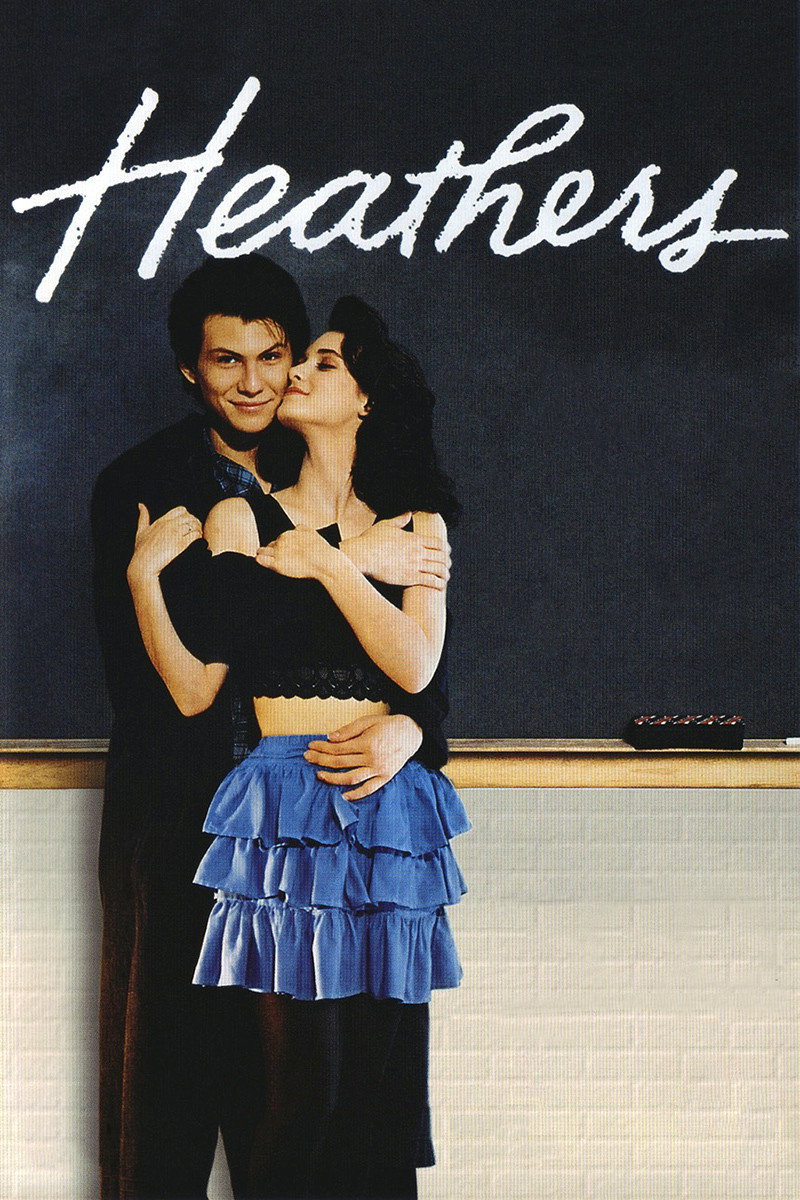
Heathers poster

Heathers

1989 · School hierarchies become lethal, with dialogue nobody ever used during registration.

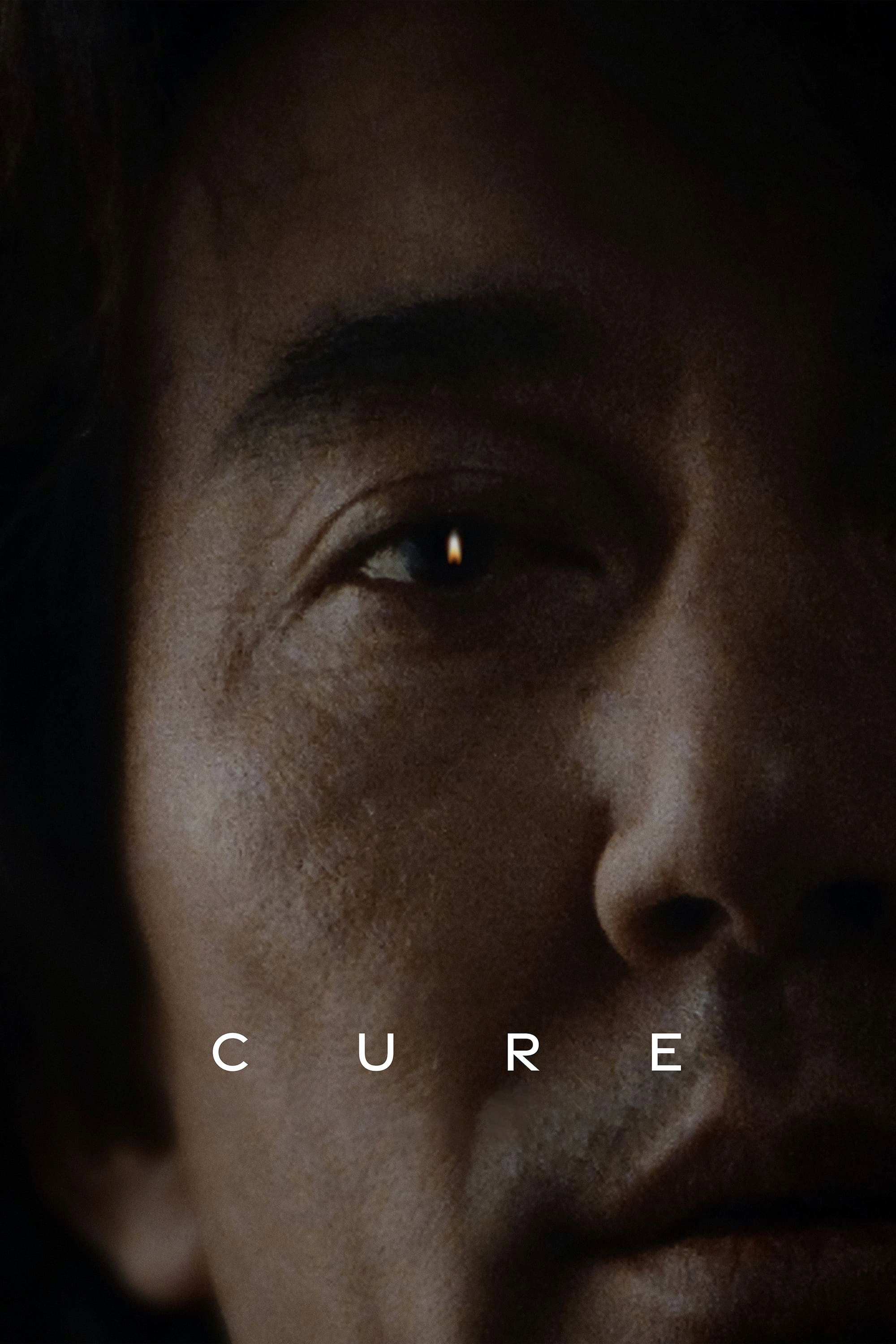
Cure poster

Cure

1997 · A colder detective story whose unease makes ordinary places difficult to trust.

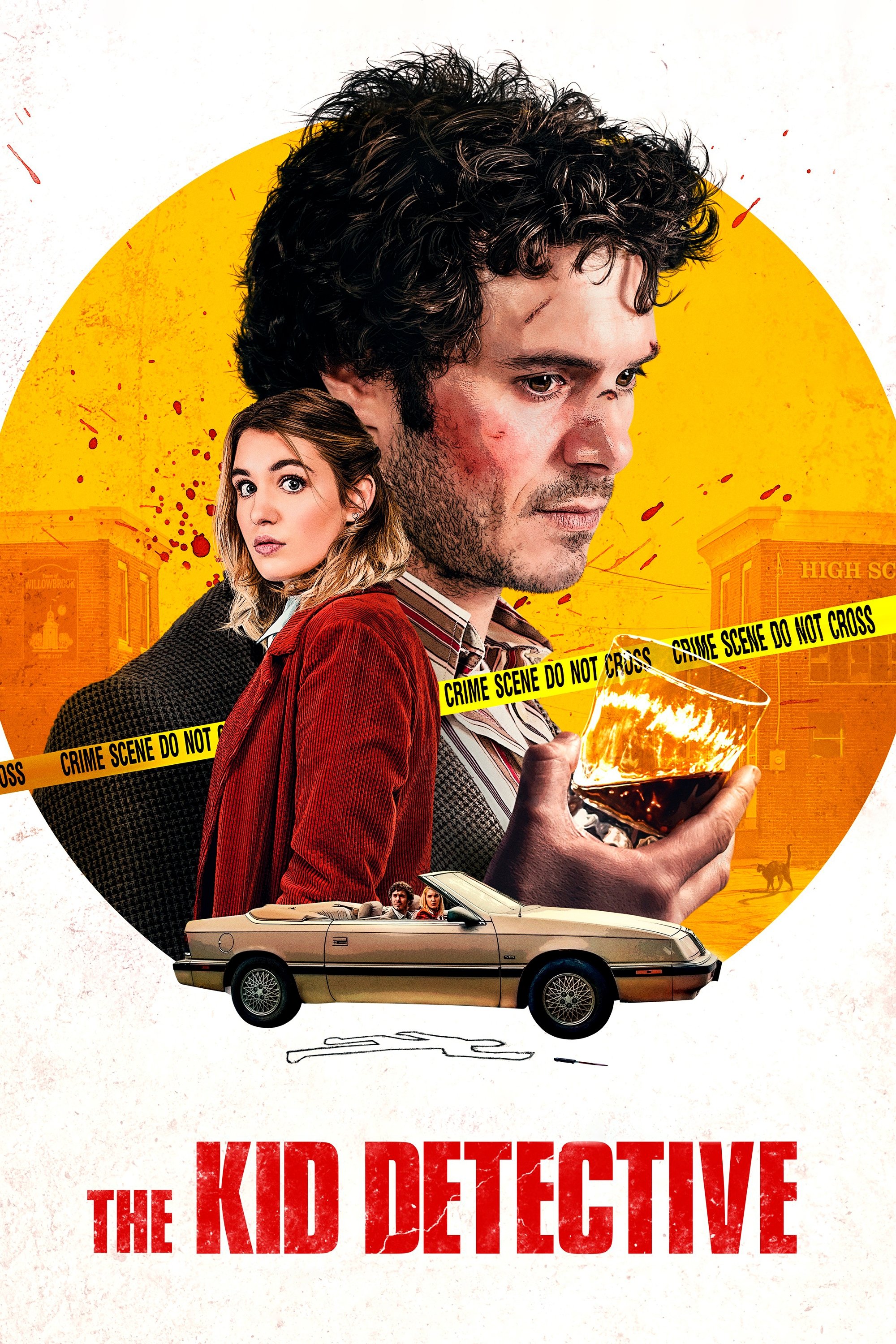
The Kid Detective poster

The Kid Detective

2020 · A former child sleuth discovers how poorly his habits suit adult misery.