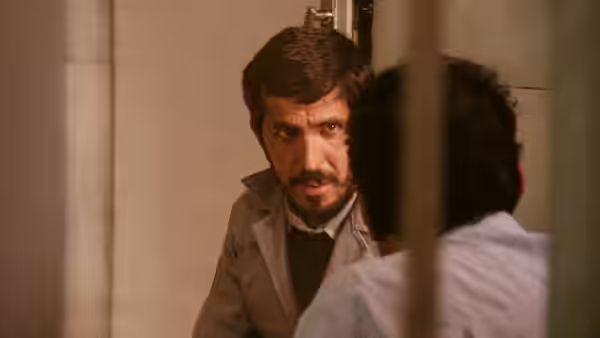
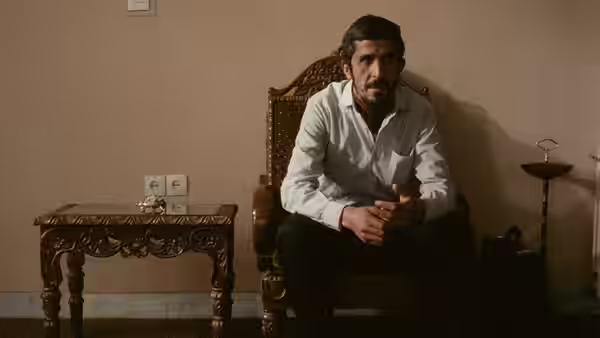
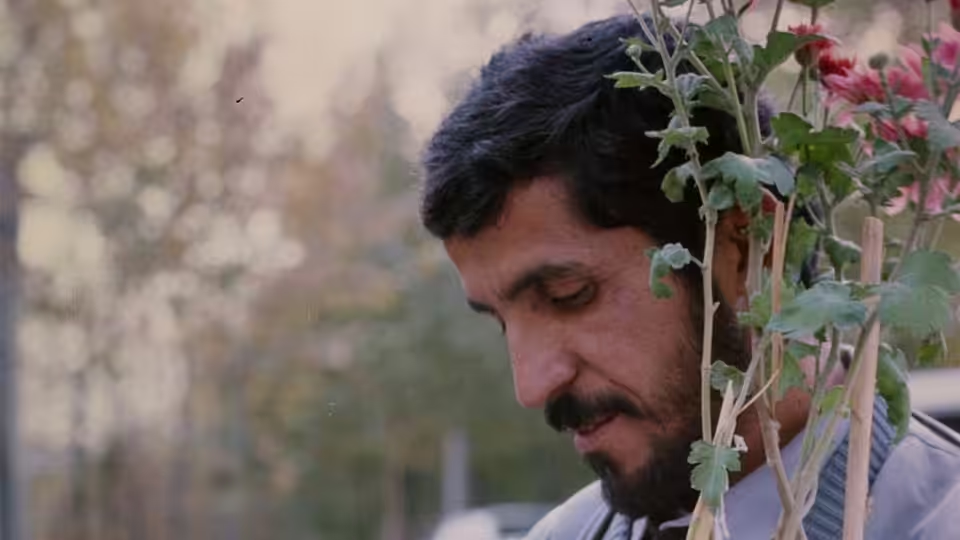
Hossain Sabzian gazing downward beside a plant with pink flowers
Film review

Close-Up

1990 · Directed by Abbas Kiarostami · 1h 38m

In a sentenceA fraud trial in which loving films starts to sound like a perfectly reasonable defence

Watching Sabzian stands at the centre of a real impersonation case that becomes a film about his own deception. Abbas Kiarostami follows the fraud trial and brings the people involved back to reconstruct events, with Sabzian, Monoochehr Ahankhah and Mahrokh Ahankhah appearing as themselves. As testimony and performance alternate, Sabzian’s attachment to cinema becomes part of the story under examination. The account of what he has done opens into questions about why he does it, how others see him and what it means to play a part before a camera.

Fi1m review

Abbas Kiarostami turns a real impersonation case into a patient, funny and unexpectedly moving film about wanting to matter. Its slow passages ask for attention, but we recommend it even to those wary of films about cinema.

Close-Up asks us to take an impersonator seriously, and makes that request seem reasonable. Abbas Kiarostami’s film combines footage of a real fraud trial with scenes reconstructed by the people involved, including Watching Sabzian, the accused. Across 98 minutes, it gives his passion for cinema the patient attention usually reserved for the details of a crime. We would recommend it without requiring any prior interest in how films are made: the wish to be noticed is enough to understand it.

Watching Sabzian take part in the reconstruction of his own deception is initially peculiar. We know that he has impersonated someone, and now the film is asking him to perform again while offering us a chance to understand him. Kiarostami, who also wrote and edited the film, moves between the trial and the reconstructed scenes without explaining away that discomfort. The editing keeps us alert to how readily a performance can win our sympathy, even when we have been warned about the performer.

Ali Reza Zarrindast’s cinematography gives Sabzian’s face time and space, and the plain images make that scrutiny feel unusually direct. The closeness matters because we have to watch someone explaining himself without the reassurance of a polished performance. Kiarostami also lets long takes drift towards ordinary activity, delaying the business that a tidier courtroom drama would hurry to reach. Kambiz Roshanravan’s music is effective, though the emotional weight falls chiefly on the time the camera allows Sabzian.

We were moved by Sabzian’s attempts to explain his attachment to cinema. What gets to us is how seriously his need to feel like somebody is heard, without being reduced to an eccentric detail in a fraud report. Sabzian’s participation adds an awkwardness that a smoother performance might lose. There is humour in the distance between his deception and his devotion, and the film lets us recognise the absurdity without inviting us to despise him.

Our reservation is about Kiarostami’s control of the encounter. The reconstructions make his involvement visible, yet the film’s warmth can still encourage us to accept its sympathetic account of Sabzian too easily. We wanted a little more resistance to that sympathy, particularly when the fascination with performance risks crowding out the consequences of deception. The unhurried pace will also frustrate anyone seeking a tightly argued courtroom drama, though we found the waiting largely justified by what it lets us observe.

A conventional fraud drama might ask us to enjoy being cleverer than the impostor. Close-Up makes that position uncomfortable, because Sabzian’s love of cinema is taken seriously enough to become recognisable. We can question his explanations and still feel that the time spent hearing them has been worthwhile. Give it an uninterrupted evening; the slow passages are part of what we are recommending.

Critical consensus AI synthesised

89
Positive
9
Mixed
0
Negative
0
Slant Magazine
3 February 2002 · Ed Gonzalez
95*

Kiarostami recognizes the significance of Sabzian's impersonation as an affront to realism rooted in genuine passion for art and cinema as emancipator. The film is the definitive commentary on film itself, with its genius lying in making the spectator share that passion through intimate camerawork and the authenticity of closeness.

Read the full review →
The AV Club
14 July 2010 · A · Noel Murray
95

The film blends documentary footage of a real trial with re-enactments to explore the blurred lines between pretense and truth, art and reality. Kiarostami's formal daring, including long takes that shift focus from plot to everyday moments, makes it bracing and philosophically rich.

Read the full review →
Los Angeles Times
9 June 2010 · Dennis Lim
90*

The critic calls it Kiarostami’s most complete and intricate examination of illusion and cinema, the emblematic work of the Iranian New Wave. He singles out the way the film blends documentary and reenactment, with all participants playing themselves, to explore identity and the power of movies.

Read the full review →
The Independent
19 December 1997
90*

The critic calls it a stunning meditation on reality, fiction and the film-maker's role. Kiarostami's generous use of non-actors in a real-life based story creates a moving, humane work that realises the protagonist's dream of cinematic recognition.

Read the full review →
The New Yorker
4 May 2017 · Richard Brody
90*

The capsule describes the reflexive 1990 drama about an impostor who poses as a director and Kiarostami’s re-enactment of the case with the real participants. It praises the ironic politics and the way the film’s calmly unwavering images, wry humor, and generous sympathy resist religious dogma.

Read the full review →
The New York Times
31 December 1999 · Stephen Holden
90*

The film is a brilliant, knotty work that seamlessly blends dramatized reconstructions with documentary footage of a real fraud case. It stands out for its radically drab cinema-verite style that blurs the line between reality and reconstruction while exploring the pathos of a man's longing to feel like somebody through impersonation.

Read the full review →

Straight answers AI written, from our review

Is Close-Up worth watching?
Close-Up is worth watching for anyone interested in why a person might pretend to be someone else, and we scored it 92. Abbas Kiarostami combines footage of a real fraud trial with scenes reconstructed by the people involved, and gives the accused, Watching Sabzian, unusual patience. The pace is slow and asks for an uninterrupted evening.
How long is Close-Up, and what is it rated?
Close-Up runs 1h 38m. It is a crime and drama film.
Where can I watch Close-Up in Israel?
Close-Up is not on any streaming or rental service in Israel at the moment. It is available in 2 other countries; change your country at the top of the page to see where. Availability is checked daily.
How violent or frightening is Close-Up, and is it suitable for children?
Close-Up contains no violence to speak of and nothing frightening; it is a film about a fraud trial, built from courtroom footage and quiet reconstructed scenes. It carries no UK certificate and is unrated in the US. Children would not be disturbed by it, but its unhurried talk about deception and cinema is unlikely to hold them.

Cast

If you liked this, try…

  1. F for Fake (1973) · not reviewed yetOrson Welles enjoys deception while making our faith in filmed evidence less comfortable.

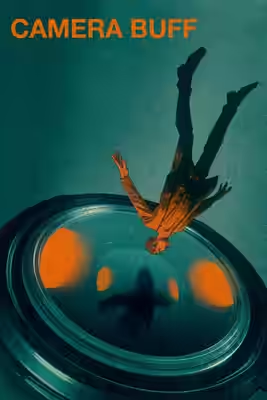
  2. Camera Buff (1979) · not reviewed yetAn amateur film-maker discovers how much trouble a camera can cause at home.

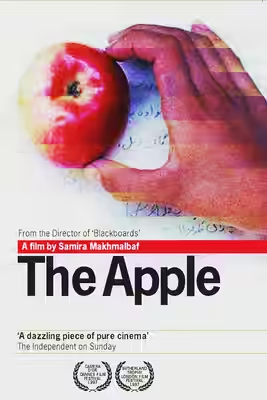
  3. The Apple (1998) · not reviewed yetReal participants revisit their own lives, with the camera’s involvement impossible to ignore.

  4. The Imposter (2012) · not reviewed yetAnother impersonation case, told with more suspense and a colder view of deception.

  5. Four Daughters (2023) · not reviewed yetReconstruction becomes a difficult family conversation, with the performers’ presence kept in view.

Free account

Know what to watch tonight

Two lists that know where things are streaming, collections you can share, your own score beside ours, and Discover that remembers what you have seen.

  • Want to see, sorted by what is streaming now
  • Seen, with your score out of ten
  • No adverts, ever