Film review

Colony

2026 · Directed by Yeon Sang-ho · 2h 03m · MPA R

In a sentenceThe zombies have a shared brain and the script keeps checking that we know

ActionHorrorScience Fiction

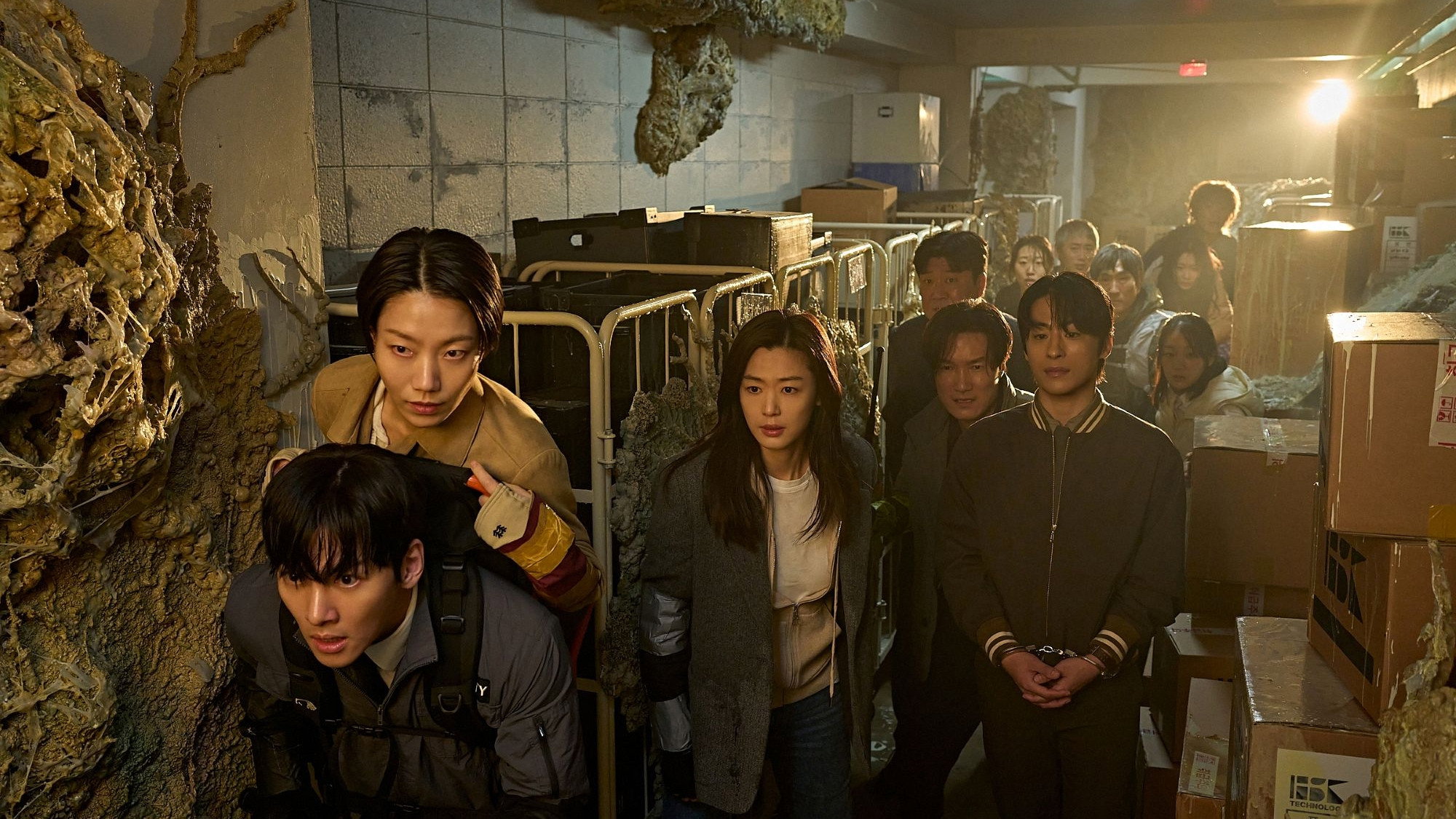
A bioengineered infection spreads through a high-rise, where the infected share intelligence and act as a connected horde. Those trying to survive face an enemy whose capacity to coordinate makes containing the outbreak more difficult. Gianna Jun plays Kwon Se-jeong, alongside Ji Chang-wook as Choi Hyun-seok and Kim Shin-rock as Choi Hyun-hee. Koo Kyo-hwan plays the scientist Seo Young-cheol. Directed by Yeon Sang-ho, Colony combines an epidemic-containment story with action and horror, as human survivors confront an infection that changes how its victims think and move.

Plays from YouTube when you press play; nothing loads from them until then.

Fi1m review

Yeon Sang-ho’s Colony has unnerving infected bodies and a useful new problem: zombies that think together. The action earns attention, but thin characters and repeated explanations make this one for the already interested.

Giving zombies a shared brain is a sensible way to make them frightening again. In Colony, director Yeon Sang-ho uses that change to make a high-rise outbreak harder to contain. It is a decent, uneven horror film, with enough physical invention to interest those who already enjoy the genre. The infected choreography is its strongest asset. Too much of the 123-minute running time goes on explaining an idea the action can make clear.

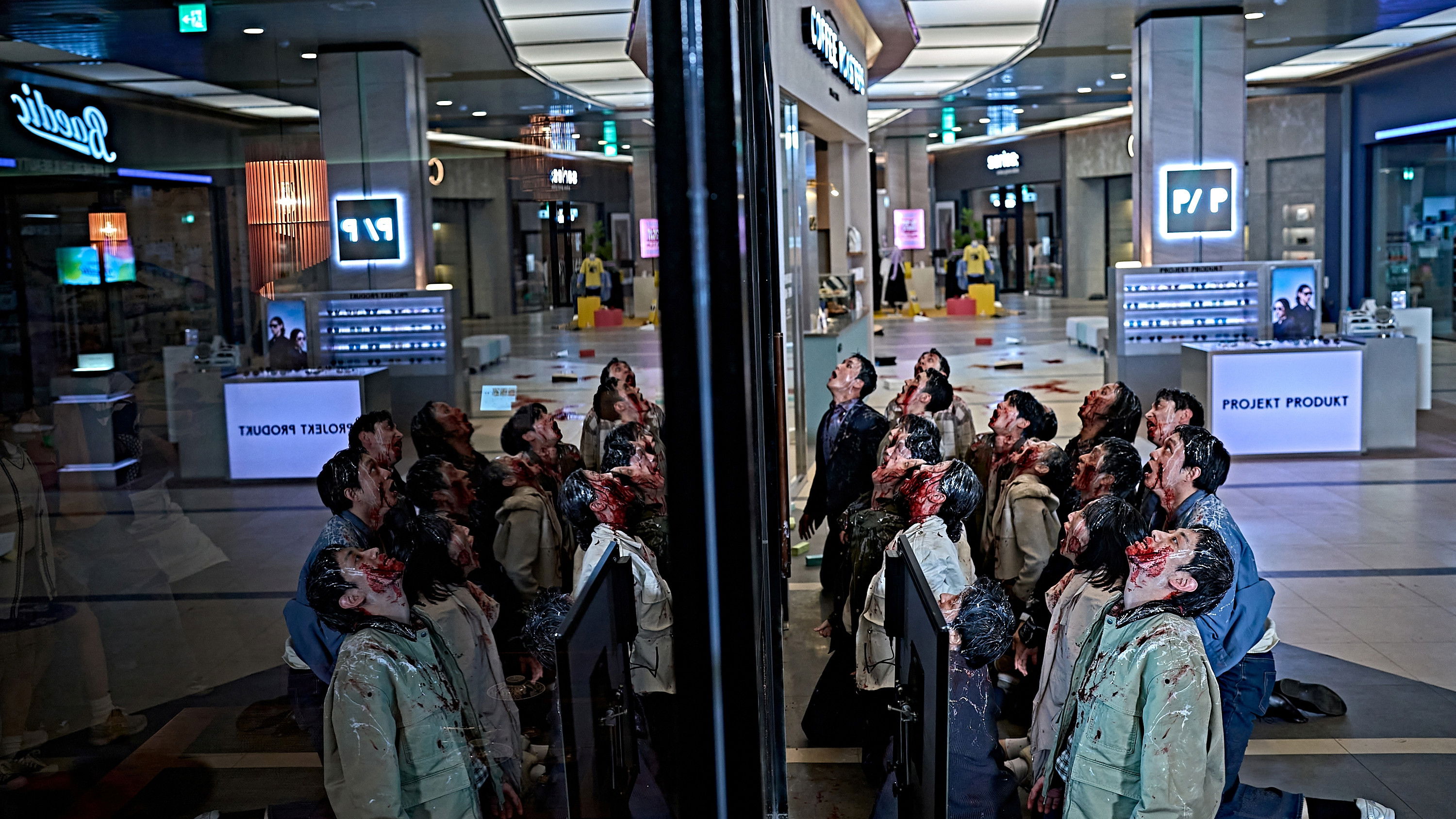
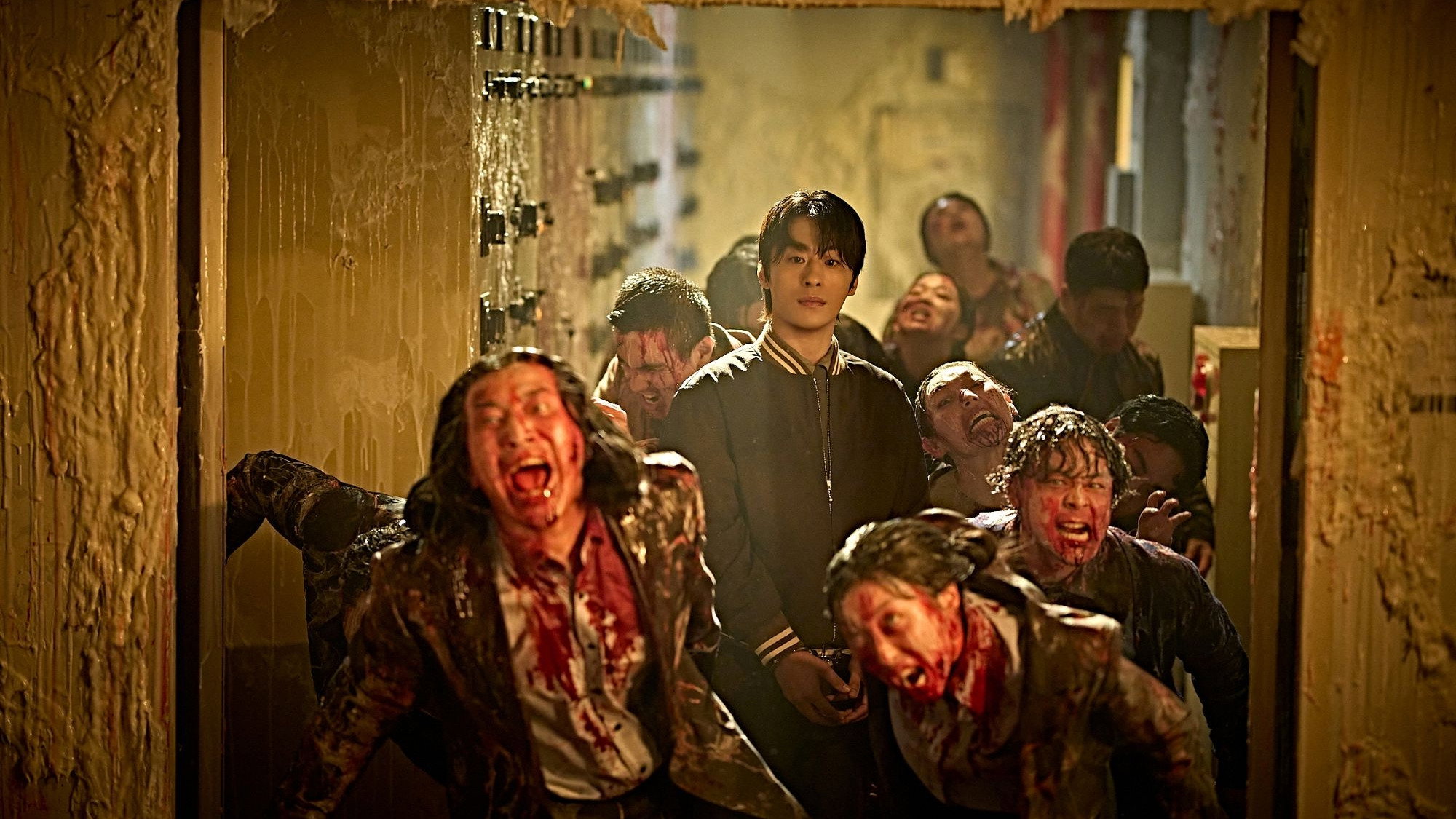
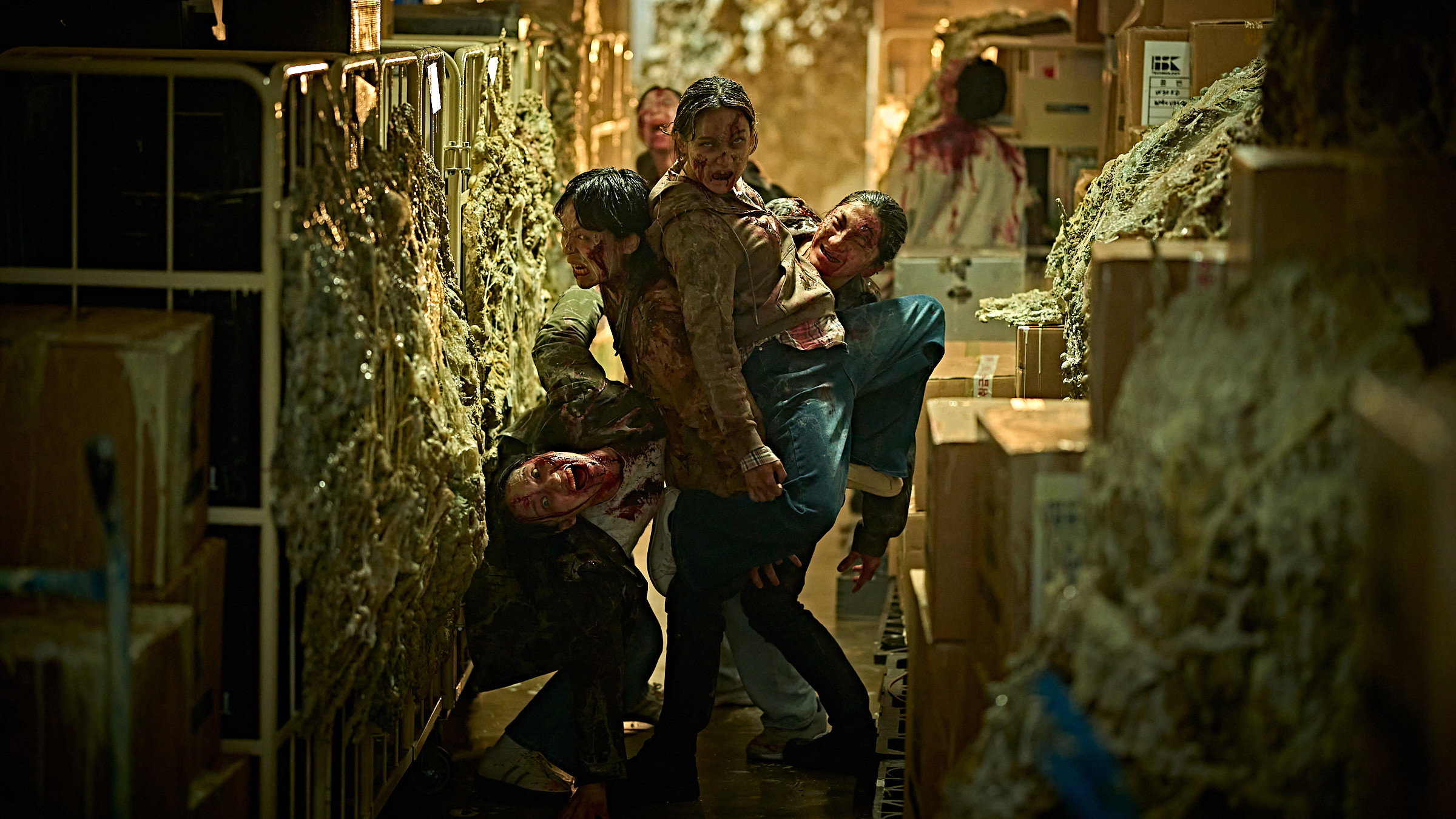
The infected dancers move with a coordination that makes the familiar horde harder to dismiss as so many bodies waiting to be knocked down. We were unnerved by their contortions, which make human movement look painfully wrong. Byun Bong-sun’s cinematography gives this choreography the attention it deserves, allowing the performers to provide much of the horror. The practical effects add a physical unpleasantness that the computer-generated imagery, used too freely elsewhere, cannot reliably match.

Lee Mok-won’s production design provides the confined high-rise setting, and the restriction suits a story about an enemy that can coordinate its attacks. The building keeps the horror close, with the action at its most effective when the survivors have to respond to the horde’s developing capabilities. Han Mi-yeon’s editing gives individual encounters momentum, but the suspense does not hold steadily between them. The script repeatedly interrupts the danger to discuss the infection.

Choi Gyu-seok and Yeon Sang-ho have given the infected a more distinctive identity than the survivors. Gianna Jun plays Kwon Se-jeong, but the ensemble’s thin characterisation leaves too much of the concern for their survival to the circumstances alone. We understand the danger, but rarely feel much attachment to the people in it. Koo Kyo-hwan fares better as the scientist Seo Young-cheol, bringing an unnerving presence to a familiar villainous role. His performance makes the human scenes less predictable.

Chae Min-ju supplies the score, which makes less impression than the sounds accompanying the zombies’ contortions. Those noises help the choreography hurt: these are recognisably human bodies doing things human bodies should not do. It is effective horror, and a reminder of how much the film can communicate without explanation. The repeated discussions of collective intelligence become harder to excuse when the performers have already made it frightening.

Yeon’s interest in outcasts and free-thinkers gives the hive mind a possible purpose beyond making the attacks more difficult to survive. The suggestions about conformity and consumerism are broad, though, and the script spends more care on how the infection works than on what these people believe. For siege horror to sustain this much explanation, the people under threat need to be worth spending time with. Here, their lack of development makes the pauses feel longer.

There is enough physical invention here to reward a committed zombie watcher, provided expectations of the survivors remain modest. Anyone coming chiefly for a tense human story should choose something else. We would have preferred less instruction on how the horde operates and more reason to fear for its targets. Go for the infected dancers; bring some patience for the people explaining them.

Critical consensus AI synthesised

59
Positive
3
Mixed
5
Negative
2

The consensus on Colony is mixed, with praise clustering around the movement and design of its undead rather than its human drama. The reviews repeatedly single out the contorted, dance-like zombie choreography, practical effects and bursts of confined survival action; the hive-mind premise also earns credit for giving familiar threats a fresh complication. Several critics find an entertaining horror film here, though comparisons with Train to Busan generally leave Colony looking less involving.

The divide concerns how much those changes achieve: enthusiasts find ideas about collective intelligence and conformity, while detractors see a repetitive gimmick attached to thin characters. The Guardian welcomes the film’s resistance to conformity and consumerism, whereas IndieWire finds its AI and authoritarianism metaphors too broad. Reservations elsewhere centre on overexplanation, uneven suspense and limited emotional payoff, producing a fairly wide spread between approval of the spectacle and frustration with the writing.

The Guardian
27 August 2026
80*

The critic praises this latest K-zombie film from Yeon Sang-ho for its innovative hive-mind zombies and the striking, dance-like choreography of the action and gore scenes. The verdict highlights how the film makes the undead more formidable through collective intelligence while centering outcasts and free-thinkers against conformity and consumerism.

Read the full review →
Slant Magazine
16 July 2026 · Ross McIndoe
70*

The critic notes that Colony chases the high of Train to Busan with tweaks like the hive-mind zombies and collective intelligence subtext that add freshness, along with strong practical effects, but finds the characters less sharply defined and the suspense less sustained.

Read the full review →
The New York Times
27 August 2026 · Nicolas Rapold
70*

Yeon Sang-ho's pulpy zombie film deploys a bioengineered horde distinguished by networked brains, hectic movements, and a pied-piper mastermind in a building-set thriller that leans into epidemic containment plotting. The review highlights the grotesque choreography of infected dancers and Koo Kyo-hwan's unnerving performance as the mad scientist villain.

Read the full review →
Screen Daily
19 May 2026 · festival review
60*

Yeon Sang-ho delivers a propulsive and entertaining horror with striking visuals and choreographed action sequences in a confined high-rise, but the result is fun yet forgettable and unlikely to match the impact of Train to Busan.

Read the full review →
Time Out
5 June 2026 · ★★★ · Stephen A Russell
60

The film delivers a fun night out thanks to its well-staged mayhem and practical effects in a high-rise setting, though it offers little that is new beyond the hive-mind zombie concept.

Read the full review →
The AV Club
26 August 2026 · C · Natalia Keogan
57

The critic finds Colony comparatively hollow next to Train to Busan, with characters that fail to develop meaningfully and a concept that doesn't quite click despite strong monster designs and movements.

Read the full review →

Cast

Stills

If you liked this, try…

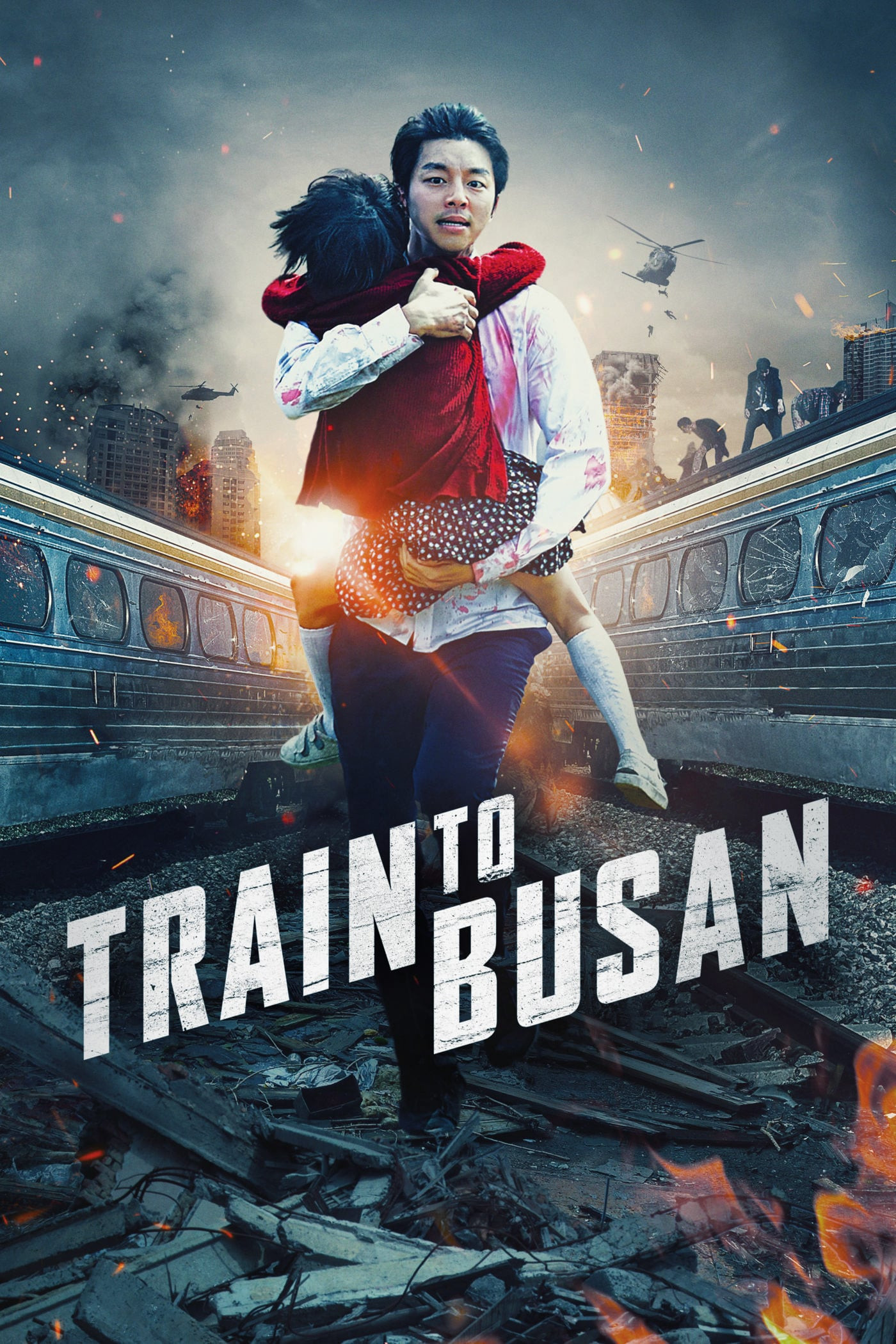
Train to Busan poster

Train to Busan

2016 · Yeon makes confined zombie action matter by giving us people worth fearing for.

[REC] poster

[REC]

2007 · Another infected building, with tighter suspense and a camera trapped inside.

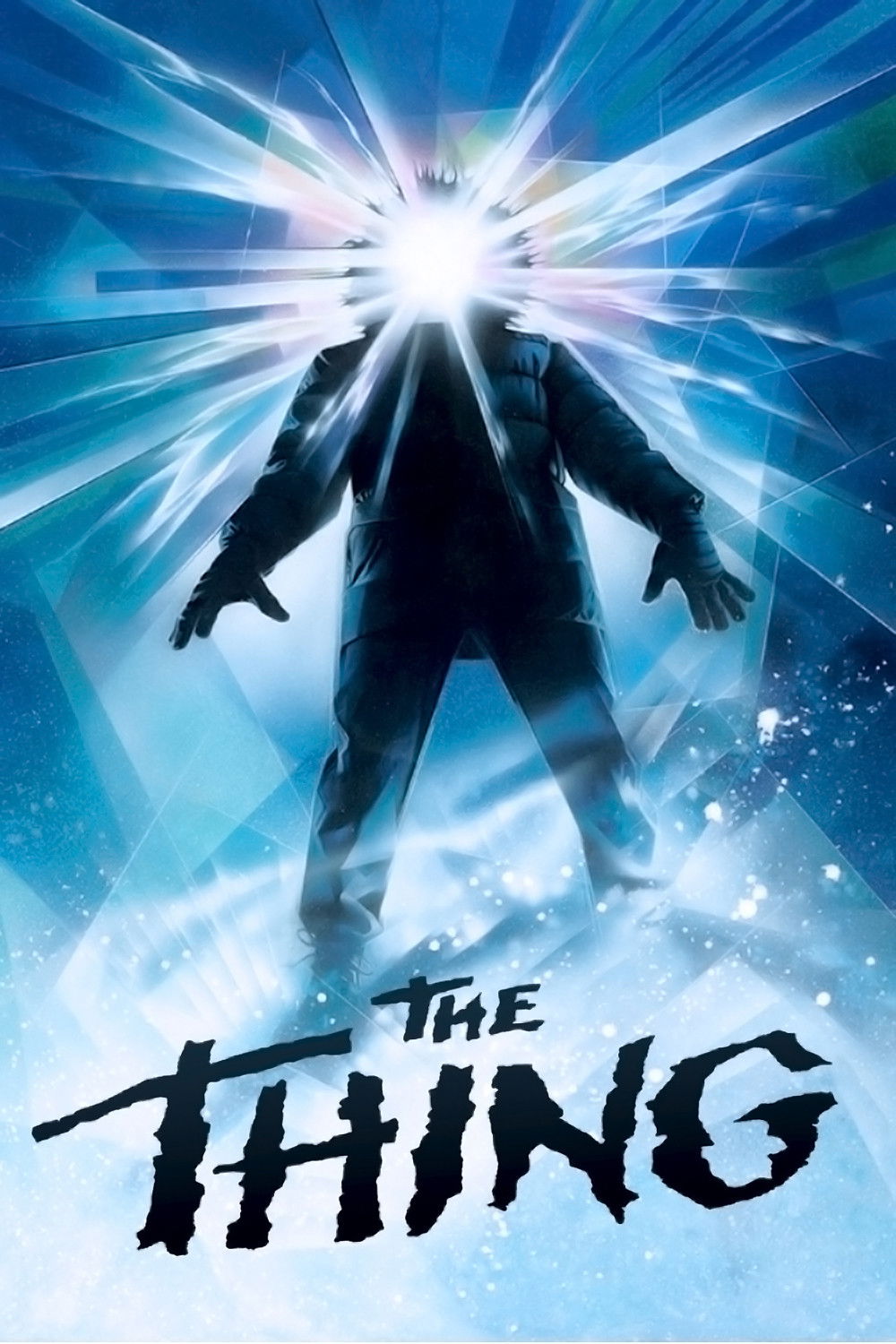
The Thing poster

The Thing

1982 · Practical bodily horror makes a confined group’s failure to cooperate painfully persuasive.

Pontypool poster

Pontypool

2008 · An infection thriller that finds its new threat in language and listening.

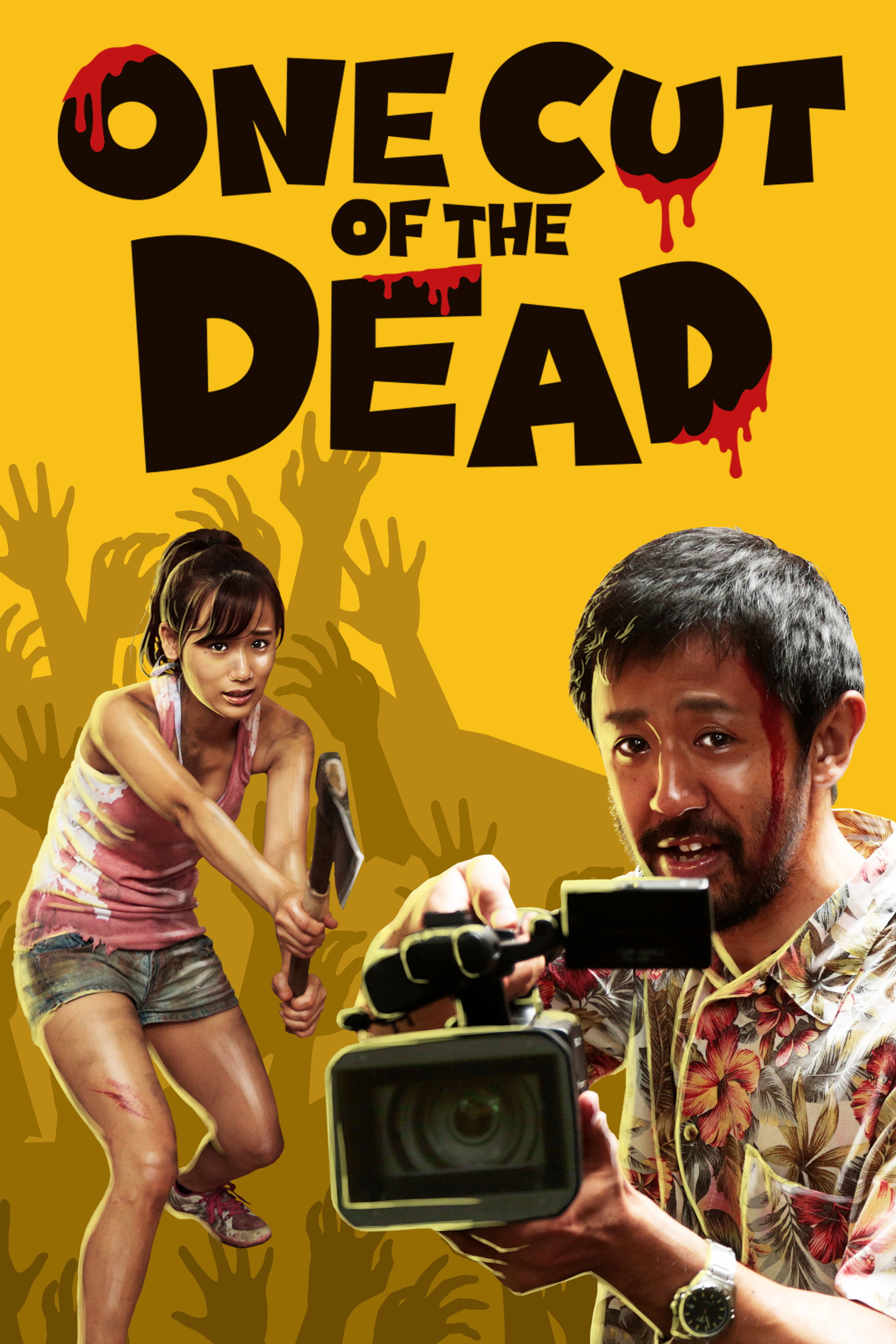
One Cut of the Dead poster

One Cut of the Dead

2017 · Its comic ingenuity offers a welcome change after another grim battle with the infected.