Paul Bartel and Mary Woronov make this dry crime comedy worth an evening. Their composure is reliably funny, although the film grows too comfortable repeating its central joke.
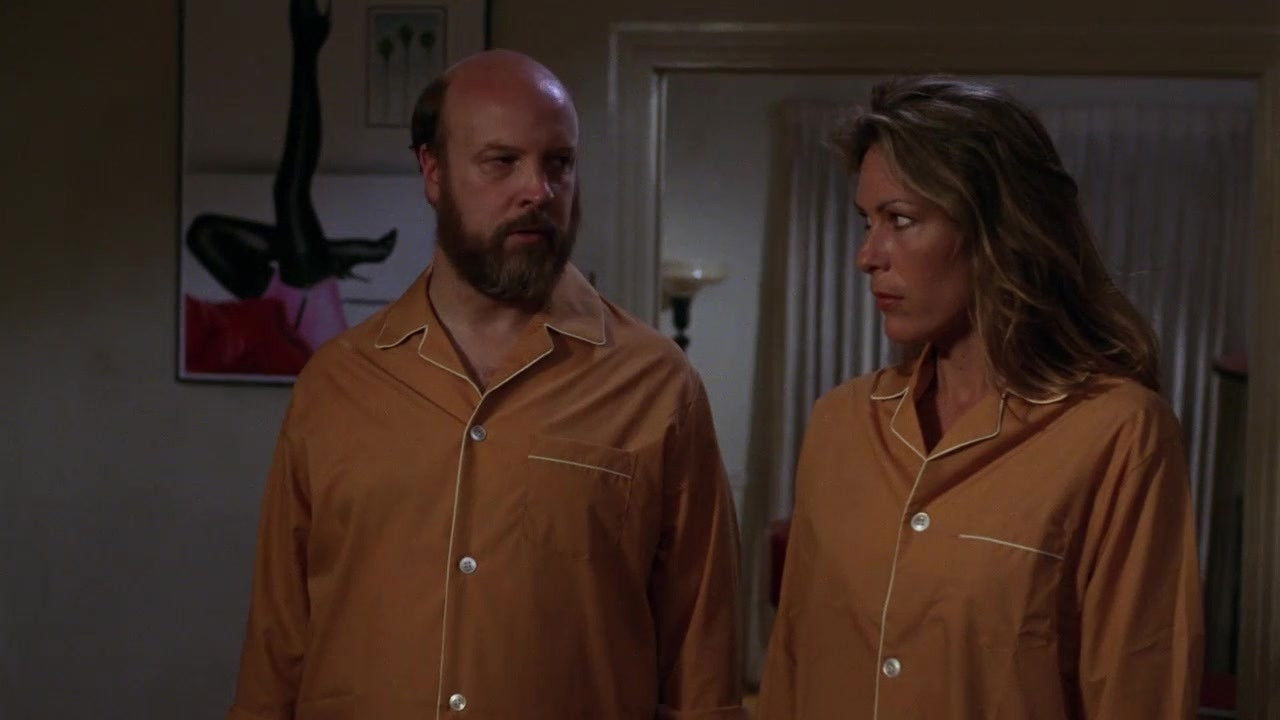
Eating Raoul is a good, dry crime comedy with a simple limitation: it finds one excellent joke and grows comfortable repeating it. Paul Bartel, directing a script written with Richard Blackburn, gives Paul Bland and Mary Bland a perfectly ordinary wish to run a restaurant. Their willingness to finance it through murder scarcely disturbs their sense of being decent people. The film’s most reliable pleasure is watching that confidence survive behaviour which ought to make even the proprietors reconsider.
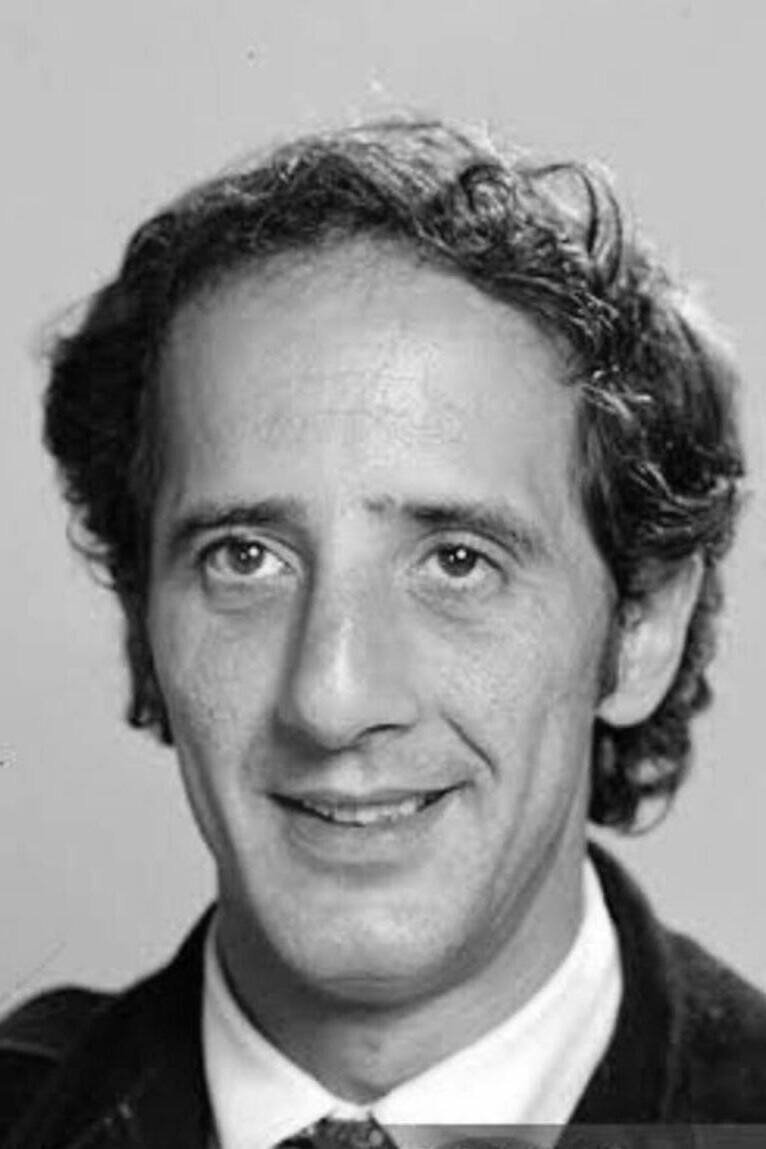
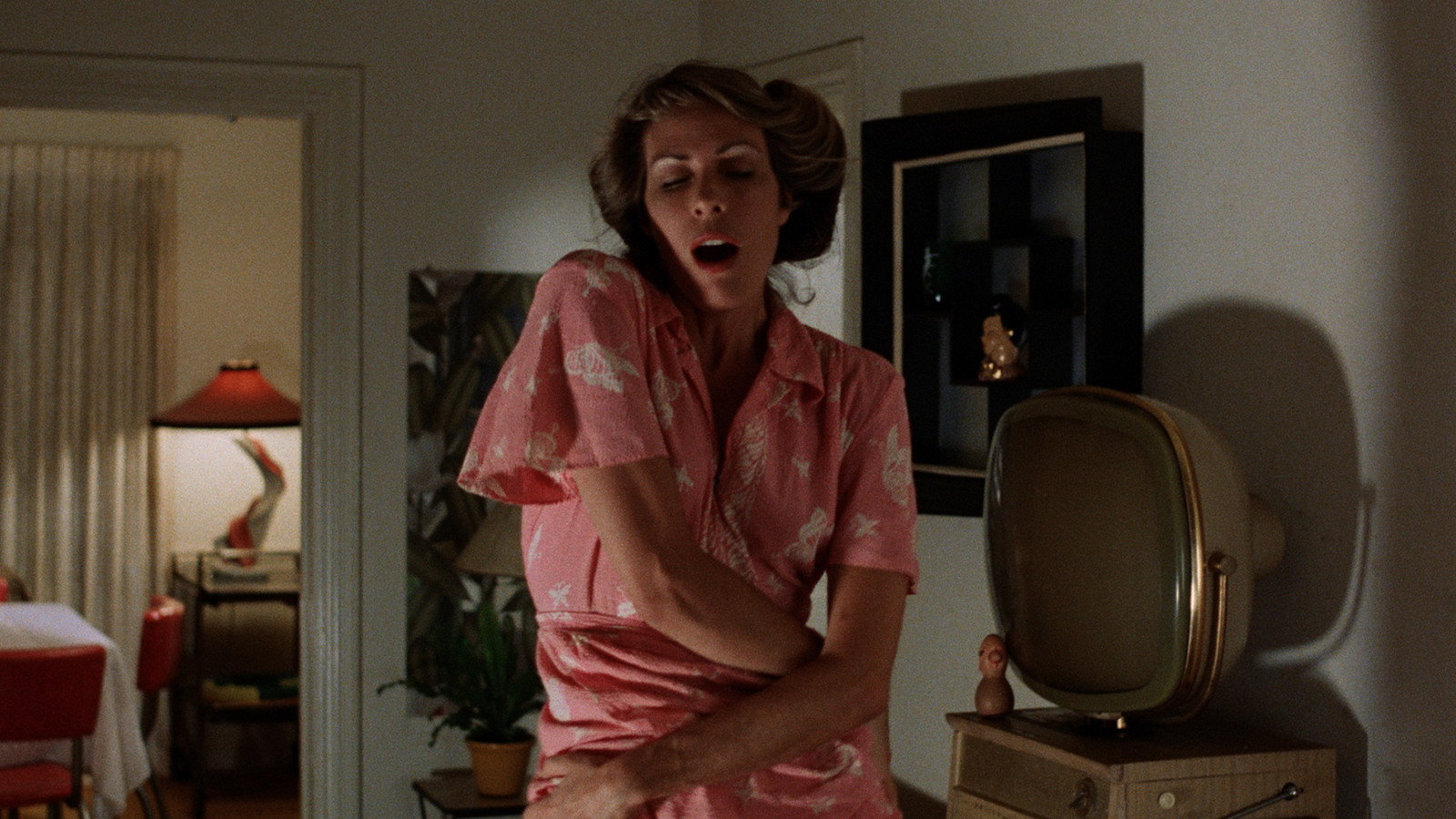
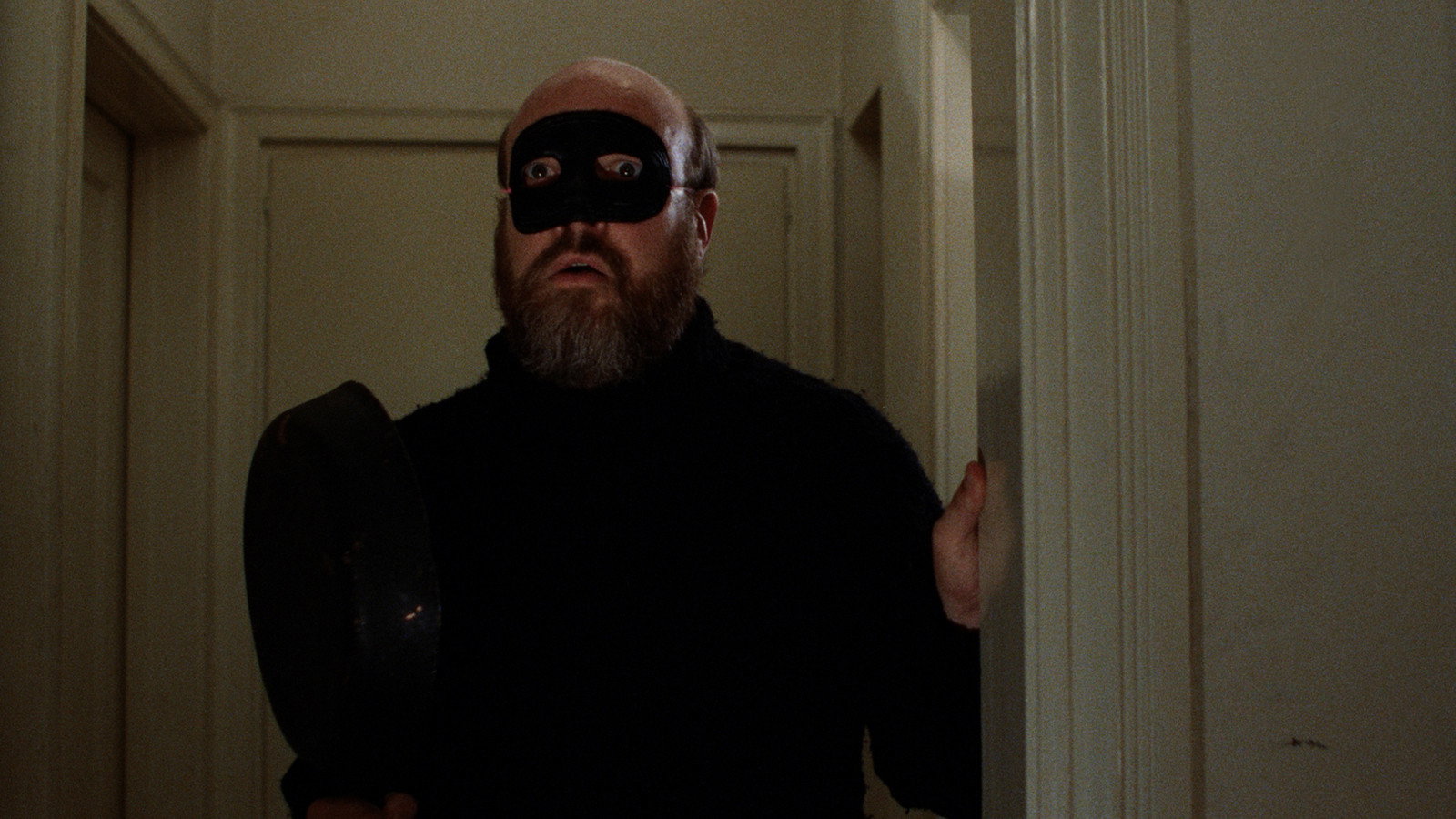
Paul Bartel plays Paul Bland with an offended propriety that makes other people’s appetites seem like a personal inconvenience. Mary Woronov, as Mary Bland, is an essential partner: the pair’s composure keeps the comedy from becoming an exhibition of actors enjoying their own outrageousness. We laughed at how easily their restaurant scheme began to sound reasonable. The performances give the killing the practical weight of a financing problem, and that calmness is what got us.
The script is particularly alert to how wanting a business can make almost any behaviour seem industrious. The restaurant remains a recognisable, modest ambition, so the couple never need to think of themselves as villains. Their disgust at other people’s sexual appetites gives them a further excuse. Paul Bartel and Richard Blackburn make those appetites so tiresome, though, that we are scarcely asked to question the couple’s judgement of their targets.
Gary Thieltges’s cinematography gives the comedy a flat, unceremonious look which suits the straight faces. Robert Schulenberg’s production design keeps it close to the ordinary scale of a domestic comedy, rather than announcing every piece of bad taste. That is a useful decision: exaggerated pictures would leave the actors with nowhere to go. The lack of visual fuss also gives us time to notice how little the couple’s fastidiousness interferes with what they are prepared to do.
Alan Toomayan’s editing allows that deadpan manner room to work, though the relaxed pace occasionally becomes an excuse to linger over a joke already understood. Arlon Ober supplies the music; the performers’ delivery remains the stronger guide to when we should laugh. The restraint is welcome because this material hardly needs additional encouragement to be peculiar. Sometimes a sequence needs a little more speed, however, and the film keeps moving at the same pace.
The crime-comedy setting allows Paul Bartel to test how far the couple’s self-respect will stretch. Their composure keeps inviting us back after behaviour that would end our sympathy in a more realistic film. Much of the fun lies in accepting their peculiar rules for a while. Anyone expecting the premise to produce sustained revulsion should adjust their expectations.
At 87 minutes, Eating Raoul does not require an enormous tolerance for its habits, although its mild delivery will not suit everyone attracted by the premise. It can be sick without making us feel especially uncomfortable, which limits how far the satire reaches. We would still recommend it to anyone who enjoys a black comedy performed with a straight face. Give it an evening when criminal ingenuity sounds more appealing than moral improvement.