An engaging introduction to Vivian Maier’s photographs, weakened by too much speculation about their maker. John Maloof and Charlie Siskel keep the search moving, but the pictures deserve more attention than the personal mystery.
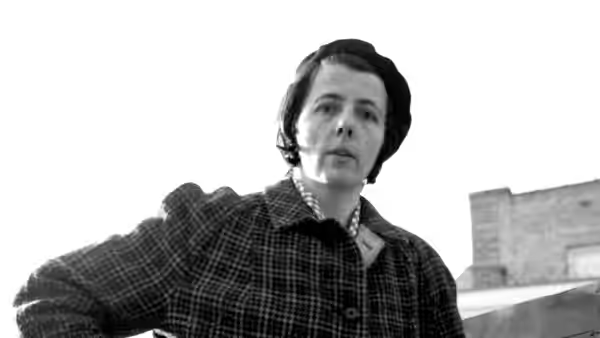
Finding Vivian Maier is a worthwhile, sometimes frustrating introduction to a photographer whose pictures deserve more time than the film gives them. John Maloof and Charlie Siskel organise it around the discovery of her work and the attempt to understand its maker. That gives the documentary a clear purpose and an engaging line of enquiry. It also means that looking at a photograph can start to feel like a pause in the more pressing business of investigating the photographer.
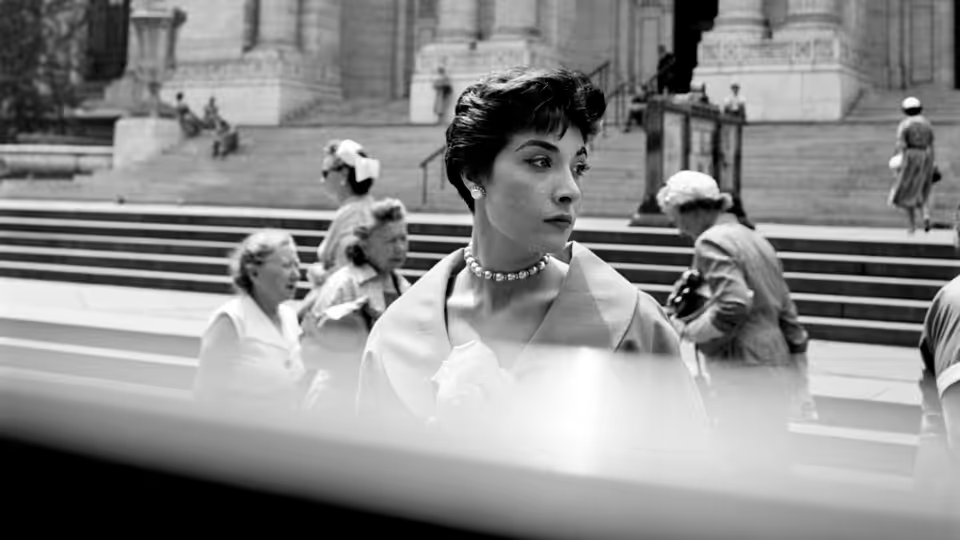
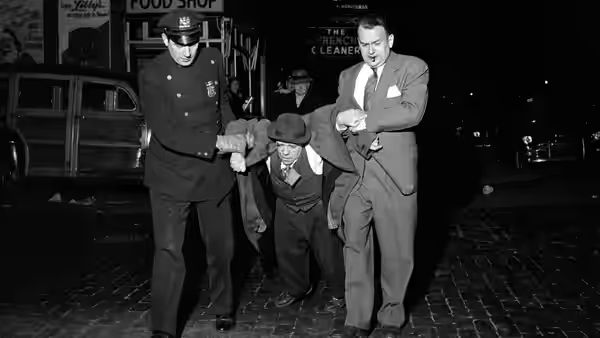
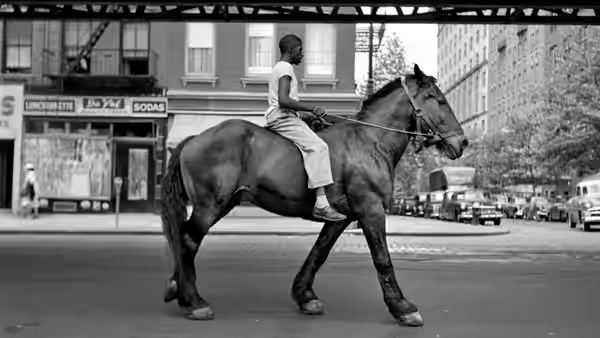
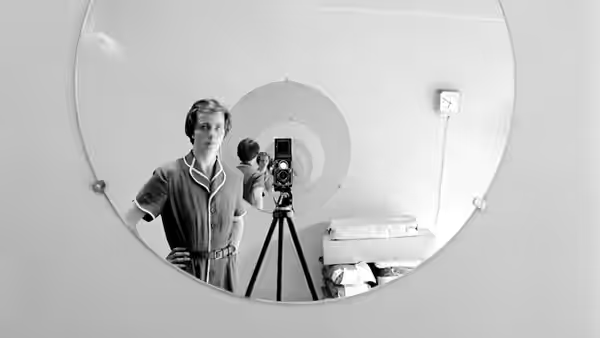
Maier’s street photographs are the strongest reason to watch. The film lets them establish her ability, so that we can understand Maloof’s excitement without simply taking his word for it. We were moved by these pictures, then frustrated when the documentary hurried back to questions about her private habits. A longer look at the work would also help us assess the enthusiasm expressed in the interviews.
Maloof’s position makes this more interesting than a routine portrait assembled at a distance. He is the narrator, co-director and the person responsible for bringing the photographs to light, so his curiosity has a practical purpose. We can follow the investigation without needing to be persuaded that there is something worth finding. His commercial interest in the work nevertheless deserves closer scrutiny, because the film is also helping to establish the reputation of the photographer whose work he promotes.
John Maloof’s cinematography keeps the interview material visually plain, allowing the photographs to command attention. The interviews give the search a human presence, although they also help make other people’s impressions feel more authoritative than they should. Aaron Wickenden’s editing makes the enquiry easy to follow, moving between the work and the accounts of Maier with a fluency that keeps curiosity alive. The drawback is that this momentum encourages us to wait for another personal detail rather than sit with an image.
The more troublesome passages treat Maier’s independence and difficult behaviour as clues to something wrong with her. Unflattering testimony belongs in a biography, but it needs careful handling when the subject’s motives remain uncertain. The film too often invites diagnosis, with curiosity tipping into gossip. Her choice to keep work private warrants a question; the persistence of the questioning starts to make privacy itself look suspect. This is where the documentary’s sympathy feels least secure.
J. Ralph’s score lends warmth to the investigation, encouraging sympathy even when the questioning becomes intrusive. That is useful, though the photographs scarcely need musical help to hold our attention. The film also raises resistance from the art establishment without giving it the sustained examination it gives Maier’s personality. We would have welcomed a closer look at who gets to decide that unfamiliar work deserves attention.
As documentary detection, it holds the attention across its 83 minutes. Anyone hoping for sustained discussion of how Maier made her photographs should temper their expectations: the film spends much of that time on the search and the testimony. We would recommend it to viewers interested in photography, with reservations about how it handles its subject. Go for the pictures, and take the amateur psychology cautiously.