Film review

Gigli

2003 · Directed by Martin Brest · 2h 02m · MPA R

In a sentenceTwo contract killers, a kidnapping and enough strained conversation to put us off both crime and dating

ComedyCrimeDramaRomance

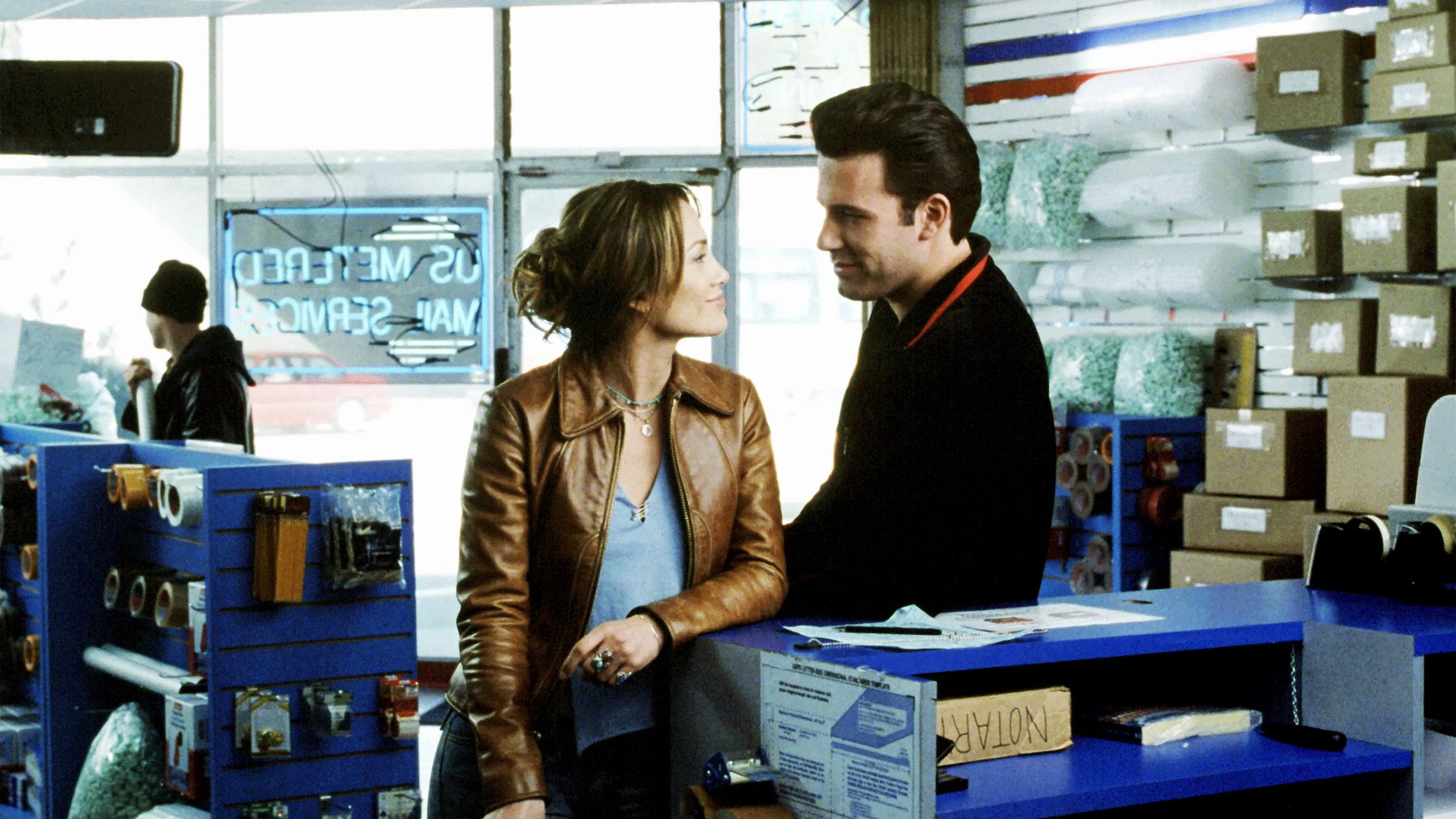
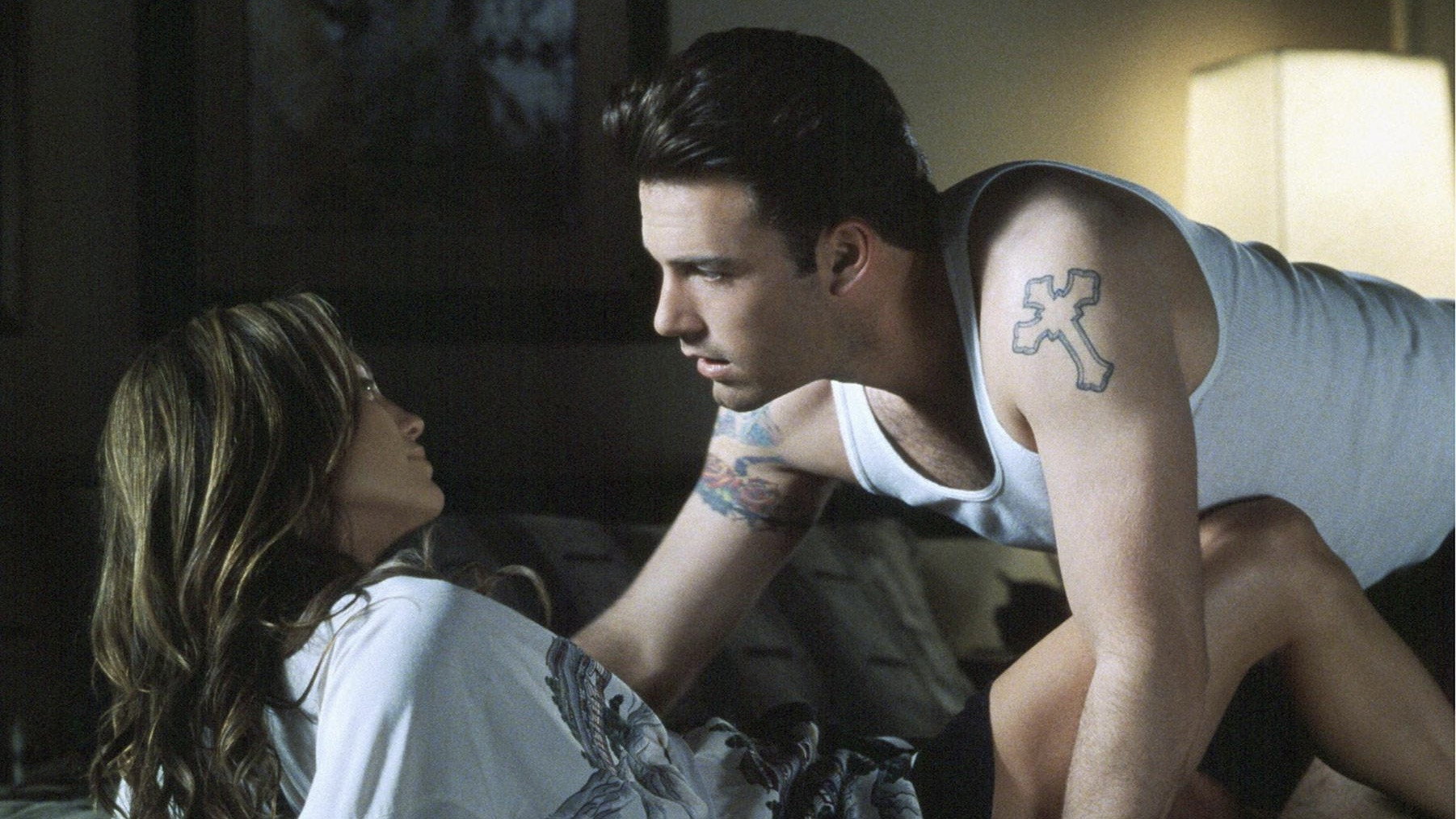
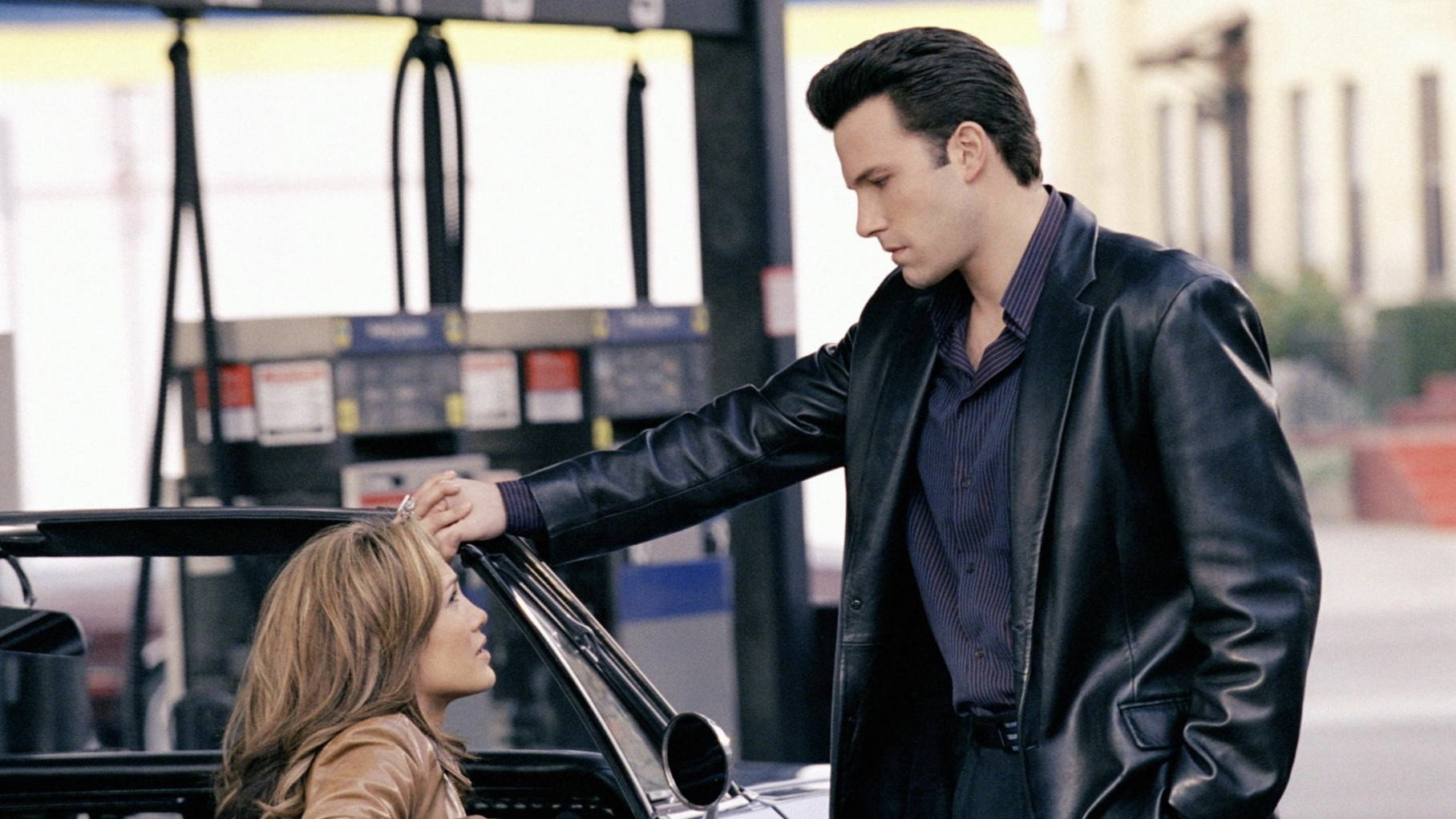
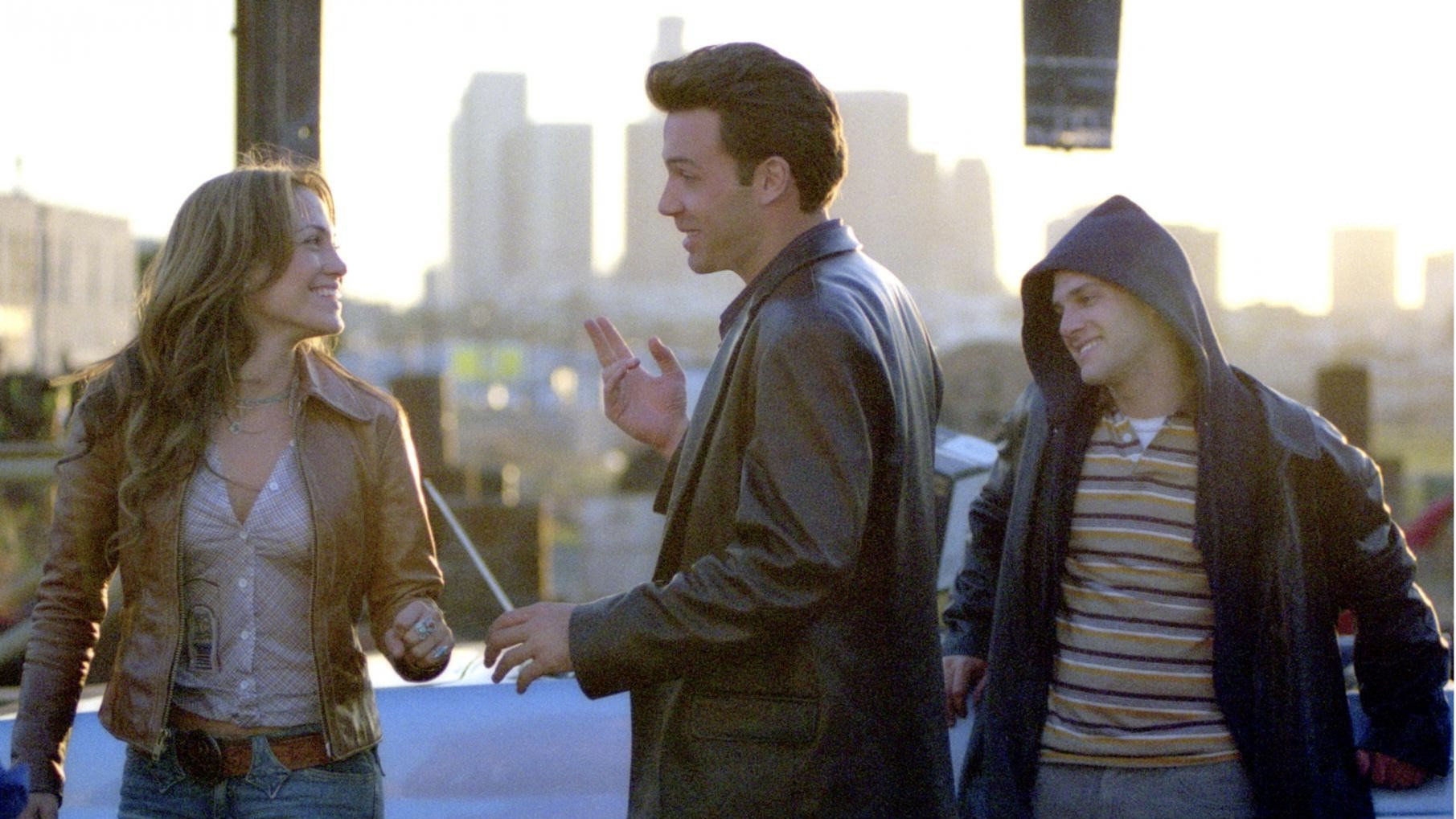
Larry Gigli (Ben Affleck), a hitman, takes on a kidnapping job involving Brian (Justin Bartha), a man with a cognitive disability. Another contract killer, Ricki (Jennifer Lopez), becomes involved in the assignment. Larry has a captive to deal with and a colleague who draws his attention away from the job. Ricki is a lesbian, but Larry is attracted to her, bringing questions about sex and relationships into their criminal business. The kidnapping puts these three people together as Larry tries to manage the assignment and his interest in Ricki.

Plays from YouTube when you press play; nothing loads from them until then.

Fi1m review

Martin Brest’s Gigli has capable actors and a kidnapping to get them moving, yet spends its time on strained romantic talk. A few comic moments survive; the central relationship gives us little reason to stay.

Martin Brest writes and directs Gigli as a crime comedy that hopes the company of its leads will matter more than the kidnapping that brings them together. That is a reasonable hope for this sort of film, but these characters are poor company, and their conversations seldom improve them. The kidnapping becomes an excuse for conversations that are rarely persuasive or funny. Most critics have rejected it, and we agree with the central complaint: the relationship does not work. The few decent comic moments cannot carry 122 minutes.

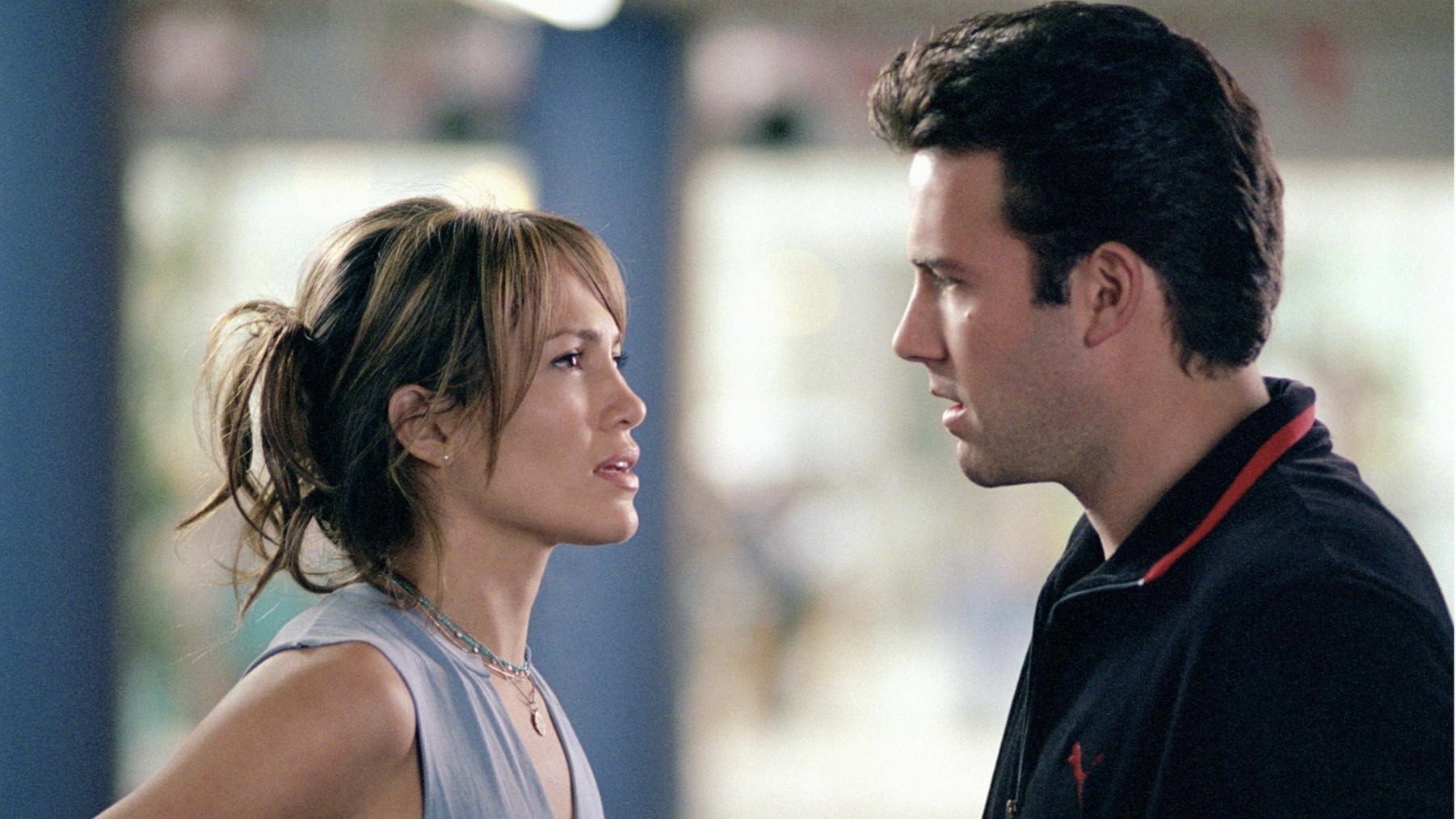
Ben Affleck plays Larry Gigli with an effortful bluster that makes the character difficult to believe, even by the forgiving standards of a crime comedy. Jennifer Lopez has enough presence as Ricki to keep a scene watchable, but presence cannot make the exchanges sound spontaneous. The lines keep announcing how colourful these people are meant to be. We were bored by their banter because so much of it insists on being noticed without giving us a reason to care about the person speaking. A romantic comedy needs some pleasure in listening to its couple.

The writing is worse when it turns to disability and sexuality, subjects it handles with a crude confidence it has not earned. Brian, played by Justin Bartha, is drawn into the film’s attempts to mix rough comedy with tenderness, but the humour makes that tenderness hard to accept. We winced at the disability jokes, because the appeals for sympathy do not undo the way those jokes ask us to regard their targets. Martin Brest gives the characters plenty to say about other people and too little evidence that they understand them.

Robert Elswit’s cinematography is flat, with little in the image to reward attention when the dialogue stalls. Gary Frutkoff’s production design is similarly unobtrusive; the surroundings provide little sense of a life beyond the conversations taking place in them. The work looks professional, but it does not make spending time here more inviting. Editors Julie Monroe and Billy Weber allow the talk to dominate, and the scenes rarely gather momentum as they go. John Powell’s score adds an unhelpful blandness, doing little to ease the awkward movement between criminal threat, sexual banter and sentiment.

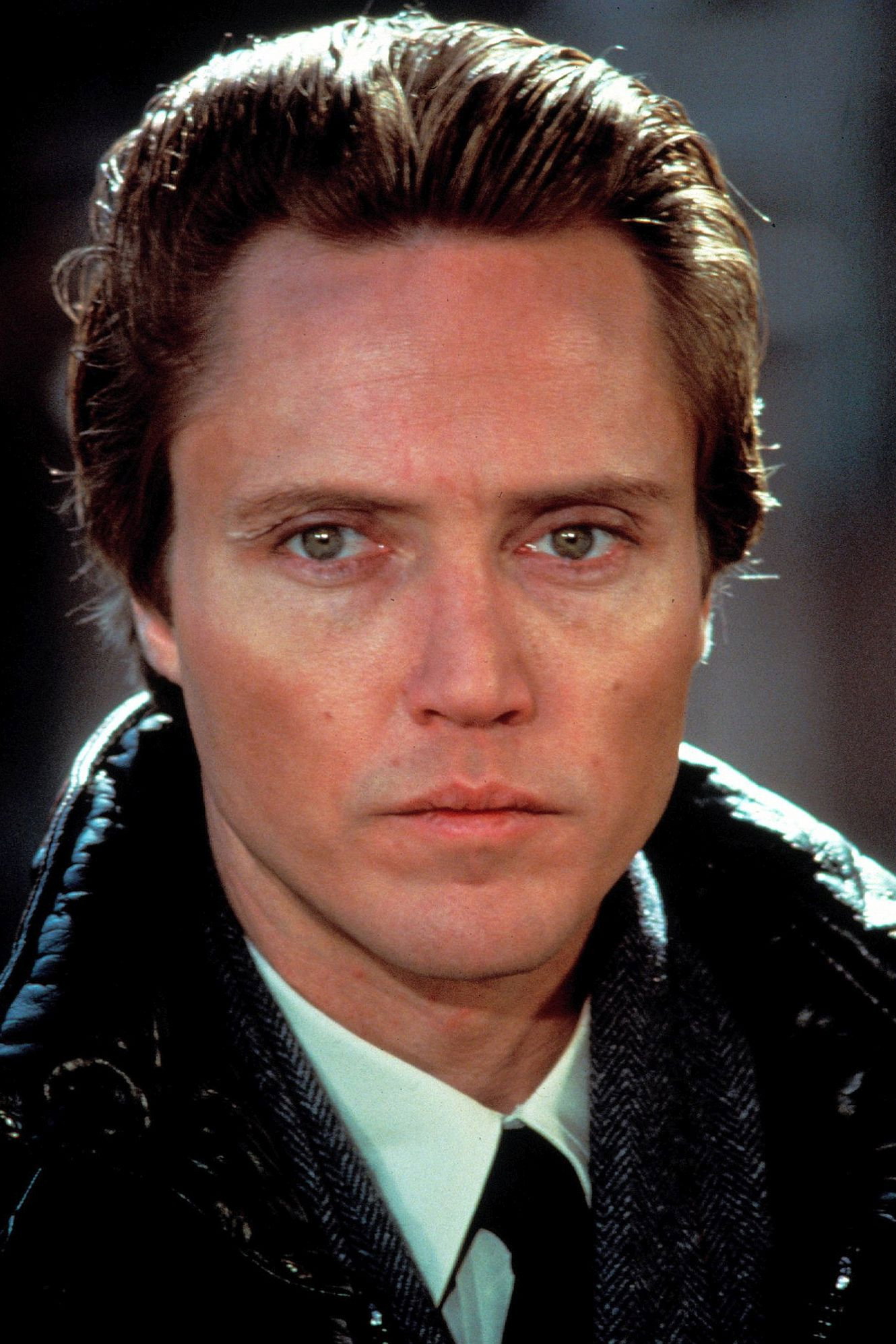
Christopher Walken and Al Pacino are useful exceptions to the general strain, bringing some comic life to their brief contributions. Their appearances make the lack of ease elsewhere harder to ignore. There is also something worth allowing in the film’s willingness to let its criminal characters be strange and undignified, even when the jokes fail. A tidier, more anonymous comedy might have less personality, but this one needed someone to distinguish an eccentric exchange from a conversation that should have ended.

Against the basic demands of a crime romance, Gigli falls short in both suspense and attraction. It is possible to enjoy a film like this on the strength of the actors alone, and the occasional flicker of charm explains why anyone might try. Here, though, the leads are repeatedly asked to sell dialogue that makes them less appealing the longer it continues. For anyone hoping its reputation promises an entertaining disaster, the caveat is simple: there is a great deal of waiting between the bits worth talking about.

Critical consensus AI synthesised

25
Positive
1
Mixed
0
Negative
10

The consensus on Gigli is overwhelmingly negative, with ten of the eleven reviews finding little to recommend. Most critics describe a romantic gangster comedy undermined by implausible plotting, strained dialogue and an unconvincing pairing of Affleck and Lopez. Praise is scattered rather than shared: some reviews find residual star charisma, occasional effective comedy or welcome contributions from Walken and Pacino. These concessions rarely soften the verdict on the film as a whole.

The sharpest reservations concern the crude treatment of disability and sexuality, alongside a muddled tone and talk-heavy scenes that lack momentum. Critics differ mainly over whether any charm survives those problems, though one review breaks decisively from the rest. Variety finds the film silly but enjoyable, praising precisely the dialogue, character work and chemistry that most critics reject. Its enthusiasm makes it a clear outlier rather than evidence of a broadly divided response.

Variety
2 August 2003 · ** · Amy Dawes
70*

The critic finds it a silly but enjoyably written and performed romantic comedy that benefits from strong dialogue and character work despite its baggage and nonsensical story. She singles out the engaging chemistry and banter between Lopez and Affleck as the highlight.

Read the full review →
Evening Standard
10 April 2012 · Neil Norman
30*

The review deems the film not quite as disastrous as its reputation suggested but still fatally undermined by a preposterous script and corny execution. Brief praise goes to the short contributions from Christopher Walken and Al Pacino.

Read the full review →
Slant Magazine
20 November 2003 · Ed Gonzalez
30*

The review calls the film a mess and vanity project that tries to be too many genres at once while offering nothing profound about the sexes, though it admires the curiosity and weirdo tone in places. It singles out the adolescent writing and the way Brest tortures the audience with home-invasion scenes and genre indecision as major complaints.

Read the full review →
The AV Club
29 July 2003 · Keith Phipps
30*

The critic finds little reason to see this talky, spark-free gangland romantic comedy, which lacks charge or momentum despite a professional sheen from Brest and charisma from its stars. The dialogue is unconvincing and the film is essentially all talk, redeemed by neither cameos nor the tacked-on ending.

Read the full review →
Vulture
16 June 2021 · Anna Peele
30*

The piece states outright that Gigli isn’t a good film, either in 2003 or now, citing its myopic and convoluted story, jarringly banal score, tonal and genre tensions, and botched production history. It singles out the fake-seeming chemistry between Affleck and Lopez and the time-capsule early-2000s wardrobe and cultural context as notable elements.

Read the full review →
Time Out
10 September 2012 · JWin
15*

The critic delivers a strongly negative verdict on the film's execution and premise, highlighting the miscast leads and contrived plot elements like the impaired brother subplot and simplistic Hollywood psychology. A few mitigating factors are noted in passing, including visual appeal from one lead and a brief celebrity cameo.

Read the full review →

Cast

Stills

If you liked this, try…

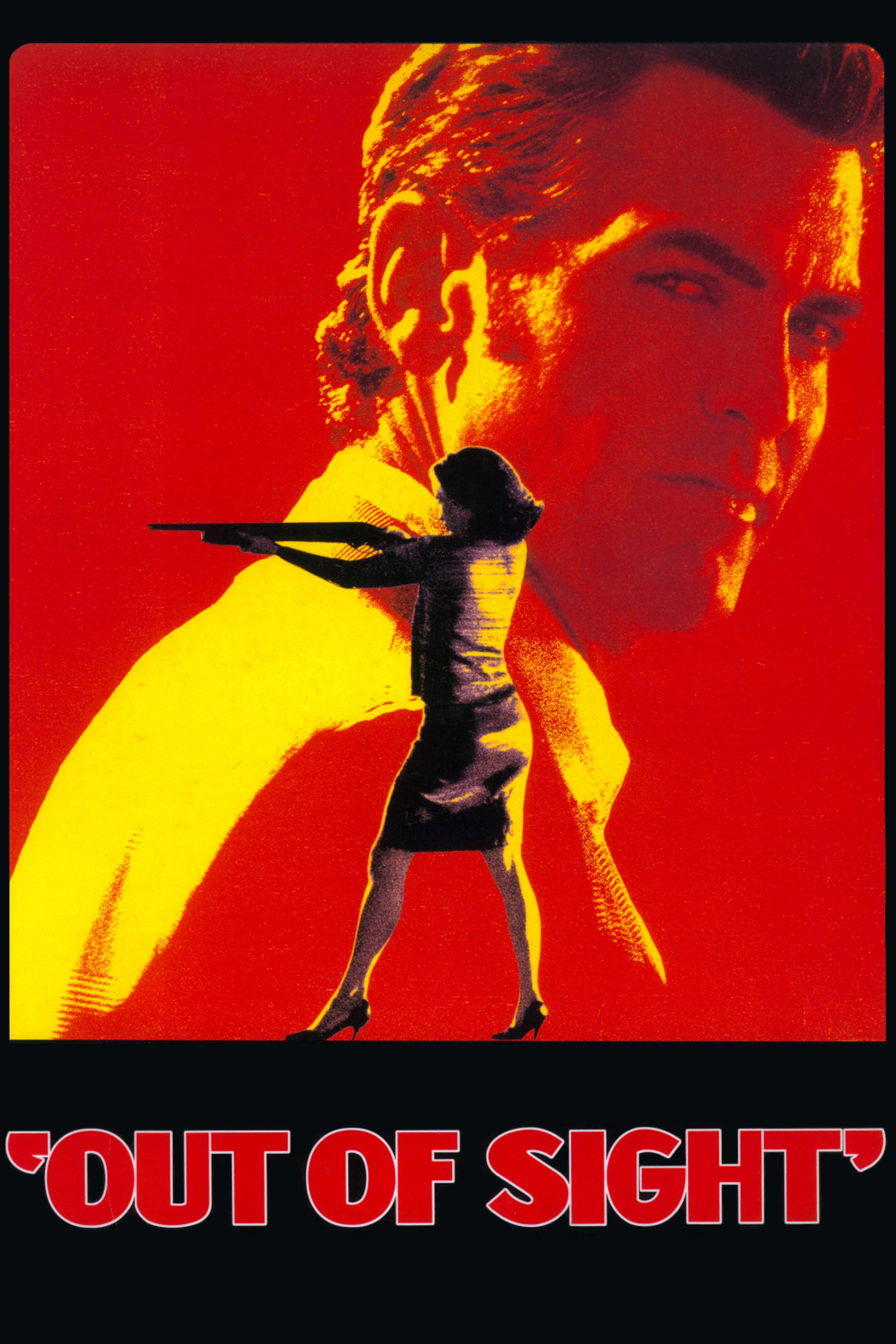
Out of Sight poster86

Out of Sight

1998 · Criminal business and romantic attraction share scenes without either needing constant explanation.

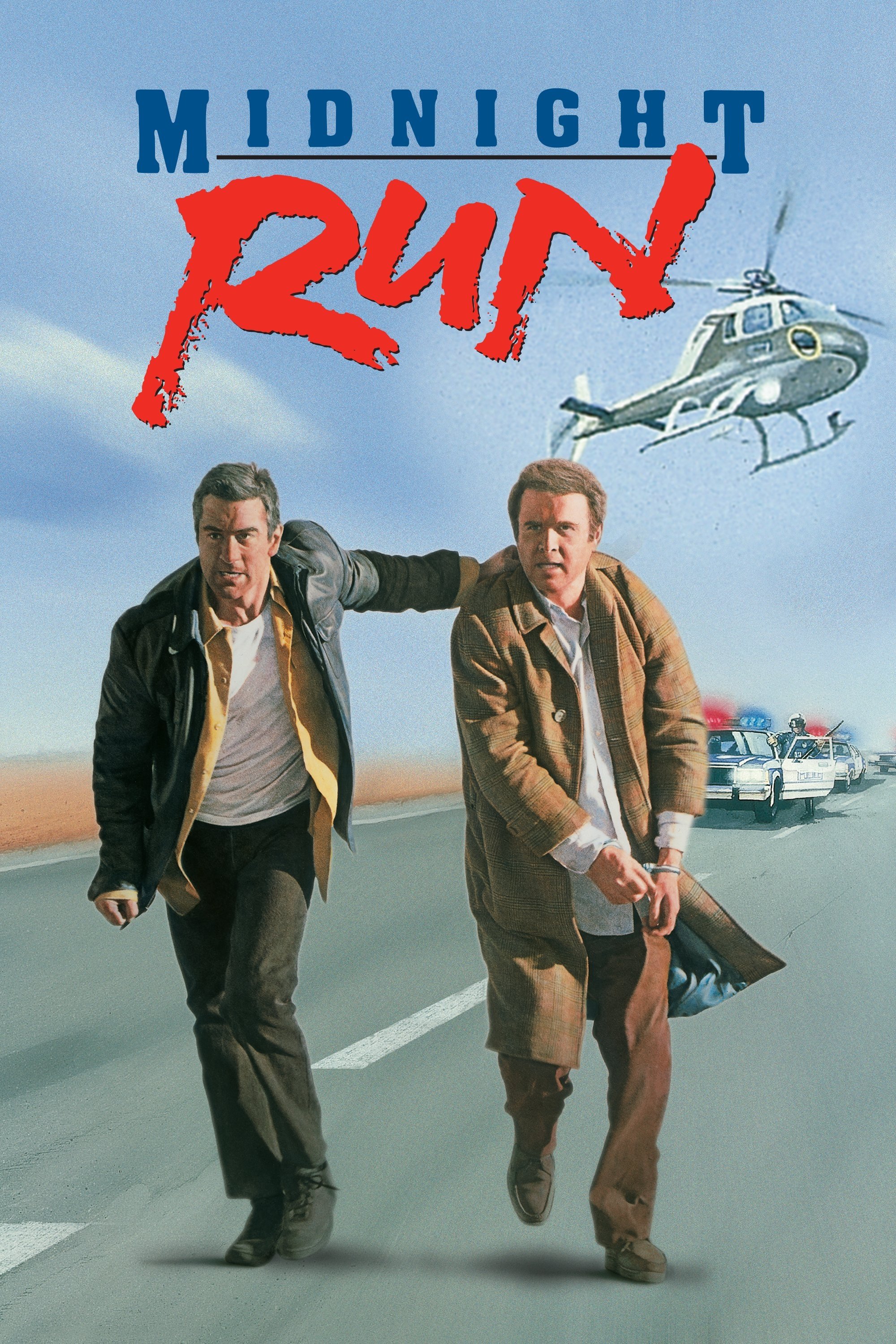
Midnight Run poster88

Midnight Run

1988 · An unwilling travelling partnership gives its mismatched leads something worth arguing about.

The Hit poster

The Hit

1984 · Criminals talking their way through trouble, with the threat allowed to linger.

The Trouble with You poster

The Trouble with You

2018 · A French crime comedy that makes room for romance and difficult behaviour.

Charade poster

Charade

1963 · Romance and criminal suspicion give each conversation something more than flirtation to carry.