Dennis Dugan’s sequel mistakes a familiar cast for an evening’s entertainment. Adam Sandler and his fellow leads seem comfortable enough, but the repetitive bodily jokes and dutiful family lessons make this a miserable way to spend 101 minutes.
Grown Ups 2 asks for little more than permission to spend 101 minutes with Adam Sandler and his fellow leads. A loose comedy about middle-aged men behaving badly need not have much of a plot, provided the jokes keep arriving and the company remains pleasant. Dennis Dugan supplies plenty of incidents, but few develop beyond the first crude idea, and the friendliness feels taken for granted. It is a wearying, mostly unfunny sequel, and we would not recommend it.
The opening deer urination gag establishes how little patience the film has for setting up a joke. An animal relieving itself on Lenny Feder’s face is supposed to be enough; there is little surprise once the action begins. We were irritated almost immediately, because the scene asks us to laugh simply at the fact of the urination. The problem persists throughout the film: jokes about bodies are pushed at us with so little invention that their supposed outrageousness becomes tiresome.
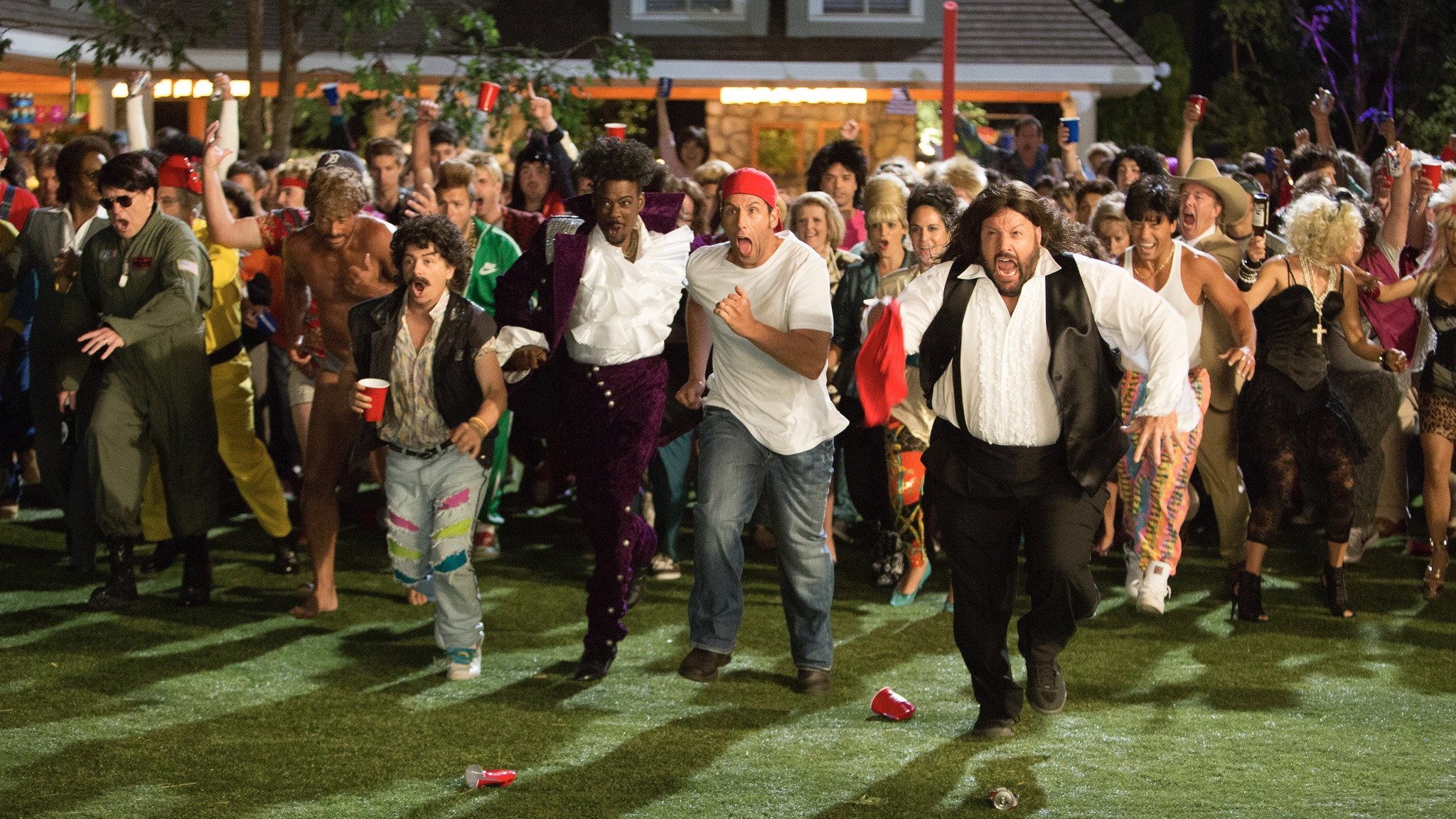
The screenplay by Tim Herlihy, Adam Sandler and Fred Wolf has wives, children and fraternity rivals to draw on, so there is no shortage of possible friction. Yet each fresh encounter seems to excuse abandoning the previous one before it has produced much comedy. Nothing as elaborate as a tightly plotted farce is needed here; a running joke that becomes funnier with repetition would do. Tom Costain’s editing does not give these episodes enough momentum, and their accumulation makes the modest running time feel considerably longer.
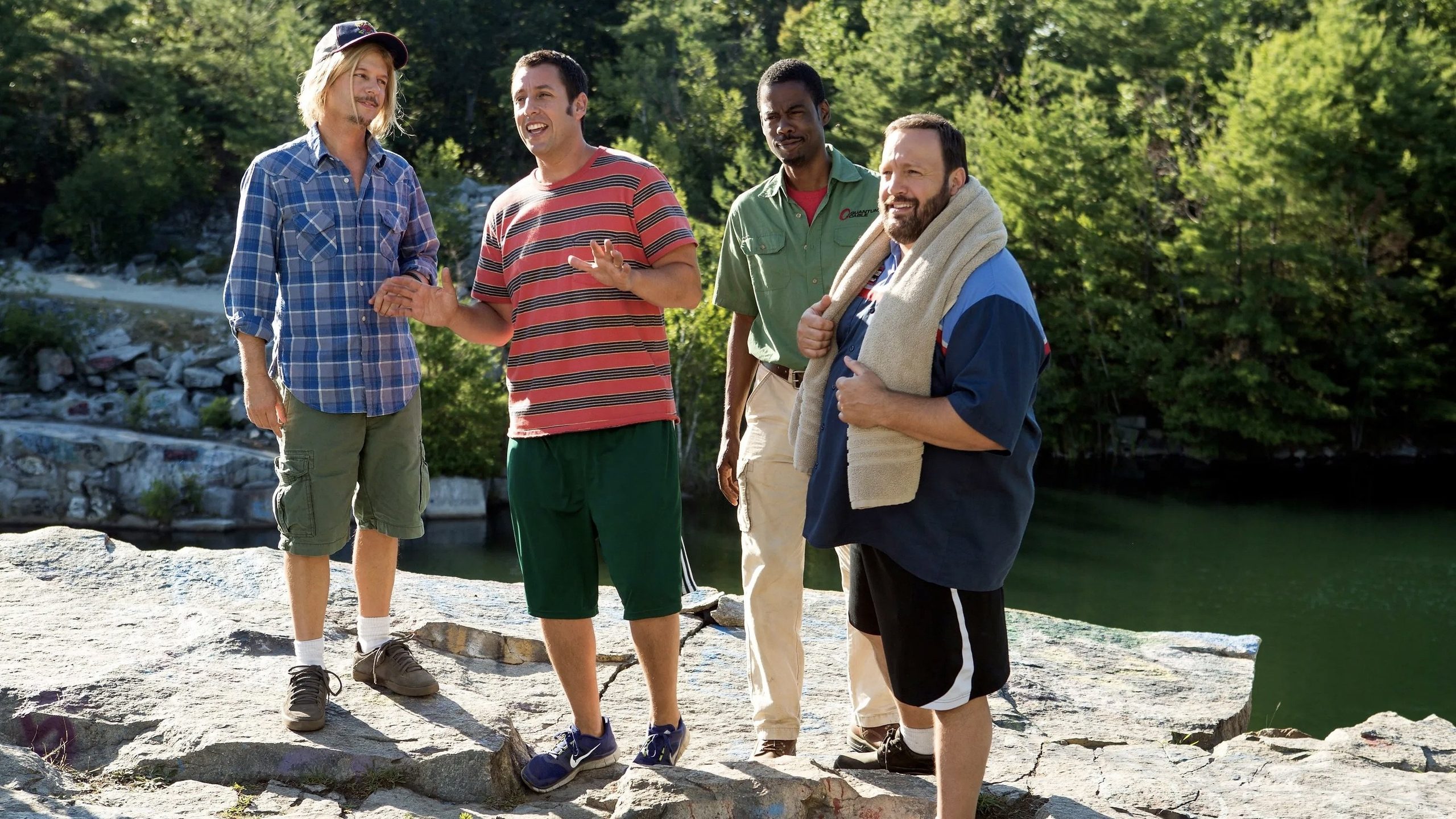
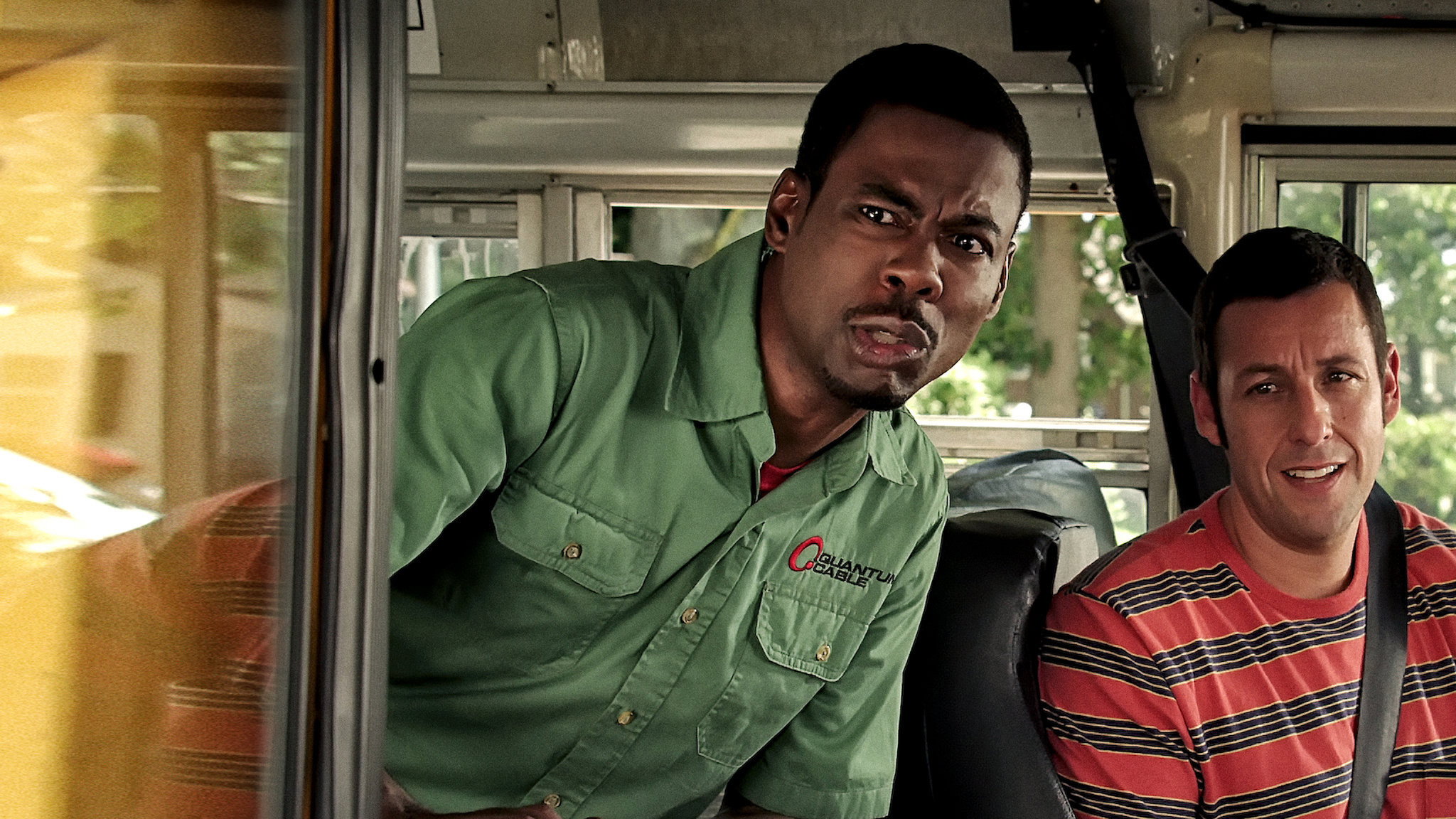
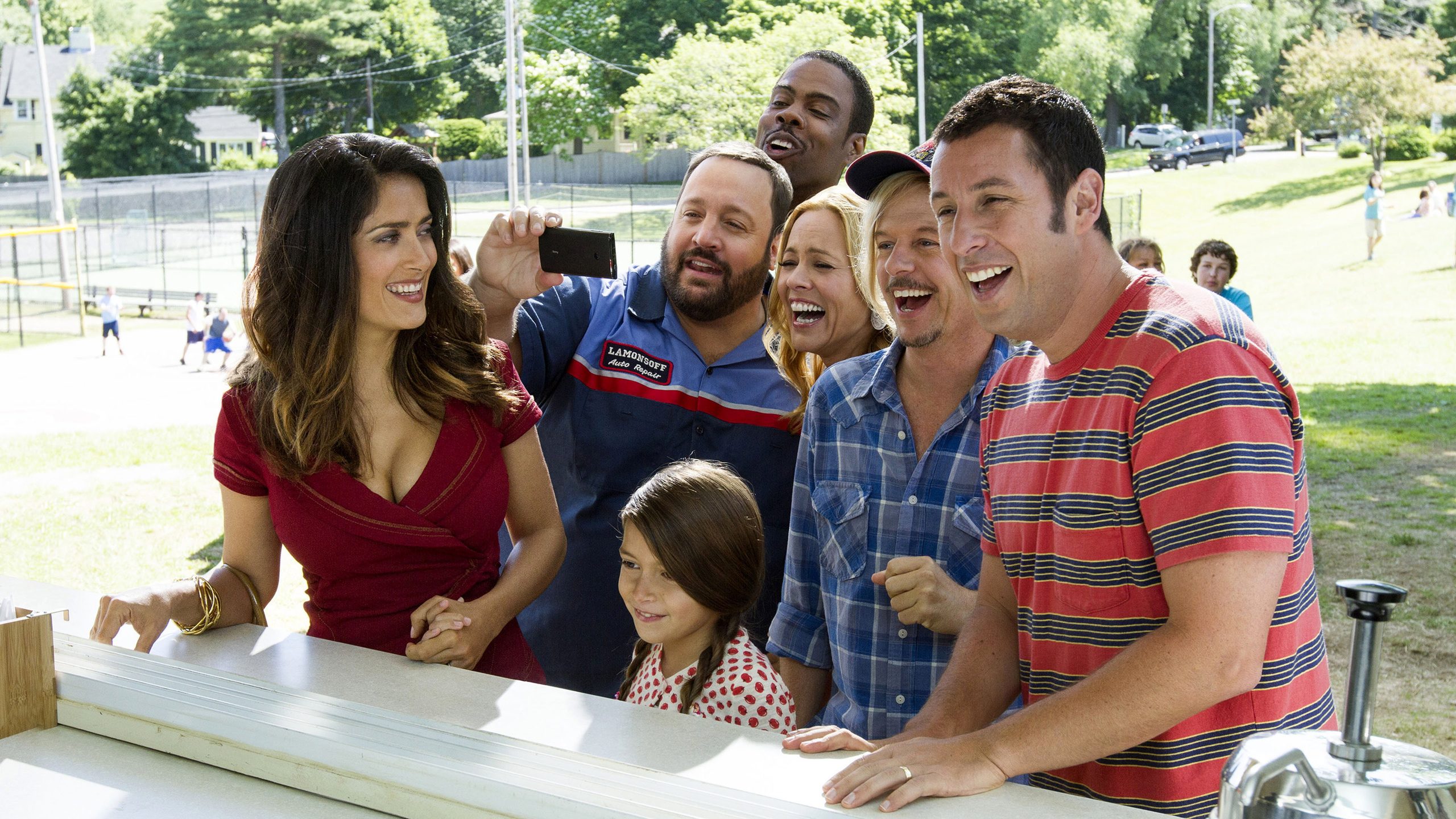
The car wash supplies a little of the silliness the rest of the film strains for, and deserves credit for it. Adam Sandler, Kevin James, Chris Rock and David Spade also have an ease together that occasionally makes simply watching them agreeable. But the film needs more from its leads than the reassurance that they are enjoying themselves, and their mugging too often prolongs material that has already run out. A good cast is allowed to relax; here we keep waiting for someone to notice that a scene needs a better joke.
Theo van de Sande’s cinematography gives the bodily gags attention without making them any more inventive. Aaron Osborne’s production design contributes little that might divert us from the men and their antics; the surroundings rarely become part of a joke worth remembering. This matters in such a loosely arranged comedy, where an interesting background or a well-placed visual detail can keep a scene alive. Here, once the central gag fails, there is seldom much else to watch.
Rupert Gregson-Williams’s music works towards an amiability that the family scenes struggle to earn. The script wants credit for caring about wives and children after making bodily embarrassment and mockery its chief attractions. That switch can work if the relationships have been made believable, but these life lessons feel attached out of obligation. We are being asked to care about people whose individuality has scarcely mattered to the jokes.
There is nothing disqualifying about a comedy built from flatulence, foolish men and a thin excuse for a reunion. Such films need timing, escalation and at least a little affection for the people being made ridiculous, and Dennis Dugan gets too little of any of them into these episodes. Familiarity may explain the appeal, but it cannot supply the missing laughs. Even for an evening when undemanding company is all that is wanted, we would choose something else.