Tony Randel’s sequel is poor, despite Clare Higgins and Michael Buchanan’s elaborate sets. Its escalating gore soon becomes tiresome, while the muddled storytelling leaves too little to fear.
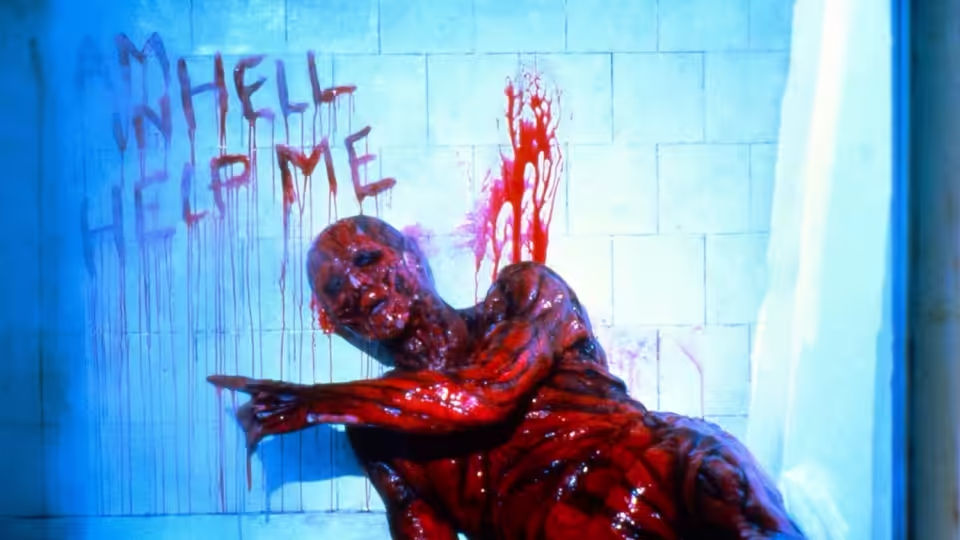
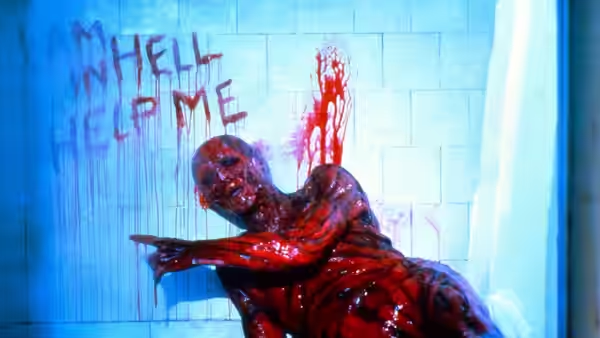
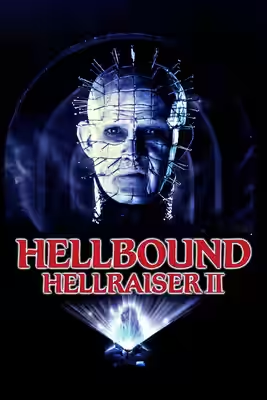
Hellbound: Hellraiser II has plenty of ways to damage a body and too few reasons to make us care whose body it is. Director Tony Randel pushes the horror towards extravagant action and gives the Cenobites more mythology, with the result that the film grows busier without becoming more frightening. It is a poor sequel, intermittently eerie and helped by Clare Higgins, but persistently muddled. The appetite for another grotesque spectacle keeps interrupting what little tension has accumulated.
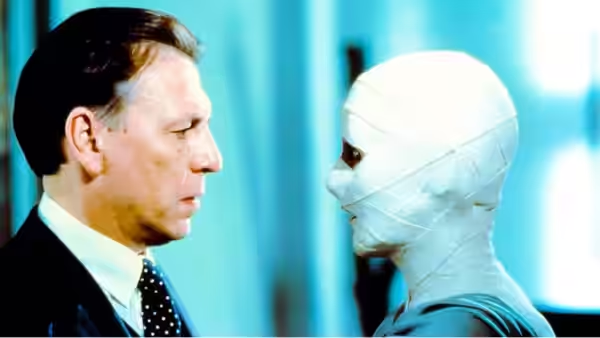
The asylum material is where it comes closest to working, because medical malpractice gives the cruelty a recognisable human setting. We were sickened by the abuse there: people associated with care become another source of bodily harm, and the setting makes the violence harder to dismiss. That is a sound starting point for horror. Peter Atkins’s screenplay, from a story by Clive Barker, soon has so much supernatural business to explain that the simpler fear of being at somebody else’s mercy gets crowded out.
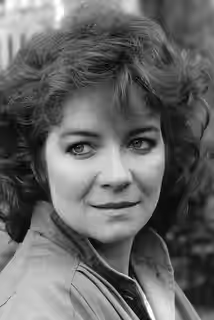
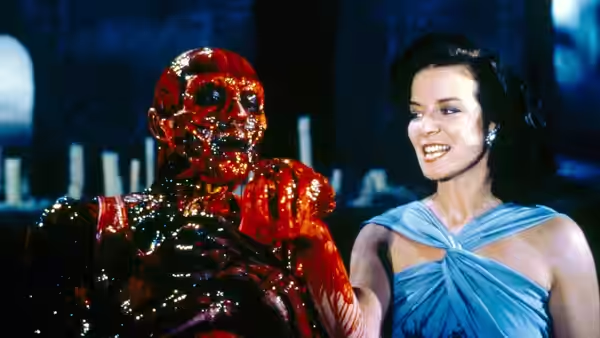
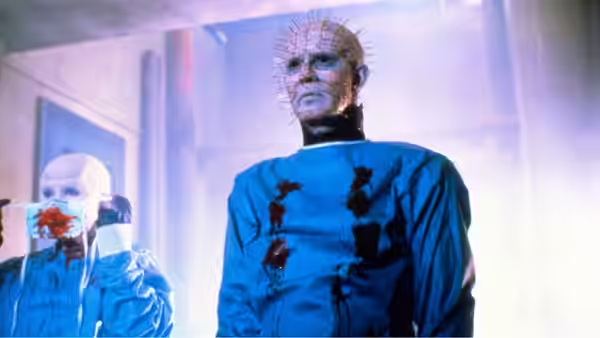
Clare Higgins, playing Julia Cotton, supplies the performance most worth watching, giving the grotesquerie a human presence that holds our attention. There is pleasure in seeing an actor take this material seriously without draining it of its lurid appeal. Ashley Laurence plays Kirsty Cotton, Kenneth Cranham plays Dr. Philip Channard, and Doug Bradley is Pinhead, but the screenplay’s muddle makes it difficult to stay interested in how its human and supernatural figures fit together. Higgins gives us something to follow when the explanations do not.
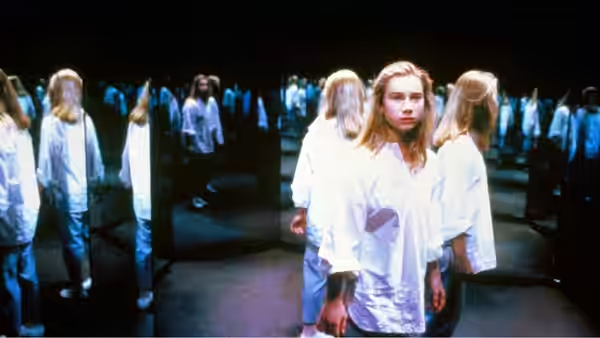
Michael Buchanan’s production design gives the film one persuasive reason to keep looking: the sets have an elaboration that suits its extravagant view of hell. They remain interesting even when the action staged within them becomes tiresome. Robin Vidgeon’s cinematography has plenty of grotesque material to work with, although the images seldom make us apprehensive about what might appear next. The elaborate effects deserve acknowledgement, too, even as their repeated demands on our attention begin to feel routine.
Richard Marden and Tony Randel’s editing keeps the film moving quickly, but speed does little to disguise the lapses in logic. We need enough understanding of a threat to anticipate it, and the explanations here never seem to settle that question. Christopher Young’s score does more to sustain the atmosphere than the plotting does, though music cannot clear up a confused story. The 97-minute running time is manageable, but the repetition of gruesome displays makes it feel longer.
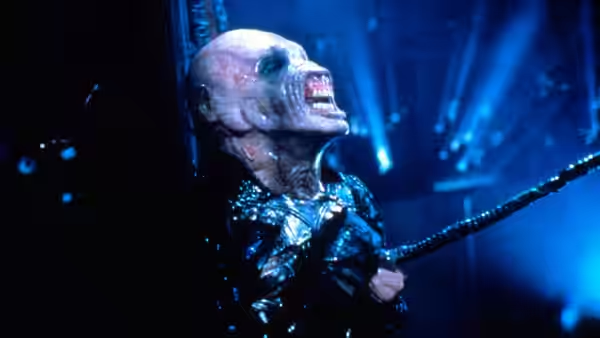
For a horror sequel, there is nothing inherently wrong with adding monsters, effects or a larger supernatural setting. The difficulty is that explaining the Cenobites diminishes their capacity to disturb, while the increasingly adventurous action gives us less time to dread them. The occasional eerie passage shows that Randel can achieve something quieter, which makes the reliance on escalating gore more frustrating. Admirers of elaborate sets and bodily mutilation may find enough to occupy them here; anyone hoping to be frightened should be more cautious.