Greta Gerwig’s coming-of-age comedy is funny, tender and unusually fair to both sides of a mother-daughter argument. Saoirse Ronan and Laurie Metcalf make it worth the evening, though the brisk cutting sometimes leaves other characters short of time.
Lady Bird is a funny, perceptive coming-of-age film whose chief weakness is how quickly it moves past some of its people. Greta Gerwig writes and directs with an affection that survives her heroine’s considerable ability to be tiresome. In early-2000s Sacramento, the last year of Catholic school feels like something to escape, along with home and its restrictions. We recommend it for the care it takes over the arguments that this impatience causes.
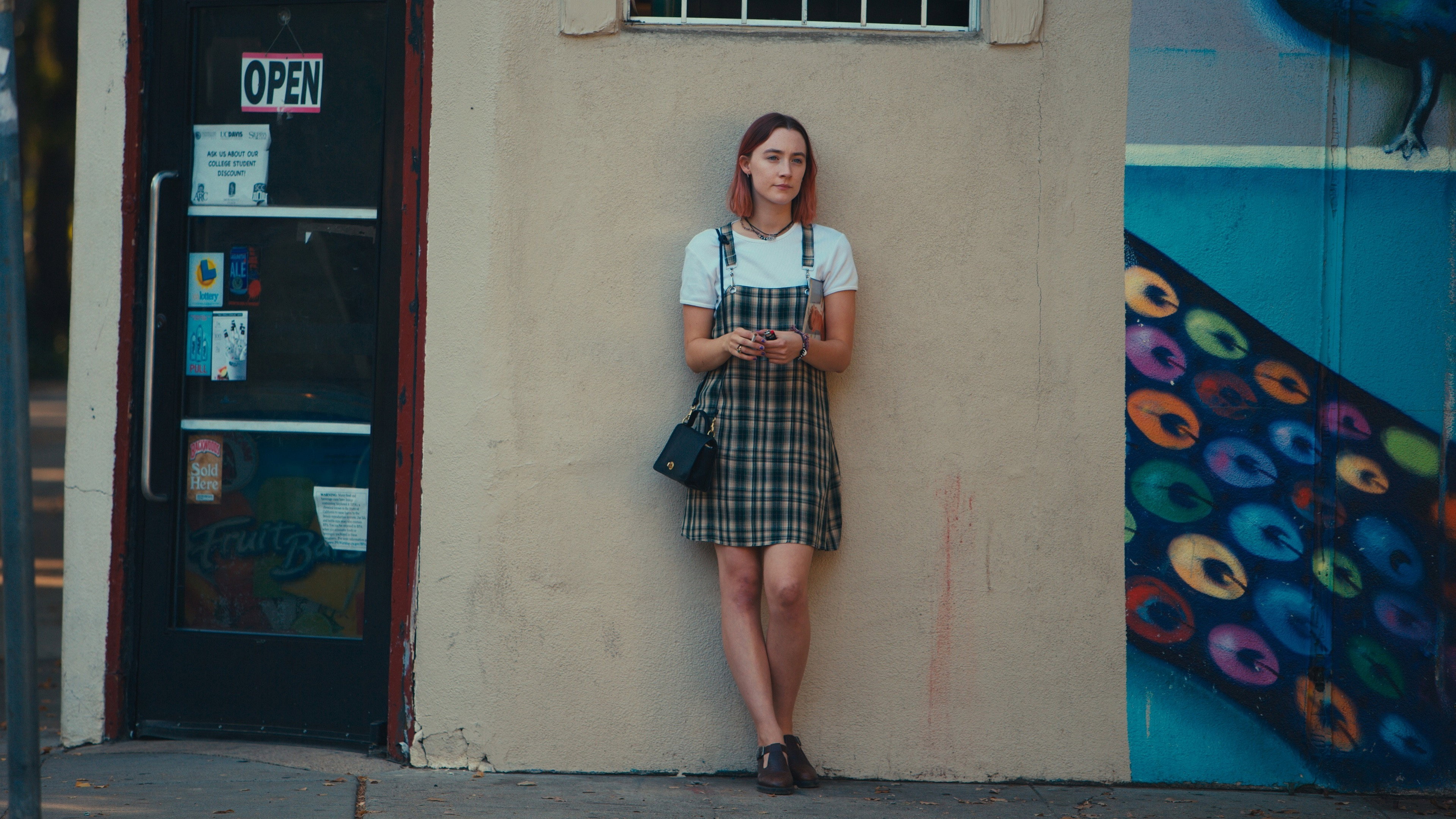
Saoirse Ronan makes Lady Bird McPherson’s dissatisfaction funny without making her seem harmless. There is an insistence in the performance that allows a small disagreement to become everybody else’s problem, and she never asks us to excuse it because growing up is difficult. The hunger for a different life remains understandable, even when its expression is rude or unfair. Her awkwardness feels particular to this girl, rather than a collection of endearing habits supplied to help us like her.
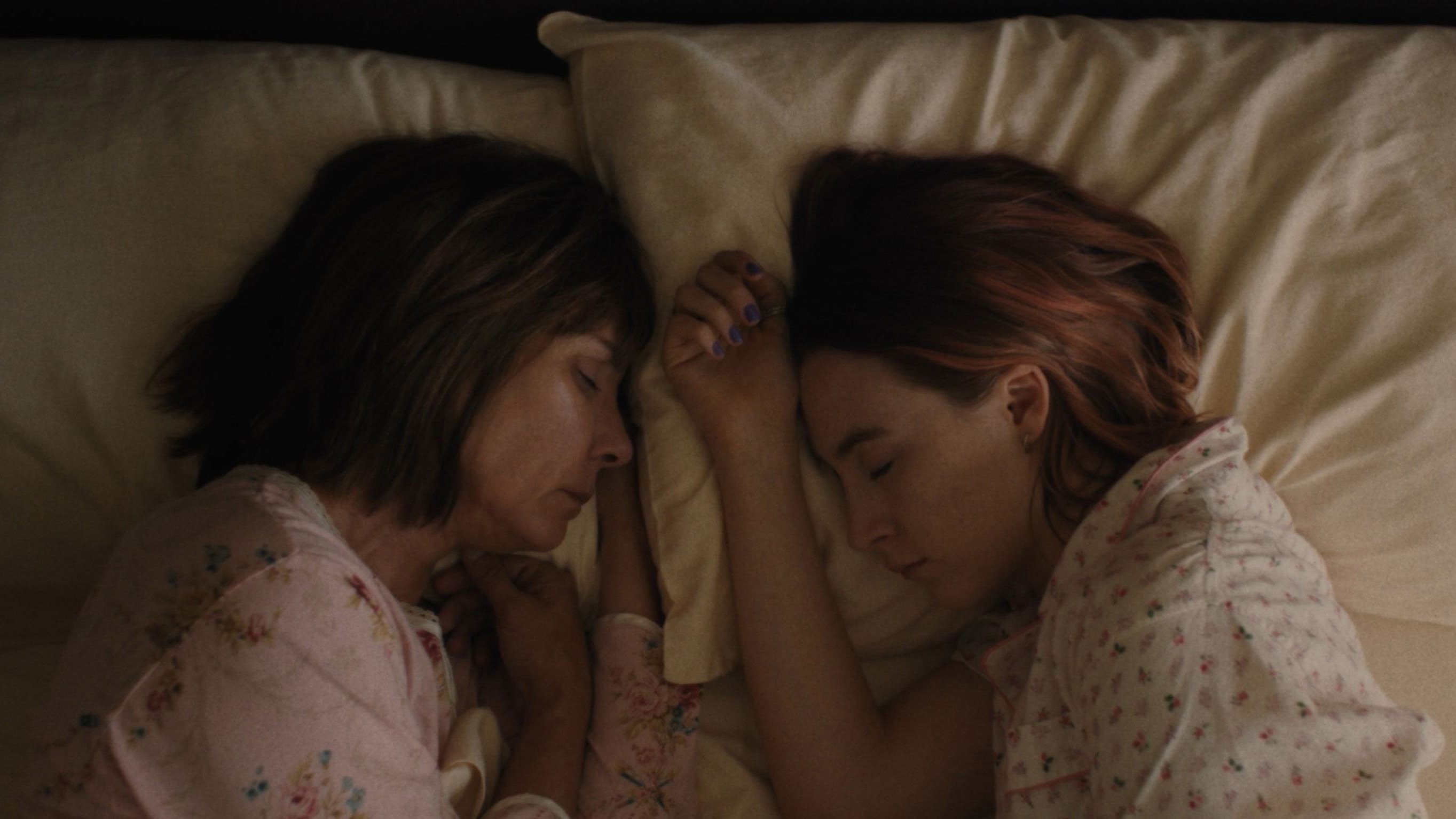
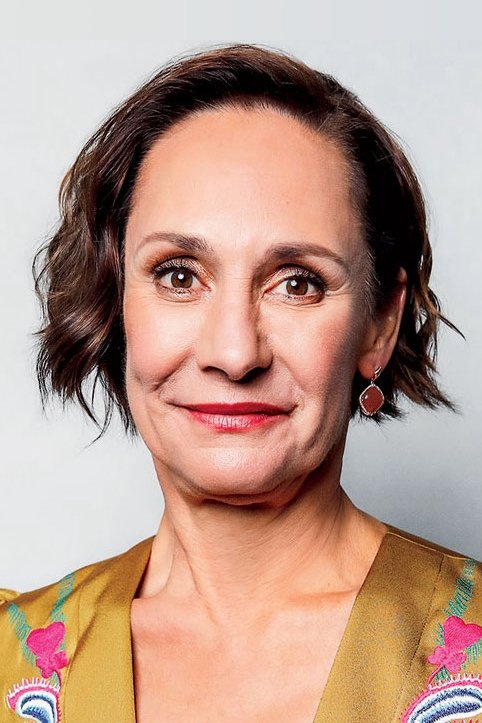
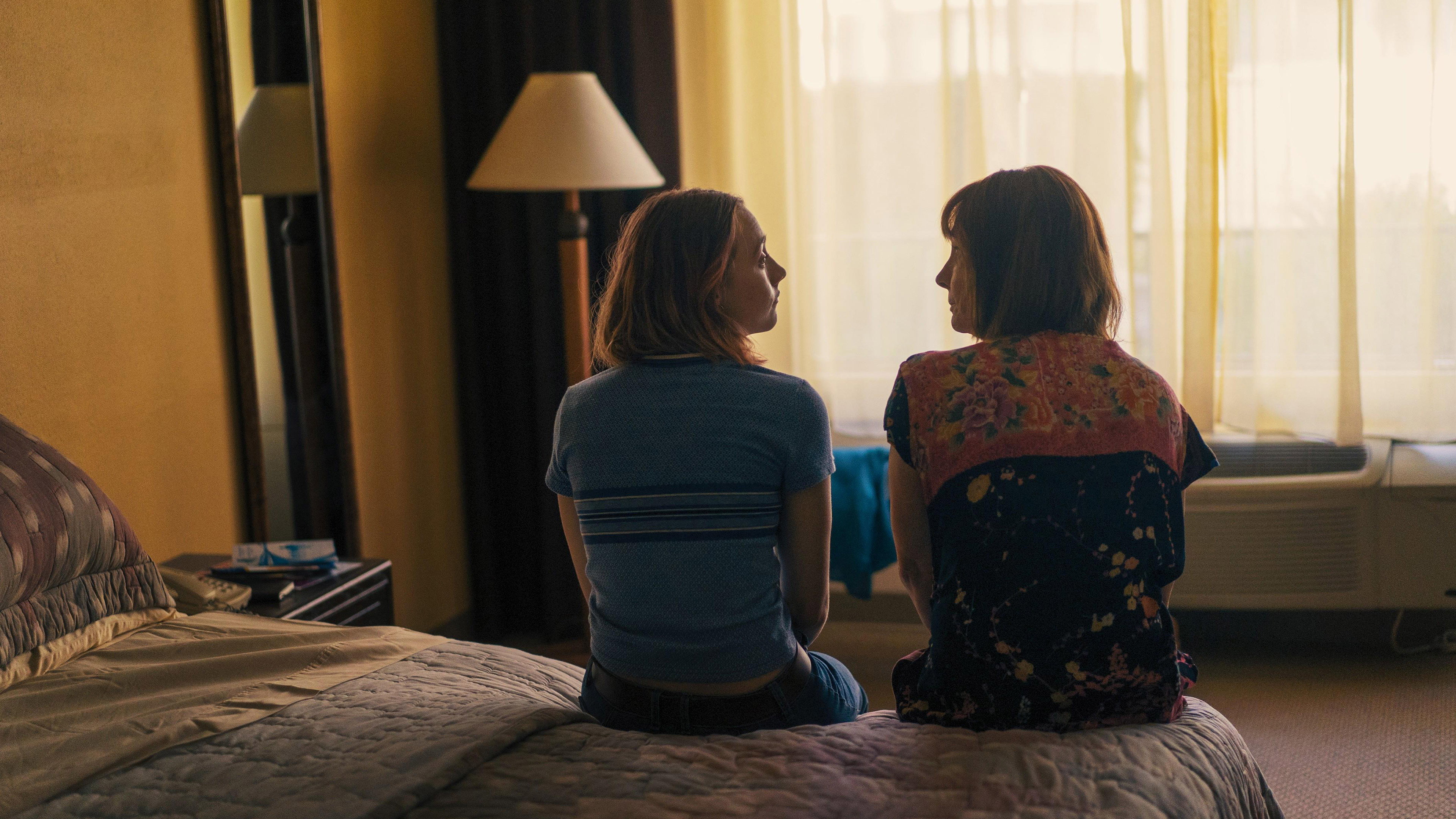
Laurie Metcalf gives Marion McPherson an equally strong claim on our attention. We winced at the mother-daughter arguments, because she makes affection and impatience feel so uncomfortably close. It is easy to hear criticism in her concern, and just as easy to understand why the daughter would resent being its constant recipient. The performance gives us room to be annoyed with the mother without losing interest in what she feels, which takes considerable control.
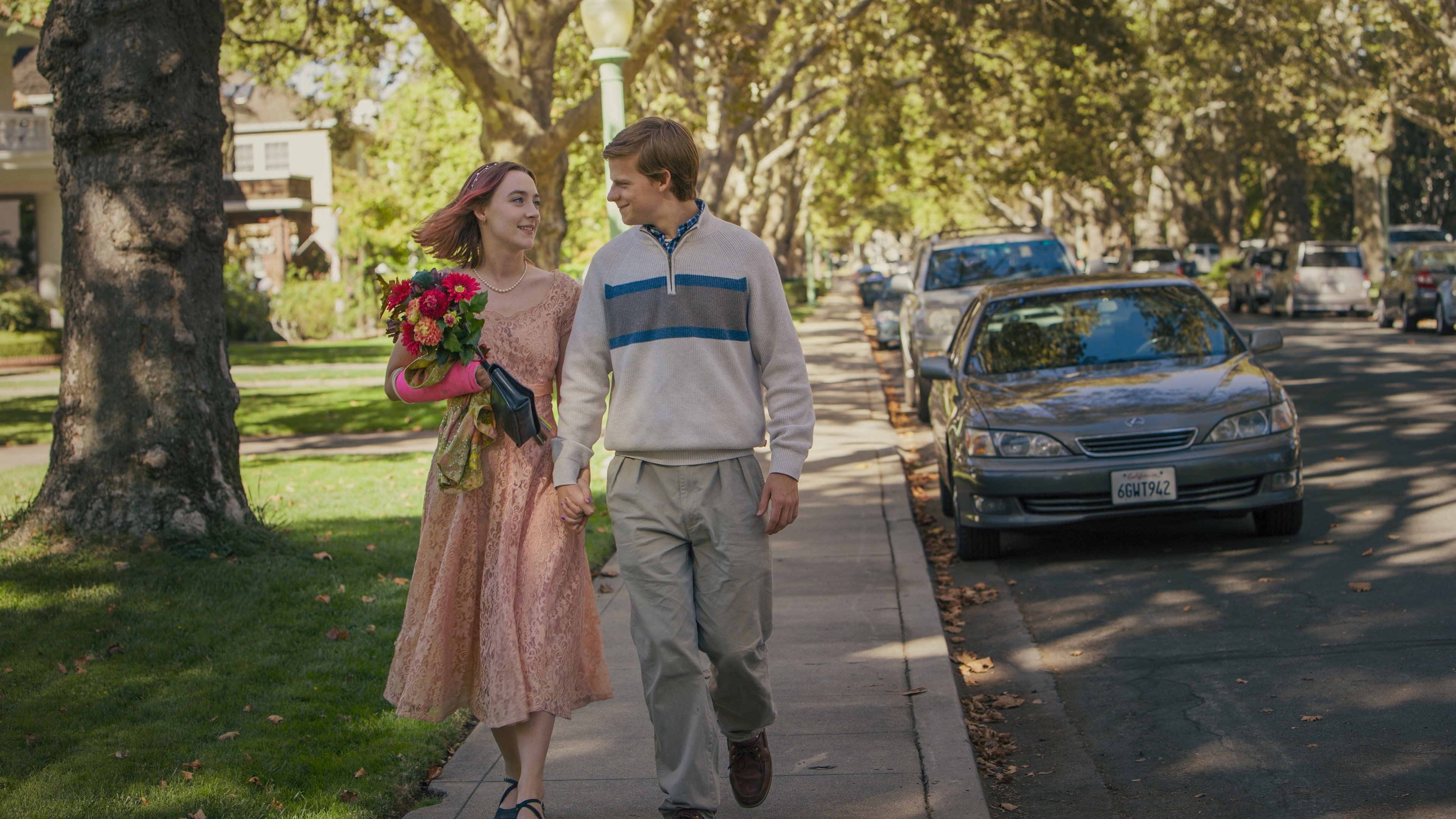
Sam Levy’s cinematography lets Sacramento look worth noticing even when Lady Bird is impatient with it. That matters: the place needs to have some appeal for her dismissal of it to feel like a teenager’s judgement. Chris Jones’s production design keeps differences in comfort and money visible without making the surroundings more interesting than the people. The rooms help explain why independence has practical limits, and why the family’s financial worries cannot simply be dismissed as parental fussing.
Nick Houy’s editing gives the film its briskness, often allowing a scene to make its point and then moving straight on. At 94 minutes, there is little opportunity for teenage discontent to become an endurance test. Jon Brion’s music keeps the comedy light without treating every family disagreement as an invitation to become sentimental. Together, the cutting and the score help preserve the ordinary scale of these troubles, which matters when the heroine experiences them as enormous.
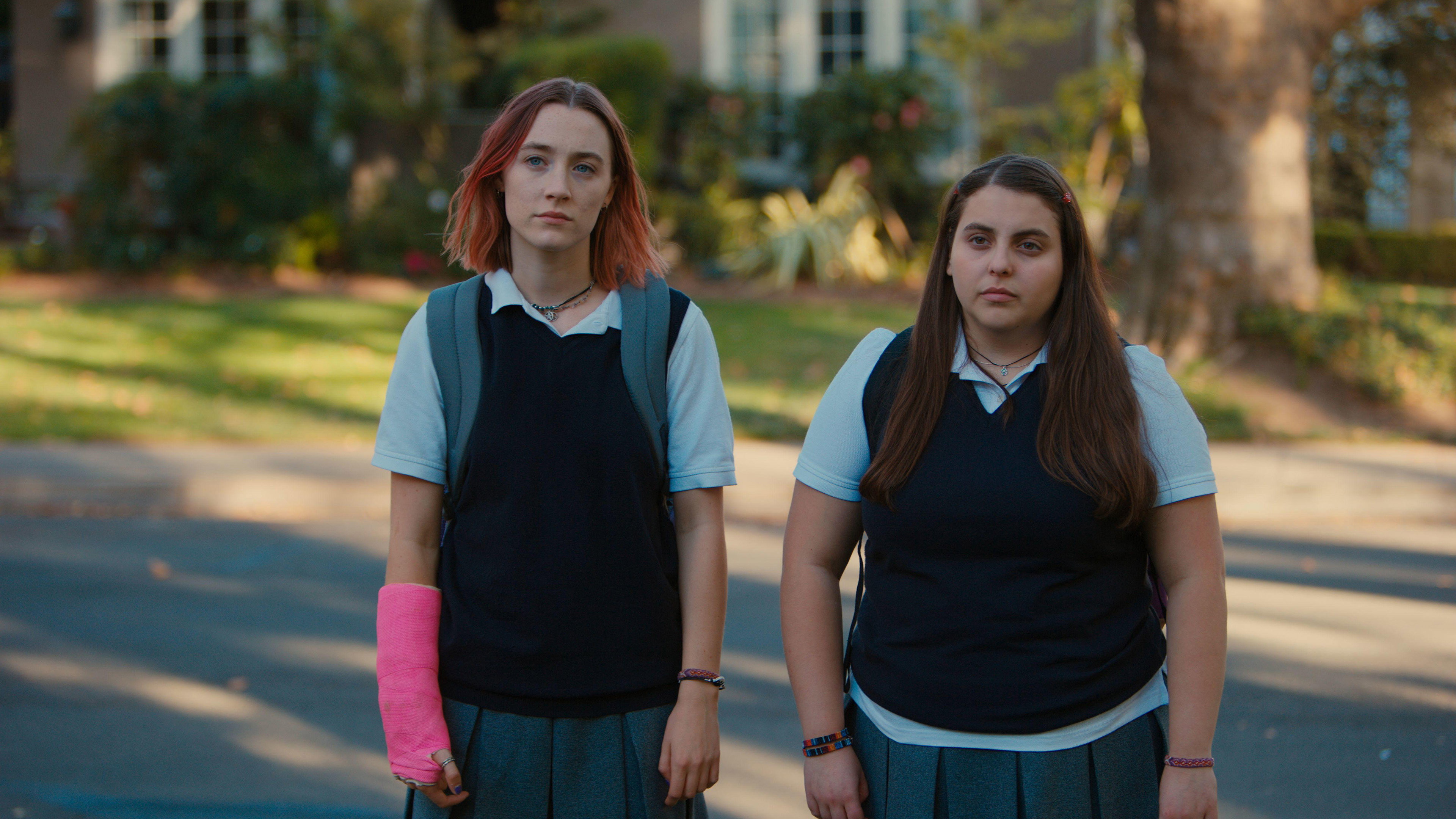
The speed does have a cost. The shorter encounters can feel curtailed, and we occasionally wanted the film to stay with somebody once Lady Bird had finished finding them interesting. Beanie Feldstein and Tracy Letts bring warmth to their supporting performances, and we wanted more time in their company. The central relationship gets more space, but even there a quick transition can spare the characters an awkwardness that might have been worth sitting through.
Within the coming-of-age comedy, this is a welcome allowance for a parent to be difficult without becoming an obstacle to be removed. The attention to friendship is welcome too, giving the girl’s concerns a reach beyond the next family argument. Greta Gerwig is attentive to the embarrassment of wanting more while knowing that the people at home are already stretched. Watch it for the mother and daughter; be prepared to lose patience with both.