Soderbergh and Tatum close the series by sending Mike to London to stage a show, and the film mislays the ensemble, the sweat and most of the jokes along the way. The finale is worth waiting for; the wait is the problem.
Steven Soderbergh made the first Magic Mike in 2012 as a small, sweaty film about men selling a fantasy for cash in Florida. He returns to direct, shoot and cut the last one, and the idea in Reid Carolin’s script is a reasonable one: move to the buyer’s side of the counter. Mike Lane (Channing Tatum) is behind a bar when he meets Maxandra Mendoza (Salma Hayek Pinault), rich, separated and impatient. She buys a dance, then buys him a ticket to London, where she owns a theatre and wants to fill it with what he does. The film that follows is about putting on a show, and it turns out that putting on a show involves a great deal of sitting down.
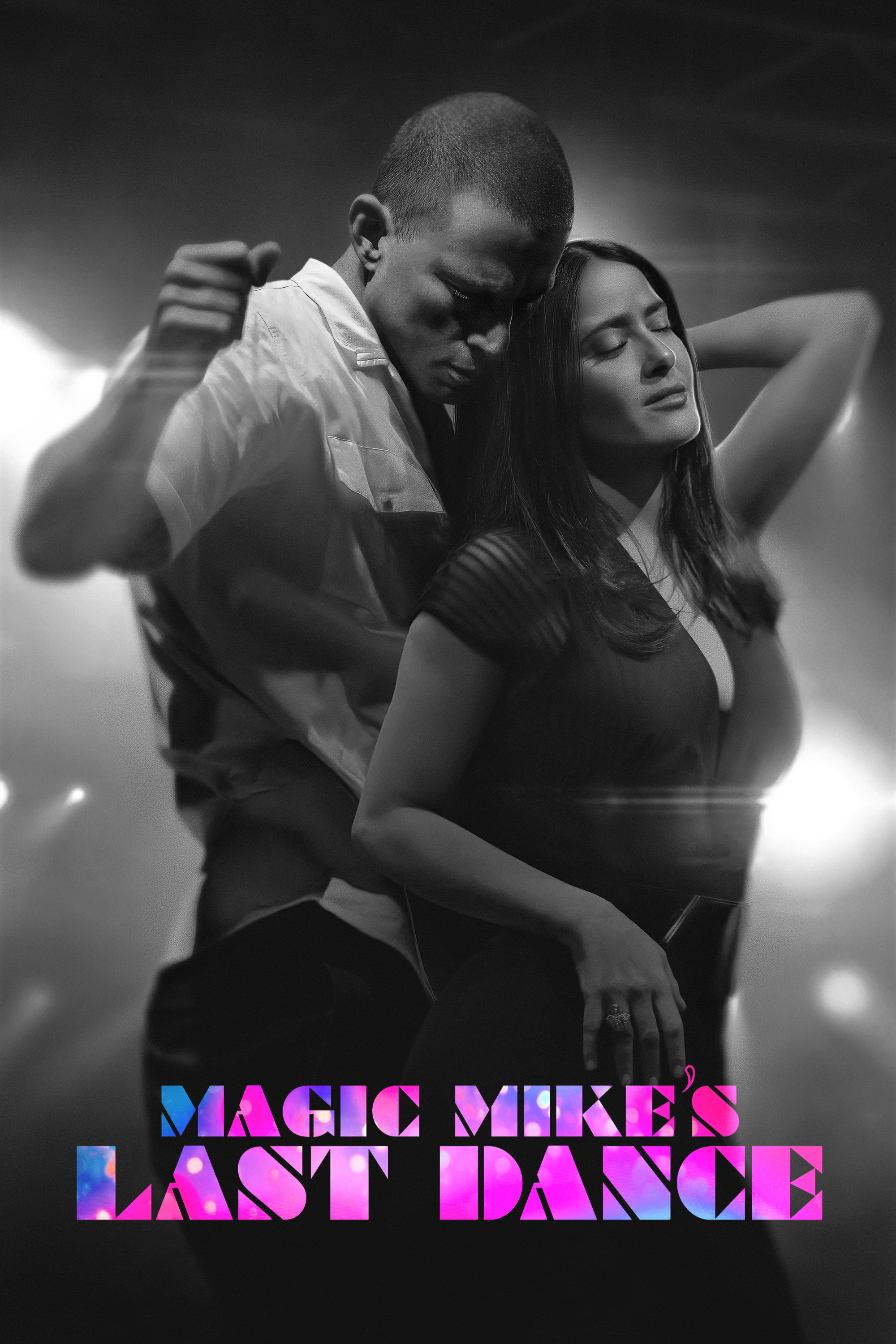
That first dance is the reason the series existed and it is the best thing here. Soderbergh shoots it in a single room in a house nobody could afford, and lets Tatum use the furniture: a sofa, a table, Hayek Pinault herself, lifted and turned and set down as if she weighed nothing. He cuts it long, so we see the effort as well as the effect. For five minutes we were entirely in the hands of people who knew what they were doing, and we spent the next hour waiting for them to come back.
London is where it goes wrong. Carolin has Mike gather dancers off the street, argue about licences with a woman from the council (Vicki Pepperdine, briskly funny), and fall out and back in with Maxandra over what the show is for. None of this is dramatised; it is listed. Pat Campbell’s theatre, red plush and gilt, is a handsome place to sit, and the film sits in it. The dancers who join the company have bodies and no names we can remember, a loss for a series that used to run on a gang who liked each other. Ethan Lawrence, as the stage manager Woody, gets the nearest thing to a running joke.
Hayek Pinault is good company and the film knows it. She plays Maxandra as a woman who has been told no by lawyers once too often and has decided to spend her way past them, and she keeps the impatience funny rather than shrill. Tatum is a harder case. He has always played Mike as a decent man who would rather not talk, and here he is asked to talk a great deal, about art and desire and what women want, in the voice of a man reading from a pamphlet. The two of them argue well and flirt adequately. Many critics found no chemistry at all; we found some, and then watched the script take it away from them.
The narration is a mistake. Zadie (Jemelia George), Maxandra’s teenage daughter, tells the story with the vocabulary of a first-year seminar, and every time she speaks the film stops being a comedy about grown-ups and becomes a lecture about them. Ayub Khan-Din, as the butler Victor, does more with one long look than the voiceover manages in several paragraphs. We were bored for a long stretch in the middle, and the boredom had a shape: scene after scene in which people explain what a dance means instead of dancing it.
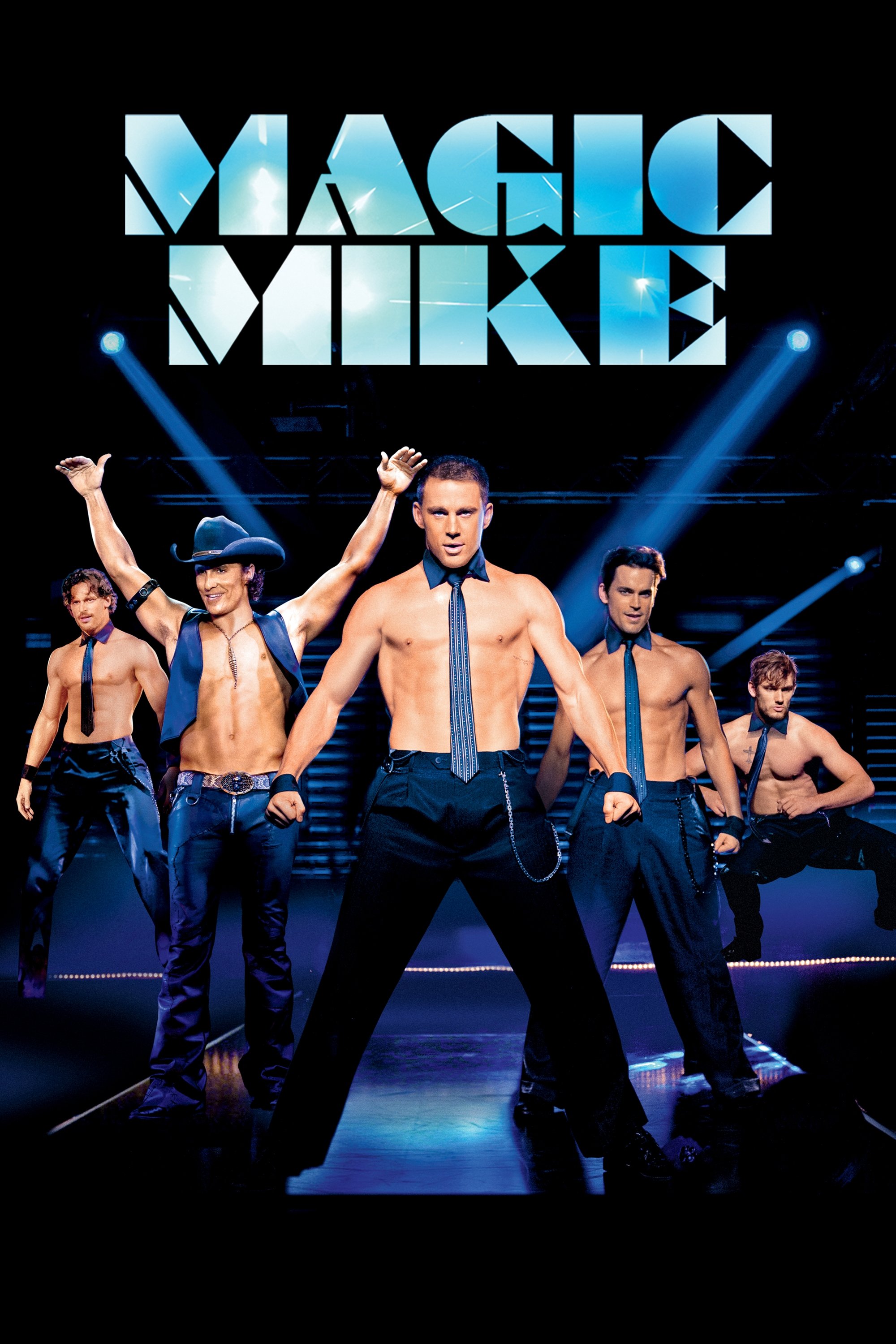
Then the show arrives and for its last half hour the film remembers itself. Soderbergh puts the camera on the stage and among the seats and cuts to the music; a number performed in artificial rain, water hammering the boards, is as clean a piece of dance filming as he has done. Christopher Peterson’s costumes go from cut suits to almost nothing in an order that has plainly been thought about. It is a good show. It is also, quite openly, an advertisement for the stage production of the same name, and knowing that took some of the pleasure off it for us.
Against the first film, which was about money and had dirt under its nails, this one is soft and clean and set in rooms nobody has to pay for. At 112 minutes it is not long, and it feels longer. Watch it for the dance at the start and the show at the end. In between, it is a long meeting in a nice theatre.