Brett Morgen’s archive portrait of David Bowie is worth seeing for the concert footage and the force of its sound. The restless editing can be exhilarating, though the reverence and 135-minute running time require some patience.
Moonage Daydream is a good music documentary with a persistent temptation to make every minute overwhelming. Director Brett Morgen uses David Bowie’s archive appearances, recorded interviews and music to follow an artist repeatedly changing his public self. The performances make that worth doing; the more insistent visual flourishes sometimes make it harder to watch. We recommend it for the music and the pleasure of watching him work, with some patience required for the effort spent making everything look momentous.
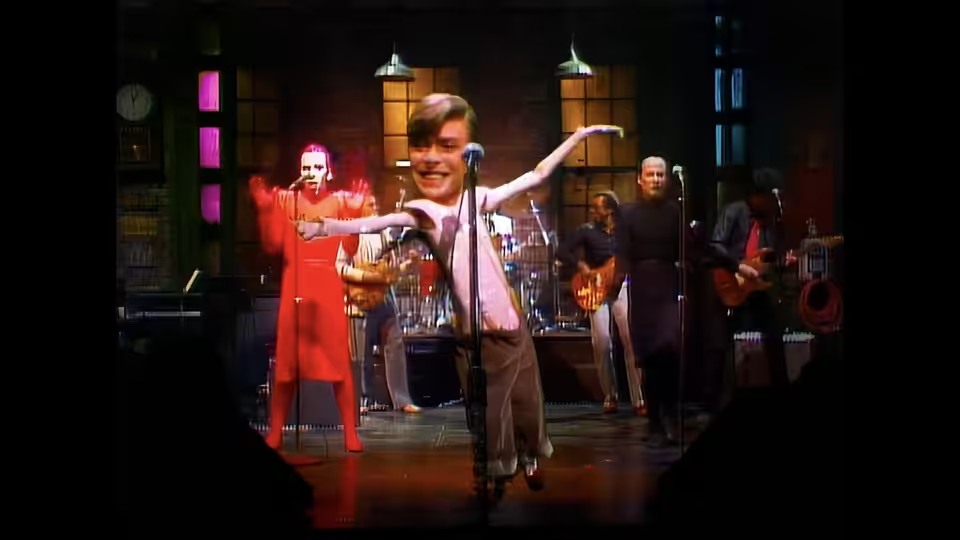
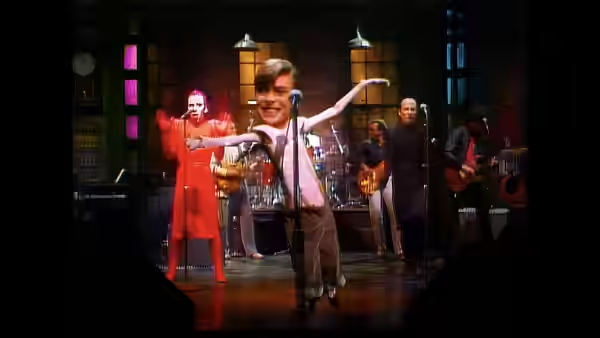
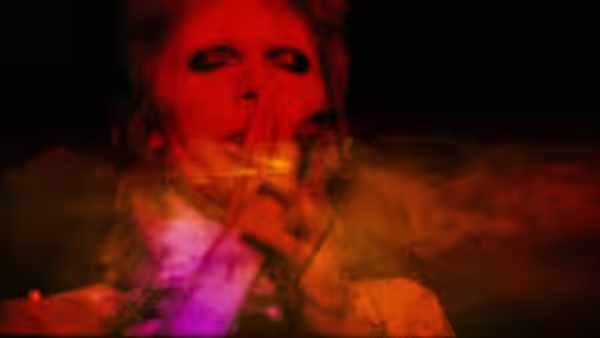
The opening concert footage is the clearest demonstration of what the film can do. We felt a rush of excitement watching David Bowie perform as Ziggy Stardust, and the force of the recorded sound was a large part of it. His stage presence gives the footage a directness that survives all the material assembled around it. The remastered performances deserve the attention they receive here, because they let us judge his command of an audience rather than take somebody else’s admiration on trust.
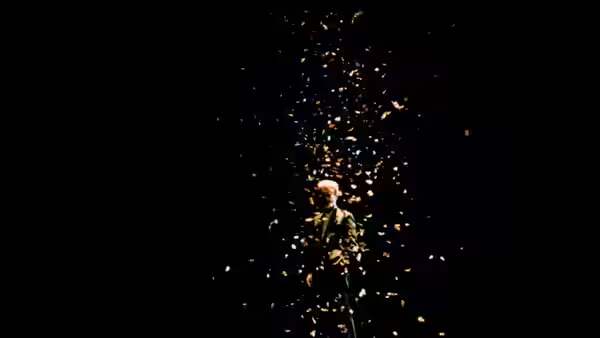
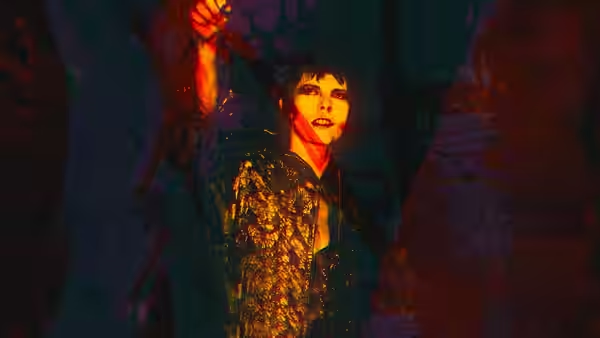
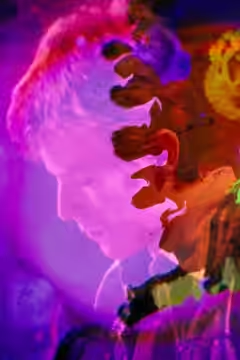
Brett Morgen’s editing makes a sensible connection between the changing performances and the restless movement of the film itself. Concert footage, interviews and psychedelic imagery are arranged by association, asking us to notice correspondences without having every change explained. At its most engaging, this approach makes an interview excerpt feel like part of the music rather than a pause to supply information. It also puts considerable faith in our willingness to follow, especially when a little context would help more than another burst of imagery.
The music, credited to David Bowie, is served particularly well by the forceful sound. Performances of Heroes and Cracked Actor have enough presence to justify giving this film an evening rather than putting on a record. The trouble comes when the images compete with that pleasure, demanding fresh attention before we have had time to absorb what we are hearing. Brett Morgen can seem anxious that simply listening might not be enough.
Recorded interviews supply David Bowie’s own commentary, and hearing him consider his work is one of the film’s pleasures. Brett Morgen’s writing and assembly favour the artist’s appetite for change, however, while less flattering questions remain largely outside the portrait. The pleasure of spending time with a gifted performer is a perfectly reasonable starting point, but the admiration grows repetitive when there is so little resistance to his account. A documentary built so heavily around its subject’s words needs more curiosity about what those words leave out.
At 135 minutes, the repeated bursts of image and music also begin to cost the film some of its force. There is so much encouragement to be excited that the quieter business of listening to a person think has to compete for attention. The editing remains busy after the reason for its busyness is clear, and several passages could have been shorter without losing anything essential. Fewer visual interruptions would have helped us attend to both the performances and the interviews.
Against the familiar music-documentary habit of having other people explain why the songs matter, this approach has considerable appeal. We get enough of David Bowie in performance to understand the attraction without instruction, even if Brett Morgen seldom leaves it at that. Anyone seeking a clear account of the people and circumstances around him will need more than this film provides. Choose it when the music is the reason for the evening, and conversation can wait.