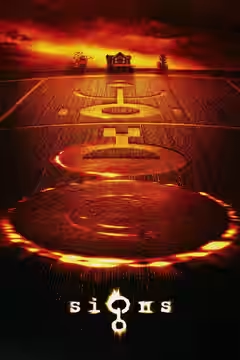
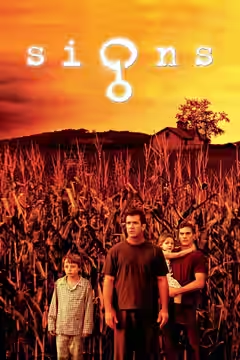
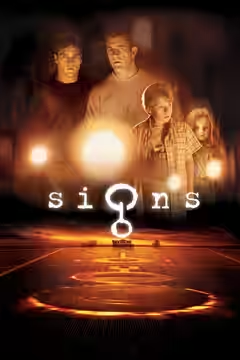
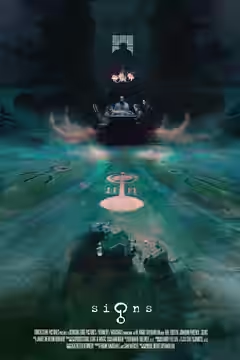
M. Night Shyamalan’s Signs earns its scares through patient framing and a restricted view of the threat. The writing grows heavy-handed, but the suspense makes this flawed chiller worth an evening.
M. Night Shyamalan makes Signs frightening by giving us too little to look at and enough time to worry about it. It is a good, uneven thriller whose quiet stretches are considerably more persuasive than its explanations. The science-fiction premise promises a threat larger than these few people, yet he keeps our attention on their attempts to understand what might be nearby. That limited view sustains the suspense, even when the writing starts asking for more belief than it earns.
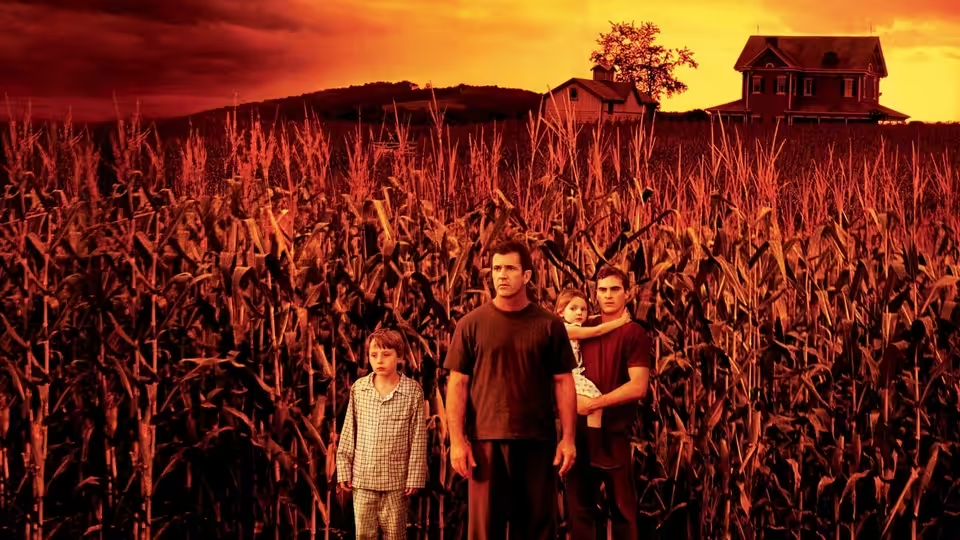
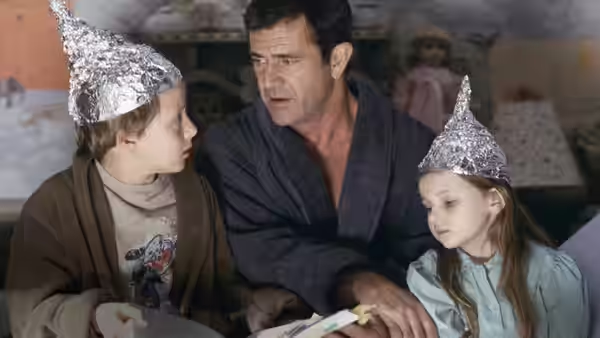
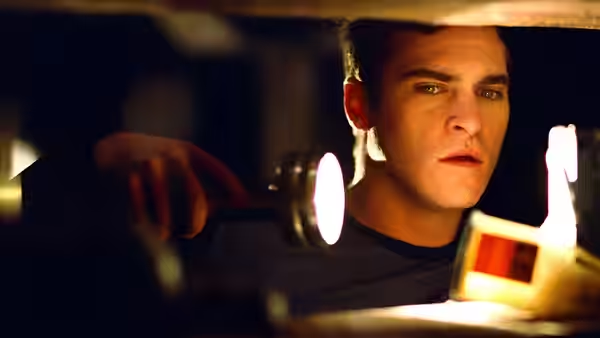
Mel Gibson gives Graham Hess a guarded seriousness, useful when the film needs someone to resist panic and less useful when it needs emotional warmth. The dialogue about faith can sound laboured in his delivery, with an emphasis that the quieter scenes do without. Joaquin Phoenix, as Merrill Hess, supplies a welcome looseness, and the script could have given him more room. Rory Culkin and Abigail Breslin keep the children from becoming merely small people waiting to scream, giving their apprehension enough individuality to hold our attention.
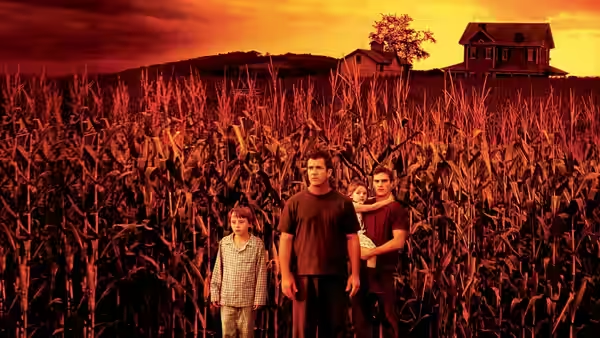
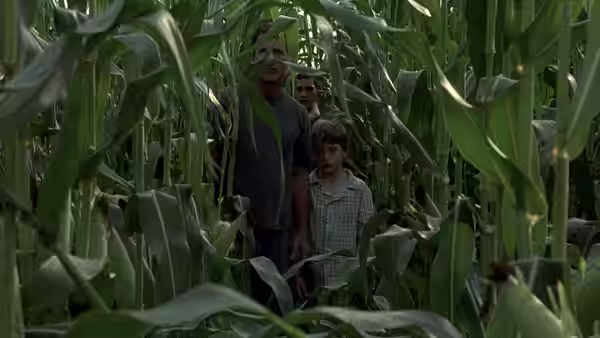
Tak Fujimoto’s cinematography is most effective when a frame offers somewhere to look without promising anything will appear there. The cornfield matters because so much can remain unseen within it; the director does not need to fill the image to make it worrying. We were frightened by the waiting. Those held views made us search for a threat, then dread having found one. This is familiar horror technique, but the patience and precise framing make it work without any need for novelty.
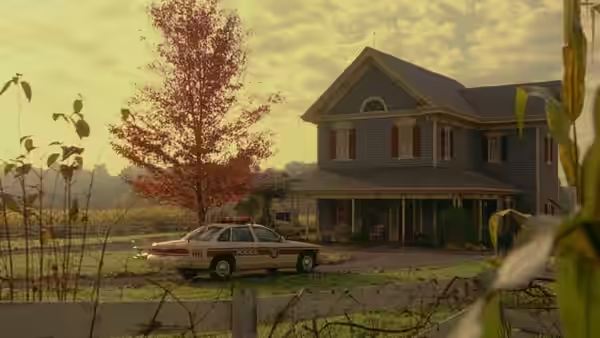
Larry Fulton’s production design is valuable for how little it distracts us from that search. The surroundings never seem more important than the people having to occupy them, which suits a story that keeps its science-fiction threat at such close quarters. Barbara Tulliver’s editing makes the held shots feel deliberate rather than sluggish, and gives the unease time to settle before moving on. The quiet scenes are where that control is most apparent, with no hurry to supply the next shock.
James Newton Howard’s music helps the suspense, but the sound is most unsettling when there is less of it. Silence leaves us listening for something the picture will not confirm, and the restricted view makes that uncertainty worse. The humour helps, too, particularly the disproportion between the size of the threat and the small business of reassurance. Graham attempting to comfort a spooked dog is funny without making the fear seem foolish, and allows some welcome awkwardness into the solemnity.
The weakness is M. Night Shyamalan’s writing, especially when the film insists that its religious concerns must carry the same force as its scares. The dialogue can be awkward, and the meaningful details begin to feel placed for our benefit rather than belonging to these people. We do not object to faith entering a science-fiction thriller; we object to being prodded towards a conclusion that the drama has not made convincing. The later explanations also expose gaps in the story’s logic, though describing those would spoil things better left alone.
Most critics disagree with us about how much the suspense compensates for these faults, and the complaints about contrivance are fair. We think they give the clumsy explanations too much weight when the sustained apprehension is what works on us most directly. At 106 minutes, Signs has enough restraint in its direction to survive the overemphasis in its writing, though anyone seeking watertight science fiction will have a difficult evening. Choose it for a quiet night when being made to listen nervously sounds like a pleasure.