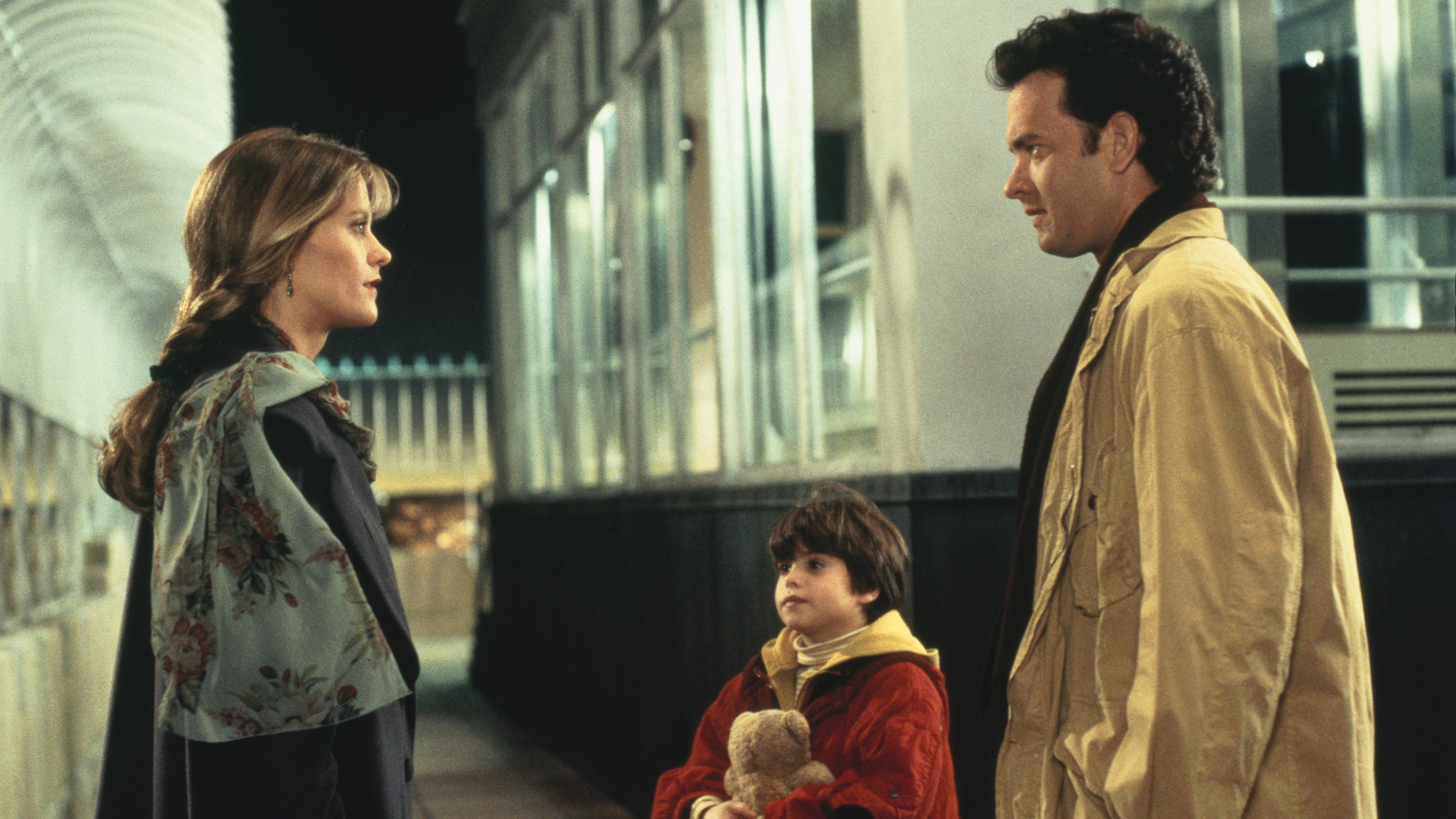
Nora Ephron’s romantic comedy earns its sentiment through Tom Hanks and Meg Ryan, then asks coincidence to do rather too much. The actors and the jokes are worth the indulgence.
Sleepless in Seattle is a funny, tender romance that asks coincidence to do more work than we would normally allow. Nora Ephron keeps her prospective lovers at a distance and lets the people around them supply much of the comedy. The pleasure comes from watching adults discuss love with opinions rather firmer than their knowledge. The limitation is there from the start: we must want these strangers together before knowing much about how they would get along.
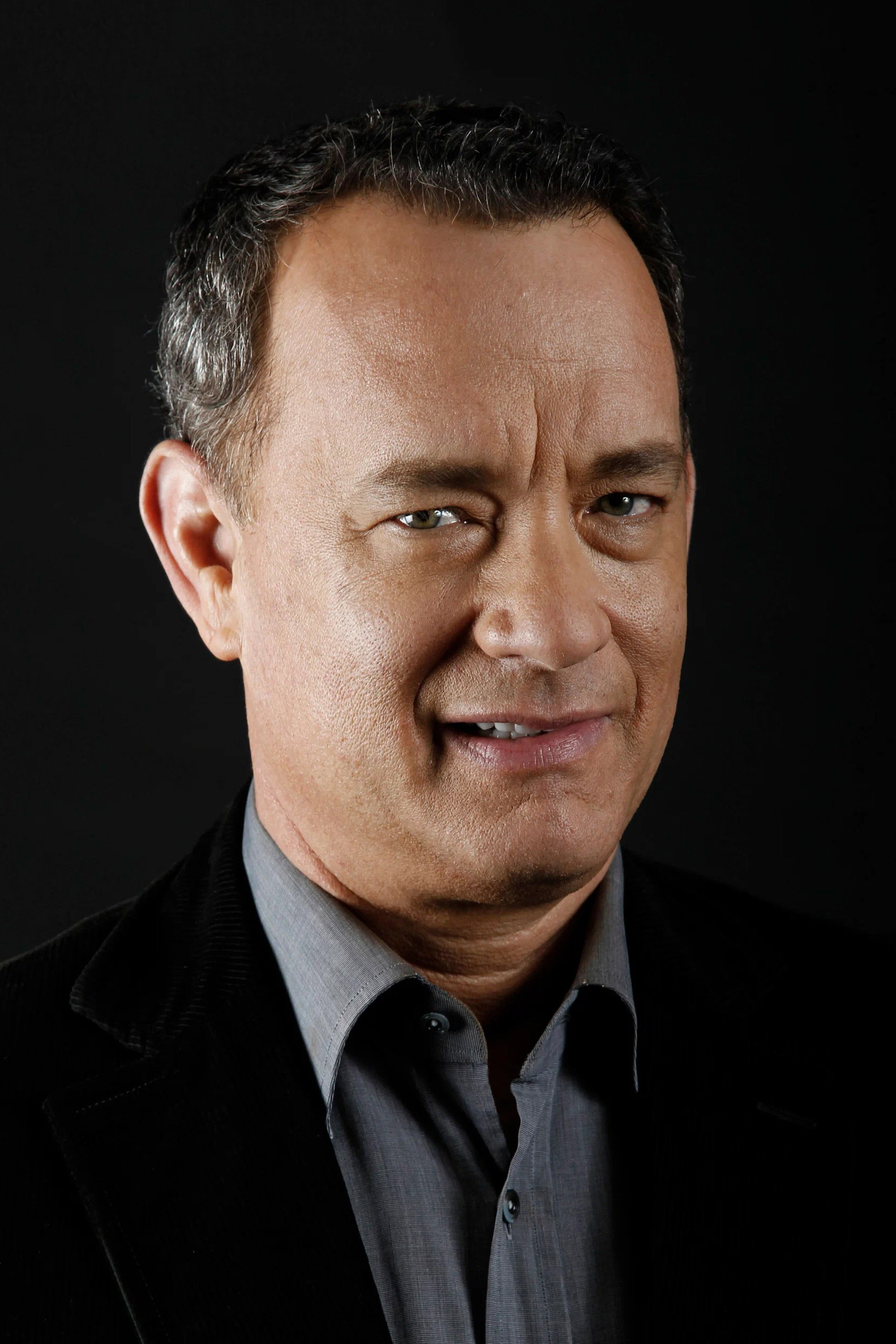
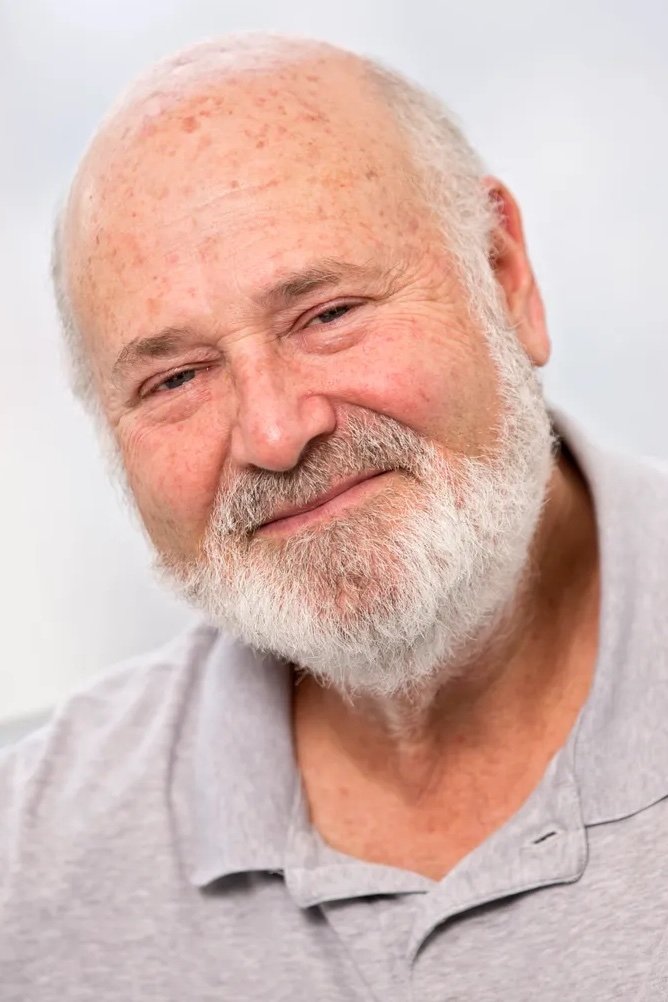
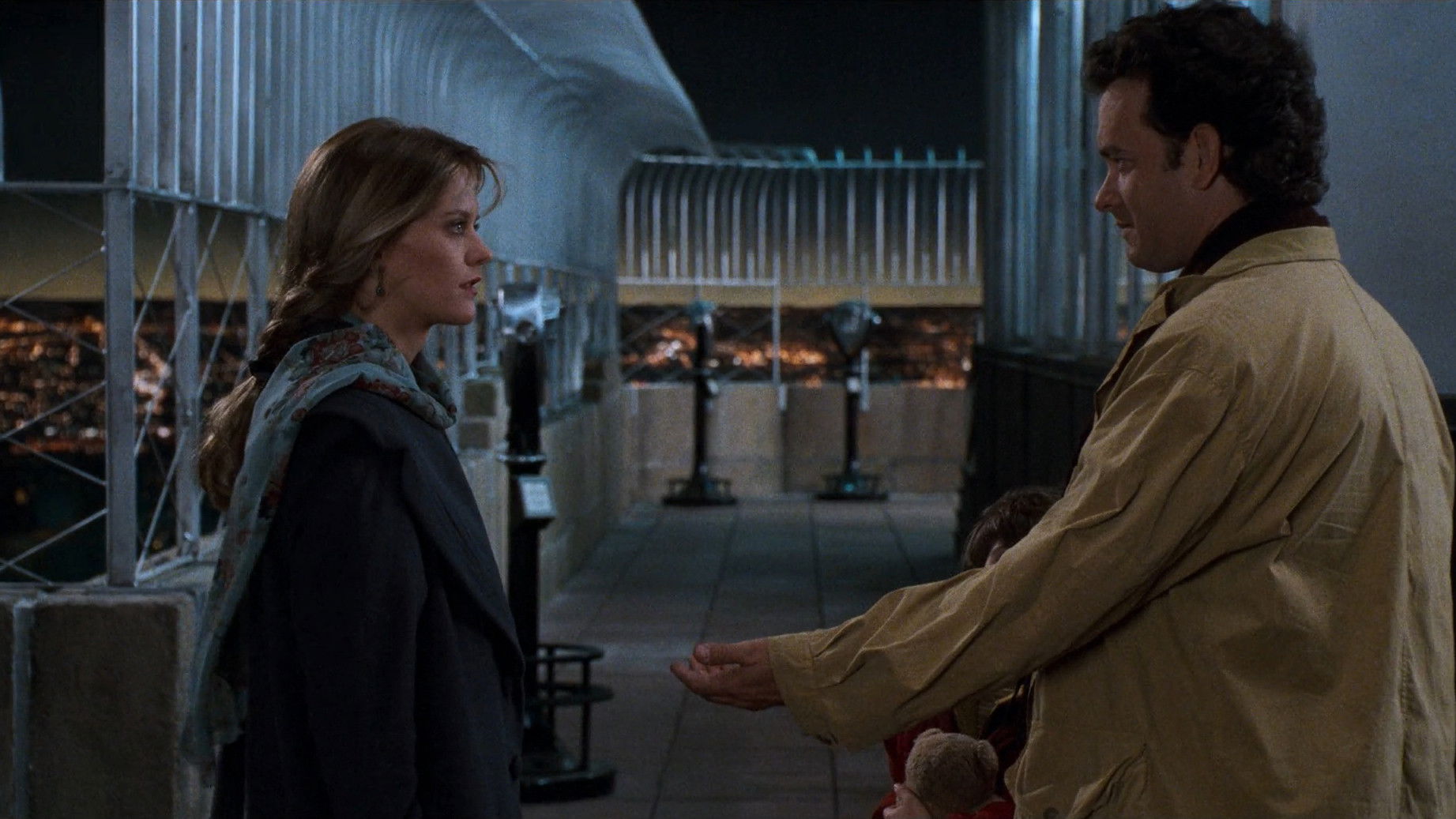
Tom Hanks gives the film its strongest reason to believe in that arrangement. As the bereaved Sam Baldwin, he makes the prospect of another relationship feel difficult without making the character unreachable. We were moved by his handling of grief: Sam seems tired of being sad but cannot simply decide to stop. Hanks does not ask for sympathy with every line, and the humour never cancels what Sam has lost.
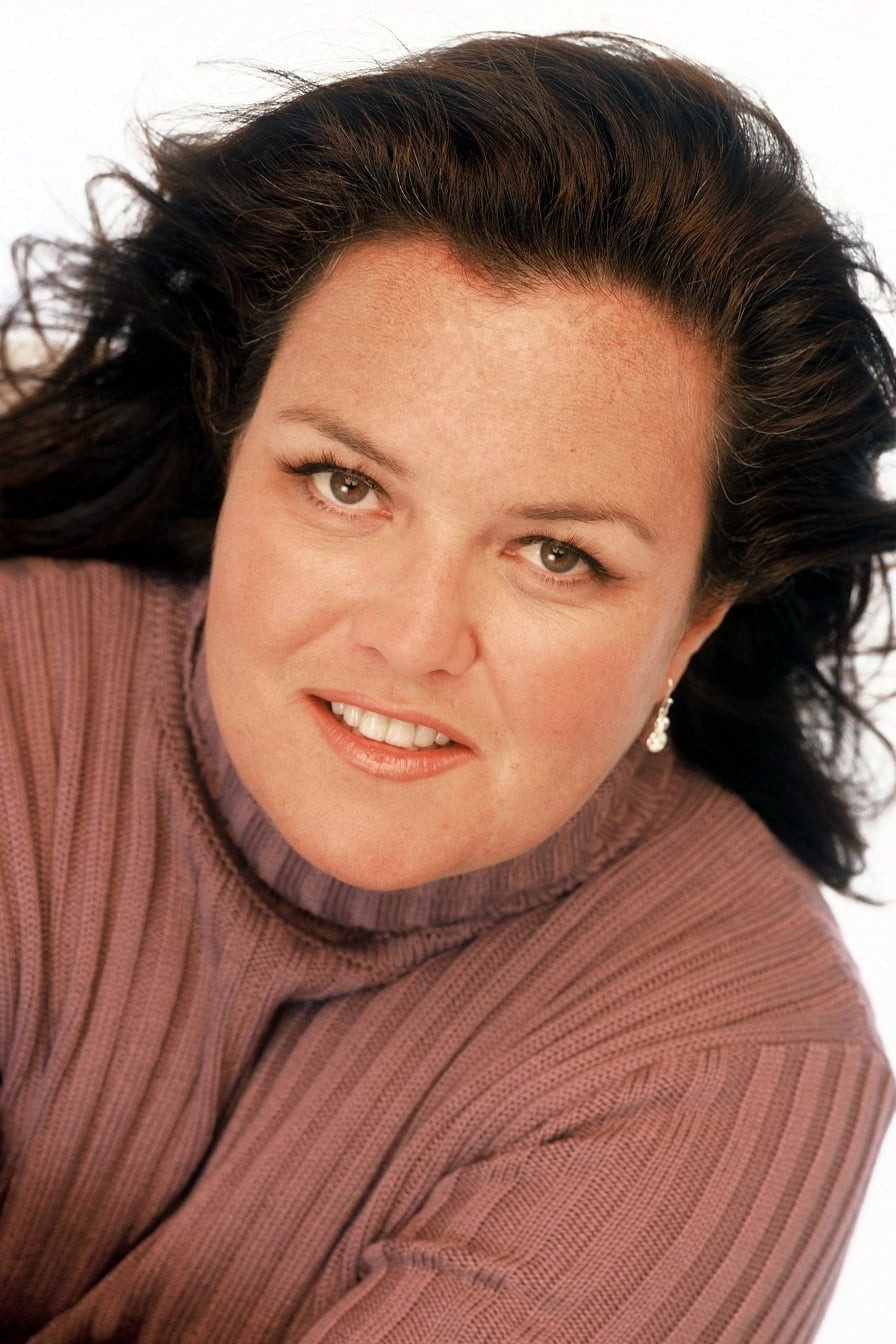
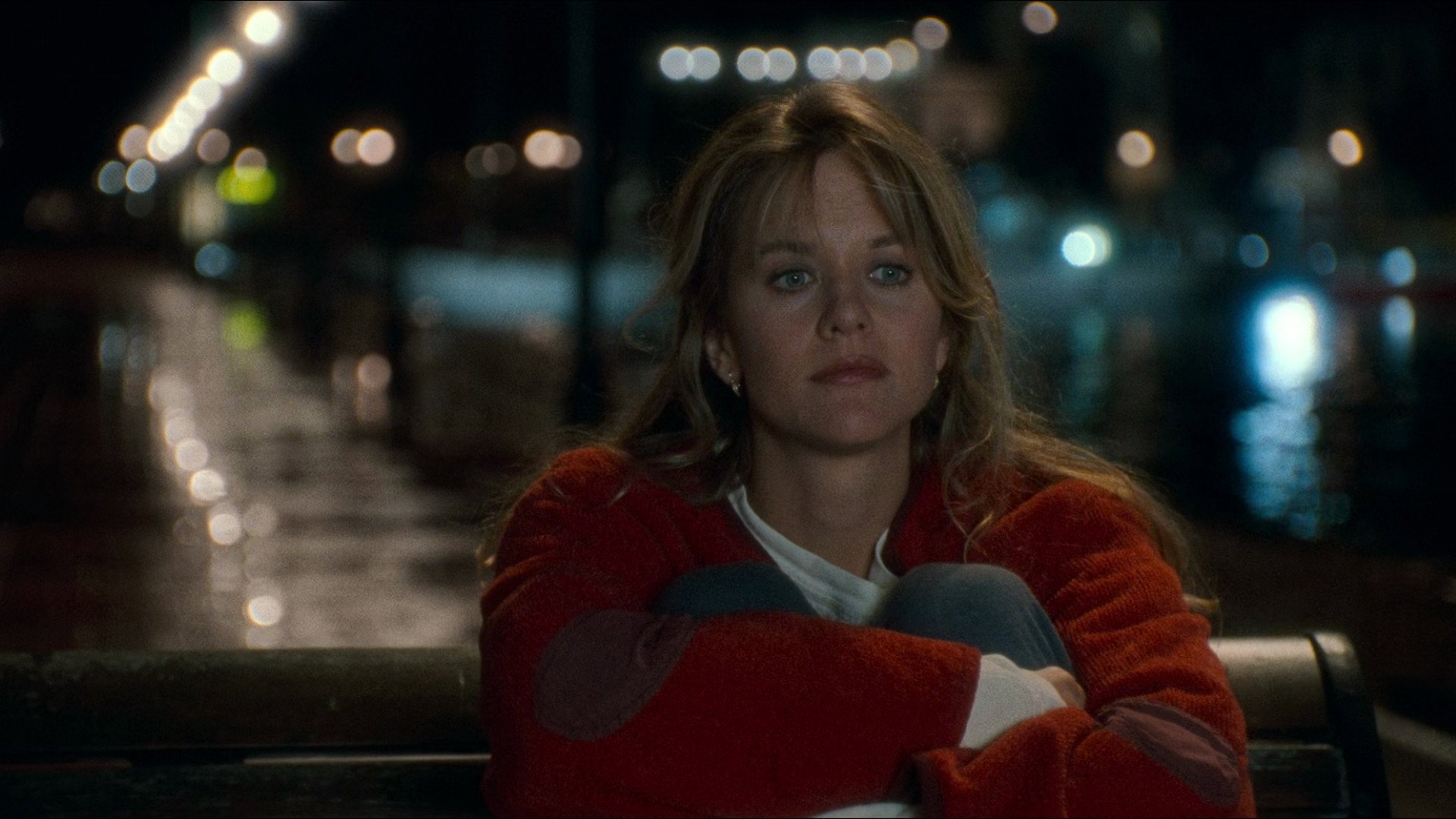
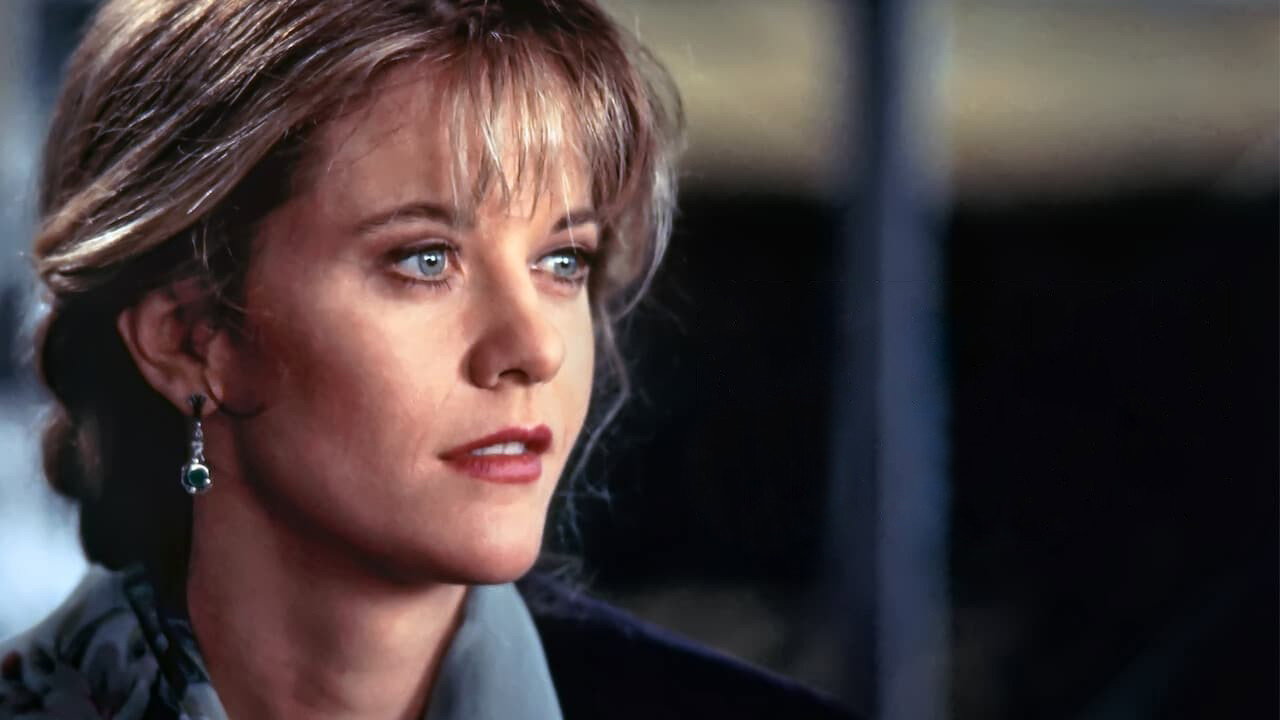
Meg Ryan has a less secure part to play as Annie Reed, whose romantic hopes depend on someone she does not know. Her alertness and comic timing keep that idea engaging when it could easily become tiresome. Even so, the film is more interested in the attraction of an imagined partner than in the difficulties of getting to know a real one. Keeping the leads apart gives each room to work, but it also saves the screenplay from some awkward questions.
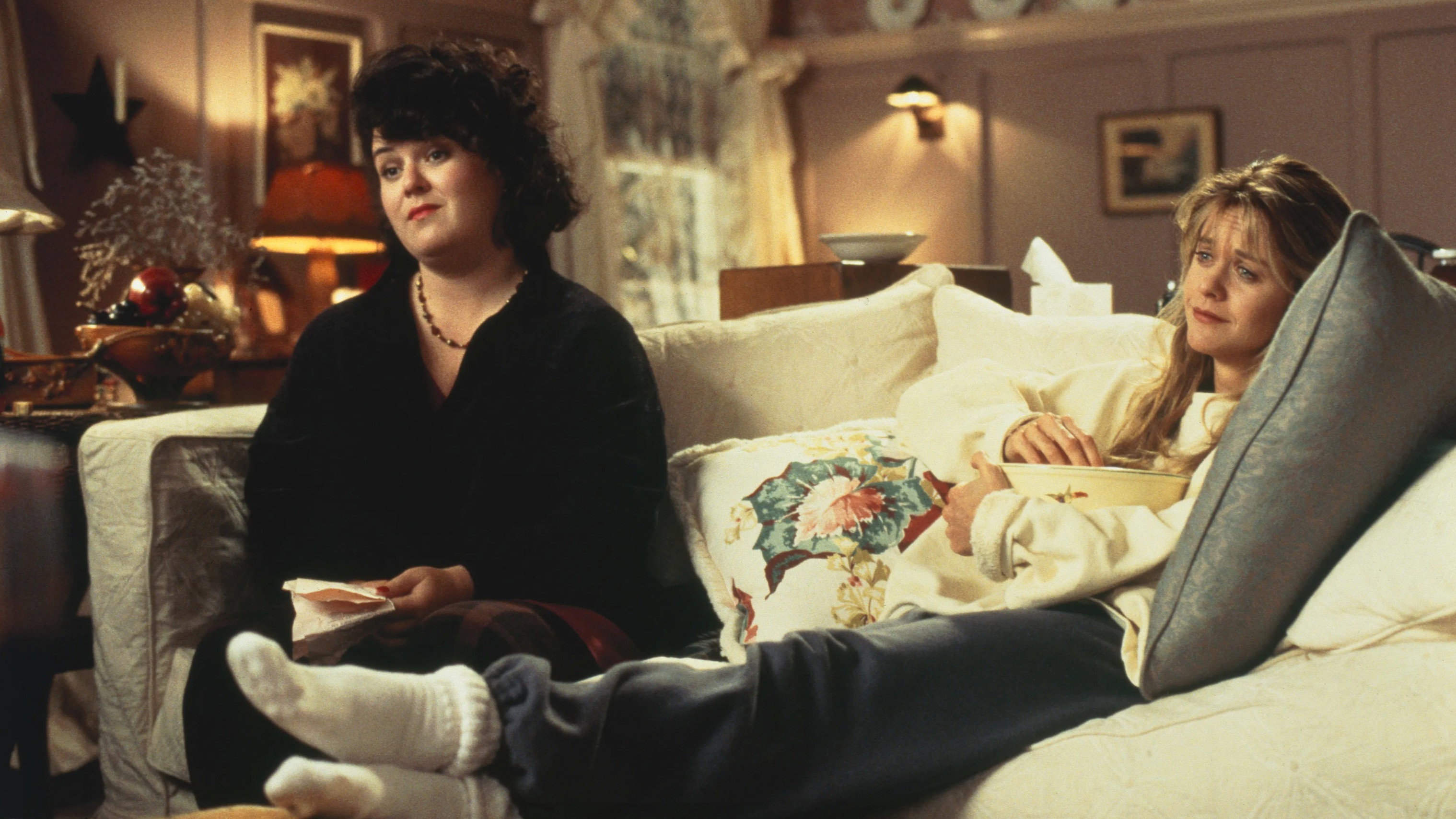
The screenplay, by Ephron, Jeff Arch and David S. Ward, is often sharpest when other people offer their opinions. The supporting conversations about men, women and romance are funny because certainty comes easily when somebody else’s happiness is at stake. Those jokes help us accept a story that would look rather thin without them. The middle stretch does lose momentum, however, as anticipation starts to feel like delay. Once the central possibility is established, the film has limited ways of developing it without abandoning its premise.
Sven Nykvist’s cinematography gives the actors space to carry the feeling, and Hanks benefits from that lack of visual fuss. Jeffrey Townsend’s production design makes these lives look comfortable; the surroundings rarely suggest the difficulty that Hanks finds in Sam. Robert M. Reitano’s editing has the task of sustaining a romance across separate stories, and the alternation stays clear even when it stops adding much. Marc Shaiman’s music is less persuasive when it insists on feelings the performances have already conveyed, a tendency shared by the sometimes over-explicit song choices.
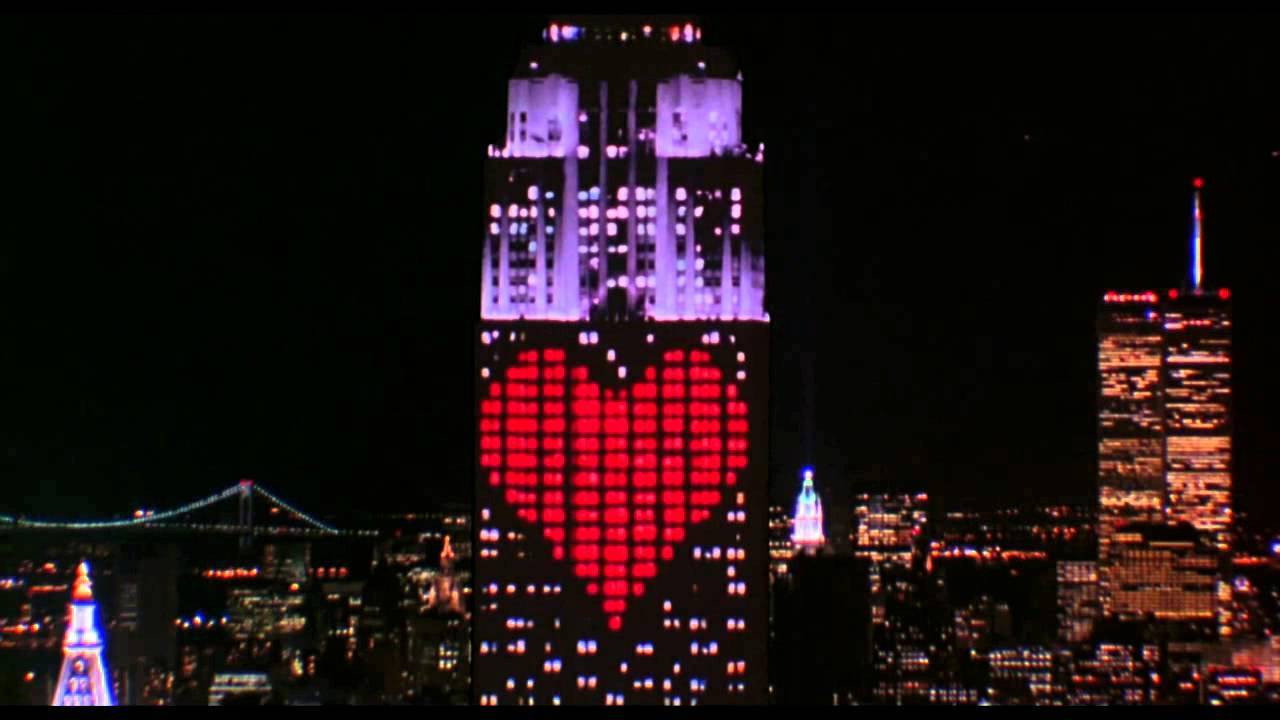
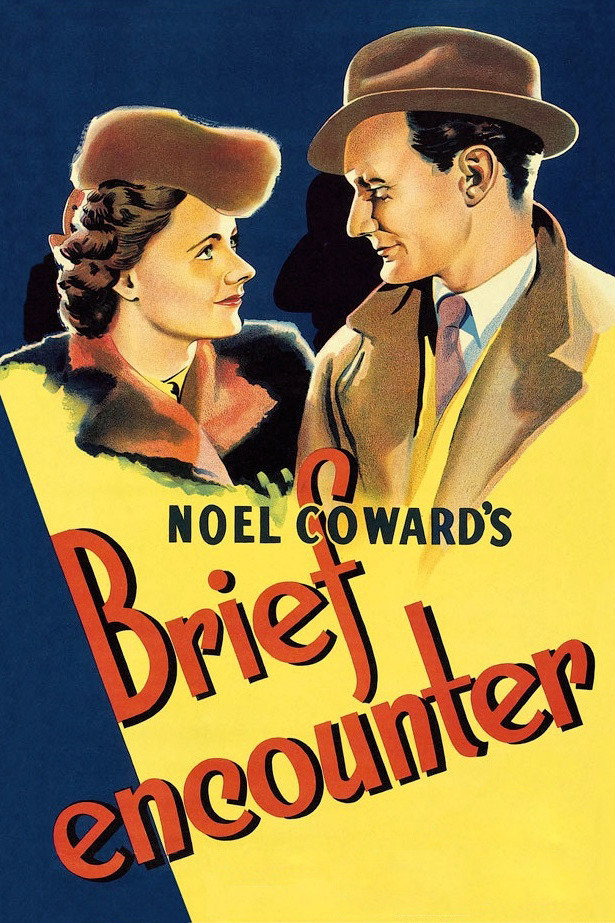
The film’s use of An Affair to Remember makes its romantic expectations explicit. These people have films to help them imagine what love ought to feel like, and Ephron finds good comedy in that habit. We could have done with more curiosity about where those expectations mislead them. The romance is so carefully protected from ordinary disappointment that its belief in fate occasionally seems like an excuse not to write a harder scene.
There is something welcome about a romantic comedy that allows bereavement to remain part of the conversation. The jokes do not require Sam to be cured, and Hanks makes that decency count. At 105 minutes, the film has time to indulge its fantasy without asking for an entire evening. We would choose it when the mood calls for romance, provided a plausible account of courtship is not a requirement.