Jim Jarmusch makes an unusually funny comedy out of aimless company and long pauses. The cast and the black-and-white framing reward patience, although the determined cool occasionally keeps us further from these people than we would like.
Jim Jarmusch’s Stranger Than Paradise is a funny, patient comedy that makes doing little worth our attention. We recommend it, with a warning about how firmly it keeps its feelings under control. Jarmusch lets the lack of direction in these lives govern the pace, without promising that every scene will bring news. He expects us to enjoy the company, and mostly we do.
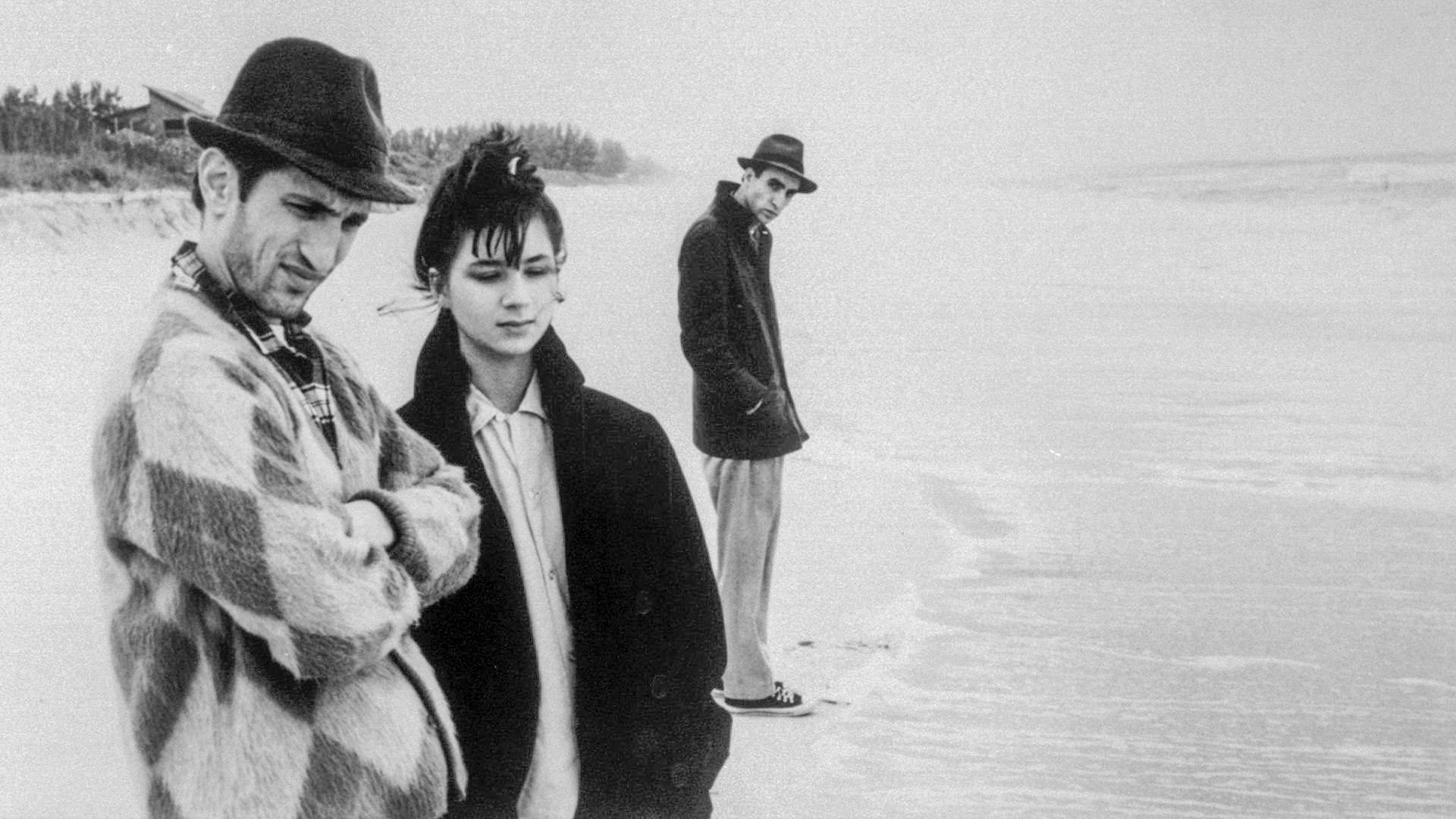
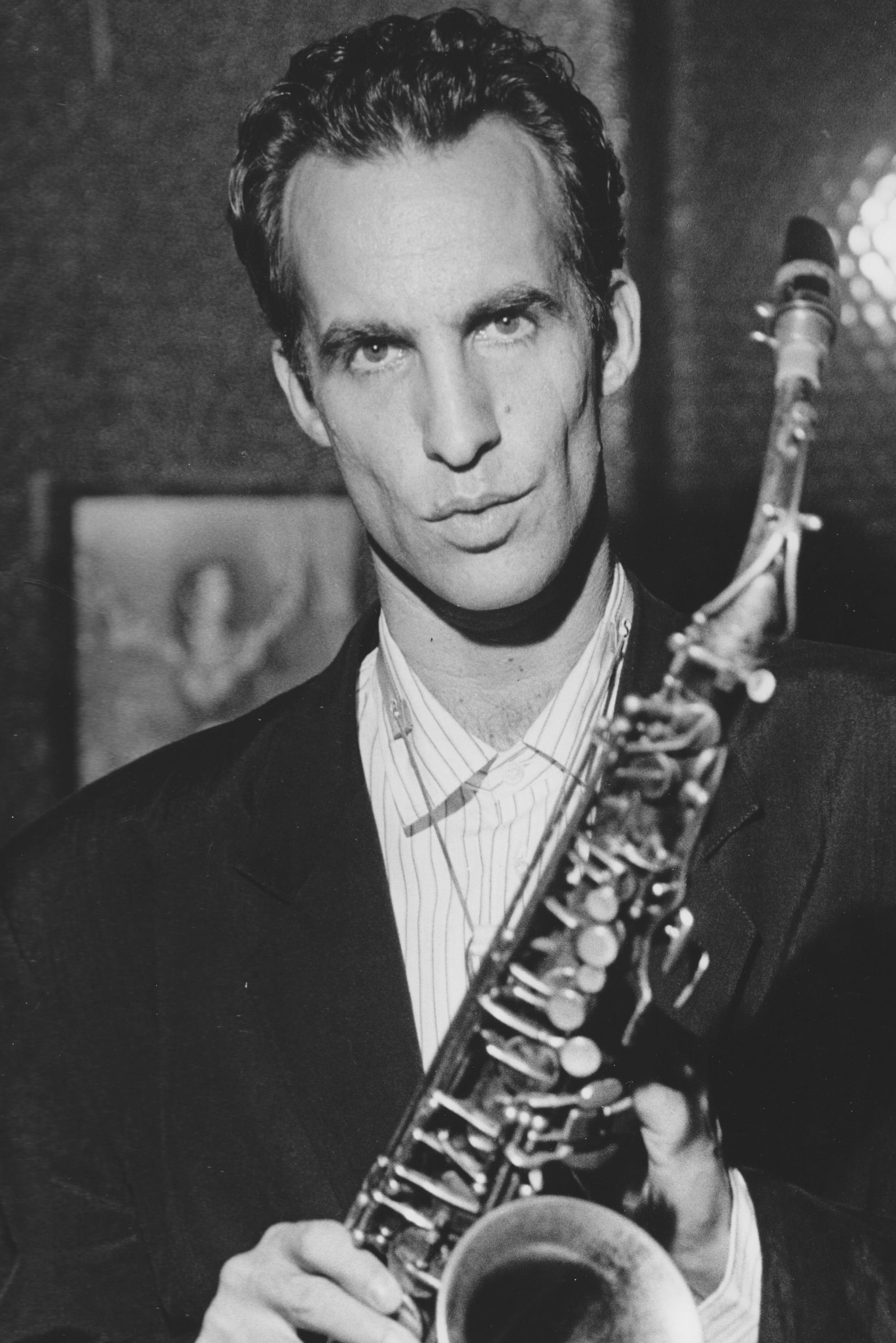
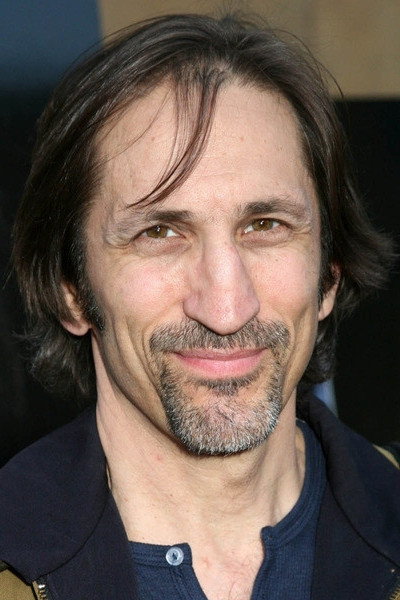
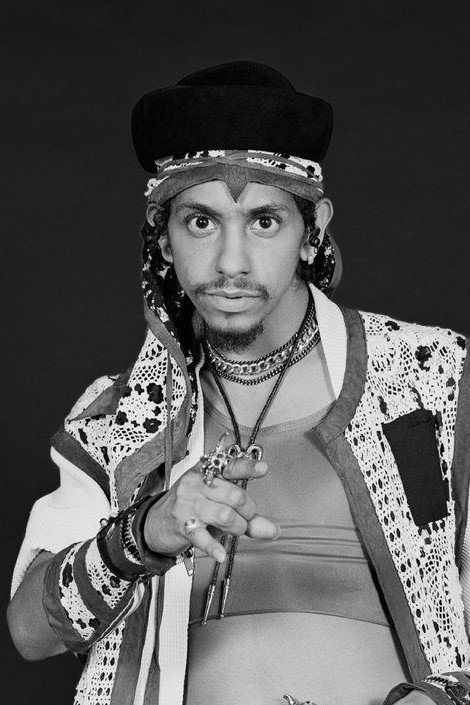
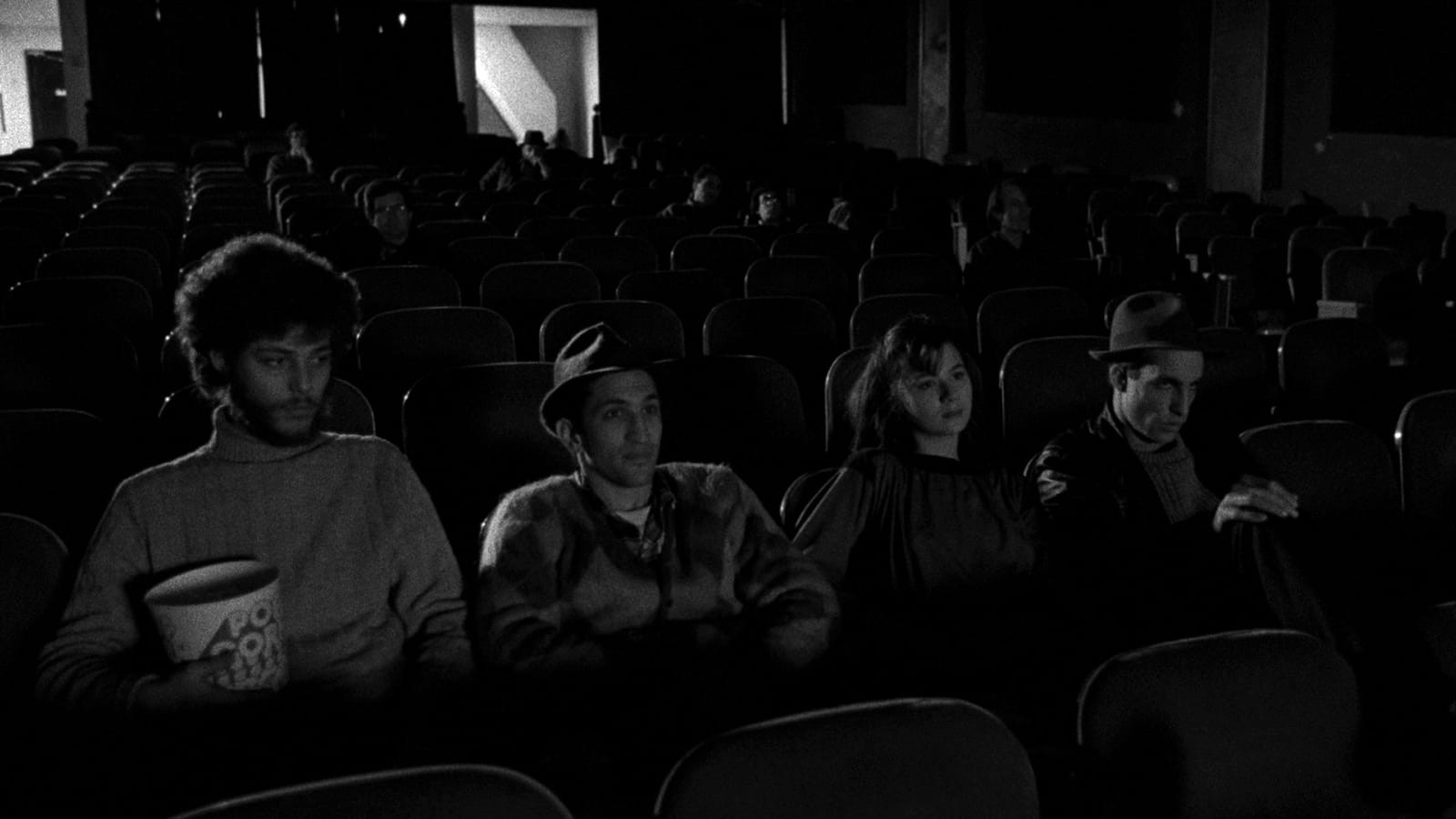
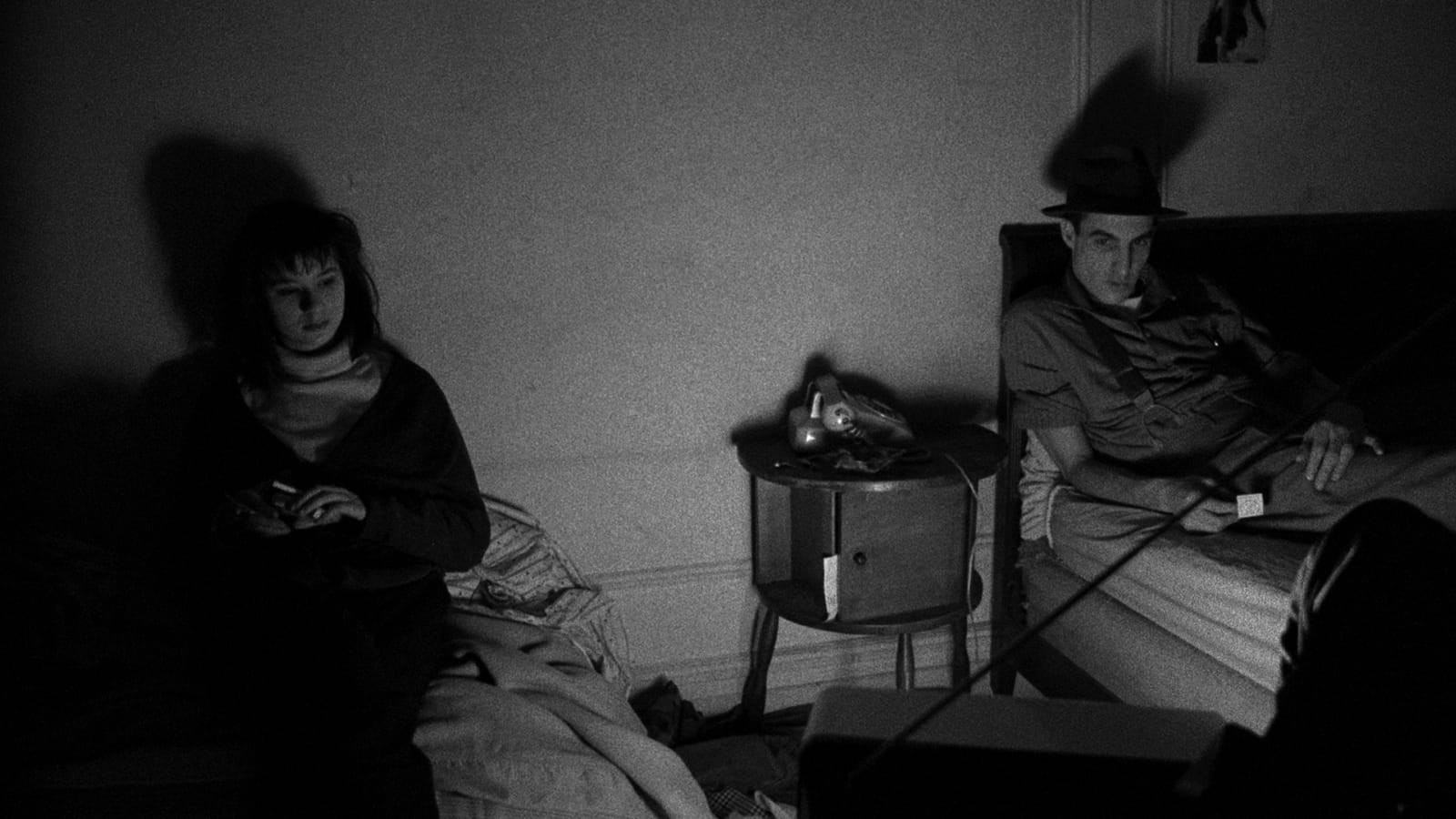
John Lurie’s Willie, Eszter Balint’s Eva and Richard Edson’s Eddie make a compact ensemble, with nobody working hard to announce a joke. Their deadpan performances suit a film that gives us so much time to inspect its characters. The humour depends on our watching them long enough to become interested in their small responses, without an actor signalling when to laugh. Jarmusch’s screenplay is confident enough to leave that work to the performers, and they repay him.
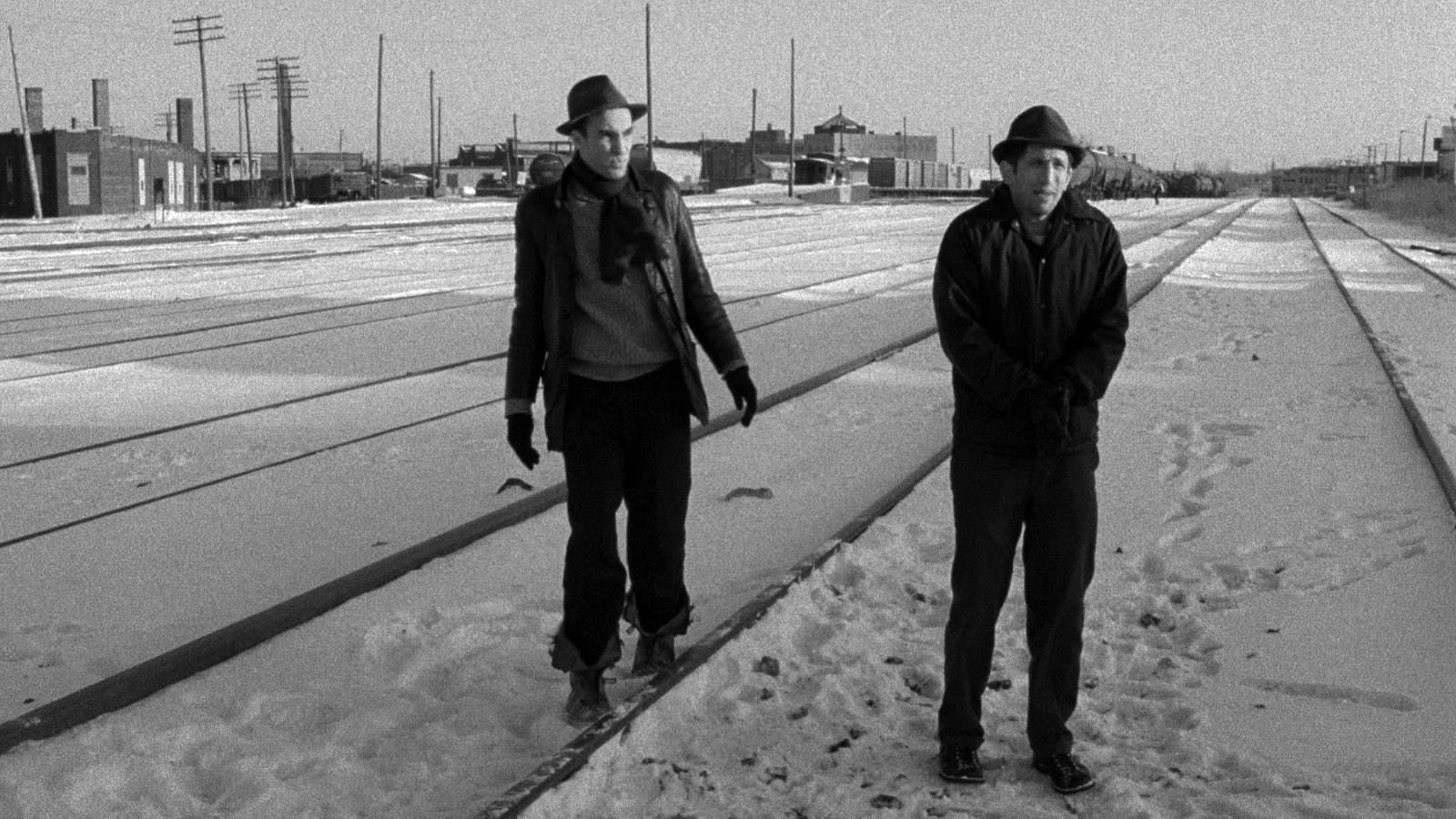
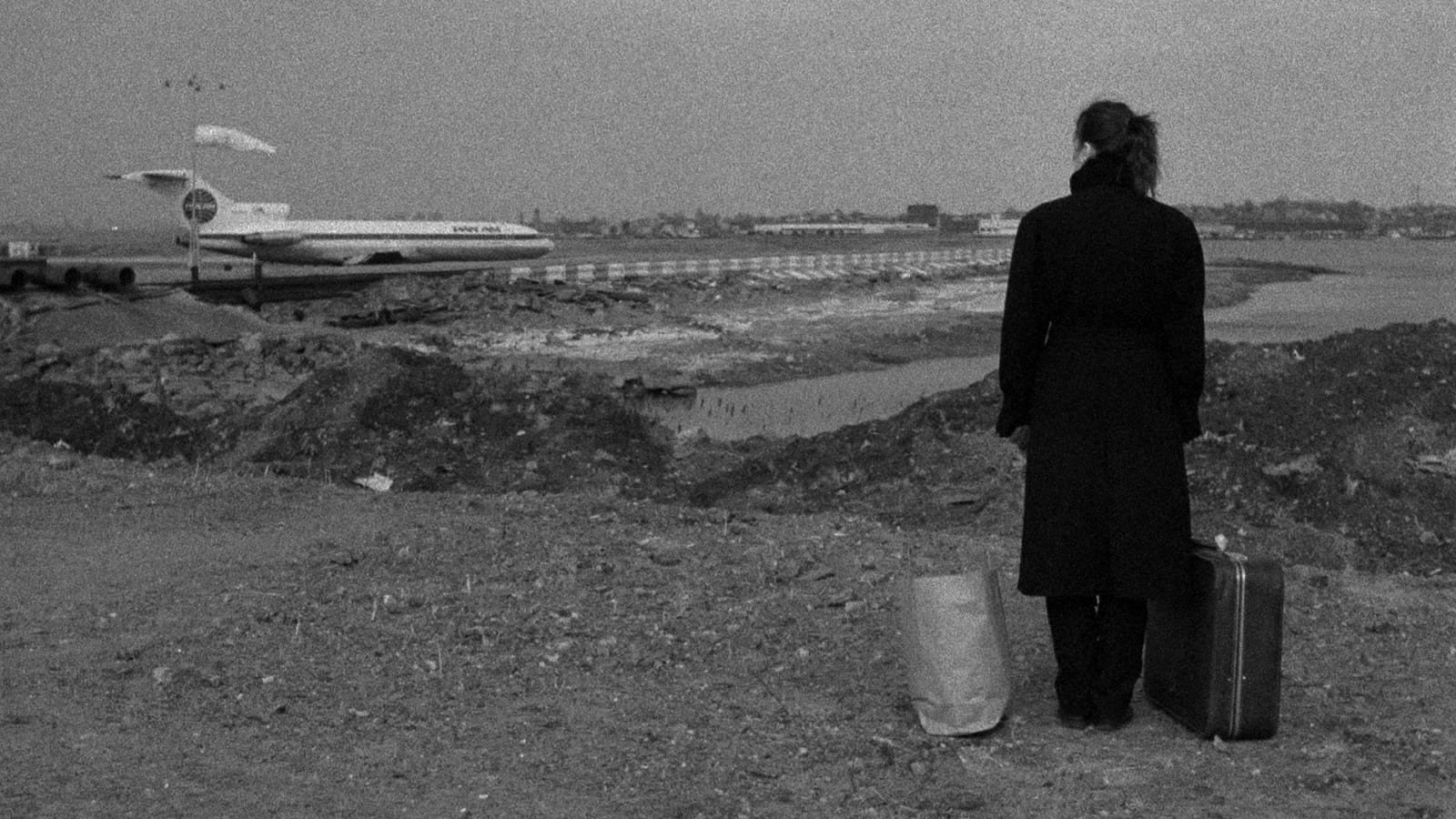
Tom DiCillo’s black-and-white cinematography does a great deal of the work. His long, largely static shots let us choose where to look, without cutting to point out what matters. The careful framing makes it possible to watch the actors closely without expecting a new event every few seconds. It also gives ordinary, uneventful moments enough visual interest to hold us there.
The editors, Jarmusch and Melody London, separate these uninterrupted scenes with fades to black. The gaps give each small incident time to settle before the next begins, without insisting that it has moved the story forward. We laughed at the long pauses in the trio’s deadpan exchanges, made funnier because the camera stayed put instead of finding someone to react. A quicker cut would have spoiled the joke.
John Lurie’s score makes the gaps between encounters feel unsettled. It gives us something to listen for while the people on screen offer little explanation of themselves, and keeps the spare approach from becoming monotonous. The music can suggest feeling without the script having to supply a speech. We would occasionally welcome more warmth from the characters, but Lurie supplies enough unease to keep their drifting from looking comfortable.
The reservation is that Jarmusch sometimes seems too pleased with how little he needs to do. Some of the pauses run past the point where we notice anything new about the characters. The exact framing and cool performances occasionally keep them at a distance when we would like to know them better. At 90 minutes, it is hardly a test of endurance, though we would understand anyone who found the manner irritating.
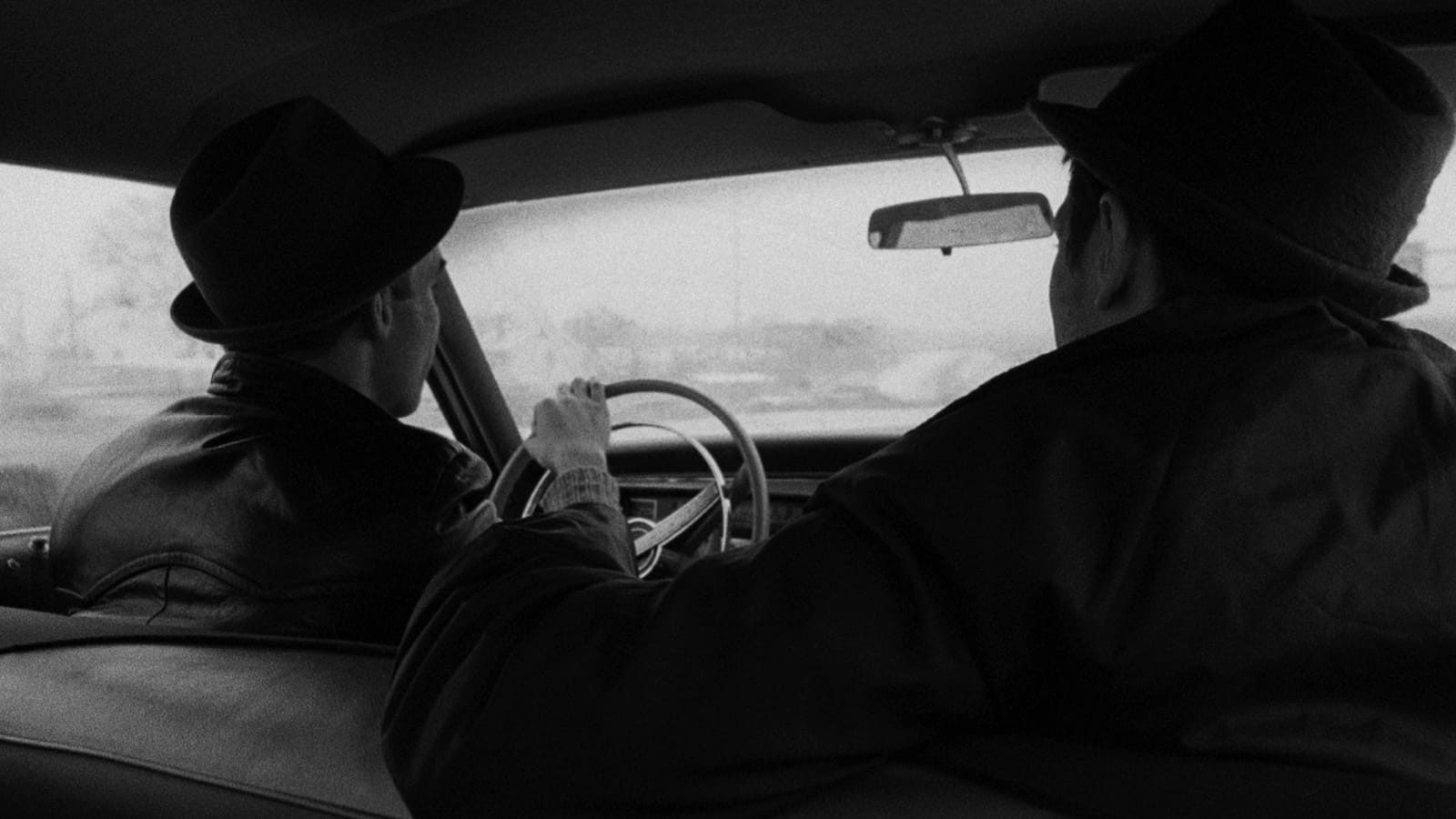
As a road film, it makes our expectation of progress seem faintly unreasonable. We tend to expect journeys to bring a revelation or a fresh purpose, and Jarmusch is content to keep watching people who have neither ready to hand. That gives this modest comedy a freedom we value, even when its reserve gets in the way. Watch it when there is no need to hurry it along.