Film review

Down by Law

1986 · Directed by Jim Jarmusch · 1h 46m · MPA R

In a sentenceRoberto Benigni has been locked up with two men who appear to regard conversation as a second punishment

CrimeDramaComedy

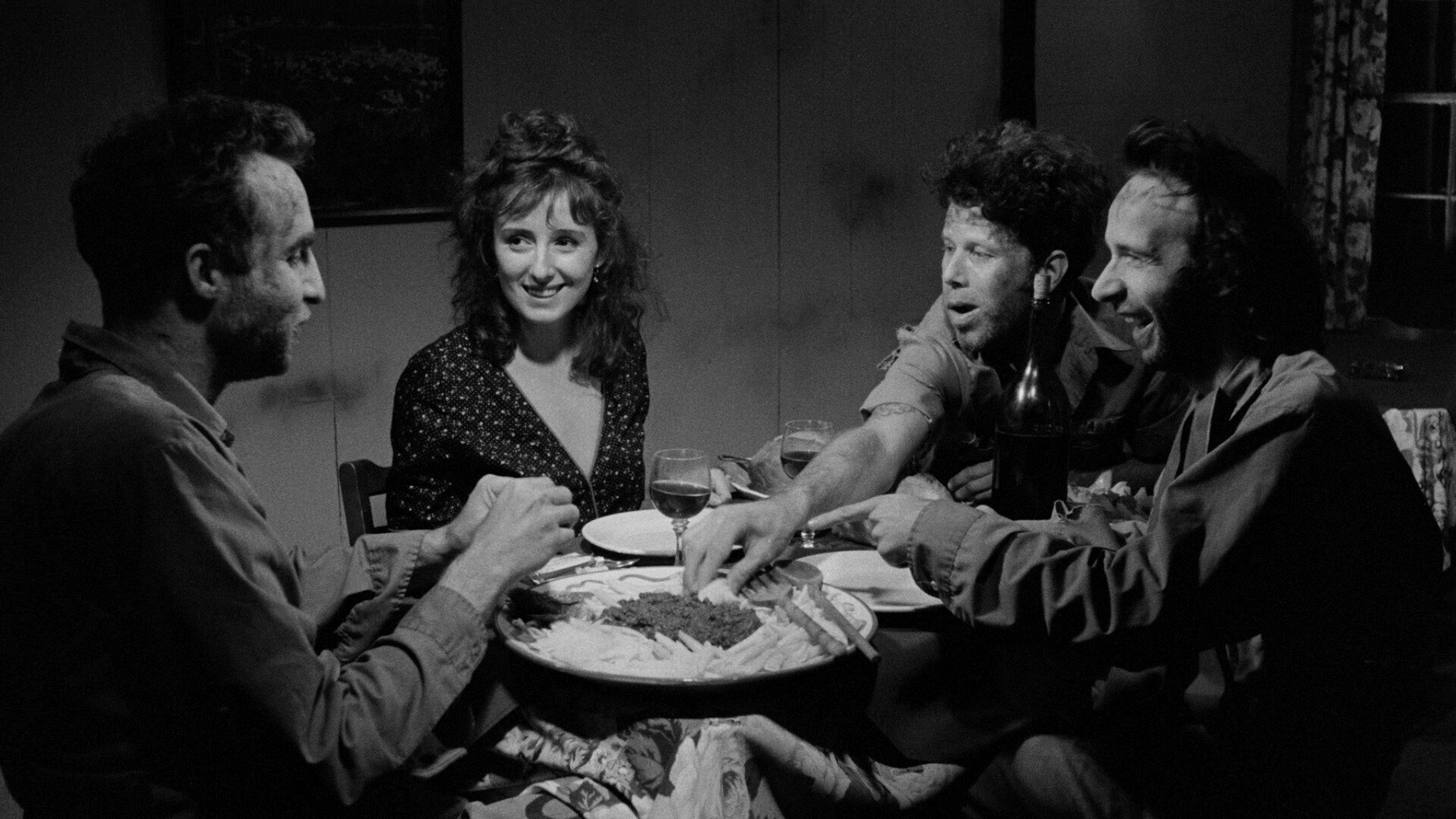
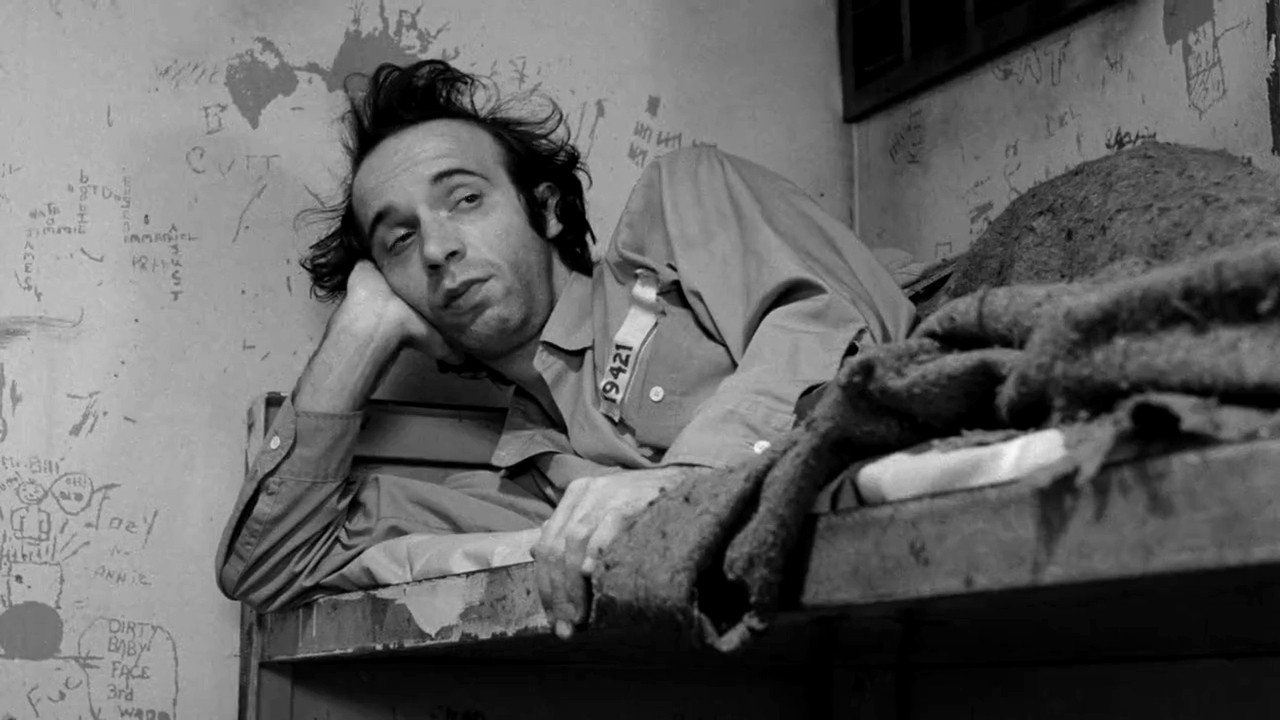
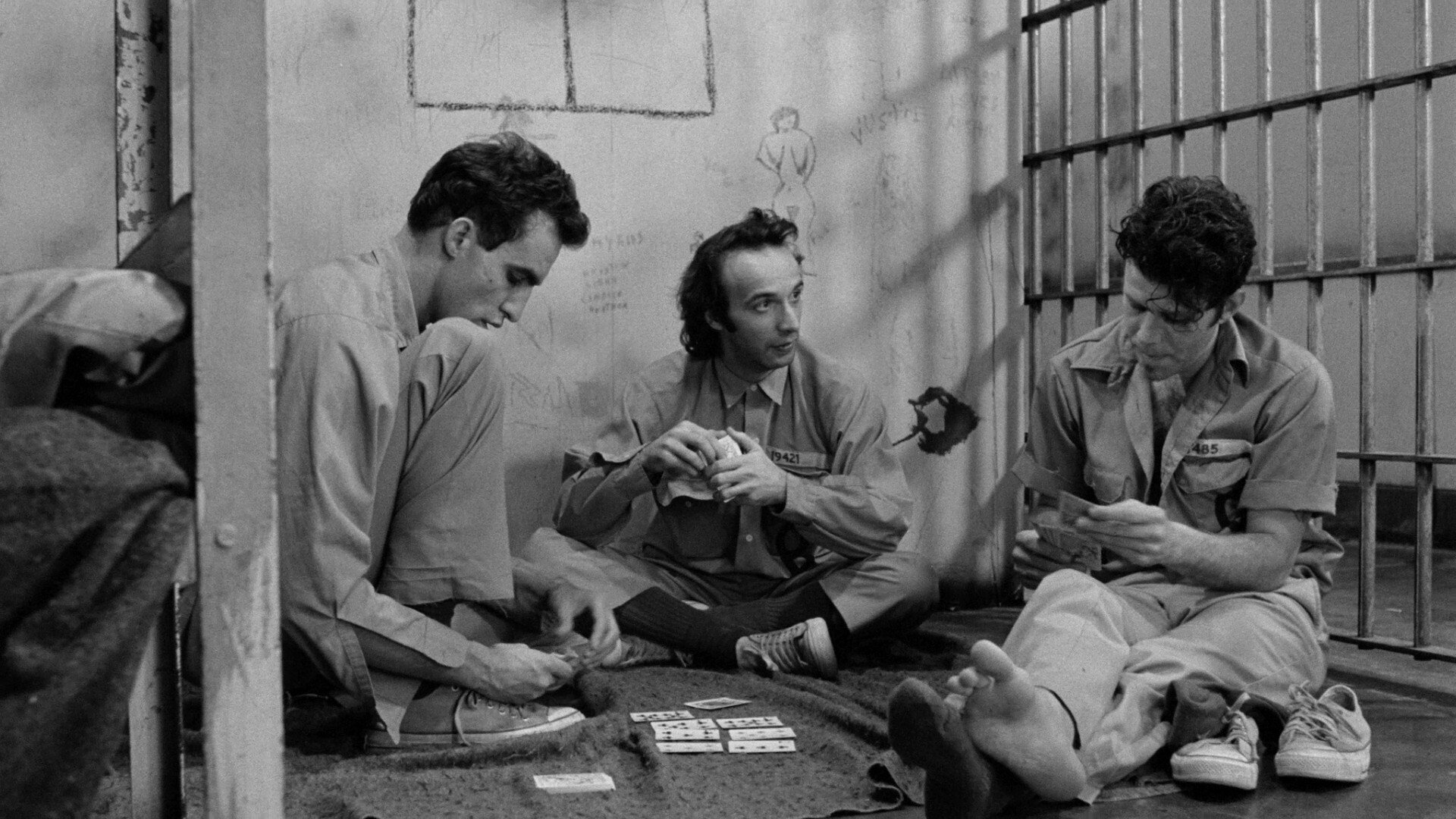
In New Orleans, Zack (Tom Waits) and Jack (John Lurie) share a prison cell and have little inclination to make friends. Their fellow inmate Roberto (Roberto Benigni) has a cheerfulness that neither man is prepared to welcome. Zack wants to get out; until then, he has to put up with two companions he has not chosen. Jack offers little comfort, while Roberto keeps trying to start a conversation. Confined together, the three men argue and try to tolerate one another, with Roberto’s attempts at friendship giving Zack and Jack something else to resist.

Fi1m review

Down by Law is a funny, unexpectedly tender prison comedy, carried by three beautifully mismatched performances. Jim Jarmusch sometimes lets the sulking go on too long, but the company is worth the patience.

Jim Jarmusch approaches Down by Law as though the important business of a prison film were finding out how irritating a cellmate can be. The plot gives him somewhere to put three men, then leaves them to irritate one another. It is a funny, warm film, with a stubbornly slow pace that occasionally gets the better of its jokes. Anyone waiting for a brisk crime story should know that the conversations receive most of the attention.

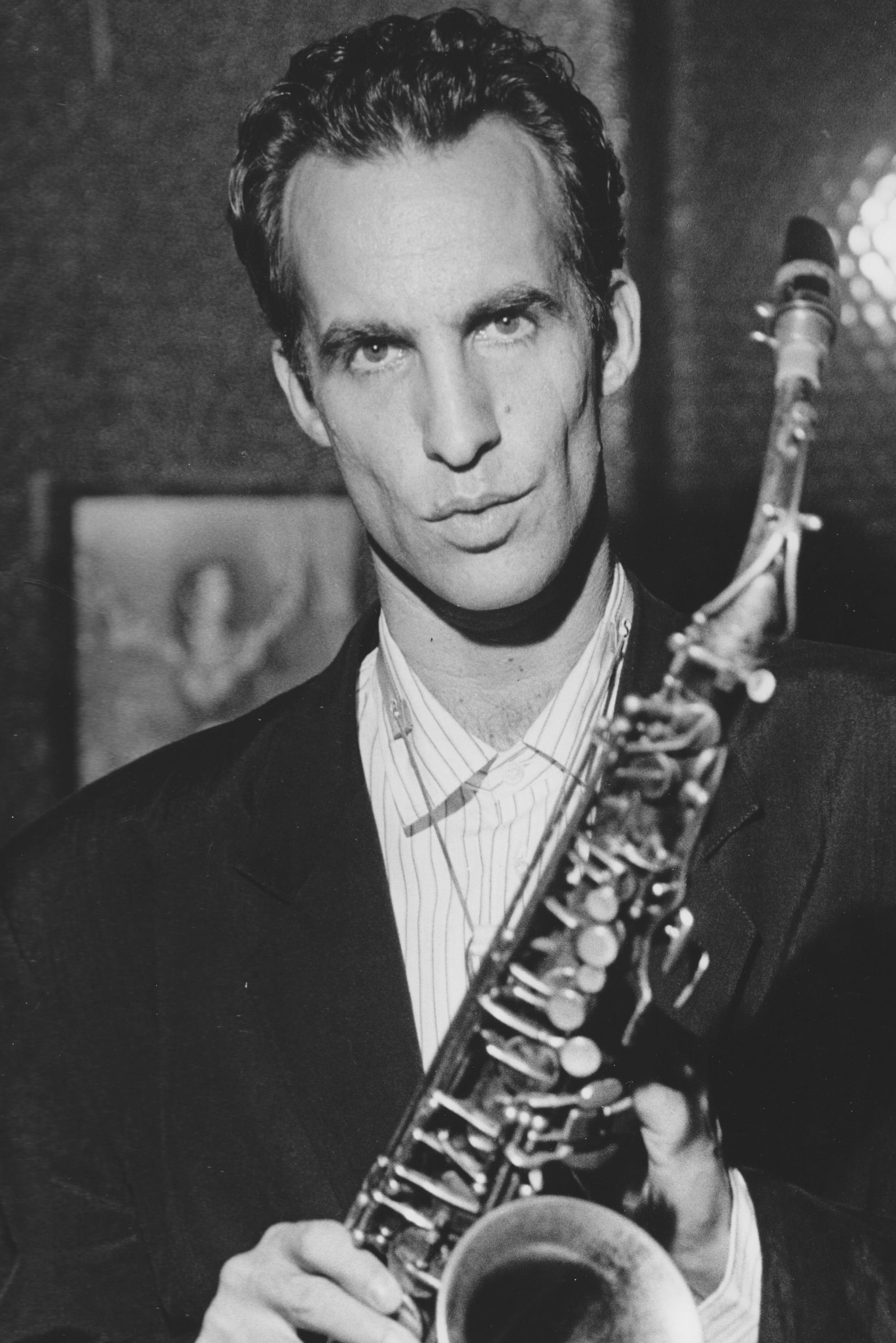
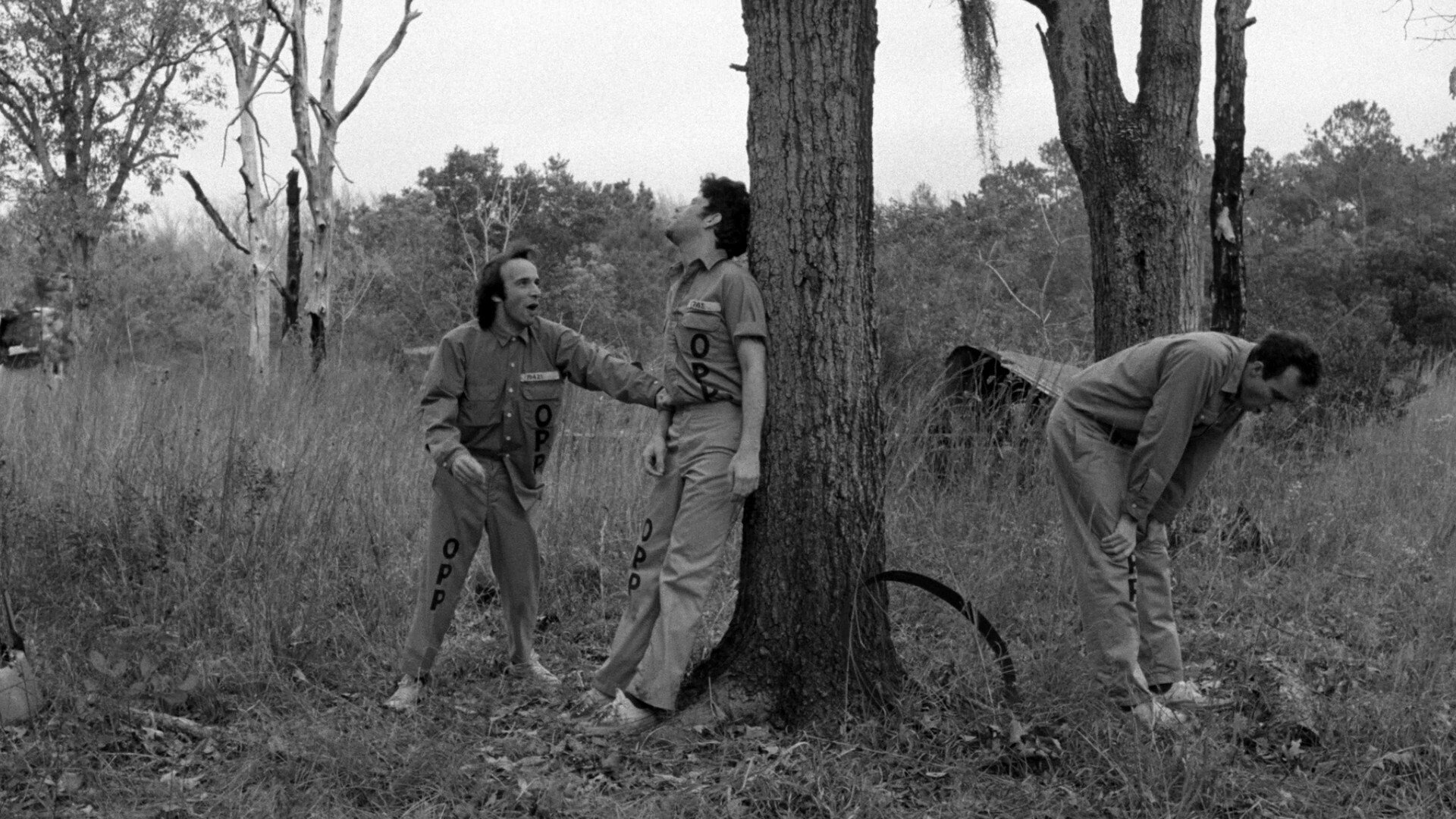
Tom Waits, as Zack, and John Lurie, as Jack, give the bickering a useful weight: neither behaves as though being amusing were his responsibility. Their deadpan delivery makes the irritation seem quite sincere, even when the disagreement itself scarcely matters. Roberto Benigni plays Roberto with enough unembarrassed enthusiasm to upset both of them, and to prevent the film from becoming a competition in looking disenchanted. He makes friendliness awkward, persistent and difficult to dismiss.

We laughed at Roberto’s cheerfulness meeting such determined resistance, then found ourselves wanting the other two to be kinder to him. The pleasure comes from how long they take to respond; an immediate thaw would make the relationship feel cheaply arranged. Jim Jarmusch allows their irritation to survive alongside the beginnings of affection, so the comedy does not disappear when the men become more sympathetic. The performances keep small differences in temperament interesting even when there is little else happening.

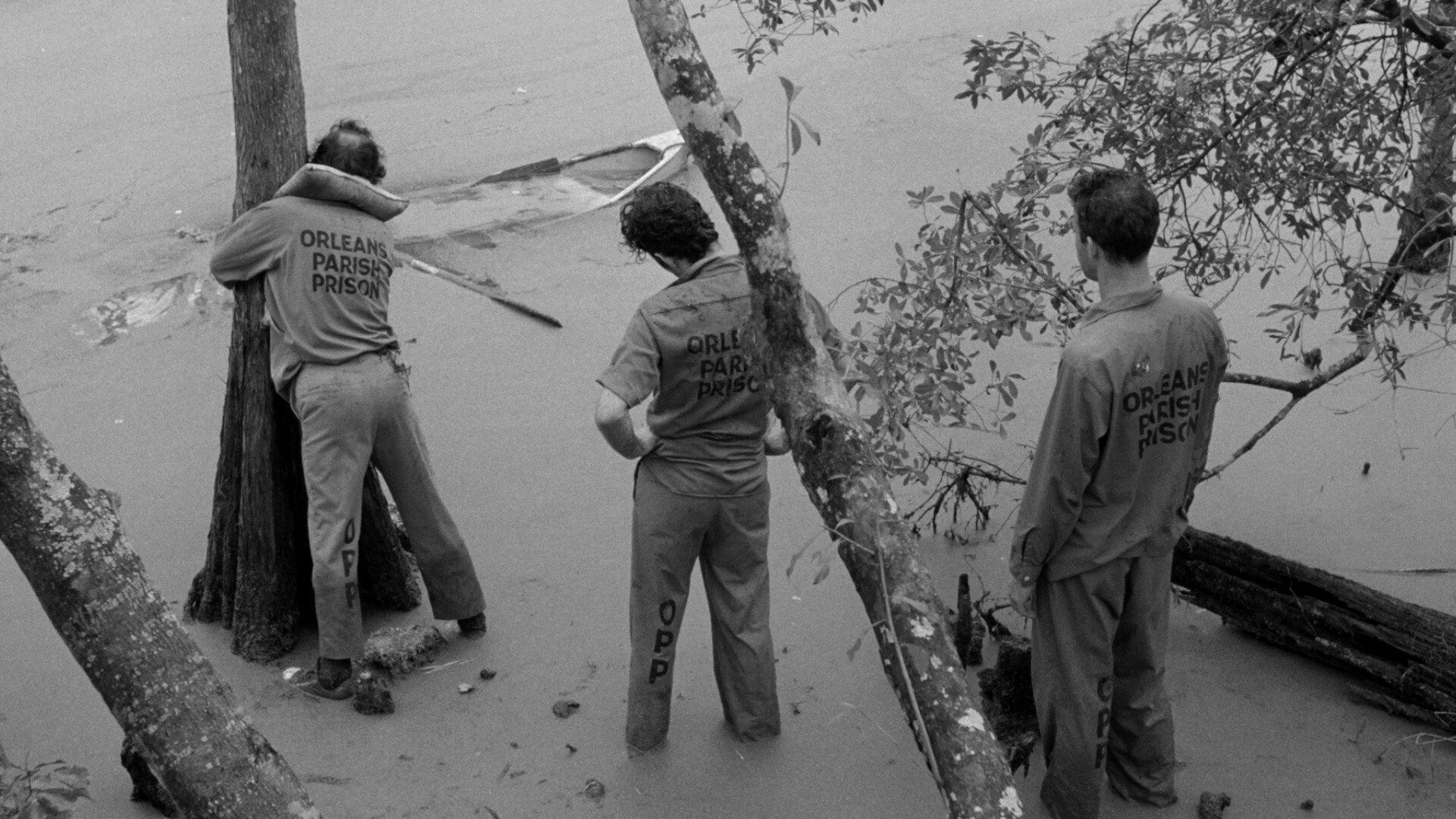
Robby Müller’s black-and-white cinematography gives New Orleans a stillness that suits these prickly men. The emptiness around them is as noticeable as their presence, and the images are composed with a care that might have made the comedy seem precious. It works because the actors remain so unimpressed by their surroundings. Janet Densmore’s production design helps the prison feel like a place where there is nothing to do except get on each other’s nerves.

John Lurie’s score helps make the slow pace pleasurable, giving the quieter passages a pull that the sparse story cannot always provide. The music encourages us to settle into the film without insisting that every disagreement is important. Melody London’s editing is similarly patient about letting a conversation find its own rhythm. That patience is necessary for the comedy, although several exchanges continue after we have understood the joke, and the 106 minutes would benefit from a little more pressure.

The weakness is that the men can occasionally look like three carefully selected temperaments asked to fill out a story. Once we understand their differences, another stretch of friction does not automatically tell us more about them. The screenplay relies heavily on the appeal of the actors at those points, and they cannot make every pause revealing. Yet the director likes these men, including their less attractive habits, and gives us time to like them too.

This is a prison comedy for an evening when getting to know the prisoners is enough. Its loose construction will trouble anyone who wants each scene to move the story forward, and we would not argue them out of that objection. For once, the prospect of another conversation in a prison cell is a reason to keep watching.

Critical consensus AI synthesised

80
Positive
14
Mixed
0
Negative
0

The reviews are uniformly positive about Down by Law, with praise centred on Jim Jarmusch’s deadpan humour, the three leads and Robby Müller’s precise black-and-white photography. Critics find warmth beneath the bickering between Tom Waits, John Lurie and Roberto Benigni, whose irrepressible cheerfulness receives particular attention. The dreamlike New Orleans setting also earns repeated praise, while the inmates’ awkward companionship gives the sparse story more feeling than its cool manner initially suggests.

The spread runs from qualified affection to enthusiasm, rather than any outright dissent. RogerEbert.com finds the film slightly overlong and less interested in deeper themes than in its three misfits. The AV Club notes schematic plotting, while Eye for Film questions the loose, sketch-like structure. These reservations largely concern how much the slender narrative can sustain; even the more cautious reviews admire the performances, visual craft or quiet warmth.

Time Out
9 September 2014 · ★★★★★ · Tom Huddleston
100

The critic calls it a milestone in American independent cinema that proved DIY film could be heartfelt, charming, wise and silly all at once. Robby Müller’s stately monochrome photography is singled out for lifting the semi-improvised prison story into the realm of Proper Art.

Read the full review →
The New York Times
19 September 1986 · NYT Critic’s Pick · Vincent Canby
90*

The critic calls the film an unqualified delight and a fable of poetic density with extraordinary performances by John Lurie, Tom Waits, and Roberto Benigni. He singles out its dreamlike impression of life and Jarmusch's skill in crafting a narrative unique to cinema.

Read the full review →
Los Angeles Times
3 October 1986 · Sheila Benson
80*

The critic praises Jarmusch for staying true to his original vision with this inkily comic dream of a film featuring a poker-faced fairy tale in New Orleans and the bayous. She highlights the beauty and precision of the black-and-white images by Robby Müller and the performances by Tom Waits, John Lurie, and Roberto Benigni.

Read the full review →
The Guardian
11 September 2014 · Peter Bradshaw
80*

The critic praises Jarmusch’s deadpan comedy as effortlessly laidback and superbly elegant, highlighting its hypnotic score, stupendous performances and monochrome cinematography by Robby Müller. He singles out the dreamlike emptiness of the New Orleans setting and Benigni’s surreal but controlled performance.

Read the full review →
Total Film
8 September 2014
80*

Jarmusch’s stylish black-and-white prison romp features offbeat humour matching its perfectly cast stars. Mutual irritation among the inmates merges into grudging friendship, with wit that is both broad and smart, soulful and silly.

Read the full review →
Vulture
30 December 2016
80*

Jarmusch filters his sparse sensibility through a bare-bones jailbreak account of three inmates’ escape from a New Orleans prison, shot in stark monochrome and focused on prisoner dynamics. The constant bickering among Tom Waits, John Lurie, and Roberto Benigni almost obscures their shared humanity, with random acts of mercy suggesting a compassionate look at regular folks.

Read the full review →

Cast

Stills

Awards

Amanda Award for Best Foreign Feature Film, 1987

Won
Amanda Award for Best Foreign Feature Film

If you liked this, try…

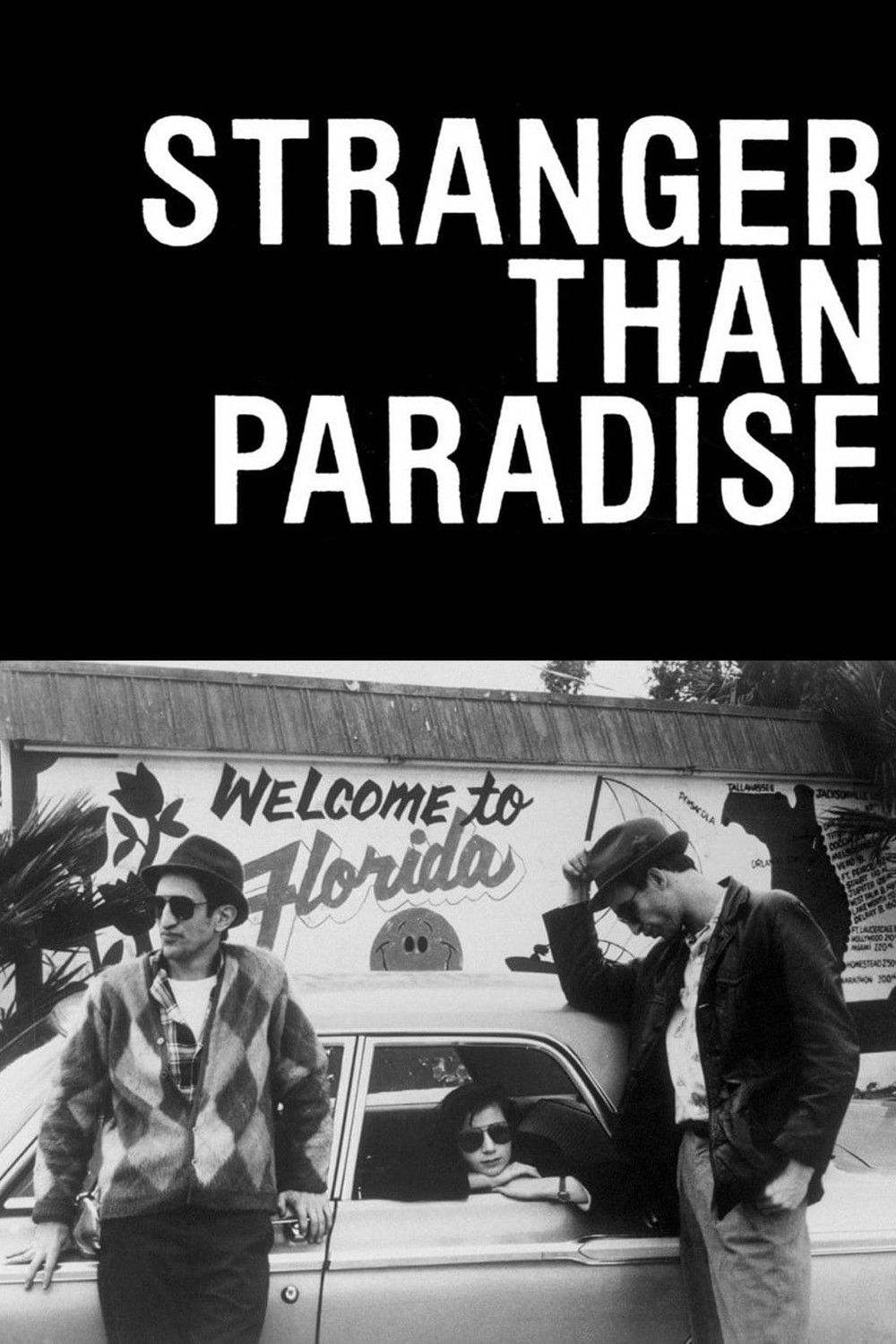
Stranger Than Paradise poster82

Stranger Than Paradise

1984 · More reluctant companionship from Jim Jarmusch, with the pauses left intact

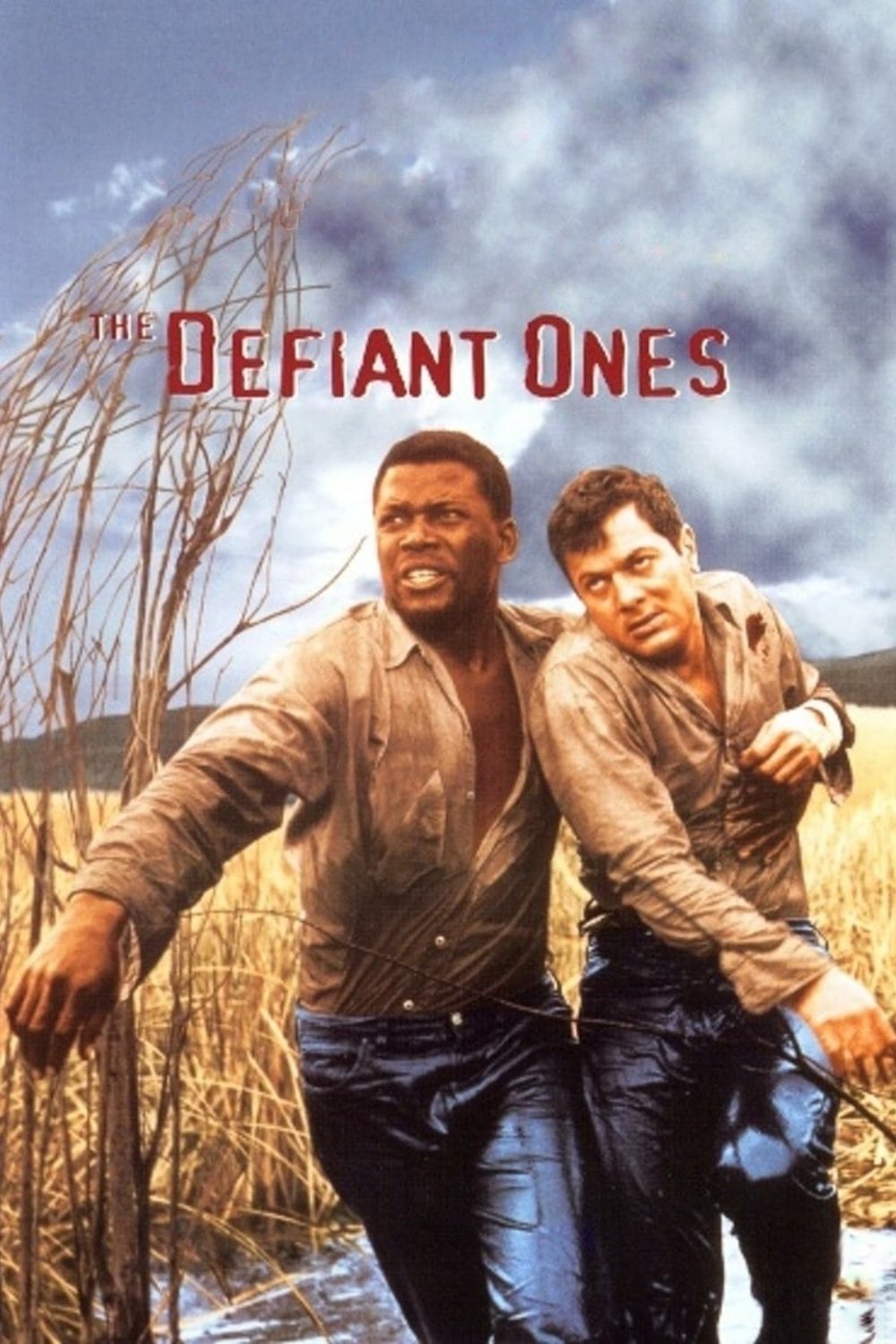
The Defiant Ones poster

The Defiant Ones

1958 · Two prisoners make cooperation difficult in a much more urgent escape story

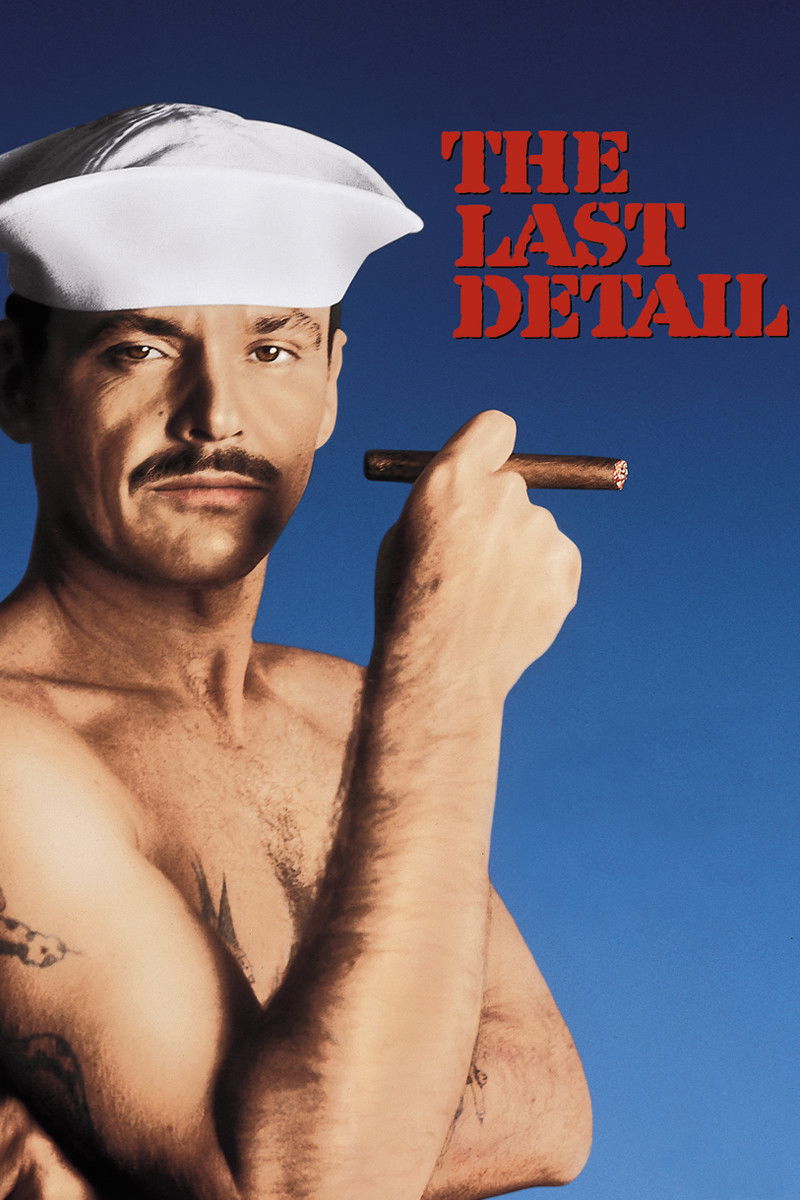
The Last Detail poster

The Last Detail

1973 · For another abrasive male trio whose jokes gradually make room for tenderness

The Man Without a Past poster

The Man Without a Past

2002 · Dry humour and practical kindness among people with little left to lose

The Band's Visit poster

The Band's Visit

2007 · Strangers struggle to communicate, with patient jokes and room for embarrassment