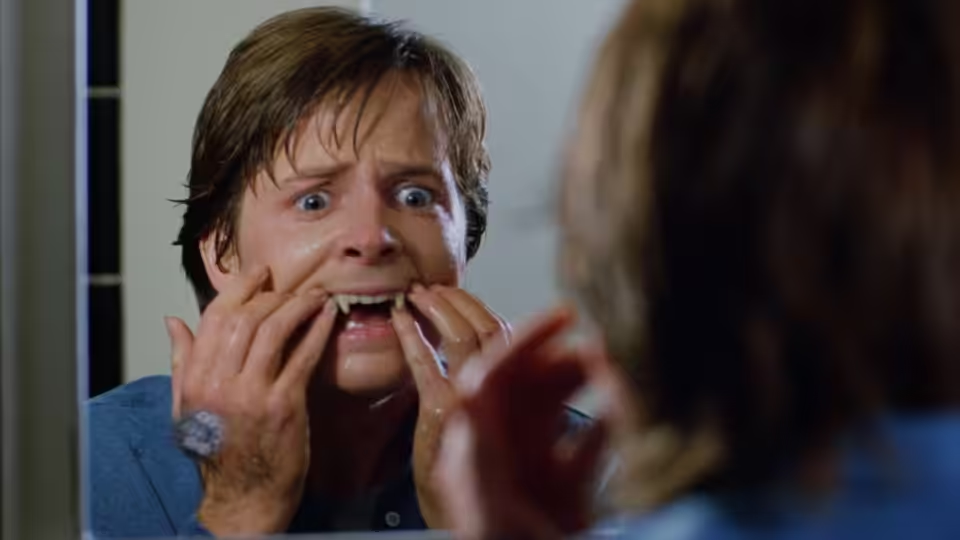
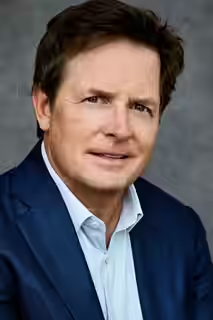
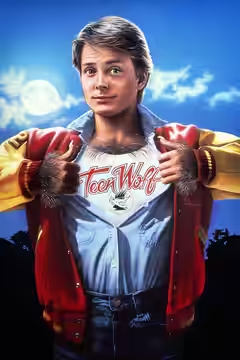
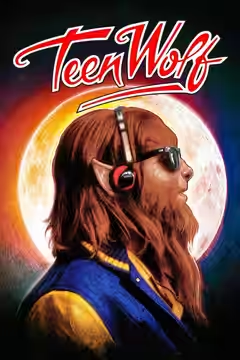
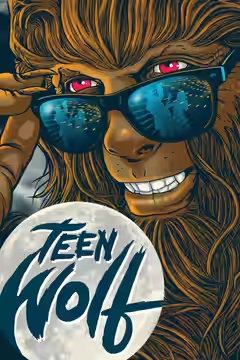
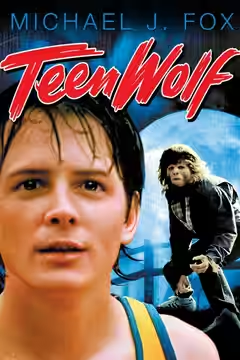
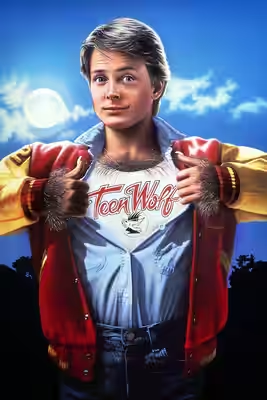
Michael J. Fox is likeable in a werewolf comedy that runs short of good jokes. The puberty premise promises mischief, but the script settles too readily for familiar teenage worries.
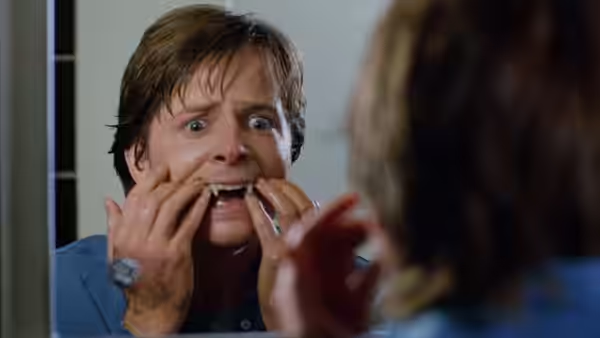
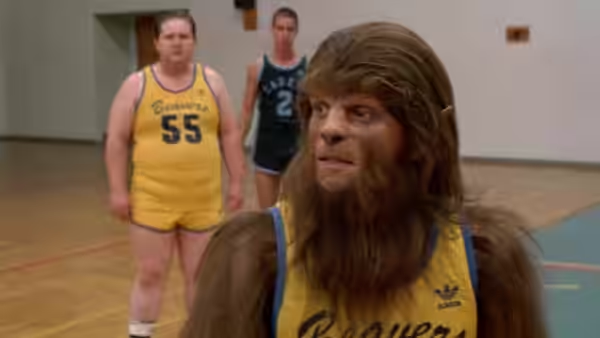
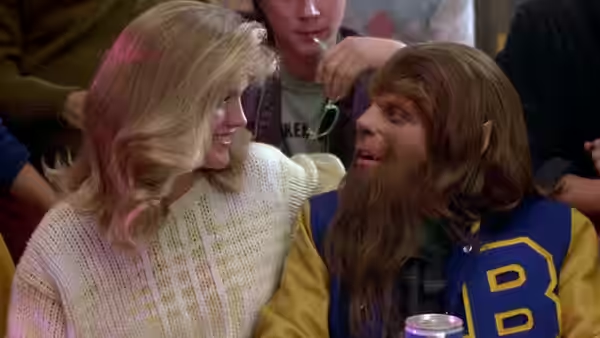
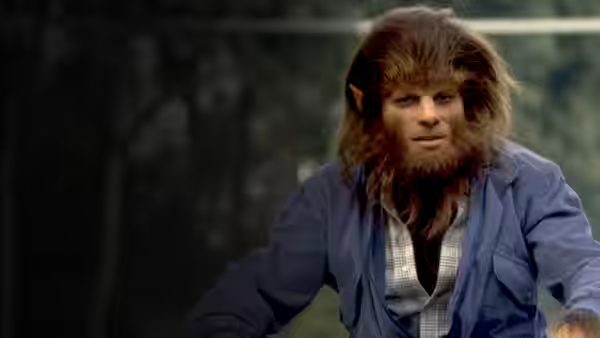
Rod Daniel’s Teen Wolf has a promising explanation for the indignities of puberty: perhaps the extra hair really does mean something. Scott Howard wants to be special, and Michael J. Fox makes that wish seem understandable without making it especially noble. There is a pleasant comedy in that combination, though this one finds too few jokes to sustain it. At 92 minutes, it still has stretches where we wait for the writing to catch up with its leading man.
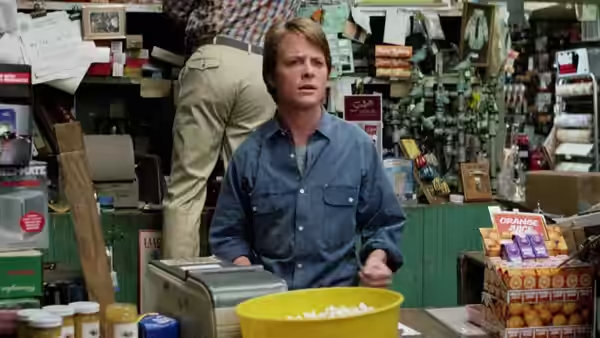
We were fond of Scott sooner than we expected. Michael J. Fox gives his dissatisfaction enough awkwardness to make it recognisable, so his longing to be different does not simply look like ingratitude. That matters in a comedy about wanting attention, which can become tiresome company if the central performance demands too much sympathy. His charm keeps the embarrassment tolerable, but it cannot supply the sharper comic consequences that Matthew Weisman and Jeph Loeb’s screenplay needs.
The writers have chosen an effective physical joke: a teenager’s changing body becomes harder to overlook. The trouble is how quickly the possibilities begin to narrow. We wanted more awkwardness, more surprise and a clearer sense of why Scott’s wish to stand out is so urgent; too often, merely recognising an adolescent worry is treated as enough. The romance adds another familiar concern without giving the comedy much more to work with.
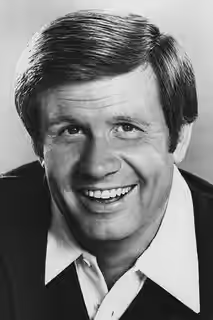
James Hampton, Susan Ursitti and Jerry Levine have less room to make an impression around Michael J. Fox. The supporting performances are not objectionable, and there is some comfort in the film’s lack of cruelty towards its characters. But the imbalance matters: a teenage comedy needs other people to be funny, awkward or surprising on their own terms. Here we keep waiting for the attention to return to Scott.
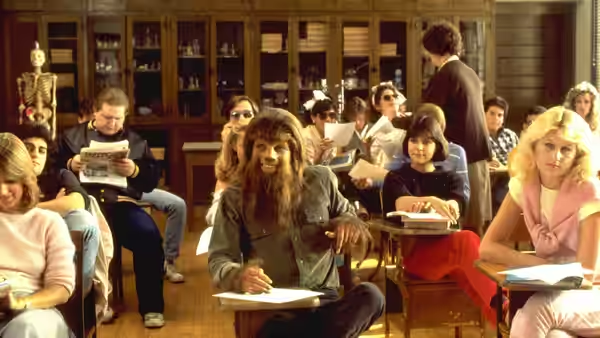
Tim Suhrstedt’s cinematography gives the small-town setting a plainness that suits Scott’s dissatisfaction. Chester Kaczenski’s production design reinforces that ordinariness, giving the fantasy recognisable surroundings without adding much comic interest of its own. That is a sensible approach for an amiable comedy, but the familiarity gives the film little help when the jokes weaken. Rod Daniel keeps the tone approachable, although we wished he would risk making it stranger.
Lois Freeman-Fox’s editing makes the comedy easy to follow, although it cannot disguise how little some of it develops. Miles Goodman’s music fits the film’s genial manner without doing much to distinguish it. Neither contribution is a serious obstacle to enjoying the film; the shortage is in the comic writing. Once the novelty of a teenager becoming a werewolf has registered, the film needs something beyond another reason for him to feel conspicuous.
As a fantasy, Teen Wolf does not need to be frightening, and judging it for failing to be a horror film would miss the point. As a teenage comedy, it does need to make the familiar business of wanting attention feel freshly observed. Michael J. Fox supplies enough warmth to keep it watchable, but the laughs remain too scattered for a recommendation. Choose it only if his company matters more tonight than a reliable supply of jokes.