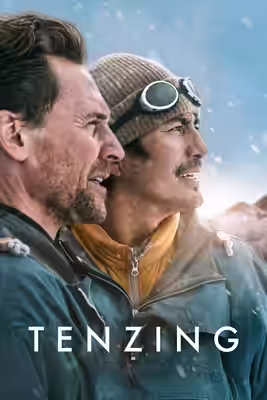
Jennifer Peedom gives the 1953 ascent of Everest to the man who had been up it most often. Genden Phuntsok and the mountain are superb; Luke Davies’s script treats Tenzing with such reverence that it rarely lets him be a person.
Jennifer Peedom made Sherpa (2015) and Mountain (2017), two documentaries about people who climb and the people paid to make that possible, and Tenzing is the drama those films were always walking towards. It tells the 1953 British Everest expedition from the side of the rope that most accounts shortened to “and Sherpa Tenzing”. The intention is overdue, the mountain is superbly filmed, and Genden Phuntsok is a real find. The script by Luke Davies is the trouble. It is a decent film that keeps stepping carefully round the better one inside it.
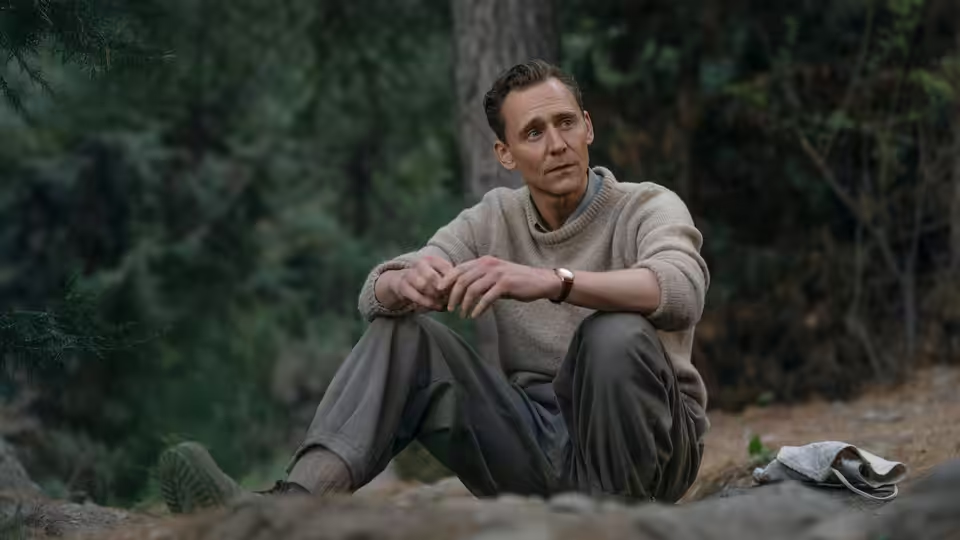
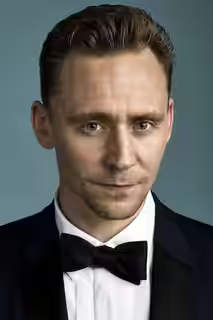
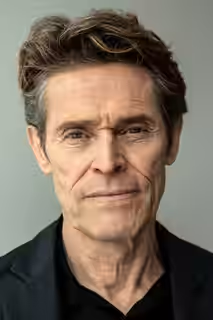
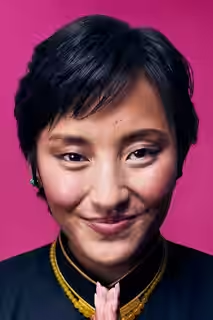
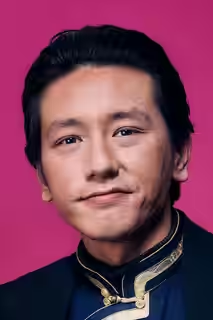
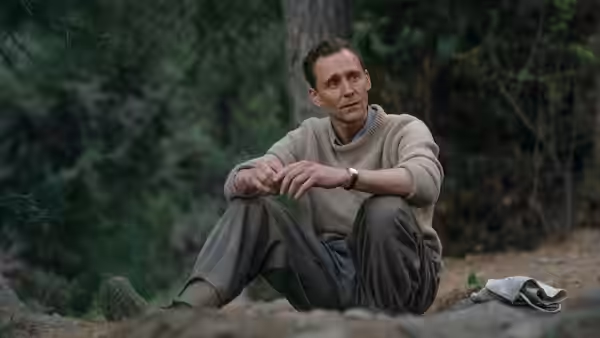
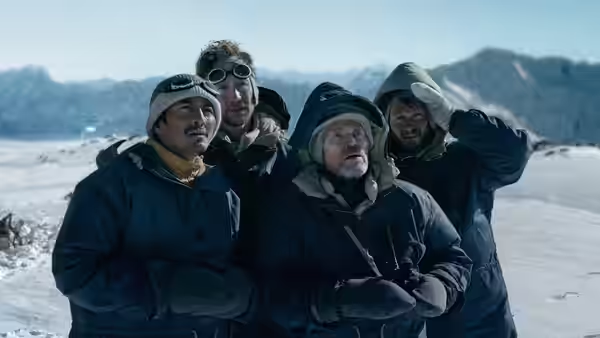
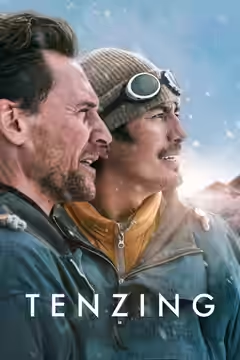
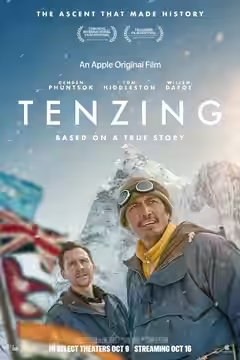
Phuntsok plays Tenzing Norgay with a stillness that changes meaning depending on who is present: deferential with Colonel John Hunt (Willem Dafoe), easy with the other Sherpas, watchful and slightly amused with Edmund Hillary (Tom Hiddleston). He barely raises his voice in 126 minutes. When Hunt reads out the summit plan at base camp and Tenzing listens for where his own name falls, nothing moves but Phuntsok’s jaw, and it is the best-acted moment in the film. Hiddleston gives Hillary a big, decent, awkward friendliness, a man more comfortable with a rope than a sentence, which is right; the script then gives him almost nothing to do with it. Dafoe’s Hunt is an officer reading from a timetable, and that is all we learn.
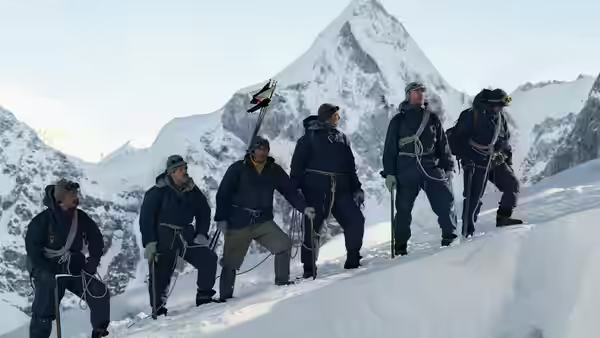
The mountain is the other performance. Stefan Duscio shoots the approach from a long way off, so the expedition is a line of dark specks on a white slope and the slope carries on past the top of the frame. Close in, he stays on faces: breath freezing on a moustache, goggles iced over, an oxygen mask fogging and clearing. Melinda Doring’s base camp is canvas and crates, and Kirsty Cameron dresses the British in wind-proof cotton and wool that fits and the Sherpas in whatever was left, a size wrong, which says more about the expedition than any line does. Simon Njoo lets the crossings of the Khumbu Icefall run long enough that we started counting the steps. Rebekka Karijord’s score is held back through the valley, low drones and single voices, and when it opens out on the ridge it has earned the right.
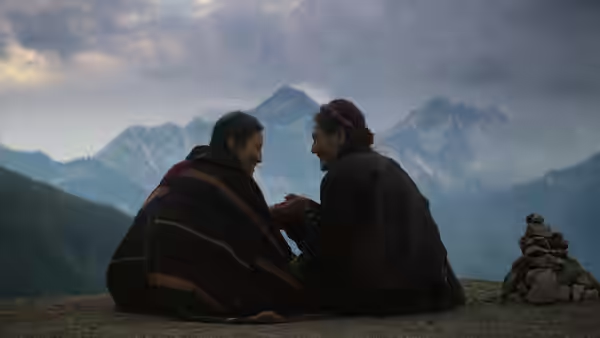
We were moved, more than we expected, by a short scene before the icefall when the Sherpas hold a puja and Tenzing stands at the back with rice in his hand. Phuntsok does nothing; the camera waits; the juniper smoke drifts over the British, who do not know where to put their hands. For a minute the film is about what it says it is about, two ways of standing in front of the same mountain. Then the climbing begins and the film is about ladders, which it also does well.
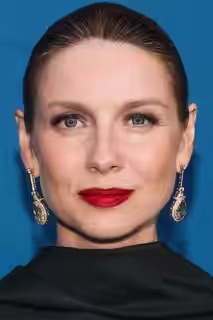
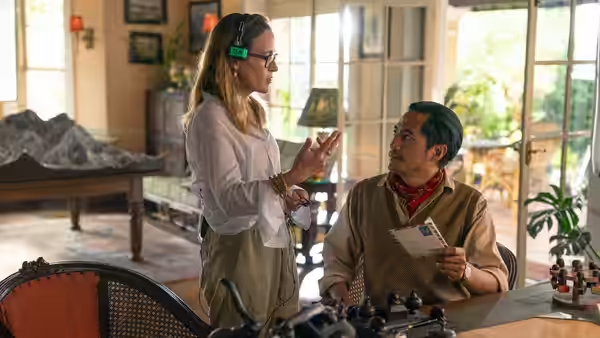
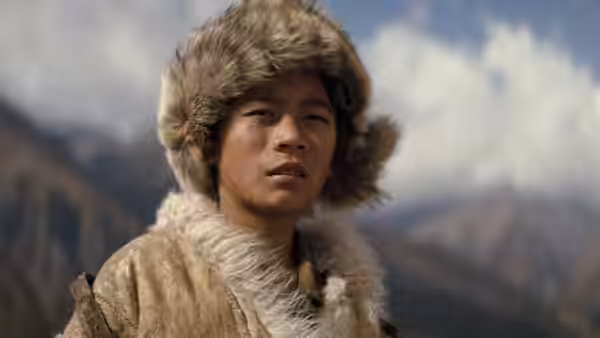
The first hour is where it loses us. Davies has written the standard biopic: the boy (Tenzing Dalha) looking up at the peak, the marriage to Dawa (Thinley Lhamo), who is given a smile and perhaps four scenes, the English friend in Darjeeling (Caitríona Balfe as Jill Henderson) who believes in him when nobody else does. None of it is badly done and all of it has been done, and by the half-hour mark we were bored, and then mildly cross, because nothing on screen was wrong except its familiarity. Tenzing is never allowed a bad day, a petty thought or a lie, and after a while we stopped quite believing in him. The question of whether the Sherpas were colleagues or luggage is raised and then patted on the head.
Against Peedom’s own Sherpa, which was angry about exactly that question, this is a polite film. Most critics are split in roughly the way we are, admiring the climb and wishing the man had been let down off the pedestal, and we think they have it about right. Phuntsok deserved a script with the nerve of the photography.
See it on the largest screen you can reach, for the ridge and for Phuntsok’s face at base camp. Bring patience for the first hour. It is the Everest film that should have existed decades ago, and it is a shade too respectful of its subject to be the one he deserved.