Lotte Reiniger’s silhouette fantasy is expressive and inviting, with delicate animation that earns our affection. The adventure and romance are less involving, but this is a warm recommendation for anyone drawn to animation.
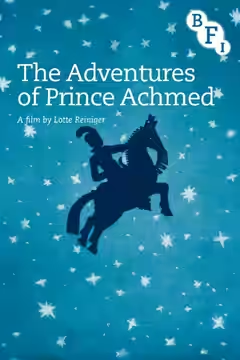
The Adventures of Prince Achmed is a rewarding animated fantasy whose chief pleasure is the expressiveness of its silhouettes. Lotte Reiniger gives these delicate figures enough life to make the film worth watching without any special allowance for its age. We recommend it, with a reservation about the rather thin dramatic appeal of the adventure and romance. The date is 1926; the images need no patient explanation before they can be enjoyed.
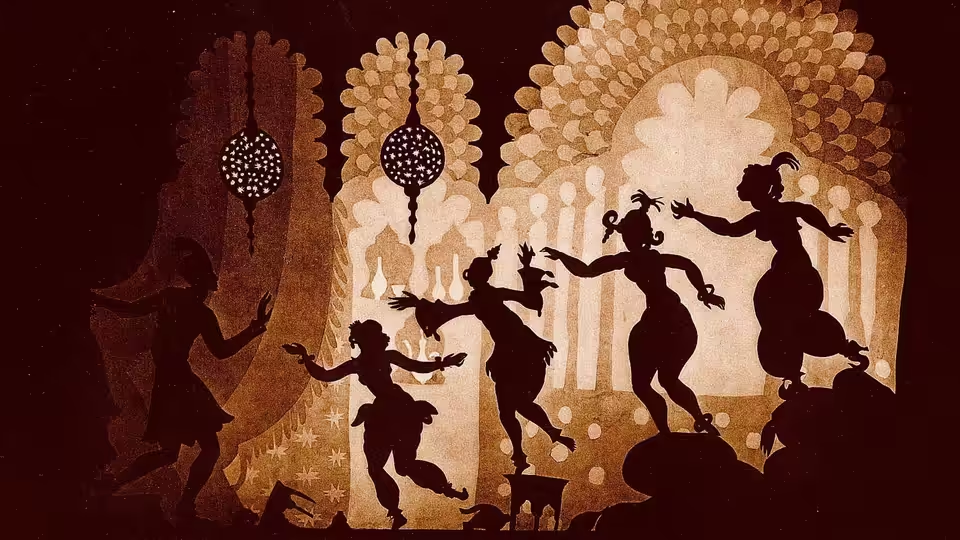
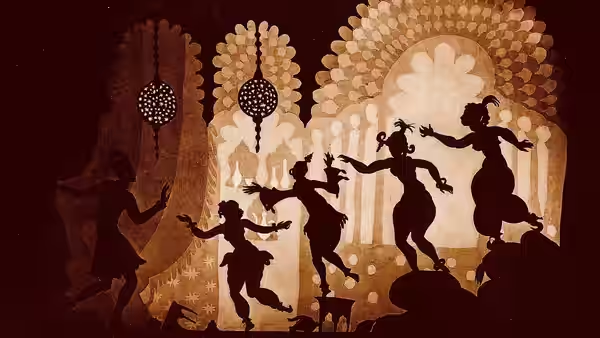
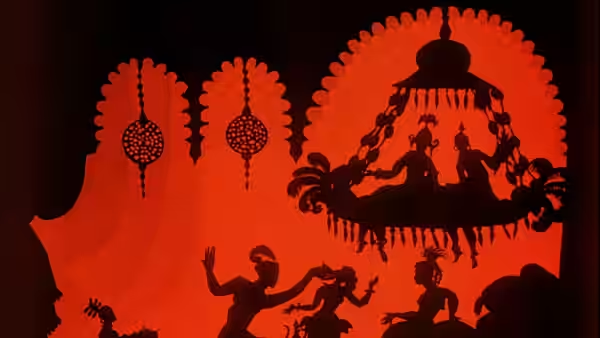
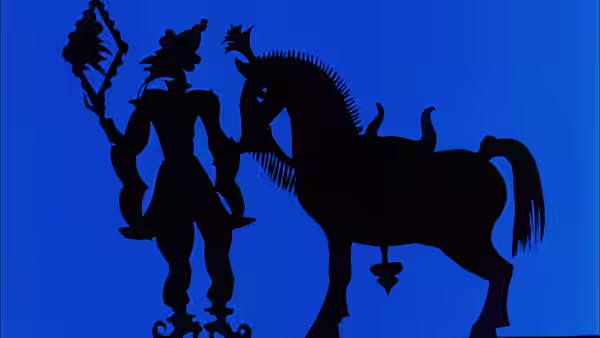
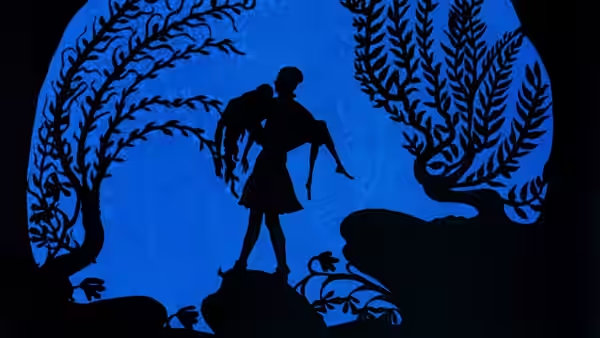
A silhouette makes us pay attention differently. We tend to search faces for feeling, but here the outline of a figure has to tell us much of what we need. We were unexpectedly moved by the delicacy of that animation. The figures seem vulnerable because their forms are so finely shaped, and their expressiveness keeps the intricate designs from feeling merely decorative. That attraction lasts beyond the first pleasure of discovering how the film looks.
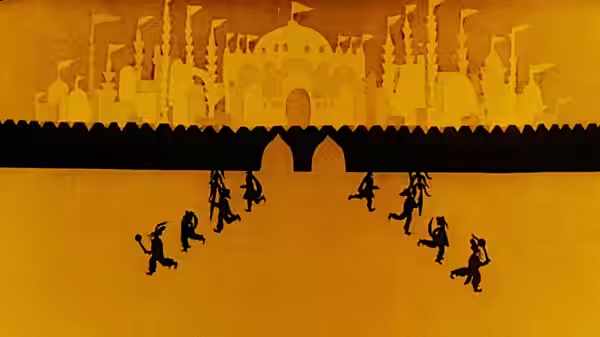
Carl Koch’s cinematography deserves some of the credit for making those designs readable. The visual detail is a pleasure in itself, yet it does not overwhelm the figures or make following them feel laborious. That clarity matters in a style which places so much weight on an outline. We can enjoy the workmanship without having to pick the image apart, and the photography serves the animation with welcome discretion.
The screenplay, also by Lotte Reiniger, does not command quite the same enthusiasm. The adventure holds our interest, but we seldom feel particularly anxious about it, and the romance leaves some of the emotional work to the animation. This is where the film can feel slight. At 66 minutes it is hardly an ordeal, but shortness does not automatically make a story involving, and we occasionally wanted more than another reason to admire the images.
Wolfgang Zeller’s music gives the fantasy a welcome sense of occasion. It suits the delicacy of the animation, although it is the figures themselves that remain with us afterwards. The accompaniment feels comfortable alongside these images without needing to insist on their importance. It helps us settle into the film’s manner, even when our interest in the adventure wanders.
Against what we ask of animated fantasy, that unevenness matters. A distinctive style can justify an evening, but a story still needs to make us care about its people. Here, the expressive animation supplies enough feeling to compensate for some of the screenplay’s shortcomings. We would not make the film’s age the centre of the recommendation: its visual invention is enjoyable without treating the experience as an educational obligation.
Give it an evening when looking closely is part of the pleasure. Those hoping primarily for a gripping adventure may find our recommendation too generous, and the romance is unlikely to settle the matter. But anyone curious about how much feeling an animator can put into a figure’s outline should put the distractions aside for these 66 minutes.