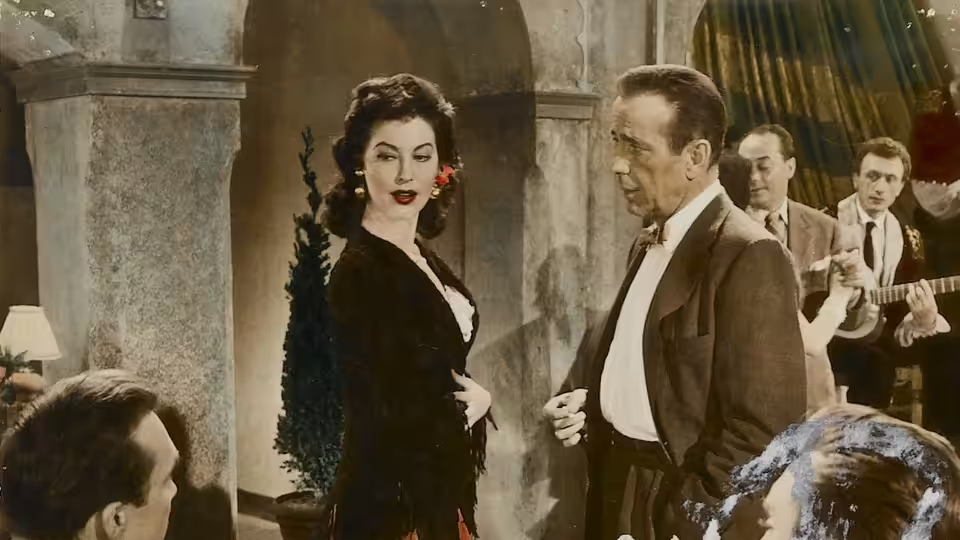
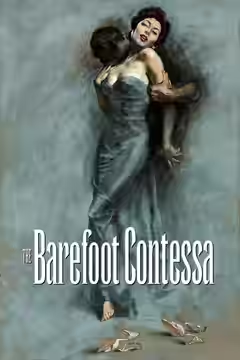
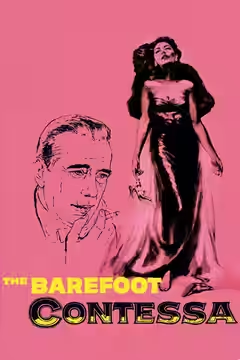
Joseph L. Mankiewicz gives The Barefoot Contessa wit, bitterness and more explanation than it needs. Ava Gardner and Humphrey Bogart make this film-business drama worth the patience, even when the talk starts keeping its subject at a distance.
The Barefoot Contessa is a good, talkative drama whose fascination with Ava Gardner survives some strenuous attempts to explain her. Writer-director Joseph L. Mankiewicz examines the film business through its appetite for a beautiful woman and the stories other people build around her. There is pleasure in the wit and an uncomfortable awareness of how readily admiration becomes a claim on someone. We recommend it for the performances, with the warning that its people can take a long time to finish telling us what they think.
Beginning at a funeral, the film looks backwards through several accounts of Maria Vargas’s life. William Hornbeck’s editing gives the changes of perspective a workable clarity, allowing us to attend to the speakers’ attitudes without struggling to follow the arrangement. The structure also encourages a useful scepticism about anybody who claims to have understood Maria. It is a promising way to approach the difference between a performer’s public image and private life, since the people offering explanations have their own reasons for doing so.
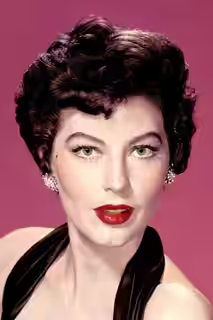
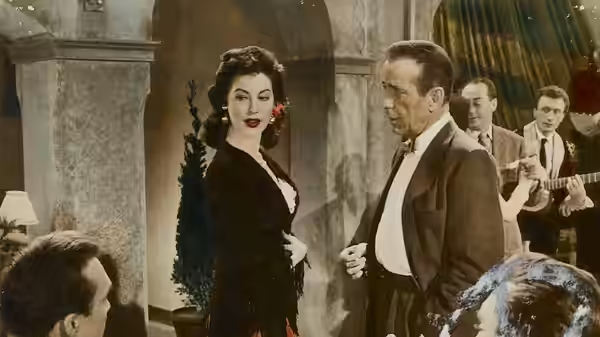
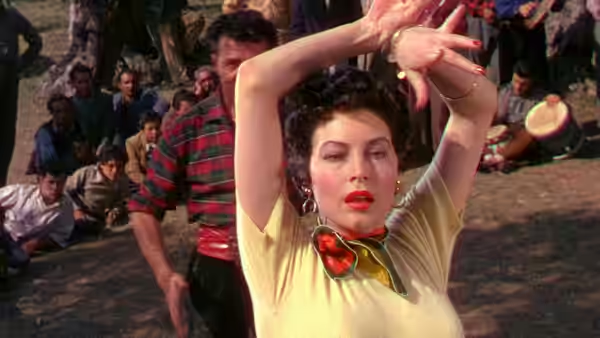
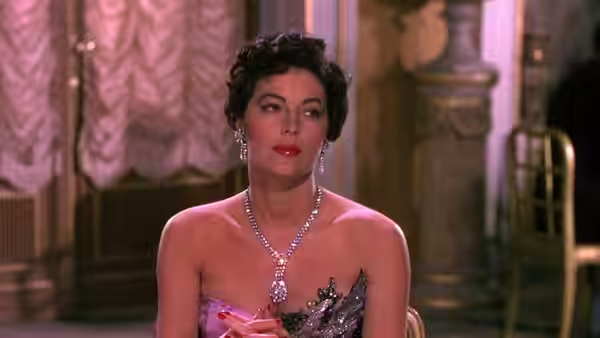
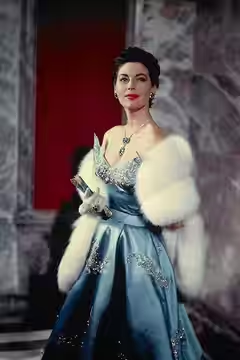
Ava Gardner prevents Maria from becoming merely the subject of all this intelligent conversation. The force of the performance lies in how much displeasure can coexist with the beauty the film keeps asking us to notice. We were moved by her flashes of anger; they make the attention paid to Maria feel exhausting rather than enviable. We want to hear more from Maria herself, especially after so many confident assessments of her from other people.
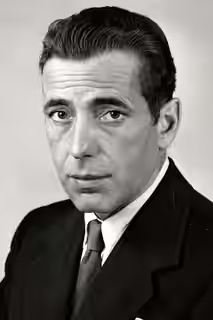
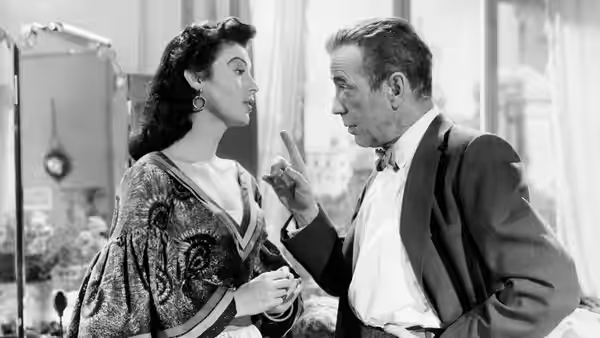
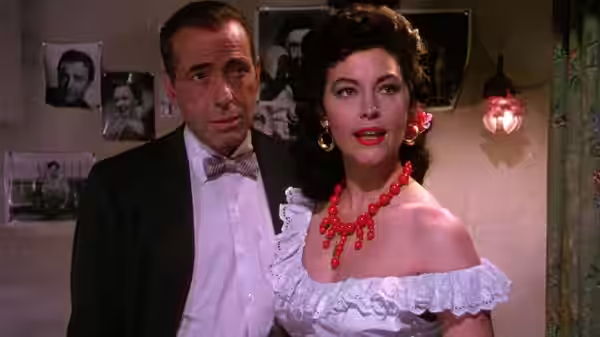
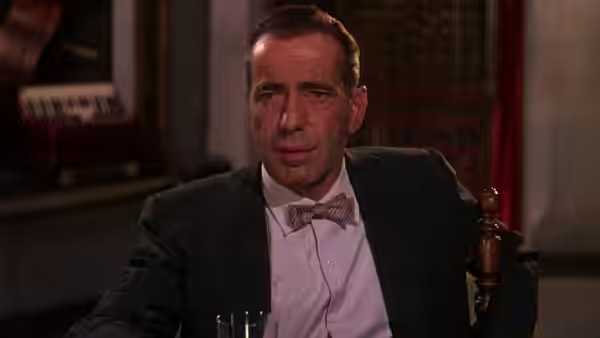
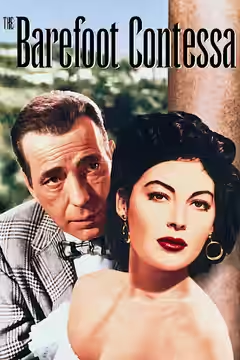
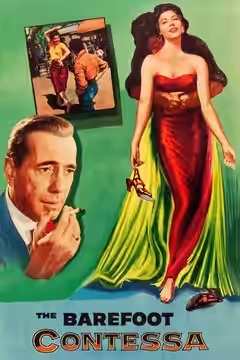
Humphrey Bogart’s Harry Dawes is a useful presence in such company, and the quietness of the performance matters as much as the cynical dialogue. He can make a polished line sound like something the speaker has had occasion to regret. That keeps the wit from becoming a series of invitations to applaud the writer. His performance gives the film a human scale, even when Joseph L. Mankiewicz seems reluctant to let anybody stop talking and leave an impression unqualified.
Jack Cardiff’s photography gives Ava Gardner the lustre that the story needs, though the camera’s admiration occasionally makes Maria feel remote. Her face remains more interesting to us than the commentary surrounding it, and the images make that preference easy to sustain. Mario Nascimbene’s music lends feeling to a film already generous with explanations. Its emphasis is sometimes excessive, but it helps us feel the sadness that the dialogue can be too busy to accommodate.
The weakness is in Joseph L. Mankiewicz’s determination to make his people so articulate about the business that surrounds them. Much of the dialogue is sharp, but its fluency can make hurt and disappointment seem too neatly understood. The film avoids the easiest pleasure of an industry satire: letting us feel superior to a collection of unpleasant professionals. There is sympathy here, particularly for Maria, although the writing needs to give her more room to be difficult without somebody explaining why.
There is enough tenderness to keep the bitterness from becoming a pose. Ava Gardner and Humphrey Bogart make the film worth its 128 minutes, even if some of those minutes are devoted to commentary we could have supplied ourselves. That qualification matters: the writing asks for attention even when it has begun to repeat itself. Choose it when a long, well-acted conversation sounds like a reasonable way to spend the evening.