The Blair Witch Project makes its rough images and frightened voices work hard enough to unsettle us. A few exchanges repeat the same panic, but this is an excellent horror film built around what we cannot see.
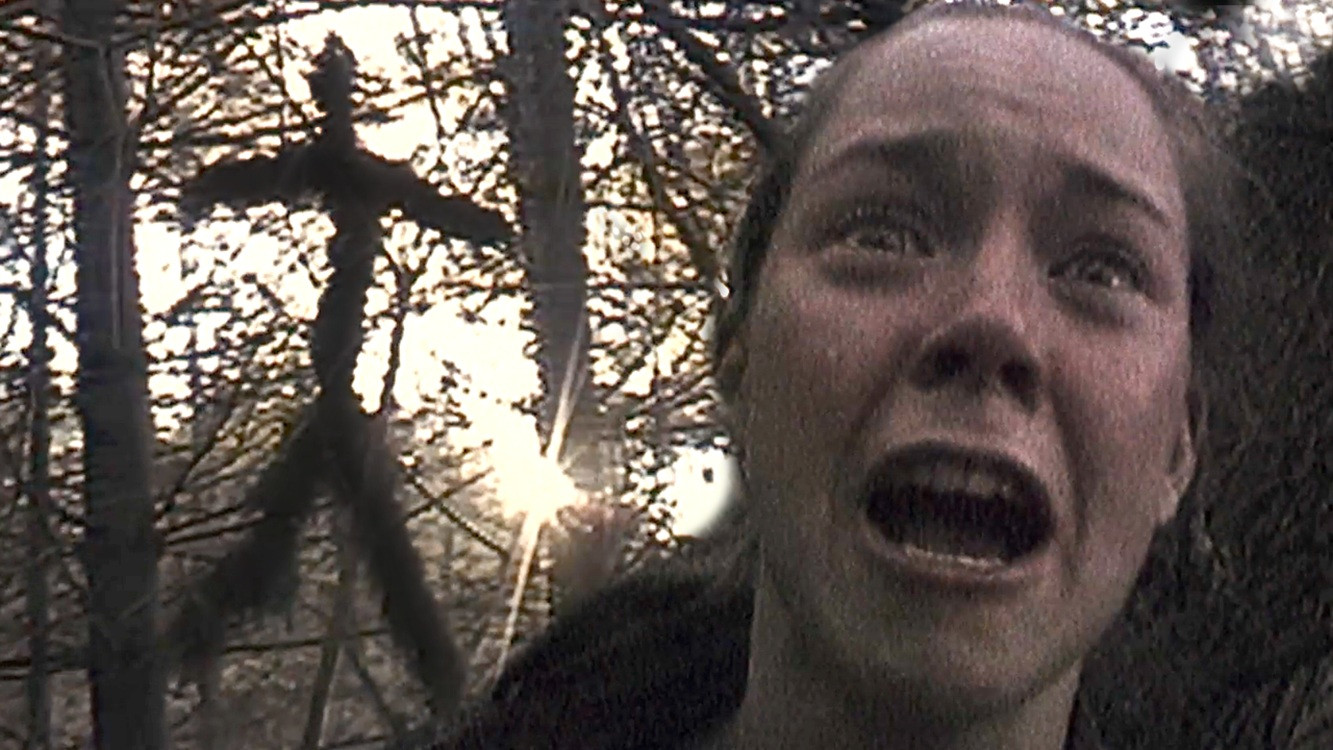
Daniel Myrick and Eduardo Sánchez make The Blair Witch Project frightening by restricting us to the view of people who cannot make sense of what they are seeing. It is an excellent horror film, though some of the panic becomes repetitive. The found-footage setup has us searching the picture for an explanation, even when another second of looking makes nothing clearer. The camera offers no reassuring view from somewhere else.
Heather Donahue, Joshua Leonard and Michael C. Williams make the improvised dialogue sound like speech people have not had time to improve. They let panic become unpleasant, with none of the neatness that can make screen terror look like a rehearsed response. We can believe in three people frightening one another without needing to believe every story that has frightened them. The performances give the witch legend a practical consequence: these people are losing their ability to think clearly in the woods.
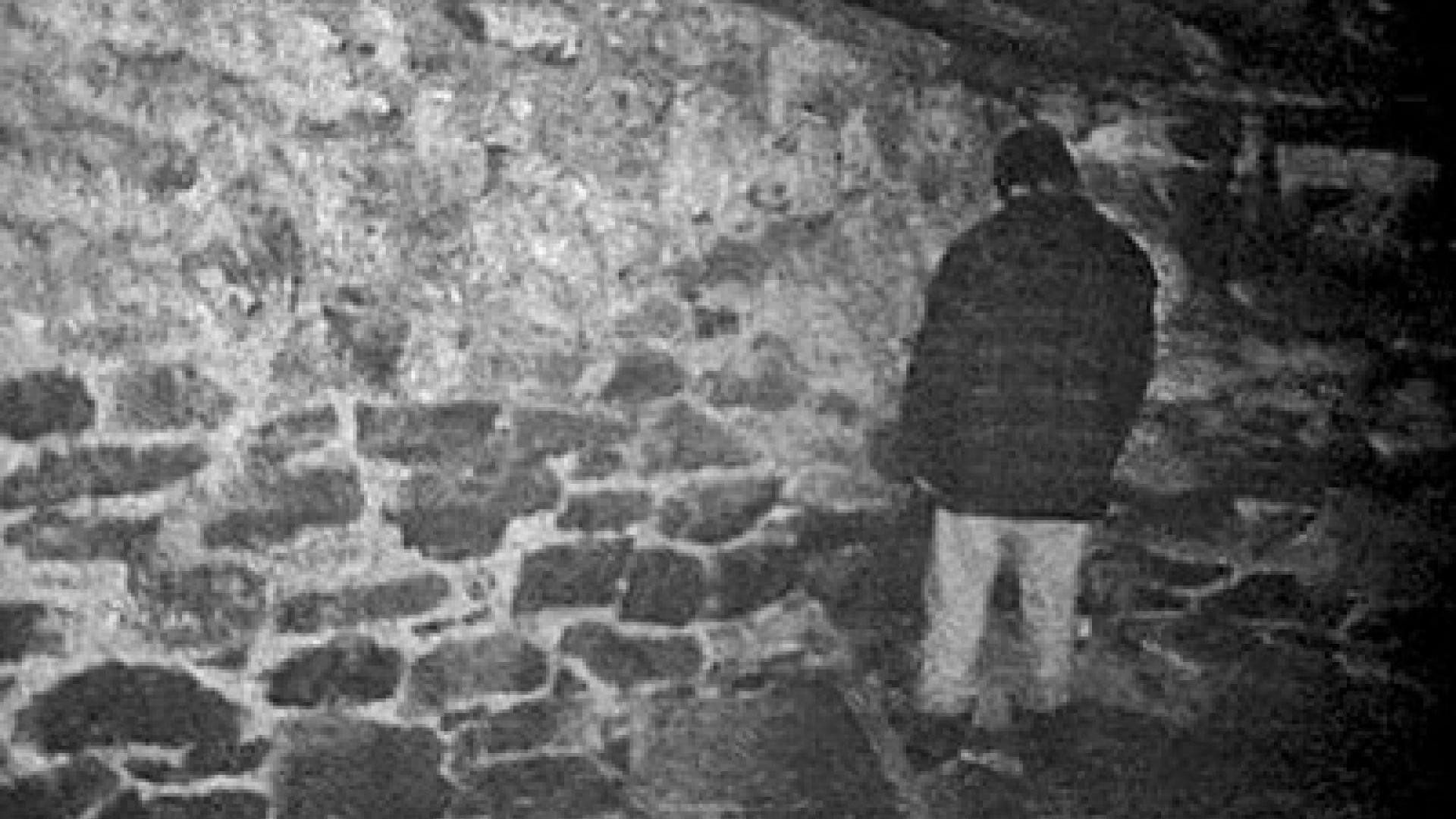
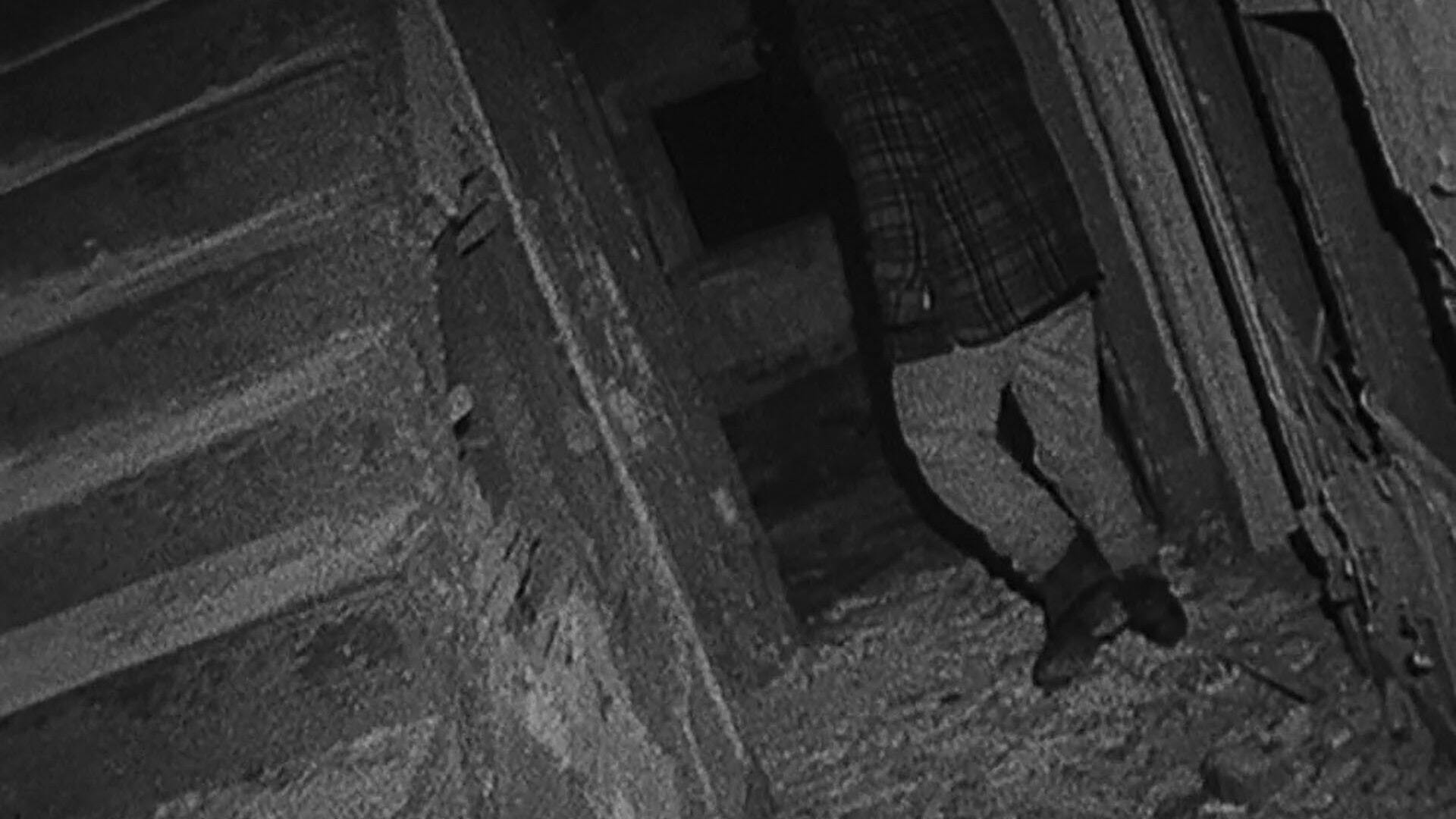
Neal Fredericks’s flat, handheld images keep frustrating our attempts to get a proper look. A more composed shot could reassure us simply by showing where everything is, but these pictures never feel arranged to help. We were frightened by the darkness because the camera could be pointed at something and still tell us almost nothing about it. The roughness works because it belongs to the people making the recordings; a polished view of the woods would break our belief in them.
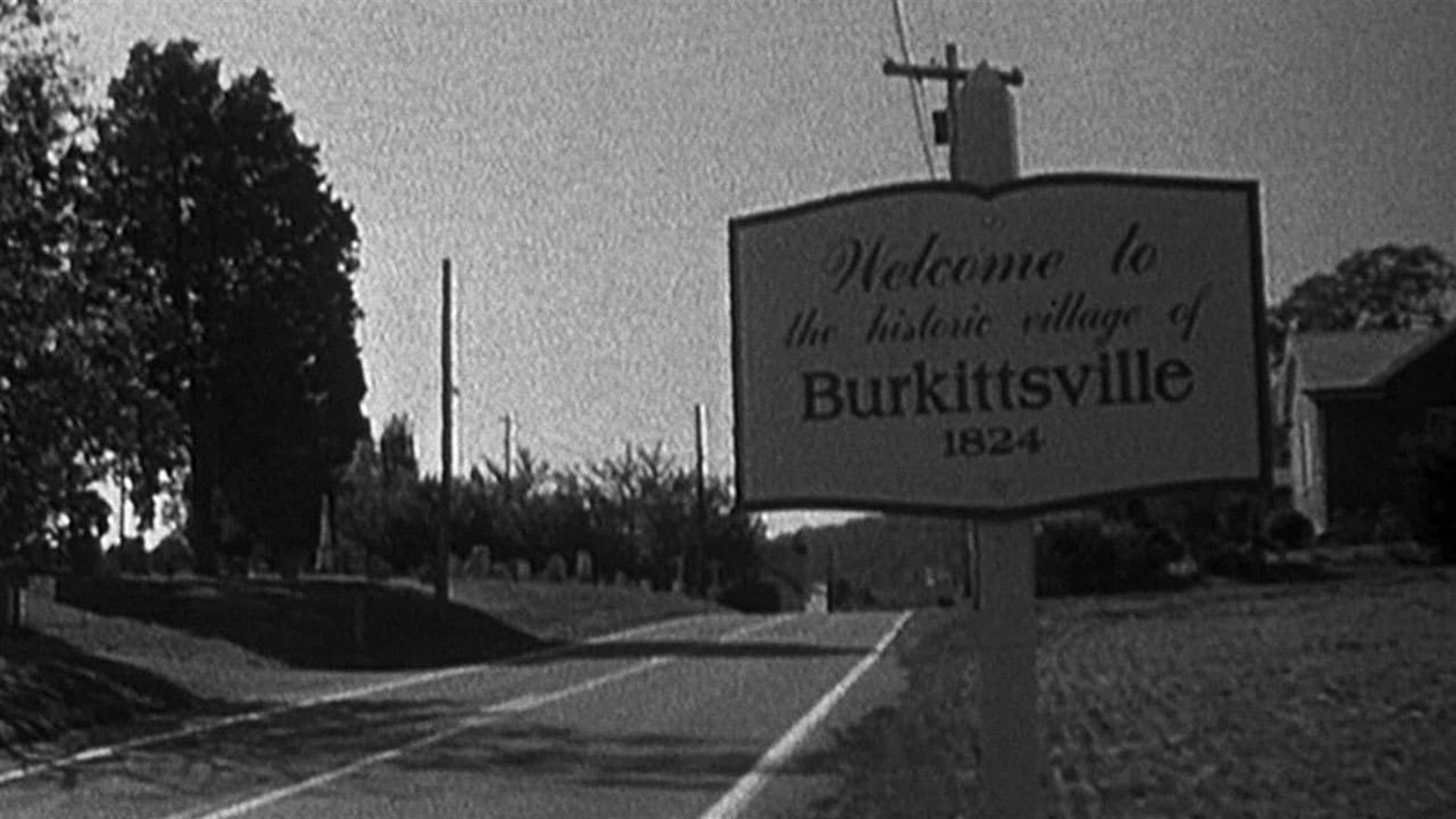
Production designer Ben Rock keeps the surroundings ordinary enough to support that belief. The woods do not look as though they have been prepared to deliver a fright, and the shadows offer few helpful distinctions between something threatening and nothing much at all. As writers, Myrick and Sánchez do not reduce the witch legend to a tidy set of rules that might settle the group’s fears. The film leaves us studying trees with much the same uncertainty as its leads.
Tony Cora has the music credit, but we remember the sound design more clearly than any cue. Noises around the people encourage us to search the picture again, despite how little it has already shown us. That combination of an unhelpful image and an insistent sound is effective, particularly when the frightened performances prevent us from dismissing what we cannot see. We spend these stretches listening closely, trying to work out how much of the danger the camera is missing.
The directors also edit, and their judgement is less secure when panic starts to repeat itself. Some of the improvised exchanges continue after the actors have made their distress clear, leaving the same feeling to occupy more time without becoming stronger. At 81 minutes, the film is short enough for this to be a limited complaint, though the uneven pacing is noticeable. Myrick and Sánchez are right to keep the recordings rough; we would still lose a little of the dialogue.
The film has a dry streak, too: carrying a camera gives these people no special competence in dealing with the unknown. Anyone accustomed to horror investigators who patiently assemble clues may find this lot hard work, and the lack of a clear explanation will not suit every appetite. We prefer the confusion here, since the actors make it so easy to share. We recommend watching somewhere quiet, without anyone inclined to explain why they would have stayed at home.



![[REC] poster](https://cdn.film.one/media/title/1931/poster-0c2635acbe7c.jpg?width=360&format=auto&quality=80)